Thai Gambling and UK Healthcare
In 1988, Cebu City, Philippines, I considered myself someone who had been around the block more than a few times. A reasonably tough nut. I was wrong. Three moments proved it.
Incident 1 The Transactional Mindset
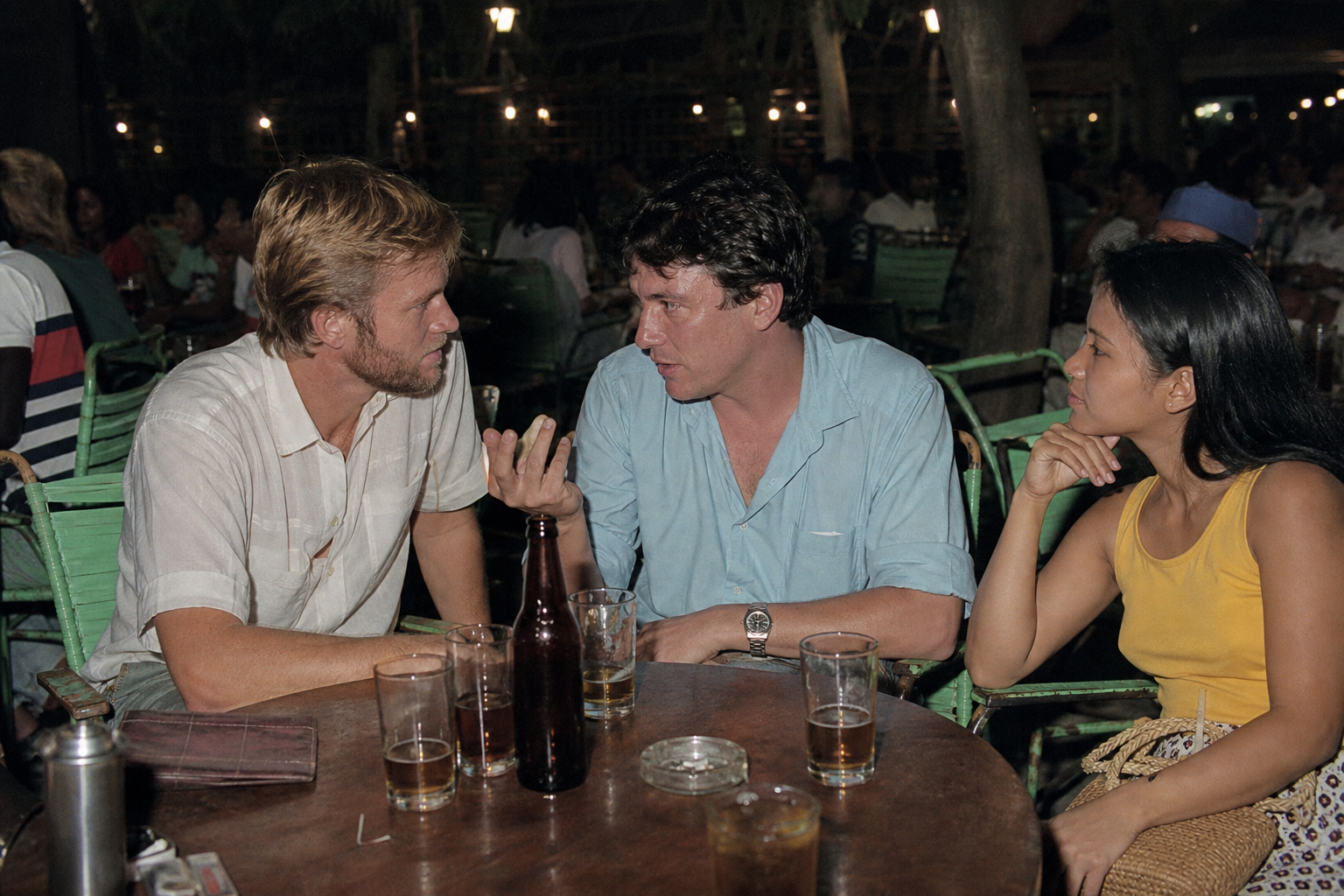
The first occurred in a large open-air beer garden I used to frequent in the evenings with my Filipino girlfriend. One evening, I struck up a conversation with two English guys. One of them complimented me on how pretty my girlfriend was and then quite casually told me that his own Filipino partner would soon be receiving an elderly gentleman from the UK, from whom he expected to make around 400 pounds for her services over the course of a week.
At first, I assumed these two men were desperate types, the sort who had burned all their bridges back home. But that was not the case. The man speaking was educated, composed, and evidently had some means. He even spoke of previous successes, though lamented that he currently had no girlfriend. We all like to think we know our limits, but perhaps we do not truly know how low we might sink if circumstances demand it. Still, I remember feeling a distinct sense of disgust.
Incident 2 The Mother and Son
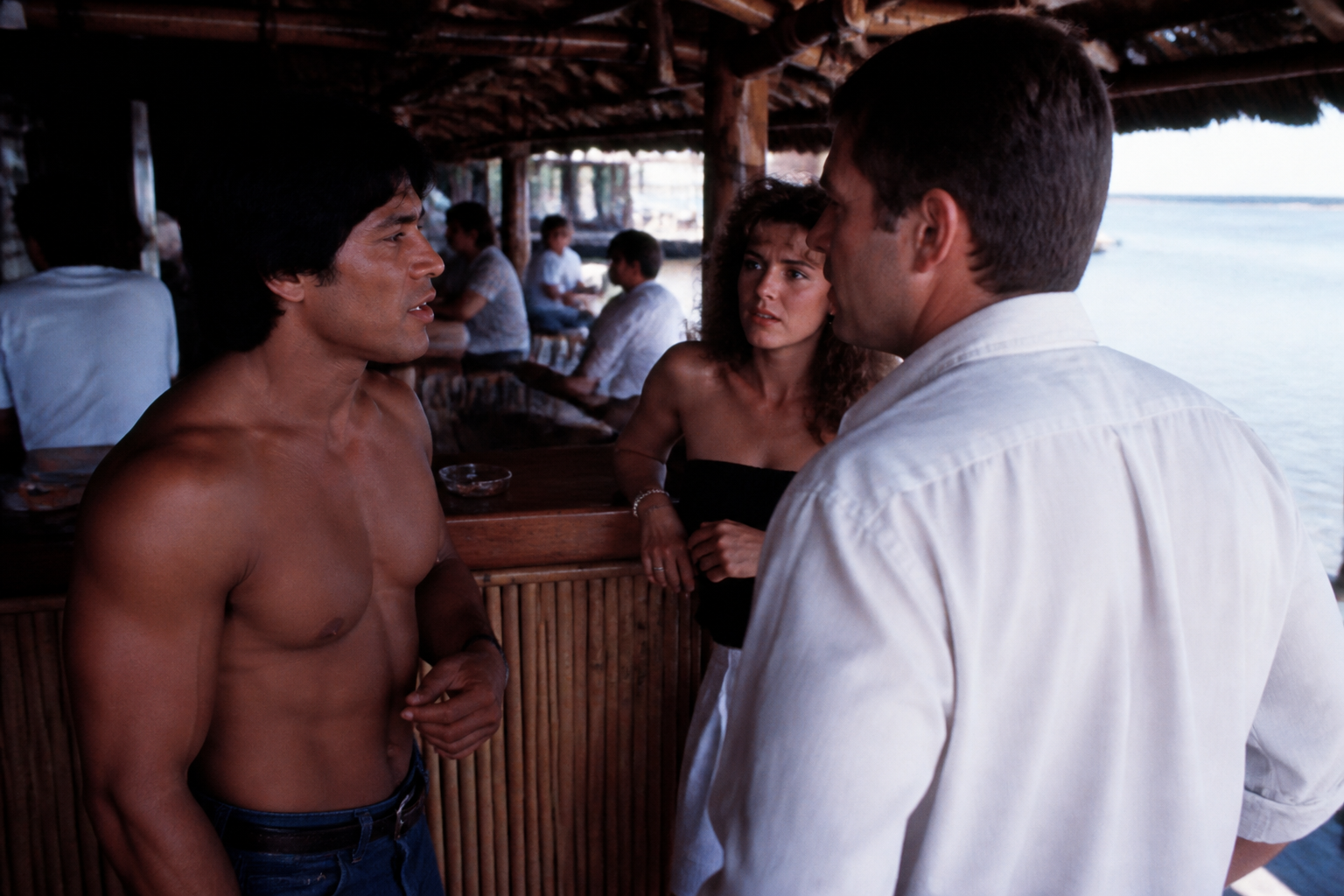
The second incident was worse. I had ridden my motorbike across the bridge from Cebu Island to Mactan Island to meet a New Zealand friend near a small place by the moorings. That evening, I was alone. A Filipino, perhaps 25, large and muscular like a bodybuilder, waved me over. There was little chance of avoiding him. Almost immediately, he began insisting that I take an attractive woman sitting nearby. “Why not take her? There is a room in the back,” he urged. I guessed her to be around 28. She was certainly striking. I declined politely, explaining that I had a girlfriend.
He would not take no for an answer and kept pressing the matter. Fortunately, my girlfriend arrived soon after, and I gladly excused myself. As I walked my friend down towards his boat, I mentioned the pushy man. “Yes, I know him,” my friend said. “That woman with him is actually 38, and she is his mother.” It took a moment to register. When it did, I felt physically sick. For someone who prided himself on being unshockable, that evening left me in a thoroughly foul mood.
Incident 3 The M16 at the Checkpoint
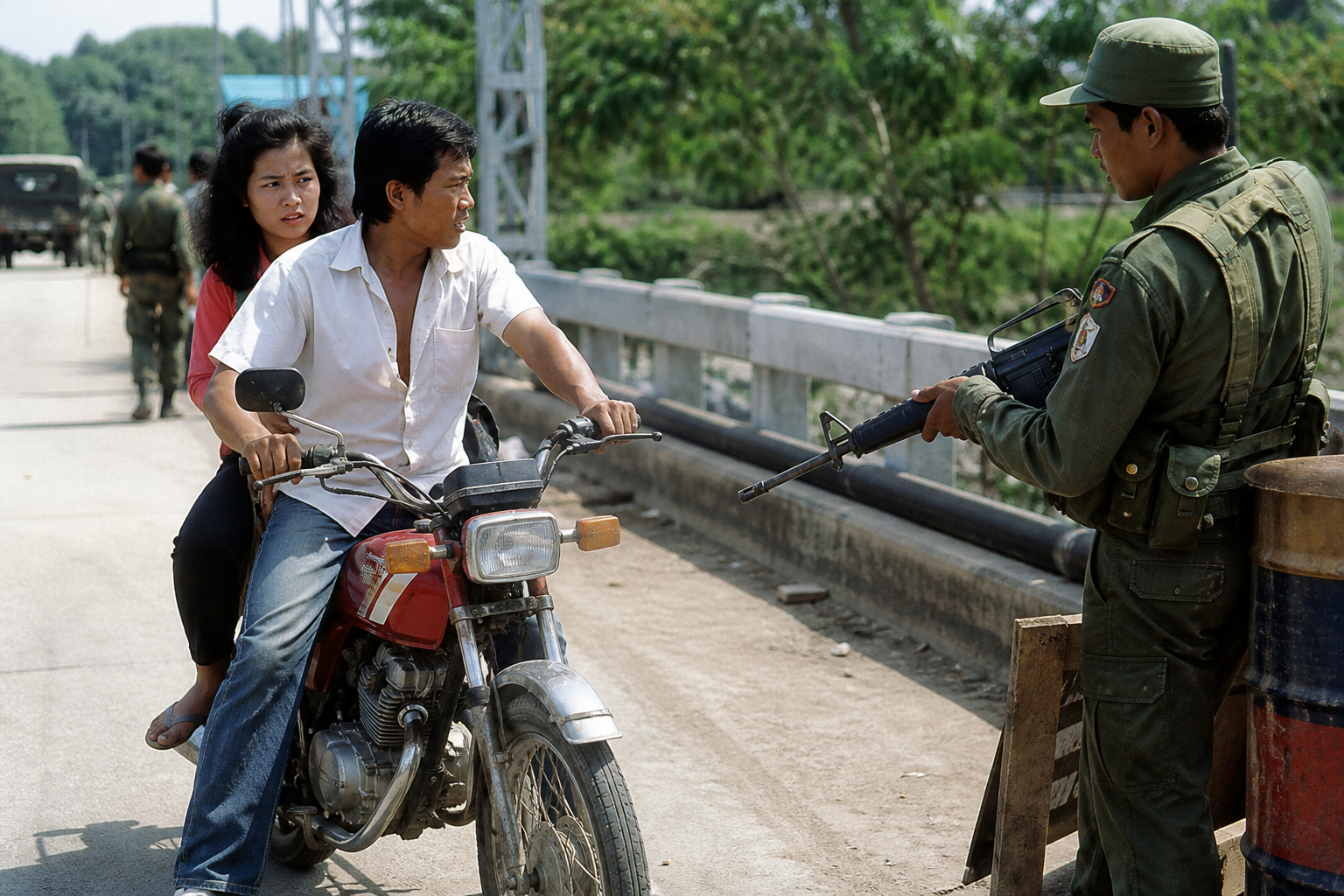
The third incident happened not far from there, just before the bridge back to Cebu. I was riding again about two months later, this time with my girlfriend on the back. There was a police checkpoint, something I had passed through countless times without issue. This time, however, an officer made a sweeping motion with his arm. Out of habit, I interpreted it as a go ahead. In the Philippines, however, that same gesture means “come here.”
He took my failure to stop as an attempt to evade him and promptly cocked his M16. My girlfriend screamed. I slammed on the brakes. That sound, the metallic snap of a rifle being cocked behind you, is not one you forget easily.
The officer approached, visibly tense. I explained that gestures can be easily misinterpreted much like how a circle formed with a thumb and forefinger means “okay” in Germany but something rather less polite in Italy. He relaxed, though he was pale, and after a few words, the tension dissipated.
When I asked why I had been stopped, he admitted quite candidly that new orders had come down from Manila. Foreigners were no longer to be waved through automatically, as it might be seen as discrimination to the locals. We both agreed the directive was totally absurd. No foreigner comes to the Philippines to steal a motorbike. I showed the paper proving that the bike was my property. He hardly glanced at it and gave it back a few seconds later.
The following evening, I passed the same checkpoint. The same officer was on duty. I stopped. He recognized me immediately and waved me straight through with a warm smile. Two years earlier, a fellow German was shot dead on one of the islands in very similar circumstances. From that day on, I made sure I understood exactly which hand signal in the Philippines means “come here” and which one means “carry on.”
The Rifle Incident
On a lighter note, that same year, I got to know a certain major. From time to time, he invited me to the shooting range. My supposed role: to instruct new recruits in the proper handling of newly arrived M16s. If you remember my Malaysia story, you will understand the pattern in the 1980s. A German abroad could be instantly promoted to just about anything doctor, engineer, or in this case, military advisor. Qualifications optional.
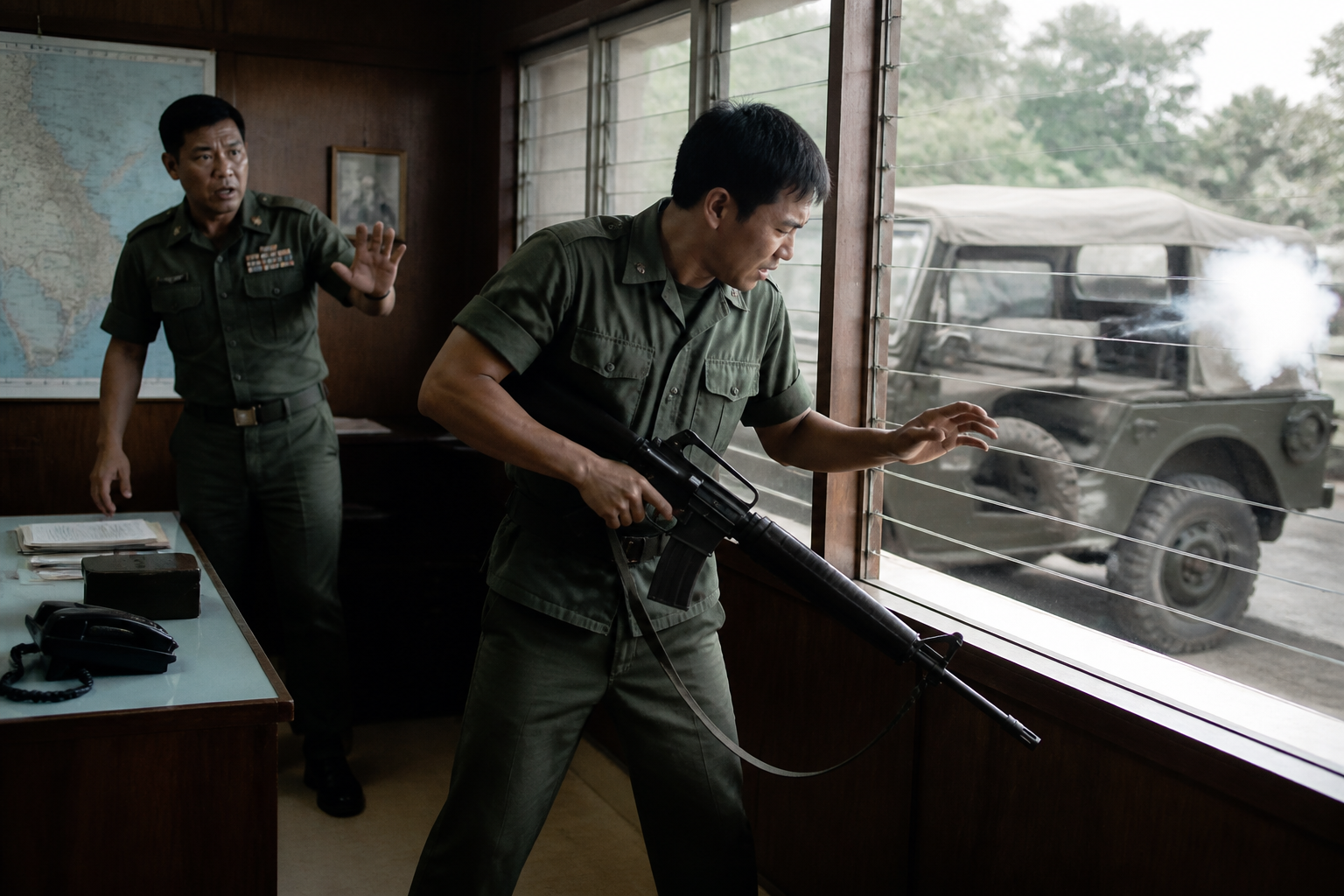
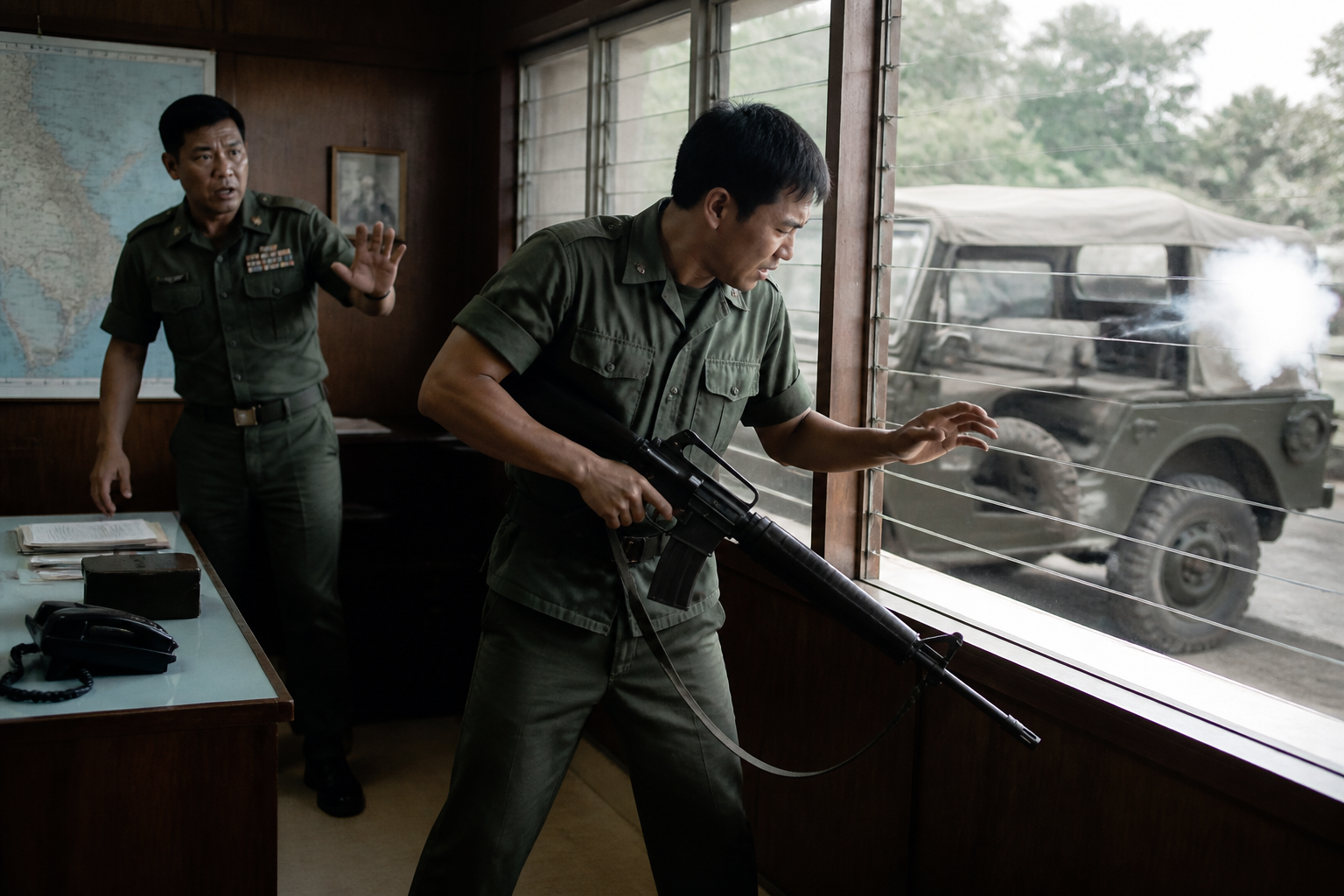
Later that evening, I was sitting in the major’s office when he suddenly realized his rifle was still in the jeep. Without much concern, he ordered a subordinate a captain to fetch it. The man ran out, returned promptly, and with great enthusiasm, slammed the butt of the rifle onto the floor. The rifle immediately discharged and neatly punched a hole into the ceiling. Luckily, the bullet missed the captain’s head by about 3 inches.
Strangely enough, the incidents did not shake me at all. By then, I suppose I had grown accustomed to how things worked or did not work in the Philippines. I’ve not been back in over 30 years, but friends who stayed much longer assure me that, in essence, very little has changed.
Story 2 A Child A Gambling Addiction and A Desperate Move to the UK
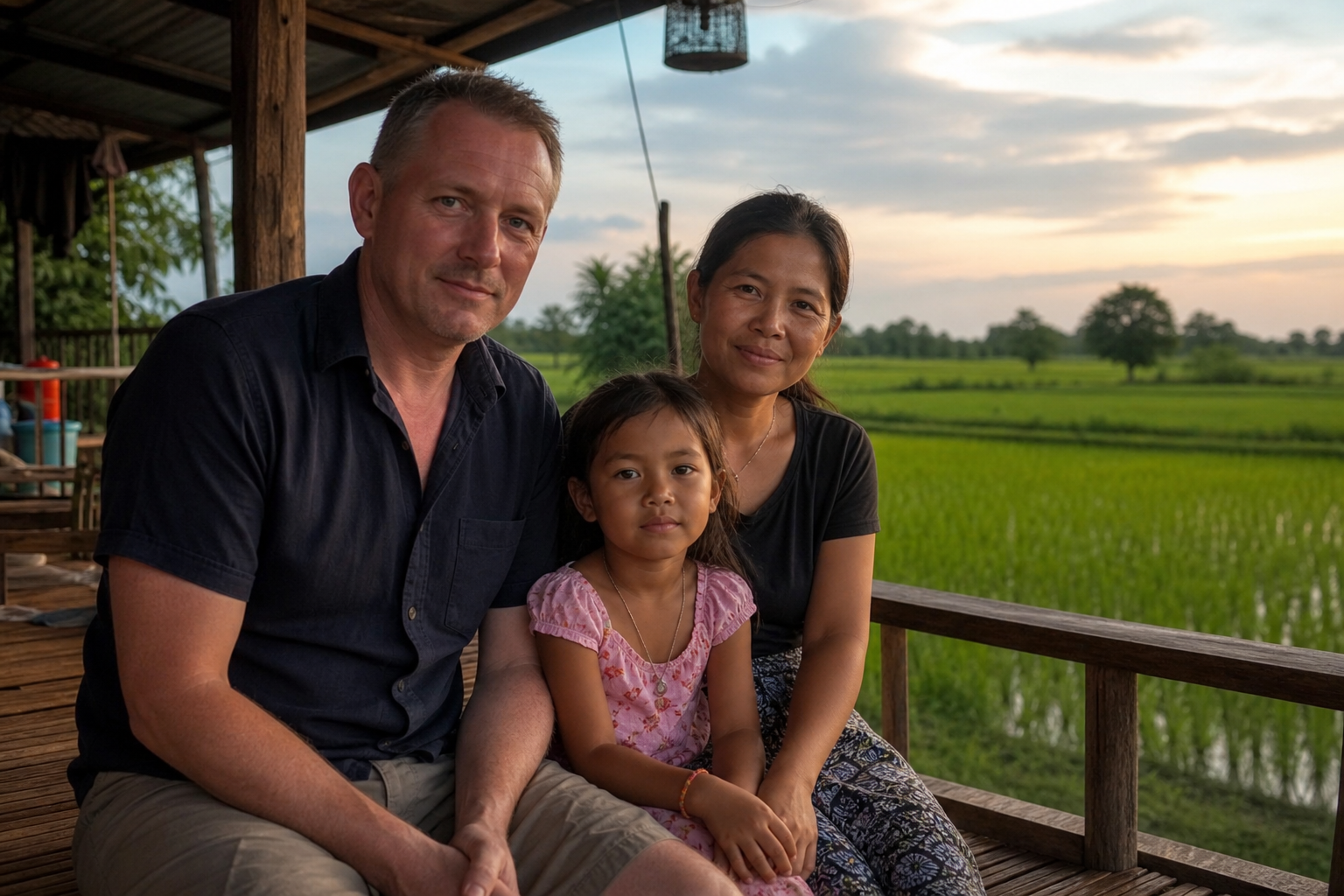
It started in 2016. I just lost my mother back in the UK. It was a sudden death from nowhere, and she was only in her mid-50s. This really messed me up as we were a very close family, and our mother was our rock, bringing us up on her own and sacrificing everything for us kids.
A few months later, I wanted to get away from everything and decided to go to Thailand for a month with friends. I had been to Thailand a couple of times before and loved the country. I was now single and took advantage of what Thailand had to offer in regards to the nightlife.
Meeting Took
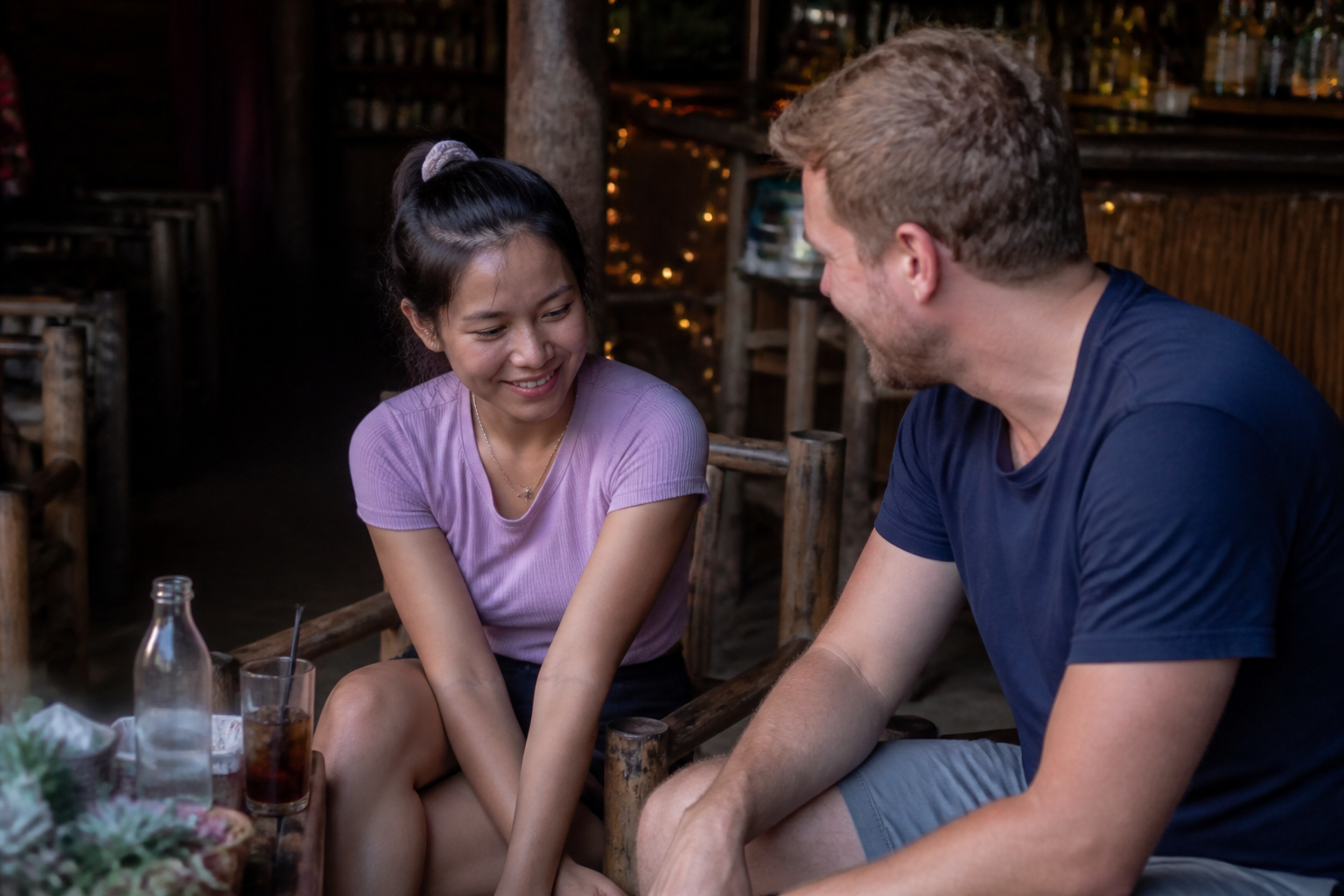
In Ao Nang, I met a girl called Took. She was a very shy, sweet, petite girl from Isaan. I know everyone will think it’s the usual story, but she had only been there for a week and was working in a small bar. I know the story is true because we’ve been together a long time now and know the full backstory as to why she was there.
Her English was basically nonexistent, and we mainly communicated with Google Translate. We got on really well and spent every day together for the remainder of my stay. I gave her a few thousand baht when I left as a parting gift.
When I returned to the UK, I booked another trip to return a month later, and she stopped working in the bar and returned to her home. I sent 200 pounds (approximately 8,000 baht) while I was away to help her out.
This was the first time I got to see how rural Thais live. Her family are rice farmers, as is normal in Isaan. They had sent their daughter to university, but she didn’t take advantage of the opportunities and ended up in a bar like so many Isaan girls do. She had gambled through university and built up a debt that her parents had to pay. They sold off some of their land to pay for her debts, but then she did it again, and they cut her off. That’s when she was forced to go to Ao Nang to work the debt off herself.
I come along just after she arrived, and this apparently shy girl who I wanted to save from a life of working in beer bars saw me as yet another opportunity.
The Relationship Develops
I came back a month after leaving as planned. We met in Khon Kaen and got straight on a flight to Phuket because we had planned to travel around for a month. I ended up extending this trip to 3 months as we got on so well, and I just didn’t want to return to the UK. I was giving her a bit of money to send to her family. The small salary she was earning was going to pay gambling debts, not really going to her family at all I later discovered.
For the next 2 and a half years, we continued this scenario where I would come to Thailand and stay for 3 to 4 months and then return to the UK for a month or two in between. This happened until early 2019 when she became pregnant. We had never used protection. I wasn’t naive and knew it was likely to happen eventually.
The Baby Arrives
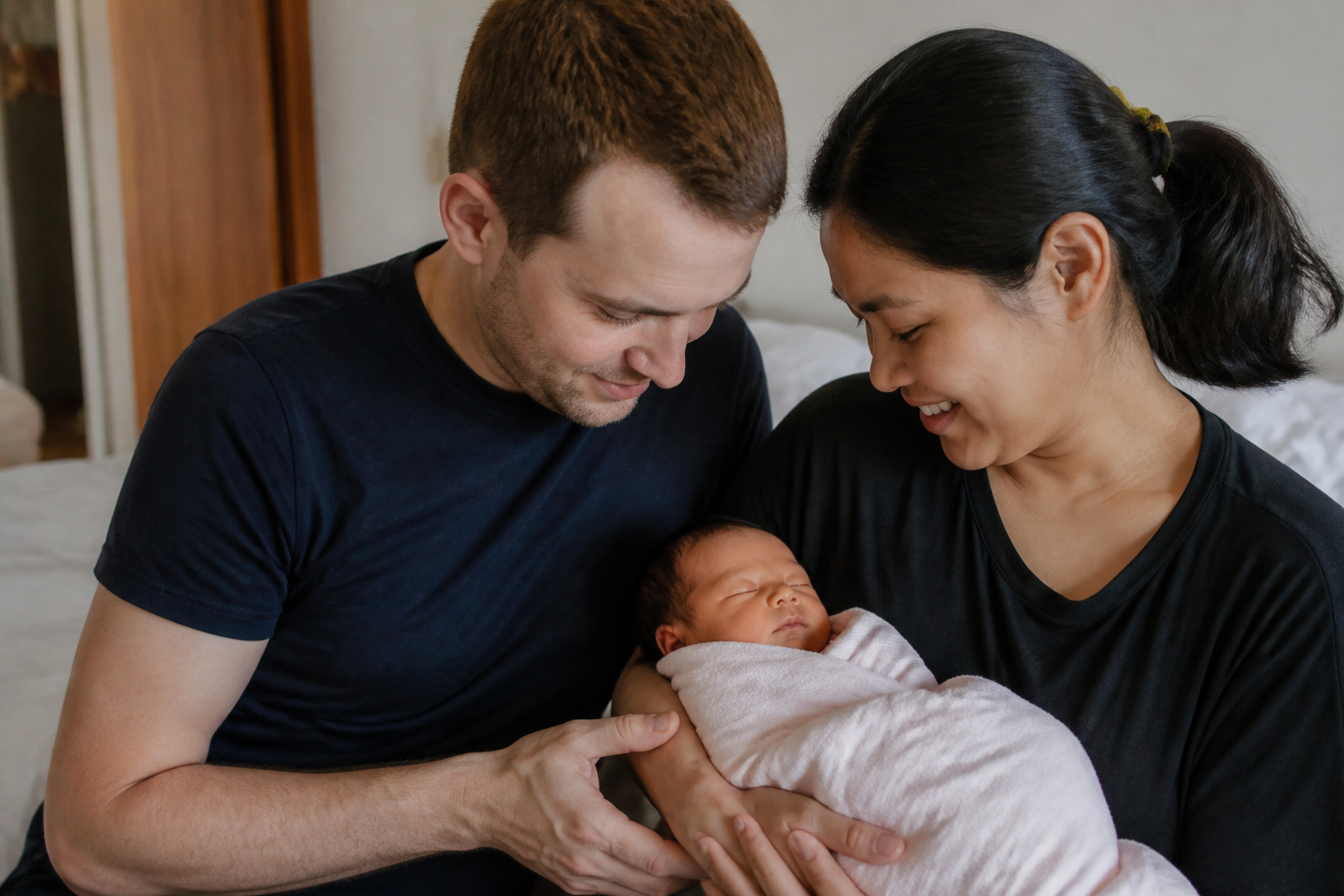
We decided to settle in Chiang Mai. Late 2019 came, and we had our baby. I had stayed in Thailand through most of the pregnancy, taking care of her and doing all the prenatal care. My sister came to support us for the birth as our mother wasn’t around. It was a happy occasion, and everything went smoothly.
A month after our daughter was born, she started going a bit crazy. Bad mood swings, throwing stuff around the house, and screaming like I hadn’t heard before. I knew this was probably down to being so tired as a new mother and likely suffering from some postnatal depression. I tried to help as much as I could up in the night to do feeds, all the cleaning, constant clothes washing, cooking all the meals.
The Gambling Addiction Emerges
A couple of months after our baby arrived, the pandemic hit us. Over the next few months, her mood swings slowly became worse and worse. When we eventually went to the UK for 6 months, Tuk stayed at home, and unbeknownst to me, began gambling again on Thai websites, secretly losing untold amounts of money.
When the 6 months was up, Tuk returned alone as I was still needed for another couple of months. Tuk continued to gamble and was always asking for more money. I was already sending 100,000 baht a month. I was telling her it was impossible she needed more but sent more anyway, as I didn’t want my daughter to go without anything.
I had now been away from my daughter for 3 months, and I was really struggling to cope. I told Tuk I was ready to come back to Thailand, and she had a confession. She told me she had been gambling and had given my car to loan sharks. Obviously, I was furious. On top of that, she had also given away my car for her gambling. I sent her money to get the car back and pay the debt, which she did.
On my return journey, she confessed to me at the airport that the car was not there. She had given it to a family member for a loan. I paid the new debt and got my car back and took over all finances. I limited the money she could have, as I knew she would just gamble it away.
Things totally changed, and of course, now she didn’t have the support she once had, she got moodier than ever. Over the next few months, she started getting aggressive and violent. I had to endure all of it for my daughter. I didn’t want to leave my daughter with an erratic, angry person.
The Move to the UK
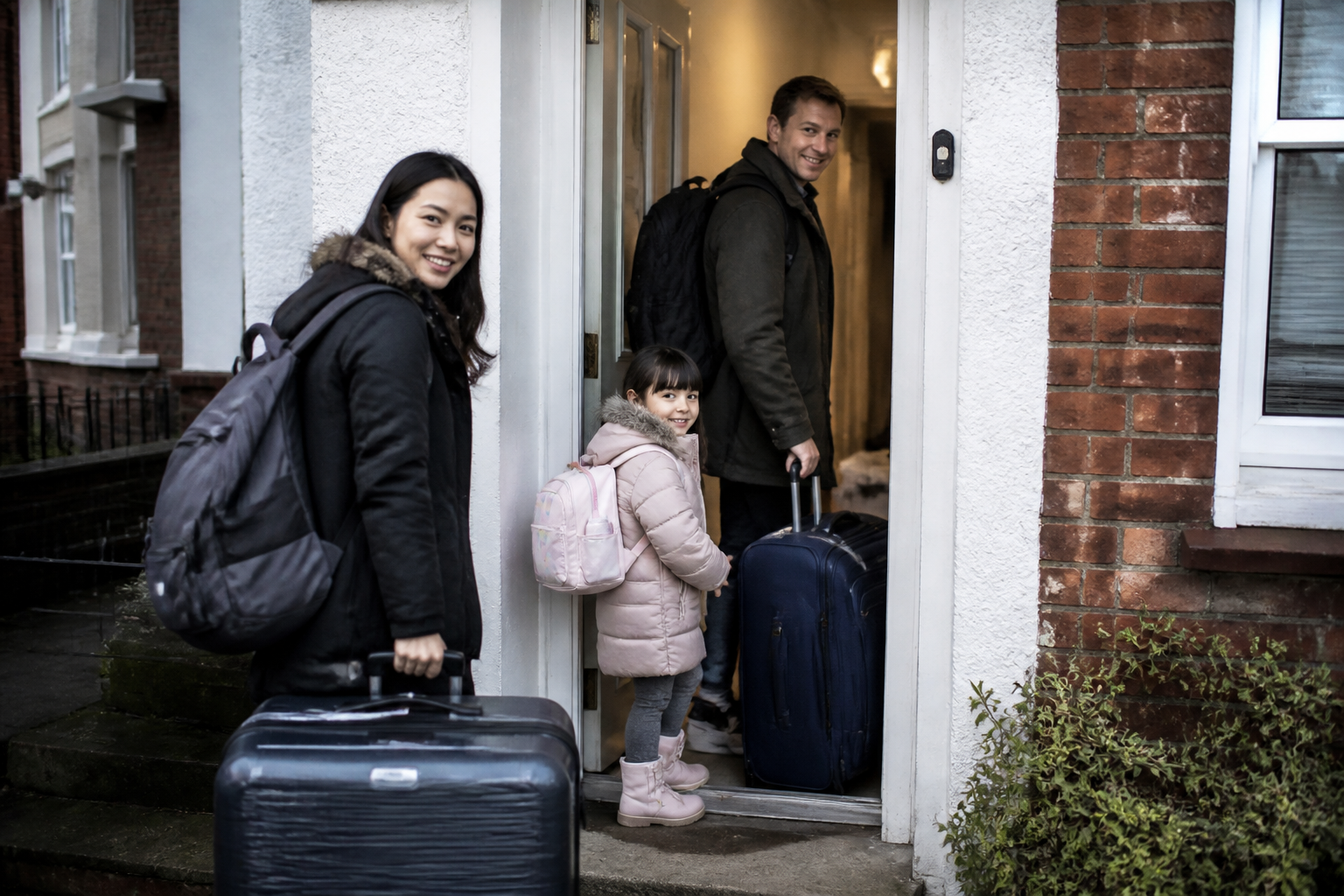
Getting my daughter to the UK seemed like the best move to me. If the mother went crazy and tried to take her away, I knew I would be in a better position with some rights in comparison to being in Thailand. We arrived in the UK in March 2022. The bad mood swings and occasional violence continued initially, but after a while, at least the violence stopped after I explained to her that this is not Thailand and police will take you away if this continues.
We are now still living together in the UK. I’m living in a difficult situation with someone I don’t really want to be with, but I do it for my daughter. When she’s a bit older, her mother will have moved on, I would guess. Or if she meets another naive farang, she can go off with him. Until then, we are single but living together and both taking care of our daughter. Well, 90% me and 10% her.
Story 3 Combining Thai and UK Healthcare A Pacemaker Story
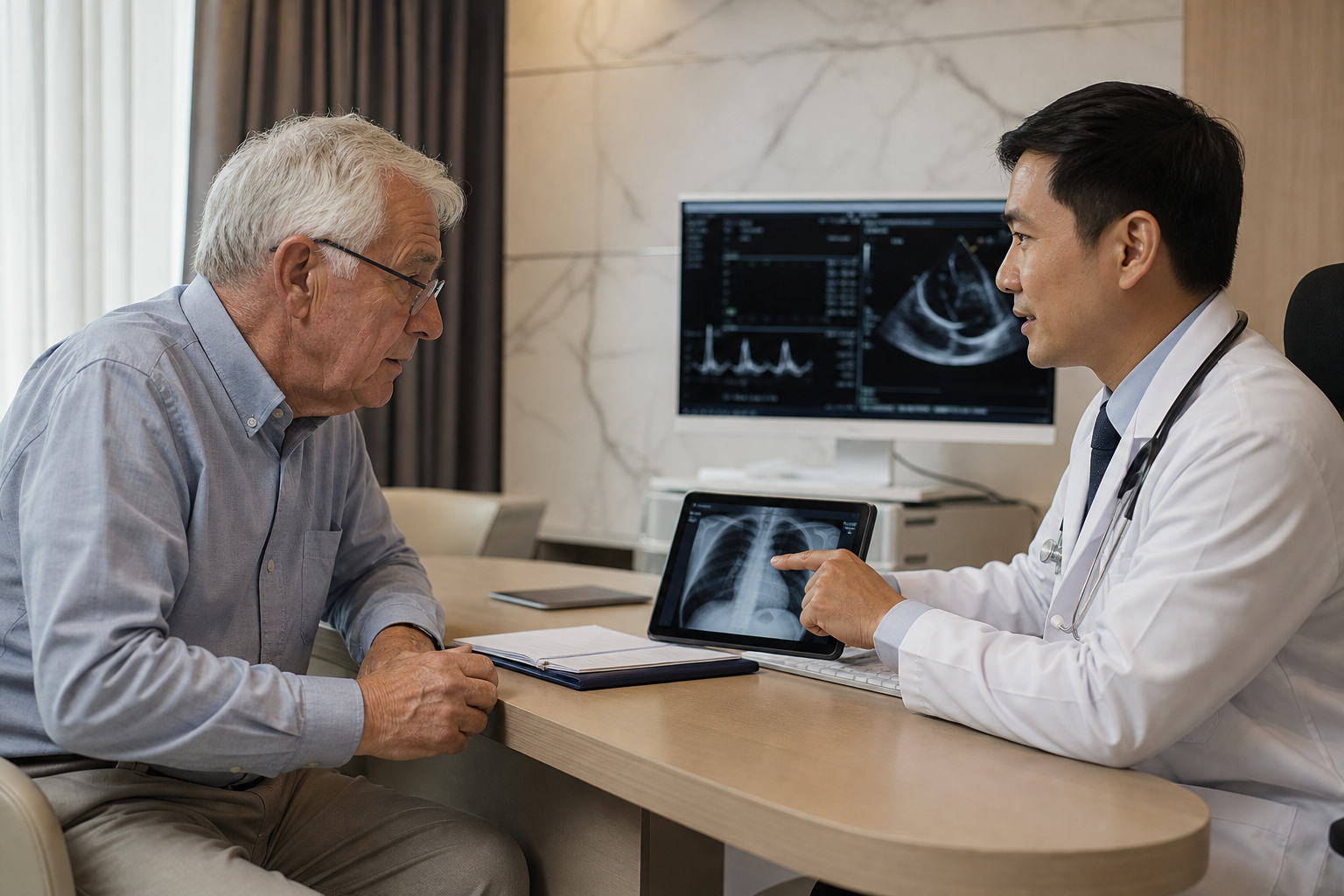
This might not be for everybody because it’s related to health and hospitals, and especially if you come from the UK. I thought it might be helpful to some people if I detailed my recent experience of healthcare in a Thai private hospital, the private patients’ part of a British hospital, and a British government hospital.
The purpose of this story is absolutely not to compare Thai hospitals with British hospitals. Instead, it is to show how I accidentally found that one can possibly get the best, fastest, and cheapest healthcare by combining the strengths of the Thai system with those of the British system.
How the British NHS Works
First, I should briefly explain how the British healthcare system works. We have two systems in the UK. Private hospitals where you or your health insurer pays for treatment, and the government healthcare system called the National Health Service (NHS). The British NHS always seems to be in a perpetual state of crisis, with reportedly more than 7 million people on waiting lists for tests and treatment.
If you want fast access to treatment in Britain, you can go to a private hospital, though they tend to be very expensive. The NHS has a target of starting any treatment within 18 weeks of your GP’s referral letter. Some people will get treated much faster, but many people waiting for common operations like hip or knee replacements may have to wait much longer.
My Experience in Thailand
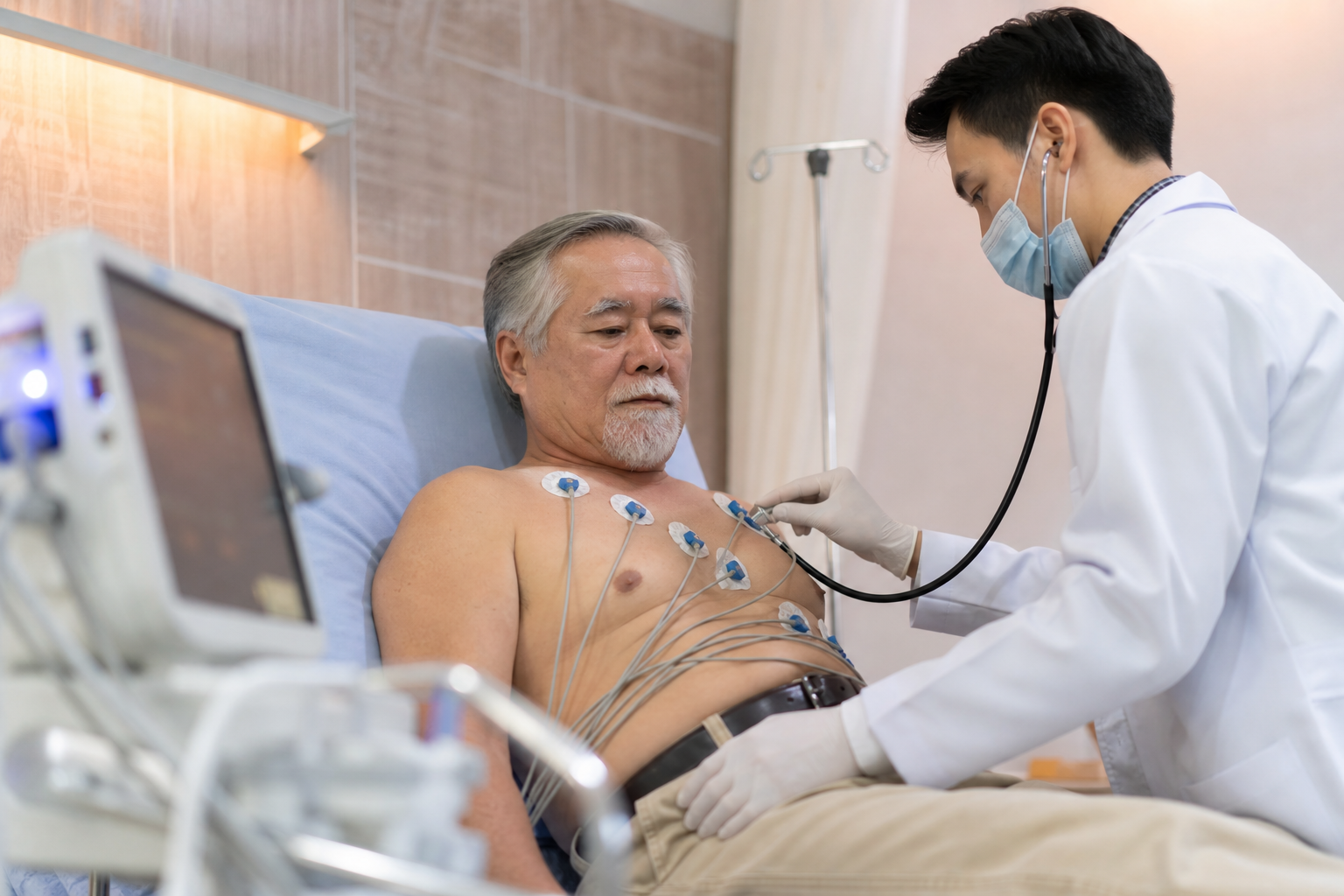
On my most recent visit to Thailand, about 10 days before going home, I suddenly collapsed while on my exercise bike. When I went for a swim, I had to stop to get my breath back every 50 meters. I knew this wasn’t normal, so I took a taxi to a well known hospital.
Within an hour of arriving at the hospital, I met a cardiologist who prescribed a number of tests blood test, ECG, and various others. A couple of hours later, the cardiologist came back with the results. My heart rate had fallen from a healthy 65 beats per minute to 40 beats per minute not beating fast enough to supply sufficient oxygenated blood to my body. He recommended I have a heart pacemaker fitted at a cost of 350,000 baht plus another 50,000 baht or more in other care costs.
The consultation with the cardiologist, the tests, and proposed treatment took just a few hours in the Thai hospital something that might have taken weeks or even several months in the British NHS. The cost was only about 24,000 baht, which in my opinion is money well spent.
The Salesman’s Suspicion
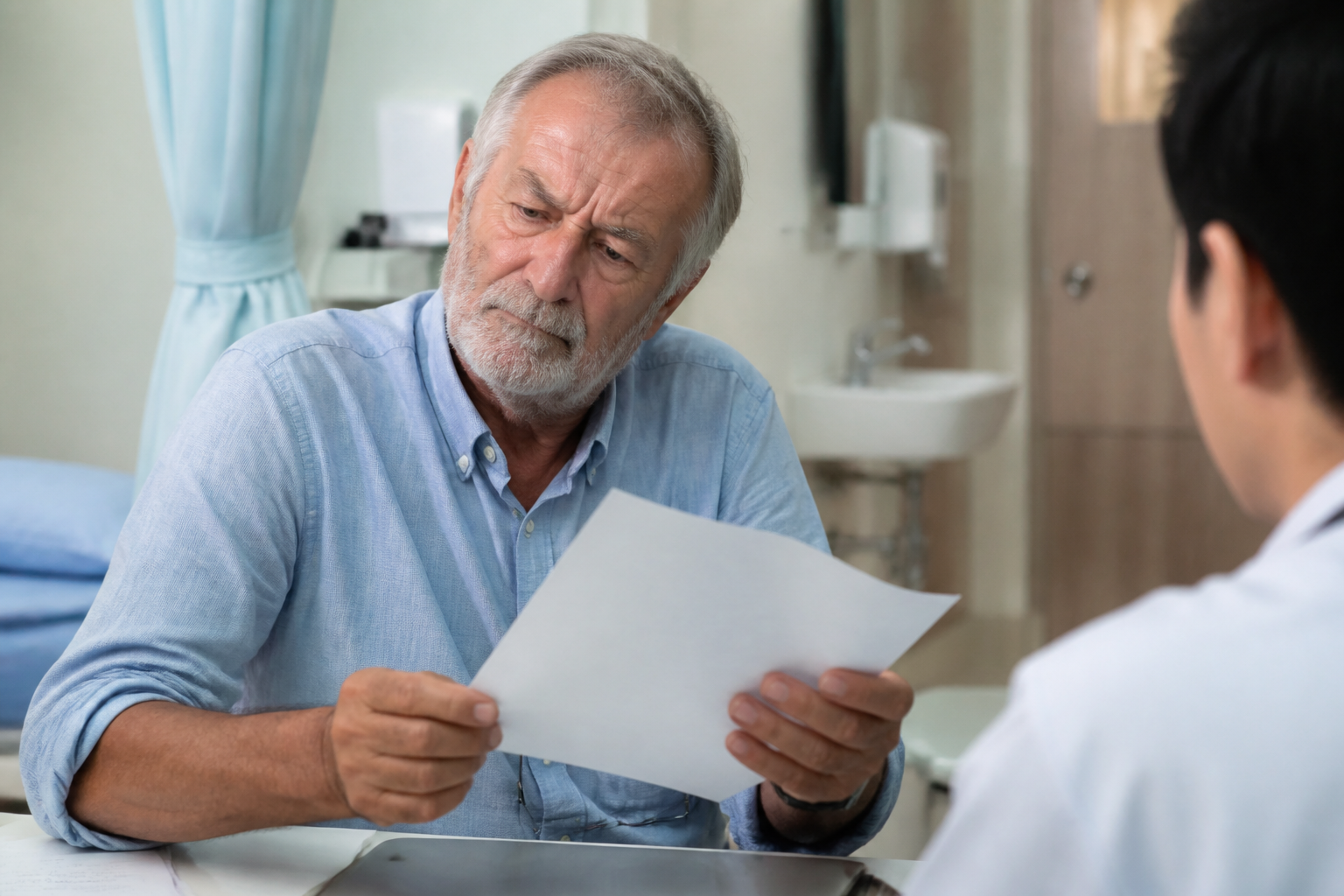
The Thai cardiologist seemed exceptionally keen for me to have the pacemaker done at the Thai hospital. I explained that I was returning to Britain in just over a week. The cardiologist then warned me that I might not survive that long, as I was at risk of a heart attack, and that I would be especially at risk during the flight home.
I felt uncomfortable having an operation on my heart in a foreign country. Moreover, if I had the pacemaker implant done on the British NHS, the operation would be free, saving me probably over 400,000 baht.
I have spent much of my working life in sales and have even written a book exposing sales techniques. So, as I’m a rather suspicious sort of person, I Googled, “Do Thai doctors in private hospitals get bonuses based on the amount of work they generate for the hospital?” Google came back with an answer: Yes, doctors in private hospitals in Thailand often receive compensation directly tied to the volume of services they provide and the revenue they generate.
That made me wonder whether the cardiologist’s enthusiasm was motivated by his concern for my health or his concern for his own financial health. So, I made an appointment with a cardiologist at another hospital. She felt that my condition had stabilized and that there was no urgency to have the pacemaker implant in Thailand. So, I decided to wait till I returned to the UK.
Combining the Systems
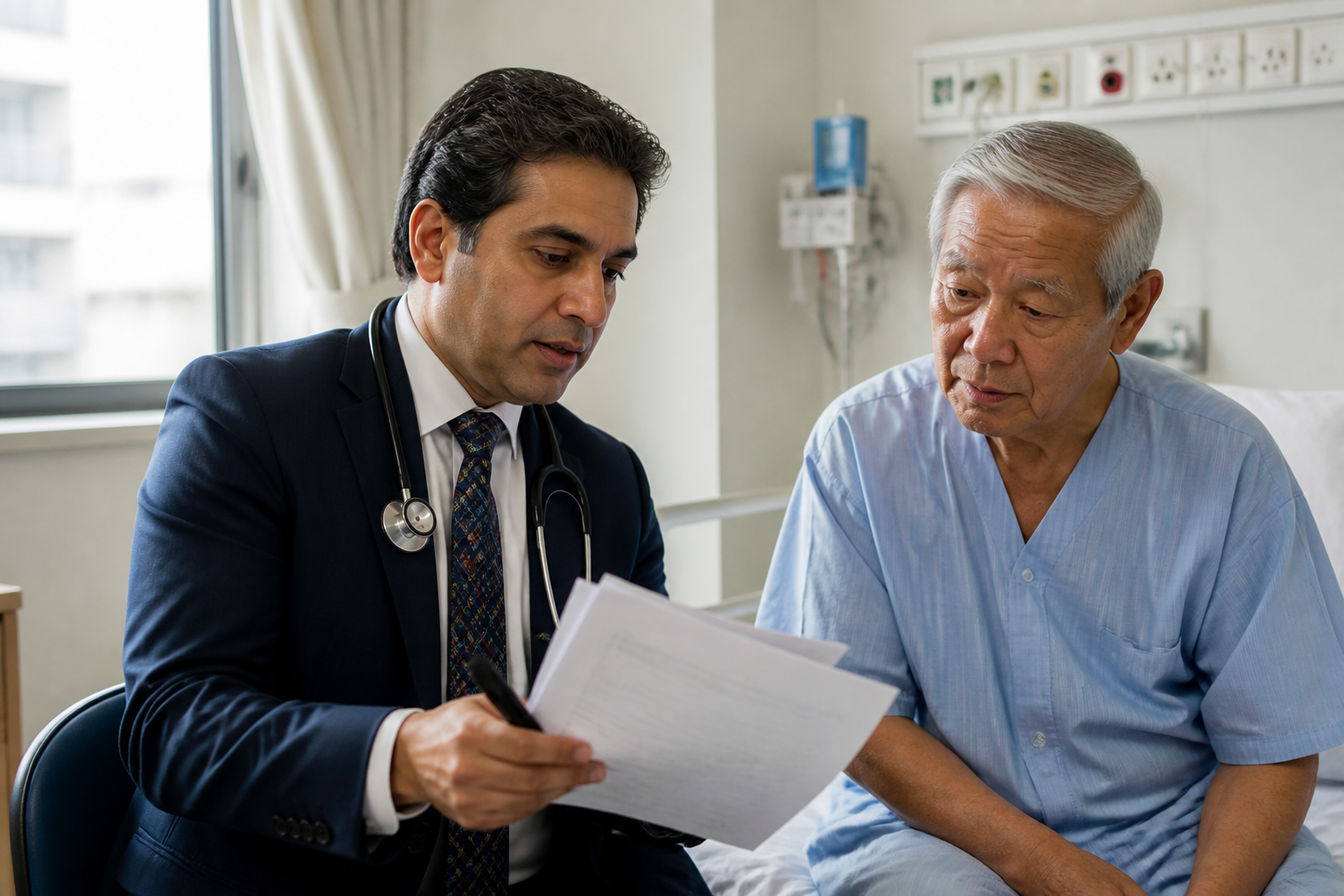
Before my flight home, I emailed an electronic copy of the tests done in Thailand to my doctor in the UK. Seeing the results, she arranged for me to have an ECG at her surgery the afternoon of the day I arrived back in Britain. Then the GP sent a referral letter to the cardiology department at my local hospital.
I decided to speed things up again, so I arranged a private appointment with a cardiologist at my local hospital that cost 250 pounds. Prior to this appointment, I emailed the results from the Thai hospital to the cardiologist. When I met him, the meeting only took a few minutes. He said it was excellent having the results of the tests from the Thai hospital, said there was no need for any further tests, and immediately put me on the schedule for a free pacemaker implant on the NHS. Two weeks later, I had the operation.
The Takeaway

So, what is the point of this story? What I’m suggesting is that if you are British and face waiting weeks or even months to see a medical specialist and have tests done on the British NHS, it might be worth considering taking a short holiday to Thailand, going to a private Thai hospital, and having the tests done in Thailand for a quite modest cost. The Thai hospital will only take a few hours to do what a British NHS hospital might take weeks or even months to do.
Then, once you have the results from the Thai hospital, you can decide either to pay to have treatment in Thailand or else use the results from your tests to hugely shorten the time you’ll have to wait for free treatment on the NHS in the UK.
As I said at the beginning, I’ve no idea whether anything in this story might be relevant to anyone from another country. Hopefully, this story might help a few people.