Phuket Travel Guide: Transport, Where to Stay, Costs, and Experiences
Getting to and from Phuket Airport
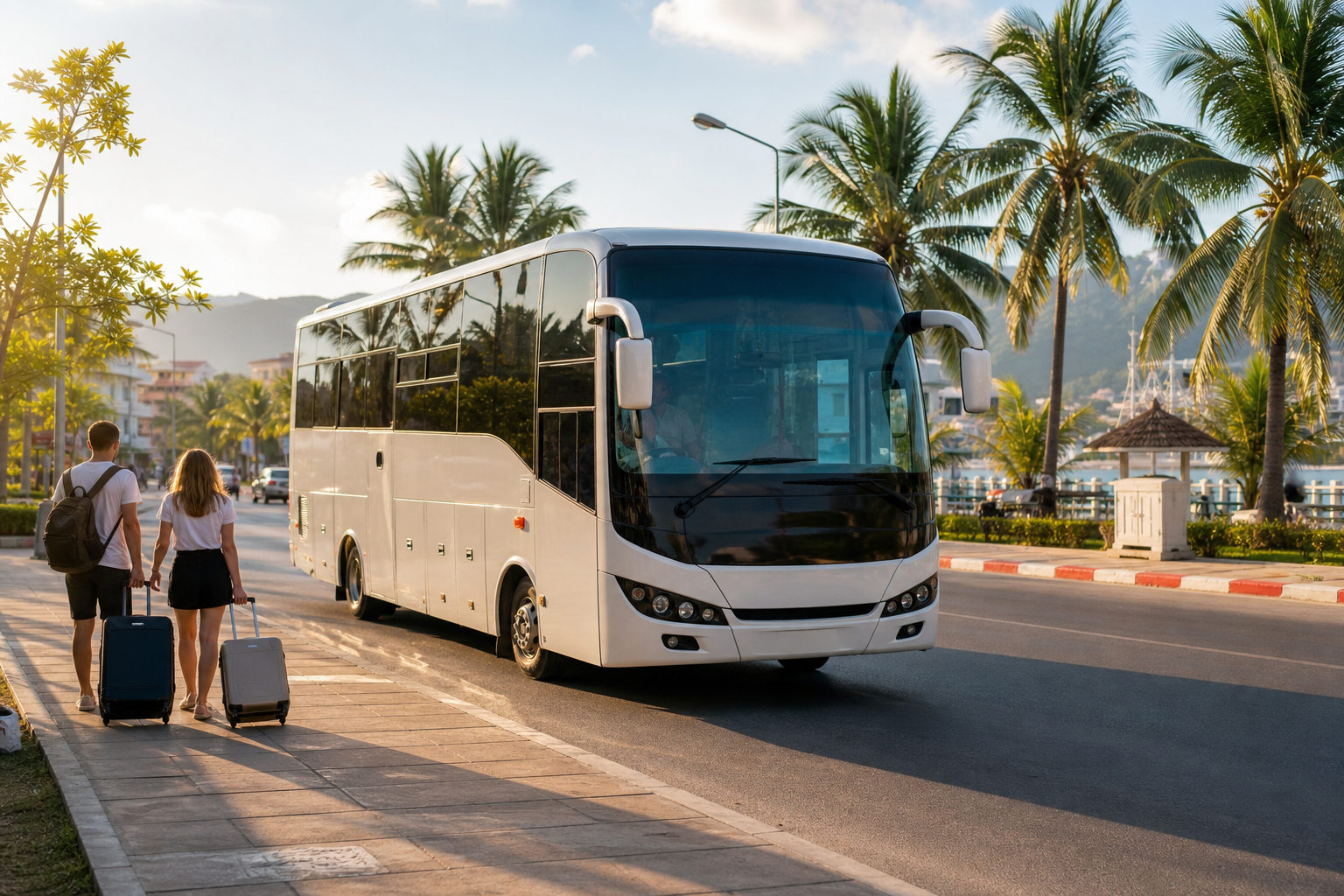
Phuket’s airport is on the island’s northwestern side, while Patong sits across the hills to the southwest. That distance makes your first transfer a small but important part of the trip. Road traffic can be heavy, especially during busy travel periods, so allow at least two hours when traveling from Patong to the airport and build in extra time for a domestic departure.
The Phuket Smart Bus is a useful budget option for travelers staying along its route. It links the airport with several west-coast beach areas, including Patong, and is generally far less expensive than a private transfer. Routes, operating hours, fares, and stops can change, so check the current timetable before relying on it for an early flight. If you have bulky luggage, are traveling with children, or arrive late, compare the current price of a pre-booked car, metered taxi, or ride-hailing option as well.
Some minibus passengers may be stopped and encouraged to buy tours. This was described as a scam, so do not buy a tour simply because the minibus stops somewhere and tells you to do so. Compare the taxi, minibus, and Smart Bus prices and travel times before choosing.
At the airport, domestic and international departures are separate, and facilities are spread across multiple levels. Arrive with enough time to check in, clear security, and find your gate. Snacks and reasonably priced food may be available away from the most convenient departure-area outlets, but opening hours vary.
Choosing the Right Area to Stay in Phuket
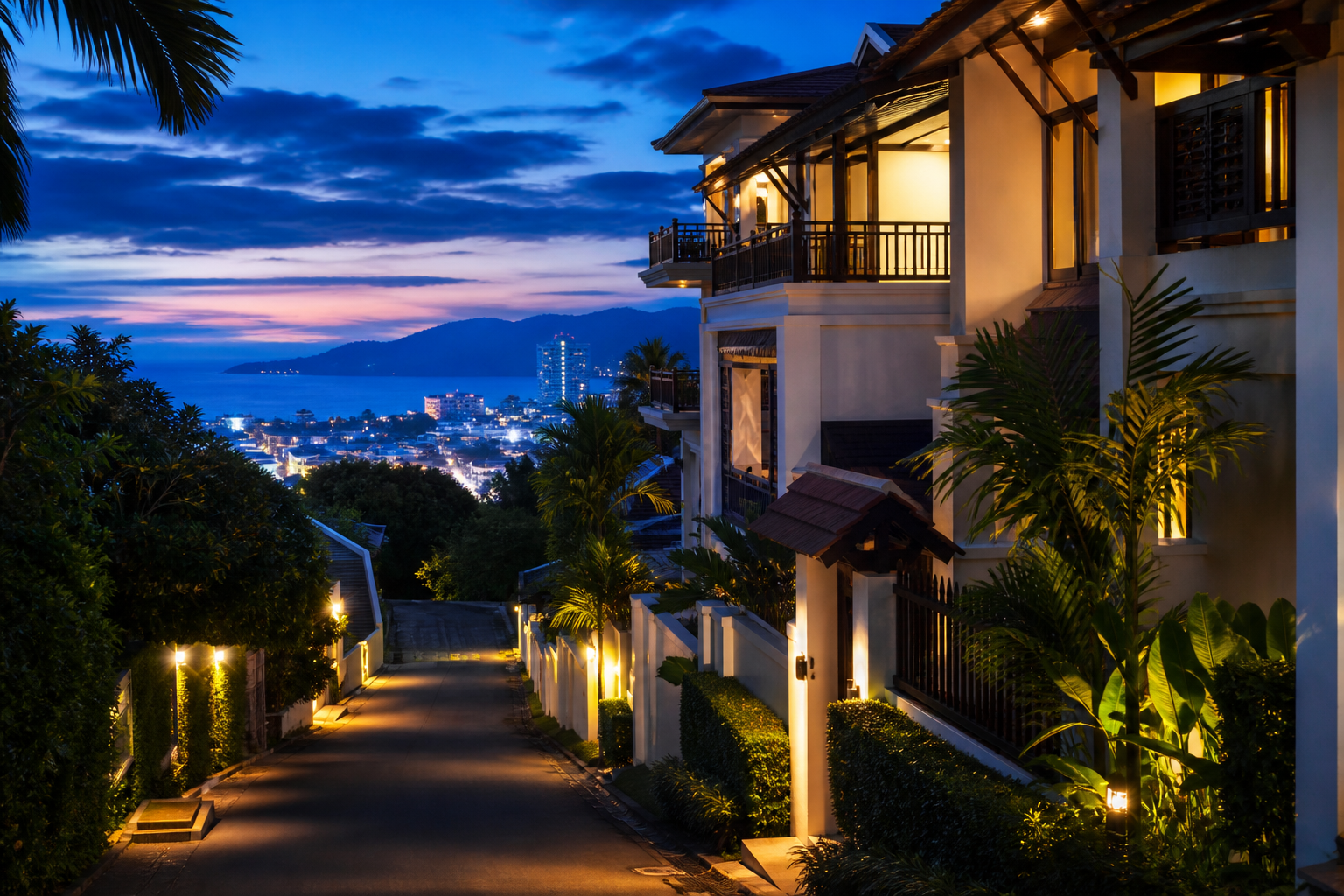
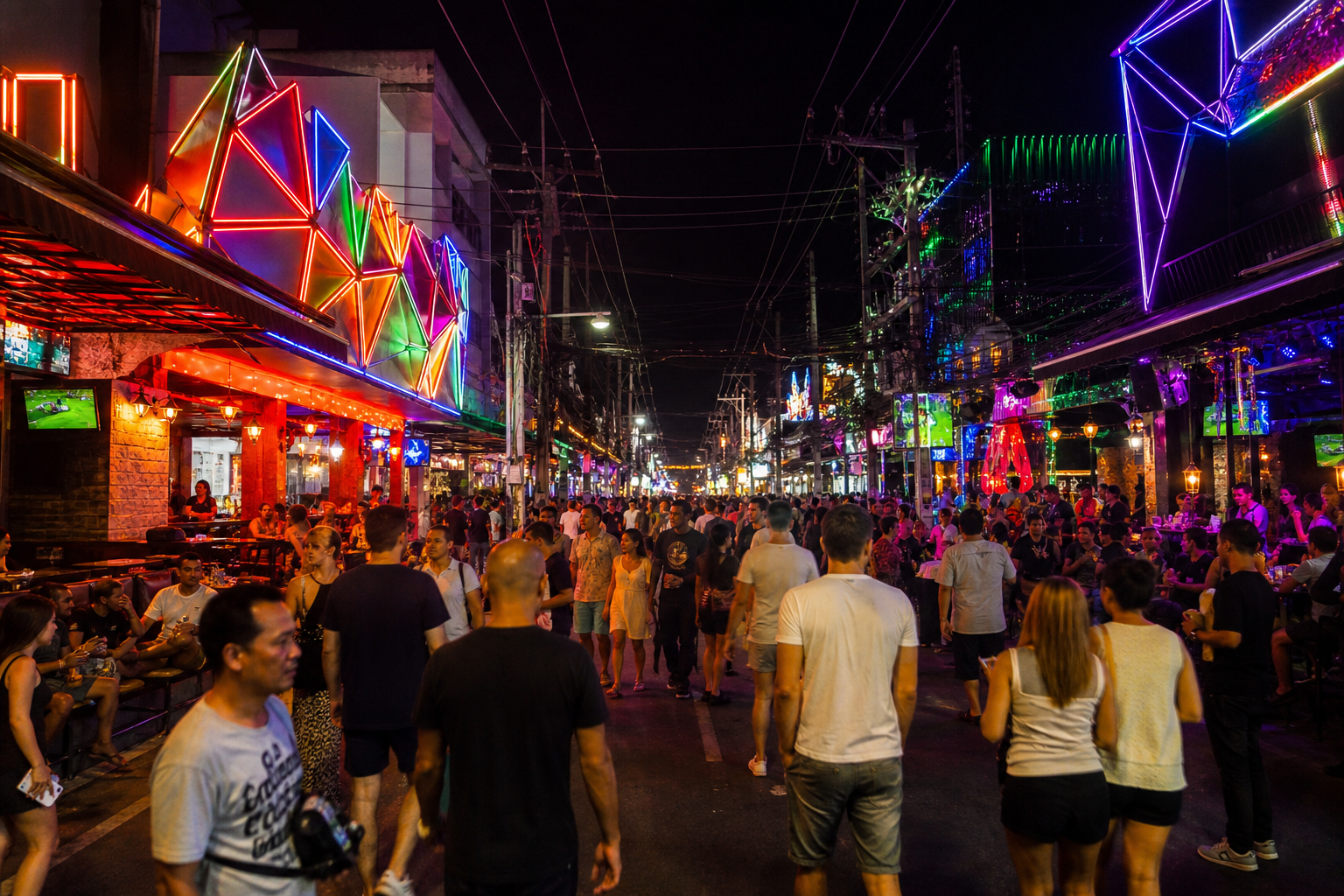
Patong is convenient when nightlife, restaurants, shopping, and tours are your priorities. It is also the island’s busiest resort base, and the streets around Bangla Road stay active late into the night. That energy is convenient for a short, activity-filled visit but can be tiring if you want quiet evenings.
For a more restful stay, look beyond the immediate nightlife zone. A hotel a few streets away can reduce noise while keeping you close to the beach and transport. Travelers seeking a calmer atmosphere may prefer a different west-coast beach, the Old Town area, or a smaller community elsewhere on the island. The best choice depends on whether you value walkability, sleep, beach access, local food, or easy pickup for excursions.
Porto de Phuket: A Relaxed Open-Air Lifestyle Destination
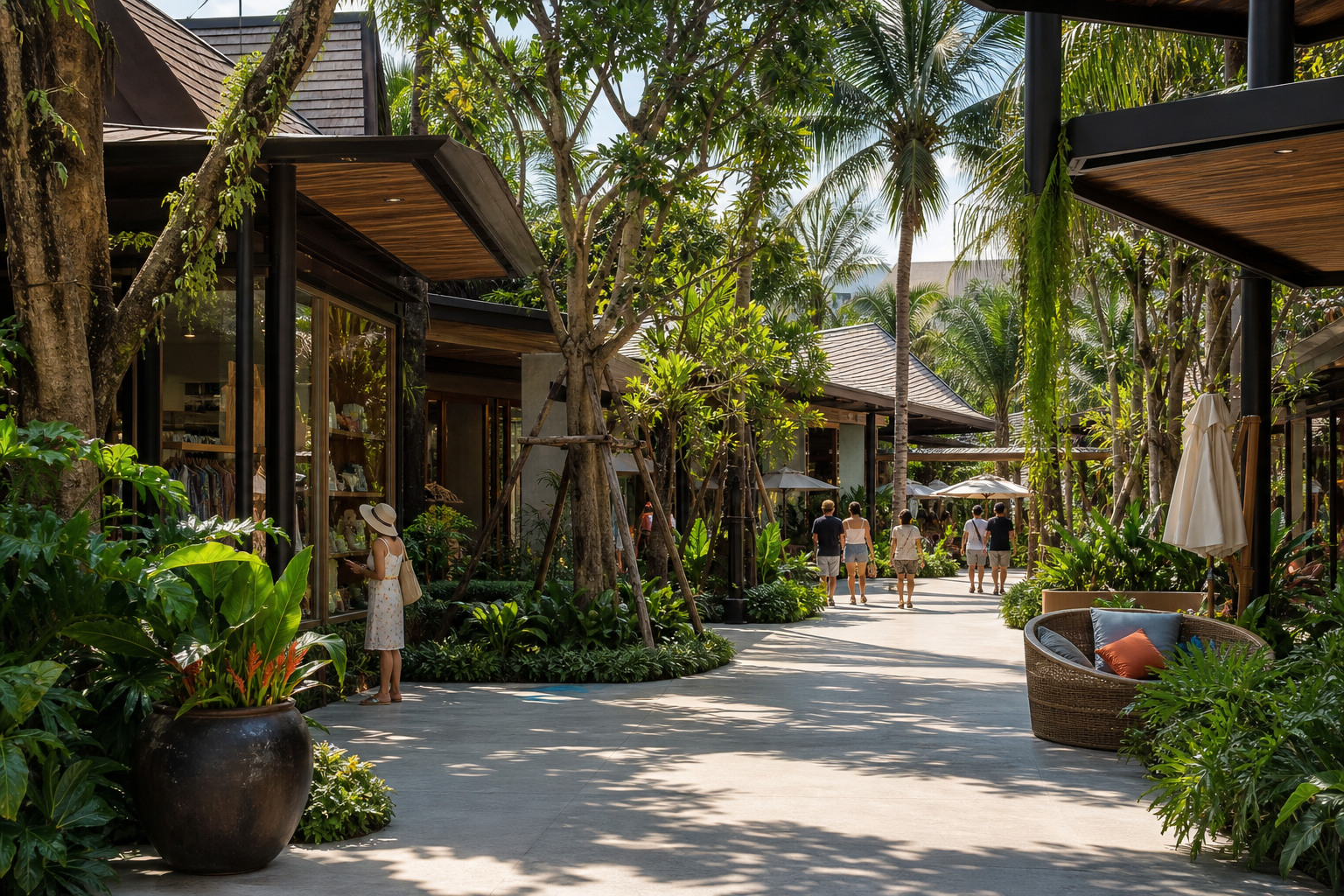
Porto de Phuket is an open-air lifestyle destination in the Bang Tao area, designed for an easy day of eating, browsing, and taking a break from the beach. The mix of tropical landscaping, shops, restaurants, groceries, and wellness services makes it useful when you want several activities in one stop.
The setting is relaxed and family-friendly, with options for adults, children, and visitors travelling with pets. It works especially well as a slower-paced alternative to a packed sightseeing itinerary.
How to Reach Porto de Phuket from Patong and Bang Tao
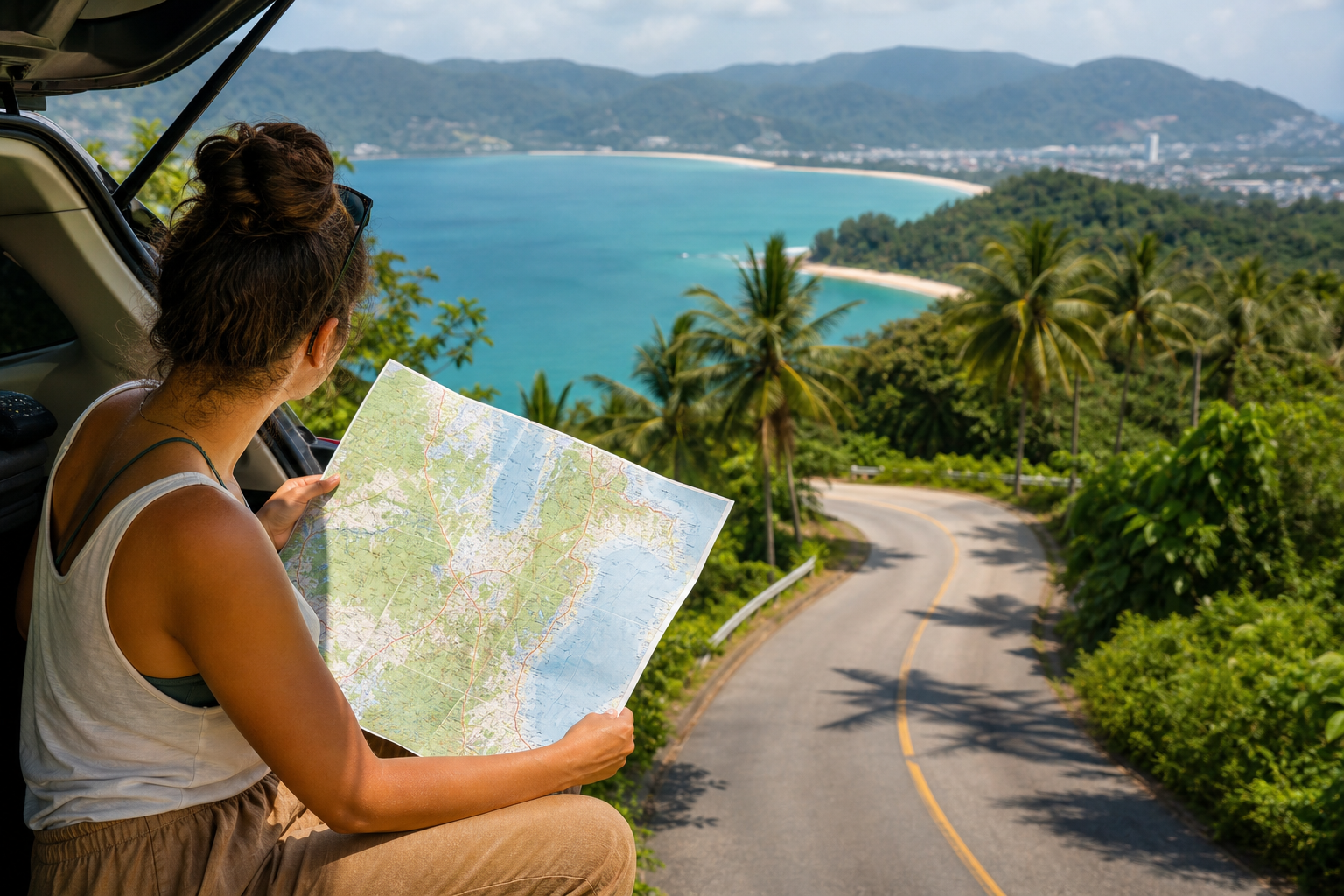
From Patong, allow roughly 40 minutes by car in ordinary conditions, although Phuket traffic can change the journey time. Porto de Phuket is close to Bang Tao, so it is convenient to combine with a beach day, a hotel stay in the area, or an evening meal nearby.
For a smoother visit, check the route before leaving and plan your return transport in advance. Arriving earlier on a weekday can also make parking, dining, and browsing more comfortable.
Where to Eat: Farmer & Fisherman and Thai Favorites
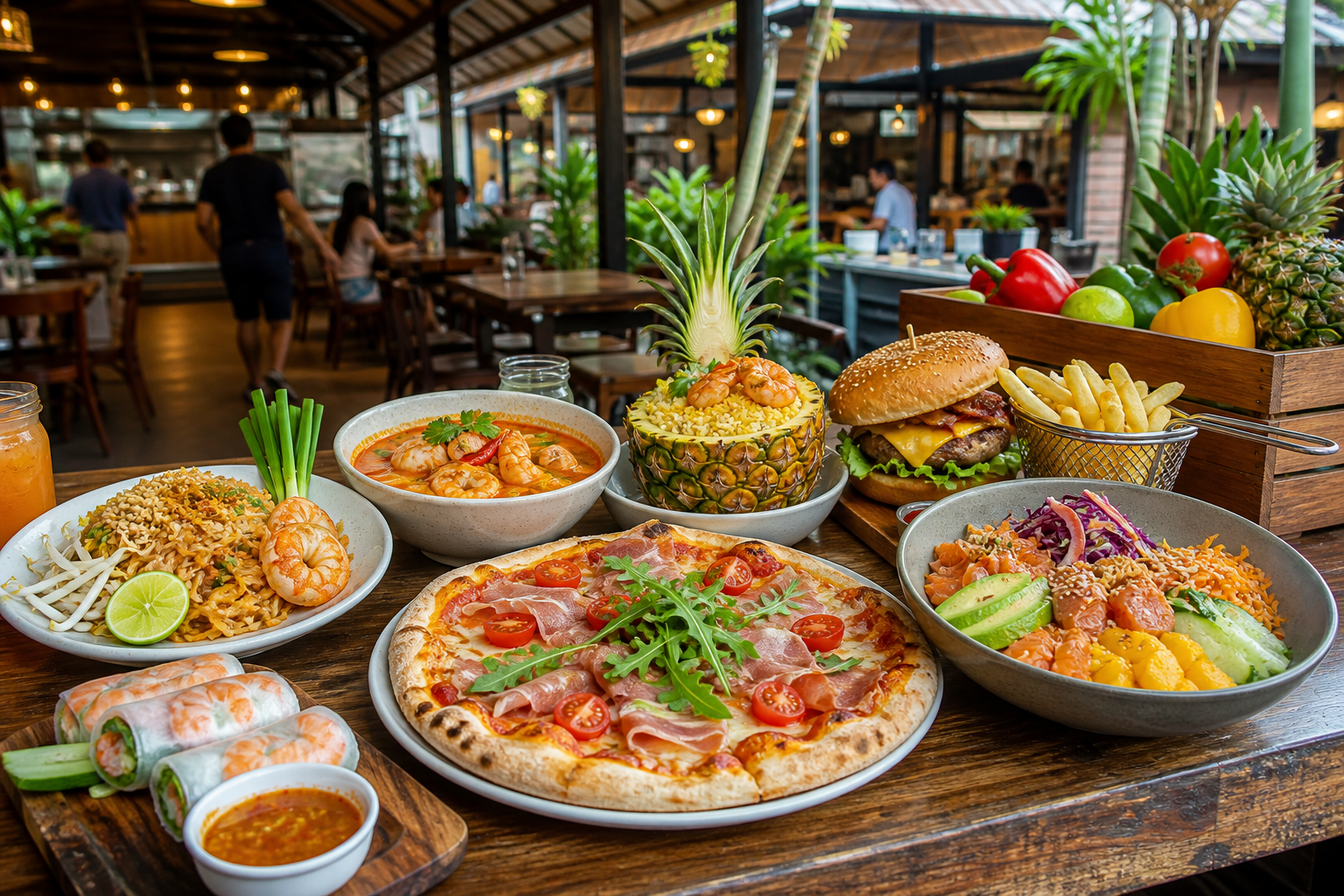
The food hall is one of the main reasons to visit. Farmer & Fisherman offers a broad menu and a comfortable place to settle in for a longer meal. The dishes featured in the original visit included crispy pork belly fried rice, mussels with a coconut-based sauce, and salmon served with a fresh accompaniment.
You do not need to plan every dish in advance. Walk through the dining area, compare menus, and choose a restaurant that suits your appetite and budget. The wider selection includes Thai food as well as international choices.
Suay Restaurant and Mango Sticky Rice
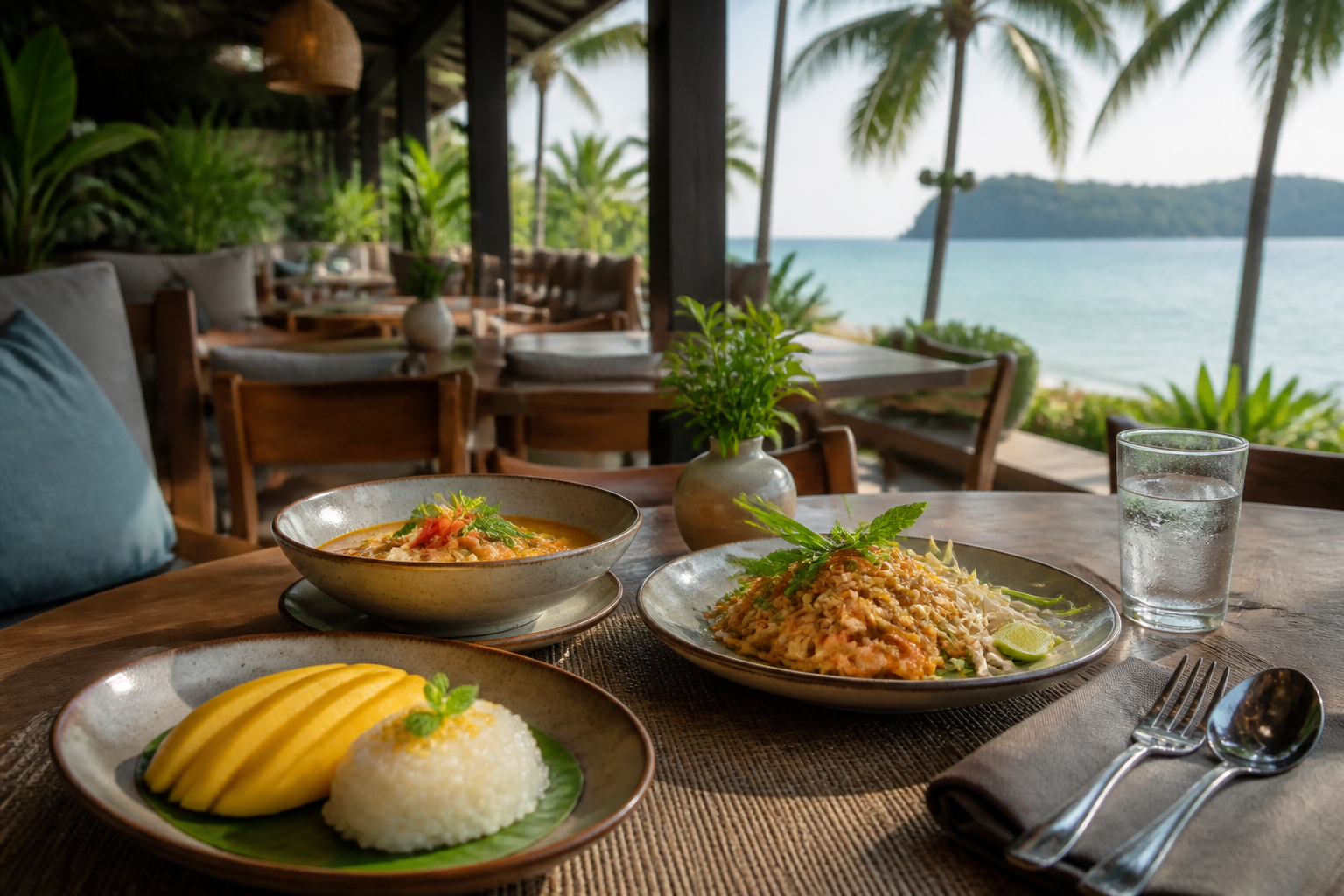
Suay is another option for a more distinctive restaurant experience, with a menu that balances familiar Thai flavors and creative presentation. The visit highlighted refreshing drinks, tom yum, and a signature lamb dish, but menus and availability can change, so check the current offering when you arrive.
Leave room for dessert if you can. Mango sticky rice is an easy way to finish the meal, and the colorful presentation makes it a popular choice to share or take away.
Indian Food and Weekday Dining Tips
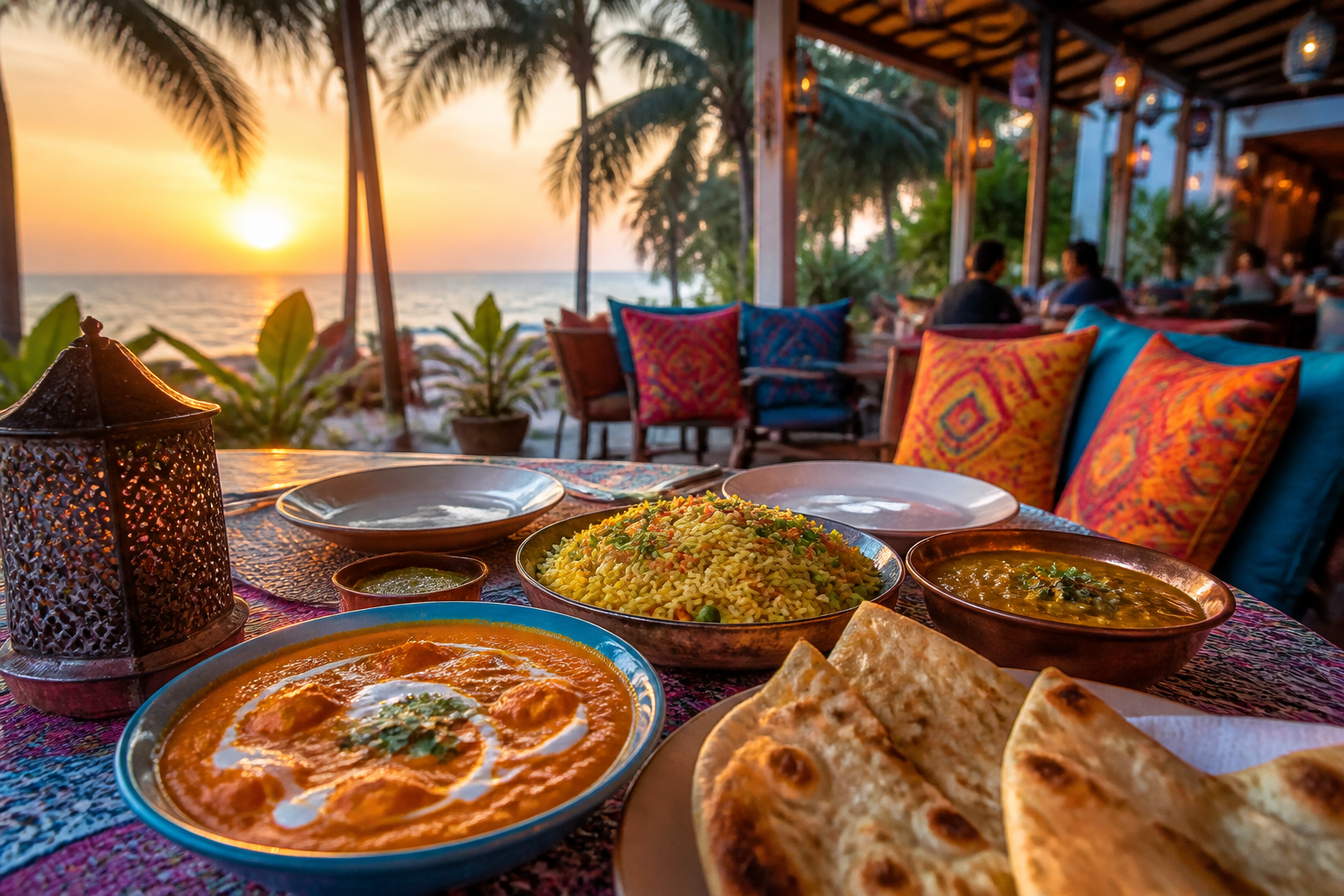
Porto de Phuket also has Indian dining for visitors who want a change from Thai food. A typical meal might include chicken tikka, a masala-style curry, and garlic naan, with indoor or outdoor seating depending on the weather.
Popular restaurants can become busy at weekends. Visiting earlier in the day or choosing a weekday gives you a better chance of a quieter table, particularly if you want to take your time over several courses.
Shopping, Groceries, and Wellness at Porto de Phuket
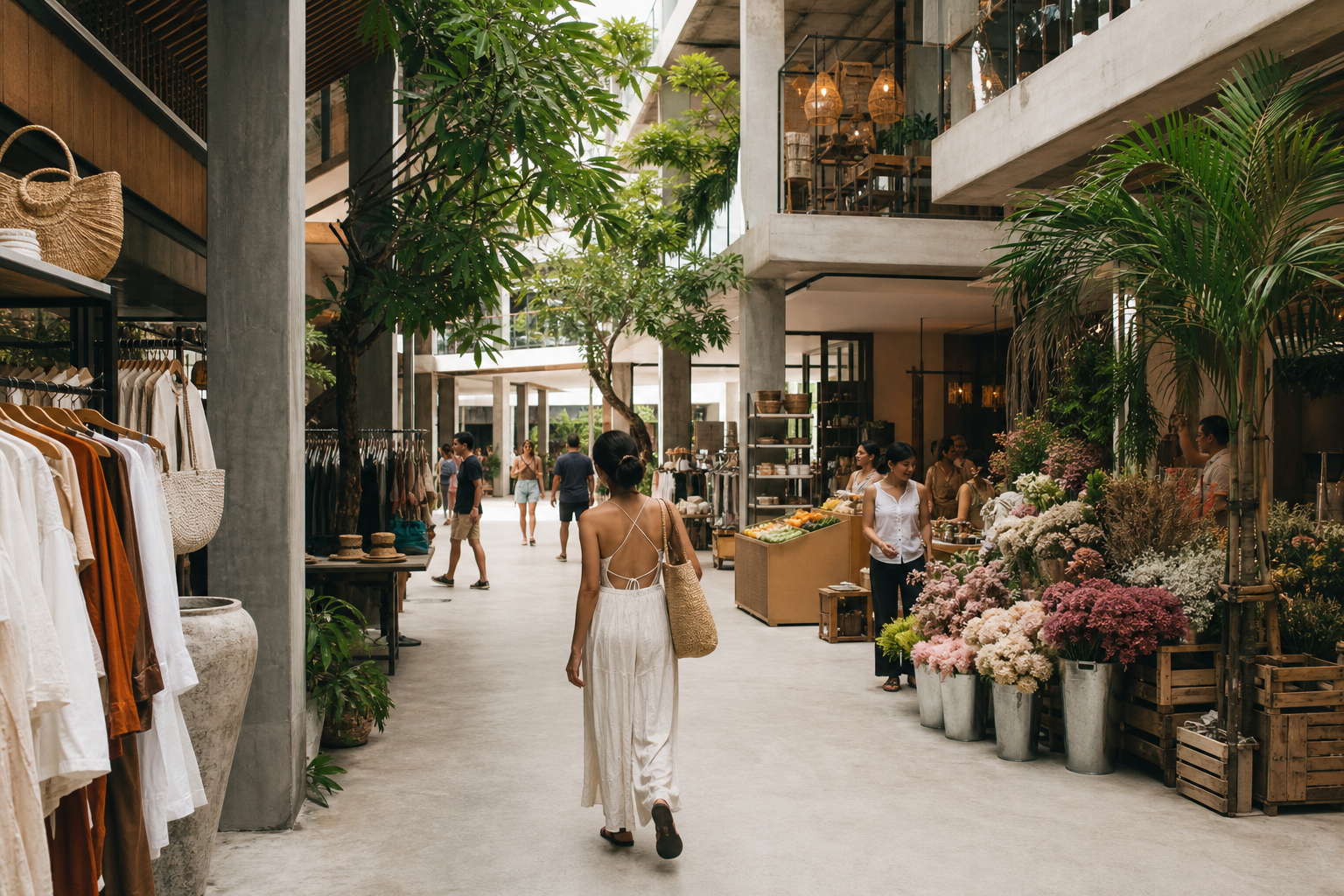
Beyond restaurants, the destination includes a supermarket and fresh-food area for everyday groceries, along with shops selling fashion, sports items, home goods, and gifts. The range is useful whether you are stocking an apartment, looking for a practical purchase, or simply browsing between meals.
Lifestyle and wellness services round out the visit. You can combine a meal with shopping or a treatment, then continue to Bang Tao’s beaches and nearby nightlife. Check opening hours and current store listings before travelling, since individual businesses may change.
Patong and Rawai Have Different Rhythms
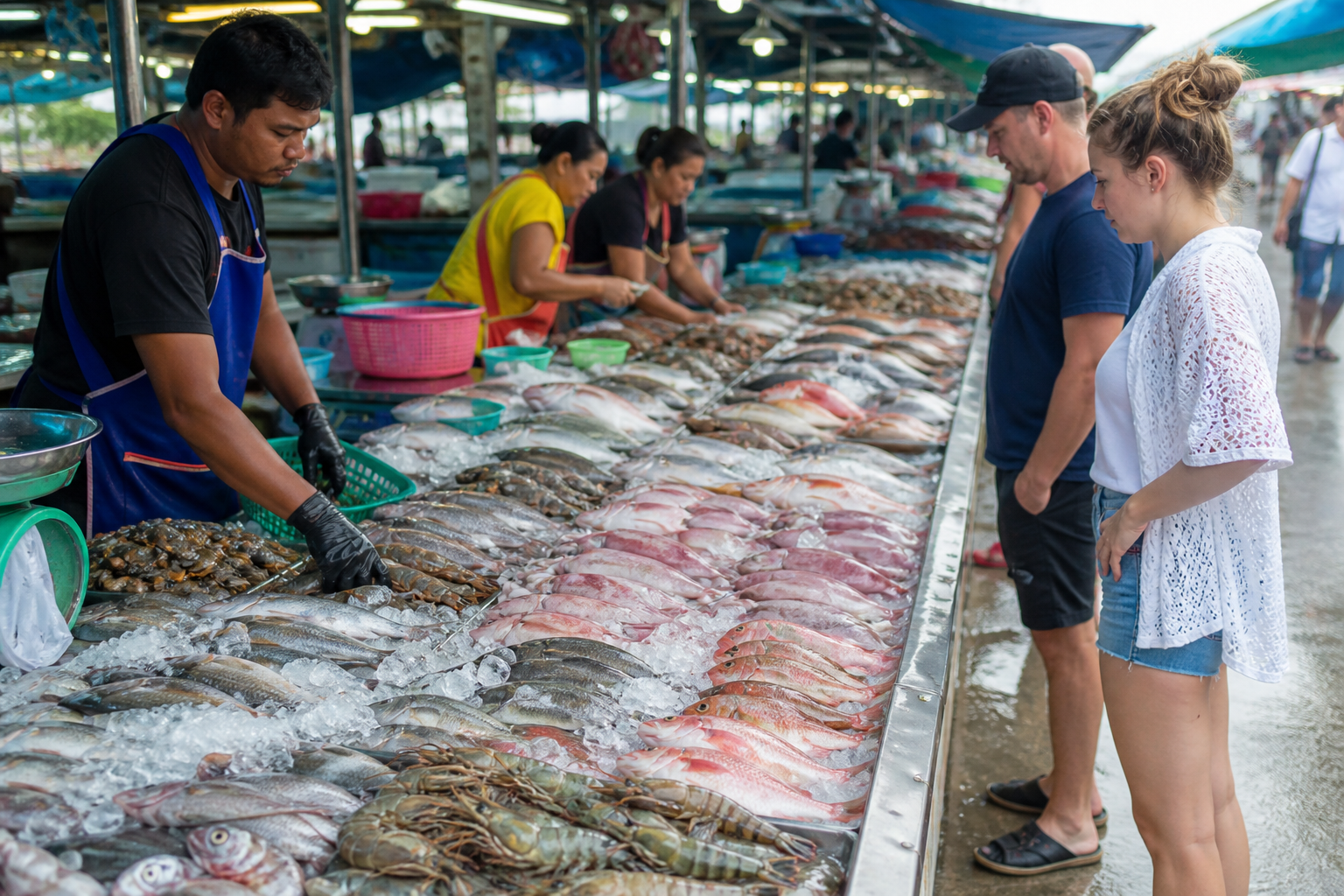
The trip then shifted from busy Patong to Rawai. Rawai was much quieter during the daytime, with a more local waterfront feel. That contrast is useful when planning: Patong suits visitors seeking nightlife and easy evening energy, while Rawai works better for a calmer base and seafood-focused stop.
How the Rawai Seafood Market Works
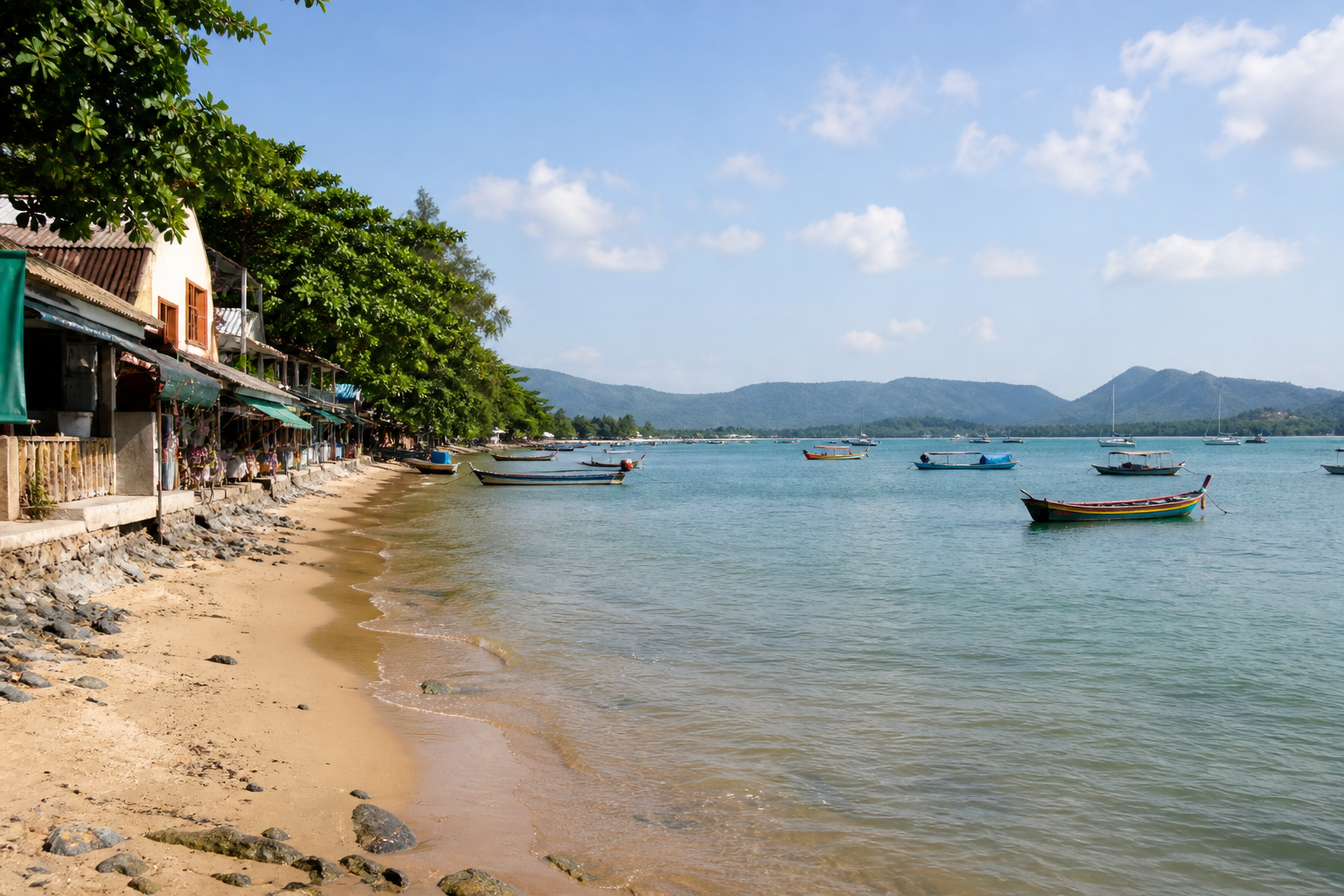
At Rawai Seafood Market, visitors can choose seafood from vendors, pay for the fish, and take it to a nearby restaurant for cooking. Prices are calculated by weight, and the market can become much busier after sunset. Ask the vendor and restaurant to confirm the weight, cooking charge, and total before the order is prepared.
Choosing Cooking and Calculating the Meal Cost
The nearby restaurants charge separately for cooking, with options such as frying or boiling, and diners can eat with a view toward Rawai Beach. One fish purchase and cooking total came to about 2,300 baht, and a later meal total was about 2,900 baht. These are personal trip observations, not fixed current prices, so treat them as examples and request a written or clearly stated total.
Another trip example came to about 1,300 Thai Baht for seafood, rice, drinks, cooking and service, followed by ice cream at Nikita in Rawai. The exact total depends on what you choose and the current market prices, so confirm the weight and cooking charge before ordering.
Before booking, check the exact map location rather than relying on the neighborhood name alone. Hills, one-way streets, and peak-hour traffic can make a short distance feel much longer. Read recent reviews for noise, access, and construction, and confirm whether the room includes the facilities that matter most to you.
Phuket Hotels: Check the Room You Booked
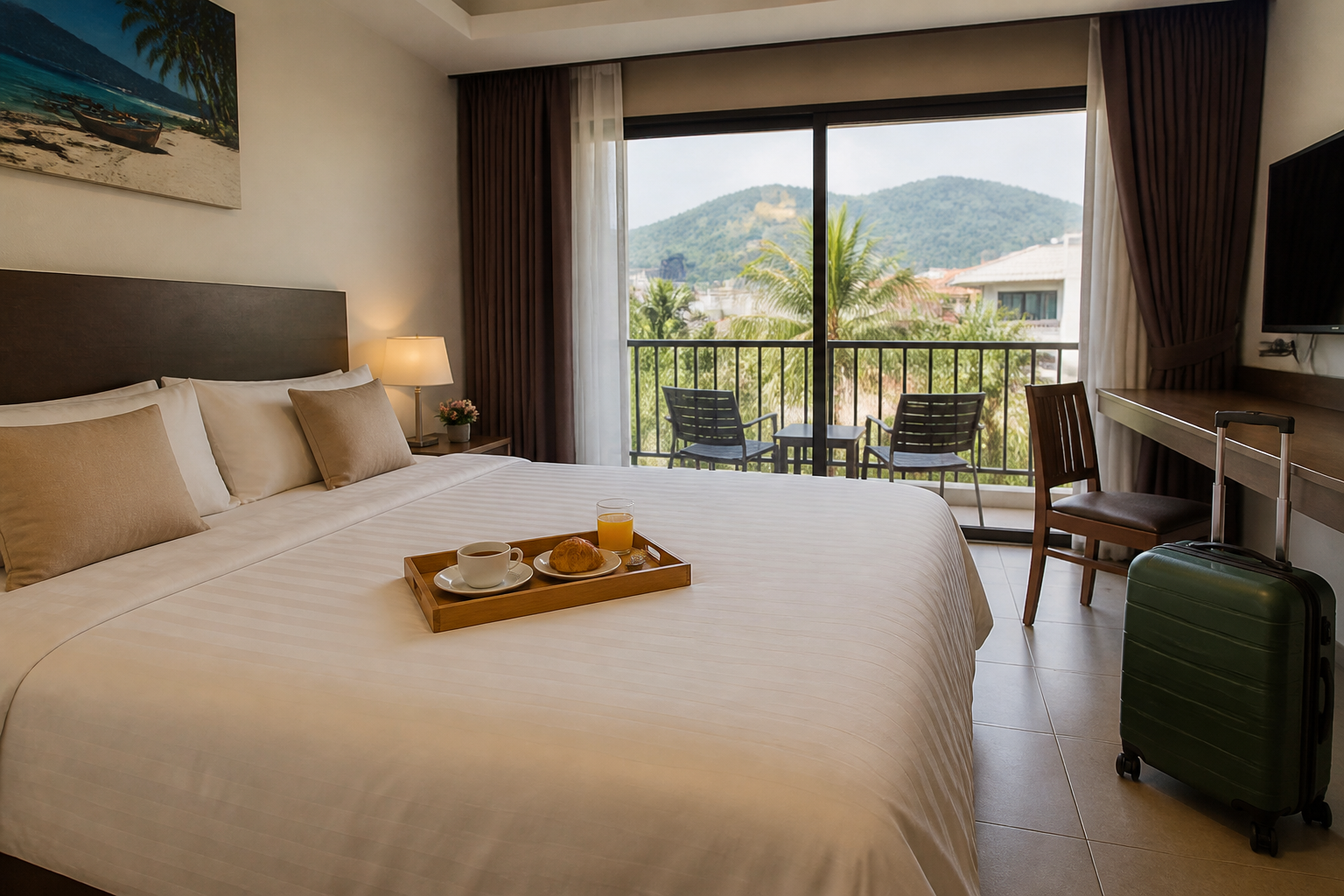
Phuket has luxury, mid-range, and budget accommodation. One example was a comfortable hotel room costing about 800 Thai Baht with breakfast, although prices depend on the season and the property. Treat that figure as a personal example rather than a current standard rate.
Before travelling, save the room name, photos, and booking details. A booked room was changed after arrival in some cases, particularly during busy periods. Compare the room you receive with the room you reserved, and raise any problem with the property or booking service immediately. Keeping screenshots and notes makes that conversation easier.
Amari Patong Low-Season Hotel Example
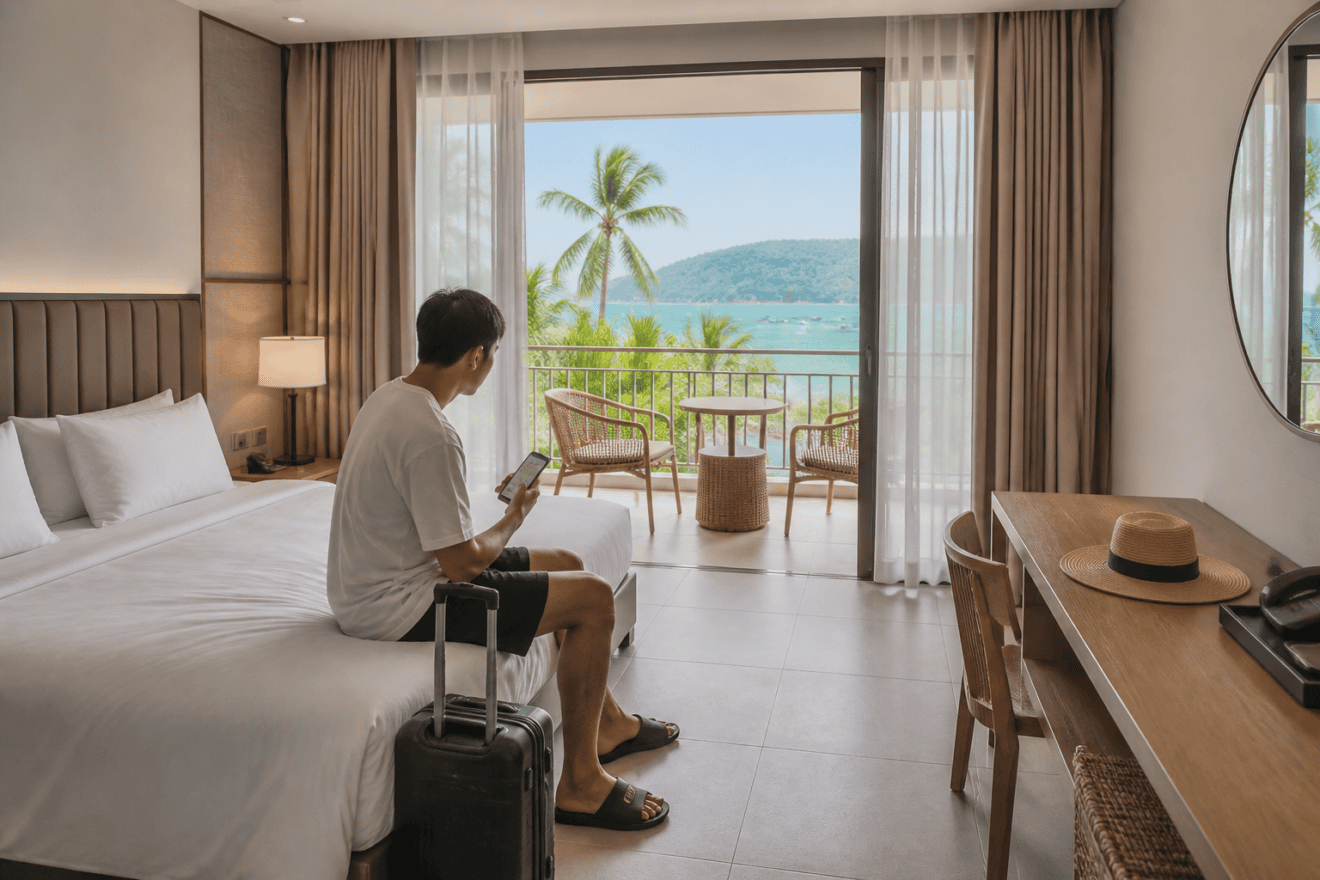
One low-season example was a stay at Amari near Patong. The lobby was large, with a welcome drink and fresh mint towel, and the resort included a swimming pool, restaurant, private villas, beach access and a large property map.
The room had a balcony overlooking Patong Beach, a large bed, couch, dining area, work area, TV, refrigerator, mini bar, safe and iron. The room cost about 3,950 Thai Baht during the low season and included breakfast. Comparable high-season pricing can be much higher, so treat this as a personal trip example rather than a current guaranteed rate.
Breakfast offered a wide choice of sweet food, meat, coffee and other dishes, and the quieter low-season atmosphere made the resort feel much calmer than central Patong.
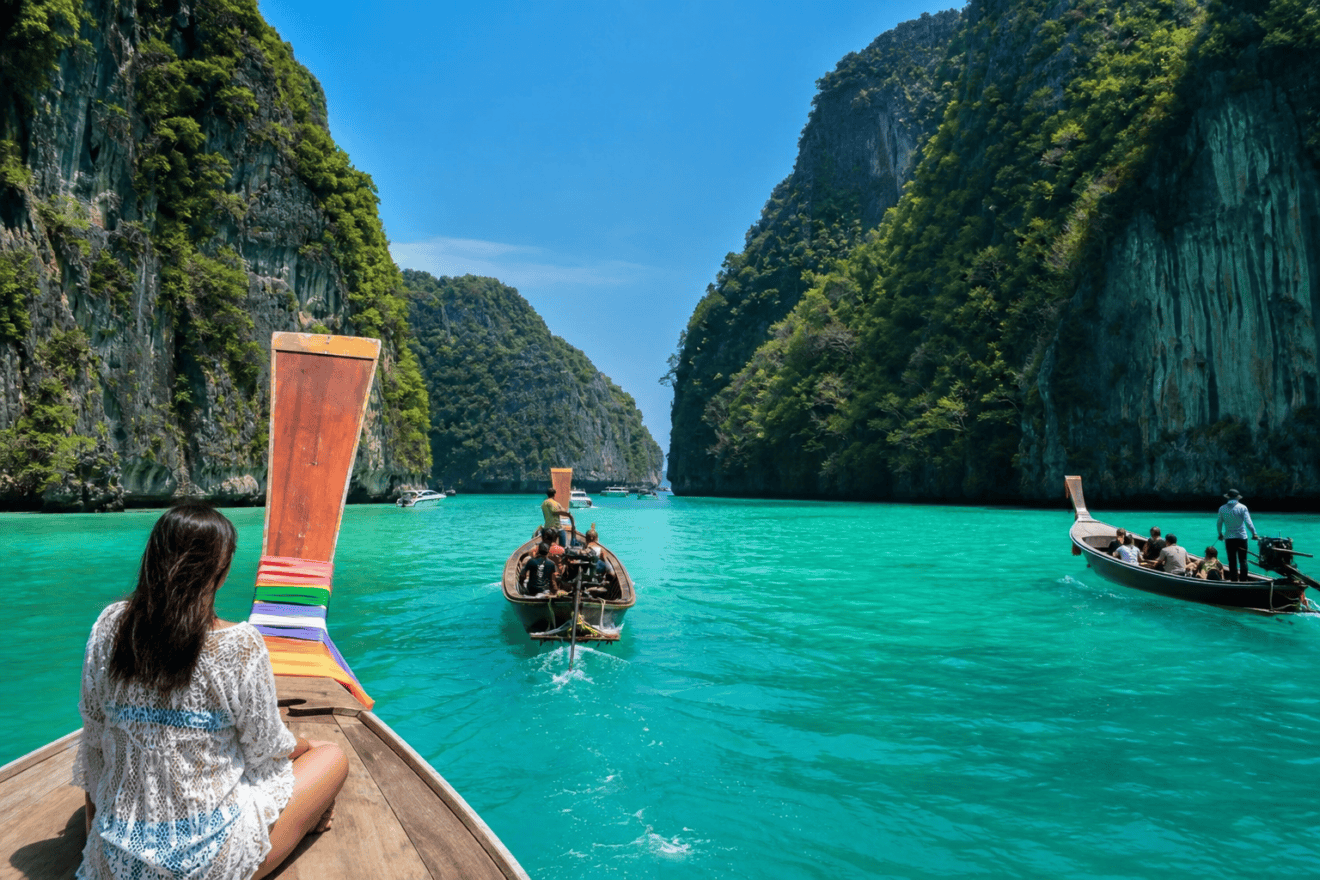
The stay ended with a sunset overlooking Patong Beach before continuing to Krabi. It was a useful example of how staying just outside the busiest part of Patong can combine beach access with a more relaxed resort atmosphere.
Understanding Phuket’s Crowds, Costs, and Best Timing
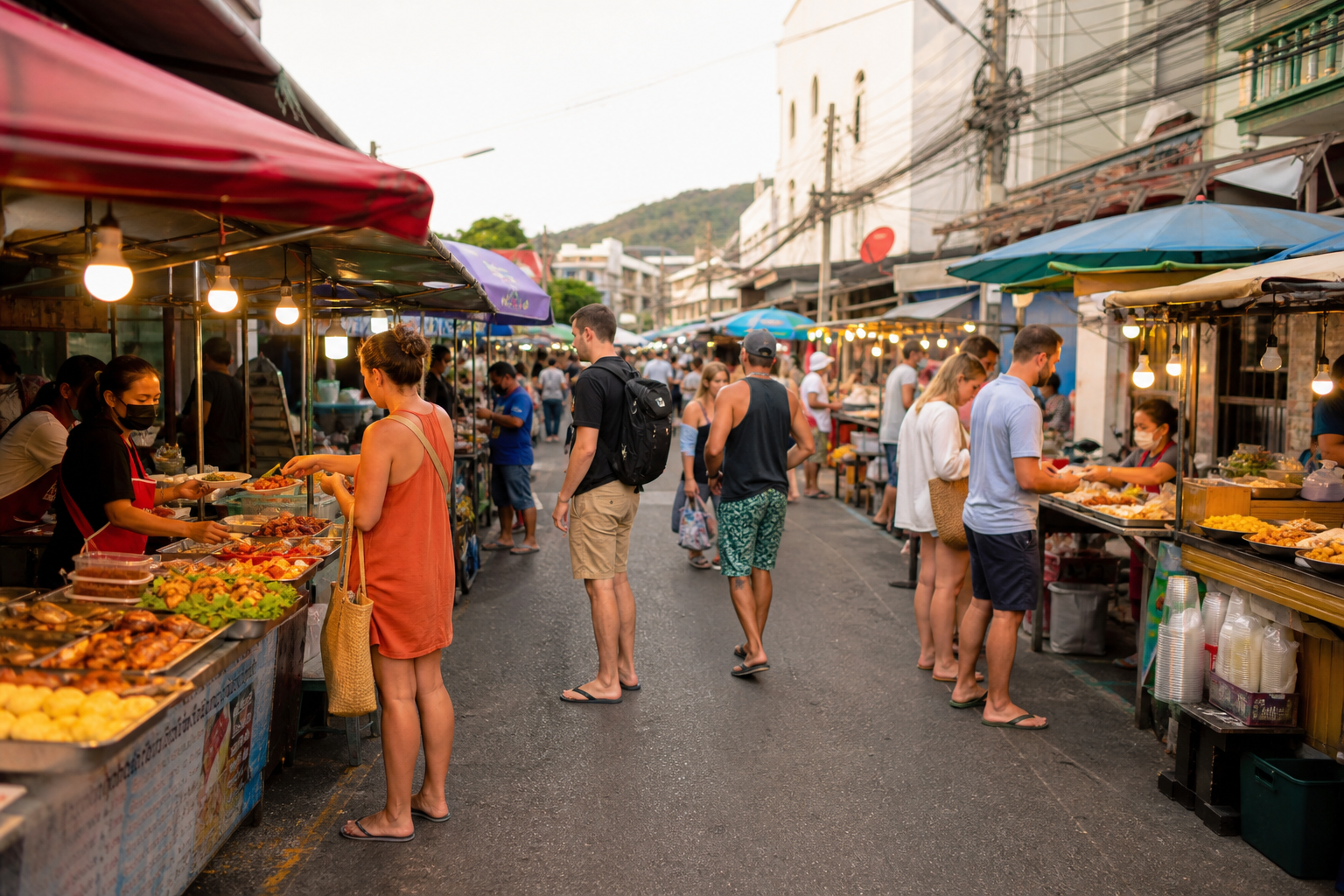
Phuket feels very different depending on the season, the beach you choose, and the time of day. Patong is especially crowded during high season and around public holidays. More visitors can mean fuller restaurants, slower roads, and higher prices, but it also brings the widest choice of tours, services, and late-night venues.
Build a realistic daily budget instead of assuming the whole island has one price level. Local restaurants and food markets can be good value, while beachfront venues, hotel restaurants, and heavily touristed streets usually cost more. Compare portions, service charges, and what is included before ordering. Prices for seafood, excursions, massages, and activities can change, so treat any quoted figure as a snapshot and confirm the current total before committing.
Traveling just outside the busiest periods can make it easier to find a table, negotiate a package, and enjoy popular viewpoints without the same pressure. Weather is another trade-off: quieter months may bring rain or rougher seas, while the driest months typically bring stronger demand. Choose the season that fits your priorities, then keep plans flexible around weather and traffic.
Beaches, Massages, and Everyday Experiences in Patong
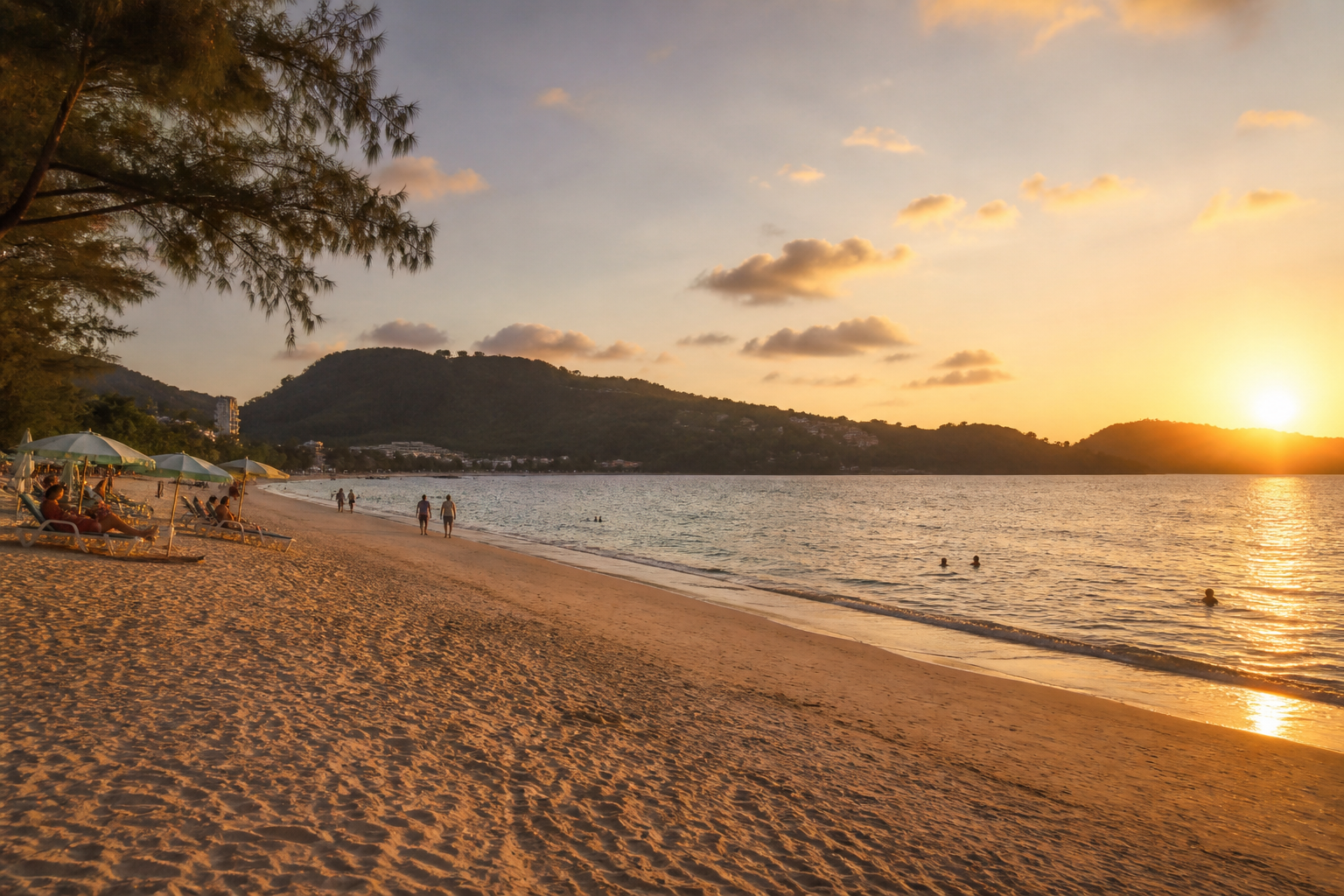
Patong Beach is convenient and scenic, but it is not always Phuket’s best beach for a long, peaceful swim. Conditions, boat traffic, beach activity, and crowds vary by day. Use the beach for a walk, a sunset, or a short dip when conditions are suitable, and look to other beaches if calm water and quiet sand are the main purpose of your trip.
Massage shops are plentiful in Patong, but high demand does not guarantee consistent quality. Compare reviews, cleanliness, displayed prices, and the type of treatment before you begin. A clear conversation about duration and price helps avoid misunderstandings. If a shop feels rushed or overcrowded, keep looking; there is no need to choose the first option you see.
Massage shops just away from the busiest tourist streets were described as offering better value than some places directly around the main beach and nightlife areas. An example range was about 250 to 500 Thai Baht. Hotel spas may be more consistent but usually cost more.
The same principle applies to nightlife and entertainment. Bangla Road is lively and can be fun for visitors who want a busy evening, but it is also where prices and noise rise fastest. Keep valuables secure, agree on costs in advance, and choose venues that match your comfort level. A quieter dinner or an early beach walk may be a better fit on days when Patong feels too intense.
Phuket Transport: Grab, Tuk-Tuks and Motorbike Safety
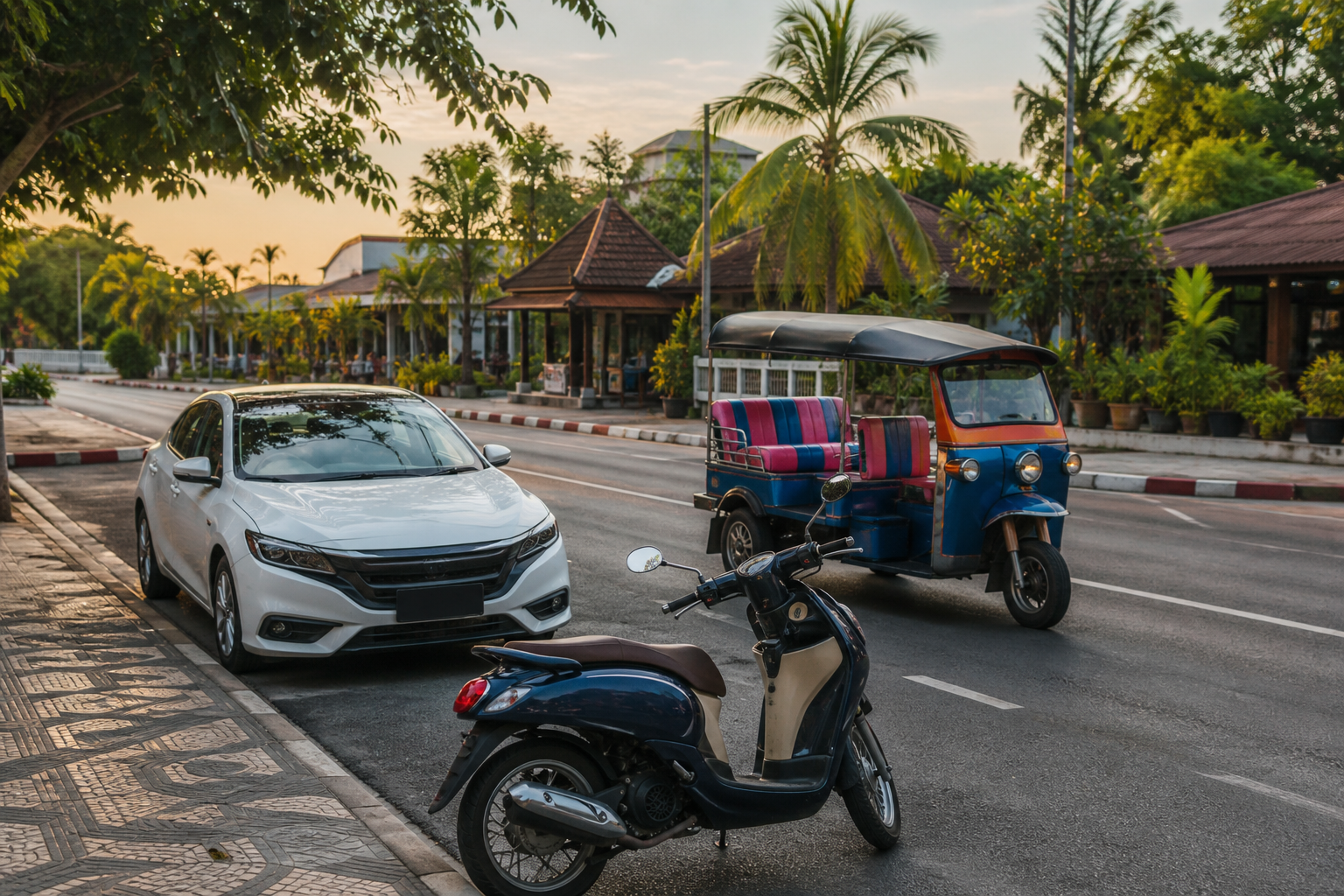
Grab can be a useful way to see an estimated fare before travelling. Tuk-tuks, taxis, and motorbike rides around Patong can be more expensive, so agree on the price before setting off. The examples mentioned were roughly 100 to 200 Thai Baht for some short motorbike rides and about 200 to 400 Thai Baht for a very short tuk-tuk journey at night. These are reported examples, not fixed tariffs.
If you rent a motorbike, check the vehicle before accepting it, keep the rental documents, wear a helmet, and carry the licence required for the vehicle. Tourists may be stopped when riding without the proper documents or safety equipment. Follow local road rules and do not ride if you are not experienced or properly licensed.
Booking Tours, Activities, and Money Exchange Wisely
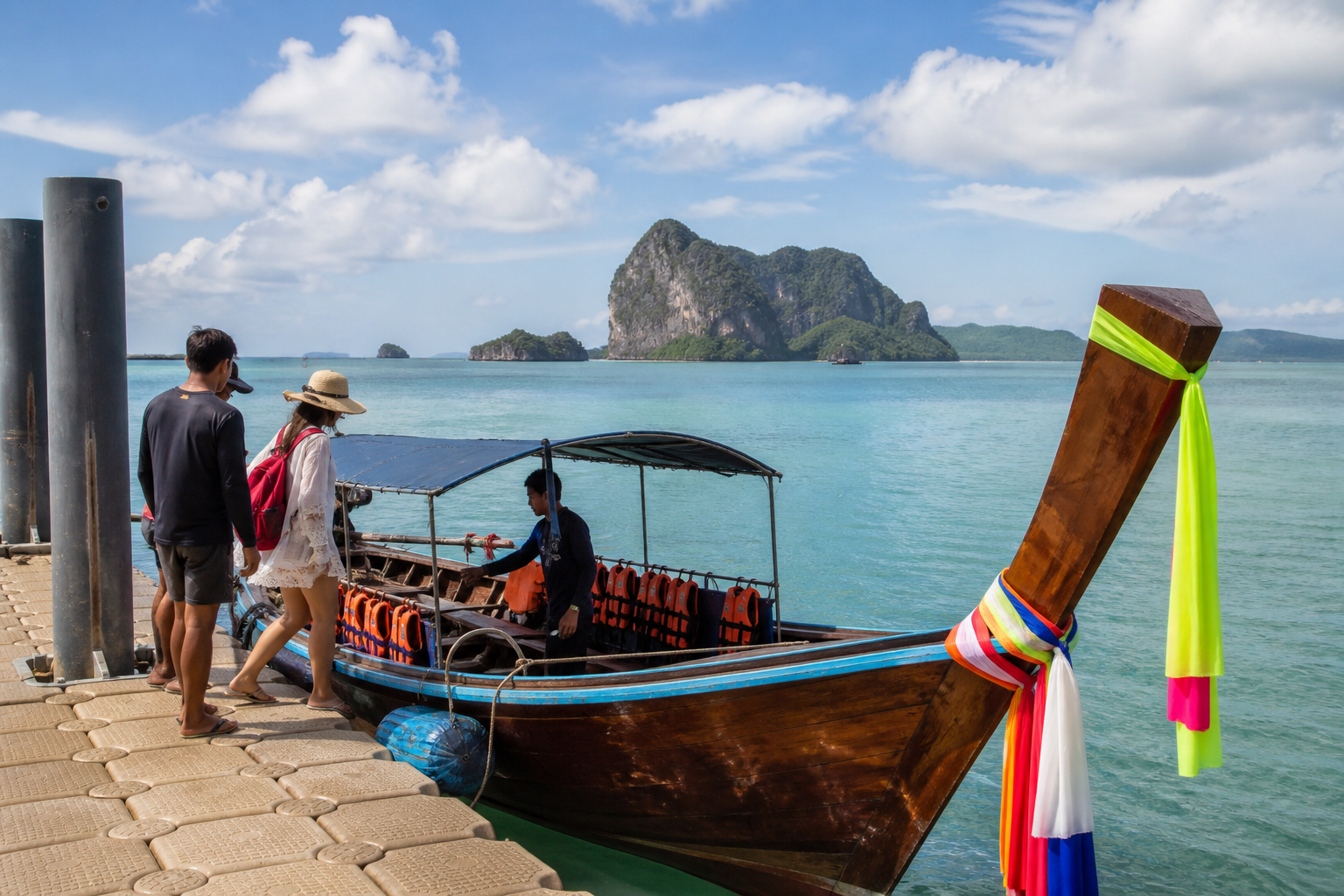
Phuket is a convenient base for boat trips and island excursions, but packages that look similar can include very different details. Before paying, ask about pickup, meals, park or pier fees, equipment, insurance, the boat type, group size, and the expected return time. Weather can change the route or cancel a trip, so understand the operator’s rescheduling and refund policy. Low-season island-tour quotes were around 1,200 to 1,400 Thai Baht per person in one example, while a similar higher-season trip was quoted at more than 2,000 Thai Baht. Check whether national-park or Maya Bay entrance fees are included before comparing prices.
Comparing two or three sellers is worthwhile, especially when booking more than one activity. Bargaining may be possible, but a lower headline price is not useful if key costs are added later. Ask for the final price and itinerary in writing, and choose operators that explain safety procedures clearly. For snorkeling or boat days, use properly fitting life jackets when advised and respect marine areas.
Exchange counters are common around Patong, but rates vary by location, currency, and commission. Check the displayed rate, count your cash before leaving, and avoid exchanging more than you need until you understand your spending pattern. Keeping a small reserve of cash while using a card where practical can make busy travel days easier.
Continuing to Bangkok and Planning Your Phuket Trip
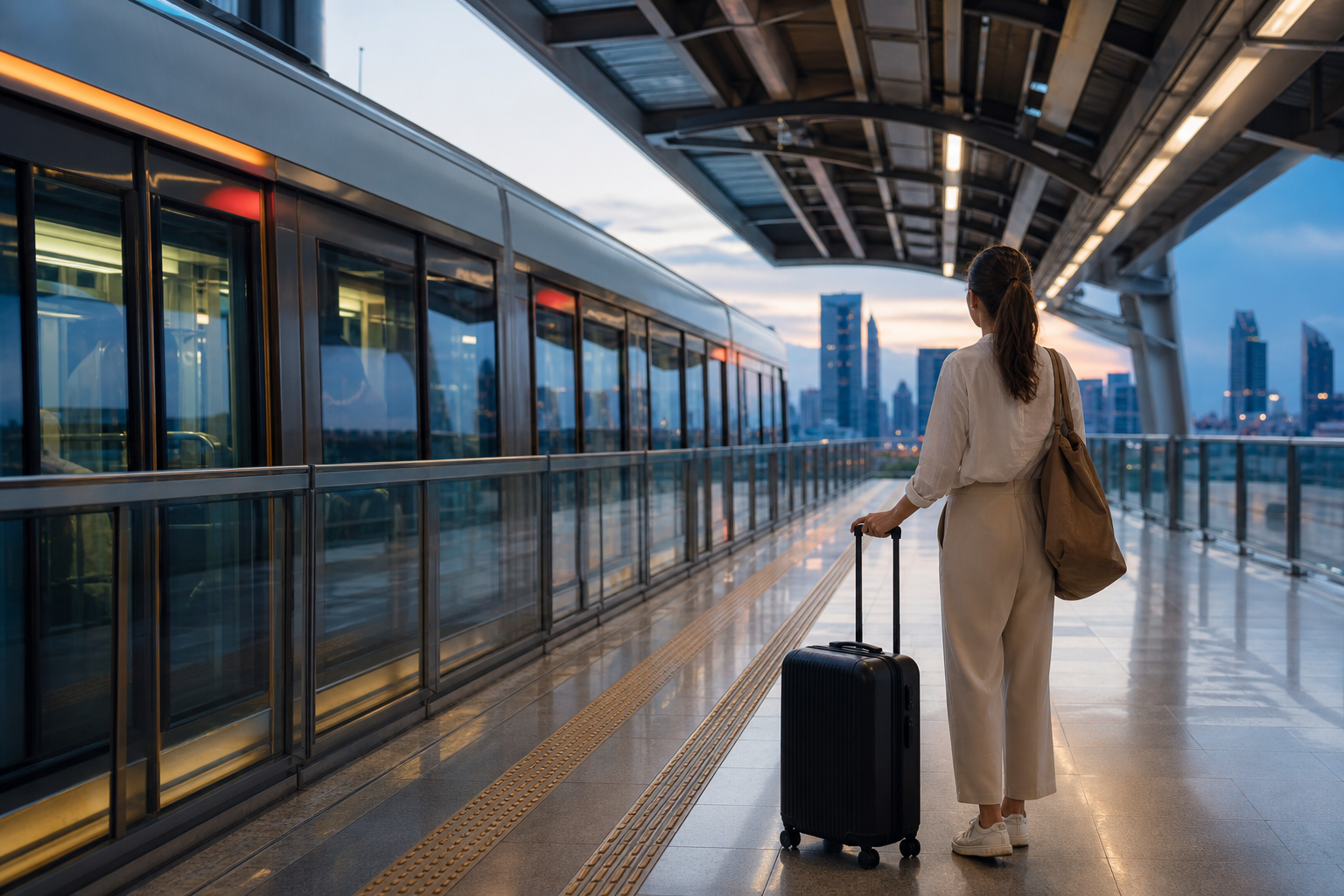
Many trips combine Phuket with Bangkok, and flying is often the simplest connection when time matters. Domestic flights can be delayed, so leave a buffer if you have a separate onward ticket, a hotel check-in deadline, or a train to catch. Check which Bangkok airport you will use before booking accommodation: Suvarnabhumi and Don Mueang serve different routes and have different transport connections.
From Suvarnabhumi, the Airport Rail Link connects with Bangkok’s urban rail network and can be useful for travelers heading toward the city. Follow the current signs and fare information at the station, and allow time to change lines with luggage. A taxi or app-based car may be more convenient for several travelers, late arrivals, or hotels that are not close to a station.
A successful Phuket visit comes down to matching the area and pace to your priorities. Allow extra time for airport roads, price-check busy services, select accommodation by its exact location, and keep weather-sensitive plans flexible. With those basics in place, the island is easier to navigate and far more rewarding beyond its busiest streets.
451 container