Chiang Mai Travel Guide: Temples, Food, Mountains and Markets
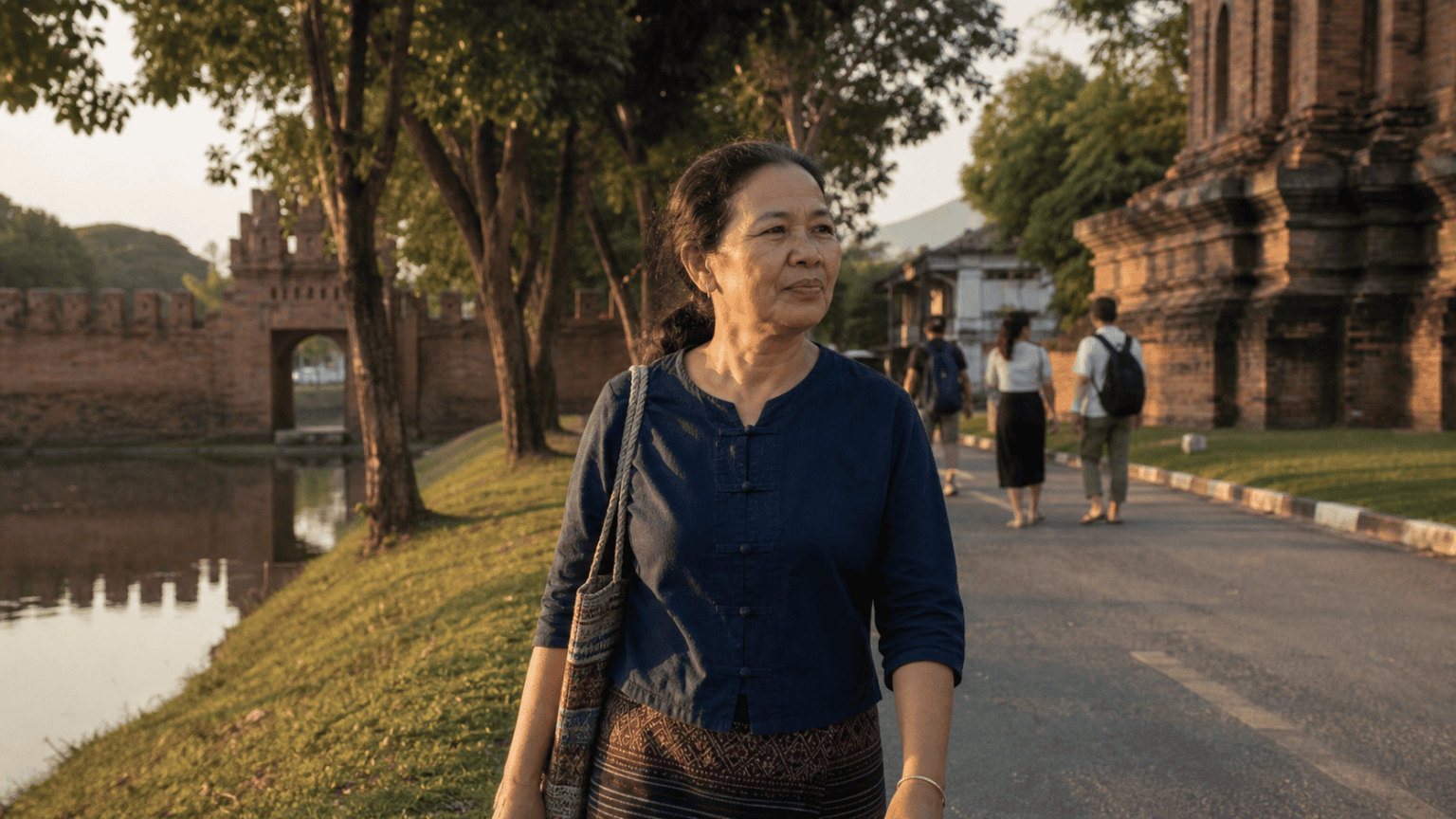
Chiang Mai is the cultural heart of northern Thailand, combining historic temples, excellent food and easy access to mountain scenery. For a first visit, staying inside the Old Town is a practical choice, especially around Tha Phae Gate, because many of the city’s most interesting streets are walkable from there.
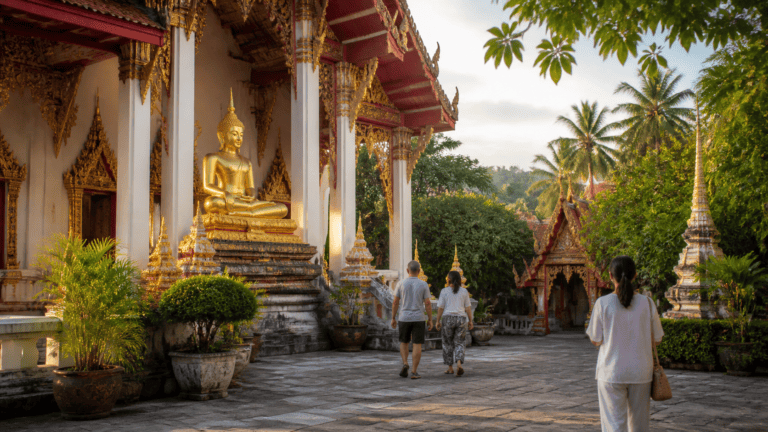
The Old Town was founded in 1296 as the capital of the Lanna Kingdom. Its surviving walls and gates still frame a compact district filled with temples, cafés, restaurants and small bars. Wat Chedi Luang is one of the highlights, with a huge chedi that was partly damaged by an earthquake in the sixteenth century.
1. Getting from the Airport and Arriving in Chiang Mai

You want to know one of the worst parts about visiting Chiang Mai? As soon as you step off that plane and out the gate, you’re going to get hounded by people trying to get you in their taxis. They’re going to be in your face trying to get you in the back of a van, and you know what the weirdest part is? It’s actually not a scam. It feels like a scam, but it’s not a scam; it’s just the way they do things here, and it’s really annoying. Airport transfer prices and routes can change, so check the official airport transport counter for the current fare before you commit.
But there’s a far more interesting way to travel to Chiang Mai than by plane. This way will give you a more authentic experience, take you through the beautiful Thai countryside, and can be much cheaper, with fares and journey times that vary by service. The overnight train is a fascinating way to see the country, but check the current timetable and ticket options before booking.
2. Choosing the Right Place to Stay
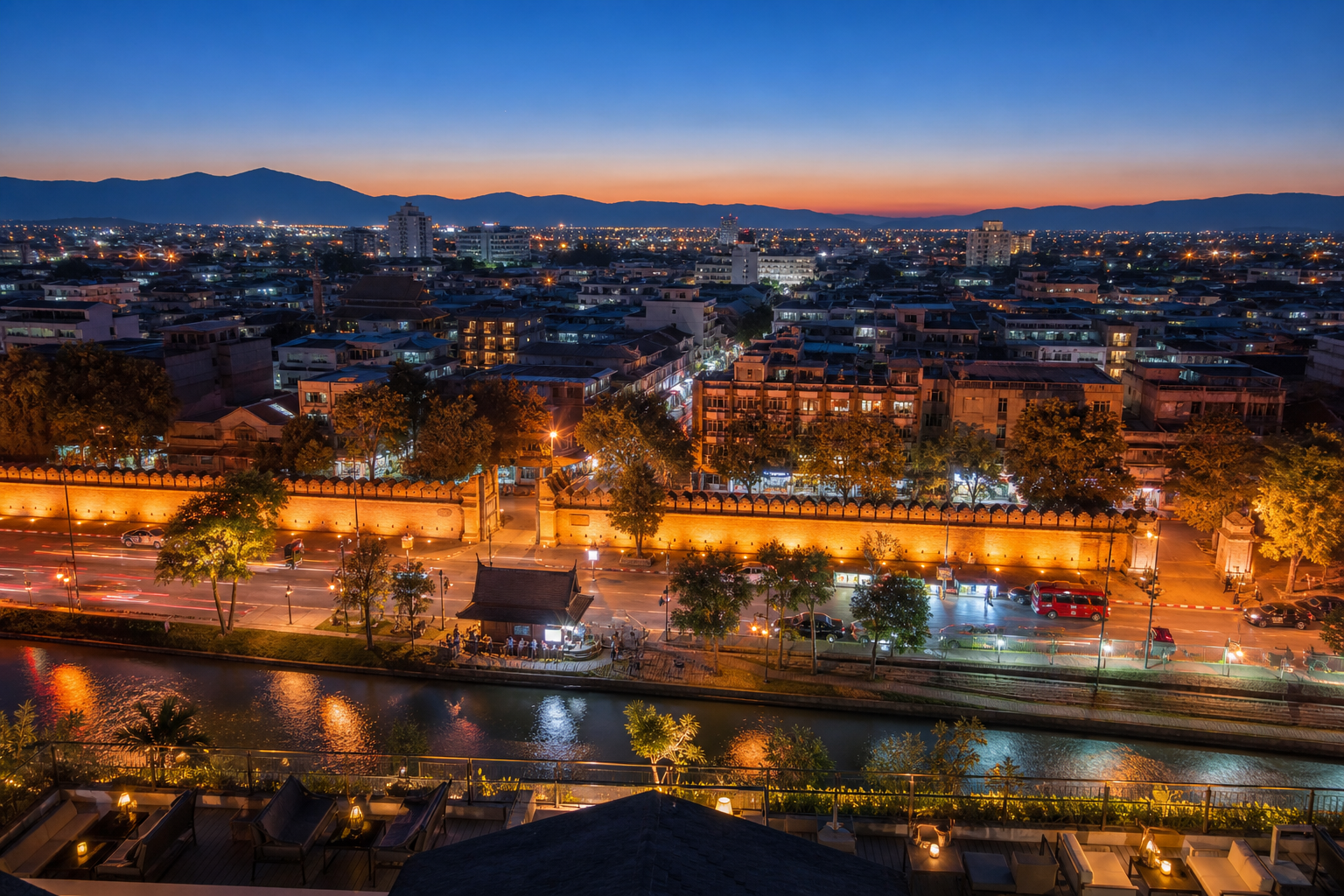
When I first visited Chiang Mai, I thought it was boring, and that’s because I followed one piece of travel advice about the city that I learned to question: where to stay. If you look at advice online, almost all of it says to stay in the city’s Old Town, but this could leave you staying far away from the best bars, restaurants and night markets in the city. Basically, it’s only good if you’re in bed by 6 p.m. every night.
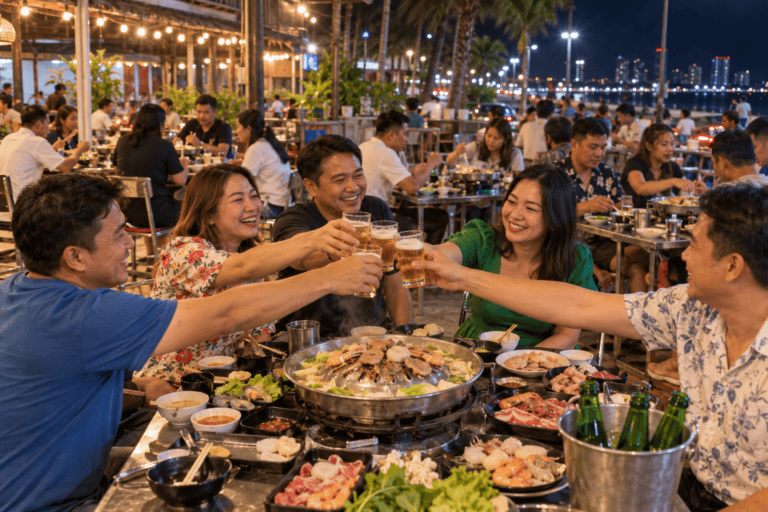
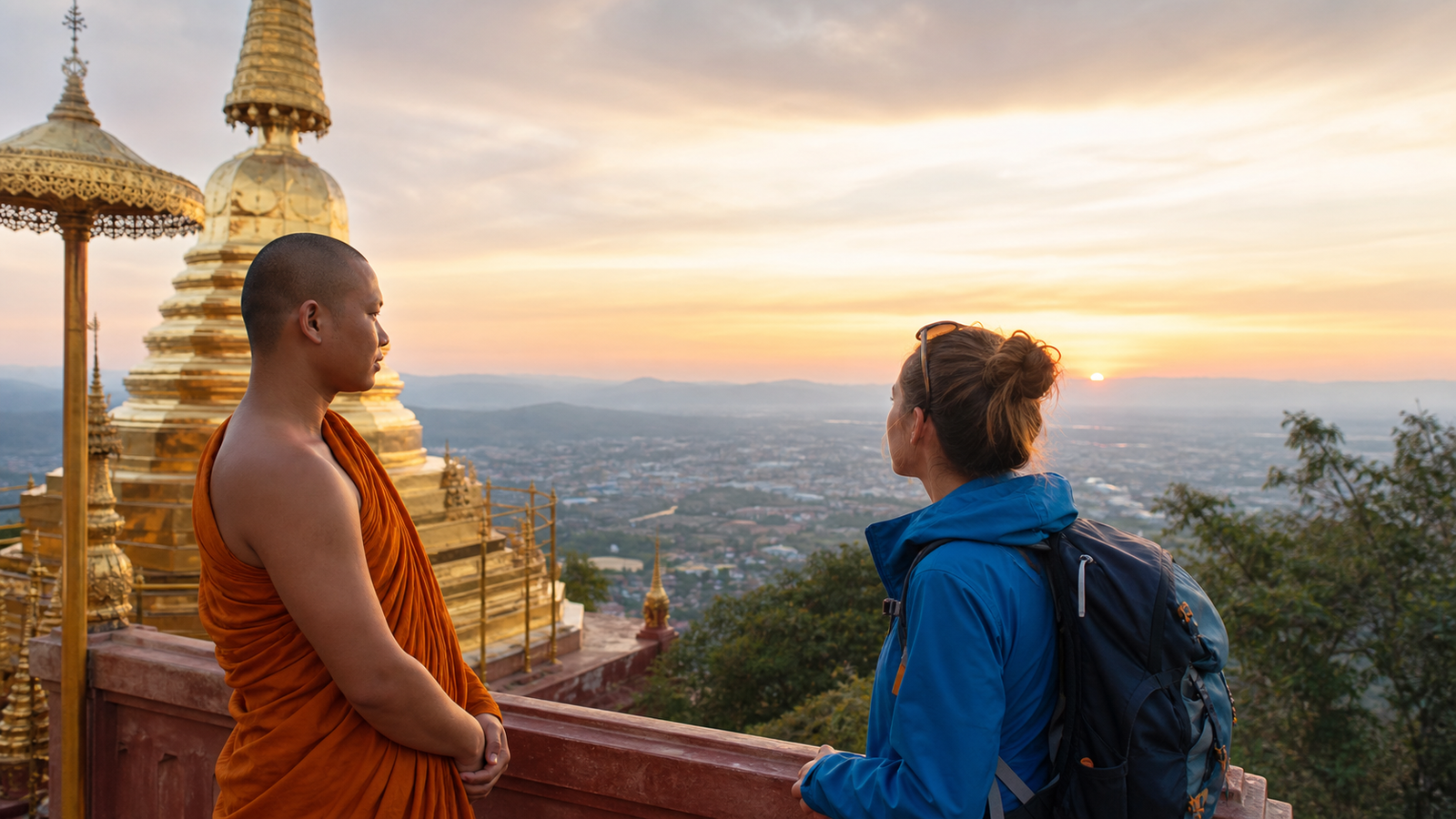
Don’t get me wrong: the Old Town is a fascinating place, and you should definitely spend time here when you’re visiting. But unless you want to live the life of a Buddhist monk, you have to be careful where you stay. During your stay in Chiang Mai, you are probably going to want to experience the night bazaar, the riverside restaurants and the city’s best bars, all of which are located to the east of the Old Town.
If you end up staying towards the centre or the western side of the Old Town, there’s not going to be much for you to do at night, not without a 20-minute walk anyway. A better place to stay is around Tha Phae Gate, which has easy access to both the nightlife spots and the Old Town.
5. Using Chiang Mai as a Base for Northern Thailand
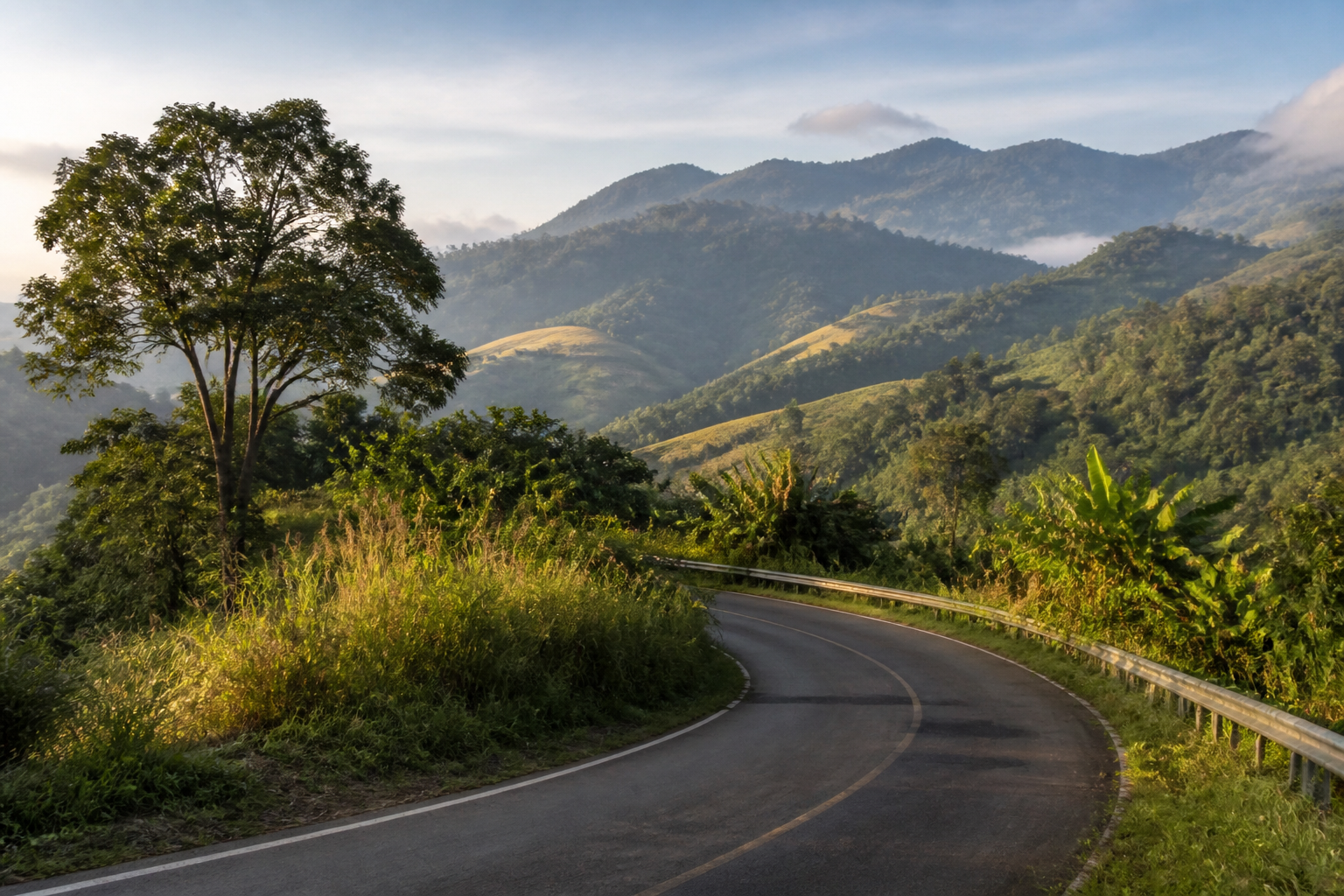
Some people come to Thailand and spend more time on the backs of buses than they do actually exploring the country. Don’t be one of these people. You do not need really complicated travel plans that require a move to a new hotel every other day. In fact, Chiang Mai is the perfect base to explore the rest of Northern Thailand from.
Once you’re done exploring the city, there are some of the best day trips in the country just an hour’s drive from the Old Town. If you’re looking for the best coffee in Thailand, there’s a town nestled up in the mountains, famous for growing tea and coffee. It’s a really quaint town to explore, and conveniently, it has some of the best modern cafes in the whole of Thailand. This town is called Mae Kampong, and it can be explored in half a day.
Do you want to explore powerful waterfalls, trek through the rainforest, explore fascinating hill tribe villages and reach the highest point in the whole of Thailand? Doi Inthanon National Park is home to the biggest mountain in the country. Are you interested in visiting an elephant cafe, enjoying natural hot springs, seeing the most underrated temple in the country and watching the sunset behind a stunning mountain? Check out the neighboring town of Chiang Dao. And even though it’s a little further, the city with four of the most fascinating temples in the country can be explored as a full-day trip from the city. This town is known as Chiang Rai.
Honestly, you could easily spend a week in Chiang Mai without ever having to change hotels by using it as a base to explore the rest of Northern Thailand.
7. Visiting Festivals, Markets and the Burning Season
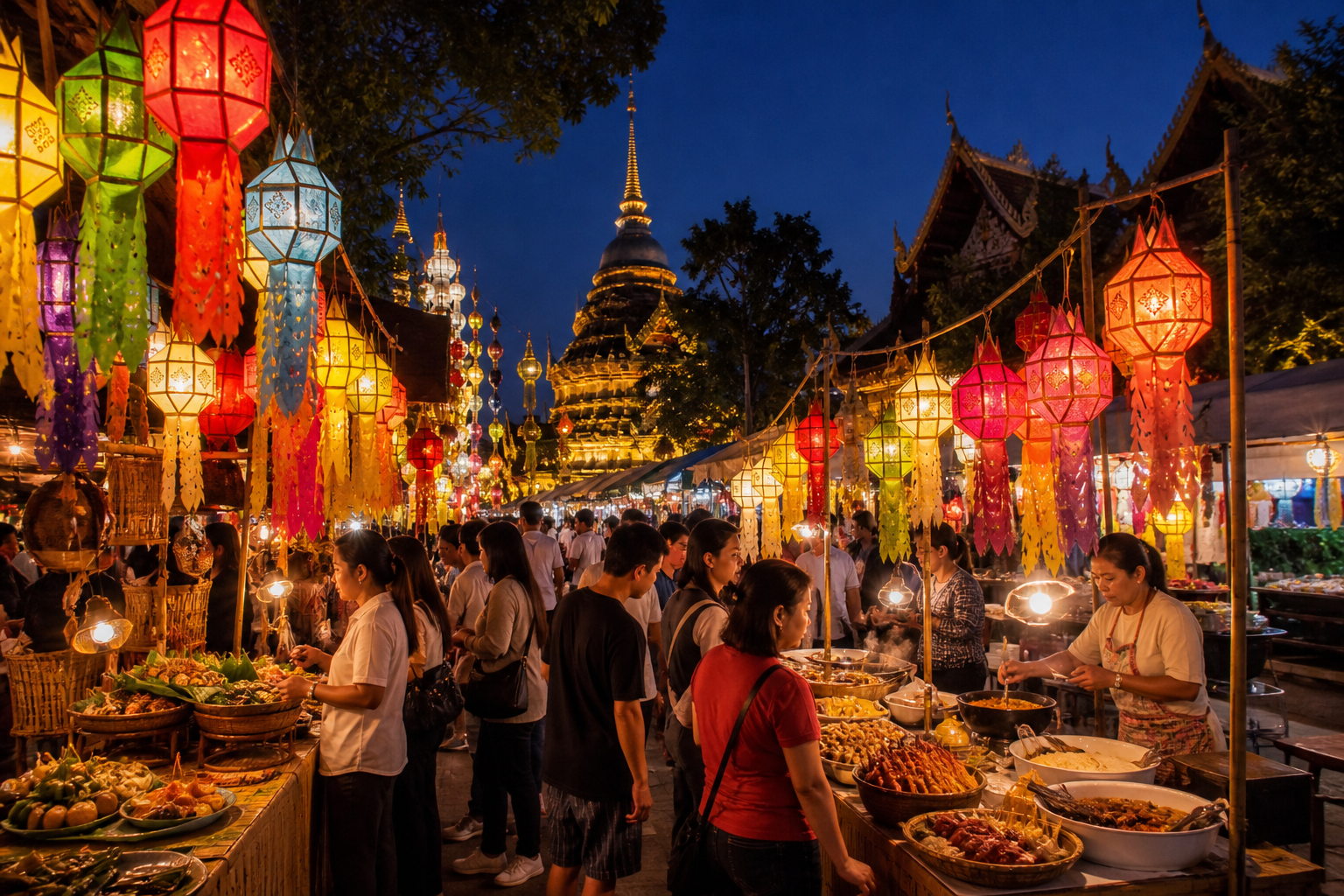
Chiang Mai is the best place in the country to experience Thailand’s national festivals. Every year, people flock to the city to experience Thailand’s unique traditions. One of the best times to visit is during Songkran. This is held in mid-April every year and involves a massive three-day water fight. But if you’re looking for something more serene, you should visit during Loy Krathong or Yi Peng in November. At Yi Peng, the Chiang Mai night sky will light up with beautiful lanterns, and Loy Krathong involves gathering around lakes, rivers and canals to pay respects to the goddess of water by releasing beautiful lotus-shaped offerings decorated with candles, incense and flowers into the water. Visiting during these times will be an unforgettable experience.
But there is one time you absolutely should not visit Chiang Mai. Late in the dry season, air quality can become a serious consideration. Smoke episodes are influenced by regional burning, weather and local conditions, so check current air-quality readings and health guidance before and during your trip, especially if you have respiratory or cardiovascular concerns. If you have any respiratory diseases, it can be quite dangerous, but even if you don’t, this is not going to be a fun time to visit.
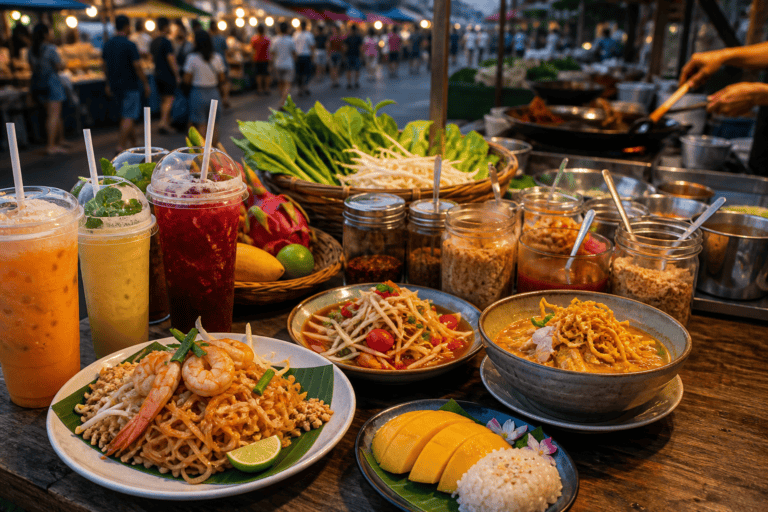
Chiang Mai is home to some fascinating local markets, but finding where and when they run can actually be quite confusing. In fact, there have been multiple times when I’ve turned up expecting there to be a market and it just wasn’t there. One of Chiang Mai’s most famous markets runs every evening from about 5 p.m. It sells a lot of clothes and handicrafts as well as some street food. It’s on Chang Khlan Road, which is where a lot of bars and restaurants are, and it’s simply called the Night Bazaar. But some of the best night markets in the city run only once a week. The two best are the Saturday night market that lies on Wua Lai Road at the south of the Old Town and the Sunday market that runs through the centre of the Old Town from Tha Phae Gate.
Guided Treks Through Chiang Mai’s Mountains and Villages
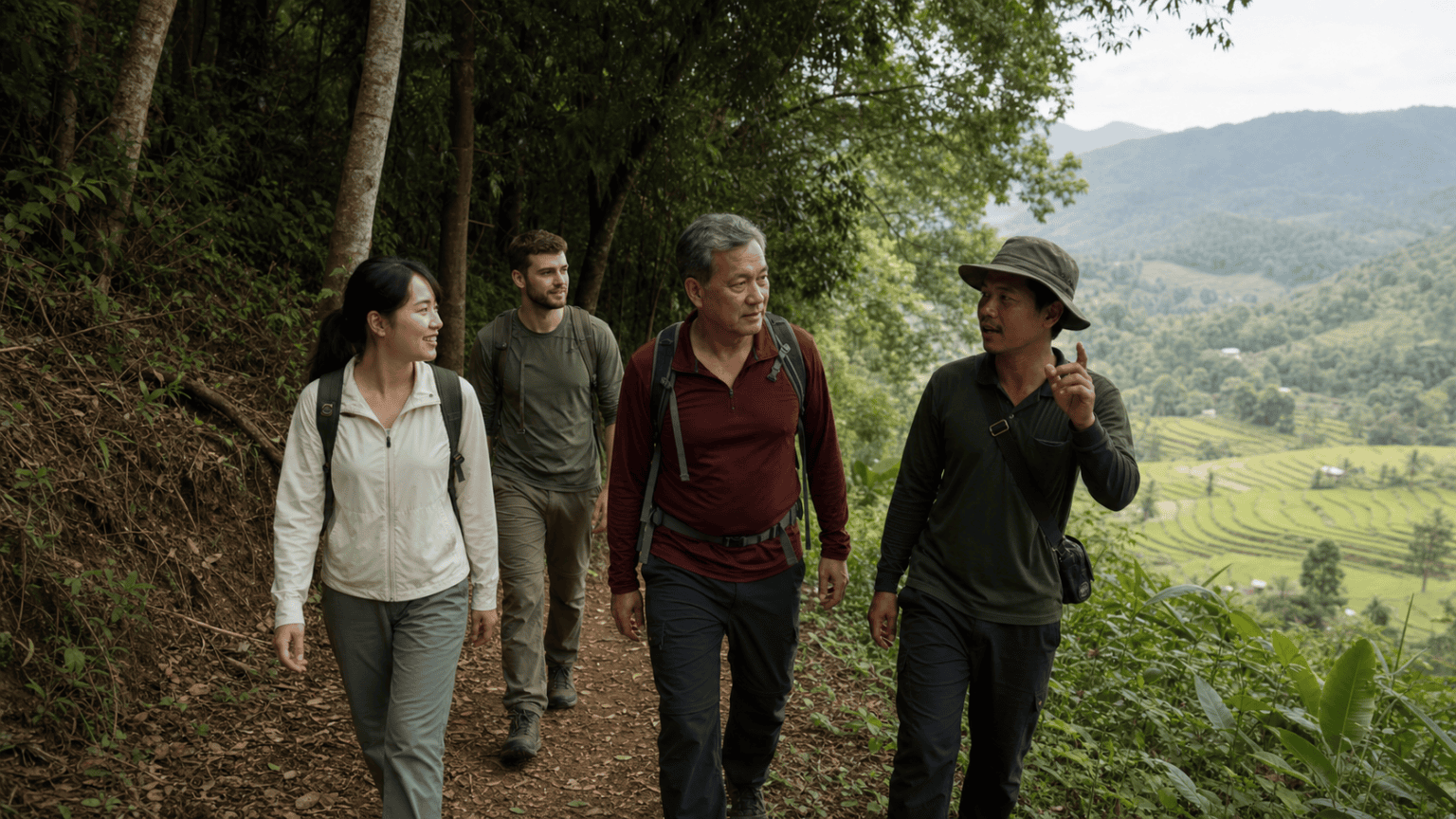
The countryside is one of the main reasons Chiang Mai feels so different from a large city. Guided treks range from a few hours to overnight walks, so there are options for beginners as well as experienced hikers.
On a good route you may pass forested ridges, rice paddies, waterfalls and small villages. Overnight trips often include a homestay, giving you a closer look at rural life and local cooking. Choose an operator that uses local guides and sets a sensible pace for the group.
Wachirathan Waterfall in Doi Inthanon National Park
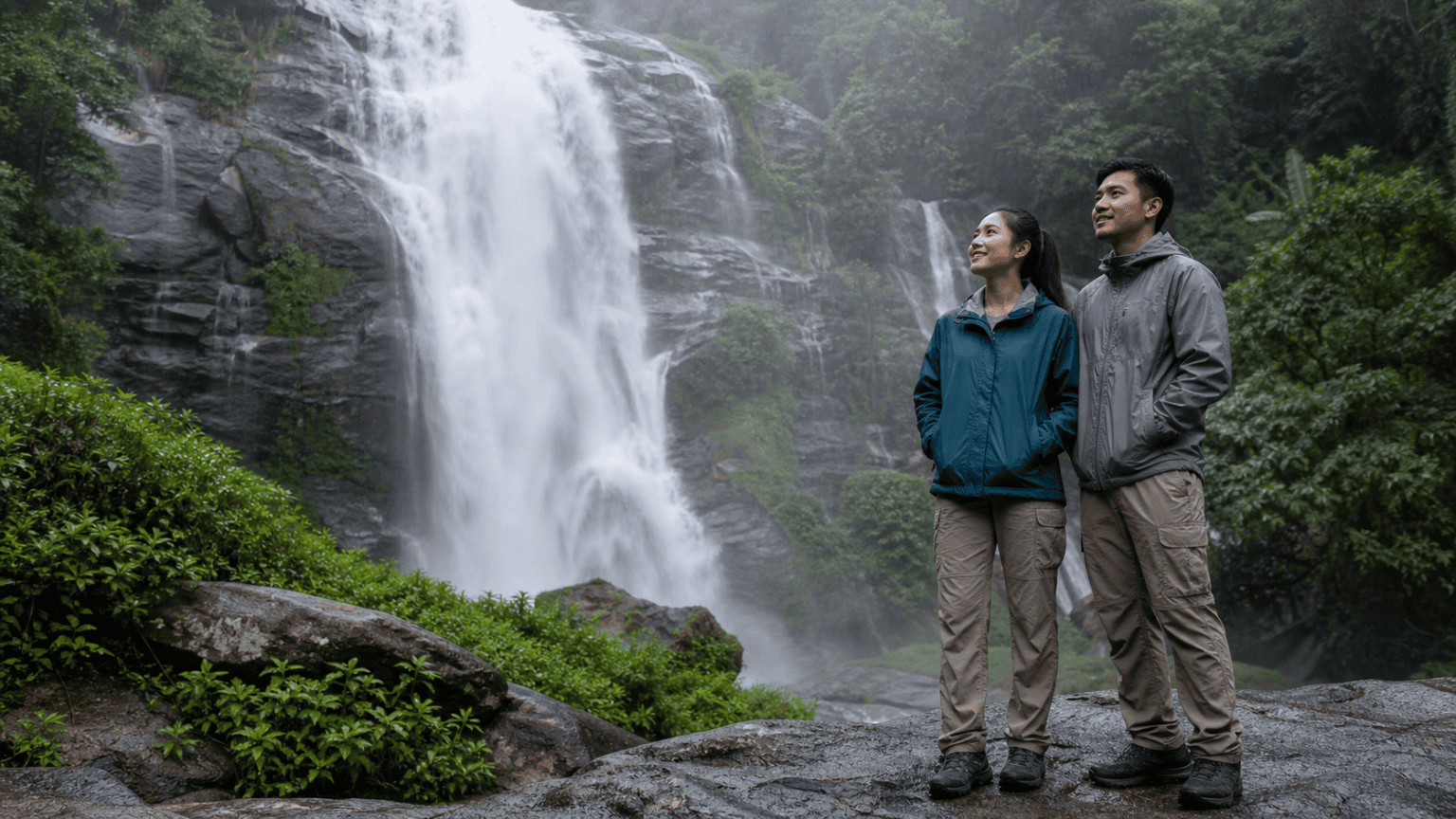
There are many waterfalls around Chiang Mai, but Wachirathan Waterfall is one of the most dramatic. It drops around 80 metres inside Doi Inthanon National Park and becomes especially powerful during the rainy season.
Mist from the main cascade often hangs over the rocks and tropical plants around the viewpoint. Wear shoes with good grip, take care near wet surfaces and allow time to enjoy the other trails and viewpoints in the park.
Ban Mae Klang Luang: Karen Culture, Rice Terraces and Homemade Coffee
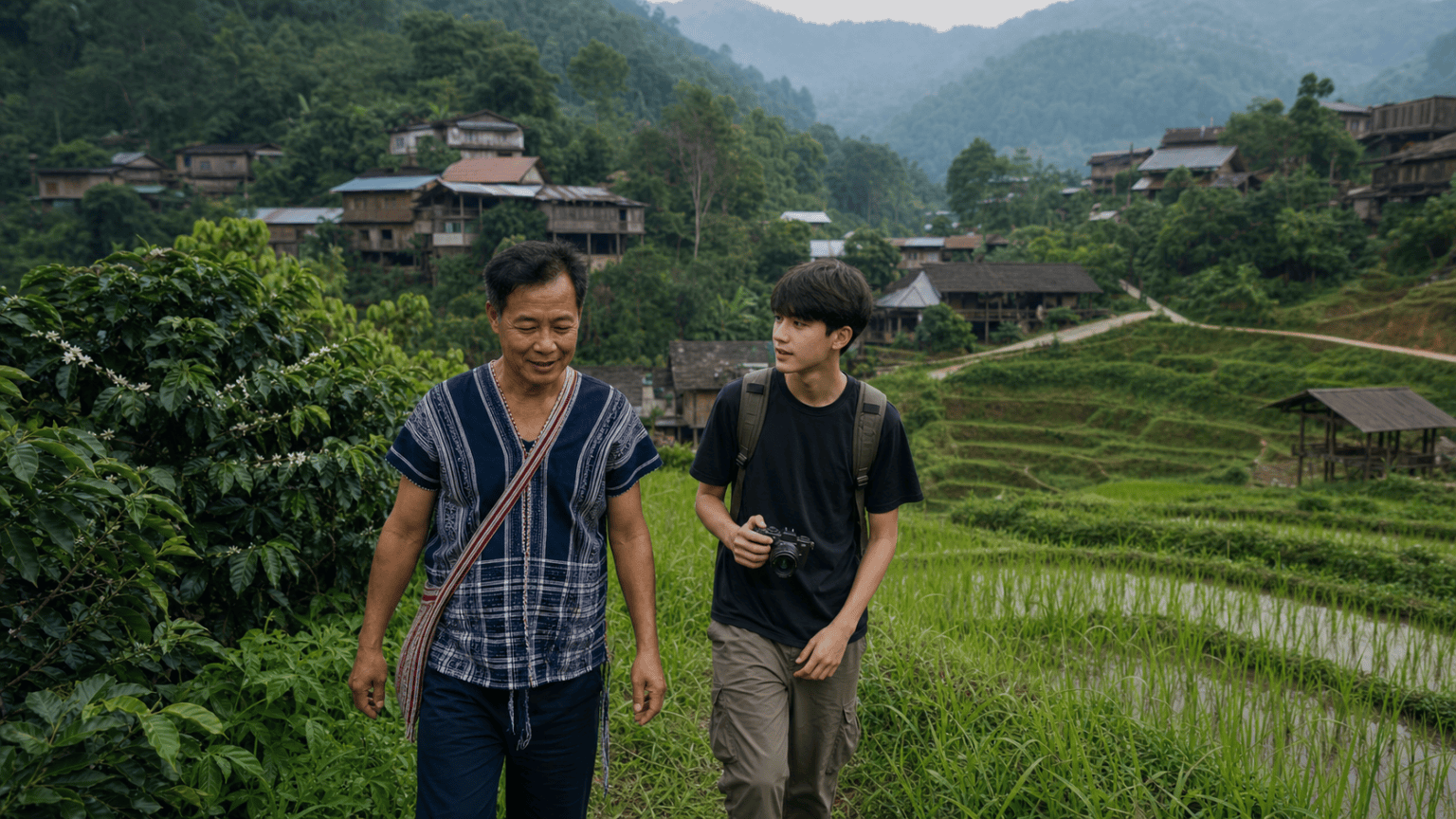
Ban Mae Klang Luang is a Karen village in Doi Inthanon National Park where community-based tourism offers a more personal experience of the mountain landscape. The surrounding terraces change colour through the growing season and make the village particularly scenic after rain.
Visitors can learn about traditional farming, stay in a homestay and try coffee made by local growers. The best visits are unhurried: walk with a local guide, ask before photographing people and spend time supporting the community’s small cafés and guesthouses.
Chiang Dao: A Scenic Mountain Day Trip from Chiang Mai
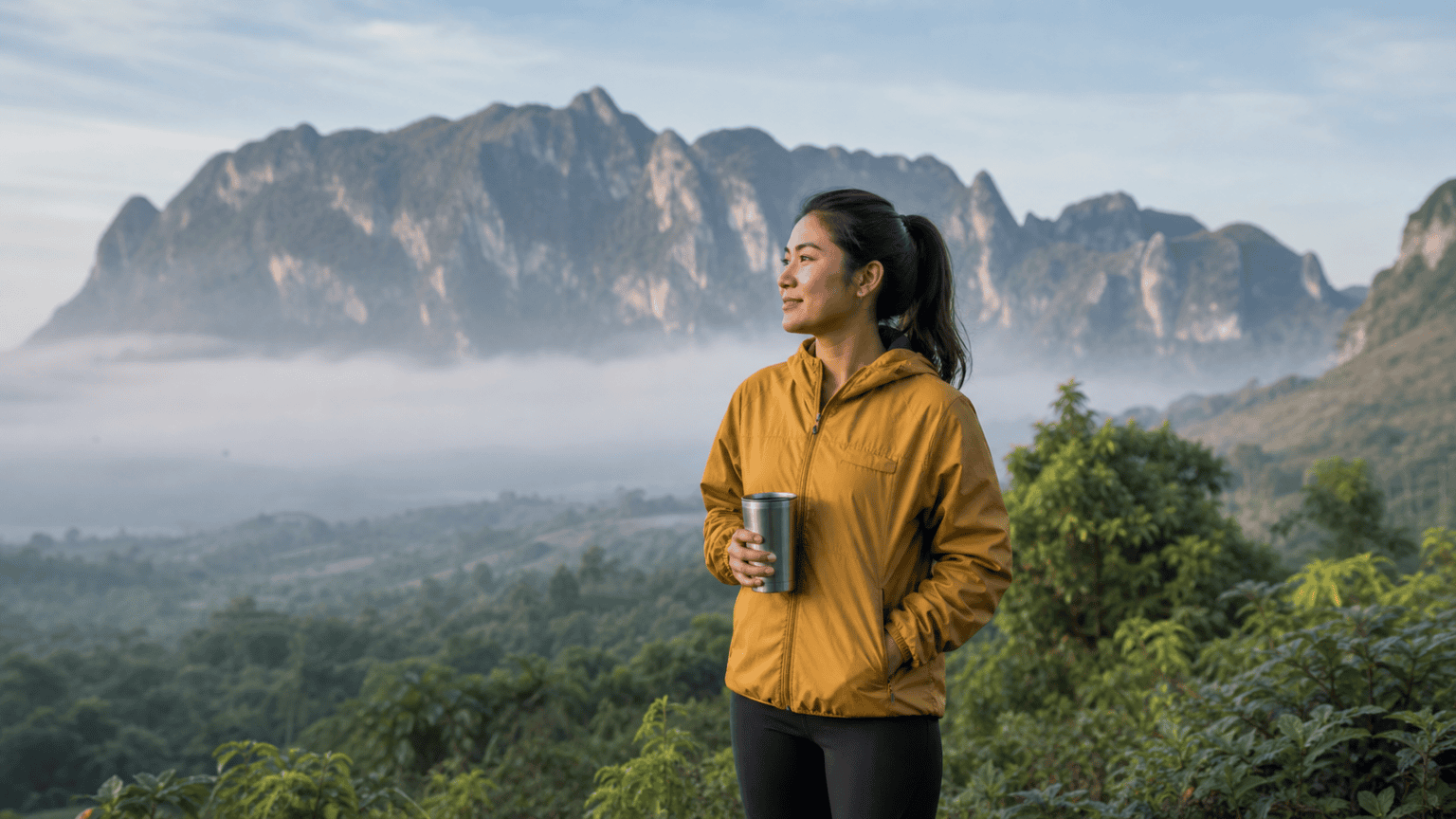
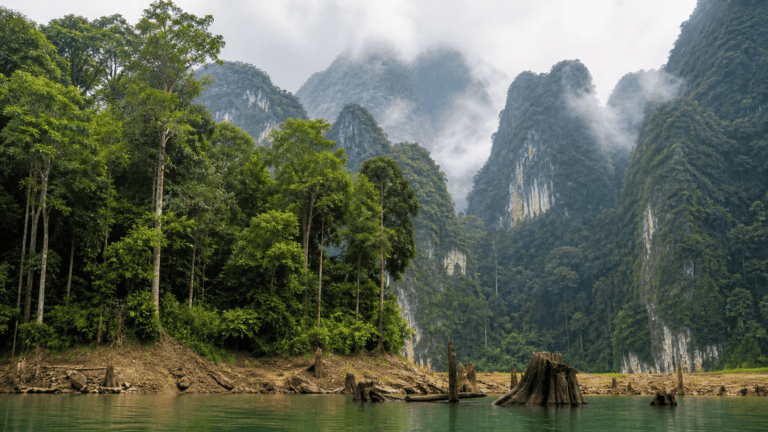
Chiang Dao is about an hour and a half from Chiang Mai and works well as either a day trip or an overnight escape. The town sits beneath Doi Chiang Dao, Thailand’s third-highest mountain, whose limestone landscape dominates the horizon.
The area suits travellers who want cooler air, forest walks and a slower pace. Trekking and camping are popular, while a night in a local guesthouse lets you see the mountain at its best in the early morning.
Boat Trips and Riverside Views Along the Ping River
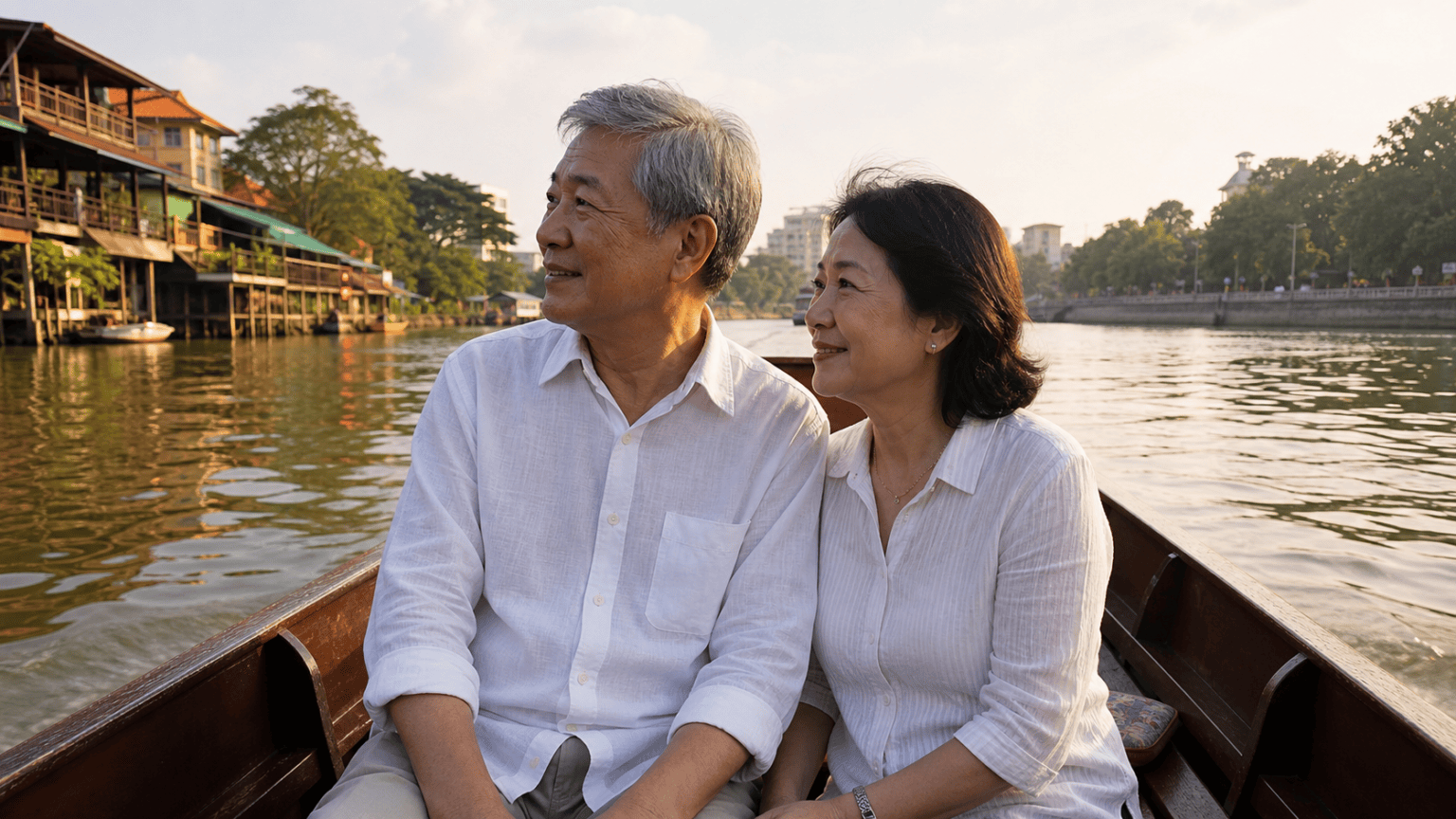
The Ping River is one of the waterways that eventually feeds the Chao Phraya, and it gives visitors a calmer view of Chiang Mai. Short boat trips pass riverside homes, leafy banks and sections of the city that are easy to miss from the road.
Some cruises include dinner and live entertainment, while simpler daytime trips focus on the scenery. A river journey is a useful change of pace after visiting temples and markets on foot.
Songkran and Loy Krathong: Chiang Mai’s Traditional Festivals
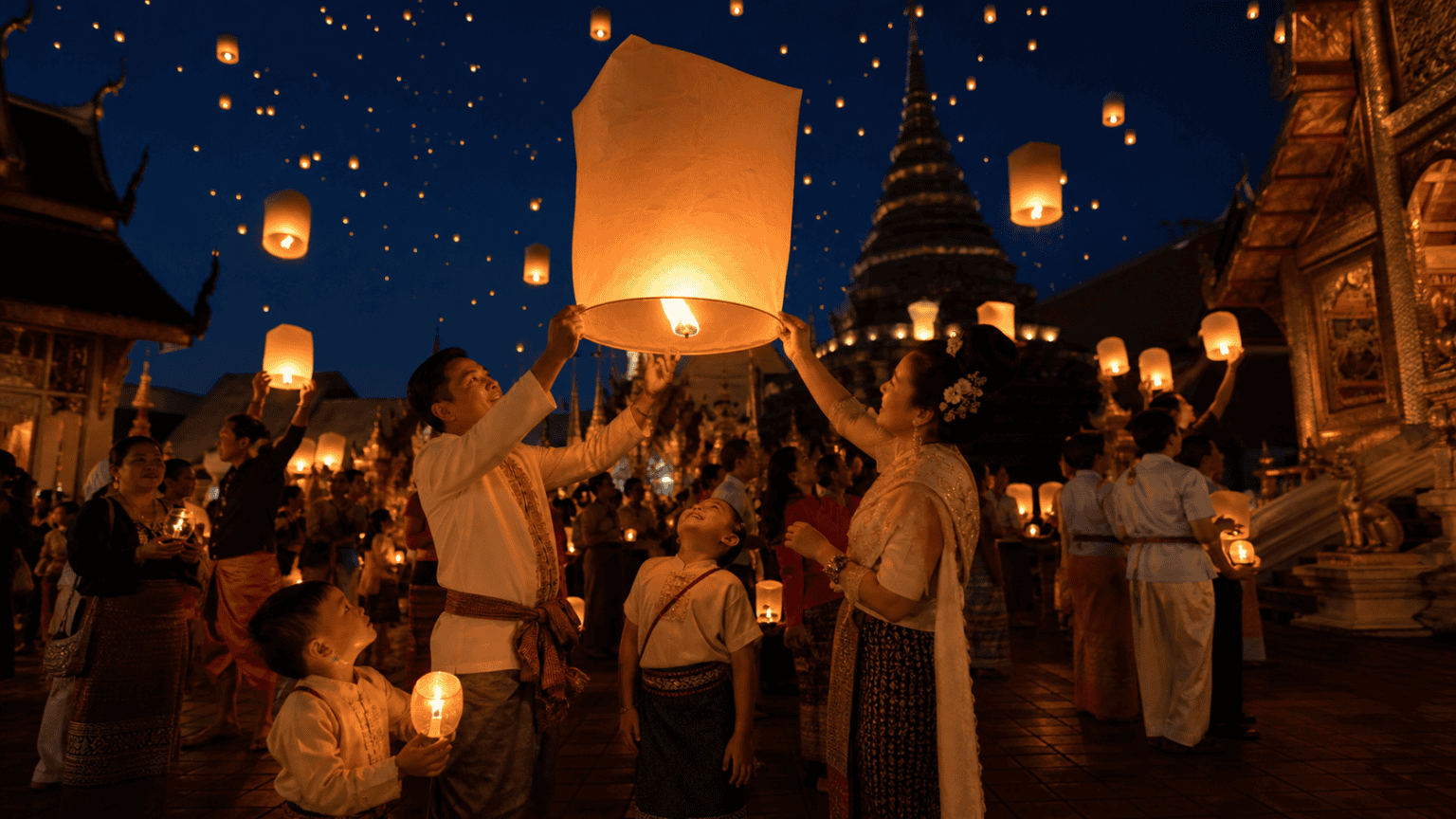
Timing a visit around a traditional festival can add another dimension to a Chiang Mai trip. Songkran brings water celebrations and family gatherings in April, while Loy Krathong and Yi Peng create illuminated evenings later in the year.
The city becomes busy during both festivals, so reserve accommodation early and be considerate around temples and local ceremonies. With a little planning, the celebrations offer a vivid way to experience northern Thai traditions beyond the usual sightseeing route.
Chiang Mai rewards slow travel: combine the historic centre with the mountains, food and communities that surround it, and leave room for the unexpected.