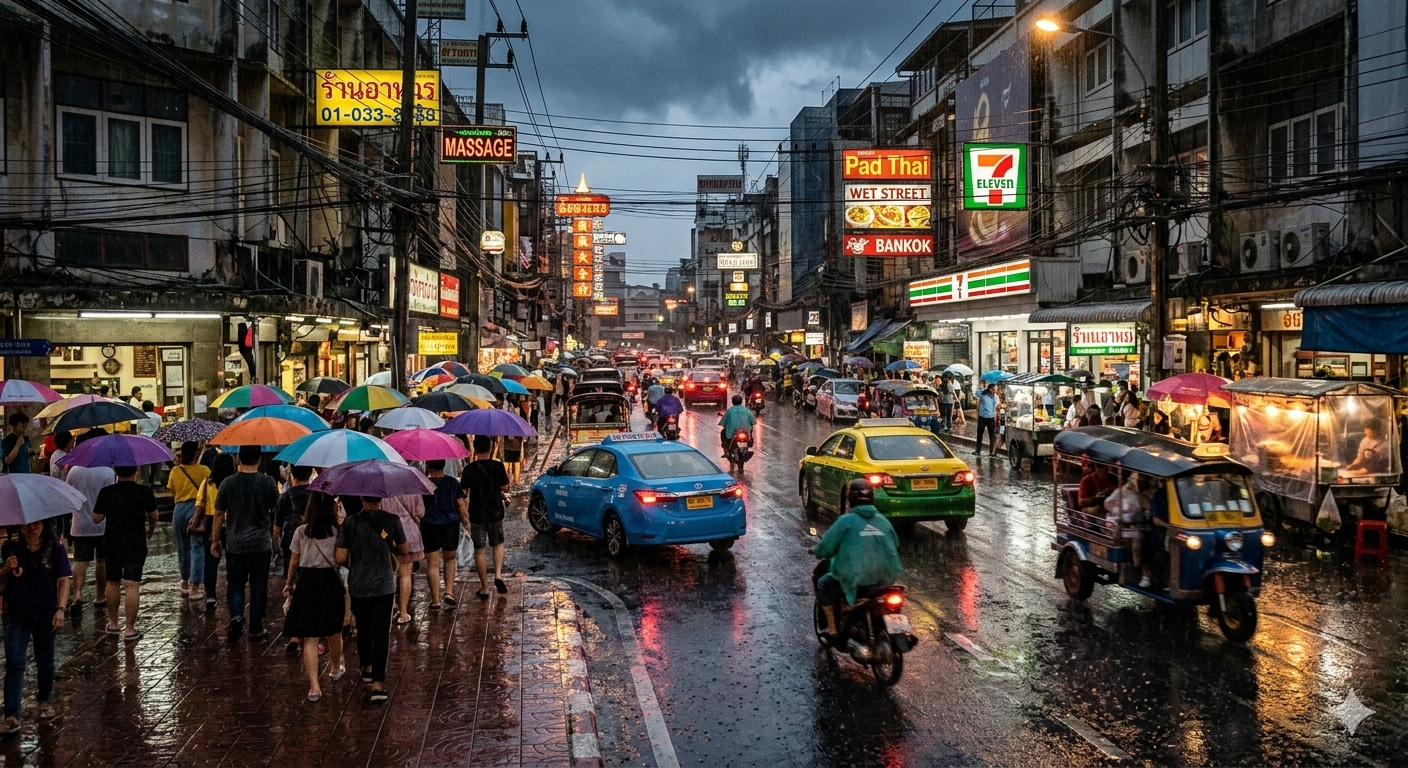
Thailand Rainy Season Travel Guide: Weather, Transport, and Flexible Plans
When Thailand Rainy Season Happens
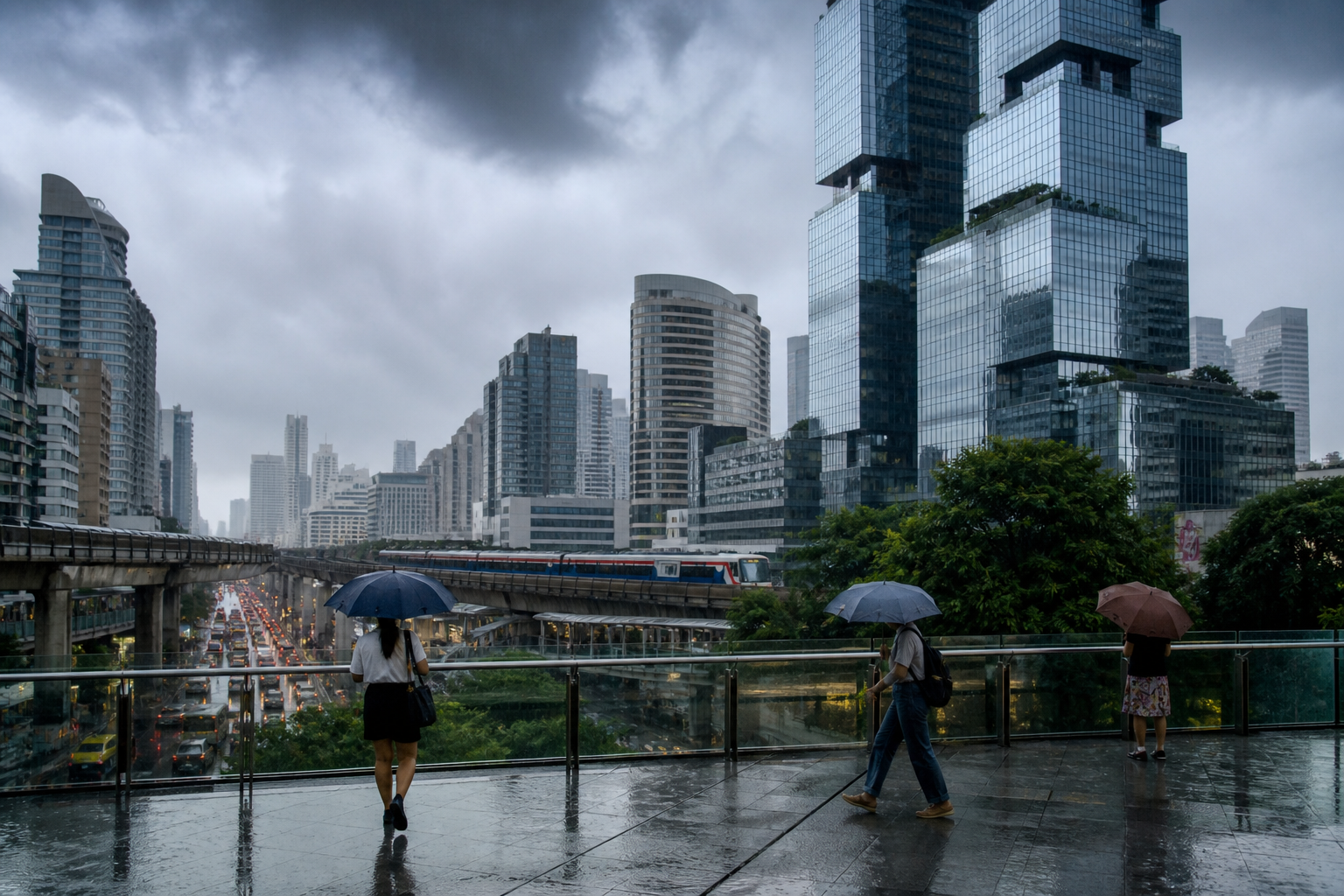
The source describes the rainy season as roughly May through mid-October, with a particularly unsettled period around mid-September to mid-October. Timing varies by region and year, so check a current forecast for the destinations on your itinerary rather than treating one date range as universal.
Transport Delays and Flexible Plans
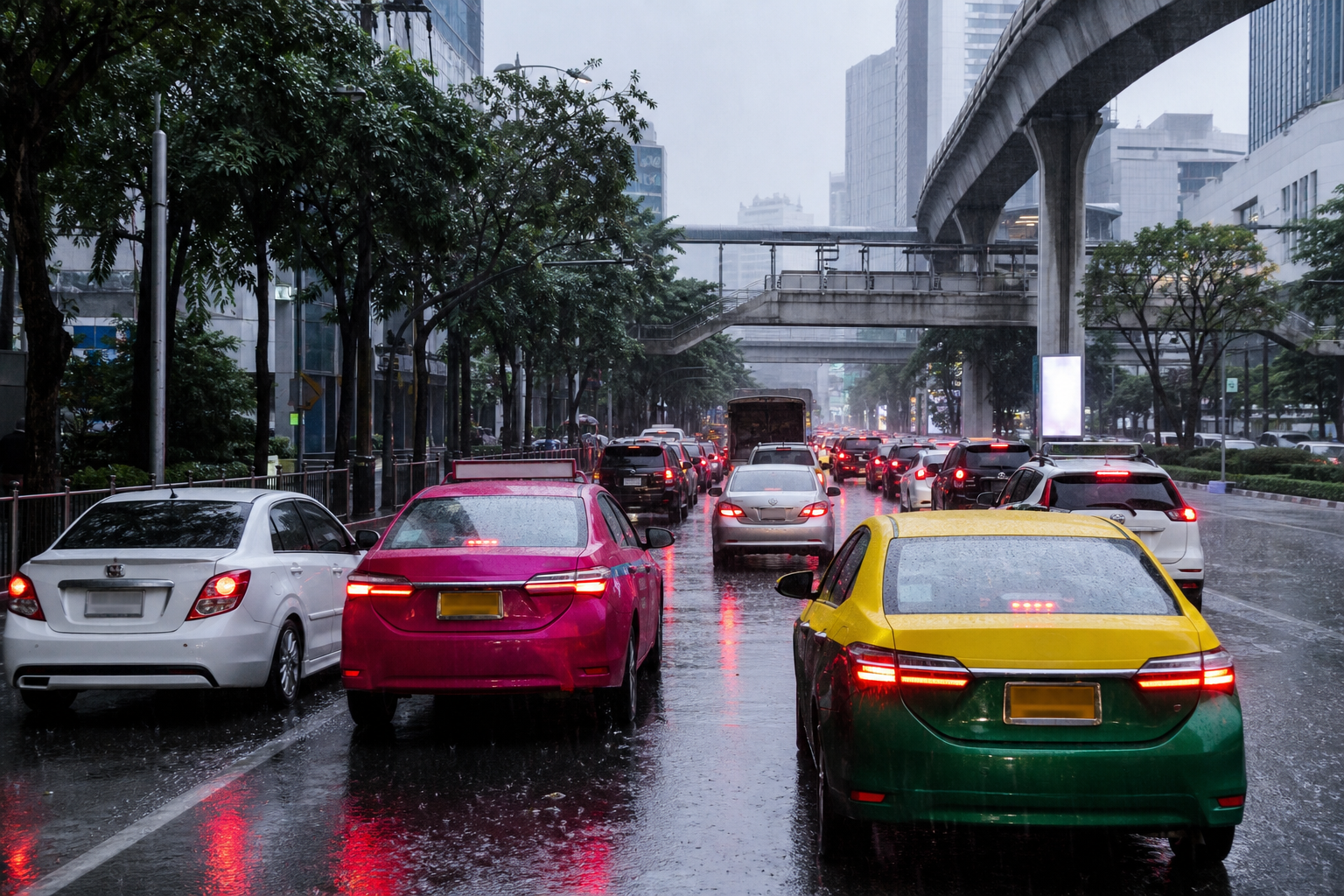
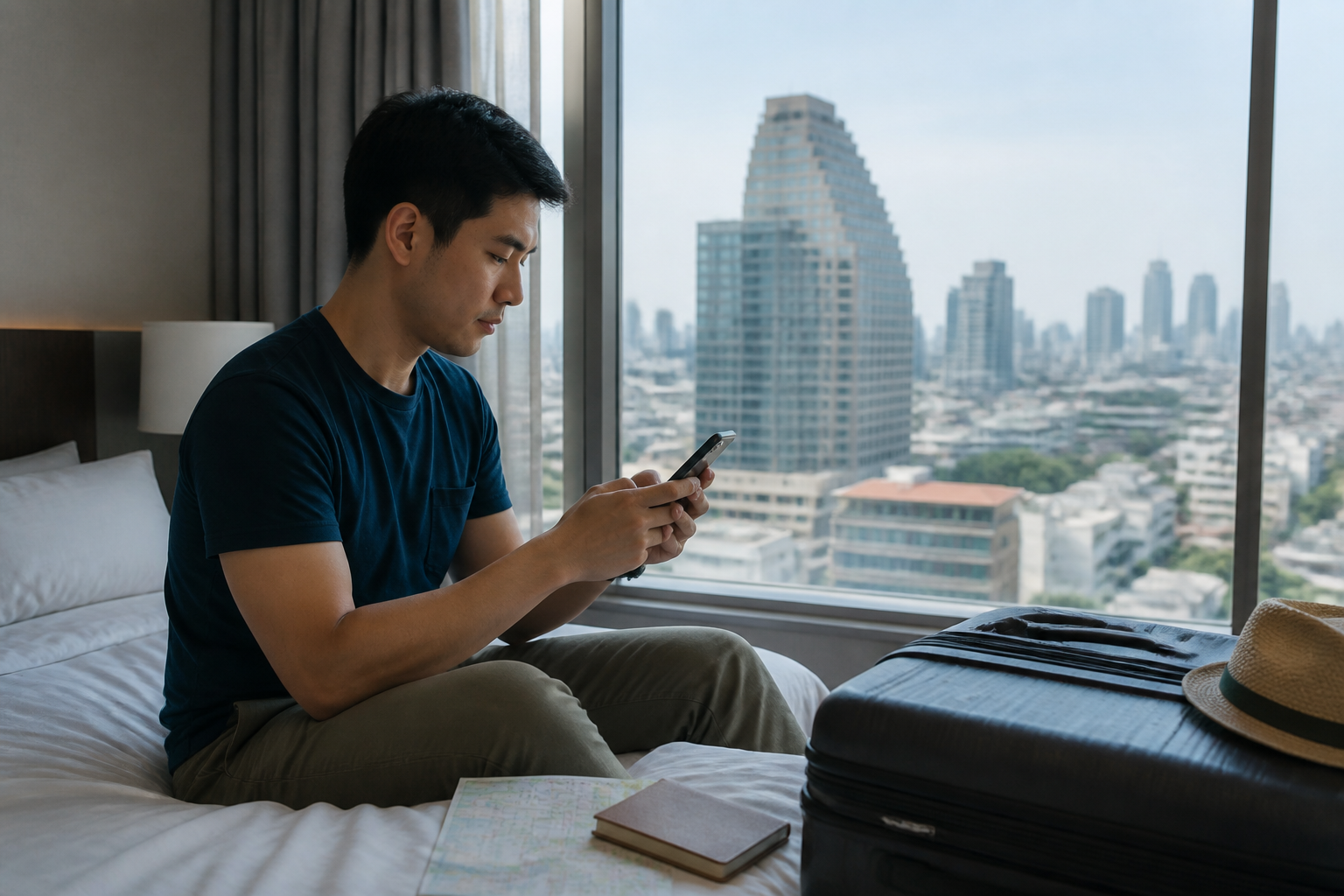
Heavy rain can slow Bangkok traffic and make taxis, Grab, or motorbike rides harder to find. Ride-hailing wait times and fares may rise during downpours. If you have a fixed appointment, leave extra time and consider the BTS, MRT, or a nearby indoor stop while traffic settles.
Island and Boat Trip Uncertainty
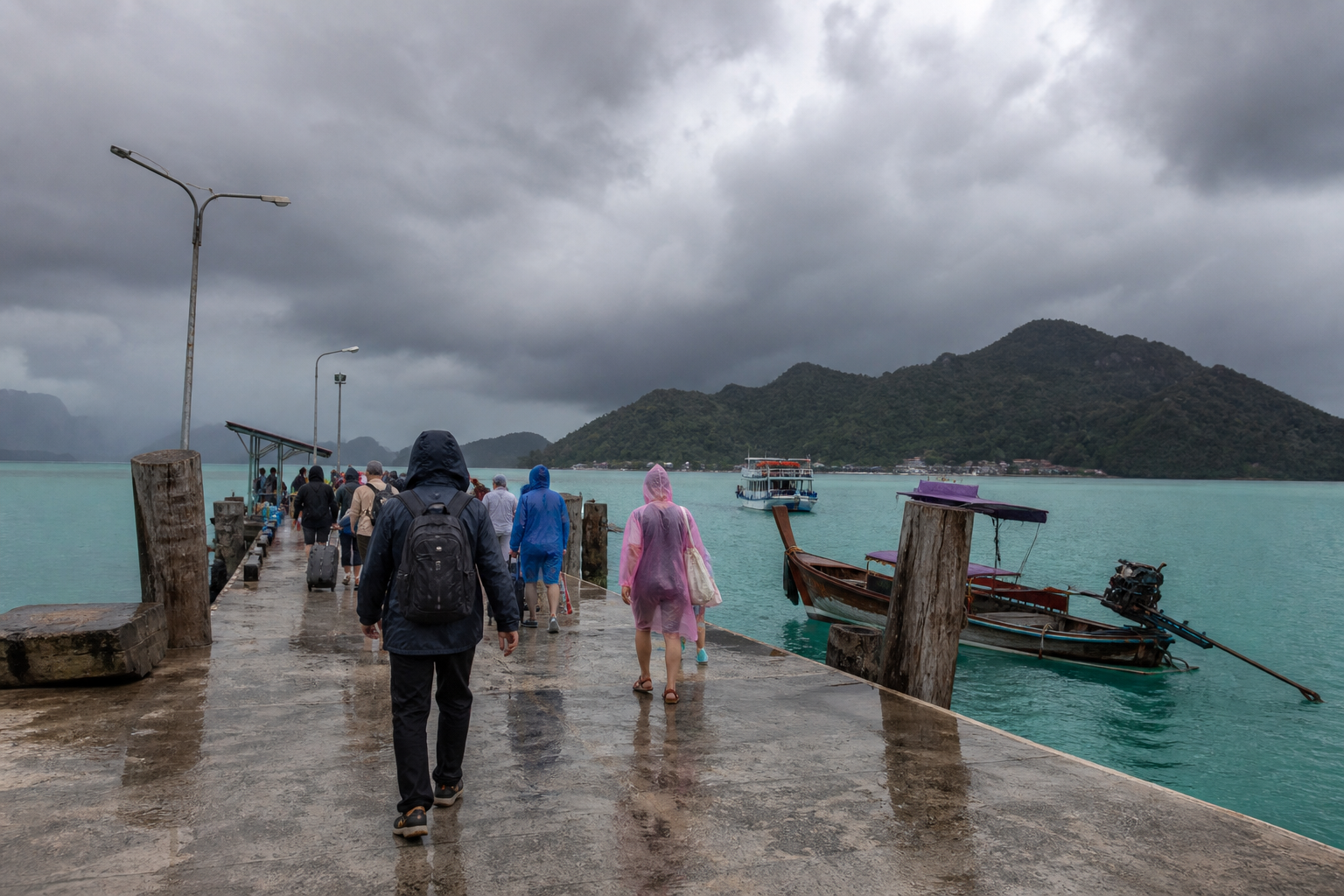
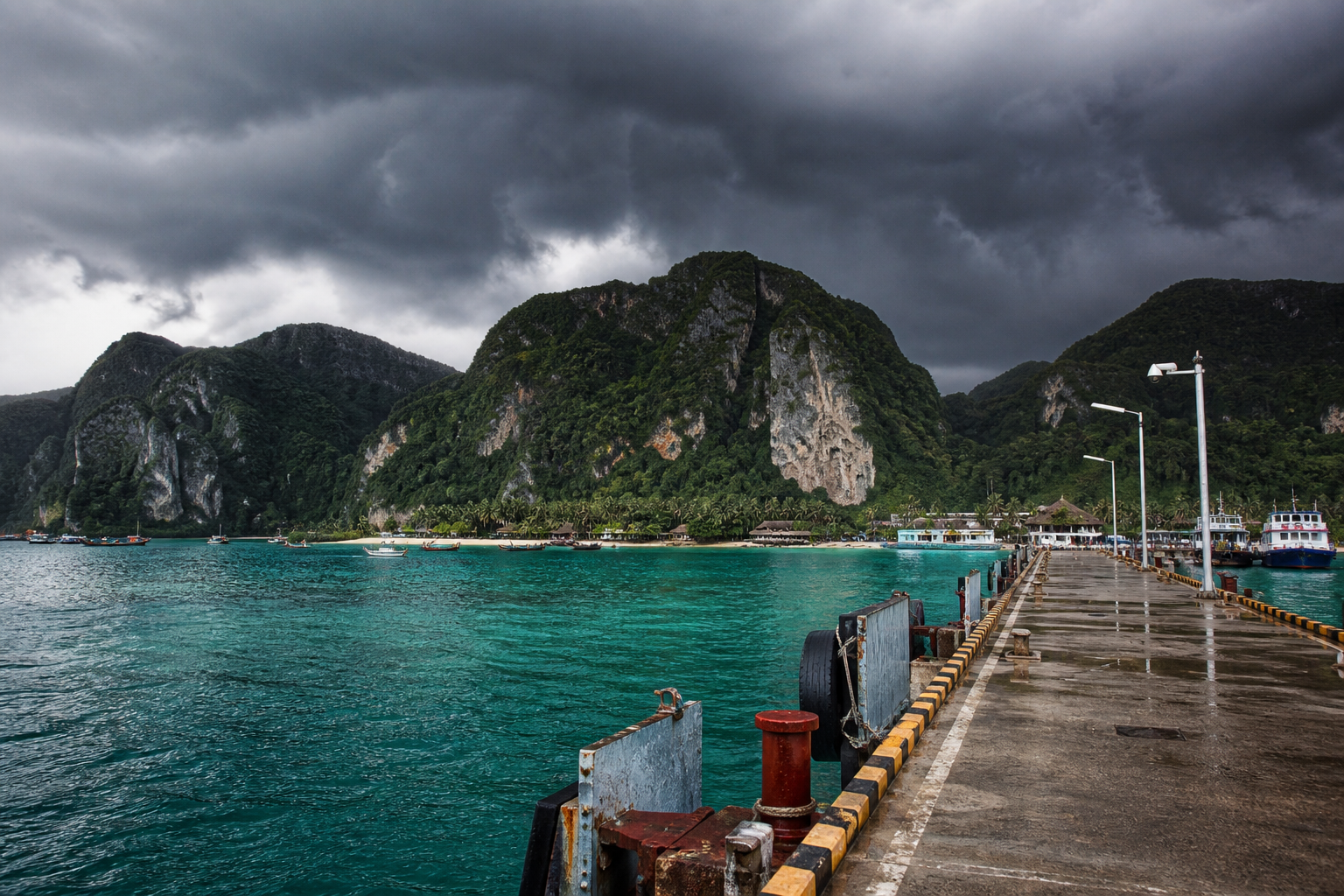
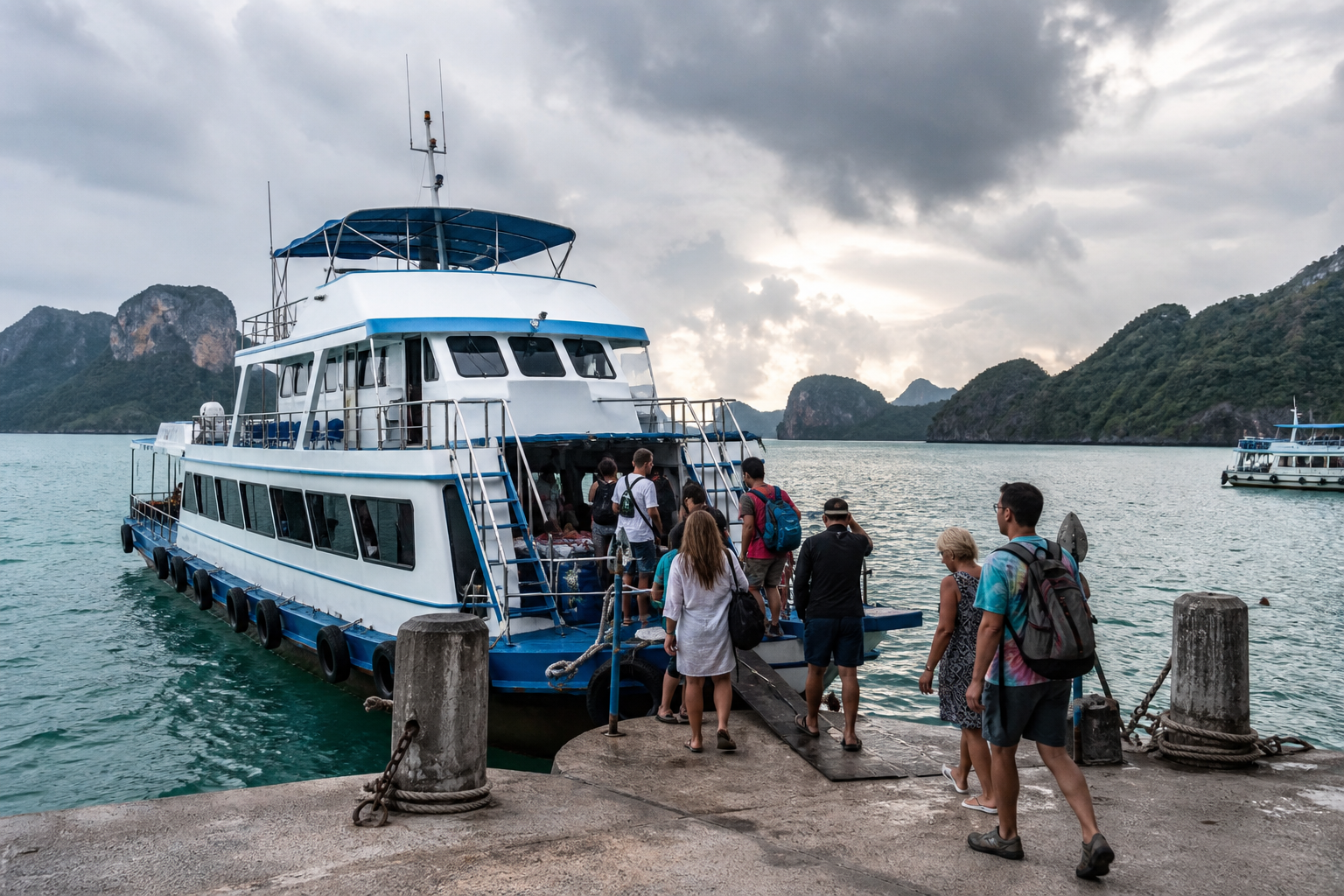
Island and boat trips are more weather-sensitive than city sightseeing. A day can be sunny in one place and stormy in another, and ferry or tour schedules can change. Book options with clear cancellation terms and avoid taking unnecessary risks on rough water.
Markets, Malls, and What to Wear
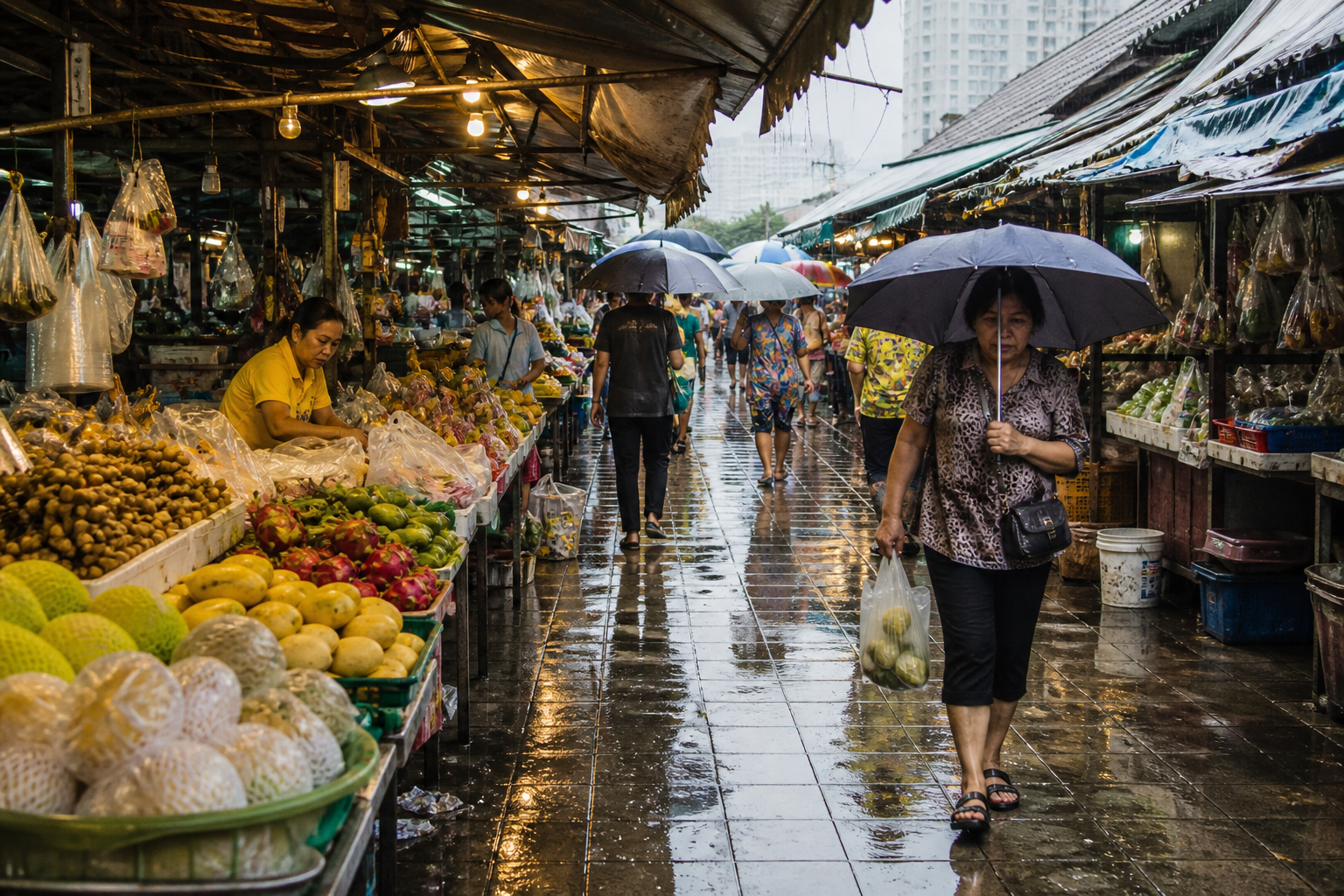
Open-air markets such as Chatuchak are less comfortable when walkways become wet and stalls need to cover their goods. Closed malls are a practical alternative, even if they offer a different experience. Wear shoes with grip, carry a compact umbrella, and protect electronics from sudden showers.
Rain Gear and Safer Transport
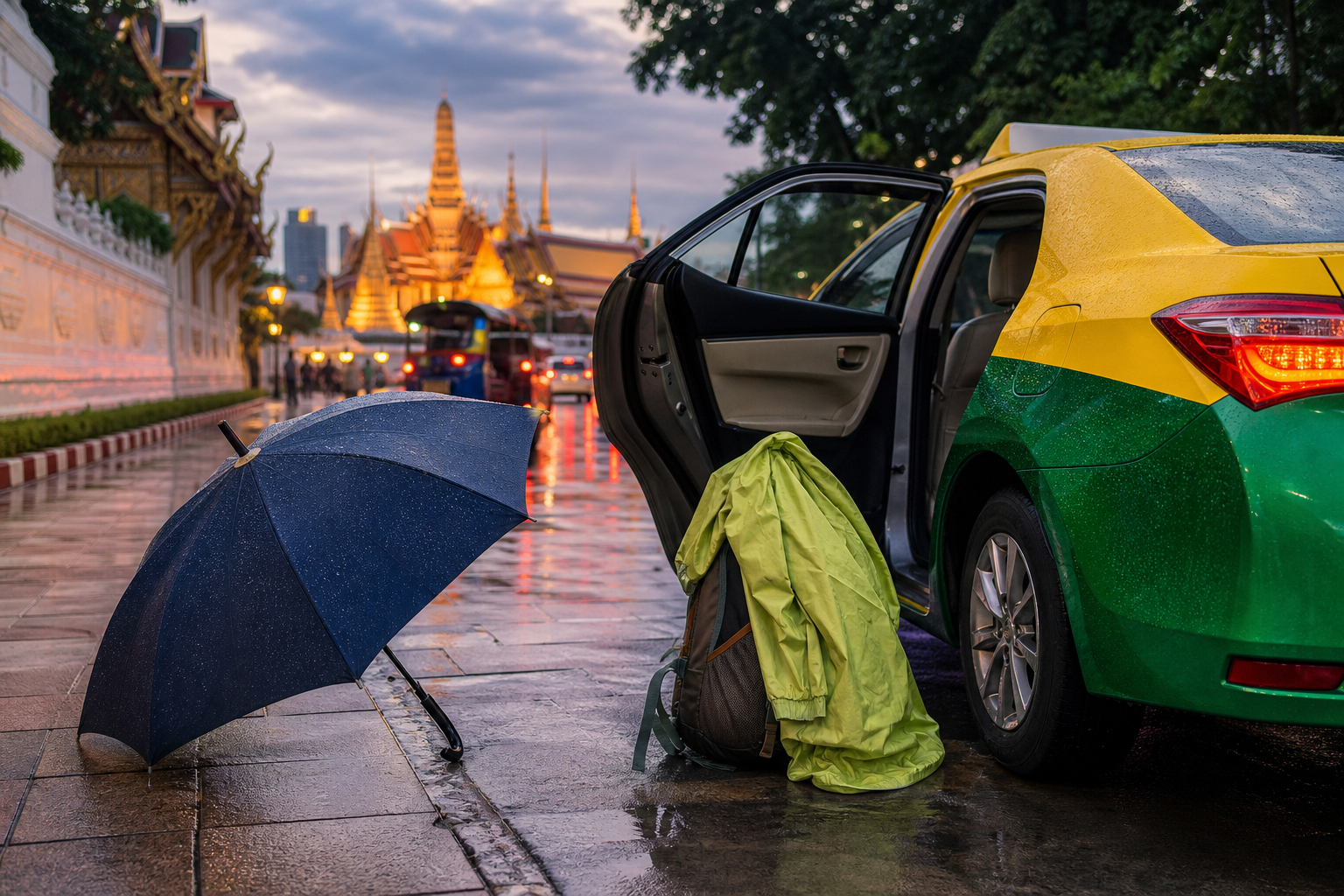
Umbrellas and lightweight raincoats are easy to buy in Bangkok, including from convenience stores and street vendors. During heavy rain, a regular taxi or rail service is usually a better choice than a motorbike taxi. Avoid slippery roads, flooded areas, and rushed crossings.
The Best Side of Rainy-Season Travel
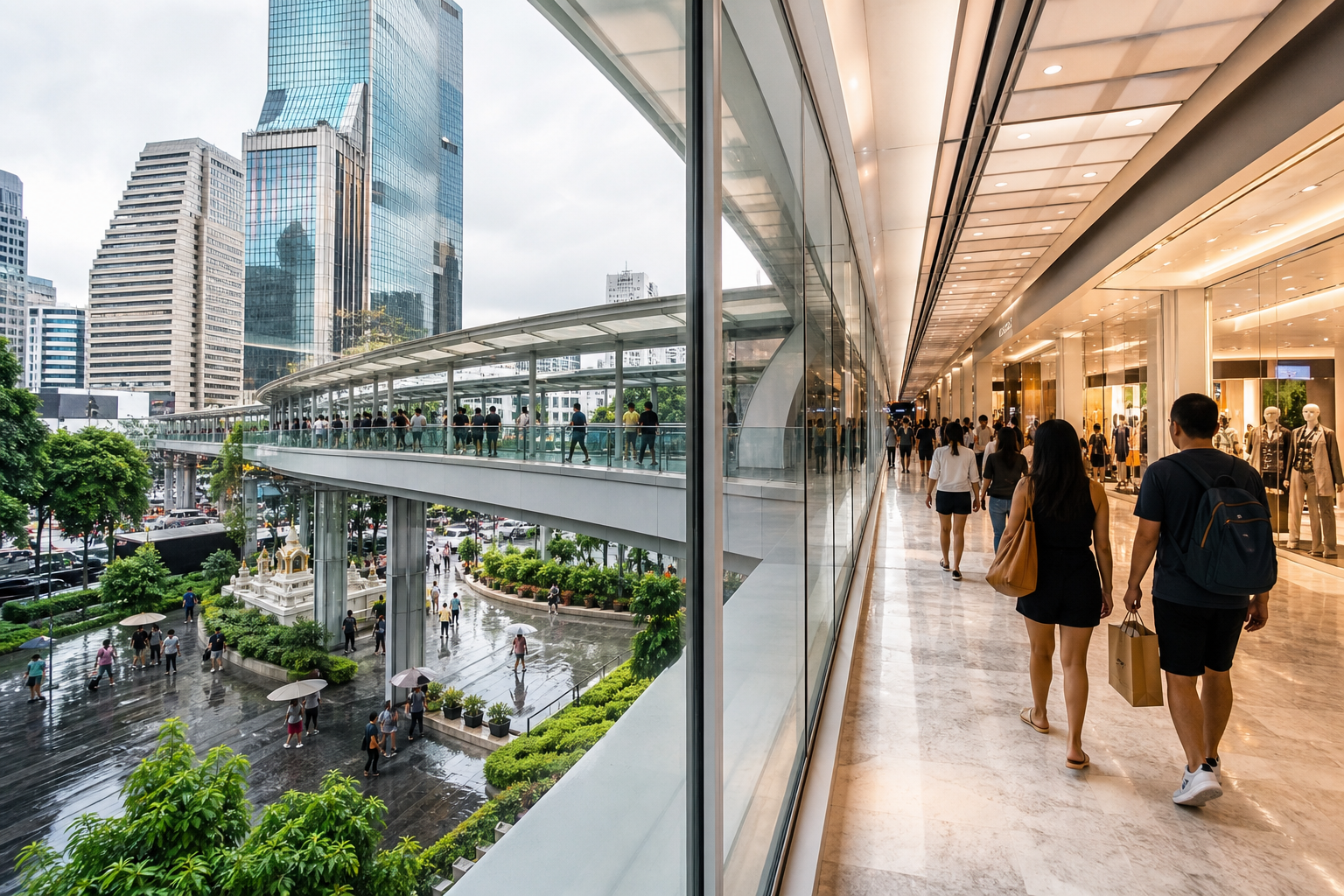
Low season can bring quieter attractions, hotel promotions, cheaper travel on selected dates, and a slower pace. Keep a short list of indoor alternatives—malls, museums, cafes, and covered skywalks—so a shower changes the schedule rather than ending the day.
Additional low-season shopping, hotel and Bangkok planning details
Hotel Deals and Prices

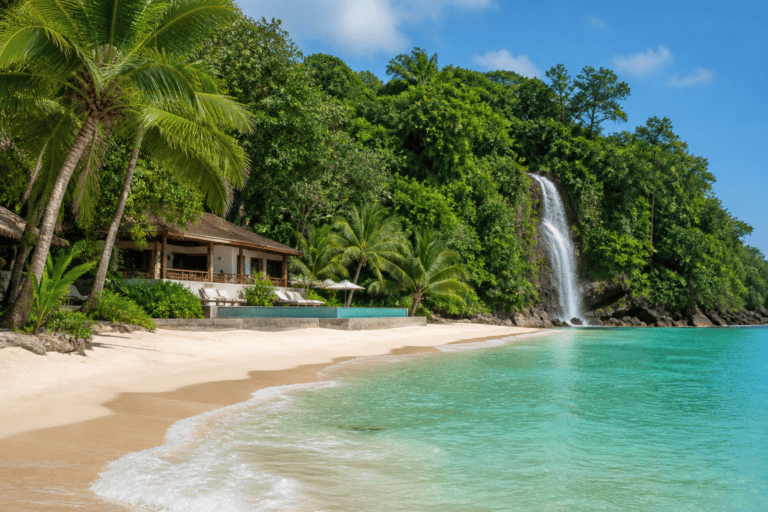
Lower-season hotel rates may make beach or city stays more affordable. The source mentions a four-star Hua Hin hotel near the beach at about 40 US dollars including breakfast, but rates depend on dates, taxes, availability, and booking conditions. Compare several properties and check cancellation terms.
When Island Trips Need Extra Caution

Island weather can change quickly. The source describes cancelling part of a Koh Kood stay after a storm, which is a useful reminder to check marine forecasts and operator updates before traveling. Choose flexible bookings and do not take a boat or motorbike trip when conditions are unsafe.
Chinatown Shopping and Local Food

Bangkok’s Chinatown combines gold shops, busy local streets, and food stops such as grilled banana. Gold prices and queues can change quickly, so check current rates and shop credentials. Chinatown is also easy to explore on foot, but keep a map or offline location available because the lanes can be confusing.
Bangkok Low Season and Rainy Season Reality

Rainy-season weather can mean bright spells mixed with sudden showers. Bangkok may also feel calmer when fewer visitors and some locals choose indoor activities. Bring a light rain layer, allow extra travel time, and keep plans flexible rather than assuming every day will be wet.
Health Information Changes Quickly

The original recording discussed respiratory illness and public-health conditions at a particular time. Case counts, recommendations, and entry rules change, so readers should check current Thai government guidance, reputable health authorities, and their own clinician before travel. Do not use an older vlog as medical advice or as proof that a health risk is insignificant.
Health and Safety
Mosquito Risk
And finally, don’t forget mosquito repellent. Rainy season equals more mosquitoes and a much higher risk of contracting mosquito-borne illnesses. This includes dengue and malaria. With over 100,000 cases of dengue each year and 6,000 cases of malaria, this is a risk you want to take seriously. Use plenty of mosquito repellent and cover up, especially if you’re traveling in more rural areas.
Heat and Hydration
We might be in the rainy season, but as you can see by my shirt, you’ll sweat a lot even in the rainy season. The humidity is quite extreme, often hitting 80 or 90%. So be ready to sweat. With average temperatures of around 30° Celsius and high humidity, it’s important to stay hydrated. Avoid overheating and dehydration. Plenty of water and adequate rest is a year-round necessity here in Thailand.
Motorbike and Walking Safety
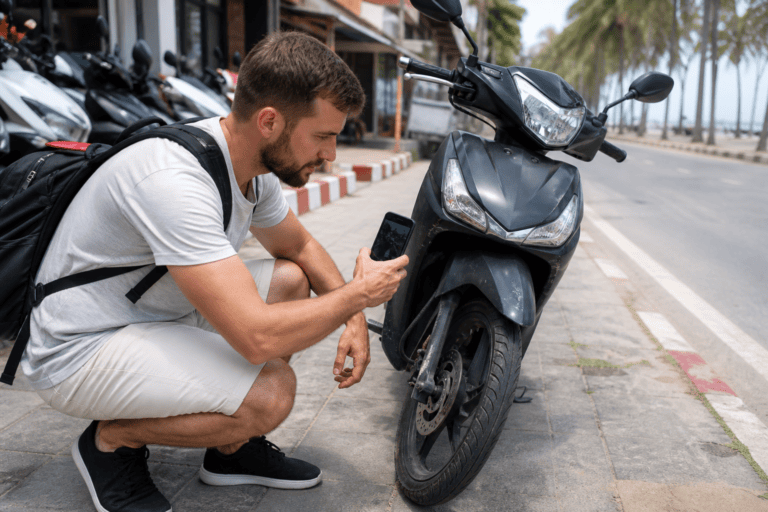
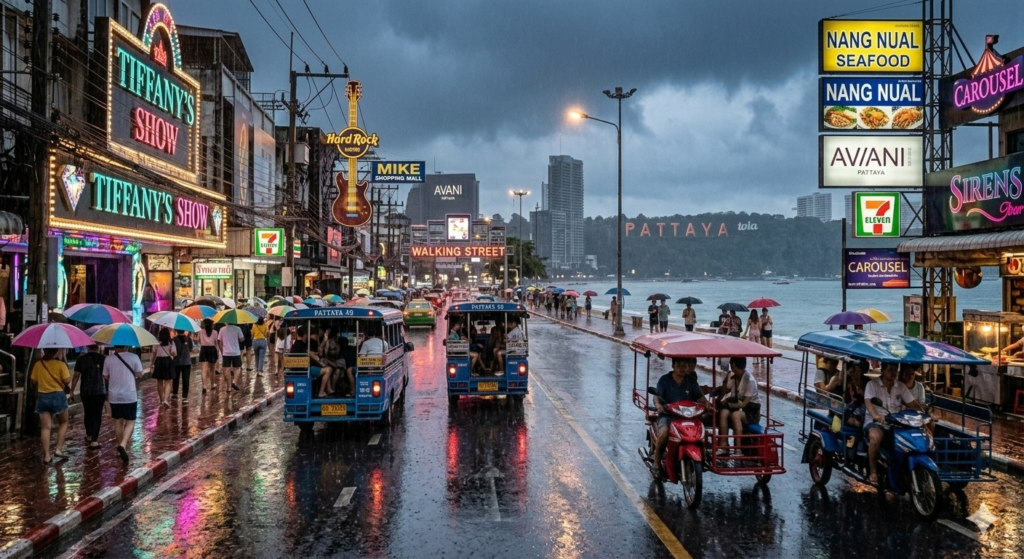
If you plan to ride a scooter or motorbike, you need to be extra cautious. Be careful on wet roads, as they may have hidden slick patches or potholes that are filled in by water. Always wear a helmet and slow down if the roads are wet or it’s raining. Thailand has some of the most dangerous roads in the world at the best of times. Take extra precautions during the rainy season.
Sidewalks and roads can also present more risks when walking, as you may find hidden gaps and potholes that are filled with water. It can be very easy to slip and twist an ankle. Be cautious, especially if you have any mobility impairments. Choose your accommodation location carefully.
Accommodation and Flooding
In a city like Bangkok, some neighborhoods have much better mobility access with wide sidewalks and nearby public transportation, while others have narrow, choppy, broken-up sidewalks which get extremely busy. Remember that some areas are prone to flooding. Choose your accommodations very carefully.
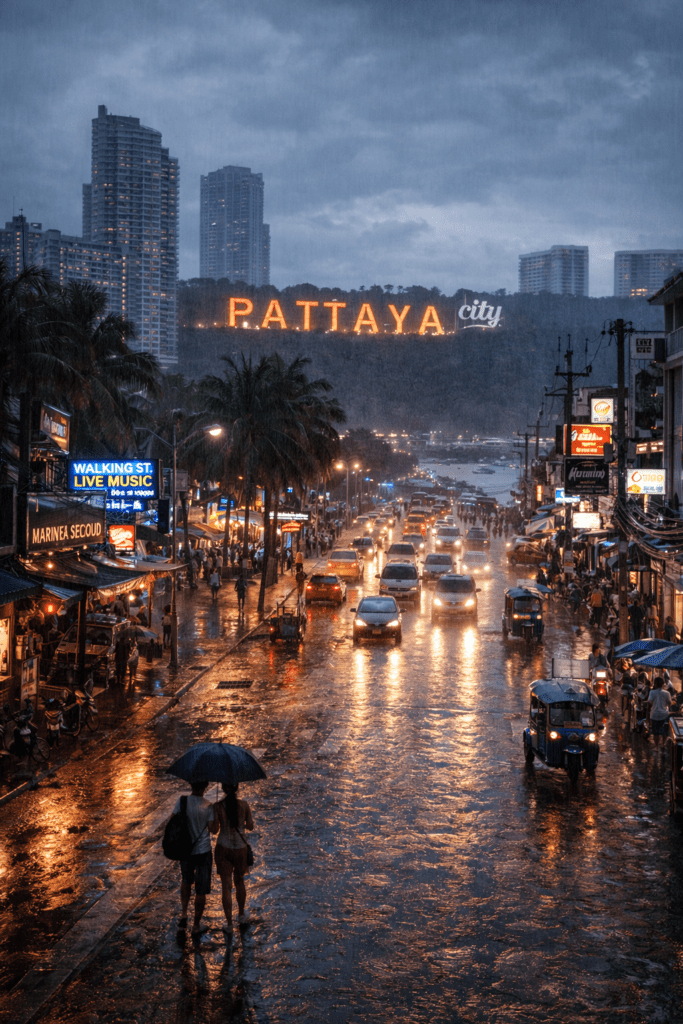
Beach and Water Safety
If you’re planning to hit the beach, be cautious when swimming, as risks are elevated. Avoid swimming at unsupervised beaches if the seas are rough, and heed any red flag warnings. Strong currents are very common during the rainy season, and unfortunately, a number of tourists drown each year.
You’ll also find an increased risk from box jellyfish, which are pushed to shore during storms. On land, storms tend to cause venomous snakes to fall out of trees or get pushed above ground. This leaves snakes confused and defensive, and they’re much more likely to bite in self-defense. Be cautious during or after storms, especially around fallen trees. Specific activities like jungle trekking can be less advisable. You’ll face risks of mudslides and flooding, alongside those higher rates of mosquito-borne illnesses like dengue and malaria.
Best Destinations During Rainy Season
Bangkok tends to be particularly well suited for the rainy season, as you can make ample use of the public transportation system to get around with ease. There are also many great indoor activities and locations to choose from. You’ll find beautiful temples with indoor spaces, enormous shopping malls, restaurants, nightclubs, and cafes. You’re spoiled for choices when it comes to things to do in Bangkok, and the rainy season doesn’t affect that very much.
But the islands and rural areas can be a lot more limited during the season, as many tourism-related activities are seasonal and shut down altogether. For this reason, it can be best to plan your beach destinations very strategically. For example, if you’re traveling during September, visit the Gulf Islands like Koh Samui for good weather and beautiful beaches. Skip the Gulf if you’re traveling in November, when the rainy season starts there.
Seasonal Shopping Promotions

Bangkok malls and outlets often run seasonal promotions, and the source describes branded goods marked down during the visit. Discounts vary by store and stock. Check the original price, warranty, return policy, and authenticity before buying, especially for electronics or branded products.
Thai Fruit Season and Covered Walkways

Seasonal fruit such as durian, mango, and rambutan can be a highlight for food-focused visitors. Around major Bangkok malls, skywalks and covered paths can help travelers stay drier between transit stations and shopping centers. Try unfamiliar foods at reputable vendors and check prices before ordering.
What Bangkok Rainy Season Usually Means

Thailand’s rainy season is a useful travel period when you plan around showers rather than expecting every day to be wet. Bangkok can have intense bursts of rain, thunderstorms, heat, and occasional flooding, while other hours may be bright and comfortable.
Check current forecasts and local weather warnings before heading out. Keep plans flexible, allow extra travel time, and treat official advice about flooding, storms, or air quality as more important than a fixed sightseeing schedule.
Traveling Around Bangkok in Heavy Rain

Rain can make Bangkok traffic much worse and can increase waiting times for taxis and ride services. BTS and MRT trains are often the more predictable option, although you may still need a covered route between the station and your destination.
Avoid motorbike taxis in heavy rain and be cautious with slippery roads, standing water, and vehicles that may not stop quickly. Skywalks, covered walkways, and nearby malls can turn a difficult transfer into a manageable one.
What to Wear and Carry in Wet Weather
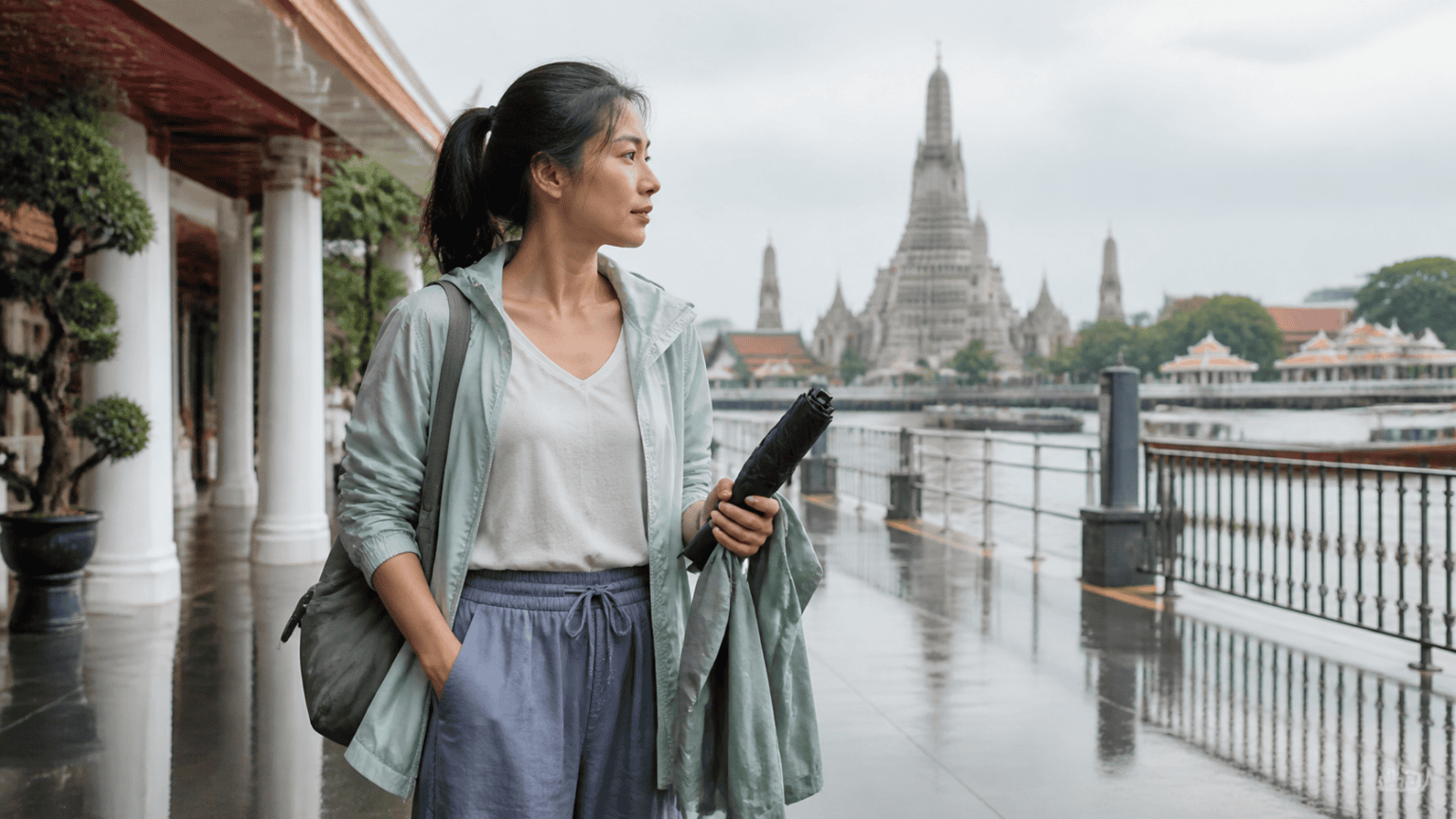
A compact umbrella, lightweight raincoat, quick-drying clothes, and a waterproof phone pouch are useful additions to a Bangkok day bag. Choose shoes with grip and enough coverage for wet pavements rather than delicate white trainers or completely open flip-flops.
Carry a small towel and protect passports, electronics, and medicines inside sealed bags. Local convenience stores and street vendors sell inexpensive rain protection, but check the size and construction before relying on a very cheap item.
Eating Street Food During the Rainy Season
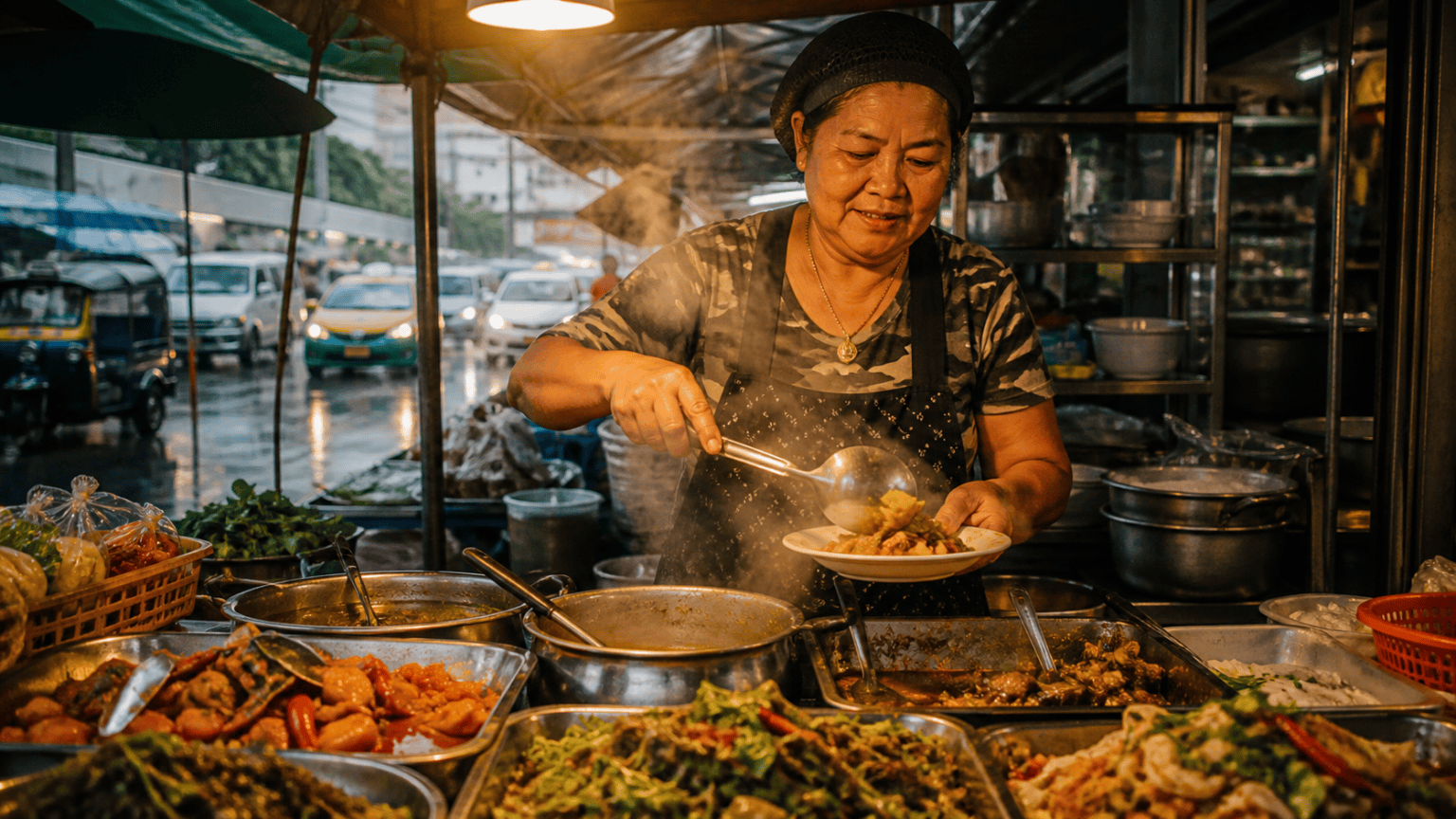
Street-food vendors often continue serving during light or moderate rain when the cooking area is sheltered. Hot noodles, rice dishes, grilled food, and drinks can make a wet afternoon more enjoyable, provided the stall maintains clean handling and good food turnover.
Avoid food or standing water that has been exposed to heavy runoff. Choose a busy vendor with clear prices, wash or sanitise your hands, and move indoors if thunder, flooding, or poor visibility makes the pavement unsafe.
Why Low Season Can Be Worth Visiting
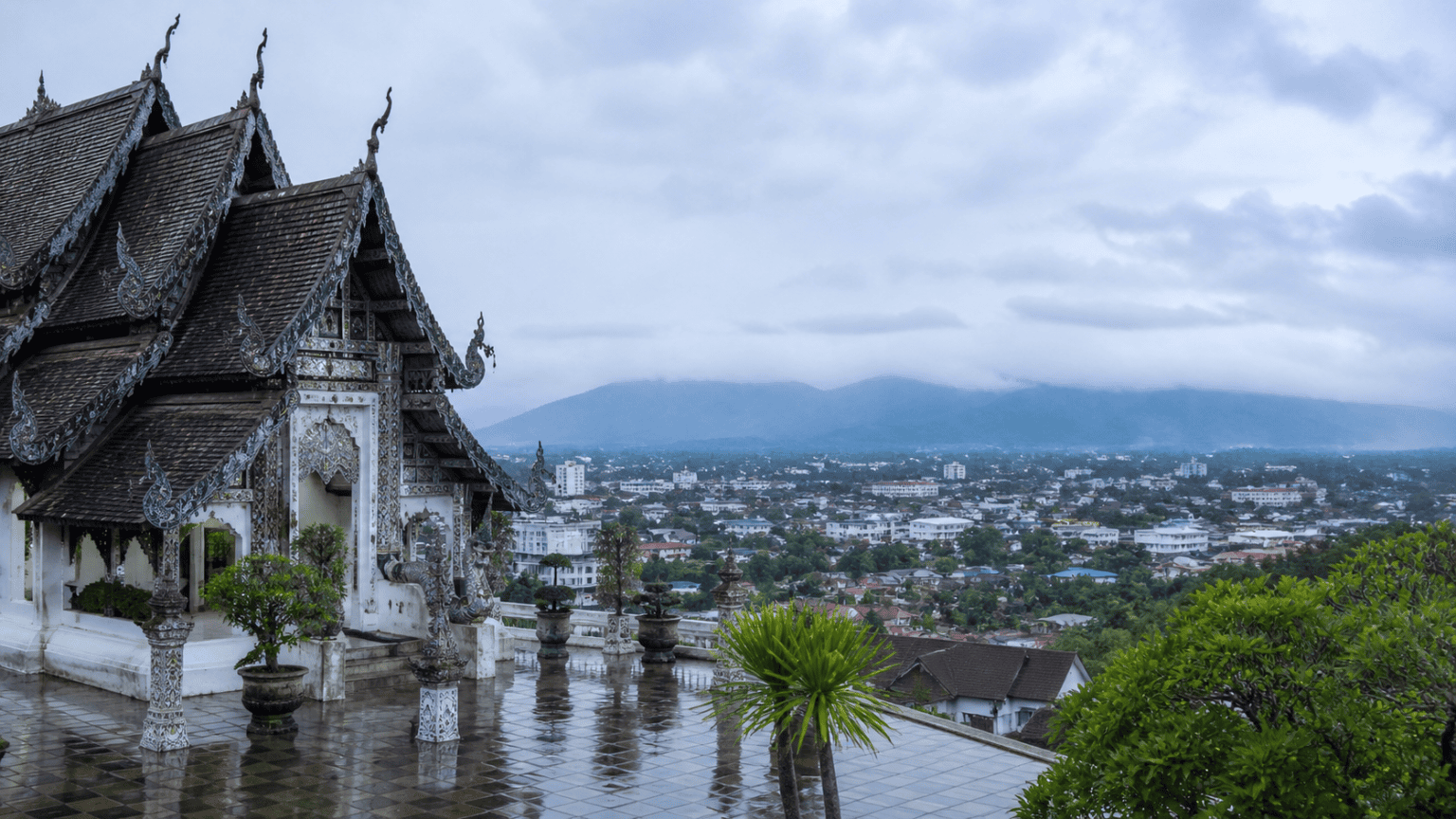
The rainy season can bring lower accommodation and flight prices, fewer crowds, cooler spells, and a more relaxed pace at temples, restaurants, and nightlife venues. The savings can make a longer or more comfortable trip possible.
The trade-off is less predictable weather and the possibility of cancelled boat trips or disrupted outdoor plans. Choose refundable bookings where practical, keep indoor alternatives ready, and let the conditions shape the day instead of treating rain as a failed holiday.
Bangkok Rainy-Season Weather Changes by Area

Bangkok’s rainy season can look very different from one neighborhood to the next. A forecast may show a high chance of rain, yet the shower can pass quickly while another part of the city stays cloudy. On this kind of day, the sky may be grey and breezy rather than hot, so a short outing can still be comfortable if you carry a compact umbrella.
Check the forecast shortly before leaving, allow extra time for wet pavements, and keep plans flexible. A rainy morning does not automatically mean you need to cancel a full day in Bangkok.
Bangkok Rush Hour and Transport Timing

Traffic becomes much harder to predict around the evening rush, especially between about 5 and 8 p.m. Roads near busy commercial areas can slow down quickly, and a journey that looks short on a map may take much longer by car or taxi.
If your schedule allows, travel before the rush or after the main wave has eased. The BTS and MRT can be useful for crossing the city, while a short walk between stations and destinations may be simpler than sitting in traffic. Leave a little buffer for rain, crowds, and station entrances that are busier than expected.
Thai Baht Exchange Rates and Bangkok Shopping Prices

Exchange-rate boards and card payments can make everyday spending feel confusing when you first arrive. Treat any rate seen at a particular shop as a snapshot rather than a city-wide standard, and compare the displayed rate and fees before exchanging money.
Casual clothing can be inexpensive in Bangkok, but prices vary by store, fabric, promotion, and location. The source observations included shirts around 199–219 Thai Baht and polo shirts around 399 Thai Baht. Use those figures as a rough shopping example, not a guaranteed price, and keep small Thai Baht notes available for low-cost purchases.
Planning Return Flights and Entry Requirements

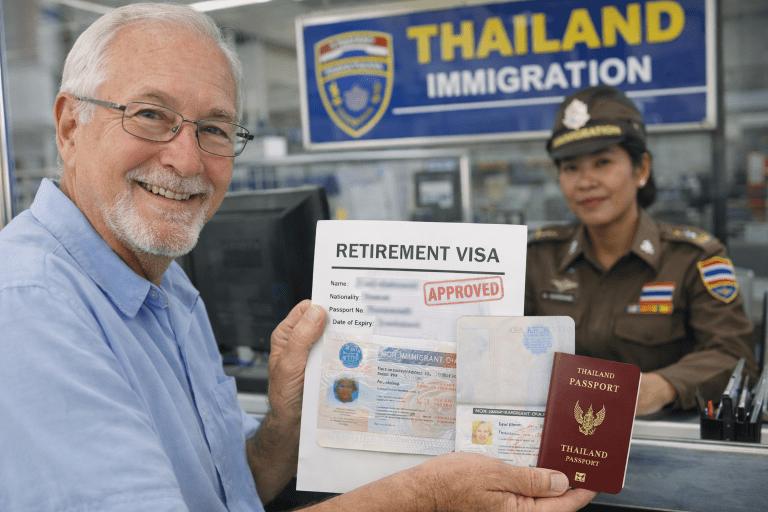
Questions about return tickets, visa exemption, arrival forms, and extensions come up often when planning a Thailand trip. These requirements can change, and an answer that was correct for one nationality or one date may not apply to another traveler.
Before departure, check the current guidance from Thailand’s official immigration and consular channels, your airline, and the relevant Thai embassy or consulate. Keep any required onward-travel evidence and accommodation details accessible, and do not rely on a video or an old travel anecdote as proof of today’s entry rules.
Longer-Term Rentals Need Current Local Advice

Staying in a hotel for a holiday is different from arranging a longer-term rental. Lease terms, registration requirements, building rules, and immigration conditions can depend on the property and the traveler’s status.
Use a reputable, licensed agent or property manager, read the contract carefully, and confirm that the proposed arrangement is lawful for your own visa or permission to stay. Avoid informal workarounds or signing a lease based only on someone else’s experience. If the stay is longer than a normal holiday, get current professional advice before paying a deposit.
Sukhumvit Crowds and Benjakitti Park at Sunset

Sukhumvit between Asok and Nana becomes especially lively after sunset. Crowds, traffic, vendors, and unsolicited offers can be tiring, so keep your belongings close, confirm prices before accepting a service, and walk away from anyone who pressures you.
For a calmer alternative, Benjakitti Park offers open space, sunset views, walking and jogging routes, and free outdoor exercise areas. Access points and park facilities can change, so check a current map before setting out. The nearby green spaces make it possible to enjoy Bangkok at a slower pace even after a busy day.
Bangkok Rainy Season Through September

Bangkok is in the rainy season until September and it can rain almost every day. The weather can change quickly, so it is useful to be prepared for rain, but cloudy and windy conditions can also pass without rain.
The rainy season does not stop Bangkok from being active. New shops continue to open, including a 7-Eleven-style market inside Asok station, and the city remains busy.
Asok and Nana Money Exchange Rates

At Super Rich the queue was long and the rate was 34.08 baht for one US dollar, compared with 35 two weeks earlier. At Soi 5, not far from Nana station, the rate was 34.10.
Most shops offered a similar rate. The Soi 5 exchange shop had no long queue and did not require a passport. The Asok–Nana area is one of the busiest parts of Bangkok because of hotels, tourists, nightlife, restaurants, and money exchange. It suits visitors who want a lively area, but not people who dislike crowds or pushy vendors.
BTS Nana to National Stadium and MBK

From Nana station, the BTS can be taken to National Stadium for MBK. Motorbikes are everywhere, so care is needed when walking on the streets.
Even when rain is expected, the day may stay cloudy and windy without rain. MBK offers an indoor option for shopping when the weather is uncertain.
MBK Ground-Floor Promotions and Shopping

The ground floor is worth checking first because malls often place promotional items there. T-shirts were reduced to 290 baht, a polo shirt was reduced from 990 to 290 baht, and another item was reduced from 2,290 to 590 baht.
The third floor has sports shoes, clothing, and bags. Adidas shoes were priced at 1,560 and 1,140 baht, another pair had been reduced from 1,900 baht, and other sale prices included 1,980 and 1,880 baht.
Medical Cannabis and Sports Sales at MBK

A medical-purpose cannabis shop was on the second floor. It sold cookies and drinks and had a place to sit and try the products.
The sports section on the third floor had many choices and promotional items. Shopping inside the mall provided a way to spend time comfortably while Bangkok’s weather changed.
Plan for Thailand’s Rainy Season, Not a Fixed Itinerary
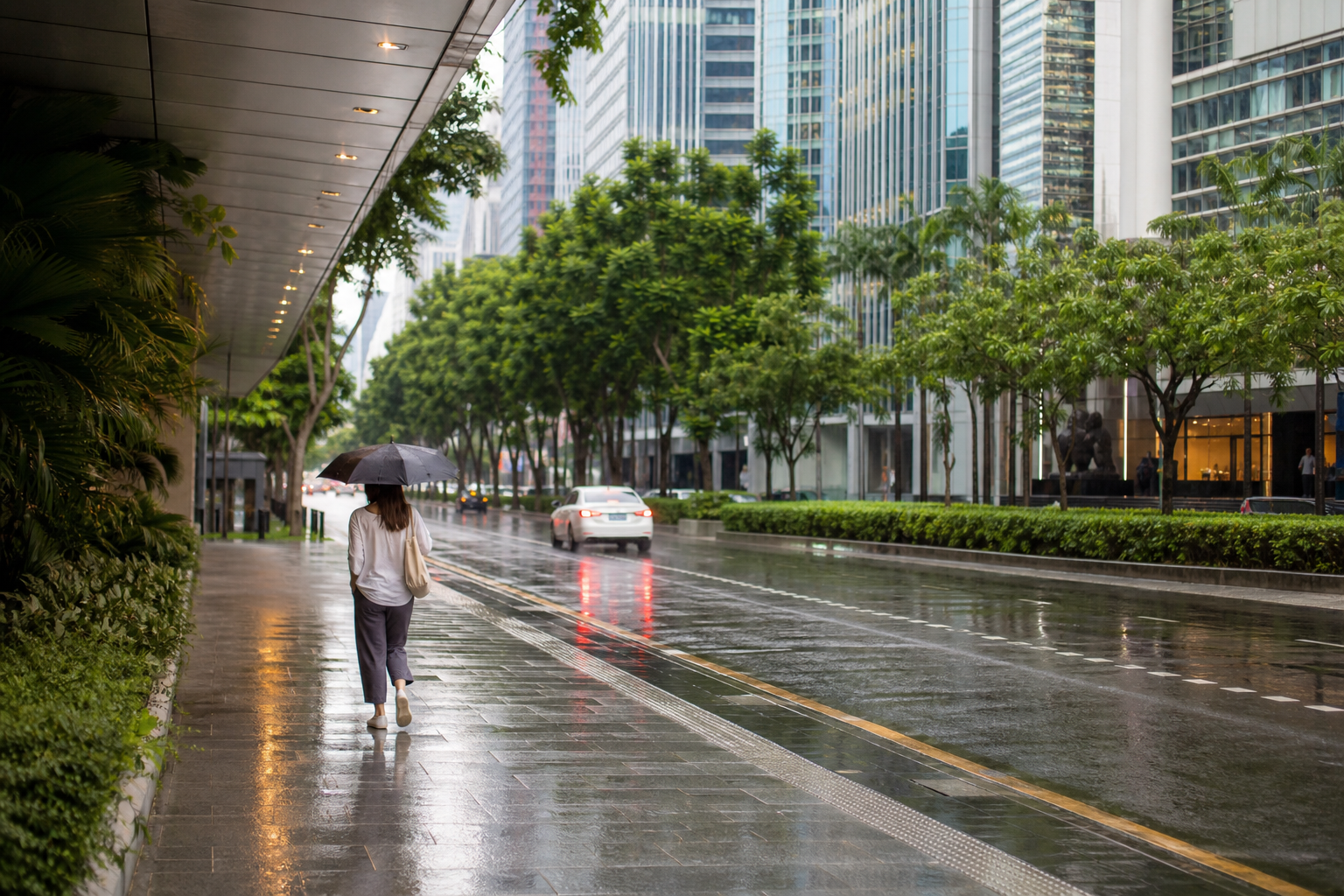
Thailand’s rainy season can still be a rewarding time to travel, especially when you leave room to adjust. Conditions can change quickly: a bright morning may turn into a heavy shower, while another province may stay dry. Keep the places you want to visit in mind, but decide the exact timing after checking the local forecast.
Bangkok is often easier to manage because it offers reliable public transport, malls, museums, cafés, and covered walkways. Outside the capital, allow extra flexibility for beach trips, island transfers, and outdoor sightseeing. A loose plan protects your time without turning the weather into a source of stress.
Swap Outdoor Plans for Indoor Bangkok Activities

When a market or park becomes impractical, switch to an indoor plan instead of cancelling the whole day. Bangkok has shopping centres, food halls, cafés, cinemas, museums, galleries, and places to rest between showers. Choose a district where several options are close together so one change of plan does not create a long cross-city journey.
Shopping can also be more comfortable during the rainy season, but treat promotions as ordinary retail offers: check the store, price, quality, and return policy before buying. Avoid rushed purchases and any seller promising guaranteed bargains or suspiciously branded goods.
Choose Flexible Transport and Tours

Keep ferry, bus, and boat plans flexible when weather is unsettled. Avoid prepaying non-refundable activities unless you understand the conditions and refund policy. Official operators and established booking channels are easier to contact when schedules change, and a little extra time between connections reduces stress.
Plan a Rainy-Season Budget
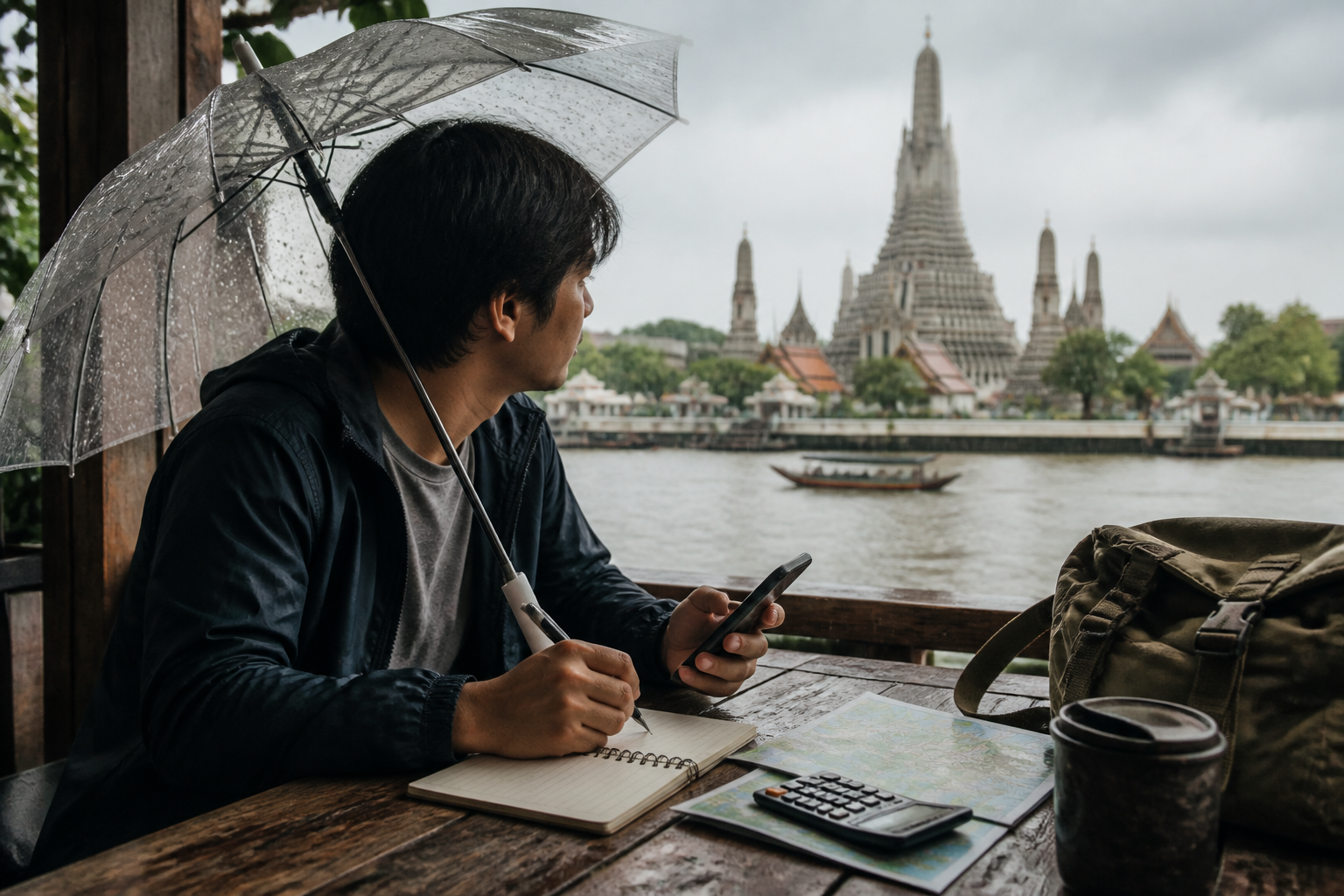
Leave room in the budget for a replacement taxi, an extra hotel night, indoor activities, or a changed ferry. Pack a light rain jacket, waterproof your phone, and keep essential documents protected. With realistic flexibility, the rainy season can offer quieter streets and a more relaxed pace without turning the trip into a gamble.

Chatuchak Mix for Air-Conditioned Shopping

Chatuchak Mix provides indoor floors with clothing, décor, crafts, food, and other goods, making it a practical alternative during heavy rain. Compare prices and quality across shops, ask whether prices are fixed, and keep receipts for higher-value purchases.
Layouts and tenants change, so check current opening hours and the building entrance before traveling. Air-conditioning improves comfort, but the indoor market can still become crowded on weekends.
Chatuchak Weekend Market in Wet Weather

The open-air Chatuchak Weekend Market is easier to enjoy when rain is light and lanes are not waterlogged. Wear shoes with good grip, keep purchases protected, and take breaks under covered sections rather than forcing a long walk through a storm.
Arrive with a meeting point and a simple shopping list. Crowds, umbrellas, carts, and slippery surfaces make it harder to browse, so move patiently and keep valuables in a closed bag.
Building a Flexible Bangkok Itinerary

Group nearby activities together, place outdoor markets in the clearest part of the day, and reserve museums, malls, food courts, or cafés for showers. A flexible schedule protects time without requiring you to cancel the whole day.
Bangkok remains active in rainy weather, but safety and comfort should guide the decision to continue. Check severe-weather alerts, follow local instructions, and postpone exposed activities when conditions deteriorate.