Thailand Arrival E-Gates and Visa Exemption Warnings
New e-gates at the international airports have prompted warnings for visa holders, while refusals of entry into Thailand appear to be climbing at two airports in particular.
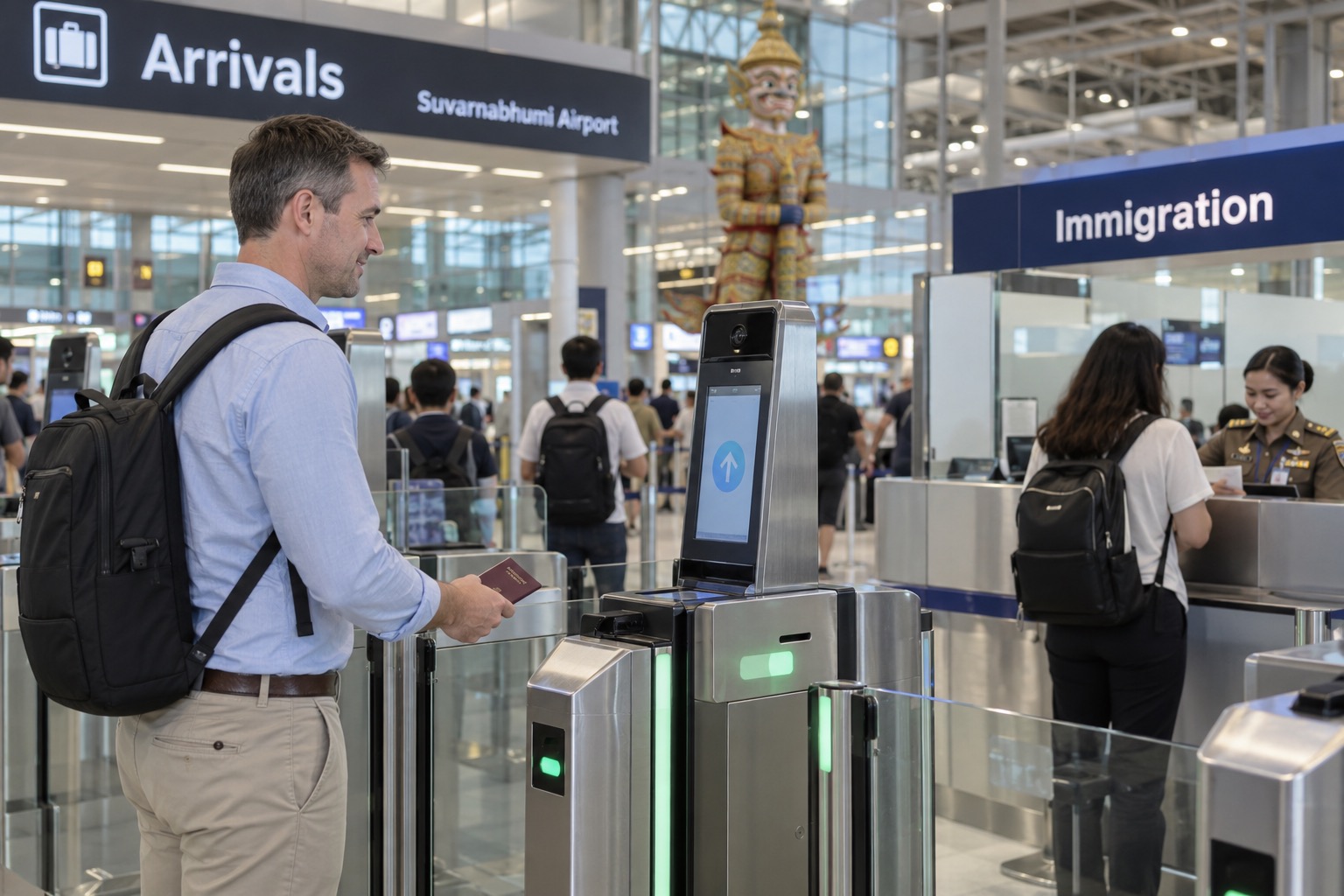
In late September, Suvarnabhumi International Airport opened its arrival e-gates to travellers from 33 countries and territories, including the UK, Canada, Australia, and most of the European Union.
To use them, you need a passport from one of those countries, a completed TDAC, a previous entry to Thailand with a stamp in your current passport, and you need to be entering on the 30-day visa exemption. That last condition is the one that’s catching some people by surprise.
When you scan your passport, the gate will ask you to confirm that you’re entering on a 30-day exemption. If you accept, that’s how you’ll be admitted into the country.
If you’re holding a tourist visa, a DTV, a retirement or marriage visa, or any visa whatsoever, tapping accept can record you as a visa-exempt arrival instead, which generally invalidates your visa.
E-gates are only for visa-exempt entries. If you’re entering on anything other than the visa exemption, you need to use a staffed counter. Before you leave the arrivals hall, check what you were admitted on because fixing it on the spot is far easier than fixing it at an immigration office weeks later.
For American passport holders, you still can’t enter using the e-gate system. There have been plenty of debates on the reasons why, but you’ll need to attend a staffed counter for now, regardless of how you’re entering the country.
Thailand Entry Refusals and Immigration Officer Discretion
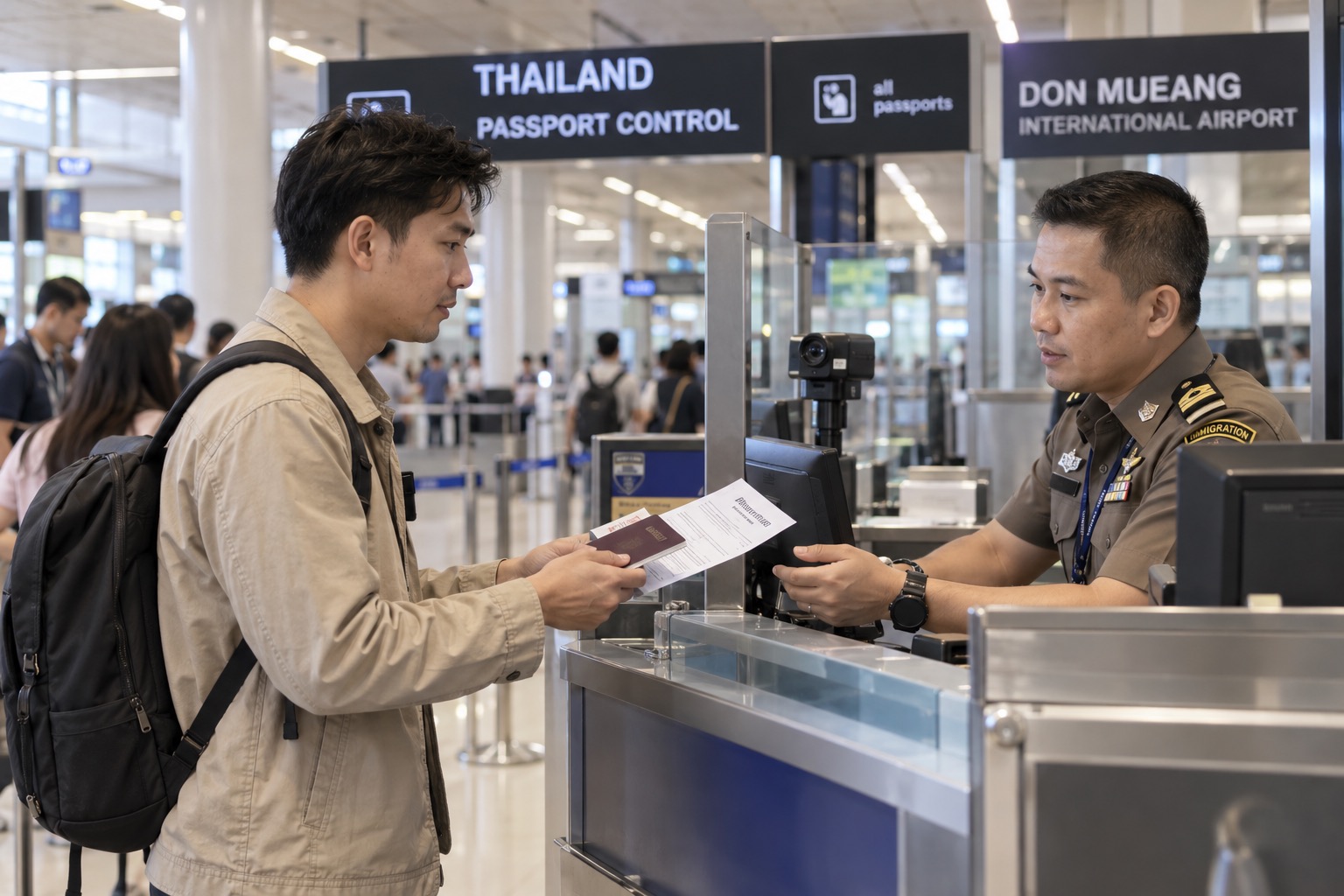
There’s been an uptick in the number of visitors who have been denied entry, with apparently higher refusal rates at Don Mueang in Bangkok and Phuket International Airport, which highlights an important reality about how entry into any country actually works.
Admission is always at the discretion of the immigration officer and perhaps even more importantly, the supervisors at each checkpoint.
Don Mueang stands out here as it’s home to most low-cost airlines and over the years it’s typically been used for visa runs: people staying in Thailand long term with quick exits and re-entry into the country without a proper long-term visa. This has been the subject of a significant crackdown here in Thailand over the past year. There’s a good chance that immigration at Don Mueang may have developed tighter scrutiny procedures overall.
Phuket is another zone where there’s been an uptick in perceived criminal activities and long-term residency. It’s not really a surprise to see that enforcement may be tighter there as well. This is just anecdotal evidence, but it is a heads-up for anybody who’s entering at these particular ports.
Make sure you have an onward ticket, proof of accommodation, and ideally proof of funds, which is at least 20,000 baht in cash in any currency. Holding a visa does not guarantee entry into the country. It’s a permission to stay for the purposes of the visa, while an immigration officer will assess visitors against those purposes alongside public safety and national security.
This confuses many visitors, but it’s important to remember that the Ministry of Foreign Affairs and the embassies that administer the visa program are not the same as immigration, and they both operate under different mandates.
A refusal of entry is not a ban on entering Thailand. You can still enter the country afterwards, and there’s no fixed waiting period before you can attempt to re-enter because it’s discretionary. It’ll ultimately come down to the individual immigration officer, and often that’s linked to the port of entry.
For anybody entering on a visa exemption or tourist visa, there’s one simple unofficial soft-cap rule that should determine your behaviour. As a rough guide, anything approaching 150 days in Thailand under a traditional tourist visa or visa exemption within a rolling year may lead to questioning or refusal. But keep in mind that this does not apply to long-term visa holders such as retirement, marriage, the LTR, or Thailand Privilege, which are entirely unaffected.
The DTV is a little bit of a separate case. It’s actually classified as a tourist visa, and it’s facing its own scrutiny with more questions about what holders are actually doing in Thailand. But much like the long-term visas, it isn’t currently subject to the six-month pattern we’ve discussed with the other tourist visas.
If you’re a DTV holder, be prepared to answer some questions. Ideally, have proof of supporting funds with you when you re-enter, but don’t get overly worried. That cap doesn’t apply to you.
Proposed Thailand Tourist Entry and Departure Fees
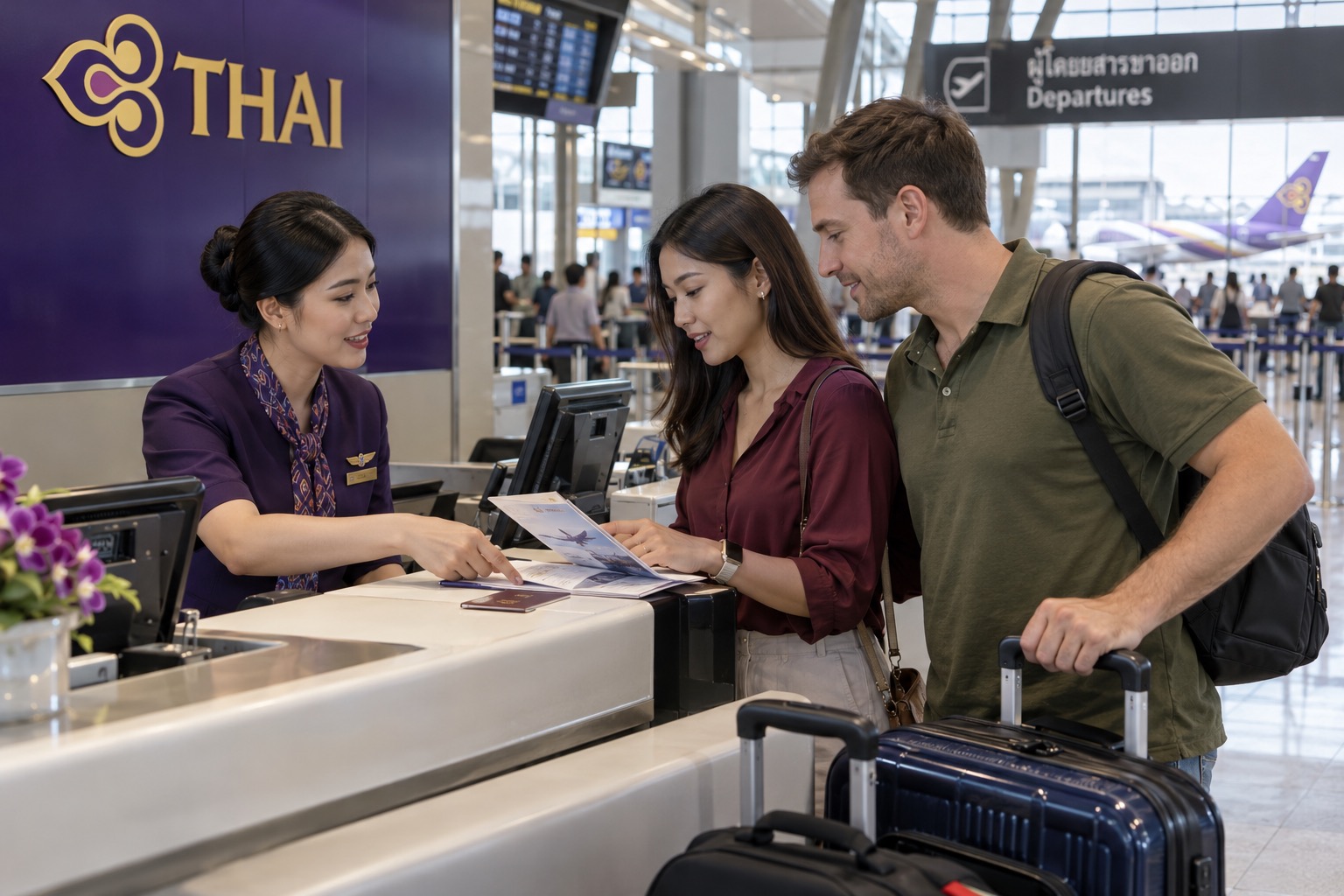
There are now two proposed travel changes on the agenda, and they could increase the costs of a flight in and out of Thailand.
The first is the 450 baht entry fee for foreign tourists. Around four in five respondents backed it in a public consultation, and the current draft would collect it from air arrivals first, with land and sea borders following a year later and one payment covering multiple entries within 30 days.
It now goes back to the National Tourism Policy Committee and then to the cabinet, with collection targeted for 2027. This type of fee has become something of a global trend as we’ve seen it in many major tourist destinations around the world, and I expect that it will finally pass without many issues.
But the second proposal is a little bit more controversial and is encountering opposition, and that’s a proposed departure fee of 1,000 baht regardless of nationality. That would include both foreigners and Thai citizens.
The Revenue Department is running a public consultation on the draft law until October the 29th. The legislation would start with a 1,000 baht fee, but would allow for a ceiling of 5,000 baht per departure with exemptions for land and sea departures.
But the Association of Thai Travel Agents has agreed to lodge a formal objection and is asking for the plan to be delayed for assessments on the potential damage to the tourism industry.
There’s always a lot of pushback when it comes to these additional fees in Thailand, but it’s actually a very common practice around the world. They just don’t report it. Most of these fees are simply added directly onto the airline tickets and the fares just go up.
As things stand, neither of these additional charges is in place, but if they both come into effect, we could see a significant rise in fares, especially for those typically low-cost regional routes.
Suvarnabhumi Customs Currency Screening
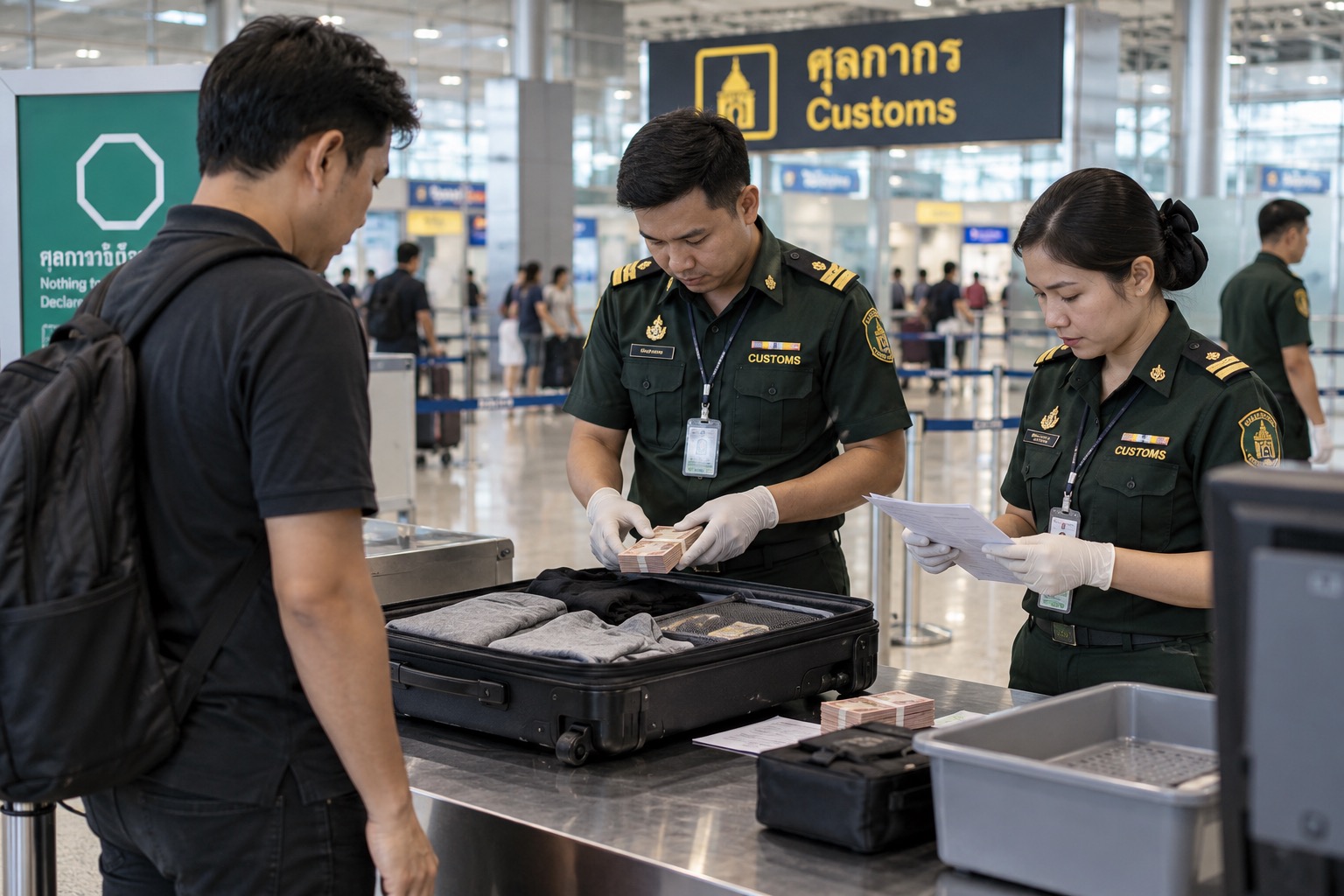
Customs at Suvarnabhumi has tightened currency screening after two passengers arriving from Jakarta were caught with around 1.7 million US dollars hidden in their luggage.
The rule here is simple. You can bring any amount into Thailand, but anything over 450,000 baht, or about $15,000, has to be declared, and that includes foreign currency.
For most countries, you actually need to declare anything over $10,000 when you’re leaving. That’s generally going to be your threshold before reporting kicks in.
Thailand Heavy Rain Flash Flood and Sea Warnings
There’s currently no flooding in any major tourist areas here in Bangkok. Over the past week, the weather in the city has been generally pleasant. Flooding does continue in more residential parts of the capital, which have been slow to drain. These are generally in the east of the city, and they’re not typically on the tourist trail, so this is unlikely to affect your trip.
There’s been plenty of misinformation online about flooding and the weather, especially as disaster-related social media channels have proliferated on platforms like YouTube. Many of these use old videos, inaccurate information, and AI tools to misrepresent the reality on the ground.
The goal is clicks and revenue, normally with extreme claims, AI-generated thumbnails, and often with very inaccurate information claiming that flooding is going on currently, often with headlines like breaking news or just in in order to get you to click thinking that all of this is current. Be careful when browsing online platforms for up-to-date information concerning disasters or almost anything, as this is a broader issue that goes well beyond Thailand.
In the coming weeks, we do have rain in the forecast, and it’s estimated that up to 100 millimetres could fall within the capital over several days. But to put that into perspective, the recent flooding in Bangkok came after more than 300 mm fell over a similar time frame. If you’re planning a trip, you shouldn’t see any significant impacts. Central Bangkok only saw very minor flooding even during that far heavier period of rain.
The city is also placing extra pumps and drainage crews around central venues ahead of the IMF and World Bank meetings from October the 12th to the 16th. Officials say the conference area, nearby hotels, and the routes from Suvarnabhumi aren’t expected to experience any flooding.
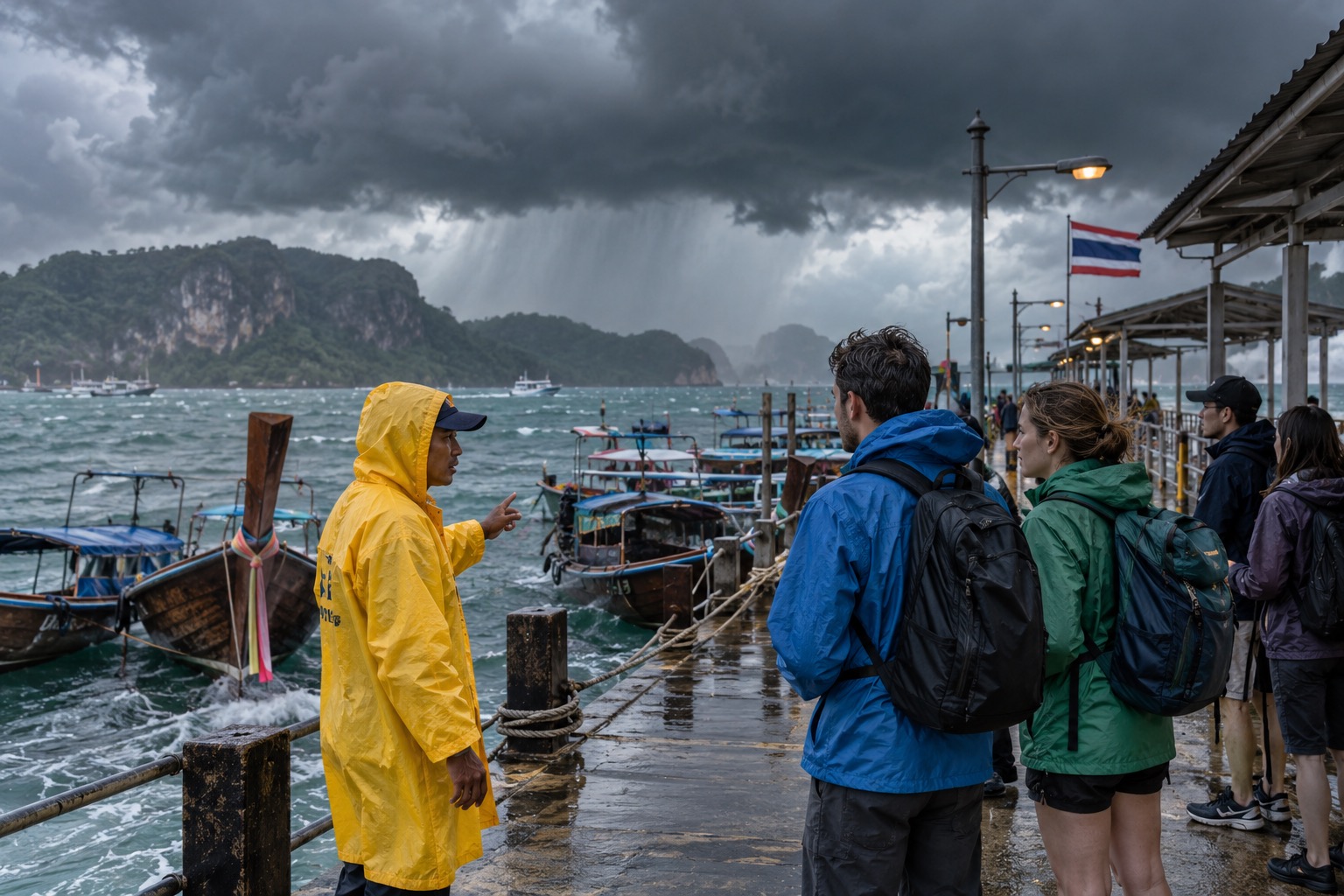
But outside the capital, the picture is different. The Thai Meteorological Department is warning of flash floods and overflows near foothills and lowlands, with very heavy rain expected in the east around Rayong and in parts of the west.
Waves in the Andaman Sea and the Gulf of Thailand are running 1 to 2 m and above 2 m during thunderstorms, with boats advised to stay clear of storm areas. If you’ve got an island trip planned, expect possible cancellations and delays. Avoid heading out in rough seas and exercise caution swimming, especially in remote areas or if red flag warnings are out.
Skip waterfalls and river trekking after heavy rain since flash floods can arrive with very little warning from upstream. The upside is that this should be the final stretch of the rainy season, which runs through to the end of the month before the cooler, dry weather sets in. That’s actually the tourism high season, where we typically have the best weather of the year.
Sukhumvit Pickpocketing and Street Scam Warnings
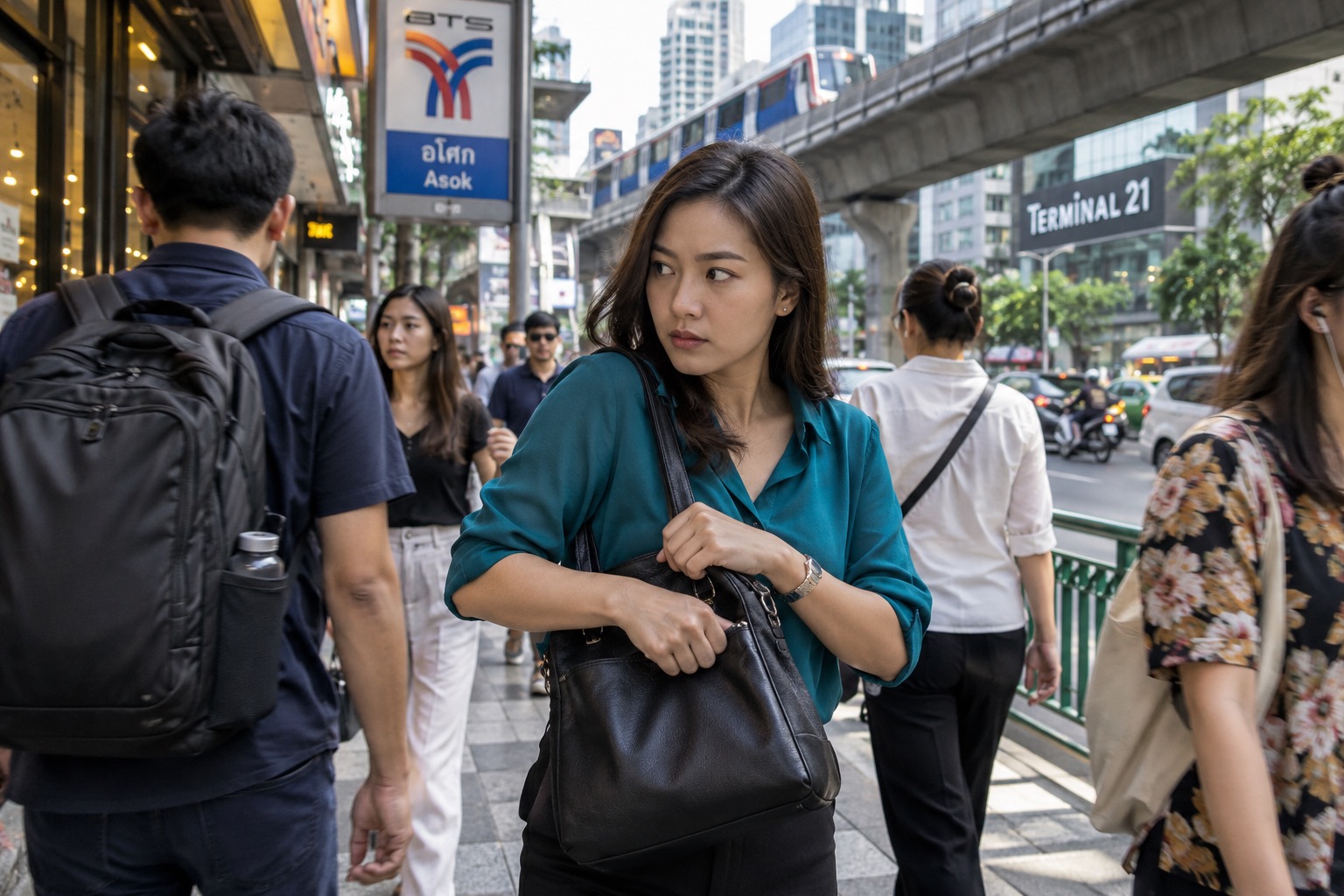
There’s been an uptick in pickpocketing along Sukhumvit Road, including some of its more upscale stretches. A friend of mine actually had her phone snatched out of her bag earlier this week, and several similar reports have been circulating online.
It’s not cause for alarm, but it’s an important reminder that pickpocketing can happen anywhere, even in neighbourhoods that feel safe. This has long been an issue in busier tourist areas like Khao San Road and Chatuchak Market, but the rise in reports from Sukhumvit means it’s reaching areas where many visitors and expats actually stay.
When you’re out, take a few steps to ensure that you don’t experience any pickpocketing. Keep your phone and wallet in your front pockets. Avoid carrying valuables in a backpack behind you. Stay aware of your surroundings in crowds, on the Skytrain, and at busy crossings.
Lower Sukhumvit in particular has its own set of hustles that have increased significantly in recent months. If you’re in the area from Asok to Nana BTS stations, expect to be approached by people, often foreigners themselves, who point at your hair or stomach and offer miracle cures for baldness or weight loss.
Others will offer to read your fortune, try to sell you watches, or offer illegal drugs, which is especially risky as drug penalties in Thailand are severe.
The easiest way past all of it is simple. Just keep walking. Don’t make eye contact. Don’t even acknowledge the people. Even a polite no is an opening for a longer pitch.
Chiang Mai and Phuket Illegal Work Crackdowns
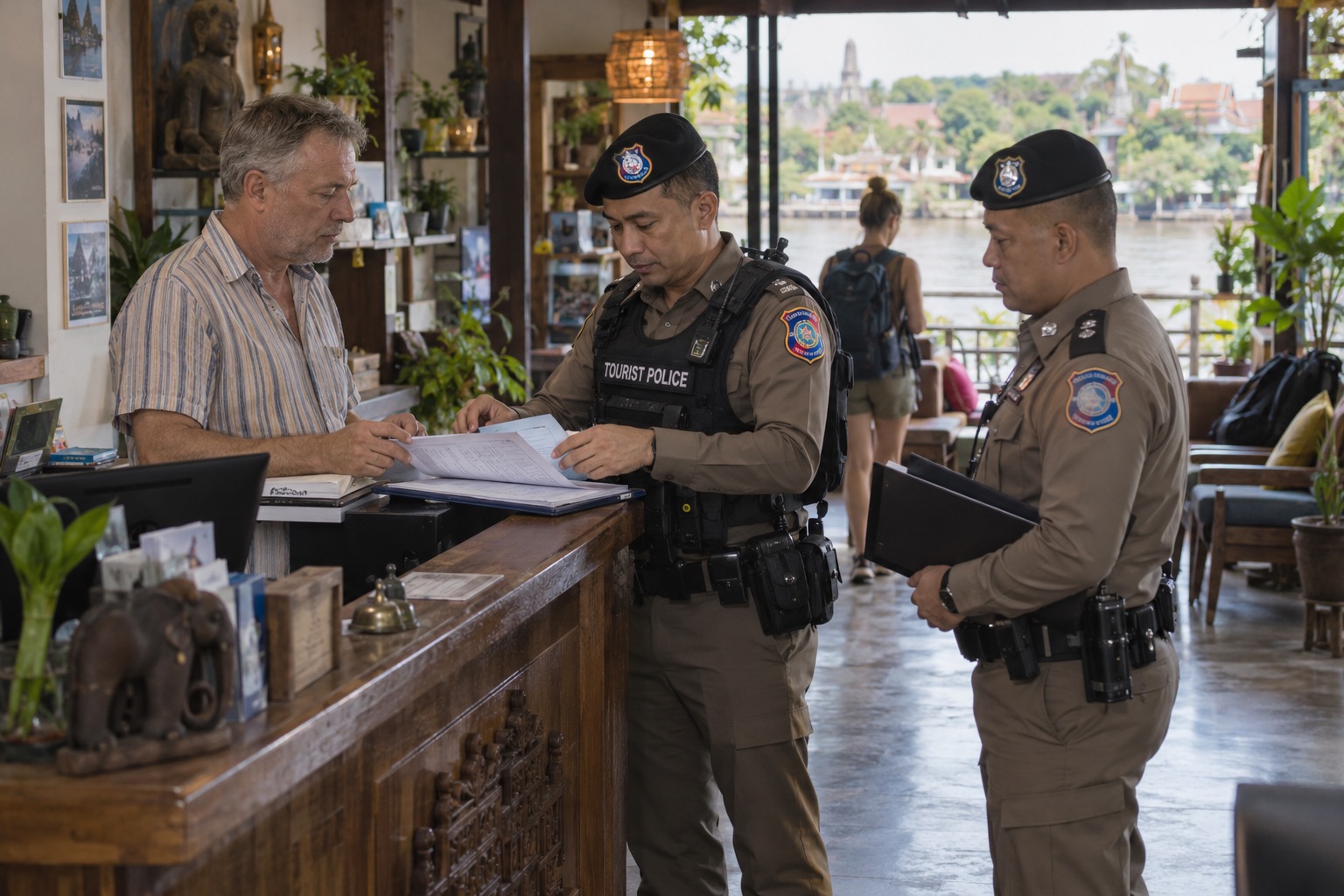
The crackdown on foreigners working and running businesses illegally continued this week. In Chiang Mai, tourist police raided a riverside hostel on October the 8th that had allegedly been operating without a hotel licence for more than 5 years, with 12 rooms and 27 beds advertised online for around 120 to 140 baht a night.
The operator, a 51-year-old Frenchman, reportedly held a DTV, and company documents showed a Thai shareholder holding 51%. He reportedly told police he’d met her only once and that she had never received any dividends.
This is typical of illegal nominee business structures which have come under significant scrutiny over the past year. He’s been charged with running accommodation without a licence, and police are expanding the case under the Foreign Business Act.
Meanwhile, off Phuket, Marine Police arrested a 32-year-old Russian man on October the 4th for working as a tour guide on a boat without a work permit after a tourist filmed him and reported it.
Tour guiding is a restricted occupation that’s reserved for Thai citizens only. The work permit offence alone carries up to 5 years in prison, a fine of up to 100,000 baht, or both.
Both cases here connect back to that DTV scrutiny that we discussed earlier. The DTV is built around remote work for employers outside Thailand or activities like Muay Thai and cooking courses. It doesn’t give holders the right to work in Thailand or run a local business. If you’re staying here using a DTV, make sure that you stay within the rules.
Bangkok Named Best City in Readers Choice Awards
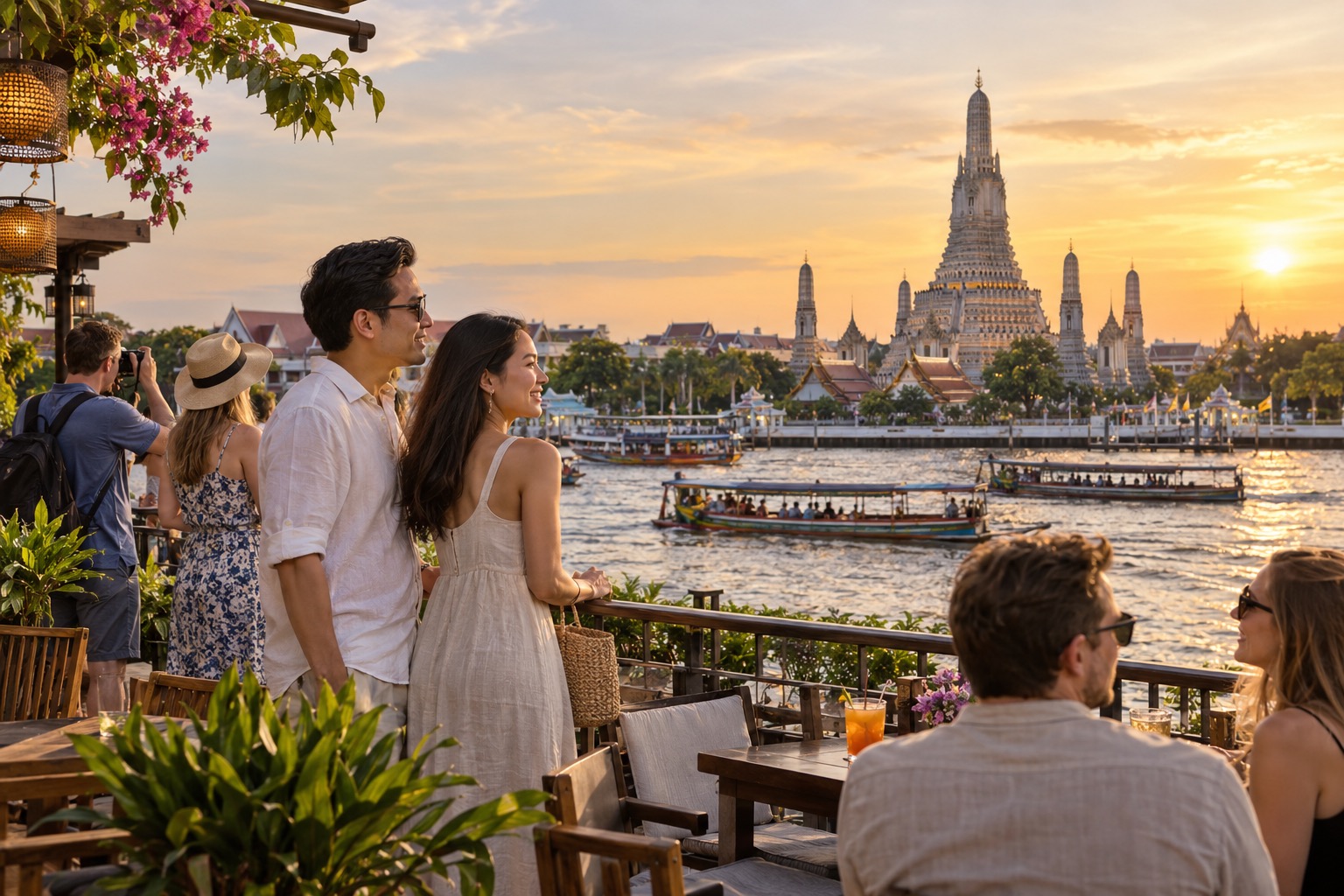
Bangkok has been named the best city in the world in Condé Nast Traveler’s 2026 Readers’ Choice Awards, finishing ahead of Paris and Istanbul after missing the top 20 entirely last year. As a longtime resident of the city, I couldn’t agree more.