Silom and Sathon Bangkok: Transport, Food, Hotels and Lumpini Park
Getting Around Silom and Sathon Easily
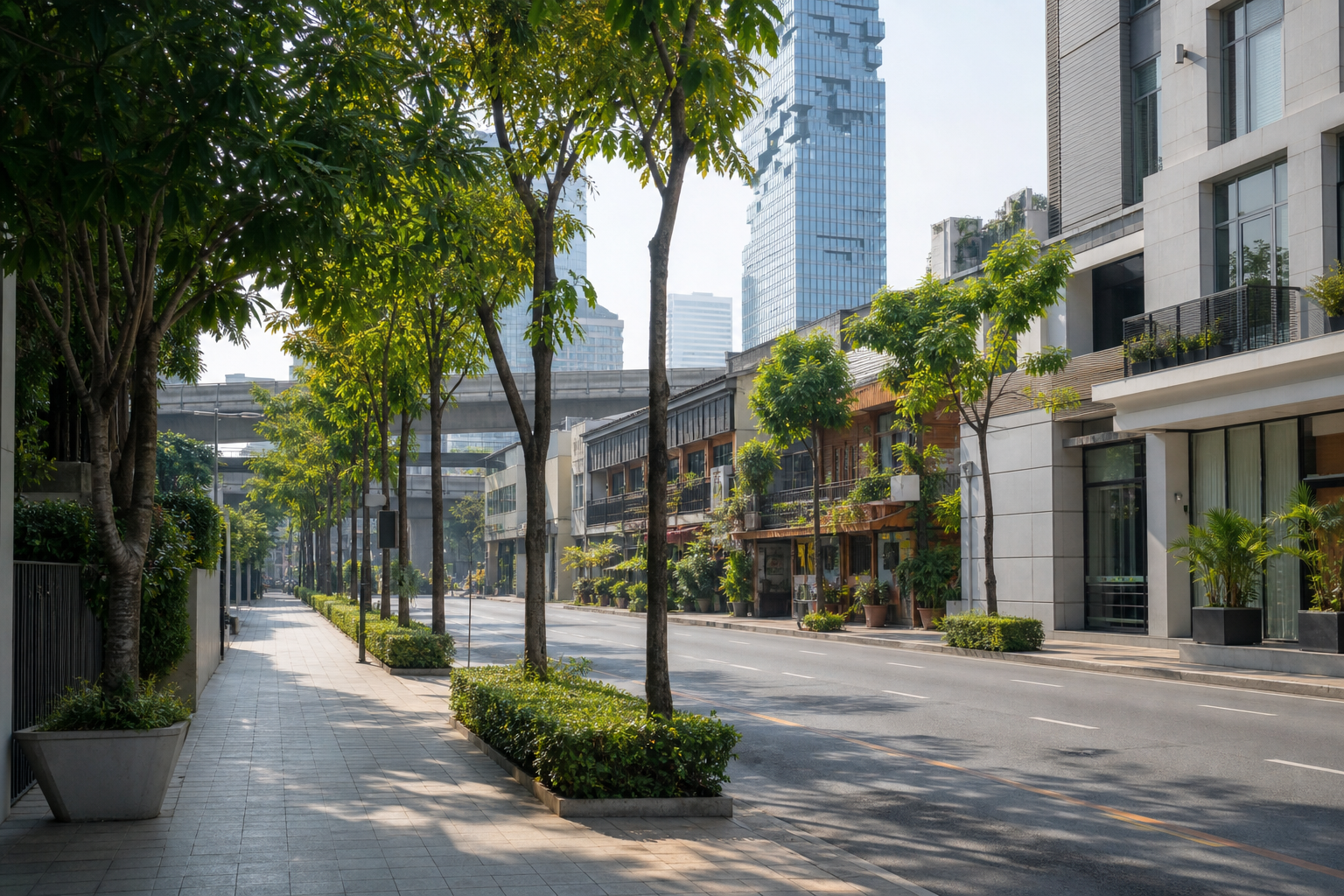
Silom and Sathon are among the easiest Bangkok areas to explore without a car. The neighbourhood connects to both the BTS Skytrain and MRT, with Sala Daeng and Chong Nonsi serving the Silom side and Lumphini and Si Lom stations helping you reach the wider district. A short walk, a metered taxi, or the local shuttle connections can fill the gaps between stations and hotels. The best approach is to choose accommodation within a comfortable walk of a station, then use rail transit for longer trips. Wide sidewalks are not continuous on every street, so allow extra time when crossing busy roads and use marked crossings where available. Starting early makes the area cooler and gives you a calmer look at the local streets before offices and markets become busy.
Why Silom and Sathon Work for a Bangkok Stay
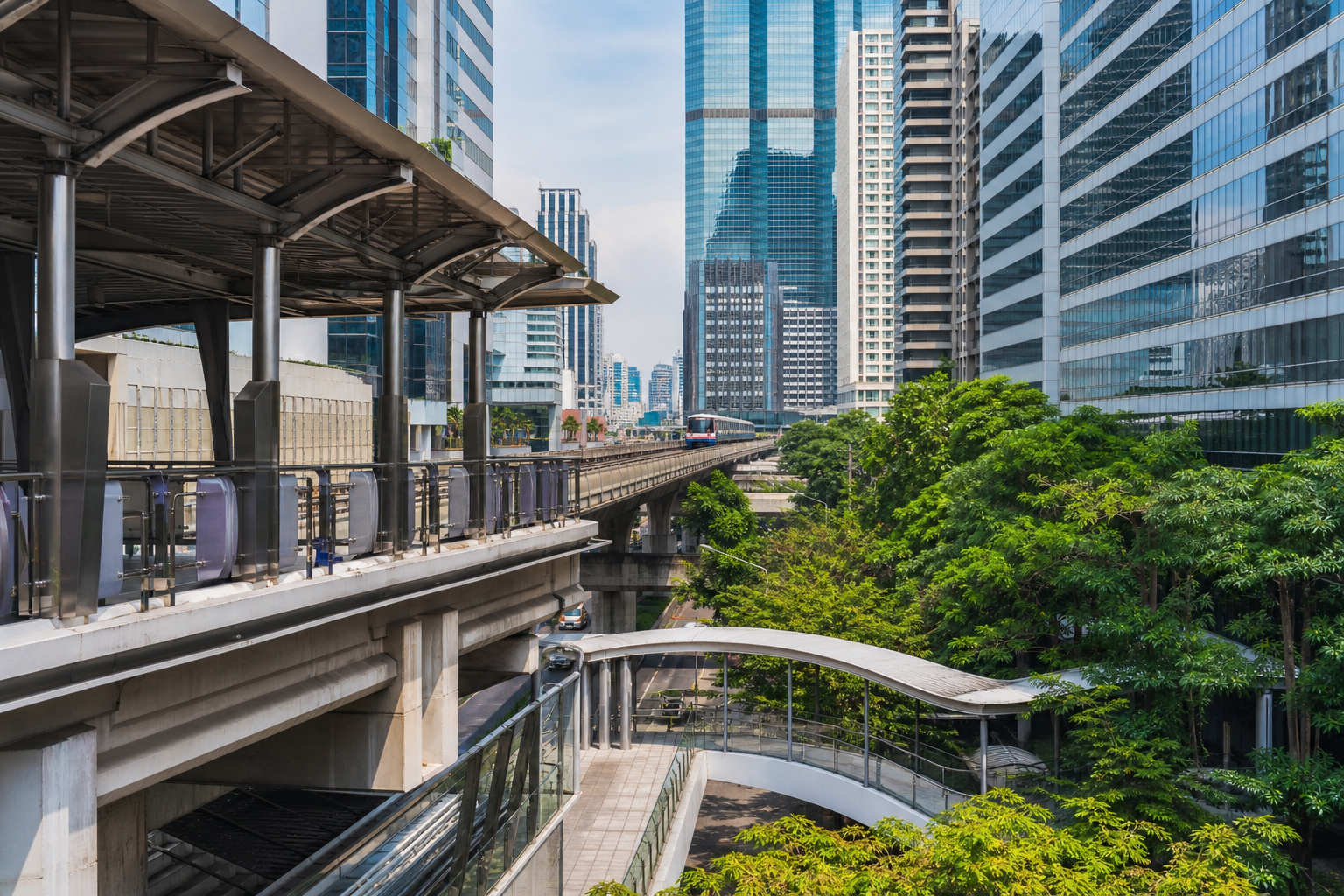
This part of Bangkok balances central convenience with everyday local life. You can reach riverside attractions, shopping districts, temples, and business areas by rail, while cafés, food stalls, pharmacies, banks, and convenience stores are close to most main roads. Sathon feels more residential and business-focused, while Silom becomes more varied as you move toward the market streets and nightlife lanes. That mix suits first-time visitors who want reliable transport but do not want to stay only in a tourist strip. Check the exact walking route from a hotel before booking, because a map distance can feel very different in Bangkok heat or during a sudden shower. A room near a station, with shade or covered access for part of the route, is usually worth paying slightly more for.
Local Food and Everyday Markets
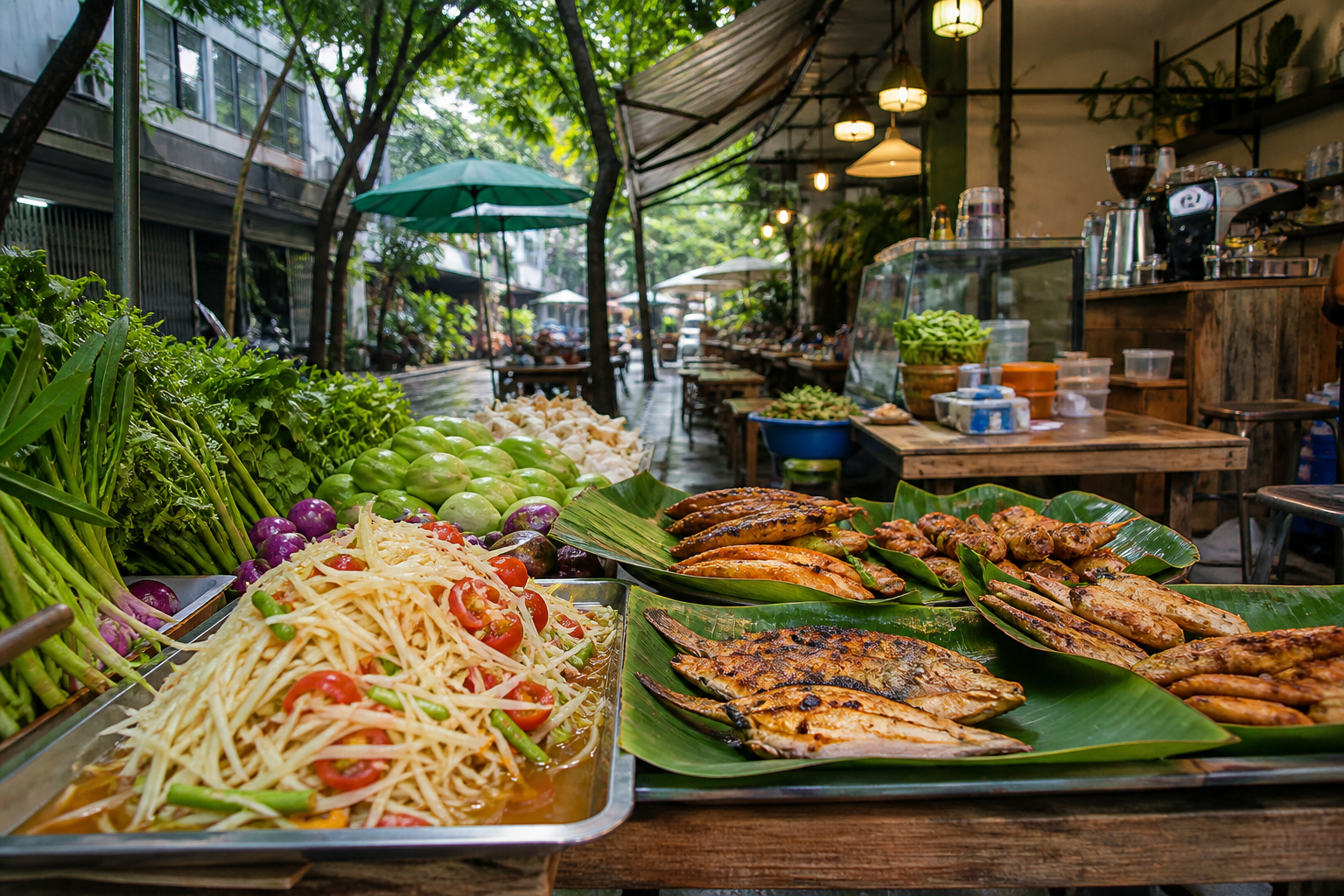
Silom and Sathon are good places to try Bangkok food at different times of day. Look for busy stalls with a quick turnover, clean preparation surfaces, and ingredients kept protected from heat. Thai favourites such as som tam, grilled chicken, noodle soups, rice dishes, and fresh fruit are easy to find, while cafés and international restaurants provide familiar alternatives. Morning markets are useful for breakfast and snacks, and office crowds can point you toward stalls that are popular with local workers. Carry small notes or use the payment method the vendor clearly accepts, and mention allergies before ordering. For shopping, prefer legitimate retailers and clearly labelled products rather than copied branded goods. You will find better value in fresh food, crafts, and everyday Thai products, and you avoid the quality and customs problems that can come with counterfeit purchases.
Evening Options: Rooftops, Night Markets, and Massage
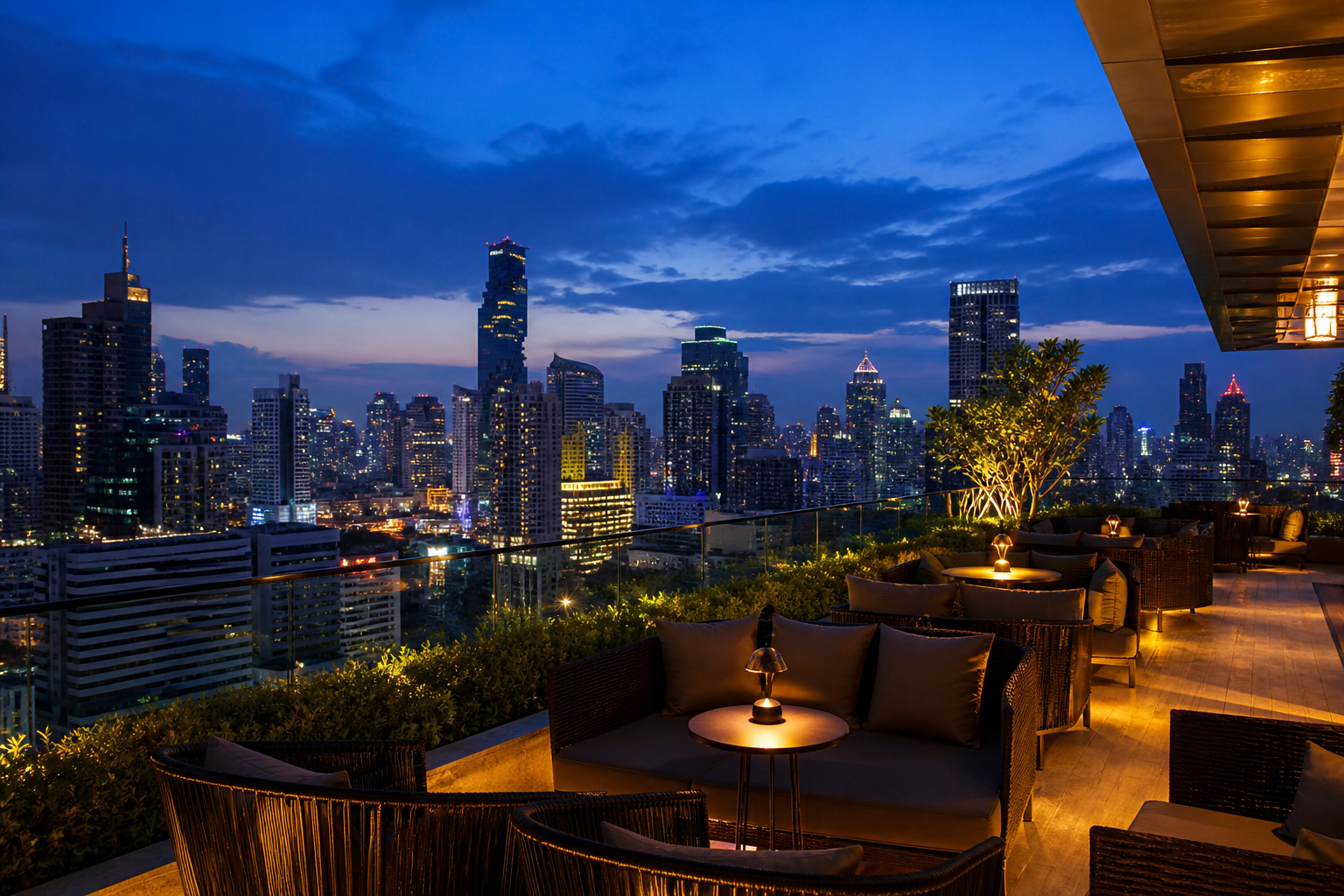
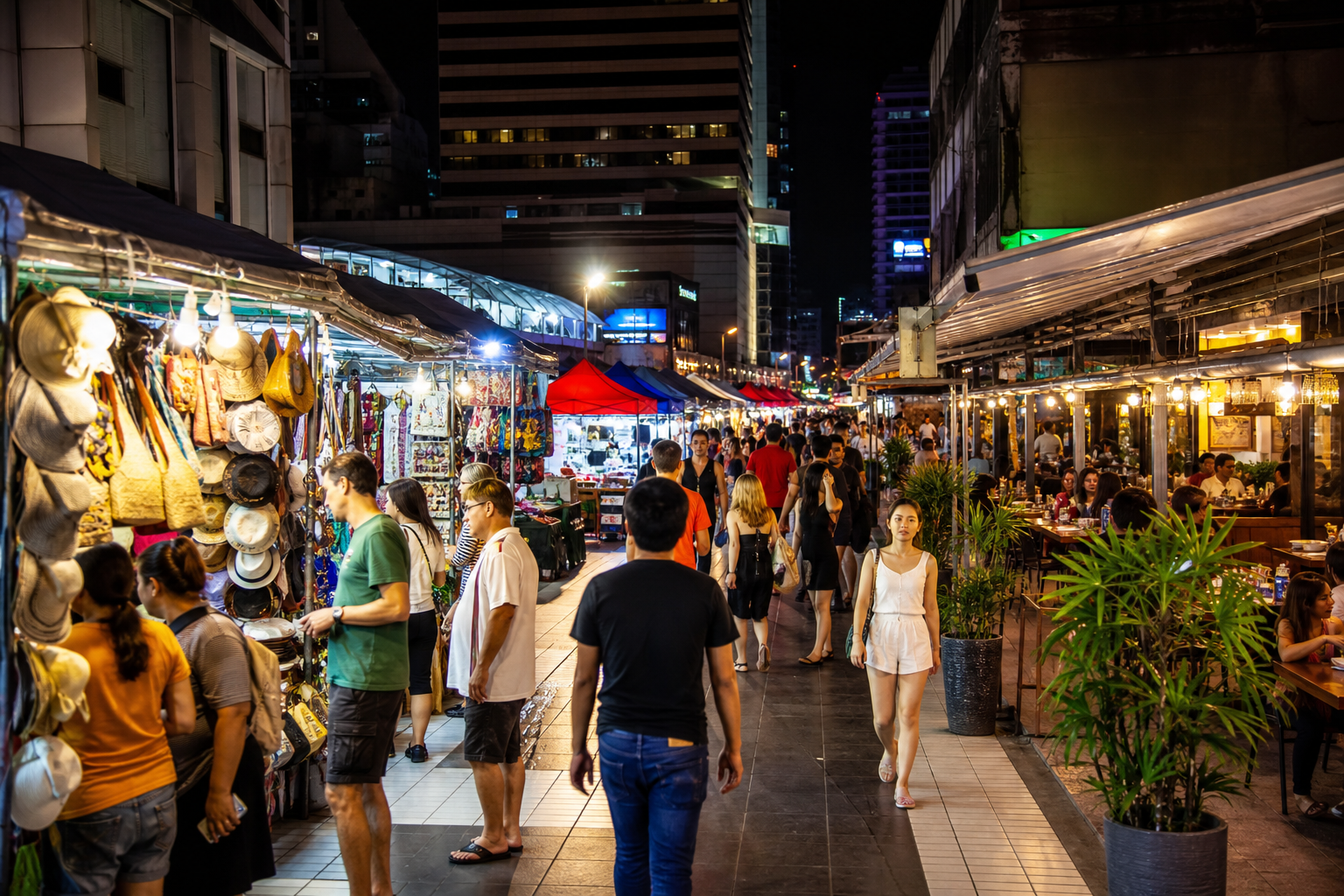
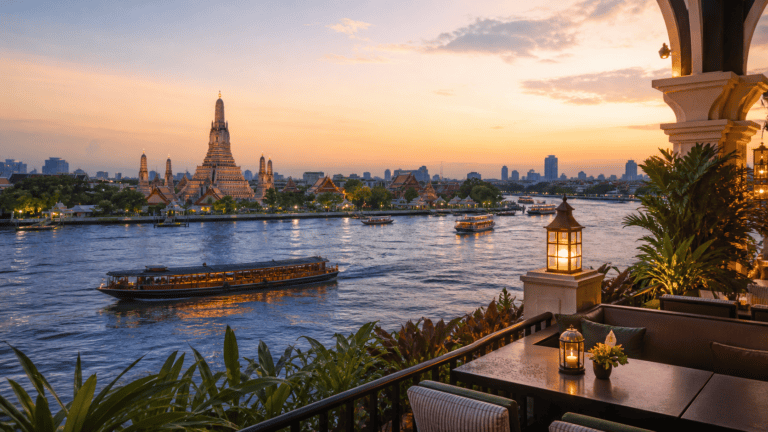
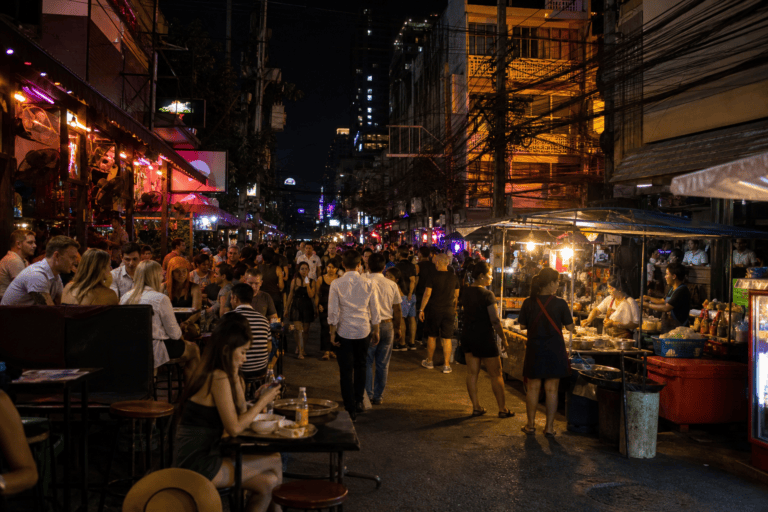
After sunset, Silom offers a broad choice of evenings. You can book a rooftop venue for city views, find a relaxed bar or restaurant, or simply walk through the brighter market streets for snacks and people-watching. Prices and dress codes vary, so check the venue information before you go and use official booking channels when reservations are required. Night markets can be fun for food and inexpensive souvenirs, but treat unusually cheap branded products with caution and choose authentic goods from established sellers. Traditional Thai massage is also widely available; select a clean, licensed-looking shop with a clear price list and ask what the treatment includes before it begins. Keep your route home simple by using the BTS, MRT, a metered taxi, or a reputable ride-hailing service, and avoid accepting unsolicited transport offers.
Hotels and Lumpini Park Nearby
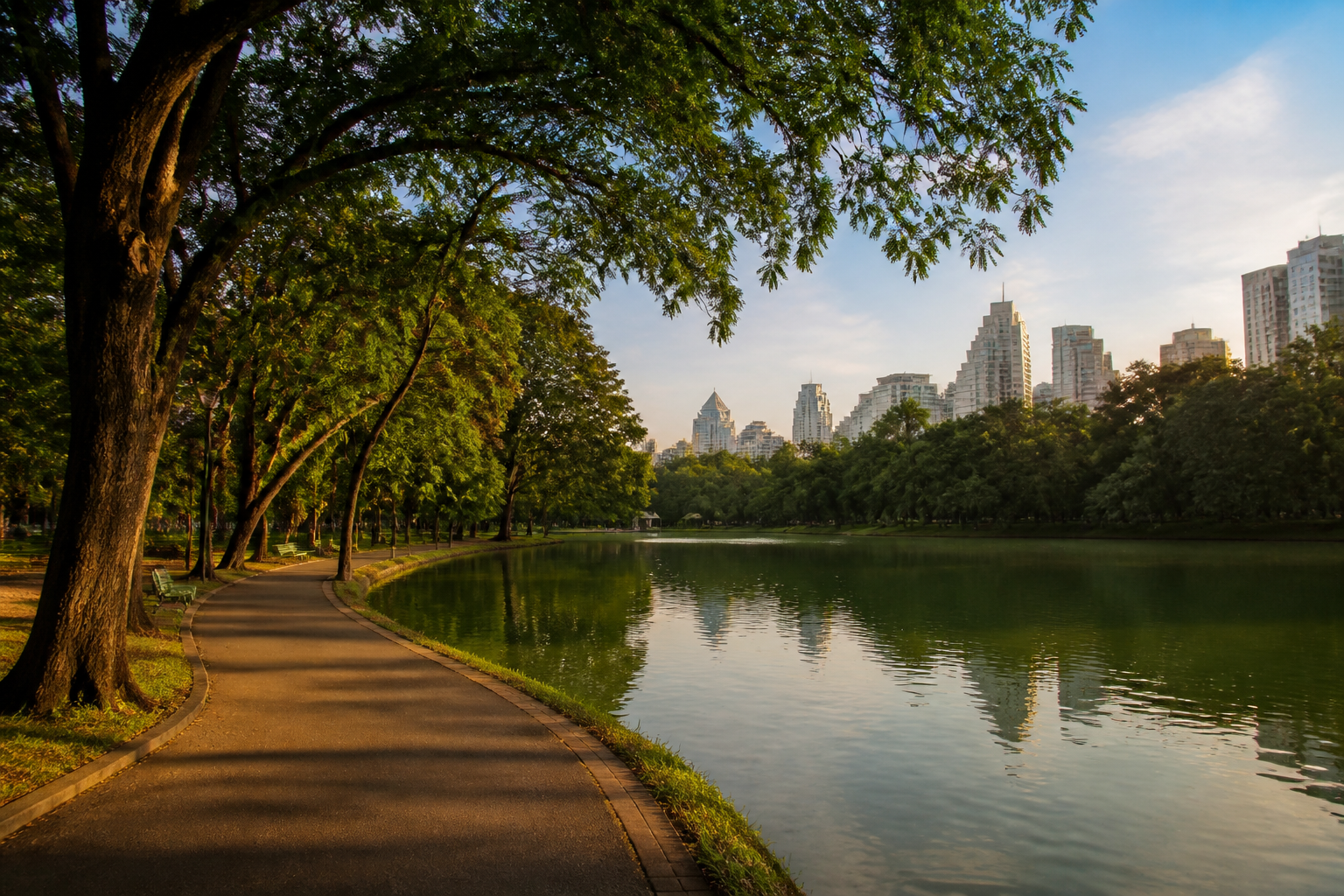
Accommodation in Silom and Sathon ranges from simple city hotels to serviced apartments and higher-end properties. Instead of relying on a single quoted rate, compare the total price across several dates and check whether breakfast, taxes, luggage storage, or late check-in changes the value. A budget room can be a strong choice if it is clean, secure, and close to transit; a more expensive hotel may be worthwhile for a pool, gym, quieter room, or longer stay. Lumpini Park is a major advantage for visitors who want green space near the centre. Go in the morning or late afternoon for a cooler walk, and follow park rules around cycling, food, and wildlife. With transit, food, parks, and evening choices close together, Silom and Sathon make a practical base for exploring Bangkok.
Bangkok City Energy in Every Season
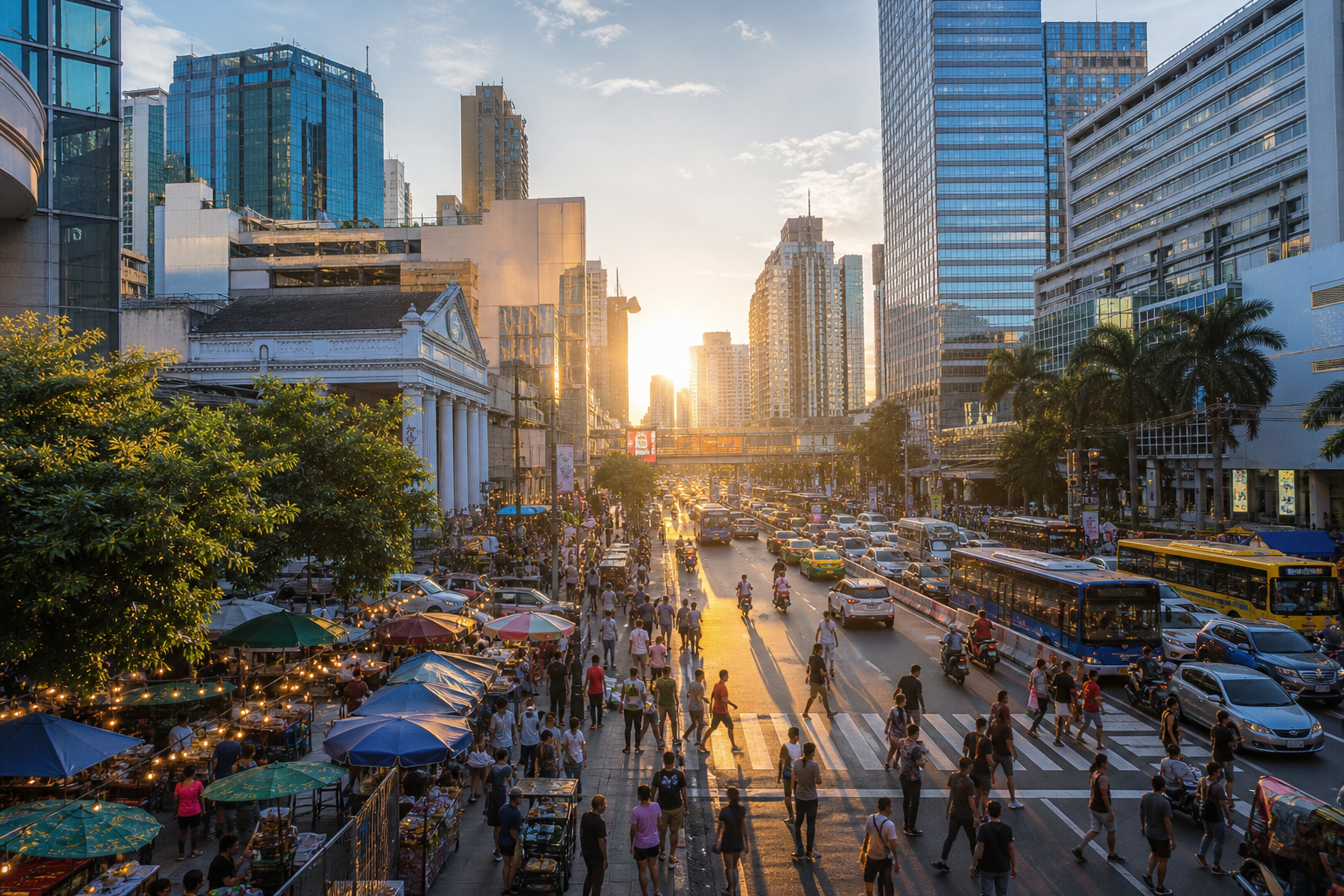
Bangkok keeps its momentum in both the quieter and busier travel periods. Markets stay active, street-food stalls continue serving local residents, and the city remains rewarding to explore on foot. The cooler part of the year is often more comfortable for long walks, although sunny afternoons can still feel hot. Plan outdoor routes for the morning or late afternoon, carry water, and use the city’s rail network when heat or traffic makes walking less practical.
Chong Nonsi and Silom Local Market Guide
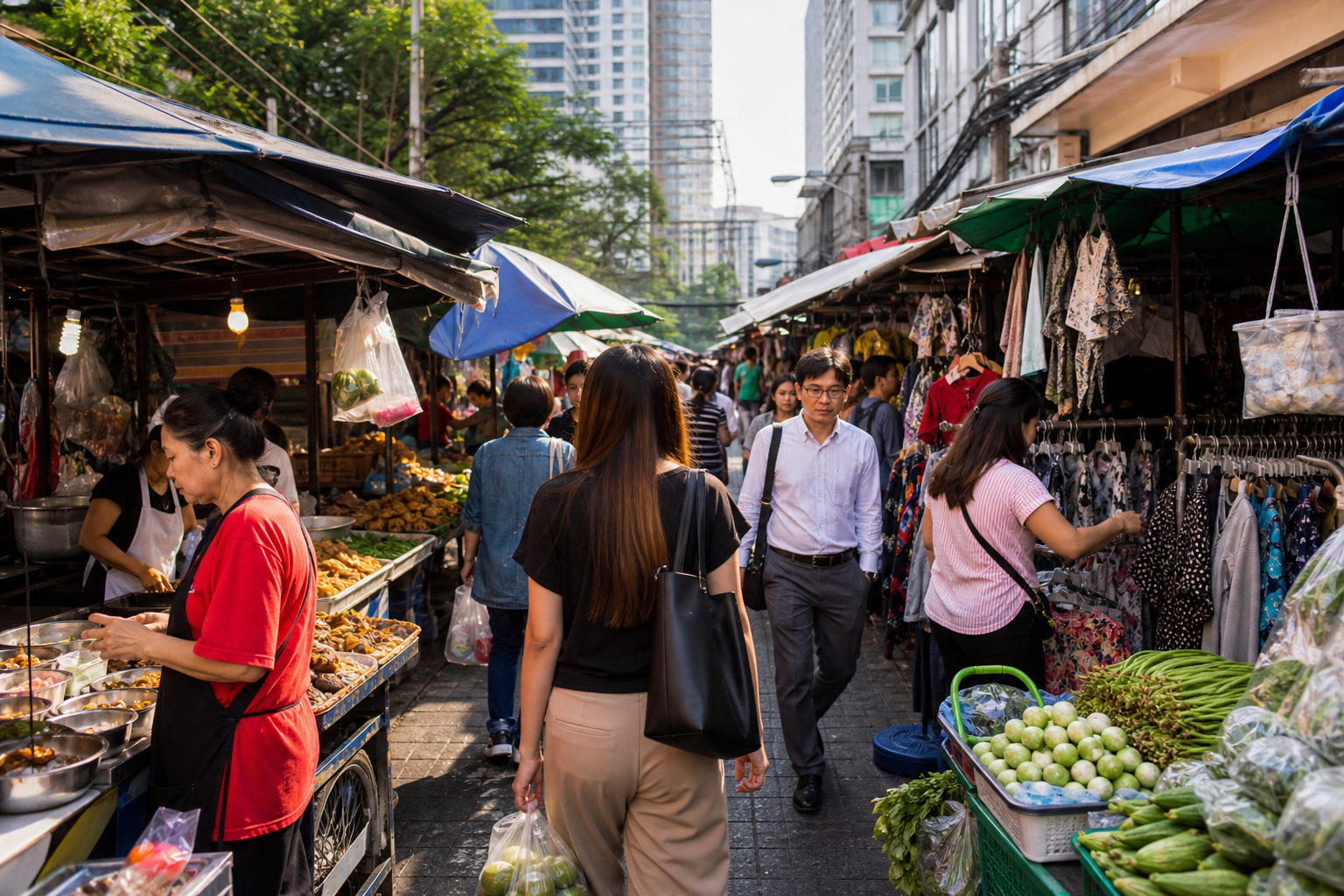
A lively local market occupies the area between Chong Nonsi and Silom Soi 5. Entrances are available from Silom Soi 5 and near Chong Nonsi station, making it easy to combine with a BTS journey. Inside, expect crowded lanes, prepared food, fresh ingredients, clothing, and small everyday purchases rather than a curated tourist attraction. The busiest stretches can be difficult to navigate, so keep valuables secure and allow time to move slowly. Walking straight through the market leads toward the station area or Silom Soi 5, depending on the entrance.
Where to Stay in Silom for Walkable Bangkok Days
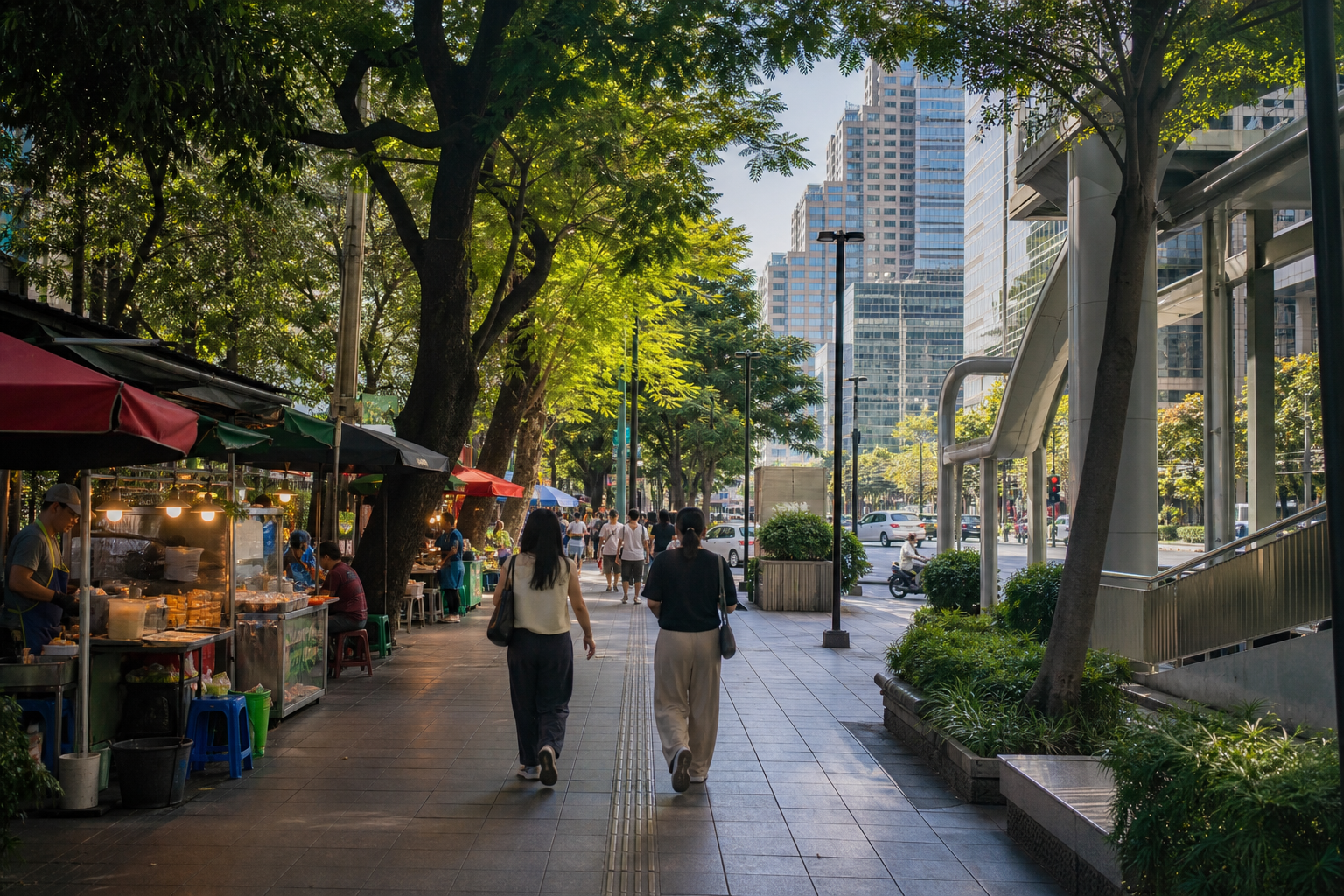
Silom is a practical base for travelers who want food, parks, transit, and city life within the same neighborhood. Some streets have broader sidewalks than the busiest parts of Sukhumvit or Pratunam, and the area around Sala Daeng station connects easily with Bangkok’s rail network. Green spaces provide a break from the traffic, while Convent Road adds a dependable street-food option. Choose a hotel close to a BTS or MRT station if possible, and compare the walking route at night as well as during the day.
Bangkok Hotel Prices in Low and Peak Season
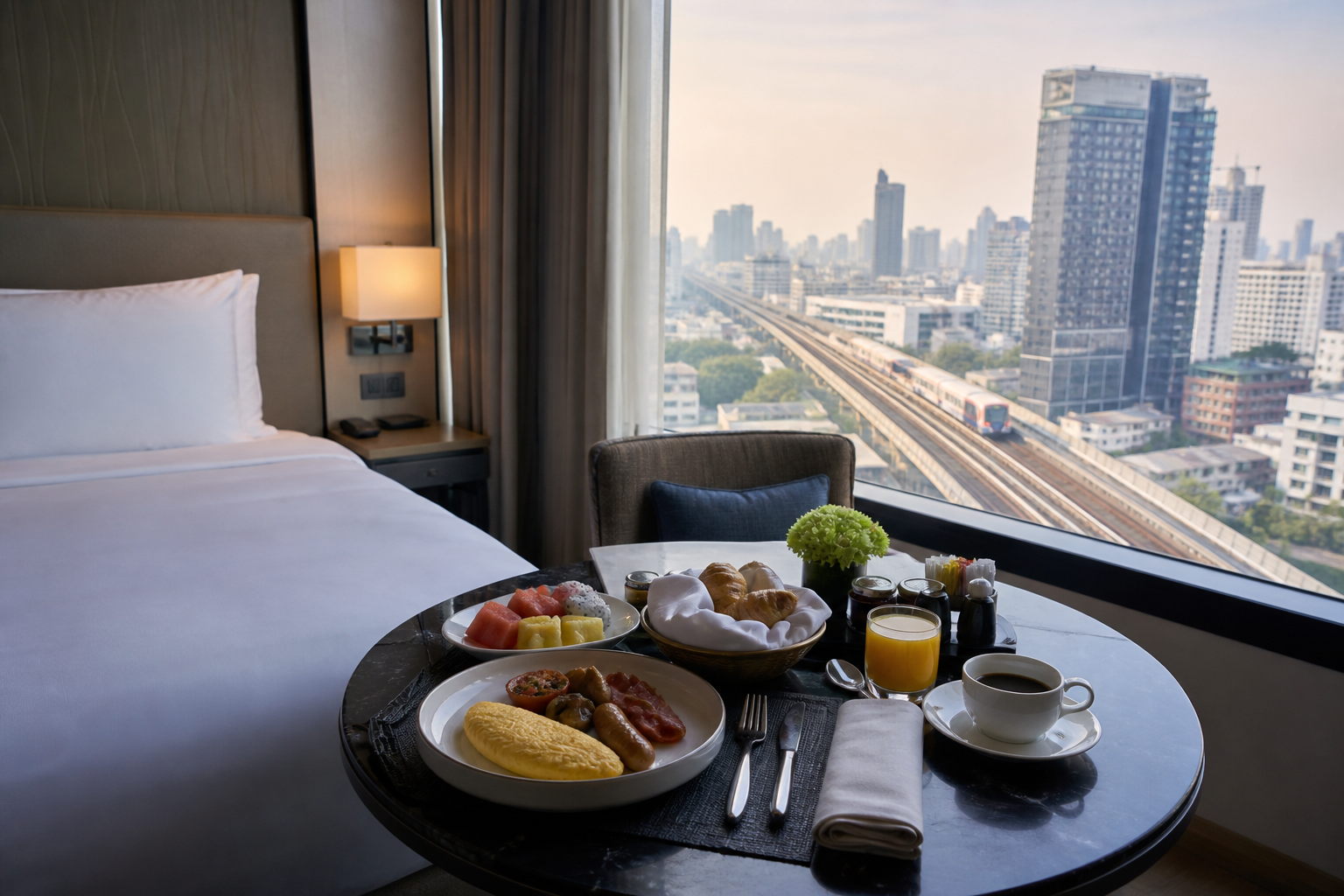
Bangkok room rates can change sharply around New Year and other high-demand dates. One booking example described a room with breakfast costing about US$65 when reserved roughly two weeks before New Year, while the same hotel and room approached 26,000 baht—around US$800—when checked only two days before the holiday, without breakfast. These figures are historical examples rather than current quotations, but they show why flexible dates and early booking matter. Check the exact room type, breakfast inclusion, taxes, cancellation rules, and final total before paying.
Walking from Lumpini Park to Benjakitti Park
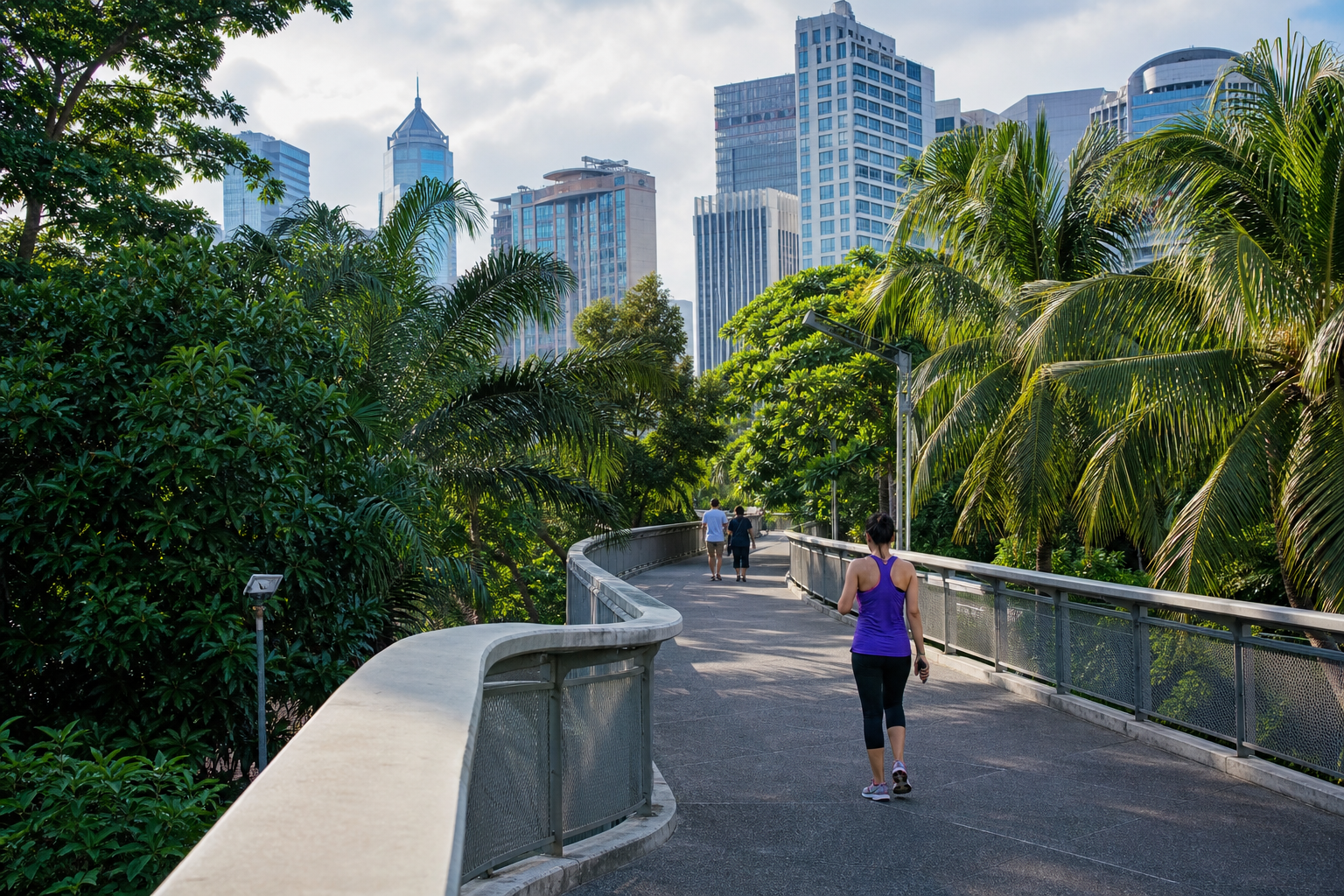
Lumpini Park is a useful starting point for a green urban walk. Visitors can relax beside the water, use the park’s pedal boats, or follow the northern side toward the connection with Benjakitti Park. To find the walking route, look for Suan Lumpini School near the north entrance, leave the park, turn left, and follow the green connection. The route was described as taking about ten minutes between the parks, although pace and access points vary. It is most enjoyable in cooler weather; bring water and avoid the hottest part of the afternoon.
Convent Road Street Food and Bangkok Walking Tips
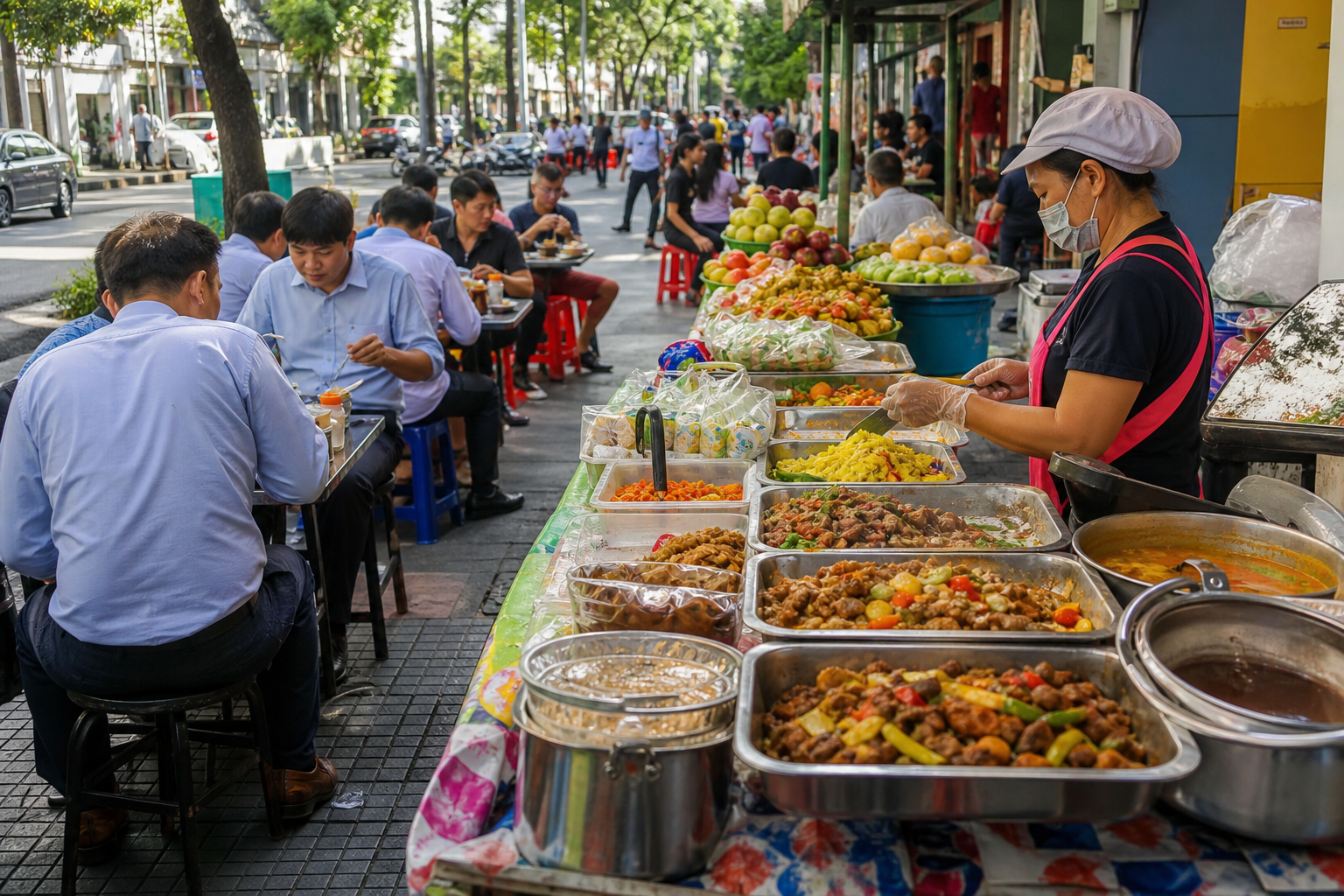
Convent Road, near Sala Daeng and Silom Park, is a convenient place to try fresh Thai street food without leaving the central city. A meal and fruit stop in the original account cost roughly 80 baht, but menus and prices change, so use that figure only as a historical guide. After a long walk, malls around Phrom Phong, including EmSphere and IKEA, offer air-conditioning and additional dining choices; one meal there was reported at about 300 baht. Use official transport points, agree on fares before taking a taxi or tuk-tuk, and avoid informal operators who pressure travelers.
Silom Shopping and Patpong Night Market
Silom also has shopping options, including the Patpong Night Market and larger shopping areas nearby. The market is a place to browse souvenirs, food, clothing, and other everyday retail items while exploring the neighbourhood in the evening.