Thailand Scams in Bangkok: 7 Tourist Warnings and Safety Tips
Thailand Digital Arrival Card Website Scam
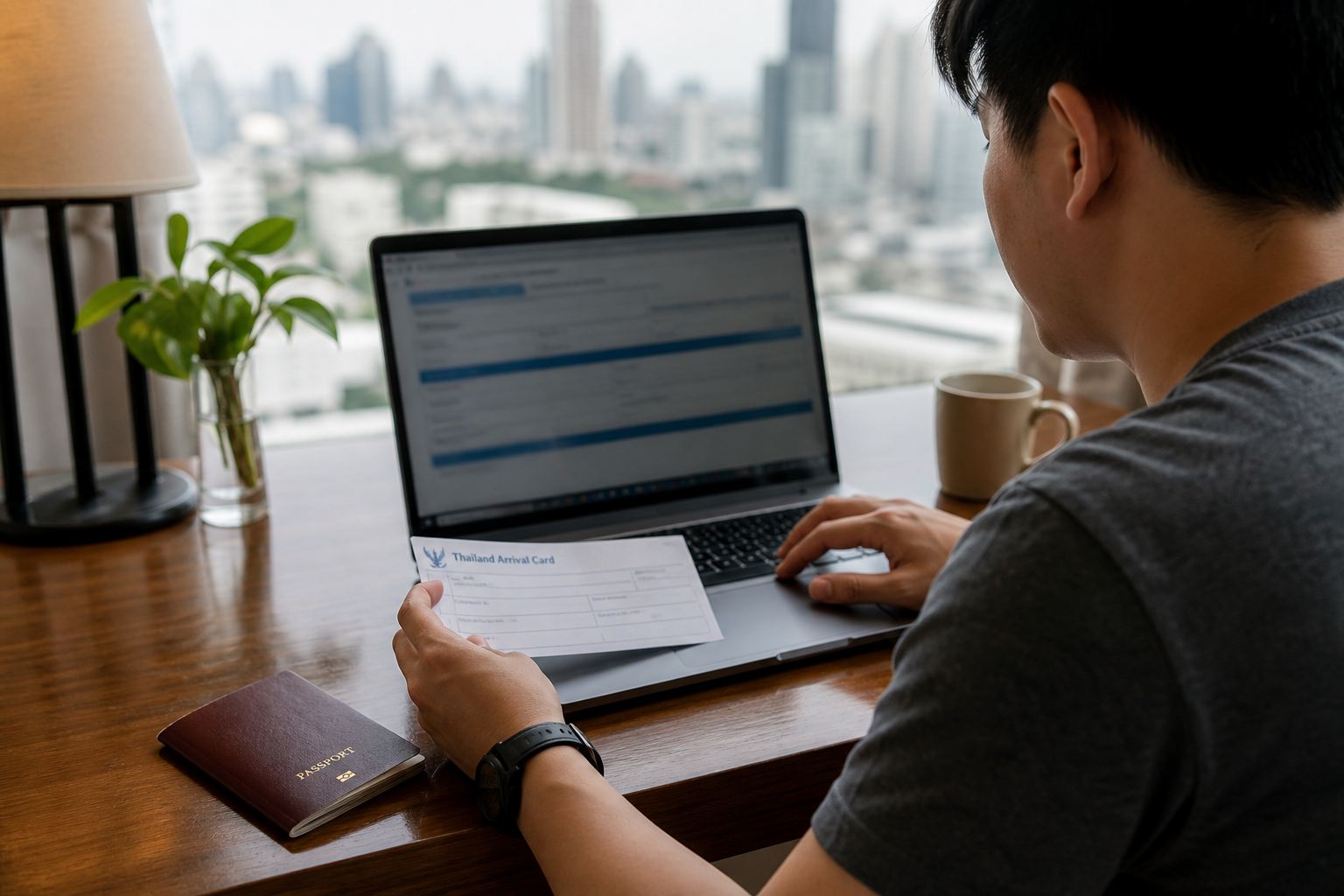
The Thailand Digital Arrival Card can be completed online, and the safest starting point is the official government website. Look carefully at the web address before entering passport details. Scam pages can imitate the design and wording of an official service, then ask for a payment such as US$10 to submit an application. An unexpected fee is a strong warning sign; stop and return to the official government source rather than entering card details.
If you arrive without completing the card, follow the airport’s official signs and ask staff where the legitimate process is available before immigration. Check that your name, date of birth and passport details match your document, and avoid handing your passport or payment information to an unverified website or person.
Tourist-to-Tourist Wallet Scam in Sukhumvit

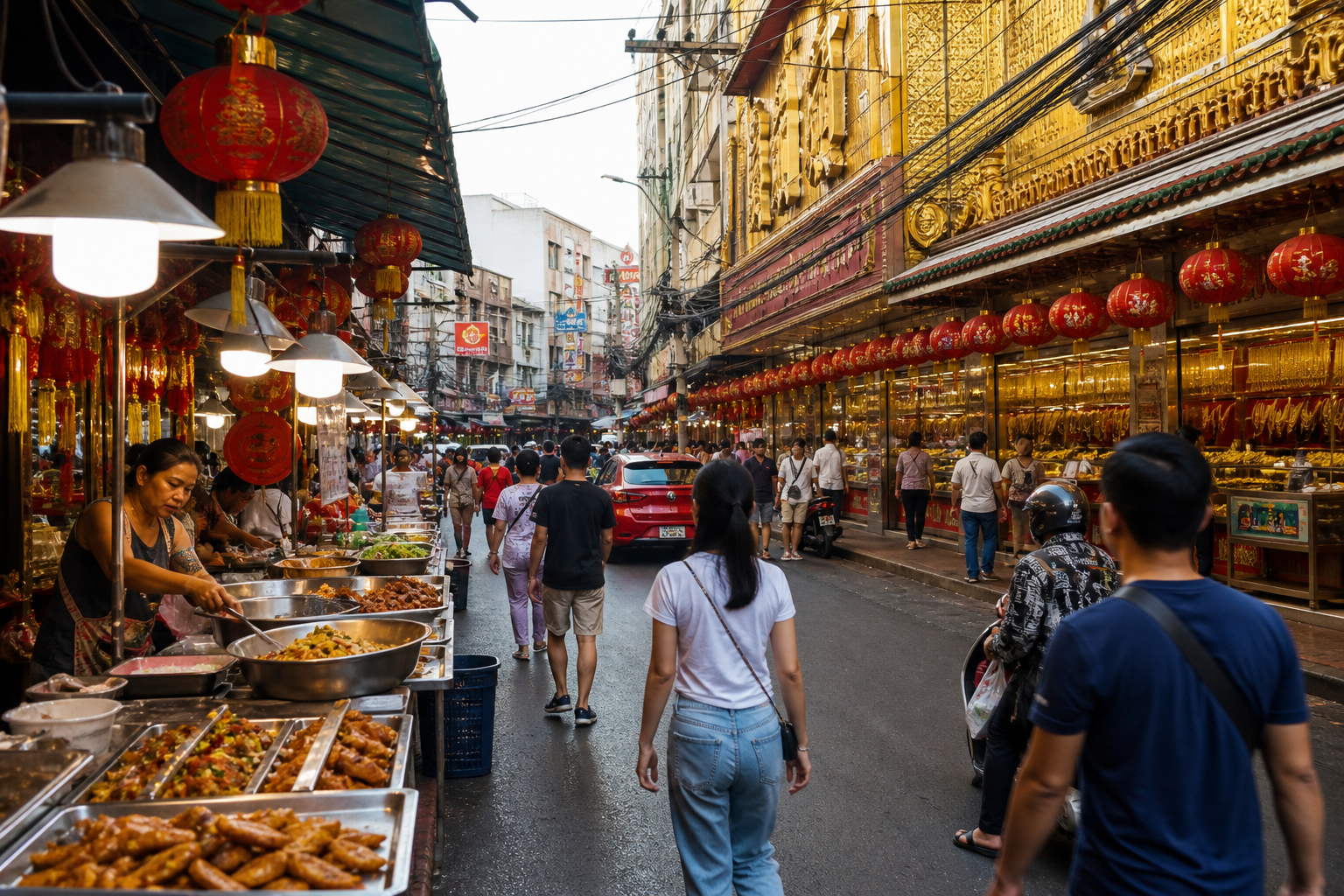
In busy visitor areas such as Sukhumvit around Nana and Asok, someone may approach while speaking like a friendly fellow traveler. They may ask where you are from, how long you are staying, or whether you can show them a banknote from your country. The conversation is designed to make you open your wallet in public and reveal both your cash and where you keep it.
Keep your wallet closed. You do not need to show money, cards or identification to a stranger, even when the request sounds casual. Move toward a staffed business, station entrance or other busy public place if the person persists. The same rule is useful during any Bangkok tuk-tuk and street-tour conversation: do not let friendliness pressure you into showing valuables or changing your plans.
Bangkok Fortune-Telling “Long Life” Scam

Another approach begins with a compliment or prediction: you are lucky, you have a long life, or the stranger can tell you something important about your future. The opening line is meant to keep you engaged while the person moves the conversation toward a paid service, a donation or another request.
You do not have to find out where the conversation leads. A polite “no, thank you” followed by walking away is enough. Do not provide your hotel name, passport details or cash, and avoid stopping in a quiet corner to continue the discussion. If the approach becomes aggressive, enter a staffed shop or ask a nearby security officer for help.
Unsolicited Street Offers Near Tourist Areas

Some street approaches are intended to draw visitors into buying prohibited or questionable goods. The original warning describes people approaching tourists around the Sukhumvit area and offering illegal items after starting a conversation. The safest response is not to inspect the offer, argue about it or follow the person somewhere else.
Keep walking, do not accept a package, and never carry something for a stranger. If you are worried about being followed, head to a hotel desk, transport station, police booth or another place with staff and cameras. Rules around drugs and restricted goods can be serious, so treat any unsolicited offer as a safety and legal risk rather than a bargain.
Bangkok Taxi Meter and “Pay What You Want” Scam

A taxi can become expensive when the driver agrees to a ride but does not use the meter. One reported Bangkok example involved a short trip from Iconsiam to a hotel: one group paid about 200 Thai Baht after being told to pay what they wanted, while friends taking a metered taxi paid about 60 Thai Baht for the same route. Prices and traffic change, but the lesson is consistent: agree that the meter will be used before leaving.
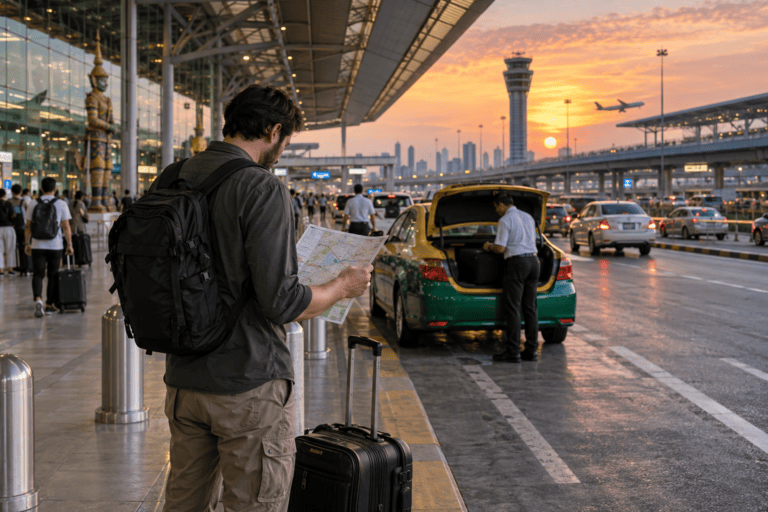
Check that the meter is running as soon as the trip starts. If the driver refuses, stop at a safe, public location and choose another taxi or a reputable ride-hailing option. Keep the destination written in Thai or saved on your phone, and avoid arguing in a secluded place. For longer rides, compare the expected fare and route before getting in.
Thai SIM Card Parcel Call Scam
After buying a Thai SIM card at an airport, convenience store or phone shop, you may receive calls or messages from numbers you do not recognize. A caller may claim that a parcel is waiting for you and that you must pay a fee before delivery. If you have not ordered a parcel, do not confirm personal details and do not pay to “release” it.
Let unknown calls go unanswered, block suspicious numbers and use the carrier’s official support channel if you are concerned. Never share an OTP, passport number, banking information or card details with an unsolicited caller. For broader phone and payment warnings, keep the advice in this Thailand card-scam guide in mind as well.
Tourist Police App and Practical Scam Prevention
At Suvarnabhumi Airport, look for official Tourist Police information and follow the airport’s current instructions for getting help. A QR code or app promoted by an official desk may provide a way to request assistance or share your location, but check that the sign and download link are genuine before installing anything. Do not rely on a random QR code sent by a stranger.
The simplest protection is to slow down when someone creates urgency. Keep a small amount of cash accessible, store backup cards separately, use official websites and transport counters, and take a screenshot of important bookings. If money or documents are threatened, move to a staffed public location and contact the appropriate Thai authorities. These habits let you enjoy Bangkok confidently without letting one rushed decision define the trip.
Bangkok Taxi Meter Scam Update
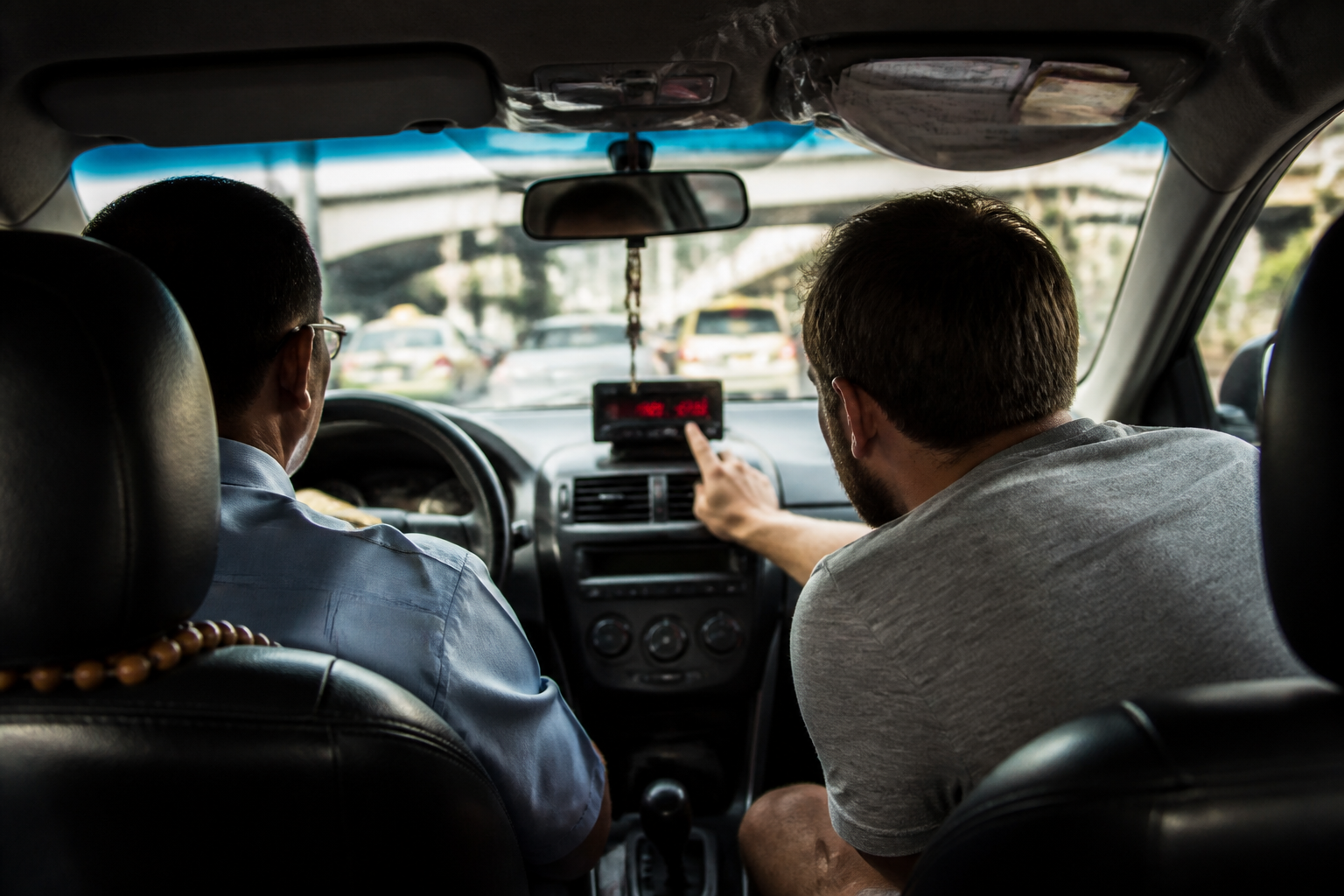
Most Bangkok taxis follow the rule and use the meter, but some drivers do not want to turn it on. Another update is that a driver may turn on the meter and later say that it is broken, then ask for a specific amount.
When you get into a taxi, check that the meter is working. Do not accept a new fixed price because the driver says the meter has stopped.
Grand Palace Tuk Tuk Scam at Sanam Chai

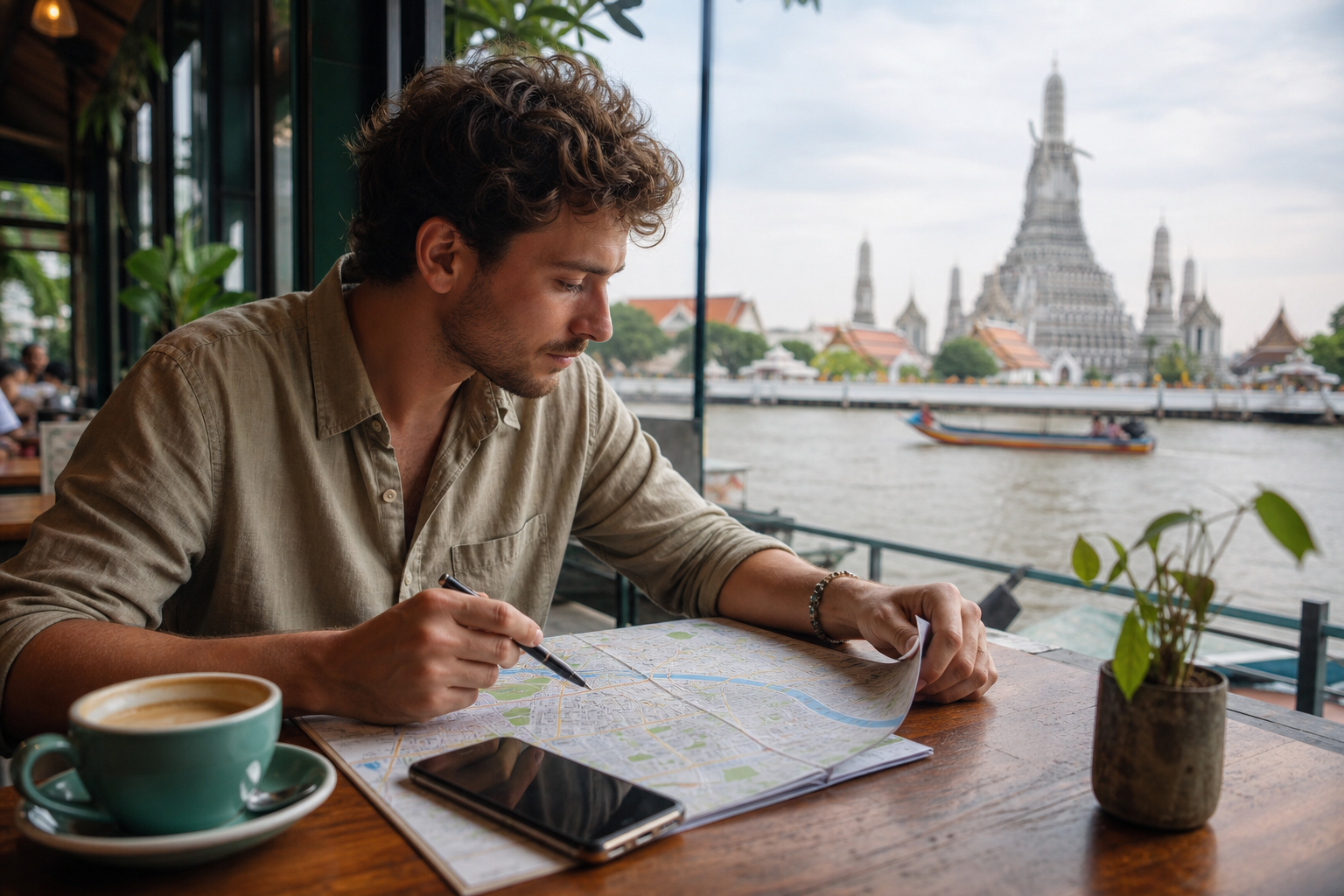
The main entrance of the Grand Palace is about a three-minute walk from Sanam Chai MRT station. Tuk-tuks wait around historic places and public transport stations. When visitors ask where the Grand Palace is, some drivers say it is close and offer to take them somewhere better or more entertaining.
This is a common diversion. From Sanam Chai station, walk to the entrance, use Google Maps, or ask another tourist for directions instead of asking a tuk-tuk driver who is offering a different destination.
Thailand Fake Parcel Phone Calls
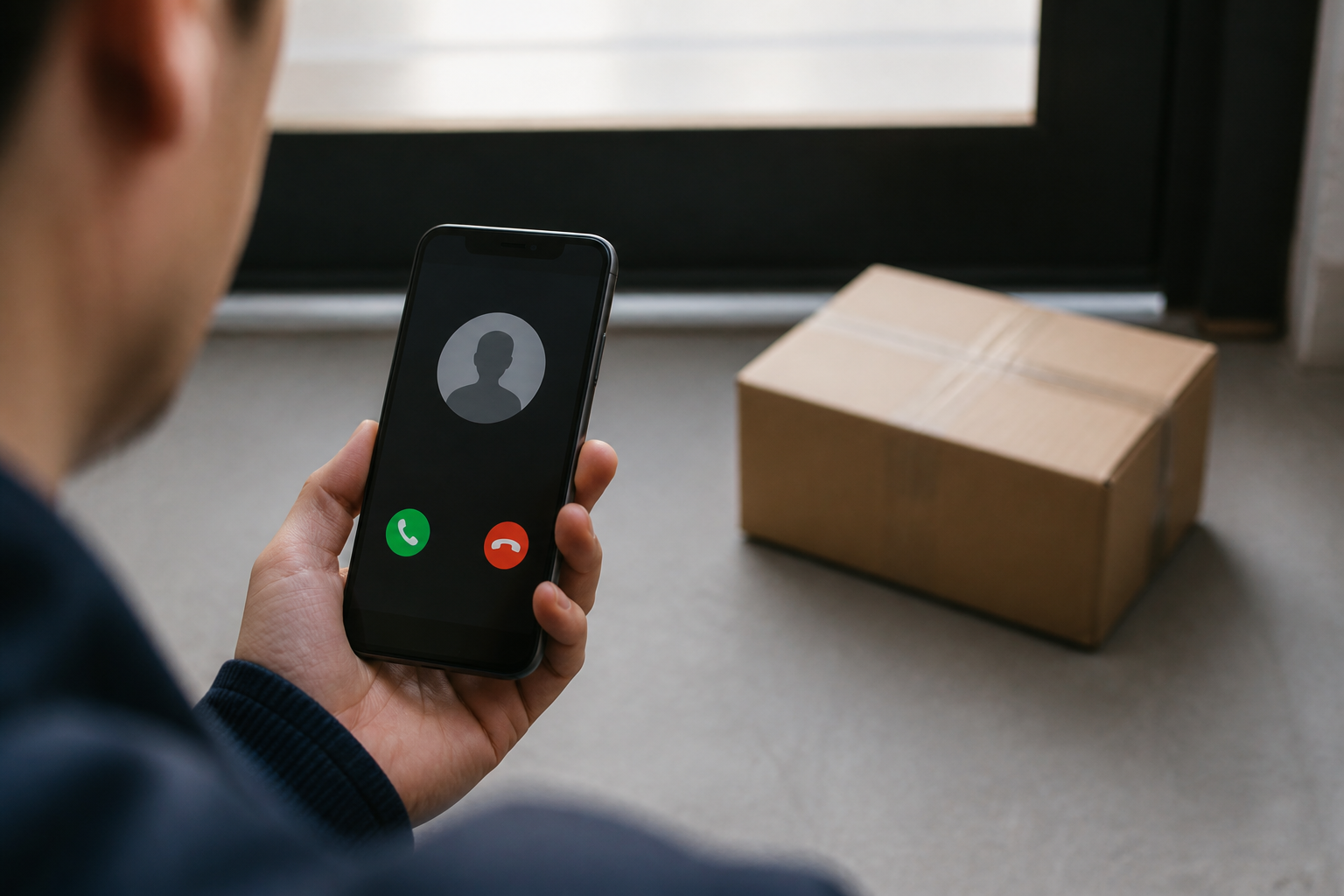
After buying a SIM card at the airport and using it for a day or two, you may receive a phone call even though few people know your new number. The caller may say that a parcel is registered to your phone number and that everything has been paid.
The caller then asks for a small payment to release the parcel. It may sound like only 100, 200, or 300 baht, but there is no parcel. It is a total scam. Do not make the payment and do not provide information to an unexpected caller.
Thailand Malicious SMS and Data Theft
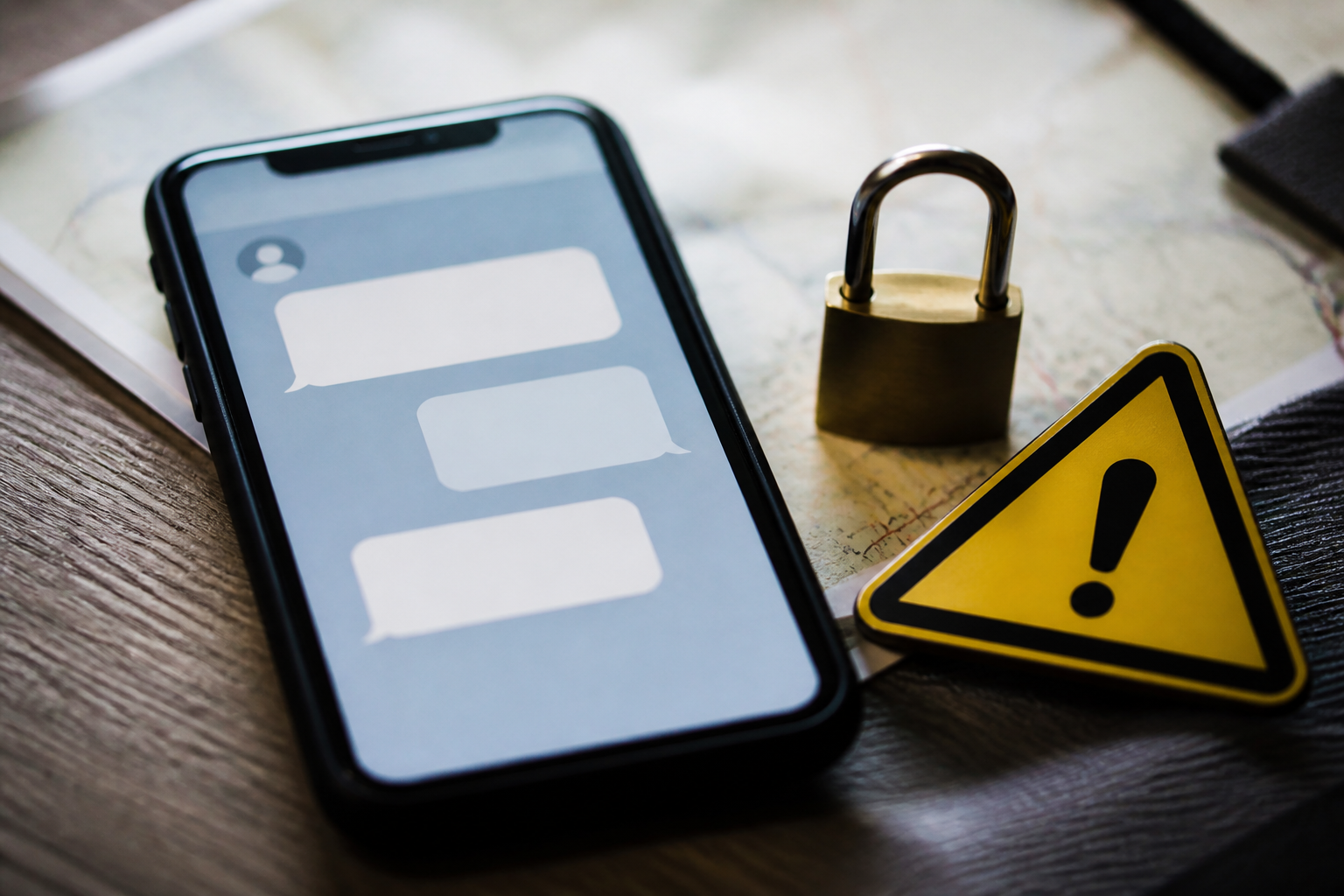
A message connected to your phone number can be more dangerous. Opening a malicious SMS may download an application to the phone. The application can take personal data, passwords, and security numbers, which can lead to losing money.
If you receive an unexpected SMS, do not click it. Do not download an application or enter banking information from a link in a message.
Fake Thailand Online Booking Sites
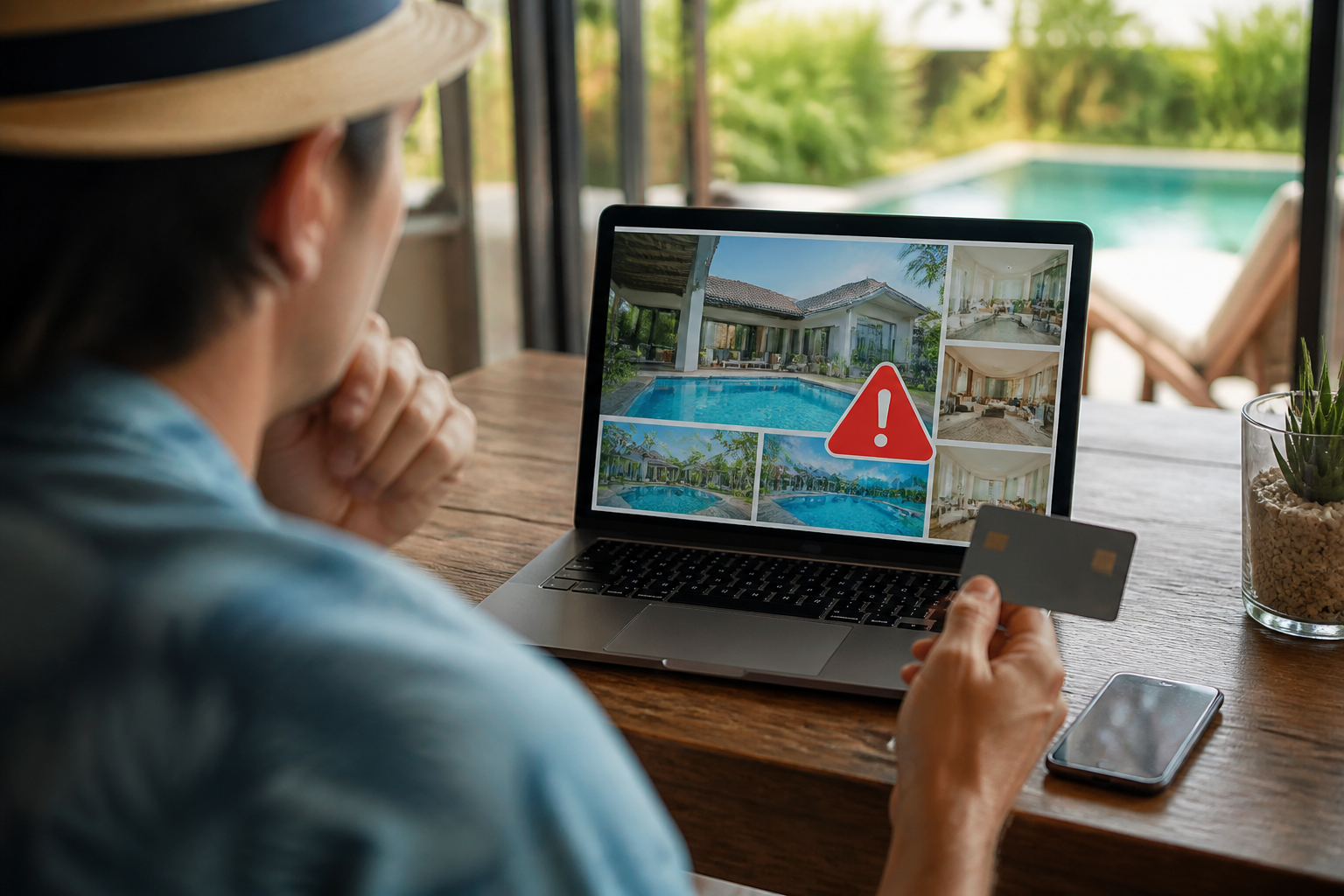
Online booking scams target people looking for an affordable villa, pool villa, party, or hotel. A fake or unofficial website may show a very attractive price. You pay online, then arrive and find there is no villa, party, or hotel.
Book through official sites. An affordable price on an unofficial site is not a good deal if the place does not exist and the payment cannot be recovered.
Fake YouTube Replies and Donation Scams
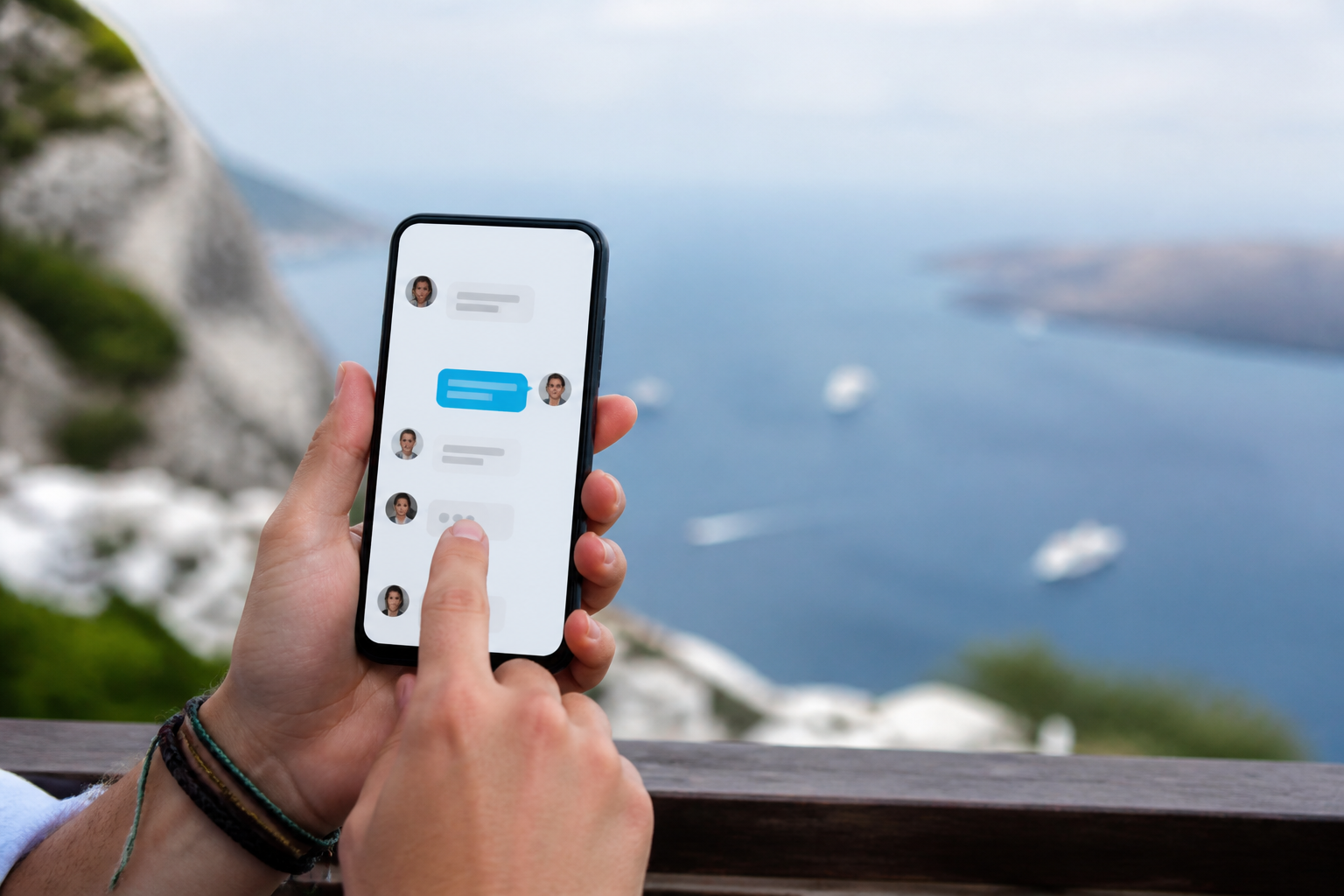
Scammers may reply to comments on YouTube channels using copied logos and ask viewers to contact them by phone, SMS, or Telegram. They may begin by discussing the channel and its videos, then ask for a donation. The example in the transcript involved a supposed donation for earthquakes in Syria and Turkey.
Check whether a reply is official. An official reply has the verification tick next to it. A copied logo without the verification tick is not proof that the account is genuine. Do not send money or personal information in response to an unverified reply.