Thailand Travel Safety: Roads, Hotels, Scams, and Documents
Stay Alert Around Thailand’s Roads
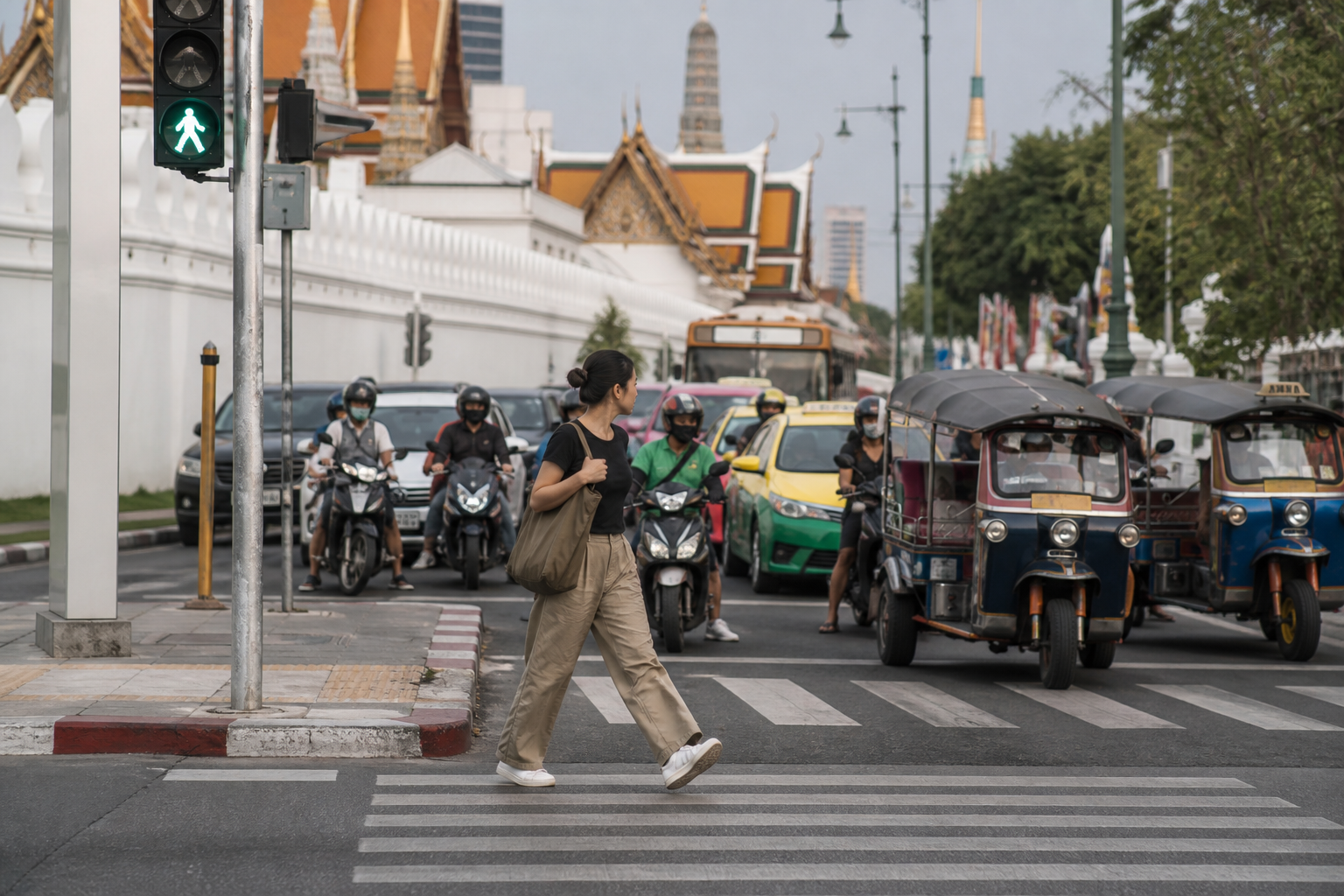
Thailand’s roads require constant attention, especially around motorbikes, taxis, tuk-tuks, and busy crossings. Traffic signals and marked crossings do not guarantee that every vehicle will stop, so look in every direction before stepping into the road.
Take extra care at night and in crowded areas, where visibility and traffic patterns can change quickly. A cautious pace and attention to vehicles approaching from either side are more useful than assuming the road is clear.
Choose Secure Accommodation
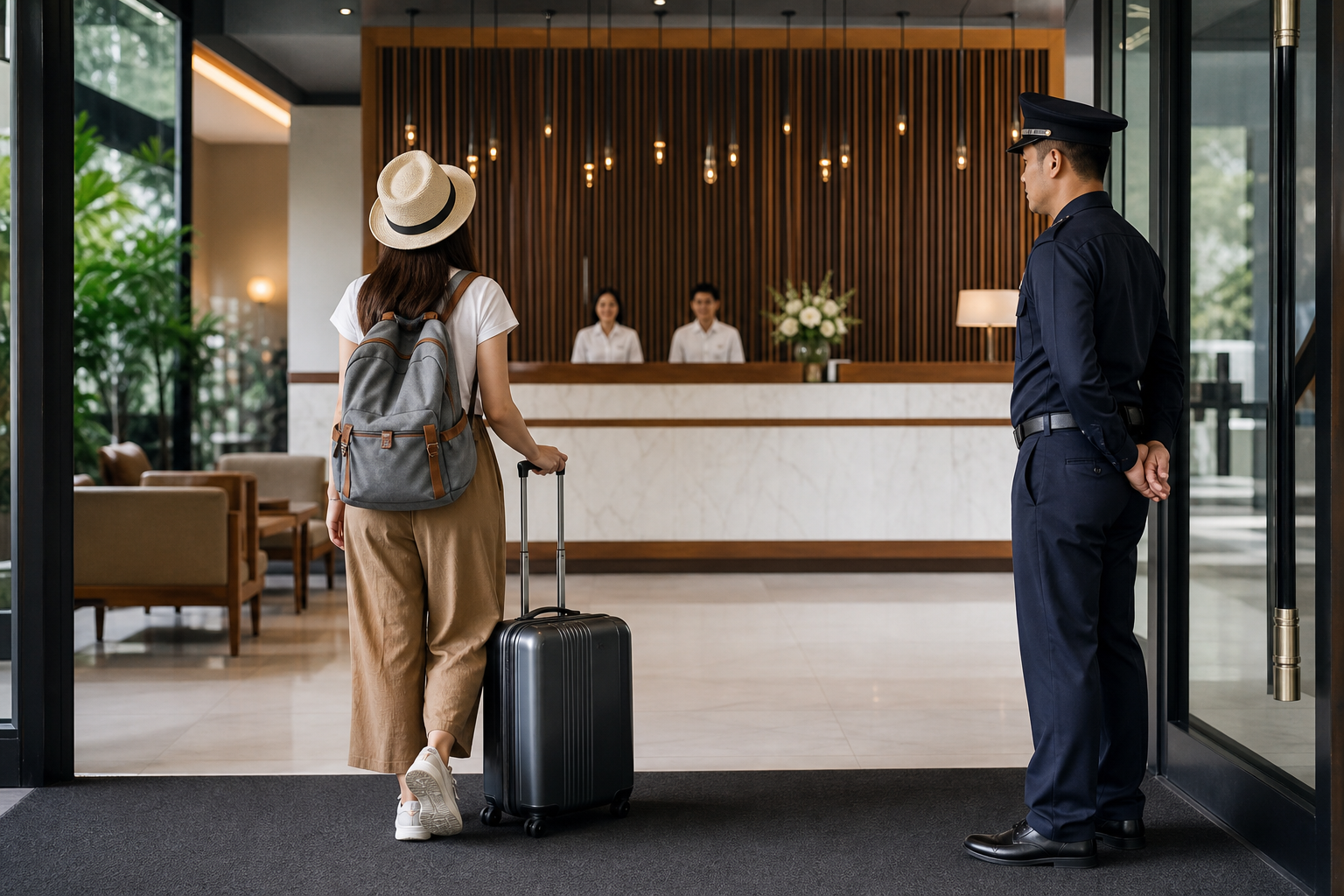
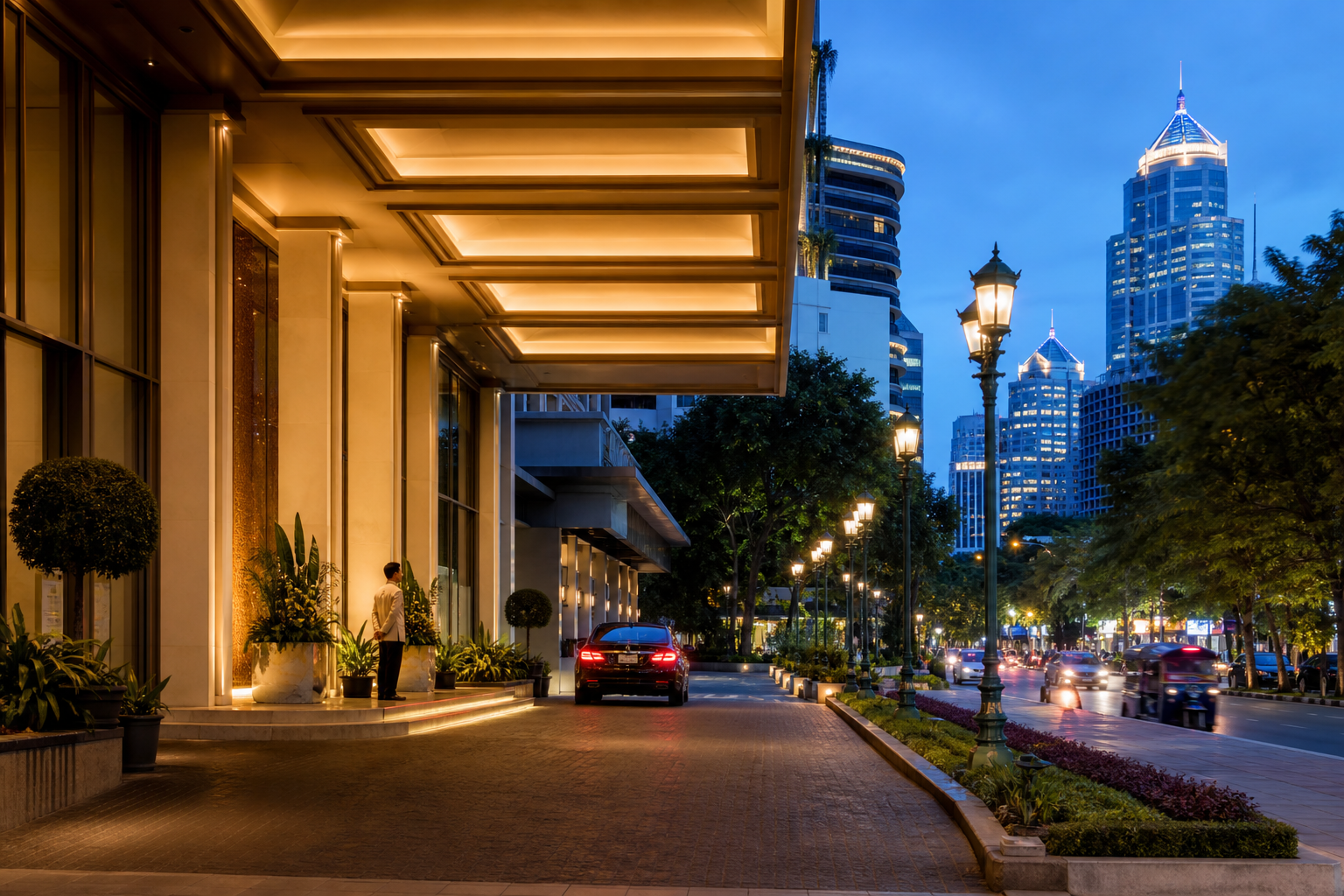
Accommodation is one area where paying slightly more can improve safety, cleanliness, and peace of mind. Hotel promotions can sometimes bring three- and four-star rooms close to the price of the cheapest available options.
Consider the surrounding area as well as the room itself. A well-lit location with convenient access to main roads, shops, and transport is generally more practical than an isolated property chosen only because it is inexpensive.
Use Visible Routes and Public Transport
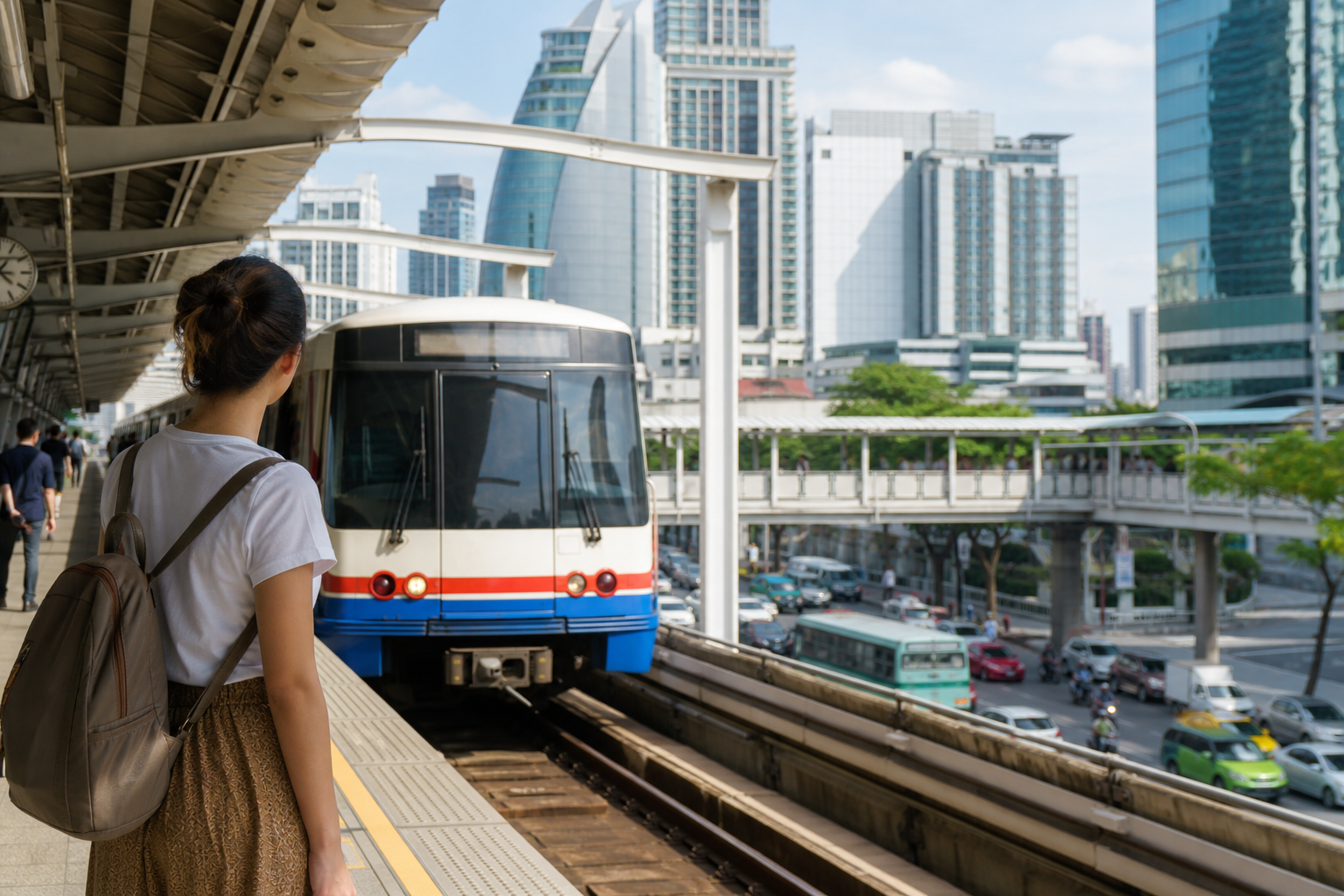
Staying in visible, well-used areas can reduce the risks associated with unfamiliar alleys and hidden districts. This is particularly important when travelling alone or returning after dark.
In Bangkok, heavy traffic can make driving stressful and unpredictable. Public transport is often a safer and more efficient option, provided valuables are kept secure and normal precautions are used in stations and busy vehicles.
Avoid Tourist Scams and Unofficial Guides
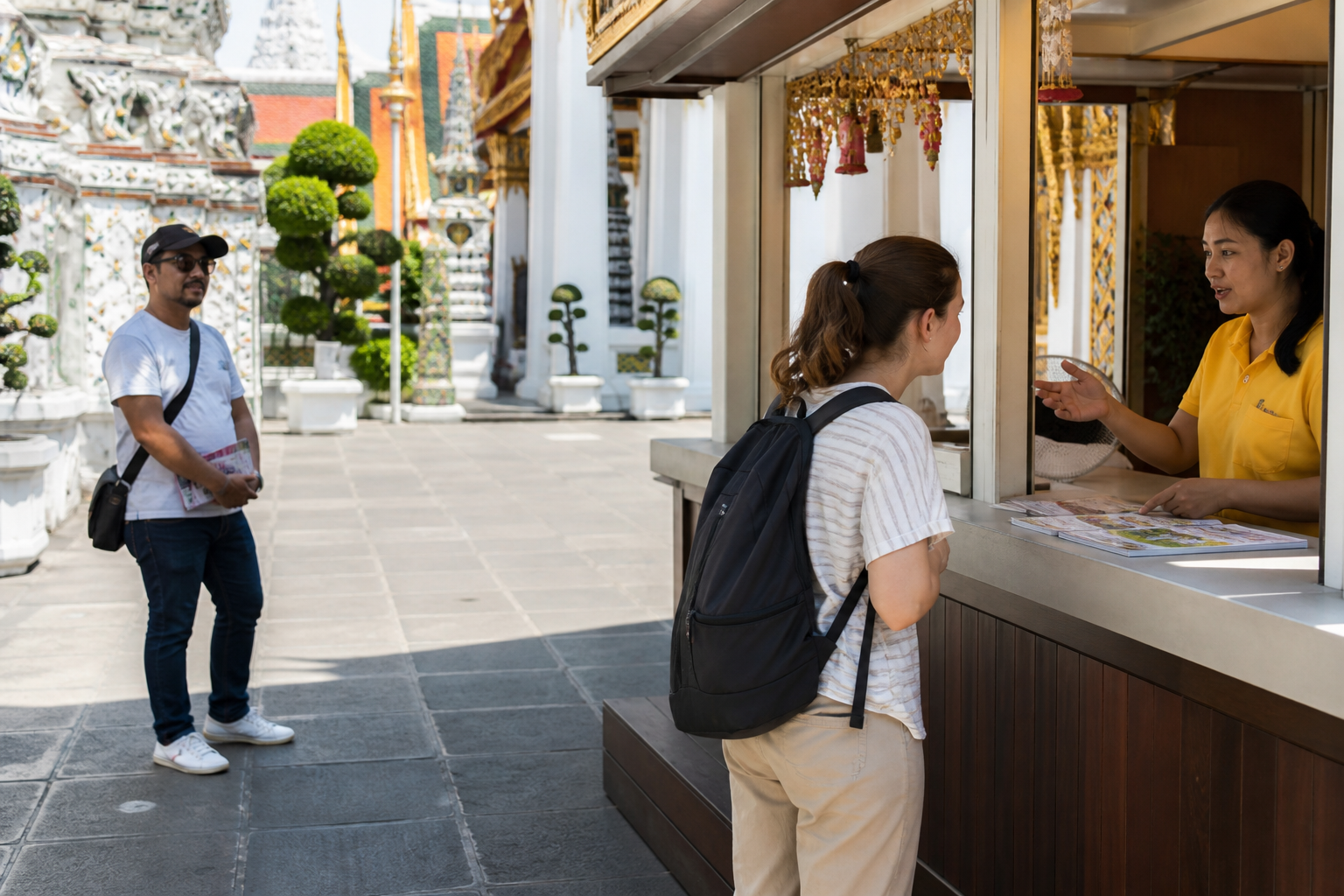
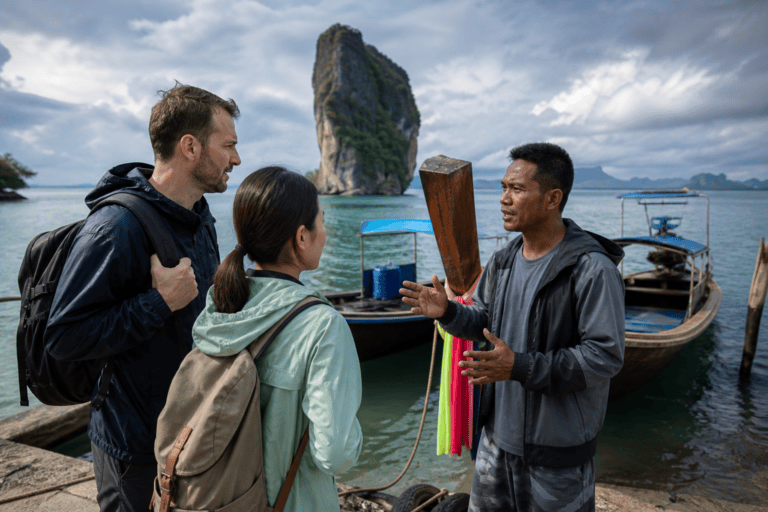
Visitors may encounter people near temples, historic attractions, and nightlife areas who offer unsolicited tours or claim that a destination is closed. These offers can lead to inflated prices, unnecessary detours, or other scams.
Check information with the attraction’s official staff, your hotel, or a reliable transport counter before accepting help from a stranger. If an offer feels pressured or unclear, politely decline and continue with your plans.
Drink Responsibly and Respect Private Spaces
Alcohol can affect judgement quickly, particularly when mixed drinks are stronger than expected. Know your limits, keep track of your drink, and arrange transport before leaving a nightlife area.
Respect privacy and local rules when taking photographs or video. Some places restrict cameras, and filming private spaces without permission can create serious problems. The same caution applies to trying unfamiliar foods: unusual dishes should not be treated as a challenge or a reason to ignore basic personal safety.
Protect Documents and Valuables
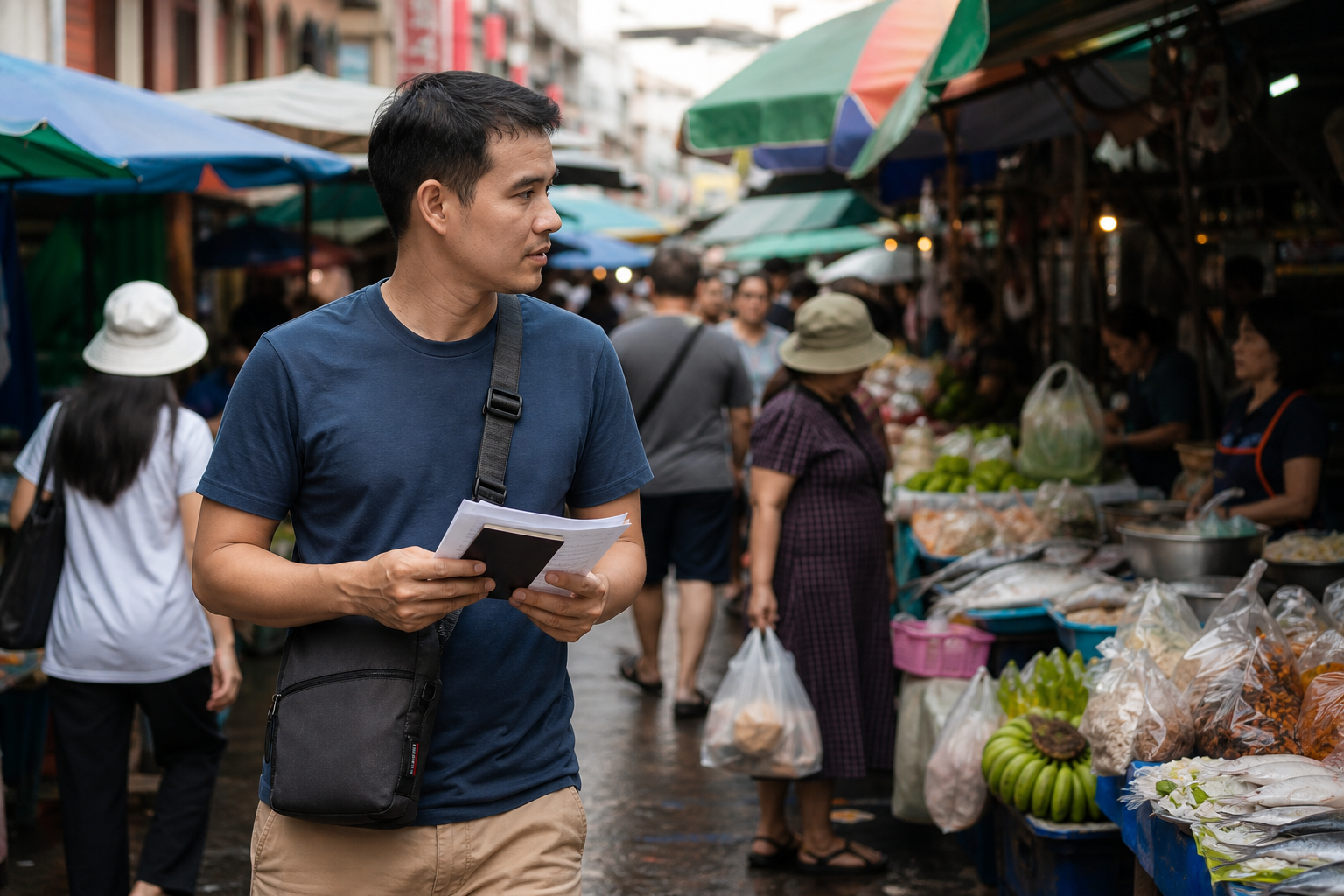
Keep a copy of your passport and important travel documents with you, while storing the originals securely when they are not required for official business. A copy can be useful if an identification detail is needed without carrying the original everywhere.
Phones, cameras, laptops, wallets, and cash need extra attention in crowded markets and transport areas. Secure them before entering busy spaces, and stay calm when dealing with persistent vendors or drivers; a polite refusal and a move toward a busier area is usually the simplest response.
Thailand Safety Guide: Everyday Habits for Visitors
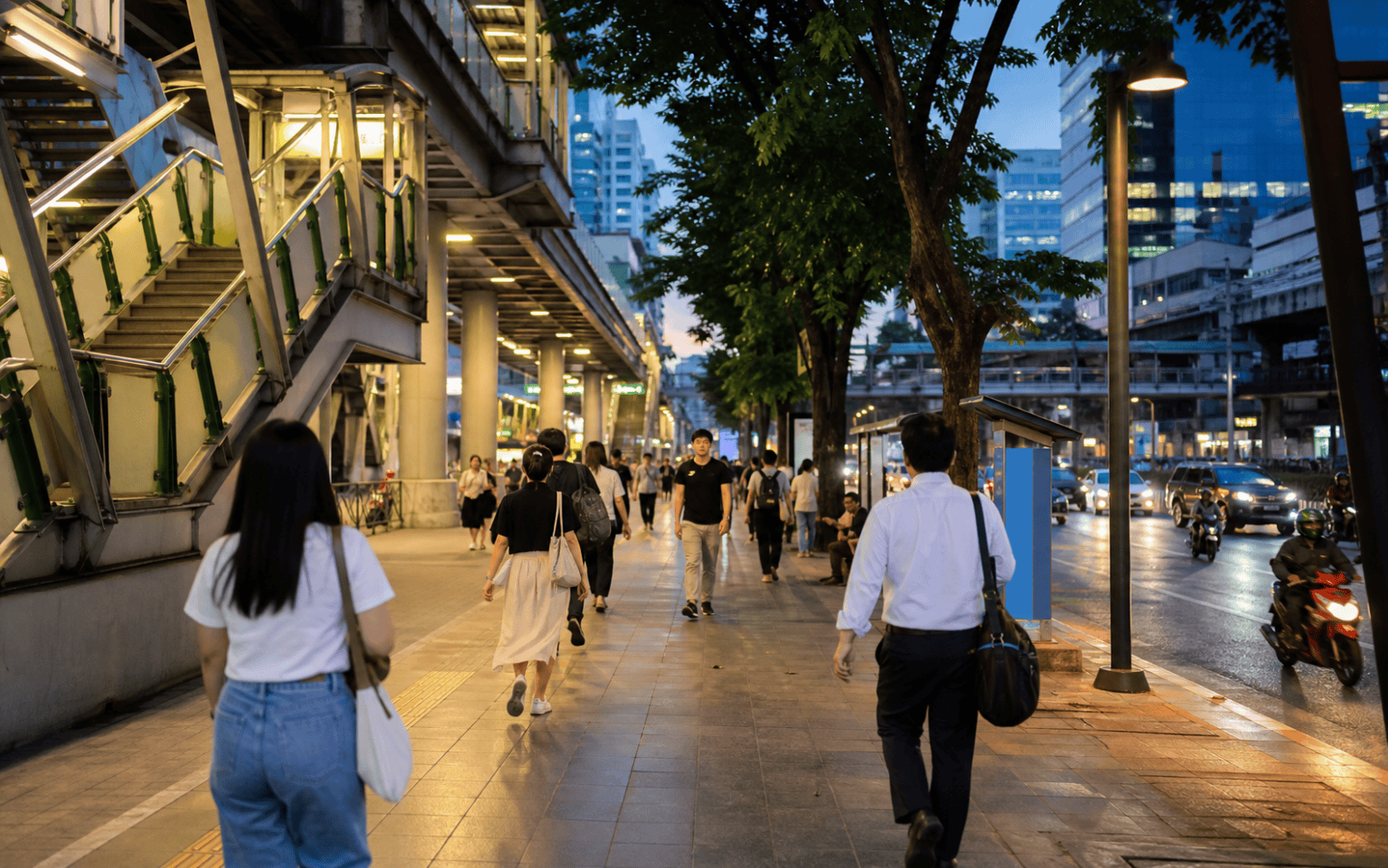
Thailand can be an enjoyable destination, but visitors should use the same practical awareness they would use anywhere. Keep your passport and payment cards secure, use a small amount of cash for everyday spending, and keep copies of important documents separately.
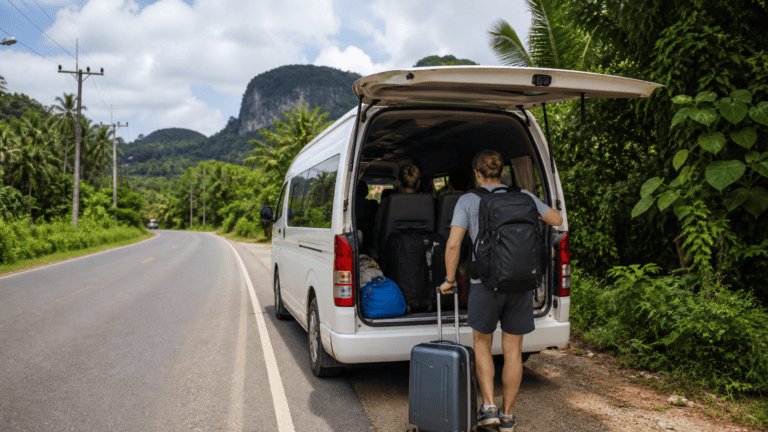
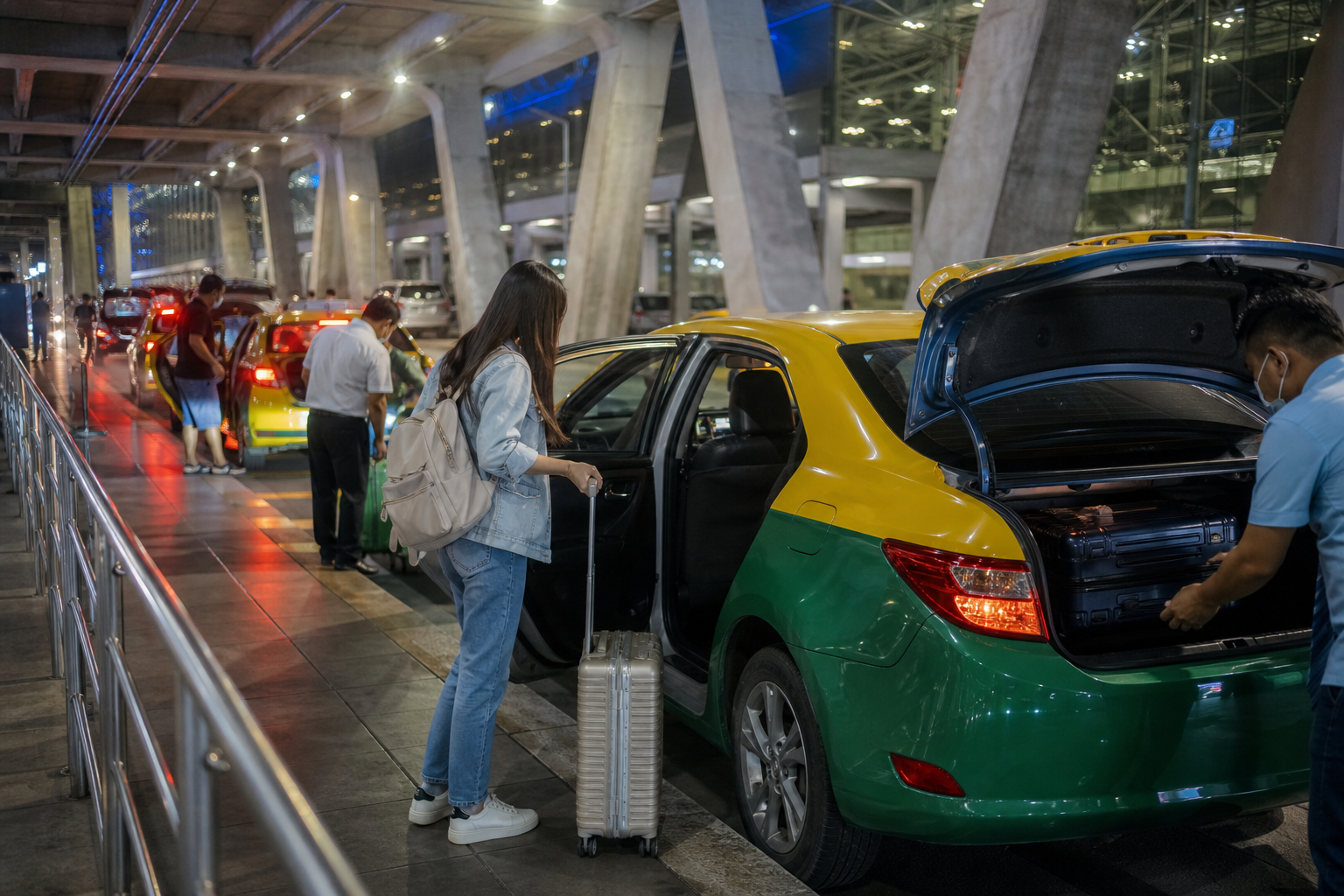
Use licensed taxis, official transport desks, and reputable booking channels. Be cautious with unsolicited offers, pressure to buy, and invitations to follow someone to a different shop or venue. If a situation feels wrong, leave calmly and ask staff or local authorities for help.
Thailand Rainy-Season Travel: Weather and Practical Precautions
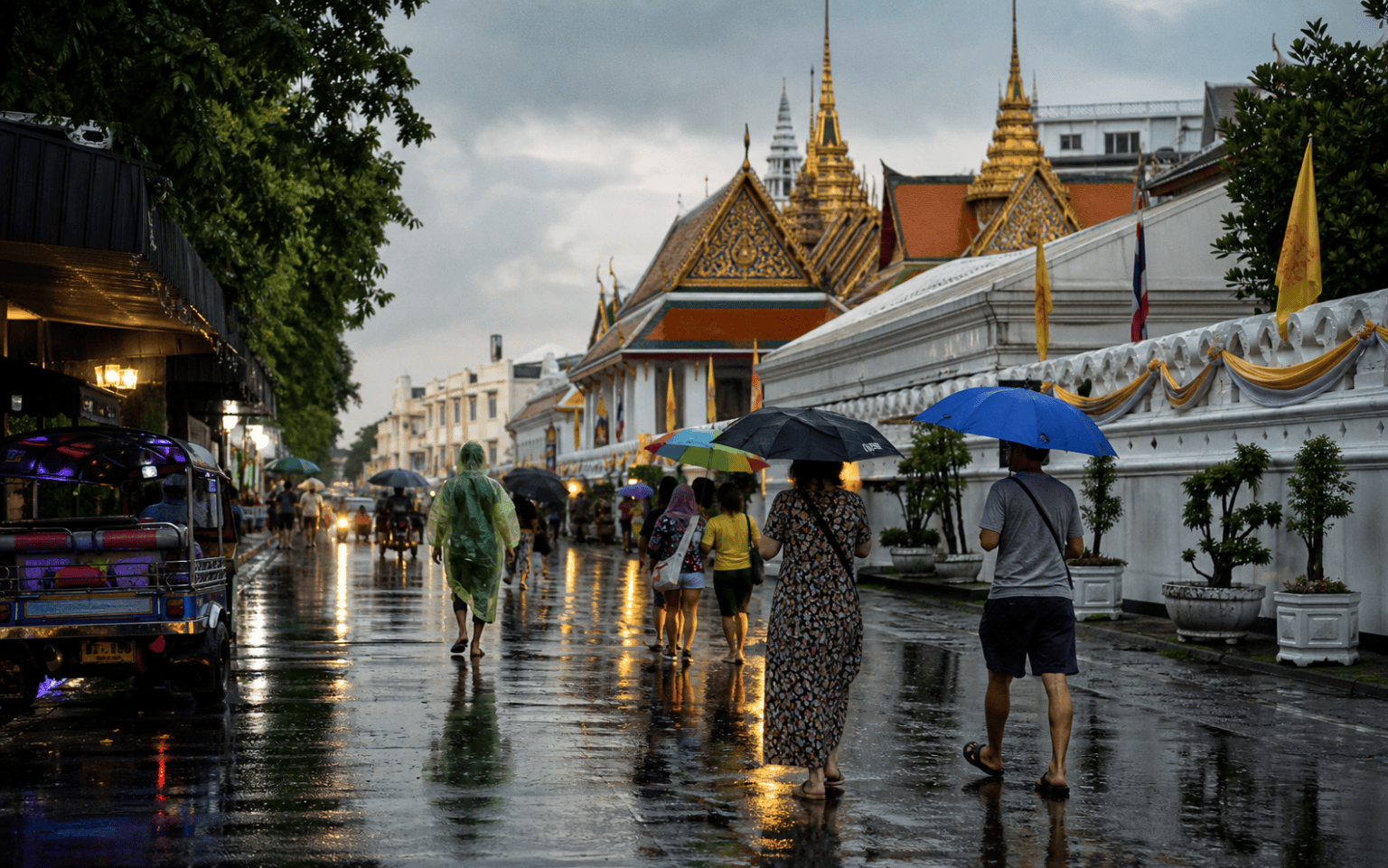
August and September can bring frequent rain in Bangkok and other parts of Thailand. A shower does not usually prevent a trip, but it can change walking times, traffic, and outdoor plans.
Carry a light waterproof layer, protect electronics in a sealed bag, and allow extra time for road journeys. Check the forecast before heading to a park or viewpoint, and choose indoor museums, malls, or cafés when heavy rain makes outdoor activities uncomfortable.
Lumpini Park and Bangkok Public Spaces: Enjoying the City Responsibly
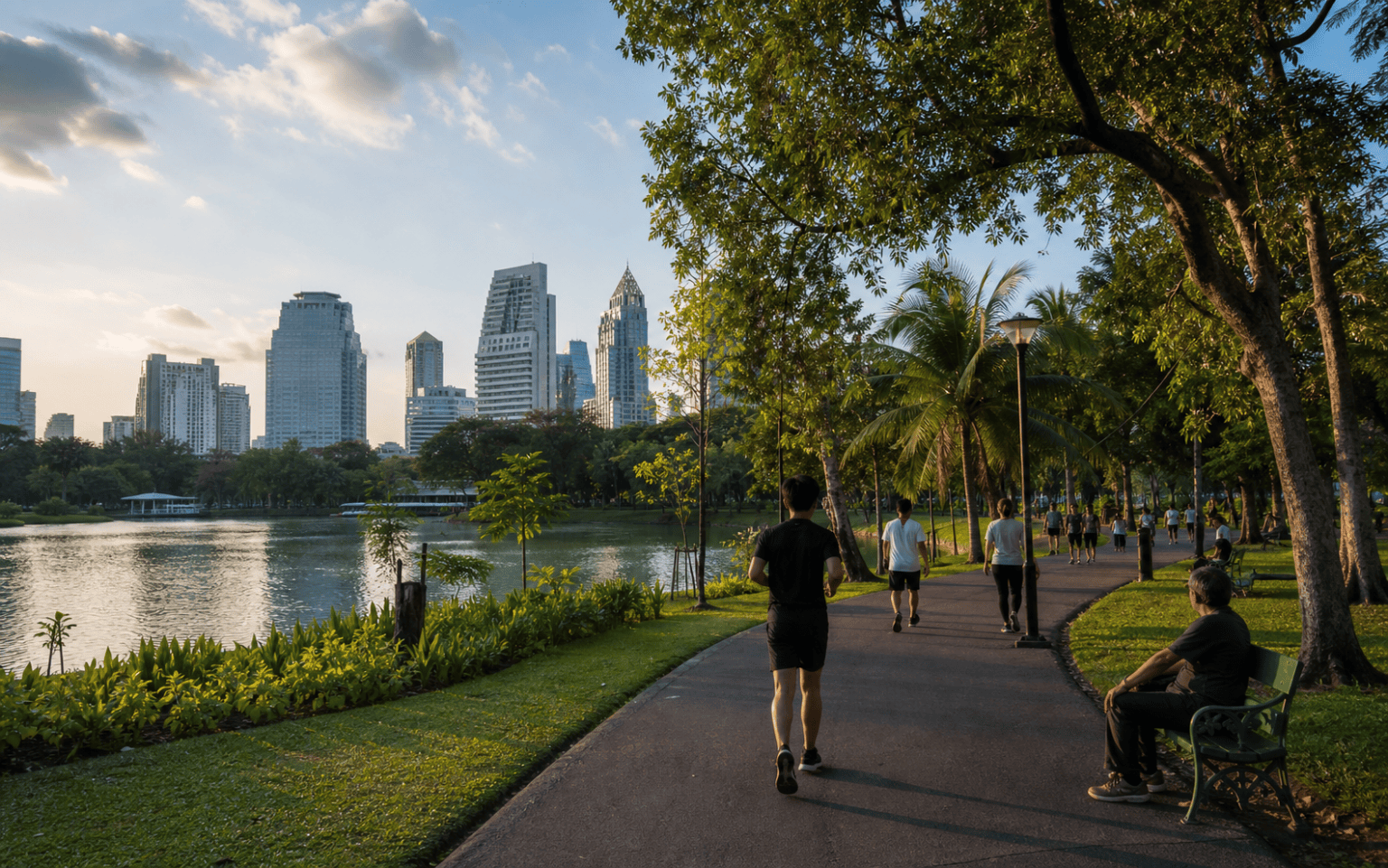
Lumpini Park is a useful place to slow down between city activities. Visitors can walk, sit, and enjoy the greenery, but should follow posted rules, stay on appropriate paths, and avoid feeding wildlife.
Bring water, protect yourself from sun and rain, and be considerate around cyclists and other park users. During maintenance or construction, follow barriers and staff instructions rather than entering closed areas.
Wallets and Lost Property
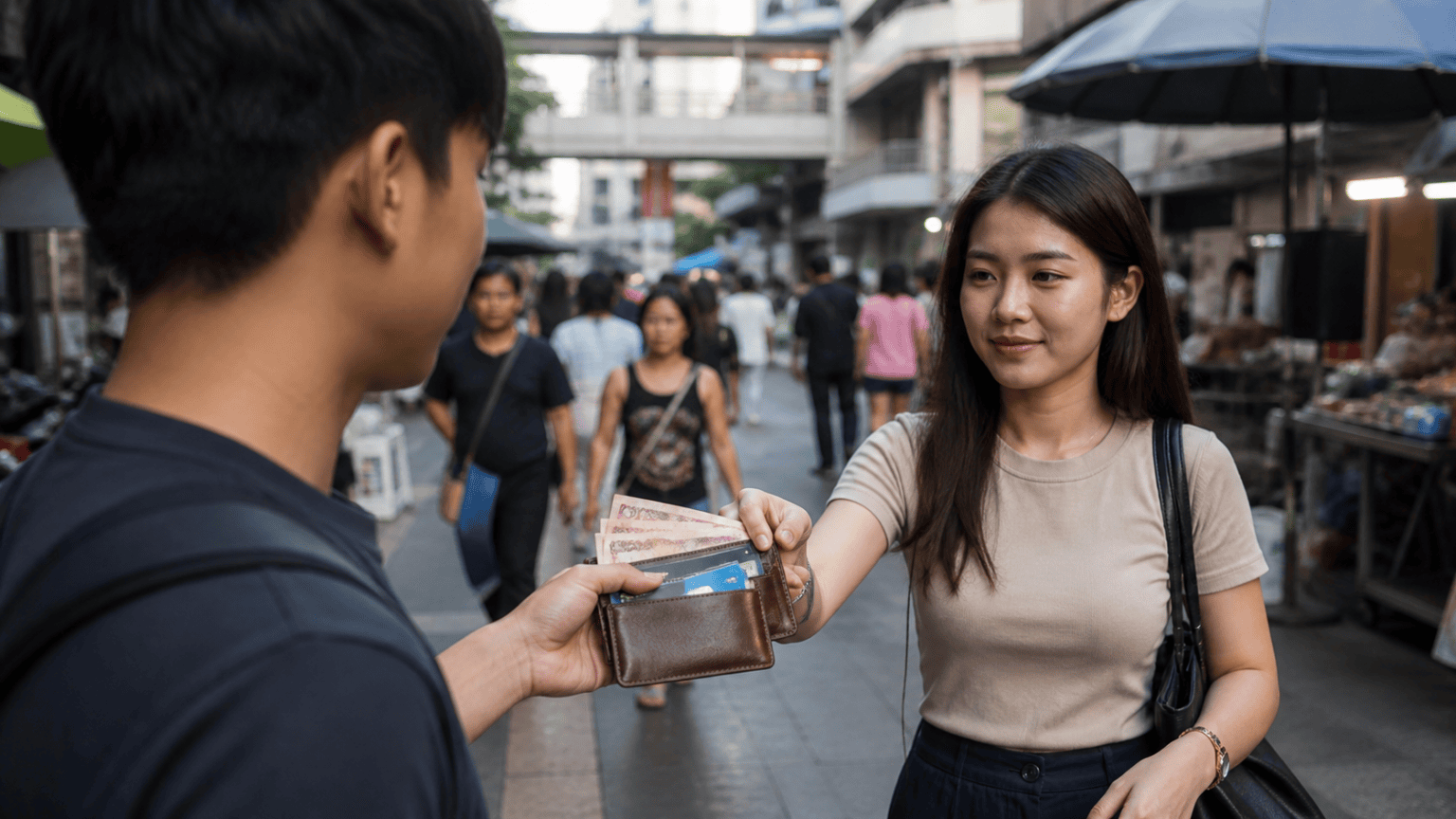
A wallet containing 3,000 baht, a BTS card, an MRT card, and a food court card was left in a busy walking street as a test. A woman noticed it, called out, picked it up, and returned it despite the crowded weekend conditions.
Lost property may be returned, but this should not be treated as a guarantee. Keep wallets, cards, phones, and cash secure in crowded streets and do not repeat staged tests with valuable belongings.
Taxi Drivers Returning Valuables
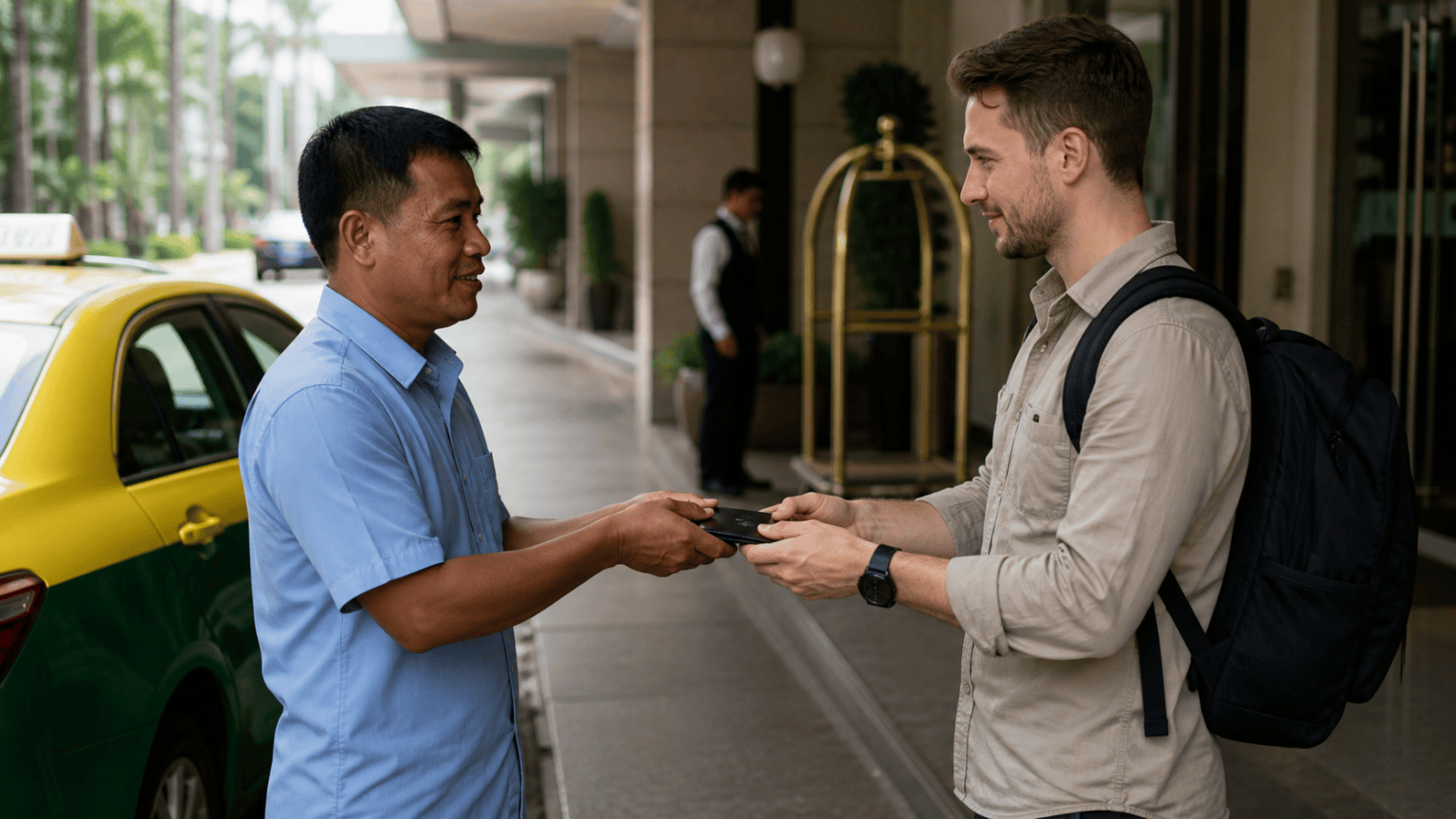
One lost wallet was left in a taxi after a disagreement about the fare. The driver returned about two minutes later with the wallet, which contained more than 6,000 baht and credit cards.
On another occasion, a forgotten iPhone was returned to a hotel the next day by the taxi driver. These experiences show examples of honesty, but travellers should still check the taxi, keep receipts, and use normal precautions with money and electronics.
Leaving Items to Hold a Place
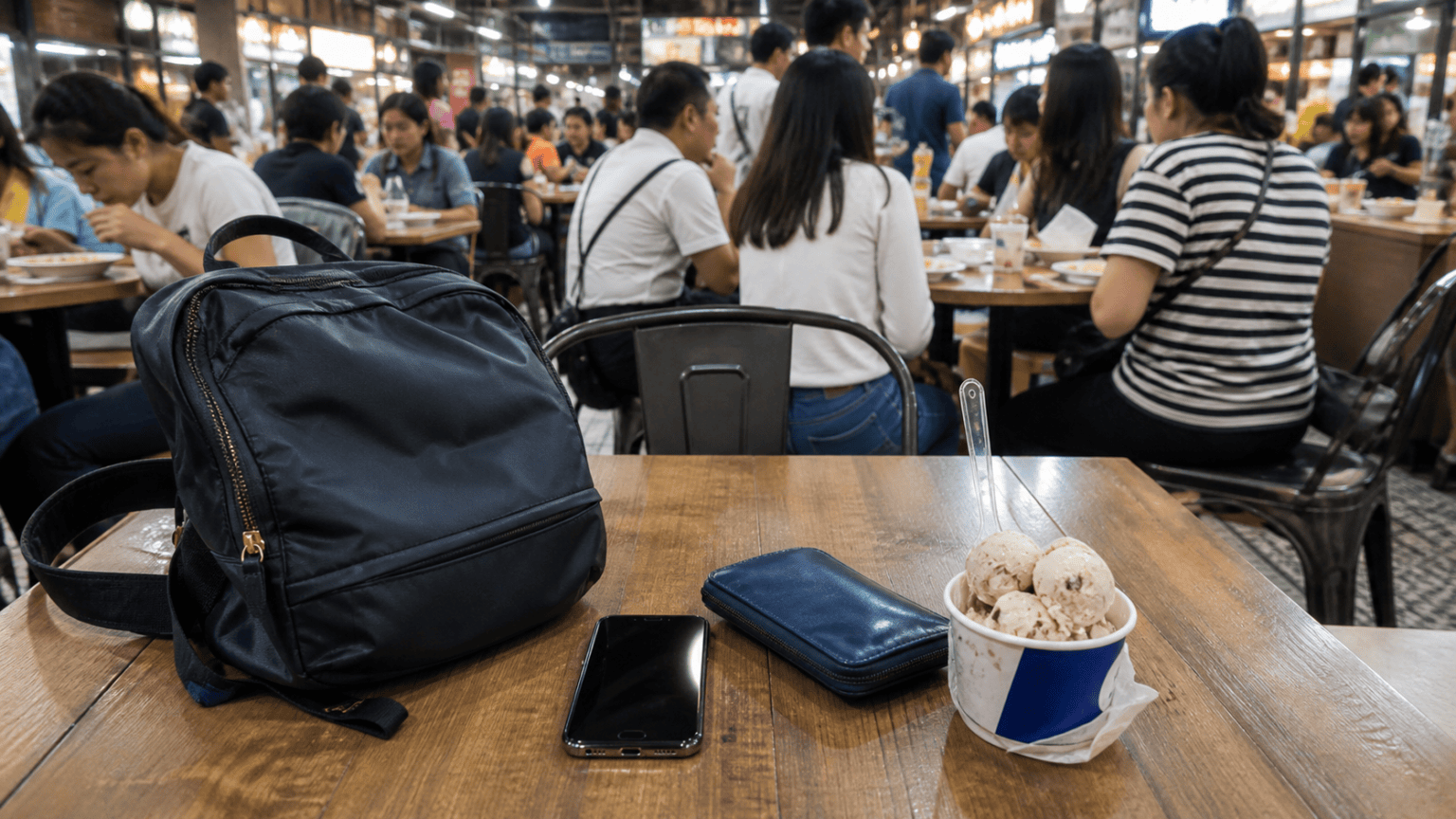
In busy Thailand food courts, people sometimes leave belongings on a table while they buy food or wait for their turn. A laptop and phone were left on a McDonalds table for about ten minutes while an ice cream was collected, and the items were still there afterward.
The same practice can be seen when people leave belongings to reserve a place in crowded areas or at the Metro. It is not a safe practice for every situation, so keep valuable items with you whenever possible and follow the rules of the venue.
Secure Scooter and Bike Parking
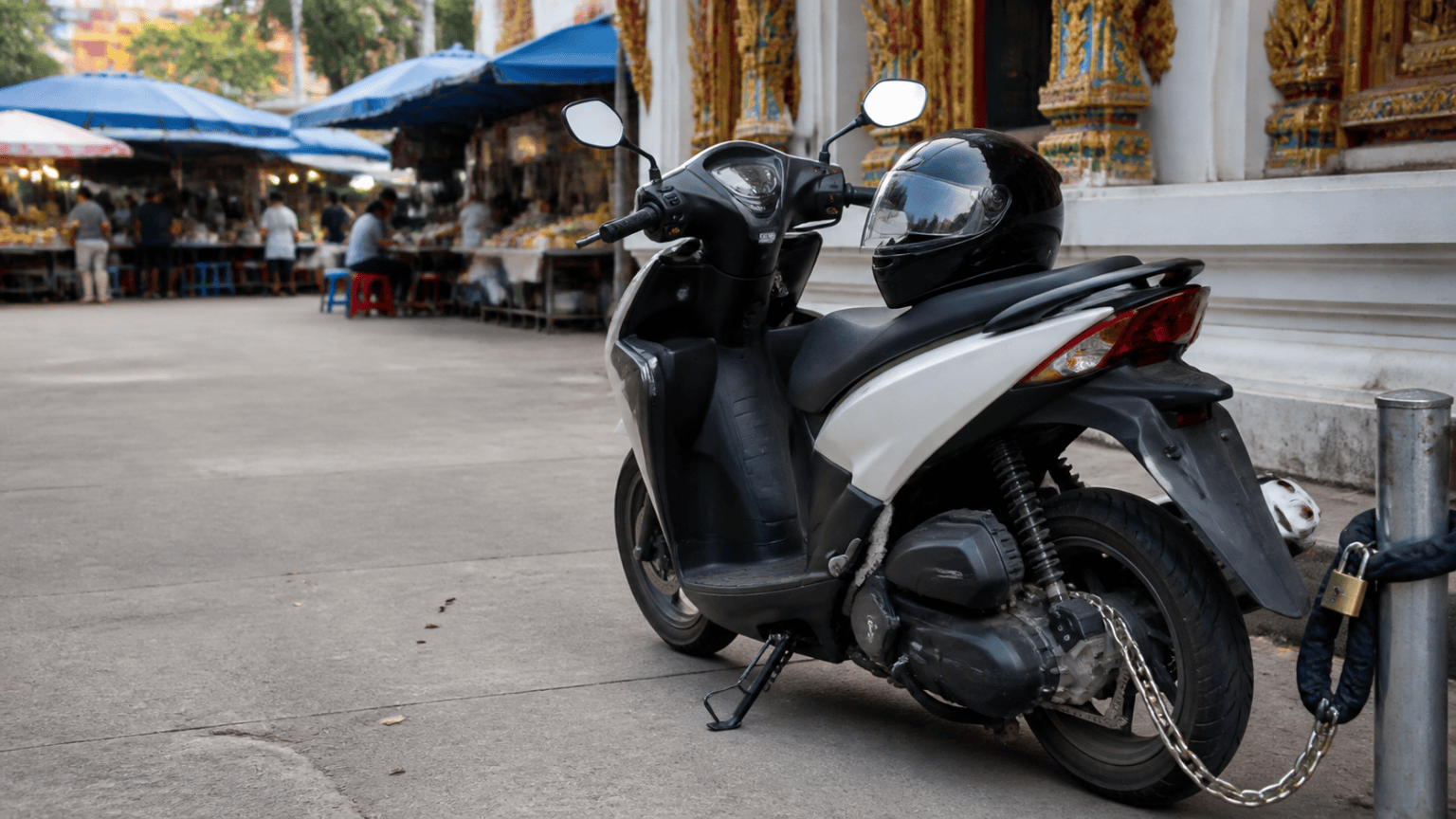
A scooter was left outside while shopping at a nearby market, and it was still there after about 30 minutes. Short local trips often involve parking scooters, bikes, or bicycles outside malls and markets.
Unattended vehicles can still be stolen. Lock the scooter or bicycle, use a recognised parking area, remove valuables, and do not assume that an earlier safe experience means the vehicle will always be safe.
Condo Delivery Drop Off
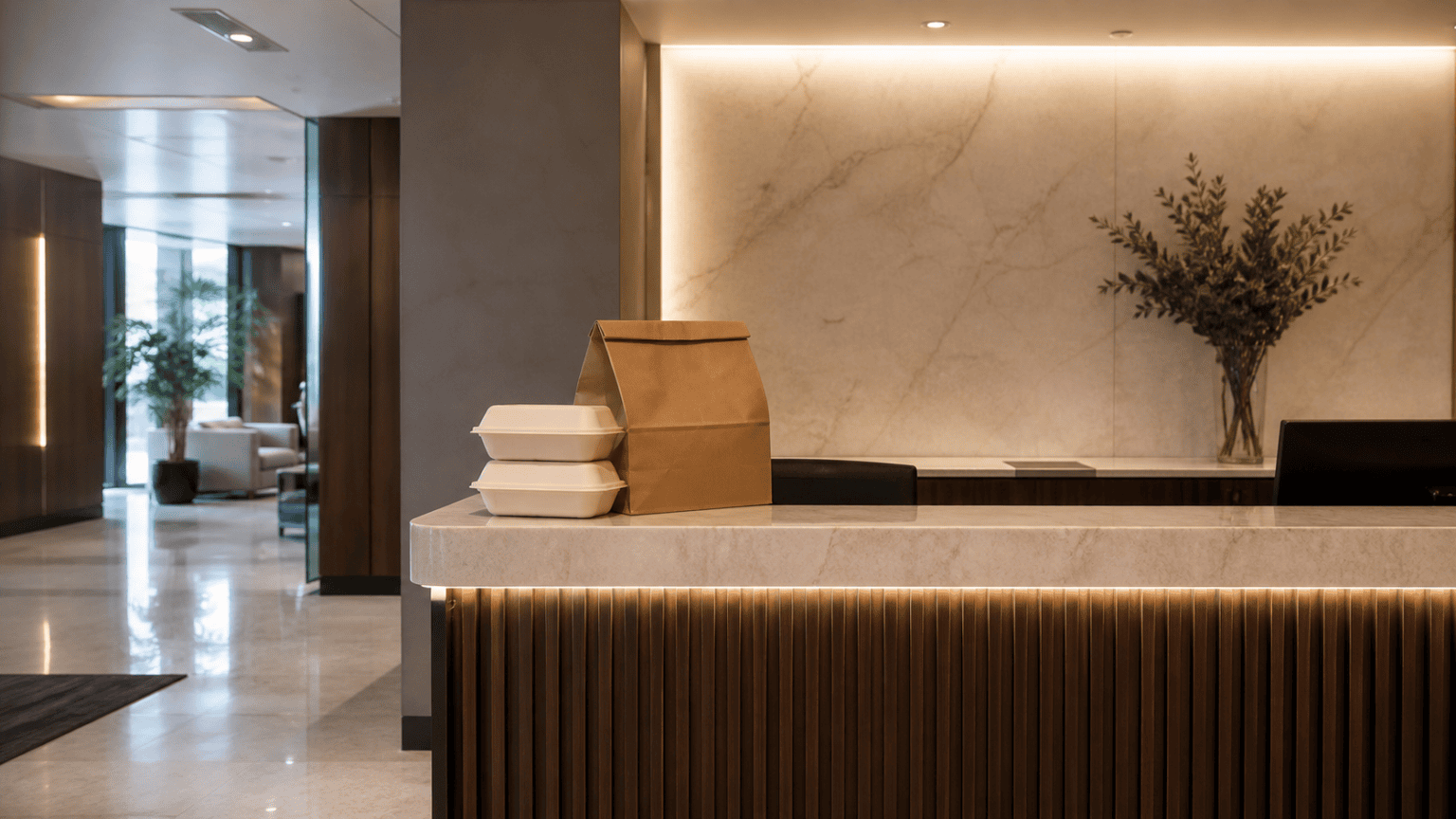
Delivery workers may leave packages at the front office, reception, or a designated drop point in a condominium. In some buildings, an order can remain there for a long time without being touched, and food can wait at the delivery point until the resident collects it.
Building access and security differ, so use the designated delivery area, check the order promptly, and do not leave valuable goods unattended for longer than necessary.
QR Payments and Self Service
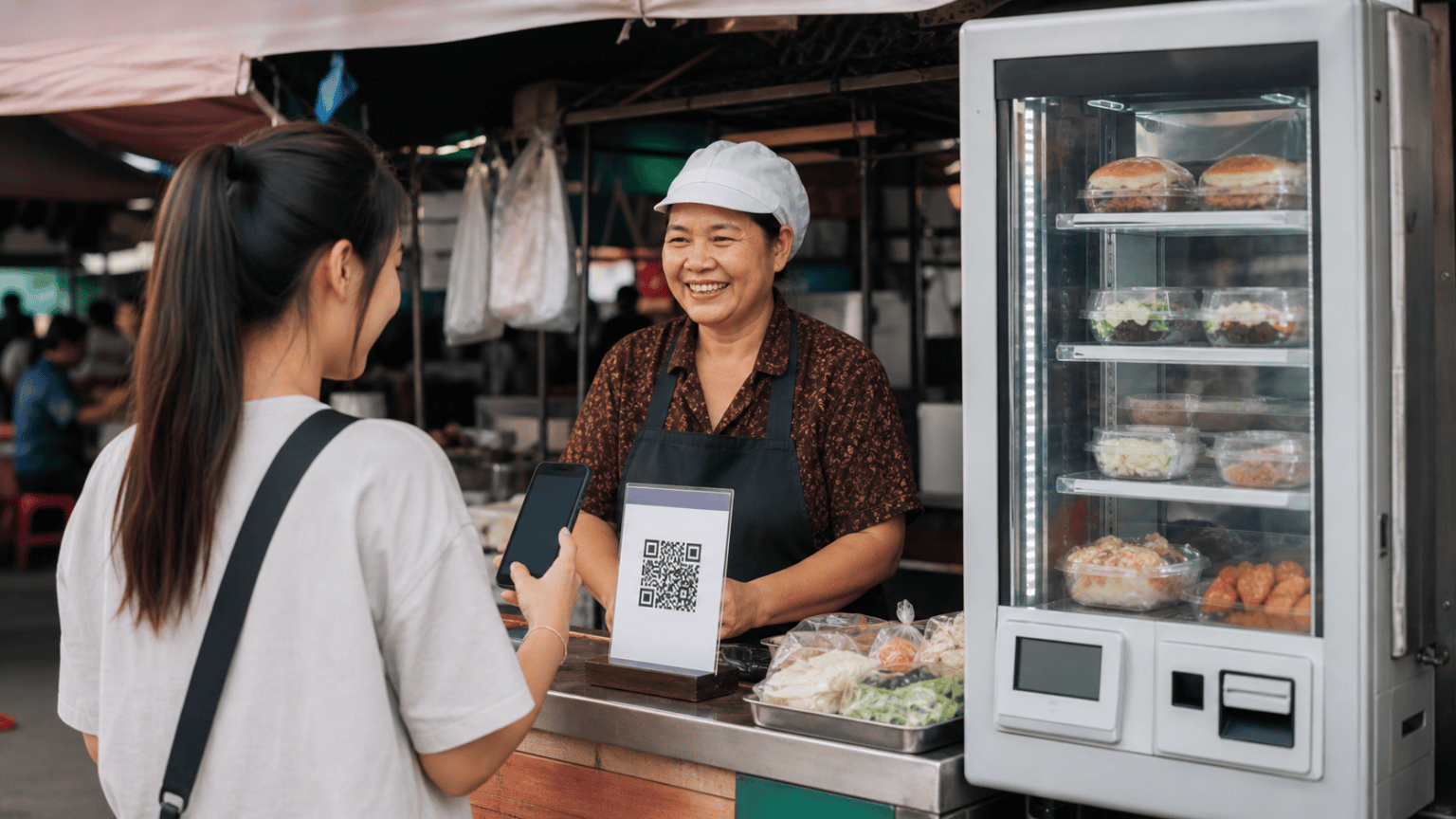
People with a Thai bank account can pay for many things by scanning a QR code from a phone. Some street-food vendors are busy preparing food while customers pay, so customers should check that the amount is correct and complete the payment honestly.
7-Eleven stores and other locations also use self-service machines for coffee, ice, and other services. Self-service systems depend on customers making the correct payment. Secure payment is convenient, but check the total and keep proof of payment when needed.
What Safe Travel Means in Thailand
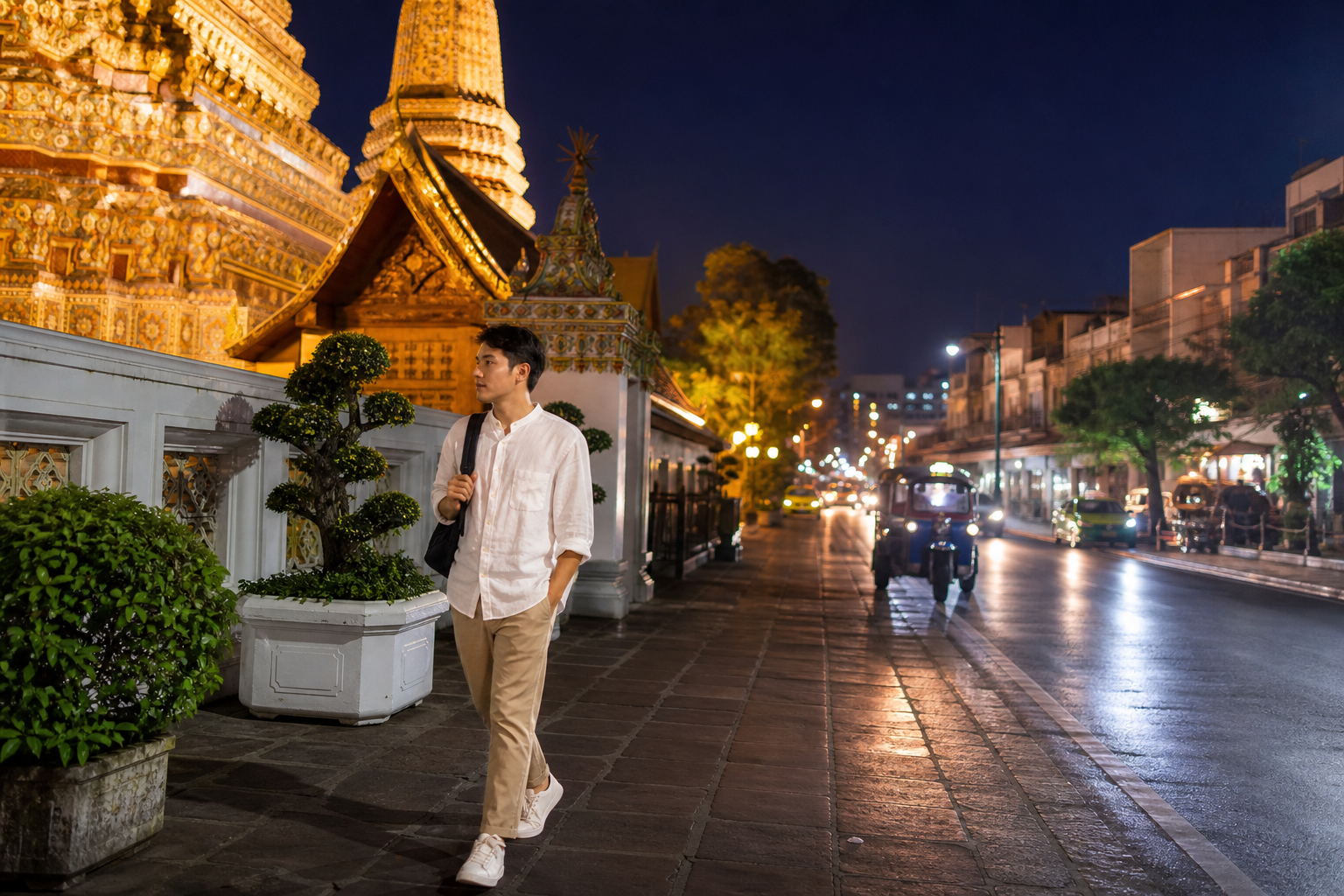
The first thing that comes to mind while travelling is whether a country is safe, especially when travelling for the first time. For me, the main point of a safe country is being able to wander around, enjoy the culture and food, and do everything without fear of being robbed, scammed, or facing something worse.
This account is based on ten years of living in Thailand and conversations with many tourists. Thailand is safe, including for solo and inexperienced travellers, but the usual precautions still matter.
First Arrival and Bangkok Experience
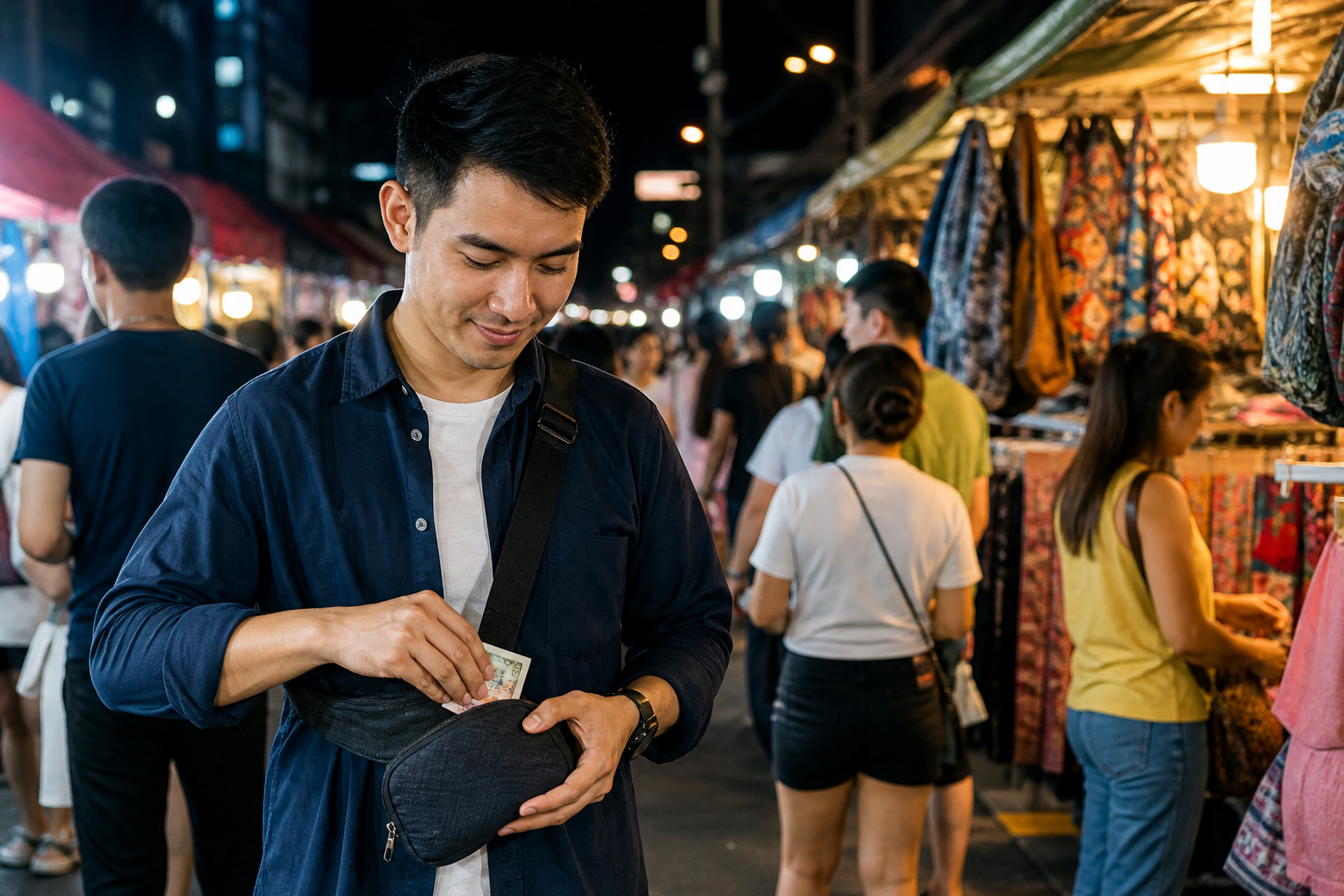
When I first decided to visit Thailand as a tourist in 2012, I had no idea what was waiting for me. It was an Asian country with a new culture and a big, dark, and mysterious city in Bangkok. Advice from people and information on the internet said to be careful, not trust anyone, avoid going everywhere, not stay out late, stay with company, avoid unsealed bottles, and protect personal belongings.
After hearing all those warnings, I still travelled but took precautions. My flight arrived at Suvarnabhumi at around 10 pm. I walked towards immigration with my backpack in front of me, looked around carefully, passed immigration, and took a pre-booked taxi to the hotel. Once I reached the streets, the traffic, crowds, street food, massage parlours, music, and vendors made me forget almost everything I had heard.
Lessons From Bangkok, Phuket, and Patong
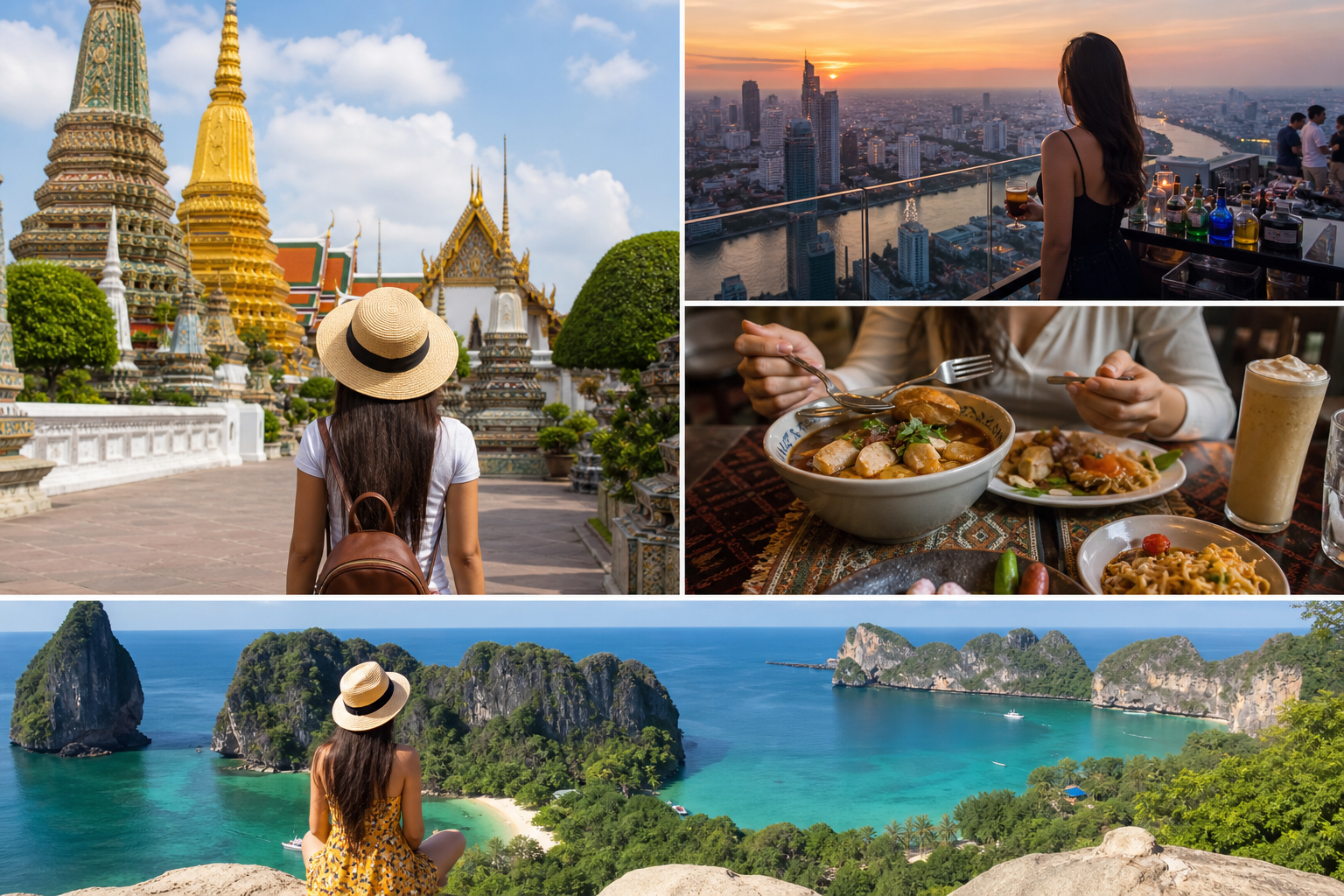
I spent four days in Bangkok exploring landmarks, restaurants, sky bars, nightlife, and more. After that I flew to Phuket and stayed in Patong, where I took island trips, visited walking streets, bars, pubs, and nightclubs, and ended up sunburned in the hotel.
Was everything safe? The answer was yes and no. I spent a lot, was scammed, was misguided, and had other problems, but those things happened because of my own decisions and not because Thailand is automatically unsafe. After ten years in the country, I have concluded that Thailand is safer than many first-time visitors think.
Stay in Known Areas and Use Your Instincts
Stay in a well-known area and choose good hotels, especially when visiting for the first time. Thailand is safe in many places, but a good area and hotel can make the trip easier and reduce unnecessary worry.
Be wise and use your instincts. Do not rush, do not carry a lot of cash, and remember that not everyone around you is friendly. These simple habits can prevent many problems wherever you travel.
Manage Cash, Alcohol, and Nightlife
Have fun at parties, but know when and how to end the fun. You can stay out late and wander around, but always know your limits. Do not get drunk, and do not try to be a hero by exploring situations that could put your safety at risk.
Bangkok can remain active late at night, but personal limits still matter. Keep track of your belongings and spending, and make decisions that allow you to return to your hotel safely.
Respect Thai Culture and Stay Within Your Limits
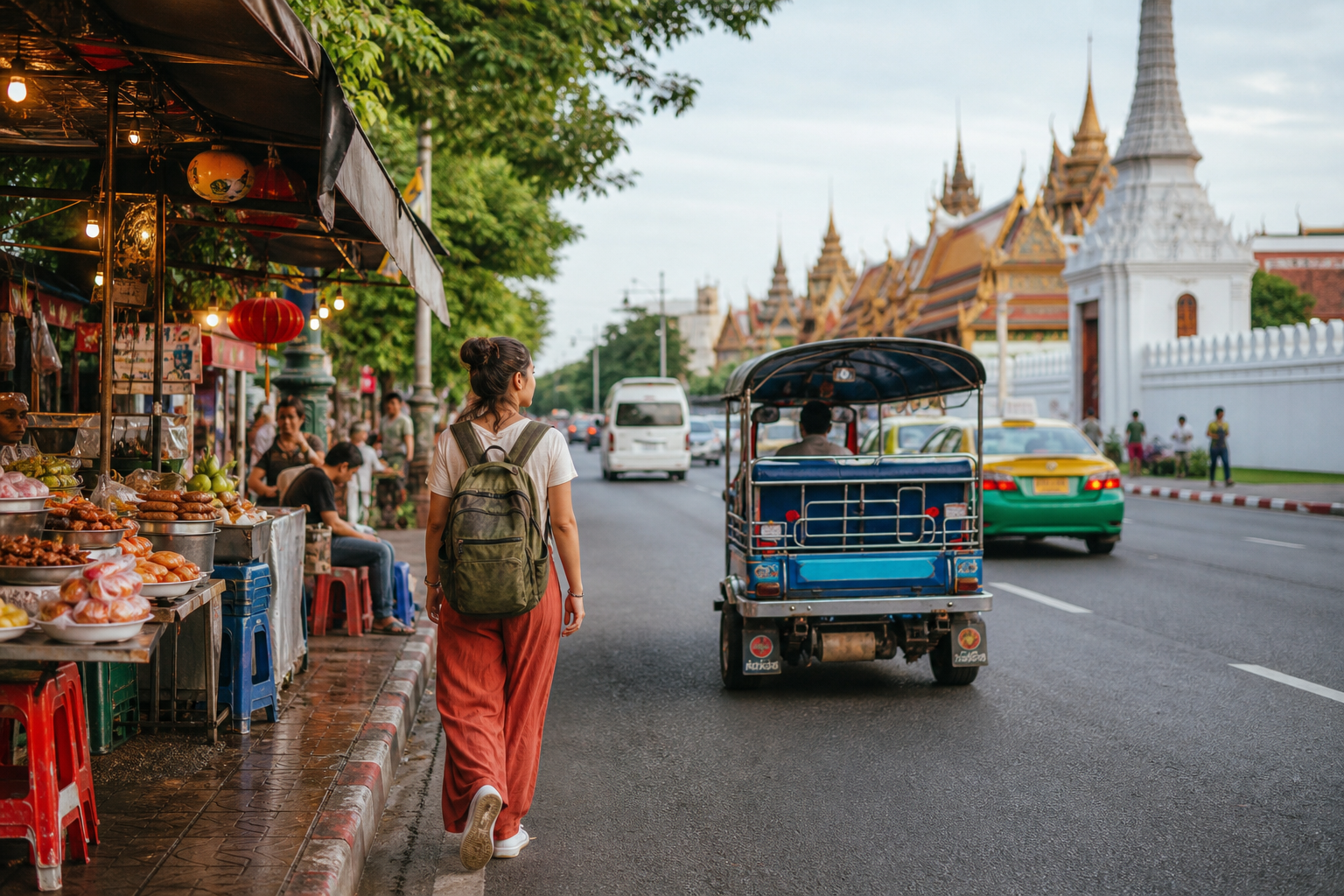
Follow the rules and do not do things that are forbidden. You are in a foreign country, so respect the culture and enjoy it. If you have problems, try to solve them wisely. Be a tourist, but do not become an annoying or nagging person wandering around.
I have lived in Thailand for ten years without serious trouble, being badly scammed, or risking my life because I know my limits and behave sensibly. Visitors are likely to feel the same unless they are looking for trouble or lose control.
Stray Dogs and Cats In Bangkok
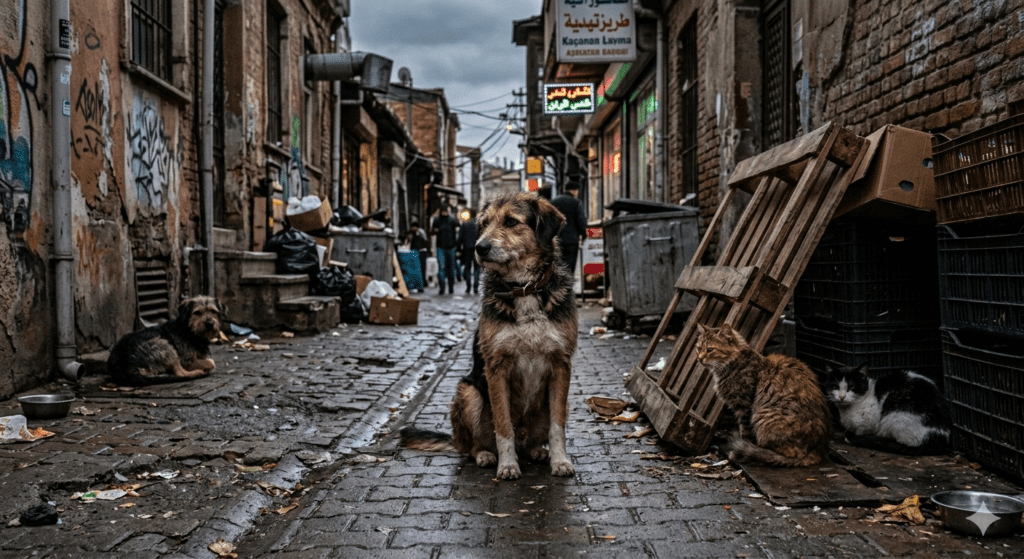
Stray dogs, known as “soi” or street dogs, are very common in Bangkok and other cities around Thailand. They’re generally fairly relaxed, but it’s a mistake to approach or pet the dogs. They can get aggressive or attack randomly. If you encounter an aggressive stray dog, you should always stay facing the dog and slowly back away. Normally, the dog will stop following you once you move far enough away from its perceived territory. Never run. If you run, the dog may instinctively chase and bite you. If you get bit, go to the hospital for prompt treatment in case the dog has rabies. Remember, never pet the dogs, as they may carry a wide range of communicable diseases.
Stray cats are also common. Cats are less likely to carry diseases that are problematic for humans, but scratches and bites can lead to an infection and should be cleaned properly. Any bite does carry the risk of a rabies infection.
Monkeys On Thailand Islands
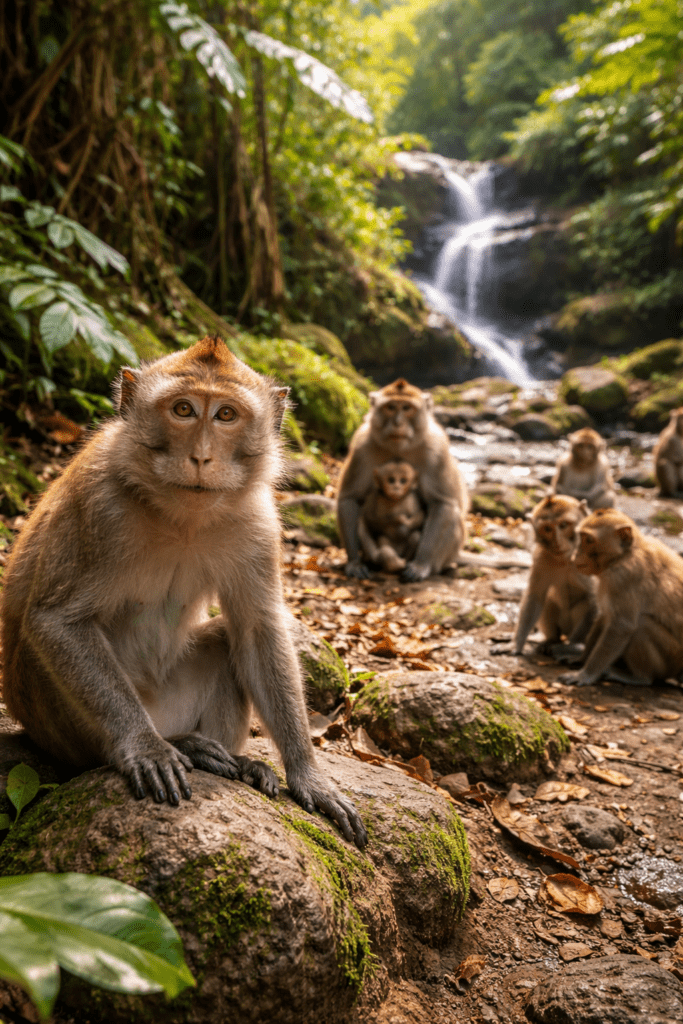
But dogs and cats aren’t the only risk when it comes to animals. Wild macaque monkeys roam the streets in many smaller cities, rural, and island areas in Thailand. Monkeys are famous for stealing belongings from tourists, including expensive phones and cameras. They can become aggressive, especially if they’re hungry. “We’re just walking out of Khao Takiap and we were attacked by some monkeys. You got to be careful here.” If you’re in an area with monkeys, be very cautious. Never leave your valuables unattended or hanging loosely around your neck, and be especially cautious with smaller children.
Snakes Can Be Found In Thailand
Monkeys can be troublesome, but when it comes to physical safety, snakes can pose a much greater risk. From pythons and pit vipers to cobras and poisonous tree and sea snakes, Thailand has over 200 different species of snakes. They can be found in both rural areas and built-up cities like Bangkok. Fortunately, most snakes in Thailand prefer to avoid people. Your main risk from snakes occurs during rainstorms when snakes may be pushed out of their normal homes below ground or fall out of trees. Disoriented snakes are much more likely to attack in self-defense if they perceive a threat. It’s important to be cautious during or after storms and avoid encroaching on their spaces.
Bangkok has plenty of parks with beautiful trees, but those trees are normally home to the venomous green tree snake. Climbing the trees is not recommended. If you get bitten by a snake, try to remember the appearance of the snake. This will help ensure that health care workers treat you with the correct anti-venom. Get to the hospital quickly.

Sea Creatures
Thailand is famous for beautiful beaches and crystal clear water, but the water is home to yet another danger: the box jellyfish. Box jellyfish like to swim along the shore, and you need to stay vigilant when swimming, especially in the islands. Many island beaches don’t have jellyfish nets, and the island of Koh Phangan has the highest rate of box jellyfish stings. The creatures can be hard to spot as they’re nearly translucent and move slowly. If you encounter one, swim away as quickly as possible. The stings are extremely painful, but they can be lethal if the jellyfish is able to wrap around the victim. If you get stung, pour vinegar on the injury and seek medical attention as quickly as possible.
Sea urchins can also be common, though they’re much less dangerous. These are spiny black creatures that sit on underwater rocky surfaces. The spines serve as their primary defense mechanism. If you touch one, the spine will pierce into your skin and break off. This is very painful, and it generally takes weeks for the spines to dissolve.
If you watched the famous Leonardo DiCaprio movie “The Beach,” you may have concerns about sharks. Both the bull shark and tiger shark can pose a threat to humans, but normally they stay in deep water. The overall risk from sharks is low, as even sightings are quite rare. In the off chance that you do encounter a shark, it’s best to avoid any sudden movements or splashing. Don’t turn your back on the shark, and swim slowly backwards without making eye contact.
Mosquitoes and Disease Are A Nightmare During Rainy Season
While sharks definitely elicit a visceral fear, perhaps the greatest danger comes from the smallest and most common creature in Thailand: mosquitoes. These insects can carry a wide range of infectious diseases, including malaria and dengue fever. Mosquitoes are ubiquitous throughout Thailand and are most active around sunrise, sunset, and during the night, especially during the rainy season which occurs from June to October in most of the country. It’s best to wear plenty of insect repellent if you’re out during these times and use mosquito nets if you’re staying in rural areas. Seek prompt treatment if you experience symptoms of malaria or dengue. With over 6,000 cases of malaria each year and up to 100,000 cases of dengue, this is a real risk and a frequent cause for medical treatment for travelers and expats alike.

Food Safety, Especially Street Food
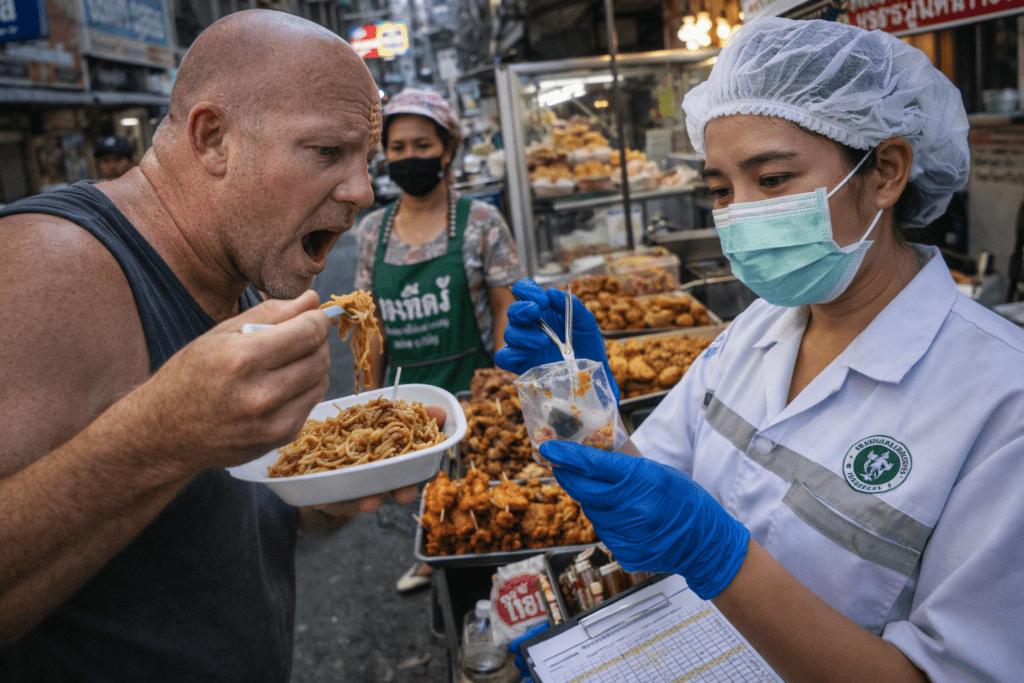
Let’s shift gears and talk a little bit about food safety. You’ll see vendors lining every street and sitting at every corner. These dishes can be very tasty, but also risky, as the food can sit out for a long period of time in the midday sun, an ideal breeding ground for bacteria. It’s normally best to order food that’s cooked directly in front of you, and ideally at a high heat. You should also observe the area around the vendor, including the dishes and utensils. If the dishes are reusable, is there an area with running water where dishes are cleaned with soap? Dishes that are used throughout the day without proper cleaning may give you food poisoning or an upset stomach.
When it comes to food safety, your biggest risk can come from cut fruit and smoothies. Cut fruit is uncooked and may sit out for long periods of time in the heat. Cutting boards or storage areas may not be entirely sanitary, and the water and ice that are used in smoothies may not be clean, especially in smaller island areas. When it comes to choosing a place to eat, it’s best to choose vendors with a high number of customers, as the high turnover normally means that ingredients are fresh with plenty of happy diners. If you get food poisoning, you can visit one of the many hospitals or clinics throughout the country for prompt treatment.
Drink Water Only From Bottles
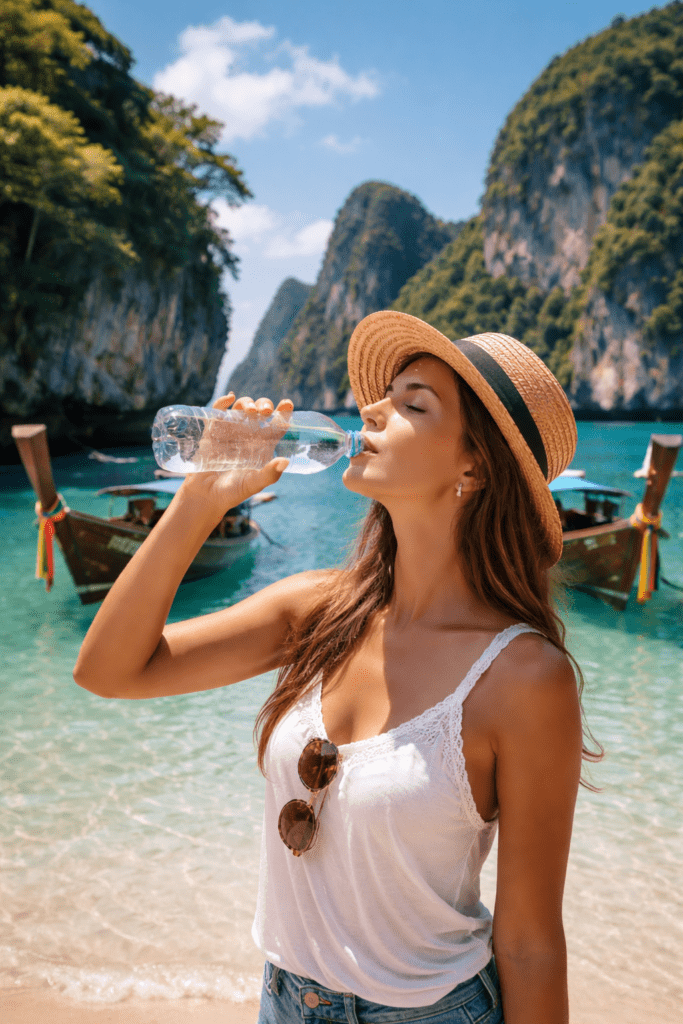
While most food is safe, it’s a mistake to drink the water altogether. Tap water in Bangkok actually passes international standards, but most storage tanks and pipes that supply the water suffer from corrosion, and this causes contamination. Water outside the capital isn’t safe to consume at all. When you’re in Thailand, it’s best to drink bottled water throughout the country or buy a water filtration system for your condo.
In contrast, ice is normally okay, as it’s made with filtered water that gets delivered around the country on a daily basis. However, if you want to play it safe, you should skip the ice as well, especially in island and rural locations.