Moving to Thailand Budget – Setup and Monthly Costs
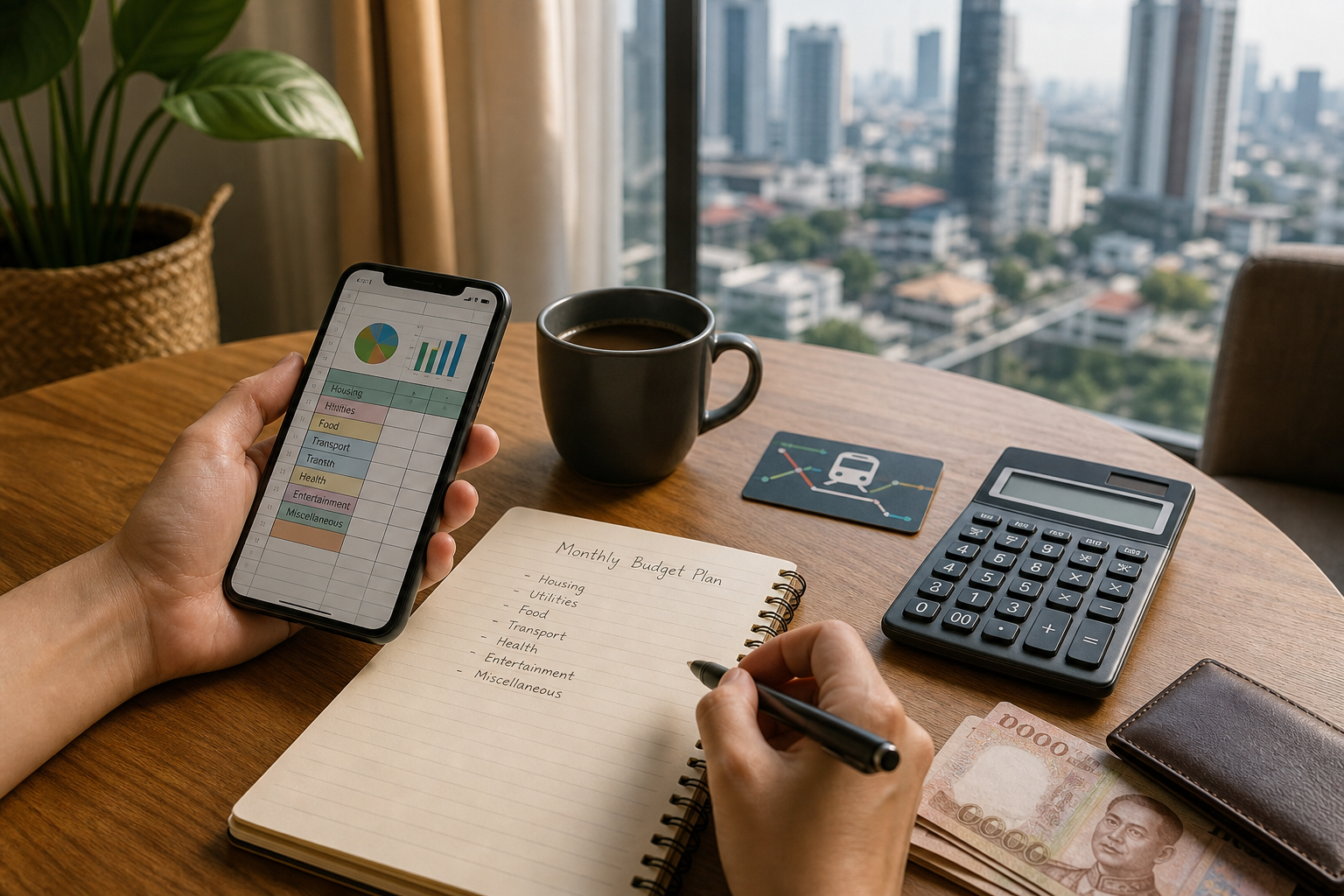
There is no single monthly figure that works for everyone moving to Thailand. Housing, location, transport, healthcare, dining, travel, and the lifestyle you want will shape the real number. A low-cost example from a short video can be entertaining without representing a comfortable, sustainable life.
Accommodation Setup and Budgeting
Staying in a hotel for a holiday is different from arranging a longer-term rental. If the stay is longer than a normal holiday, get current professional advice before paying a deposit.
A furnished rental also lets you compare areas before committing to furniture, renovations, or a long contract.
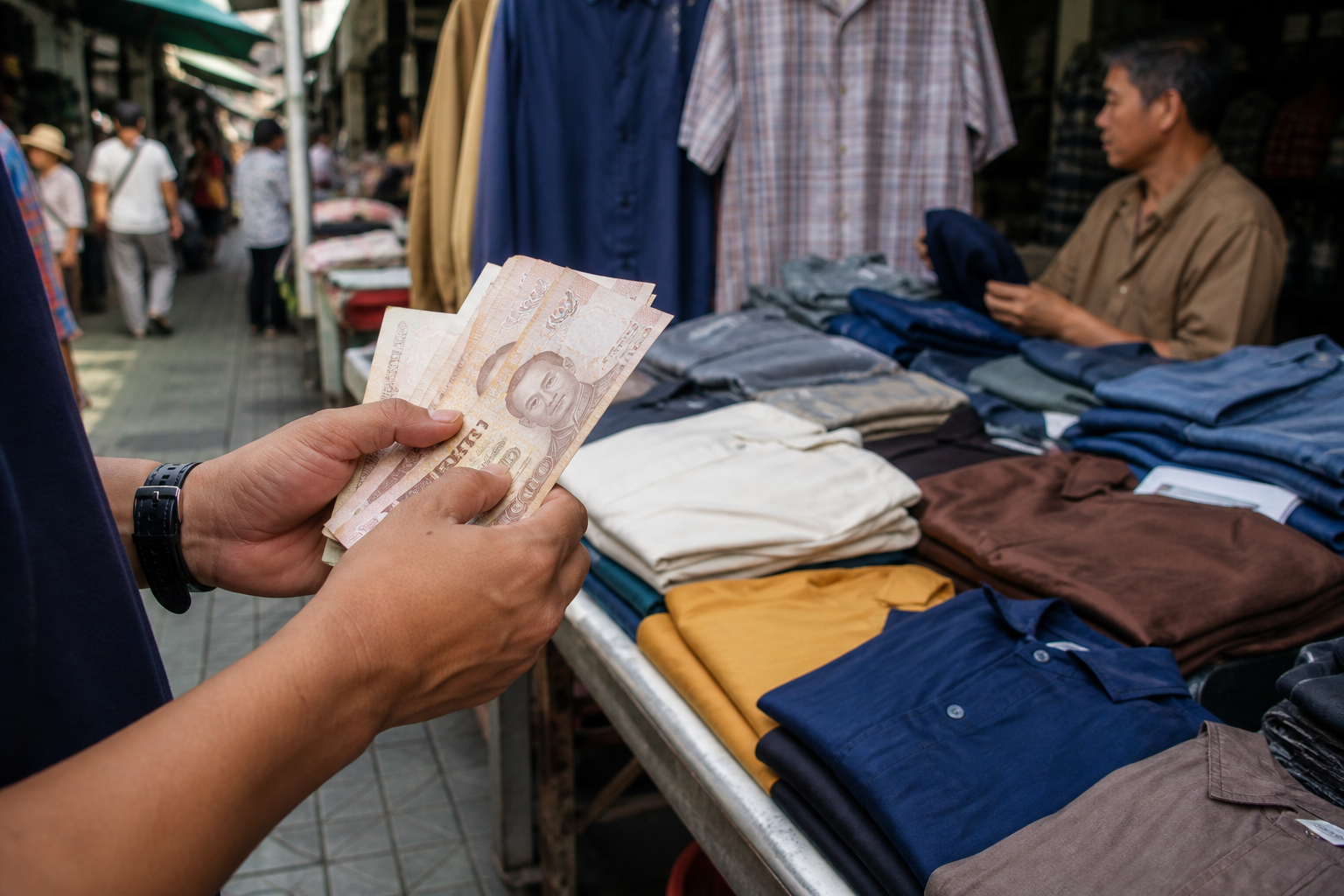
Build a budget from your own likely routine. Price a place to live, utilities, phone service, groceries, meals out, local transport, insurance or medical costs, visa-related expenses, and an emergency reserve. If you plan to travel around the country, add that separately rather than treating it as an occasional surprise.
Try the budget in real life before relocating. A few months of ordinary spending will show whether your assumptions work better than a headline figure, and it gives you time to adjust your savings target.
Test Long-Term Life Before You Move Permanently
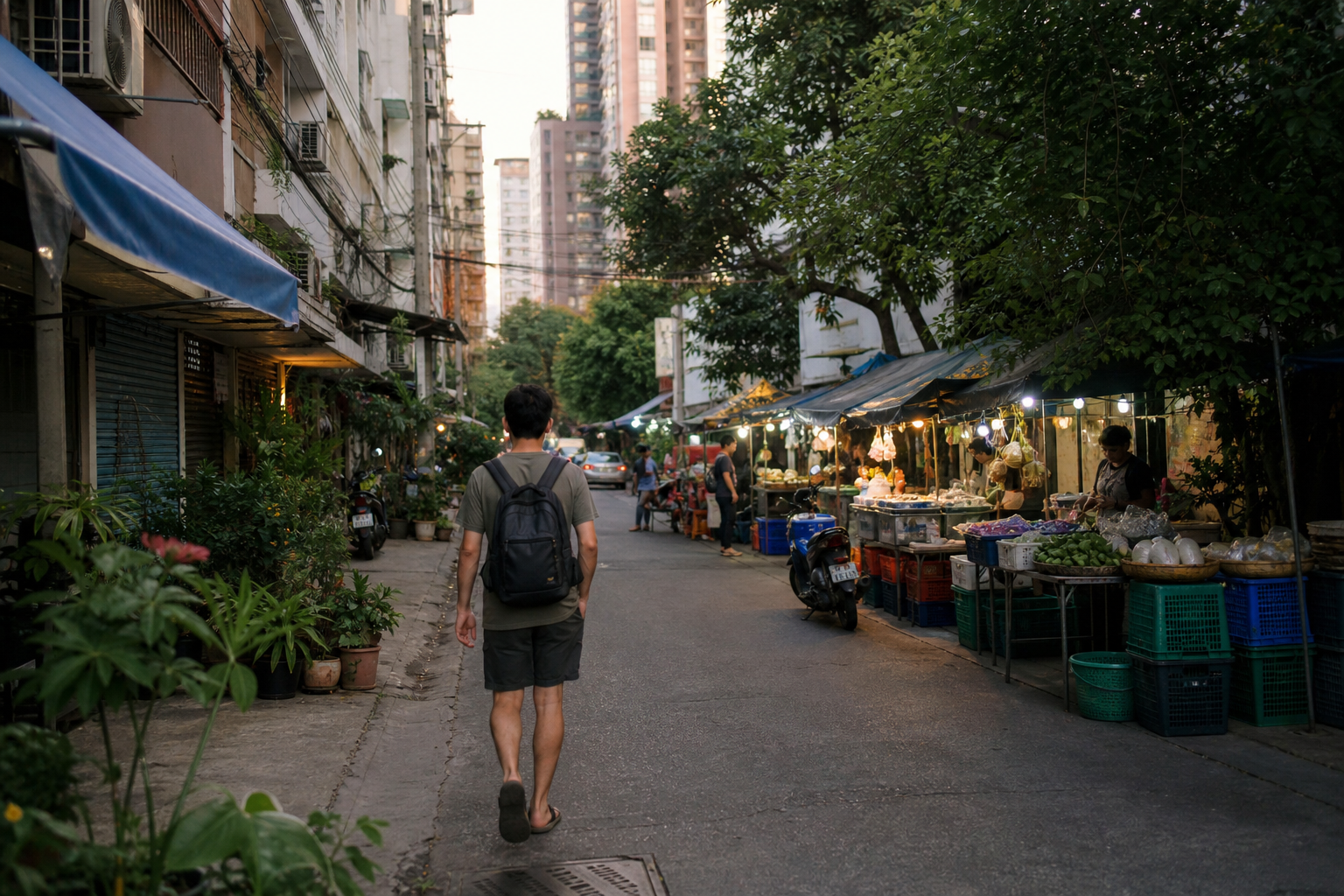
If the trial works, make the move in stages: secure the correct status, maintain an emergency fund, choose housing carefully, and keep a backup plan.
Average Income and Accommodation Costs in Thailand
Reported incomes vary widely; the 18,000 to 40,000 baht range in this example (roughly 500 to 1,000 USD) is illustrative, not a guaranteed current average.
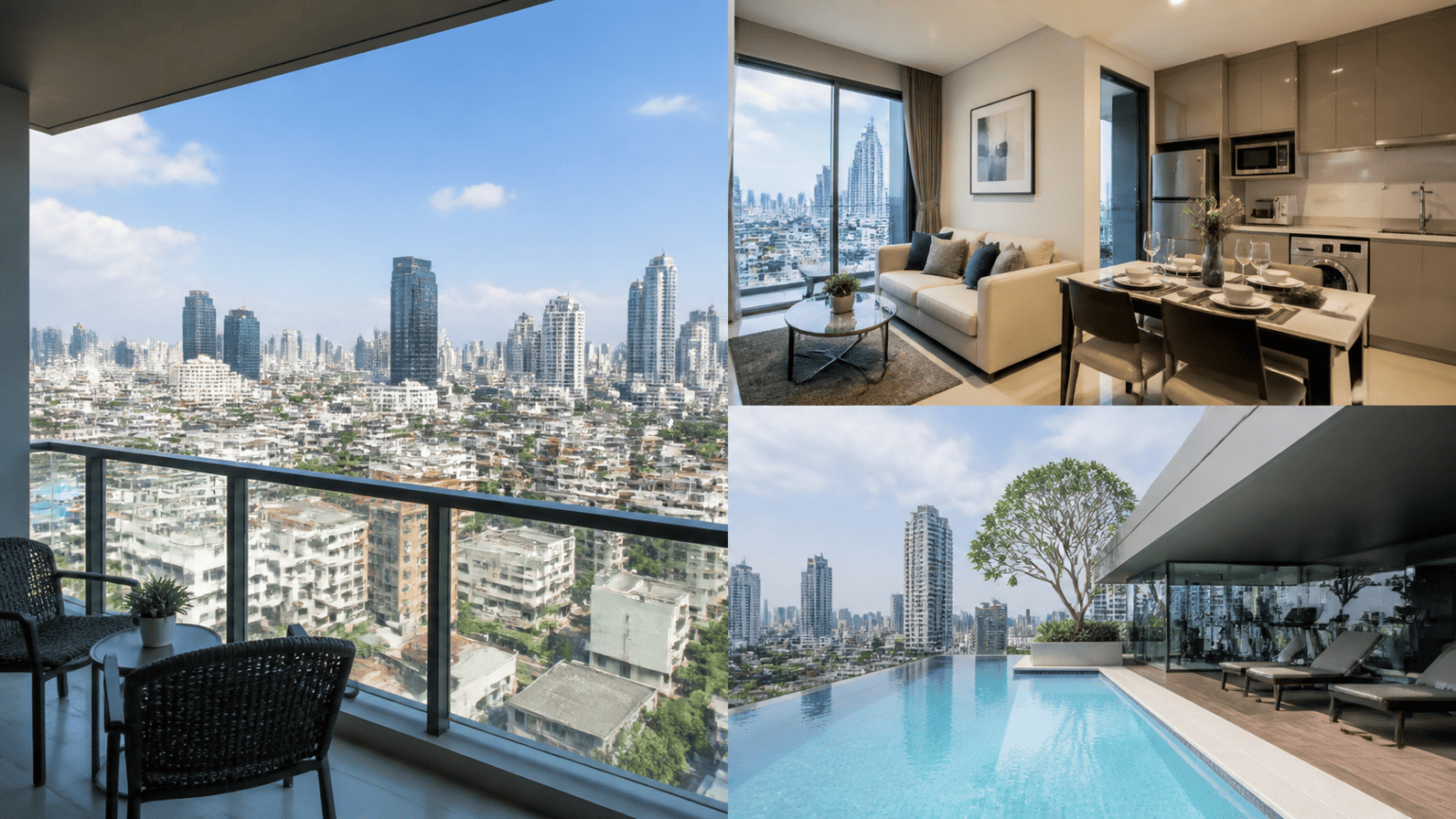
Accommodation and utilities could be the biggest part of your expenses. On average, a rough example is 400 to 800 USD per month for affordable small and mid-size units. In Bangkok you can find a good deal for around 600 to 800 USD per month. A yearly contract can bring good deals and bigger units with lower prices. Some local friends stay in units for 300 USD per month that are a little bit far from downtown Bangkok.
I pay 500 USD for my condo, located not far from public transportation and in the middle of the action, with facilities including the gym, the pool, and public areas.
Utilities, Air Conditioning, Phone, and Internet
In Thailand many companies give offers for personal phone and internet services. On average you will pay around 20 to 50 USD per month depending on the packages.
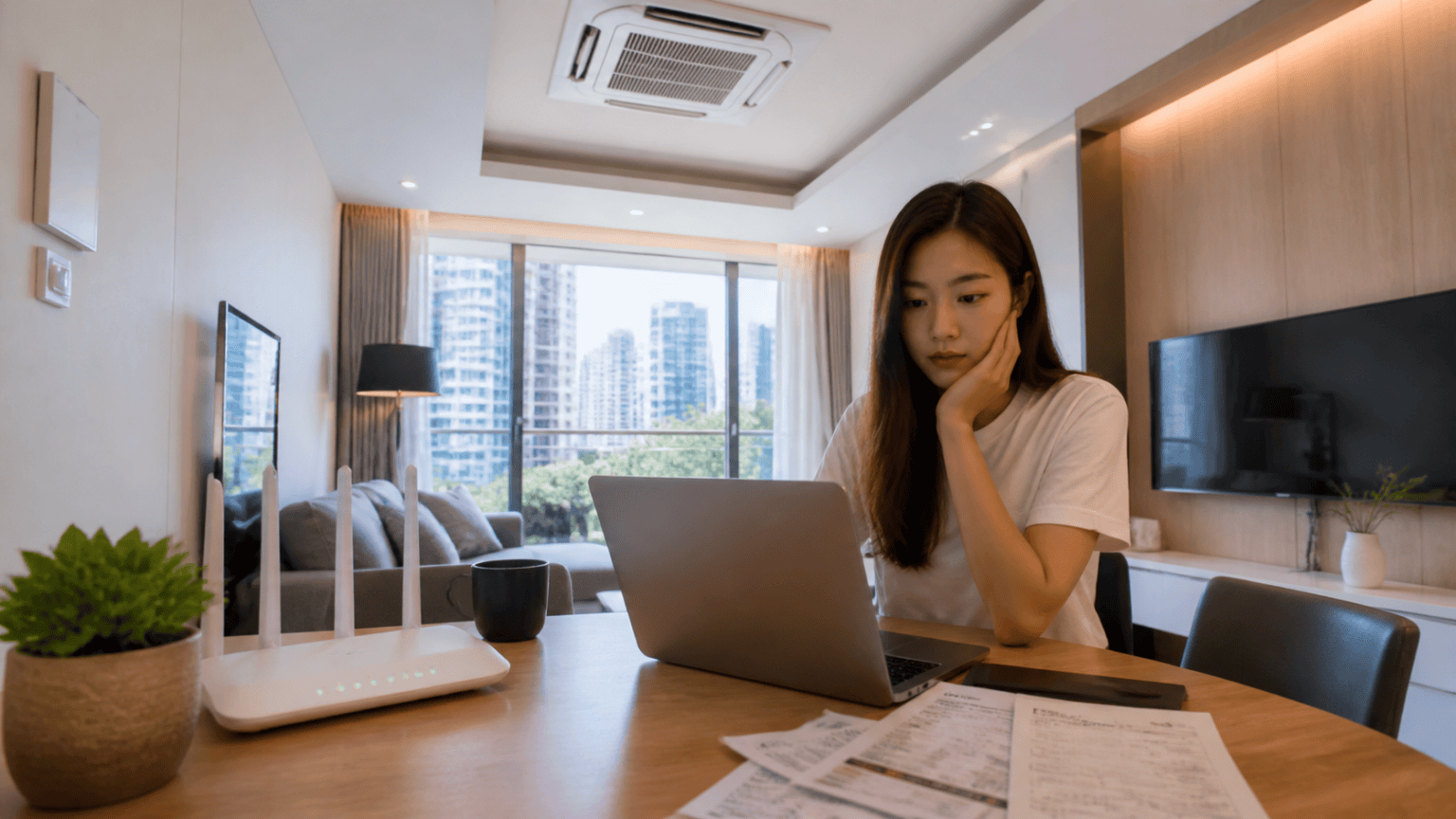
For long-term contracts, a rough example for utilities and bills is 60 to 150 USD per month, depending on the season, because you might use the air conditioning system a lot in the dry and hot season.
I pay 50 USD per month because I need unlimited internet with a very high speed, but you can have a slower and limited package for much less.
Food, Groceries, and Daily Meals
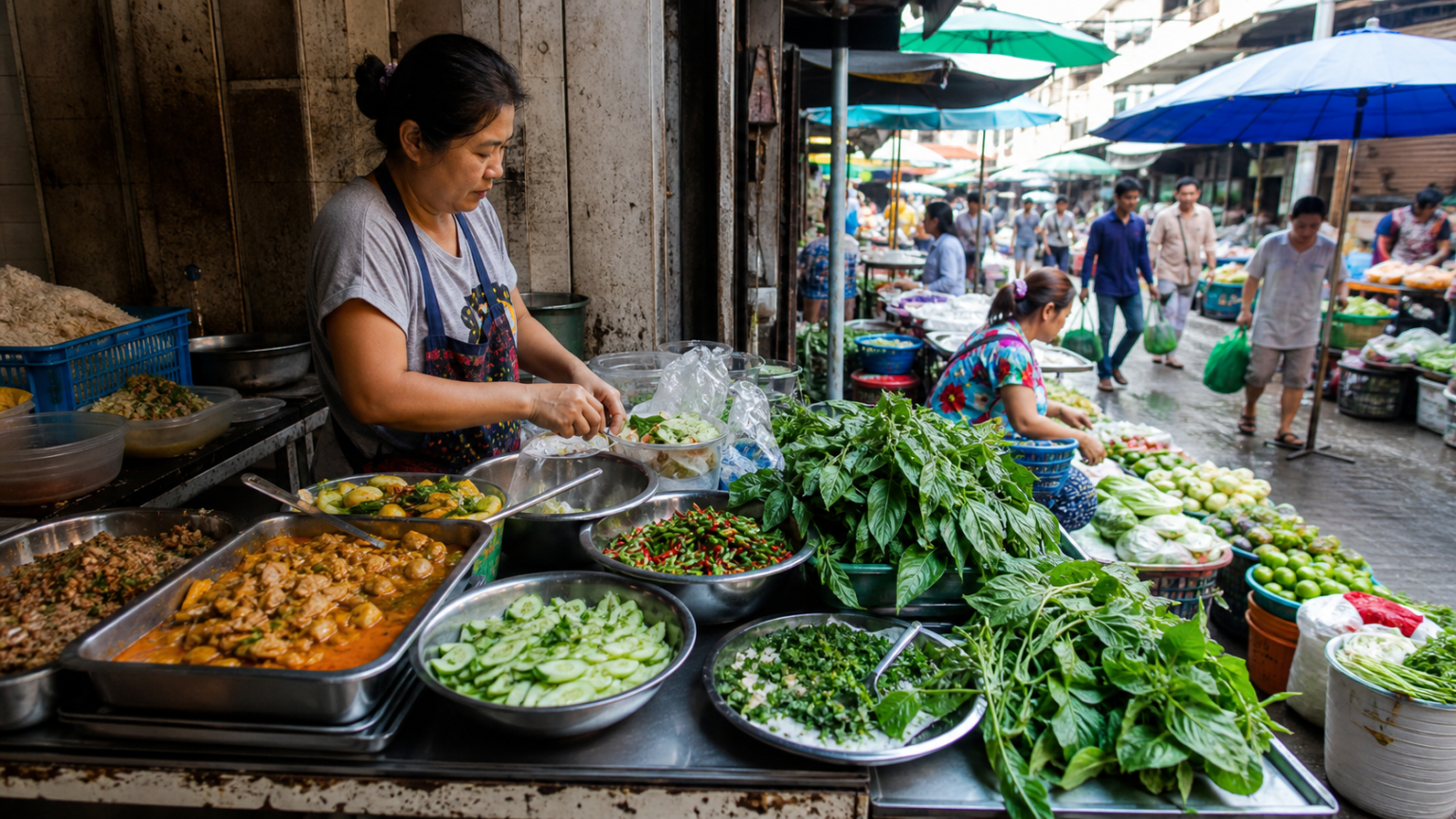
As an illustrative range, a local meal in Thailand may be 3 to 6 USD and an international meal 10 to 20 USD. Your actual food budget will vary; mixing them, you might spend 10 to 15 USD per day for your meal. For groceries you might spend 50 to 100 USD on average per month.
I spent a minimum of five to six hundred USD per month excluding my hangouts for food.
If you want to stay on budget you might survive with 400 USD per month.
You can find steaks, cheese, wine, and imported groceries, but they are usually far more expensive than local Thai food. Many foreigners end up changing their eating habits.
Now, this is something that’s very difficult to get away from. If you come from abroad, you’re going to be used to having cheese, good meat, wine, whatever you have in your own country. Everything is available here in Thailand, but it comes at a price. Now, I love cheese absolutely love it but it’s very expensive. It doesn’t matter where you buy it. They have great cheese selections in all the supermarkets now 20 30 different cheeses from around the world but they are expensive.
So you’ve just got to keep in mind that unless you’re going to go on a totally Thai diet, then you are going to have to pay a lot of money for foreign goods because they’re all imported. It makes sense, doesn’t it?
Public Transportation Costs in Bangkok
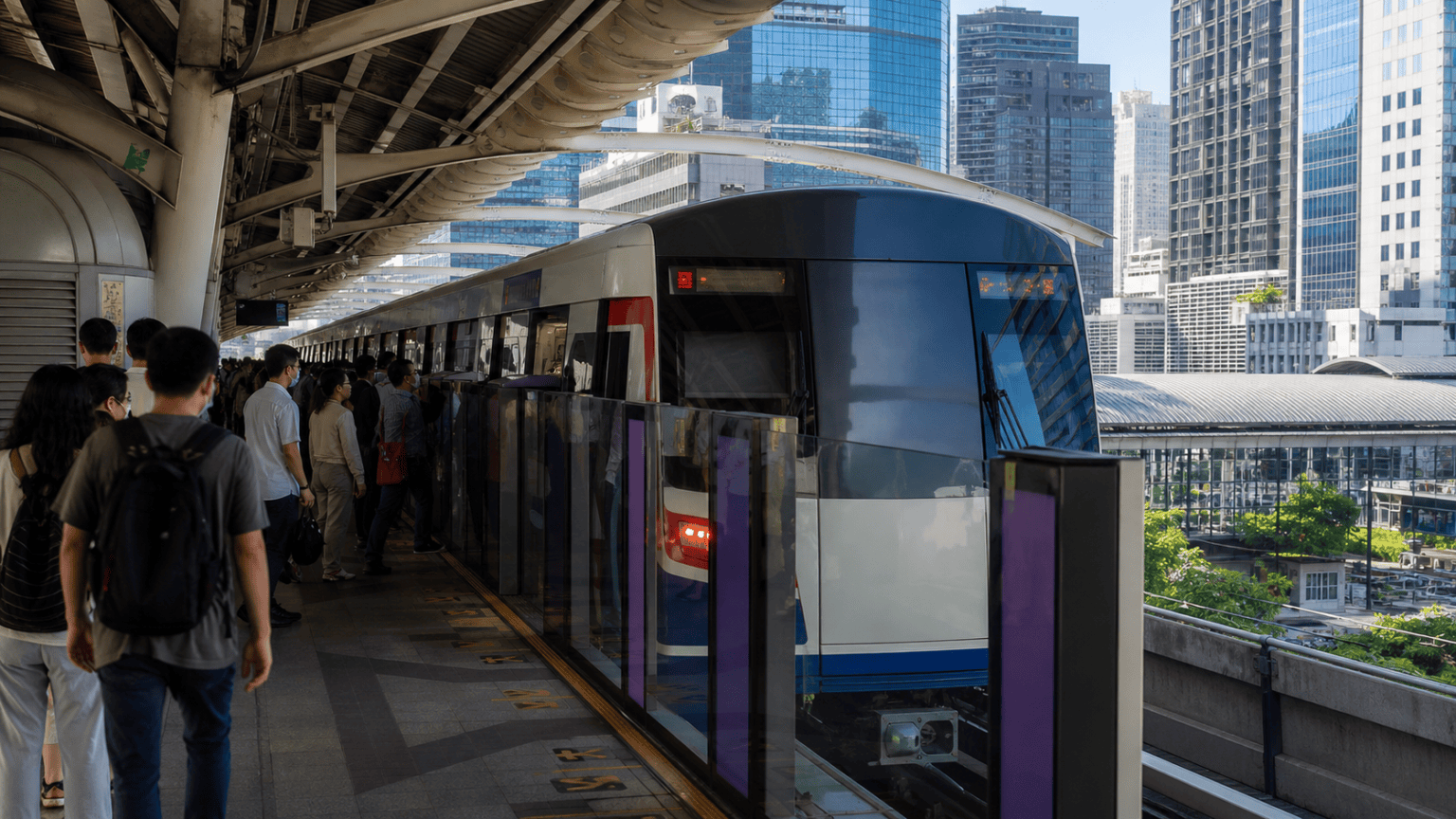
Thailand, especially the capital city Bangkok, gives you a lot of options to transport from one place to another. As a rough example, public transportation might cost 30 to 50 USD per month, depending on how often and where you travel. I move a lot, so 50 USD is my average for using the trains and the motorbike taxis, without including internal flights.
Car Expenses and Insurance
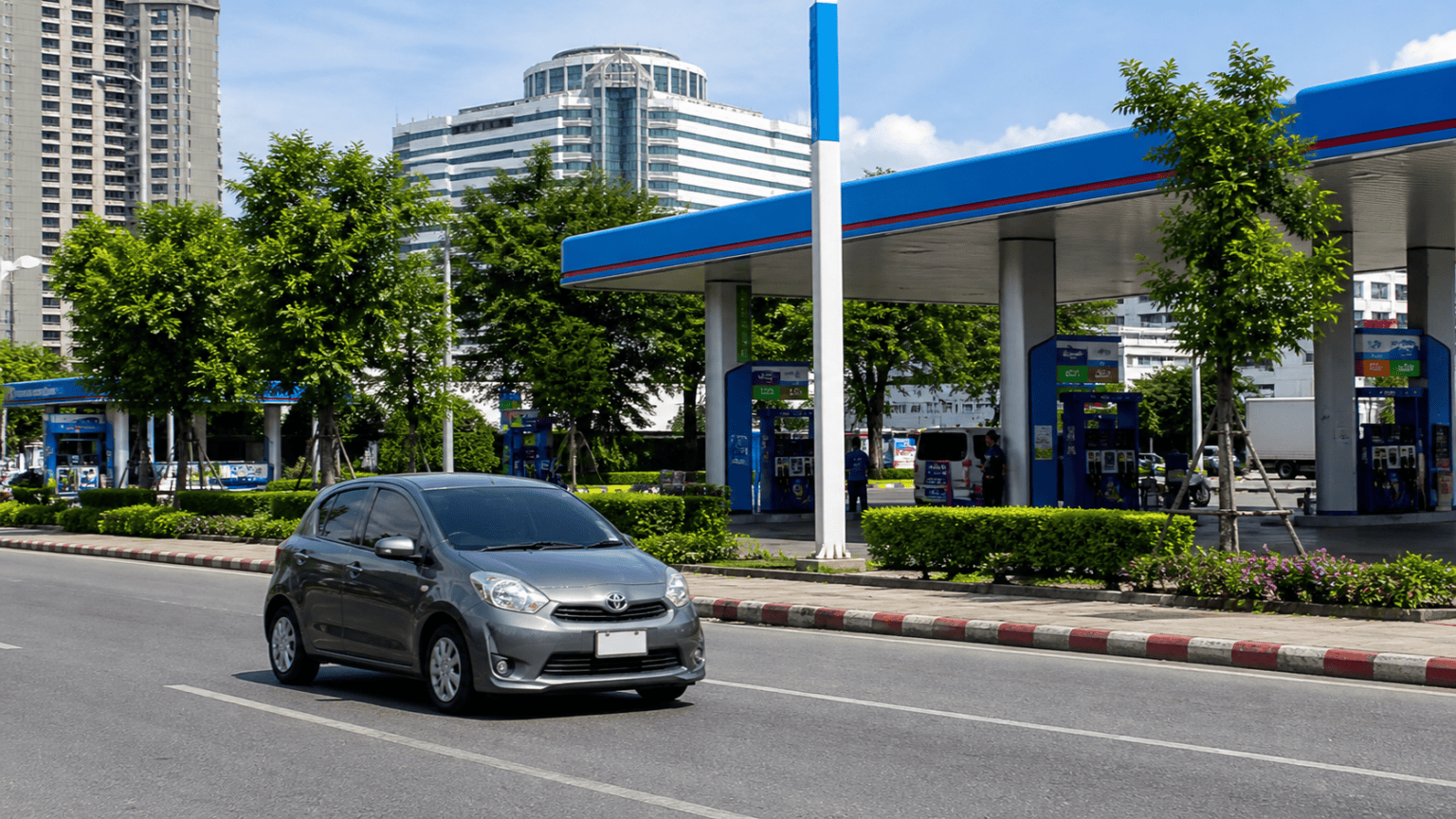
If you have a car in Thailand, that will be another expense, not only the fuel but also the insurance that you will pay yearly. As an illustrative estimate, car costs can add around 100 to 200 USD per month to your total expenses unless you avoid it and stick to public transportation.
You might pay 600 to 800 dollars per year for the insurance.
Shopping, Essentials, and Monthly Extras
For essentials, you should spend between 100 to 200 USD per month on shopping.
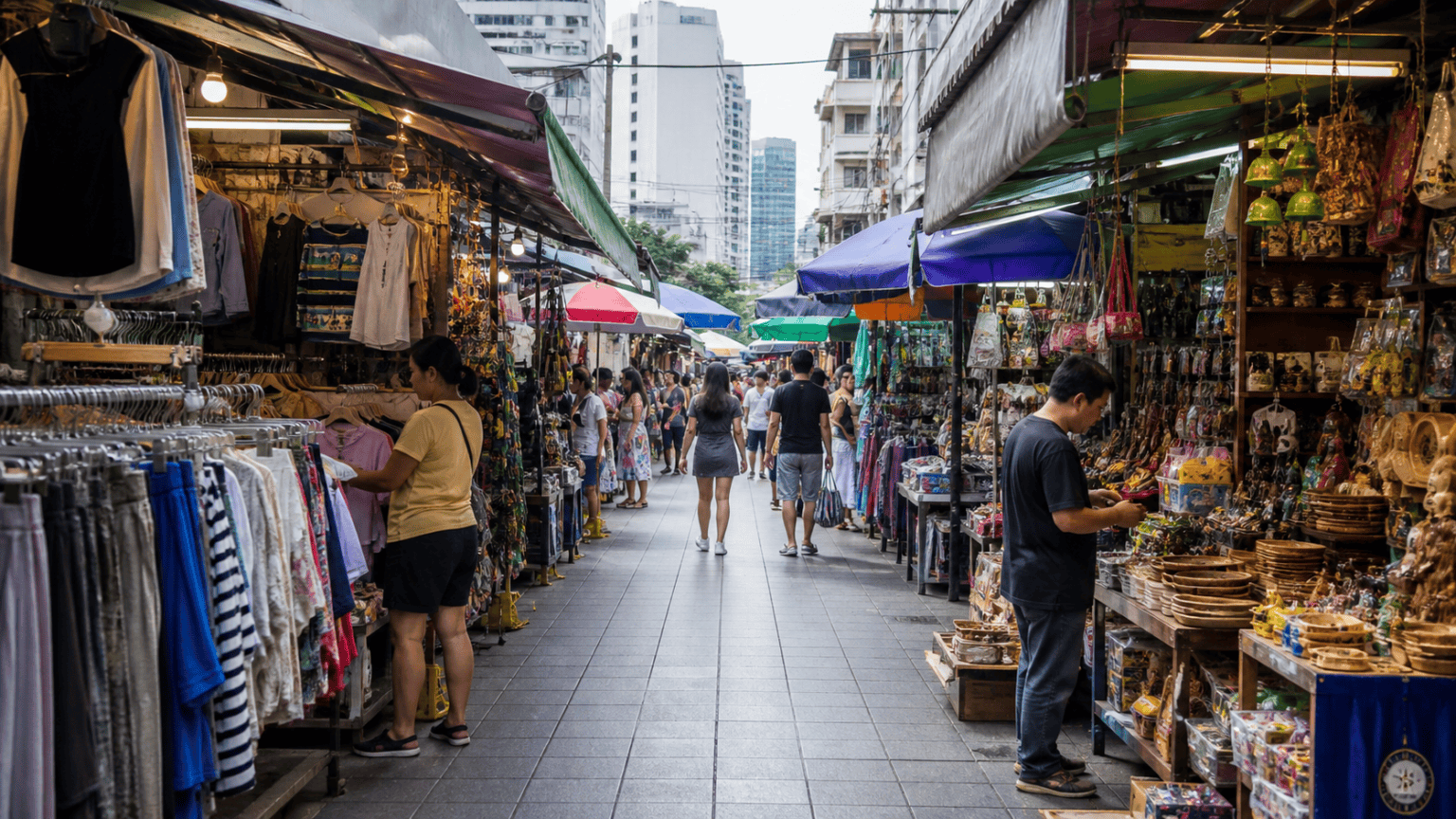
I spend not less than 100 USD per month on shopping, depending on the season, gifts, and necessities.
For gym, sports, and swimming I spend zero dollars because it is included in my condo, and there are lots of outdoor parks to refresh yourself and do some sports. For hangouts I might spend between 100 to 200 USD per month, but if you don’t know your limit then it could be much more.
Health Insurance and Monthly Totals
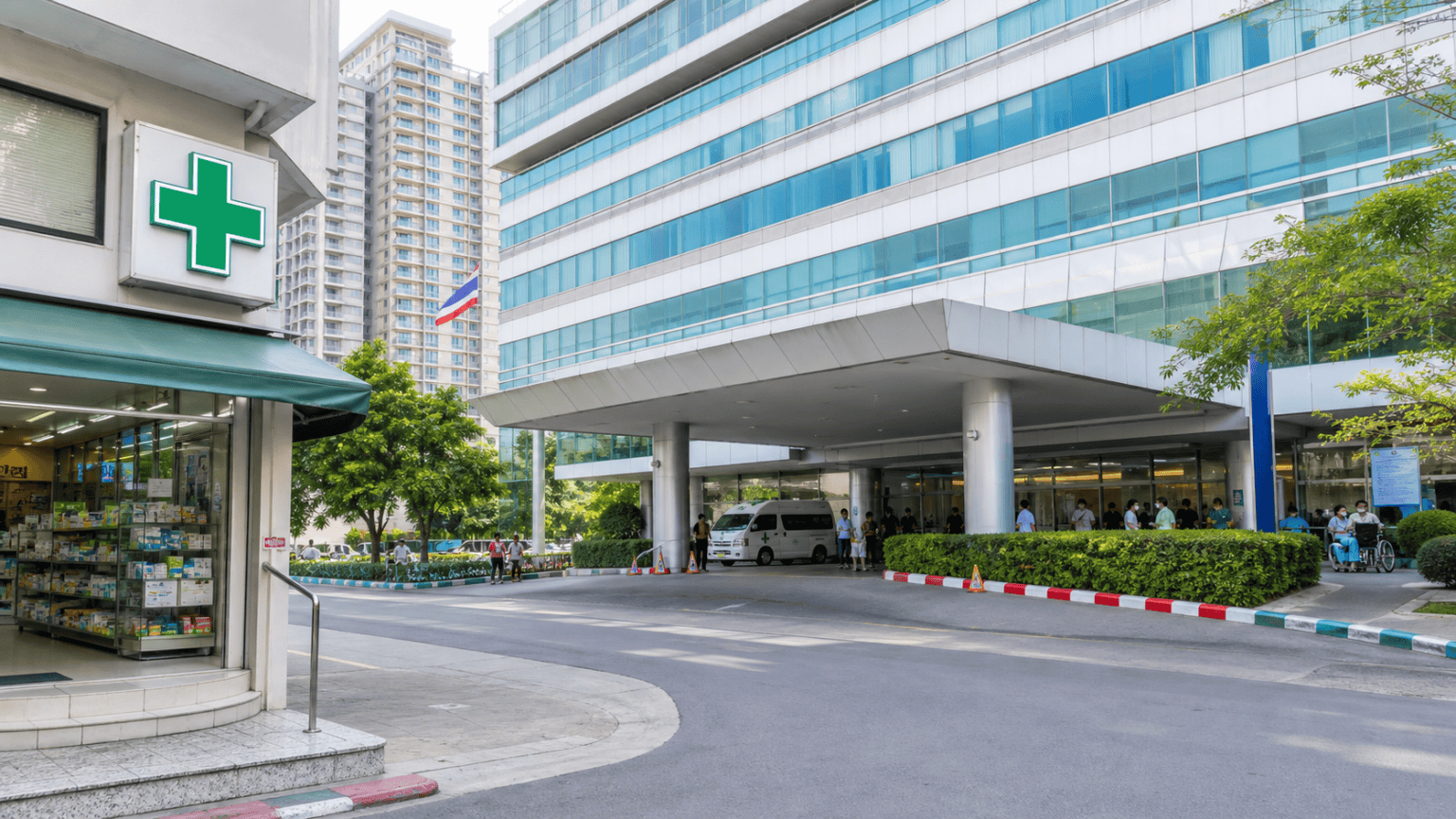
Insurance depends on your age, medical history, policy and coverage; an illustrative range of 800 to 1,500 USD per year is not a guaranteed current price. I pay 1,000 USD per year for good coverage, which adds around 90 to my monthly expenses.
It is better to save 100 USD for such things per month.
I spend on average between 1,500 to 2,000 per month and consider it fair with what I get.