Avoid these mistakes when coming to Thailand in 2026
Thailand Digital Arrival Card
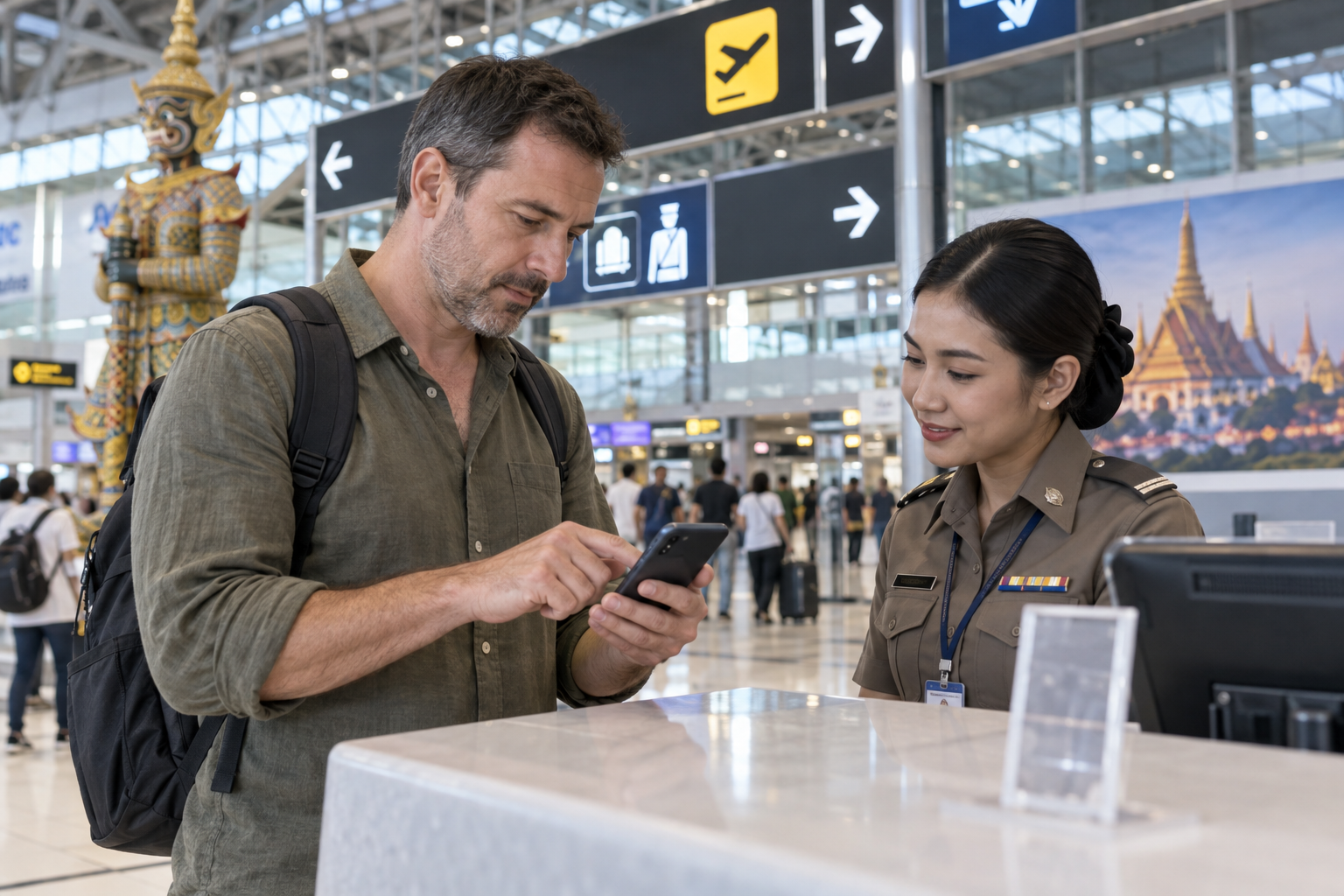
Before entering Thailand, remember the Thailand Digital Arrival Card, or TDAC. The old paper arrival card is gone. Thailand requires all foreign visitors to submit a TDAC before entering the country by air, land, or sea. You must complete your arrival card within three days before your scheduled arrival.
It is required for all non-Thai nationals entering the country. Transit passengers are not affected if they remain in transit, but if you leave the airport, you must have it. You will receive a QR code in return, which you show at immigration.
If you are planning a holiday, you will also need the correct entry visa. At the time of writing, a single-entry tourist visa allows up to a 60-day stay, while a multiple-entry tourist visa is valid for six months with a 60-day stay limit per visit. Check the Thai embassy website before travelling because the rules keep changing.
Bangkok Airports and Travel Times
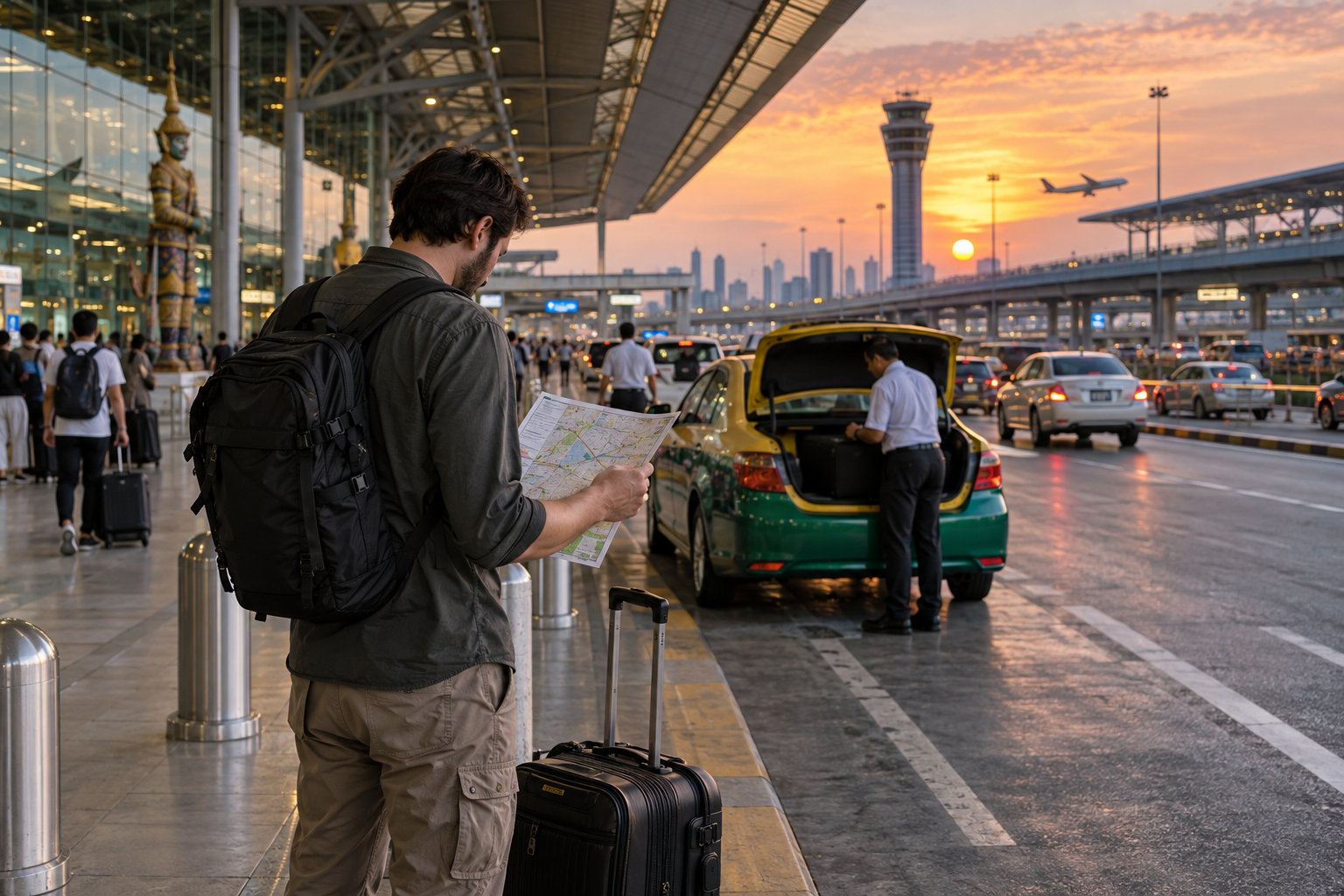
Thailand has two major airports serving Bangkok. Suvarnabhumi Airport is about 30 kilometres east of central Bangkok, while Don Mueang Airport is about 20 to 25 kilometres north of the city centre.
If you arrive at Don Mueang, you have to travel through the city, which can be difficult during busy periods. Immigration and baggage collection can also take time. Allow yourself one to two hours from landing to getting outside the terminal so you are not rushing.
Travel time from the airport into central Bangkok areas such as Silom or Khao San Road can take 30 to 45 minutes on a good day. From the airport to Pattaya, allow around an hour and 20 minutes to an hour and a half in good conditions.
Bangkok has unpredictable and often severe traffic jams, particularly during the rush hours from 7:00 a.m. to 10:00 a.m. and 4:00 p.m. to 8:00 p.m. School runs and people travelling to and from work create much of the congestion. Rain can also cause flooding and drastically slow your journey.
Think about which transport you will use. You can take a Bolt taxi, a regular taxi, or a bus, depending on where you are going. If you have travelled for 12 to 15 hours, you may prefer a taxi rather than sitting on a bus for another hour and a half or two.
Booking Your Hotel
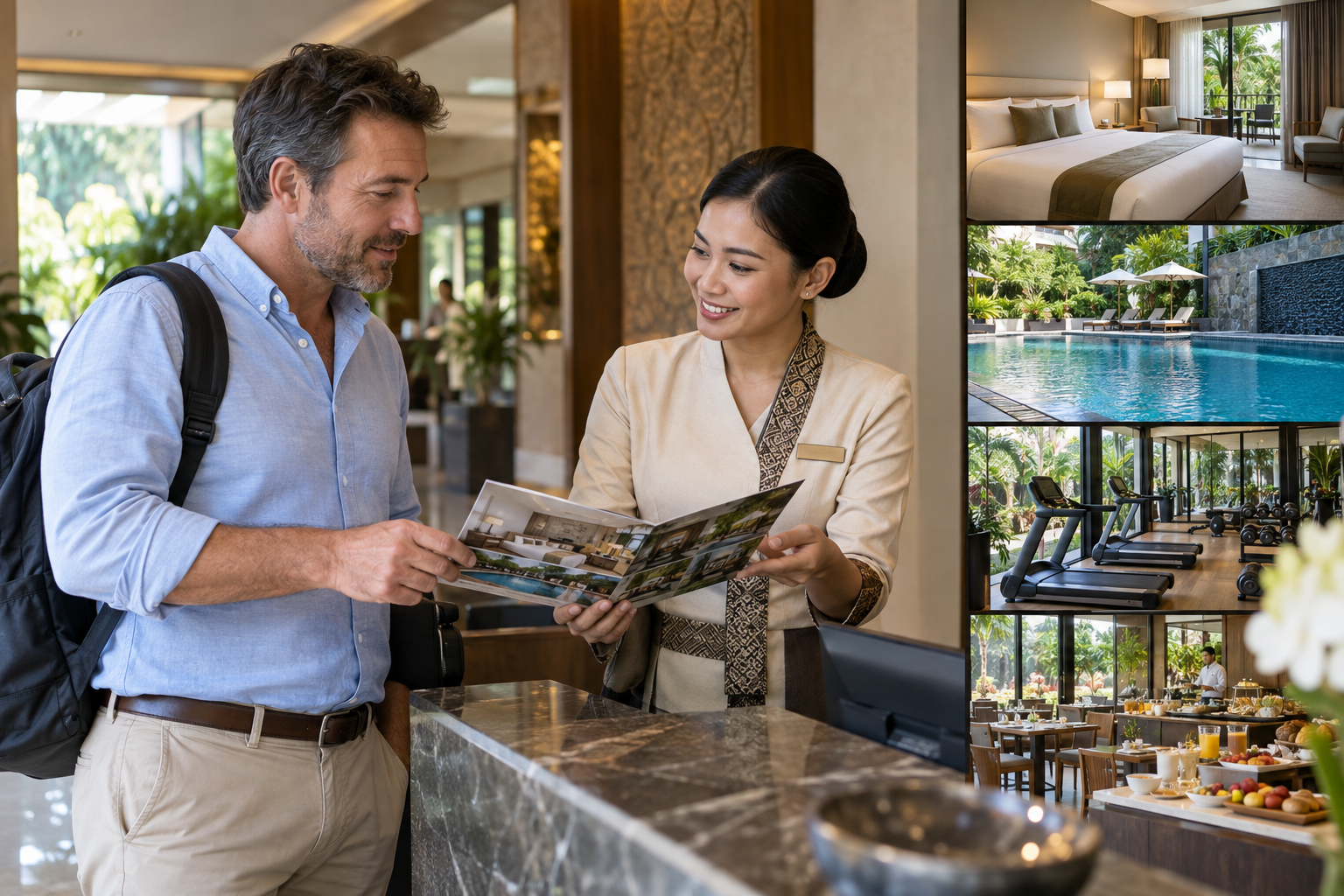
When booking your hotel, do your research. Look at where you are staying and consider whether you are near the nightlife zone, because you should expect more noise. Check whether the hotel is new or old. New hotels may have double-glazed windows, while older hotels may have sliding windows that do little to block noise.
Look at the location and check whether the hotel charges a joiner fee. One tip is to book your room for two people, even if you arrive alone. If you book and pay for a room for two people in advance, there should be no joiner fee when another person comes to the room, although you should always check the hotel’s own policy.
If you are staying in the city centre, consider traffic noise, congestion, and pollution. Also check the amenities. If you like spending the day by the pool, make sure the hotel has a suitable swimming pool. If it is on a rooftop, remember that you can still get sun even on cloudy days.
If you use a gym, check whether the hotel has one and whether the equipment is up to date. Check the reviews and look at the breakfast options. Is it a buffet, a set meal, or à la carte? Do they serve the style of breakfast you are used to, or Thai-style sausage, ham, and cold eggs? These small details can make a big difference to your stay.
Agoda can be useful for booking a hotel, but also check the reviews on Google Maps. They are separate from Agoda and can give you another comparison before you book.
Thailand Beach Warning Flags
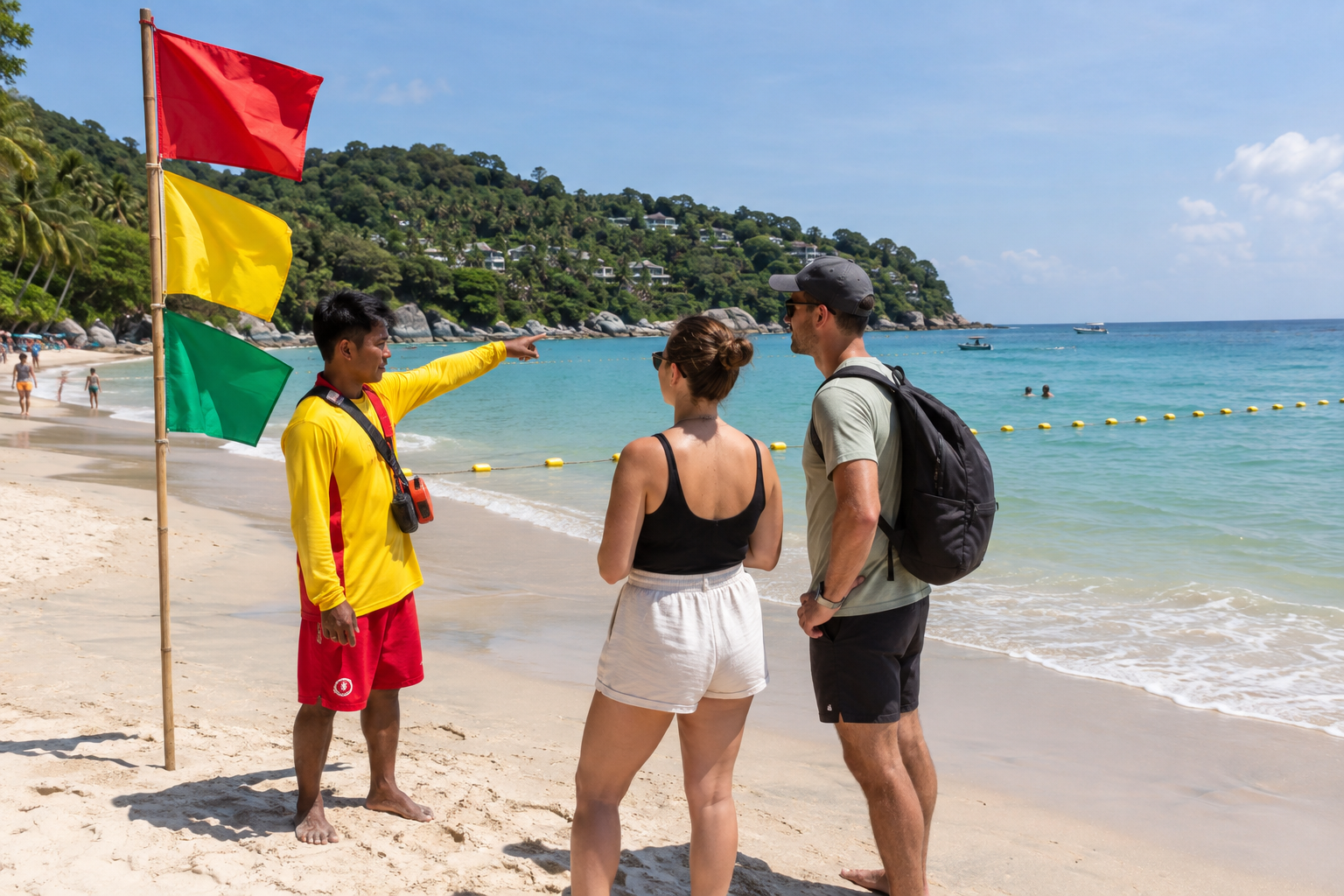
Thailand has many places where you can swim, including Koh Larn, Koh Samet, Na Jomtien, Ban Amphur, and Bang Sare. However, beaches have warning flags, and you must pay attention to them.
A green flag means it is safe to swim. The buoys in the marked swimming areas help keep jet skis away, so stay inside the protected zone. A yellow flag means caution and indicates moderate currents. If you are not a strong swimmer, be careful.
A red-and-yellow flag marks a lifeguard zone, where lifeguards are present and monitoring the beach. A purple flag means dangerous marine life, such as jellyfish or a Portuguese man-of-war. Box jellyfish are among the most venomous creatures on Earth, so stay out of the water if you see a purple flag.
A red flag means no swimming because of strong currents. If you see two red flags together, the beach is completely closed. Swimming beyond a red flag can also invalidate your travel insurance, because the insurer may consider it reckless behaviour. Treatment after a serious jellyfish sting can cost a considerable amount of money.
PromptPay and Cash in Thailand
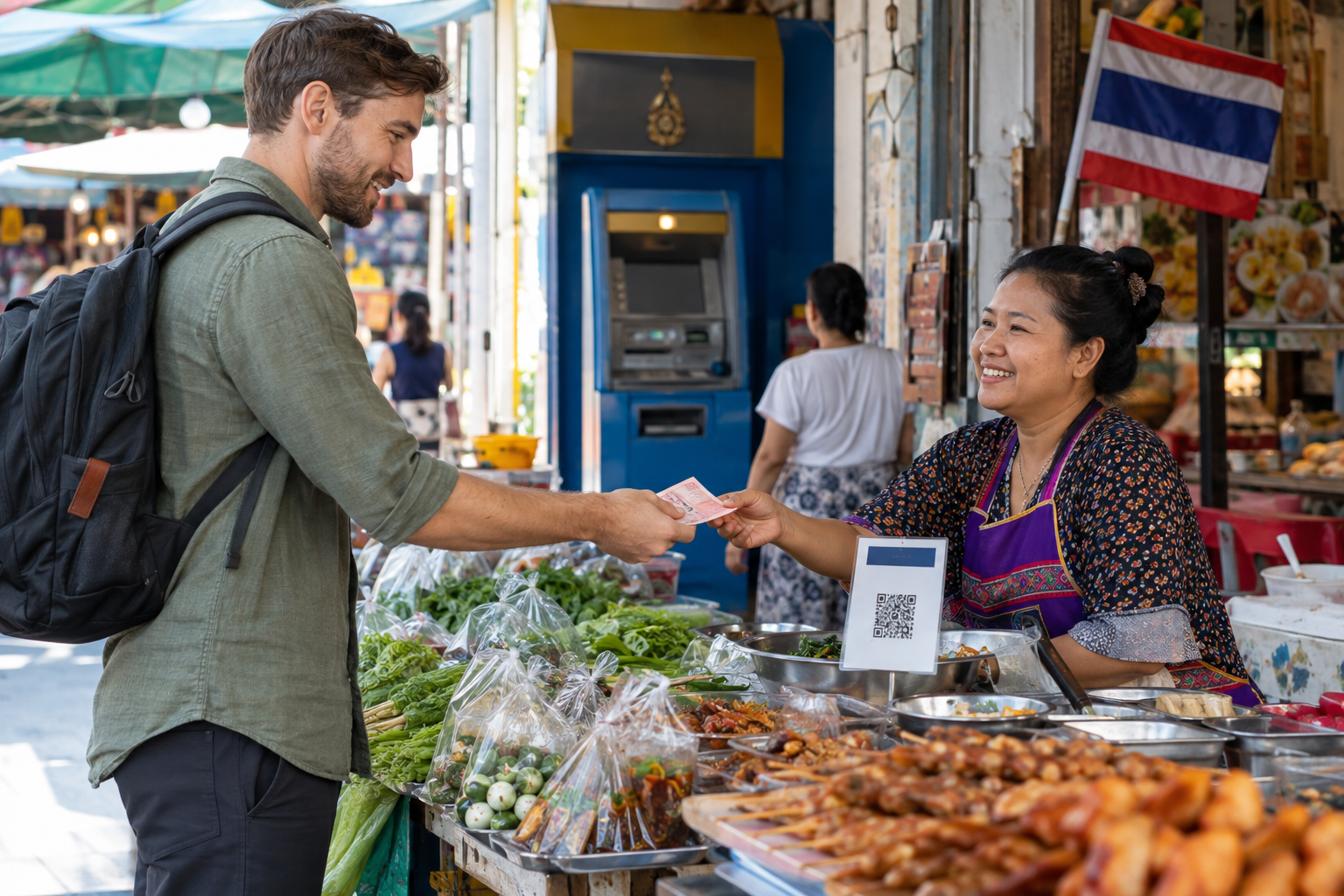
Thailand has a digital payment system called PromptPay. If you have a Thai bank account, you can scan a PromptPay QR code. PromptPay is a Thai bank-to-bank system, so it will not normally work with a bank account in the United States, Australia, England, or elsewhere in Europe.
People from China, Singapore, Malaysia, Japan, and Hong Kong may be able to pay through PromptPay QR codes using their home banking apps. Foreign credit cards work at hotels and malls, but smaller markets, tuk-tuks, and other vendors are still increasingly using QR codes. Cash is still important.
When you use a Thai ATM, the charge can be a flat fee of up to 250 baht per transaction, possibly more. If you have a hotel safe, consider withdrawing the maximum amount you need so you pay the ATM charge once rather than repeatedly.
Always Use Your Right Hand

Be aware of which hand you use when handing something to someone in Thailand. The left hand is associated with personal hygiene, while the right hand is used for social interaction. Handing someone money, a gift, or a business card with your left hand can come across as disrespectful, especially when dealing with an elder or a village leader.
Use your right hand for exchanges and support your right forearm with your left hand when giving something to another person. Thai people do this often, particularly outside the city centres, and it shows respect.
Women Say Ka and Men Say Krap
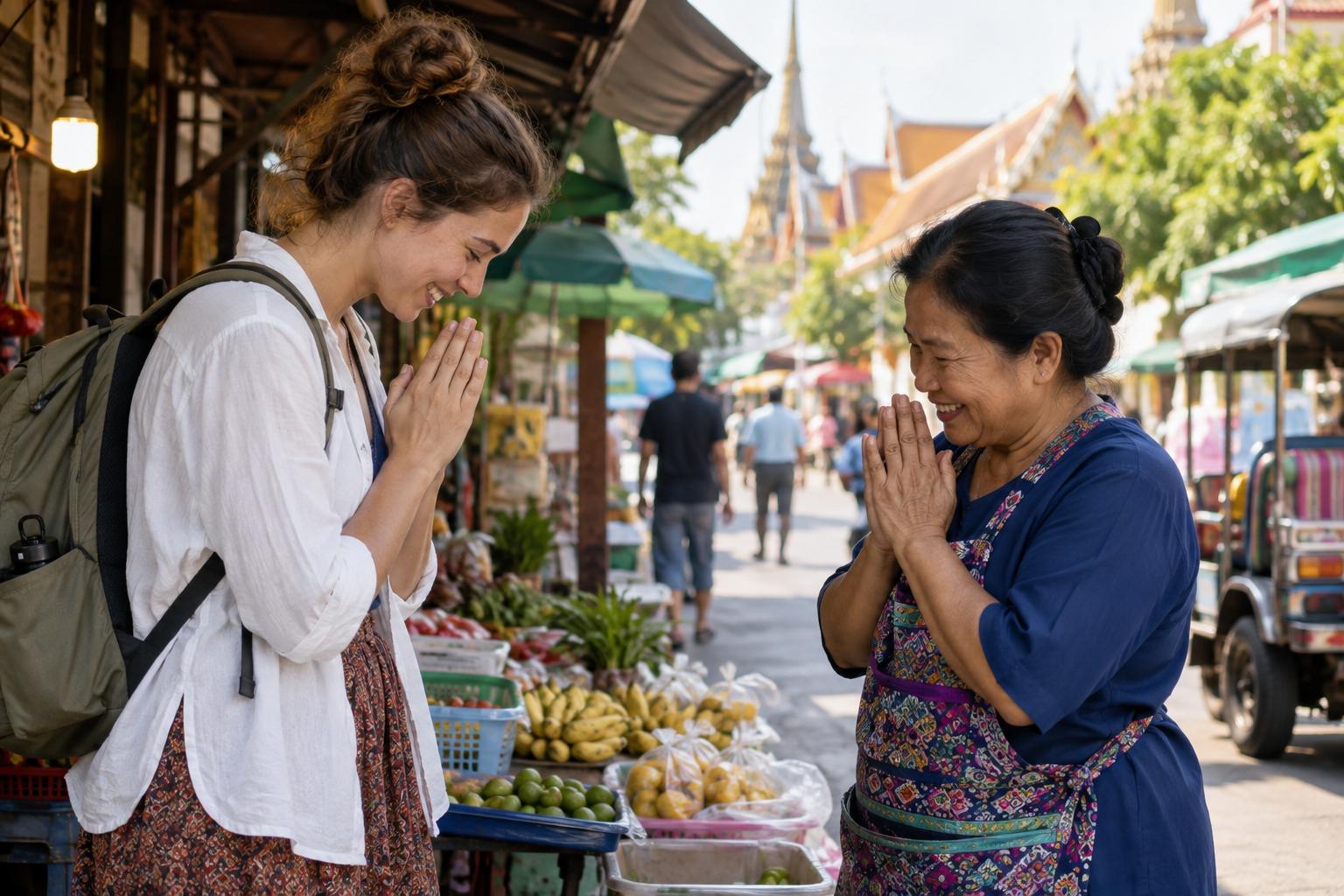
On the language issue, women say ka and men say krap. Using the correct polite word helps you speak respectfully and avoid sounding careless when greeting people in Thailand.
Take Your Shoes Off
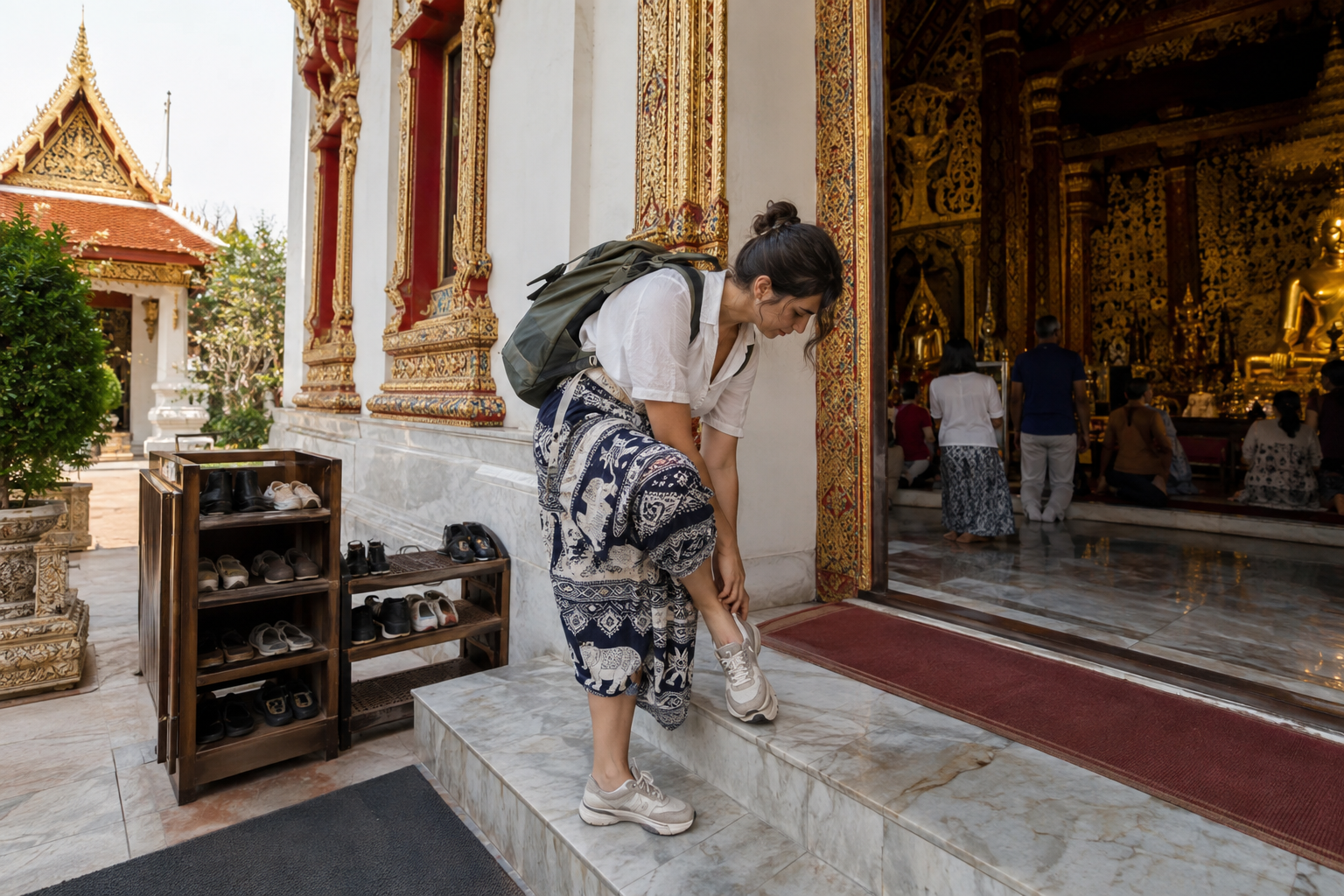
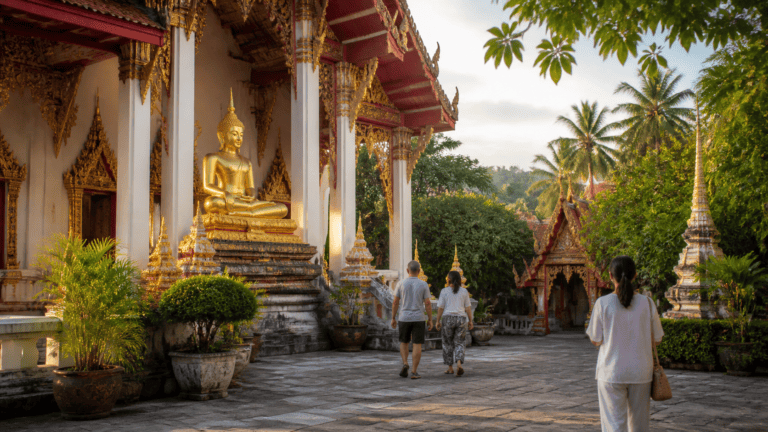
When you see steps leading to a door or a concrete slab outside a front door, you may be entering a person’s home or a temple. Make sure you take your shoes off. Adhere to Thai rules and respect the culture.
The threshold at the bottom of a door is believed to be guarded by household spirits. In temple halls, traditional teak houses, and heritage sites, take your shoes off before entering because leaving them on is disrespectful.
When you sit down, keep your feet away from the person or object you are facing. Do not point your feet at someone, particularly when speaking to their parents or elders.
The Grand Palace in Bangkok has one of the strictest dress codes in Thailand. Sleeveless tops, shorts, ripped or distressed jeans, and tight clothing may be rejected. Wear ankle-length trousers or skirts and tops with sleeves. Local temples are often more relaxed, but you should still dress respectfully. The Sanctuary of Truth also has a dress code, so be prepared to follow it.
When you remove your shoes, leave them somewhere you can recognise them easily. This helps you avoid accidentally putting on somebody else’s shoes when you leave.
Getting Around Thailand
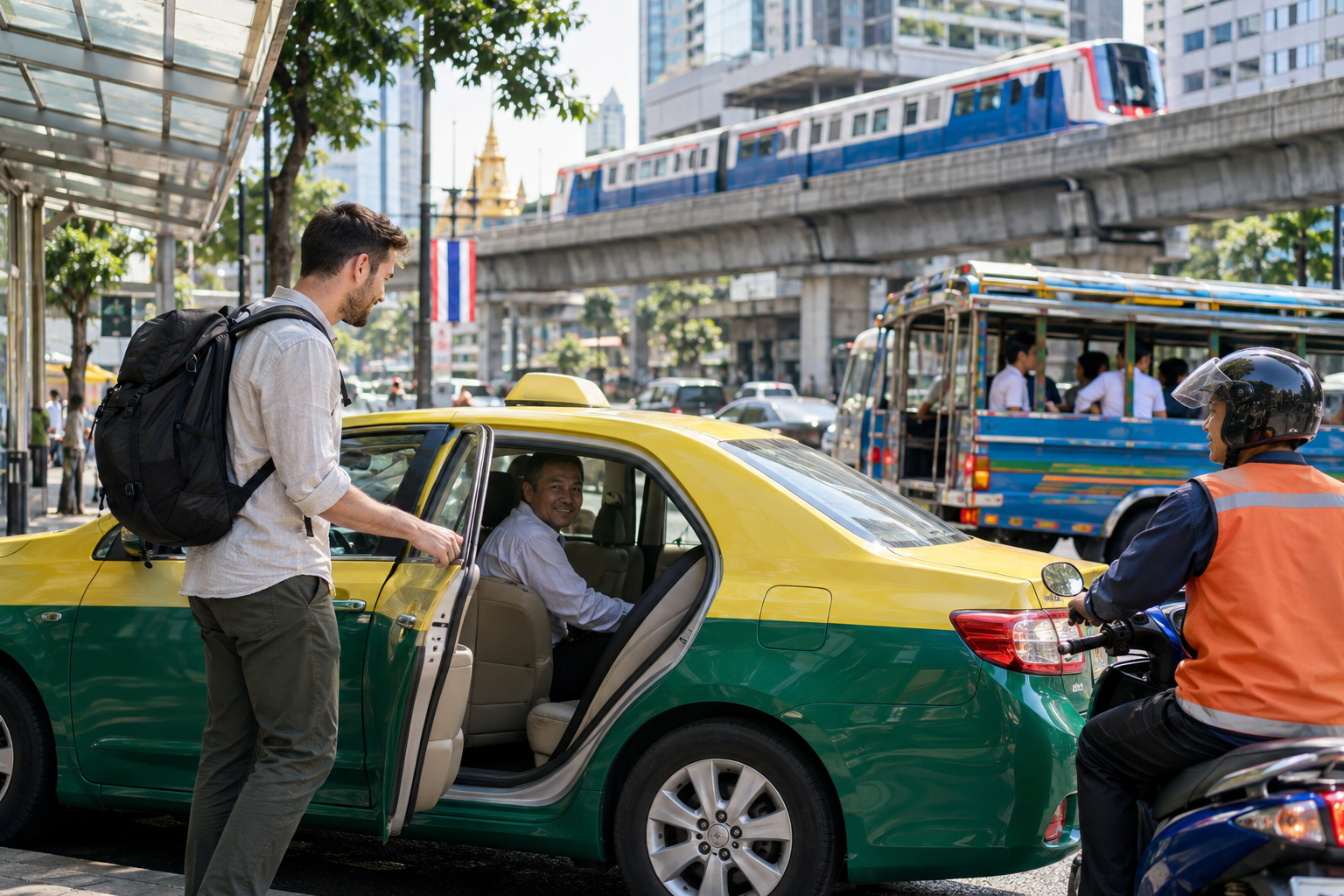
There are many ways to get around Thailand, including songthaews, the BTS, Bolt taxis, motorbike taxis, car taxis, and baht buses. It is safer to use these services than to hire your own motorbike or car, because Thailand has some of the highest road death rates in the world.
A Bolt taxi may cost 20 to 40 baht, a normal motorbike taxi around 50 to 100 baht, and a car taxi around 100 to 150 baht. A baht bus may cost 10 or 20 baht. The exact price is not always fixed, so check before travelling.