Thailand Visa Rules for First-Time Visitors
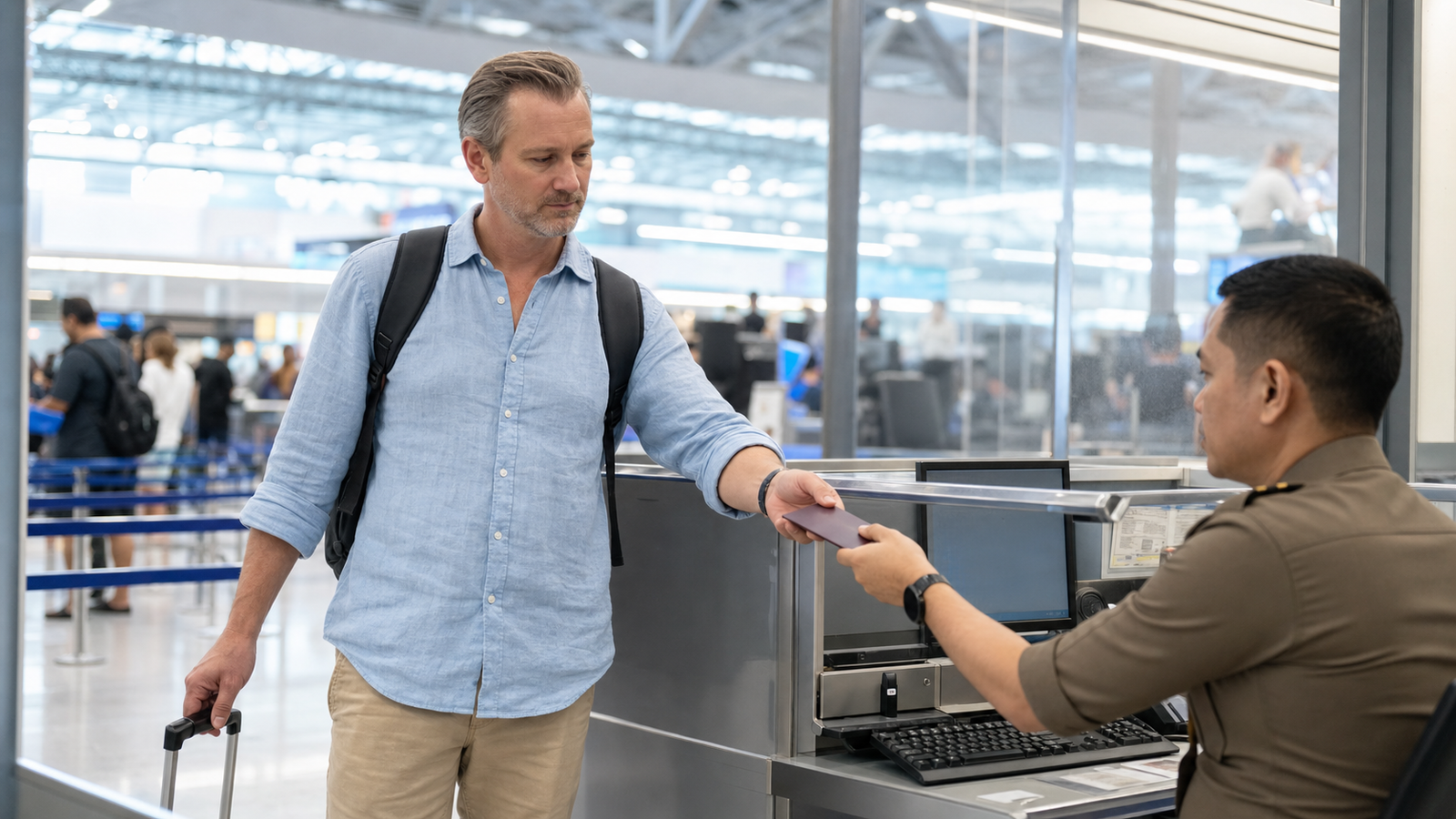
Visa requirements depend on your nationality, length, and purpose of stay. Many countries have visa exemption agreements for short stay tourists. Thailand is very actively encouraging tourists they want tourists to come here obviously spend money, it grows their economy, and they’re not going to put up a lot of restrictions for people coming here to visit on vacation.
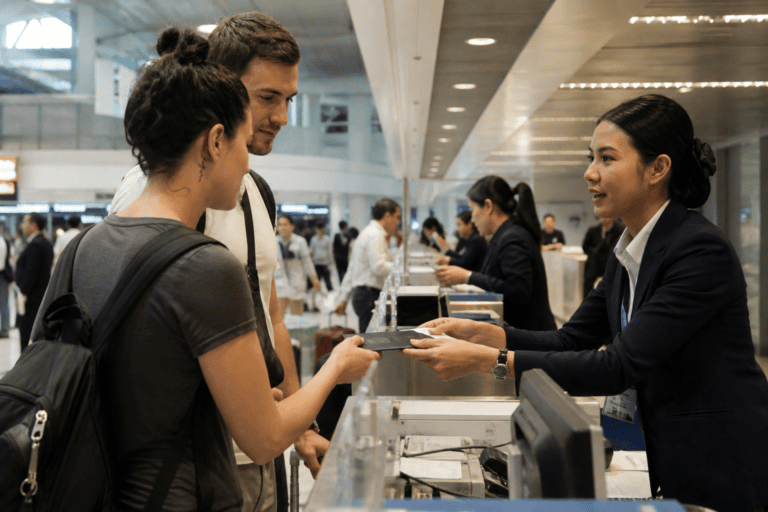
For most countries now, if you come from a European country, the States, Australia, somewhere like that, you need to check all these details yourself all the information is out there on Google. It used to be 30 days on arrival, but nowadays that’s been extended to 60 days. And if you want to stay out here for another month, you want to do 3 months out here, it is in fact possible to stay for a further 30 days, giving you a total of 90 days.
As far as visas go, most countries in the world it’s 60 days. But as I say, do your research because there are some countries where it’s restricted to less than 60 days but it’s still very easy for people from those other countries to come in and visit the kingdom.
The Best Months for a Thailand Visit
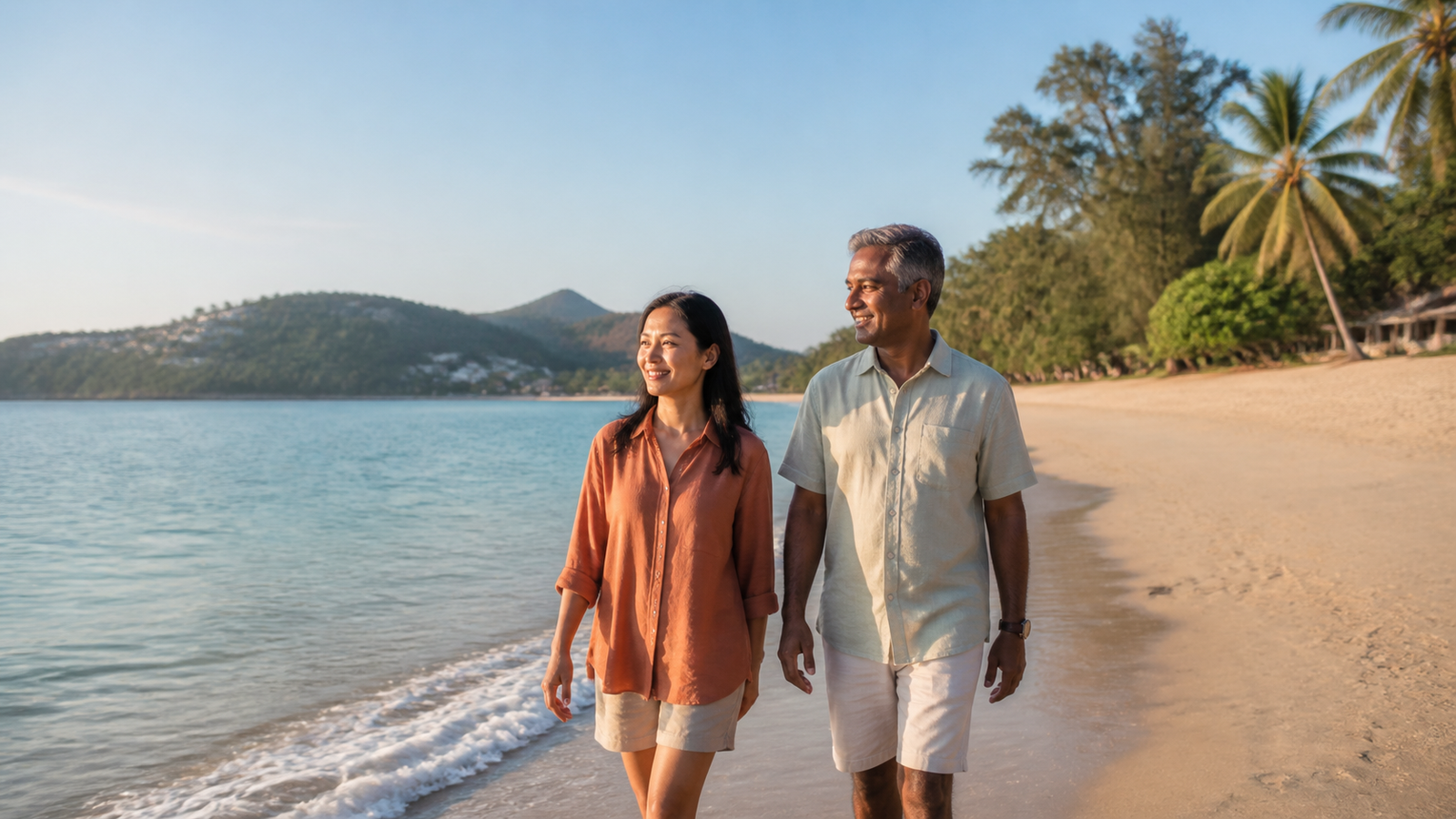
Thailand has a low season, it has a high season, and everything in between. Generally speaking, the best time to visit Thailand is December to March. The reason for that is because the weather is a lot cooler. It’s still very hot it never gets cold here in Thailand. Typically, the temperature can be anywhere around 38° Celsius with a humidity level of about 82%. It gets very humid, and it’s a wet humidity here.
But during those months from December through to March, it does cool down quite significantly. The difference is you can go out to an open air bar in the evening at that time of year (high season), sit outside, and it’s quite pleasant. You might have a little bit of wind as well helping you out, and you can have a nice evening in an open bar.
When you’re looking at something like June, July, August, it’s very hot very uncomfortable. Just going outside, you’re taking three or four showers a day, you just constantly sweat. The only other thing you need to know about the weather really is the rainy season. They do have quite an intense rainy season here it generally starts around April, May, so it’s quite a long rainy season. And when it rains, it really pours. I wouldn’t let that put you off coming to Thailand, but you just need to be aware that it is monsoon tropical rains.
How Safe Thailand Is for Tourists
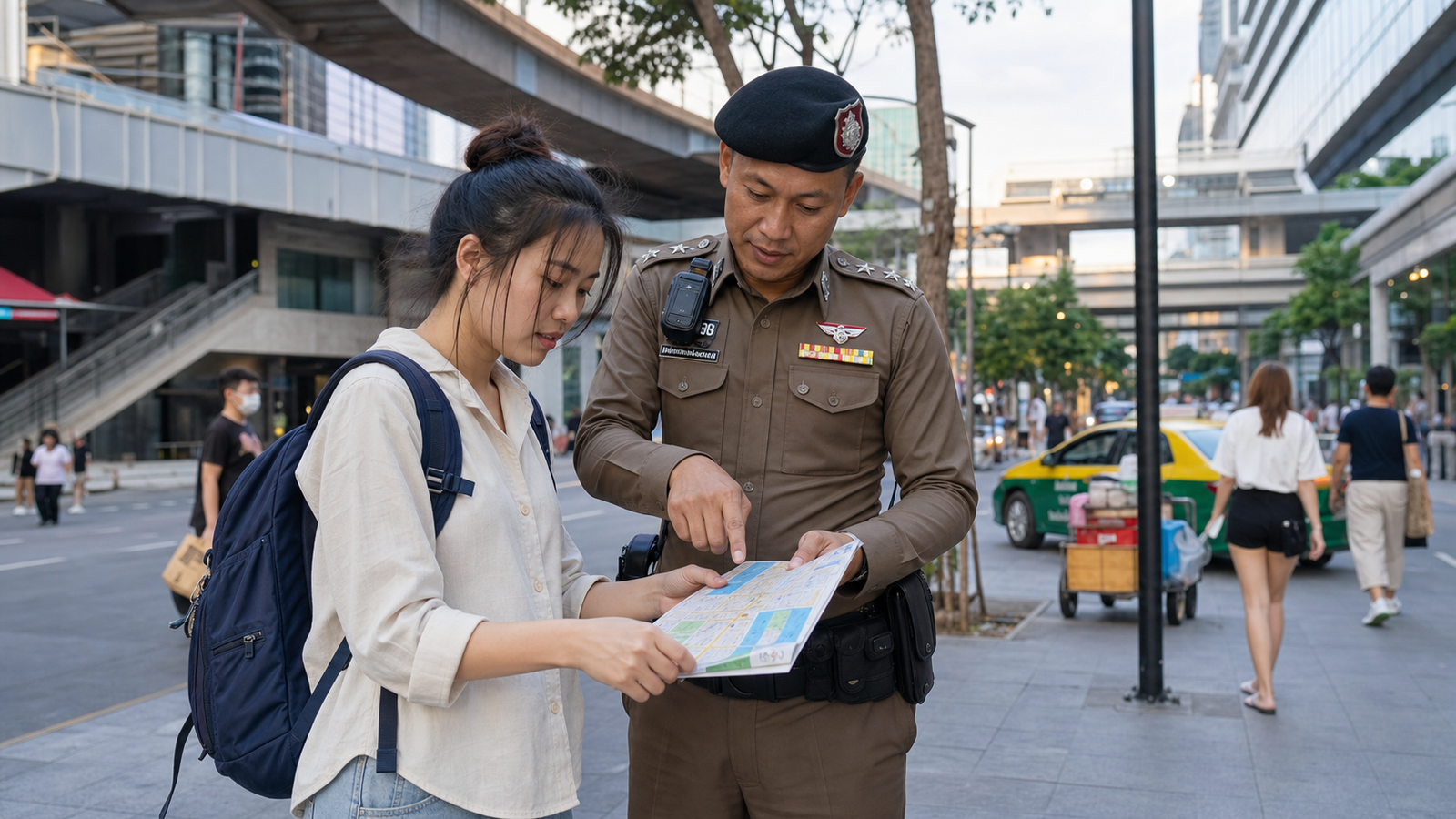
Yes, it’s generally safe for travelers. Popular destinations are well frequented and secure. However, it’s advisable to stay informed about regional advisories. As I’ve said in many videos in the past, I feel safer walking through Bangkok at 3:00 in the morning than I do in my own country at 3:00 in the afternoon. It’s extremely safe.
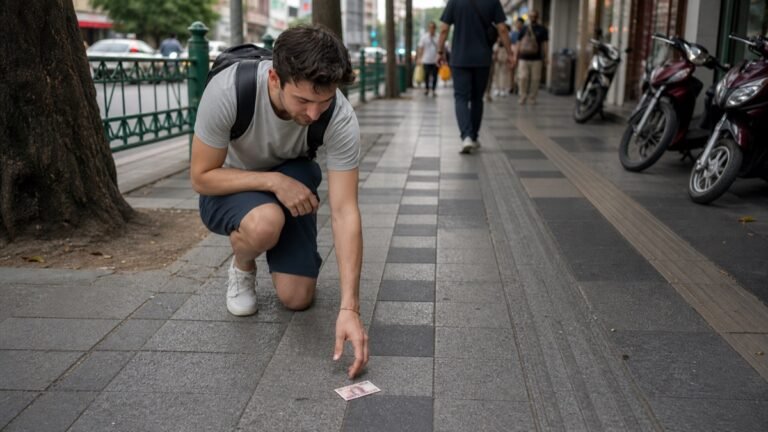
Crime does go on here, but the Thai authorities crack down very hard on Thais committing crimes against foreigners because they want that tourism they want Thailand to be known as a very safe country, which it is. Looking on the other side of the coin, being a little bit negative devil’s advocate the only thing I’d say is scamming, like everywhere else in the world, does take place here. It’s the old scams the tuk tuk driver who wants to take you to his friend’s jewelry store and tells you you can sell these jewels in your own country and pay for your holiday, or going to a bar and they stick extra bills on and you might not notice.
Apart from the scams, generally speaking, Thailand is a very safe destination to visit.
For ladies watching this video: I get a lot of comments from ladies who write into me and say, “I’m a single lady, or I’m divorced, or my husband passed away I want to enjoy the rest of my life. I’d like to visit Thailand. Is it safe for a woman to come alone?” It’s extremely safe. Obviously, you wouldn’t do anything stupid that you wouldn’t do in your own country, but it’s no more dangerous here than it is in your own country, and I would say it’s far less dangerous here. So if you’re a single lady on your own, yes you should come to Thailand and visit. Very, very safe.
Vaccinations and Health Preparations for Thailand

Believe it or not, there aren’t any mandatory vaccinations before you come to Thailand. Obviously, way back in the dark days when COVID was here, we had to have mandatory COVID injections, but other than that, the government don’t stipulate that you have to show any kind of paperwork to say that you’ve had any vaccinations.
My advice on this is: yes, you should get some vaccinations. What I would suggest is you go to your local healthcare center, your local doctor, just tell them, “I’m going to Thailand for the first time what do you suggest?” and they’ll suggest a bunch of vaccinations that you can have before you come out here. I’ve been coming out here for the best part of 30 years, and I’ve never had a single vaccination. Other than a cold and COVID obviously when that was here, I’ve never really been sick. I’ve had some bouts of what they call “Bali belly” I’ve had the runs I’ve never got proper proper food poisoning out here.
That isn’t to say that you should be cavalier and just come out here and not take any injections. Of course, it’s always better to err on the side of safety, and if you haven’t been out here as well, your body can take time to adjust.
One thing I haven’t got on my list: if you come out here, do bring some diarrhea tablets with you. Because you will get the runs. It’s just such a different climate different air, obviously the water’s completely different that you’re drinking, the food is totally different. Your body needs time to adjust. I’ve been living here now full time on my third year. When I used to visit here frequently when I came from the UK, for the first two days I’d always have the runs always and then it cleared up. That was just because of a change of food, water, air, and all the rest of it.
There’s nothing worse if you get the runs and you haven’t got the tablets. So it’s better to get the tablets before you get here, or at least buy them over the counter from a pharmacy when you’re here. Keep them with you in your bag if you’re a lady, in your pocket a couple in your wallet, guys. And if you do get the runs, then you’ve got some help on hand rather than having to try and make it to a pharmacy while you’ve got the runs. That’s not great, is it?
Using Cards and QR Payments in Thailand
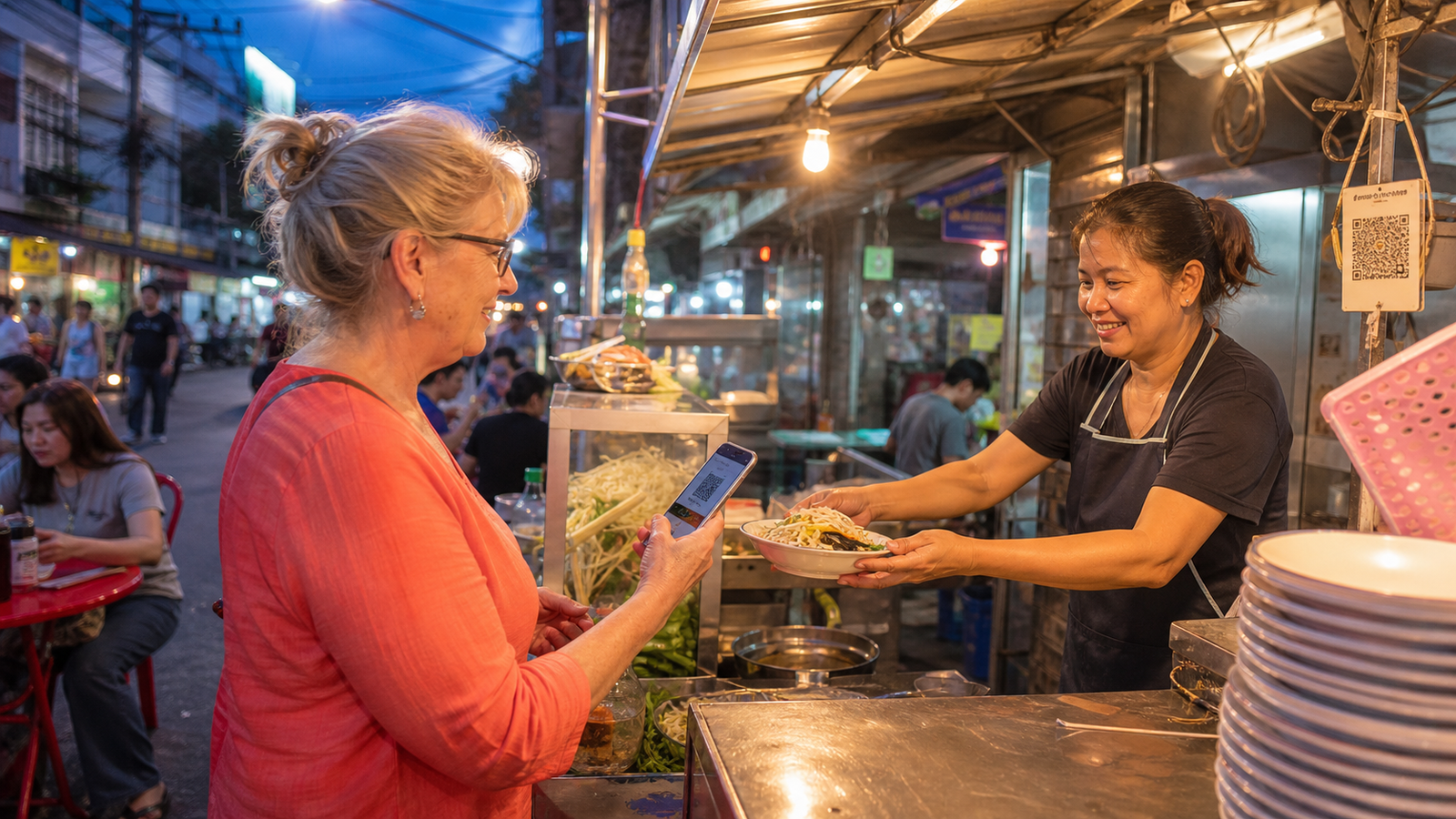
Well, yeah you can in urban areas all over Thailand. You can definitely use credit cards, debit cards. What’s more popular right now is QR codes banking. A lot of people now are opening Thai bank accounts even if they come here on vacation. It is possible to open a Thai bank account even if you’re only coming here on vacation.
If you need help doing that, the company I recommend is One Stop Visa, based in Soi 6 in Pattaya (Mark and Palmy). They can arrange that for you there is a link in the description. So if you’re only coming out here for a couple of weeks or a month, and you’re thinking, “I wouldn’t mind having a Thai bank account,” it’s a good idea. You don’t have to carry cash around with you. You can transfer money from whichever country you come from into your Thai bank account. When you get here, the money is already here. If you don’t use it, when you go back home, you can transfer it back from Thailand to your own bank.
The real benefit is that everybody in Thailand including small food sellers on the street, the small carts where they serve Pad Thai and other dishes for 30, 40, 50 baht they all have a QR code on their phone. I’ve got one on my phone, and basically you can just scan and you can pay. So as far as credit cards go, yes you can use them in urban areas not so much in rural areas but the QR code is a better way to go with a Thai bank account. It’s something, if you’re planning to come over here regularly, you might want to seriously think about. It really does help you out. And of course the bonus is you don’t have to carry cash, and you’re not going to come home with a pocket full of change like I used to do.
Getting Around Bangkok and the Rest of Thailand
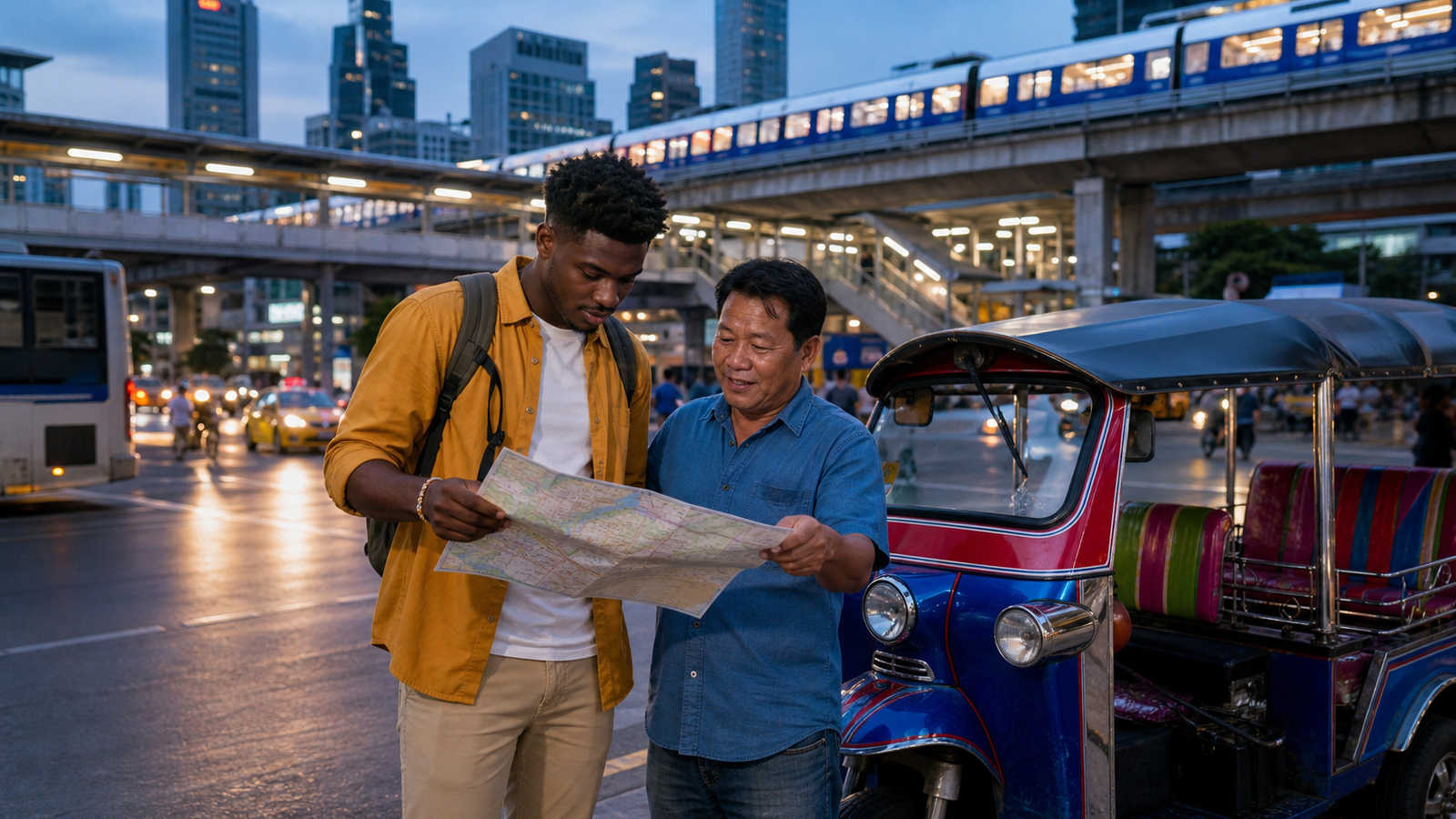
As far as urban areas let’s start with Bangkok. The transportation in Bangkok is second to none. You’ve got the MRT (the underground system) fantastic. You’ve got the BTS system (the overhead train) which goes all over the city. You’ve got Grab, you’ve got Bolt, where you can set the fares on taxis so you don’t have to worry about jumping in a taxi and the driver won’t put the meter on and quotes you 300, 400, 500 baht for a journey that costs a Thai person 50 baht. You can use Grab or Bolt you get a fixed fare; what’s on the app is what you’ll pay.
They have motorbike taxis here. Because the weather is good most of the time, you can just jump on the back of a motorbike and they’ll take you wherever you want to go. You’ve even got river taxis they have canals all over Thailand, and you can jump on a river taxi. You just need to learn where it’s going, but everything’s in Thai and English, and it’s very easy to get around the city.
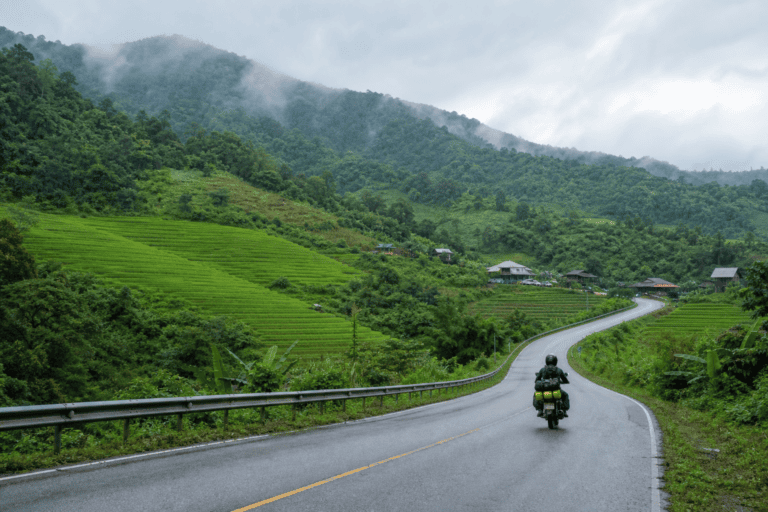
As far as other cities go, songthaews if you don’t know what a songthaew is, it’s a mini bus with two bench seats in the back, a pickup truck. They’re commonly known as baht buses in Thailand. They have those in most cities. But when you go more rural, it might be a little bit more difficult to get transportation. If you do go rural, you can always rent a small scooter a Honda Click or a Honda Wave something like that for a couple of hundred baht a day. So getting around in Thailand is a very easy affair it’s not something you need to worry about.
And if you come with a family and want to rent a car, you’re looking at about maybe 6,000 to 8,000 baht a day maybe less. That does seem quite expensive. I’ve never rented a car I own a car here so you’d need to do your due diligence and really do your research before you go ahead and rent for a week. I know people who rent cars when they come here on vacation they rent a car for a week and they go all over Thailand. So that’s another good option.
Tipping Etiquette in Thailand
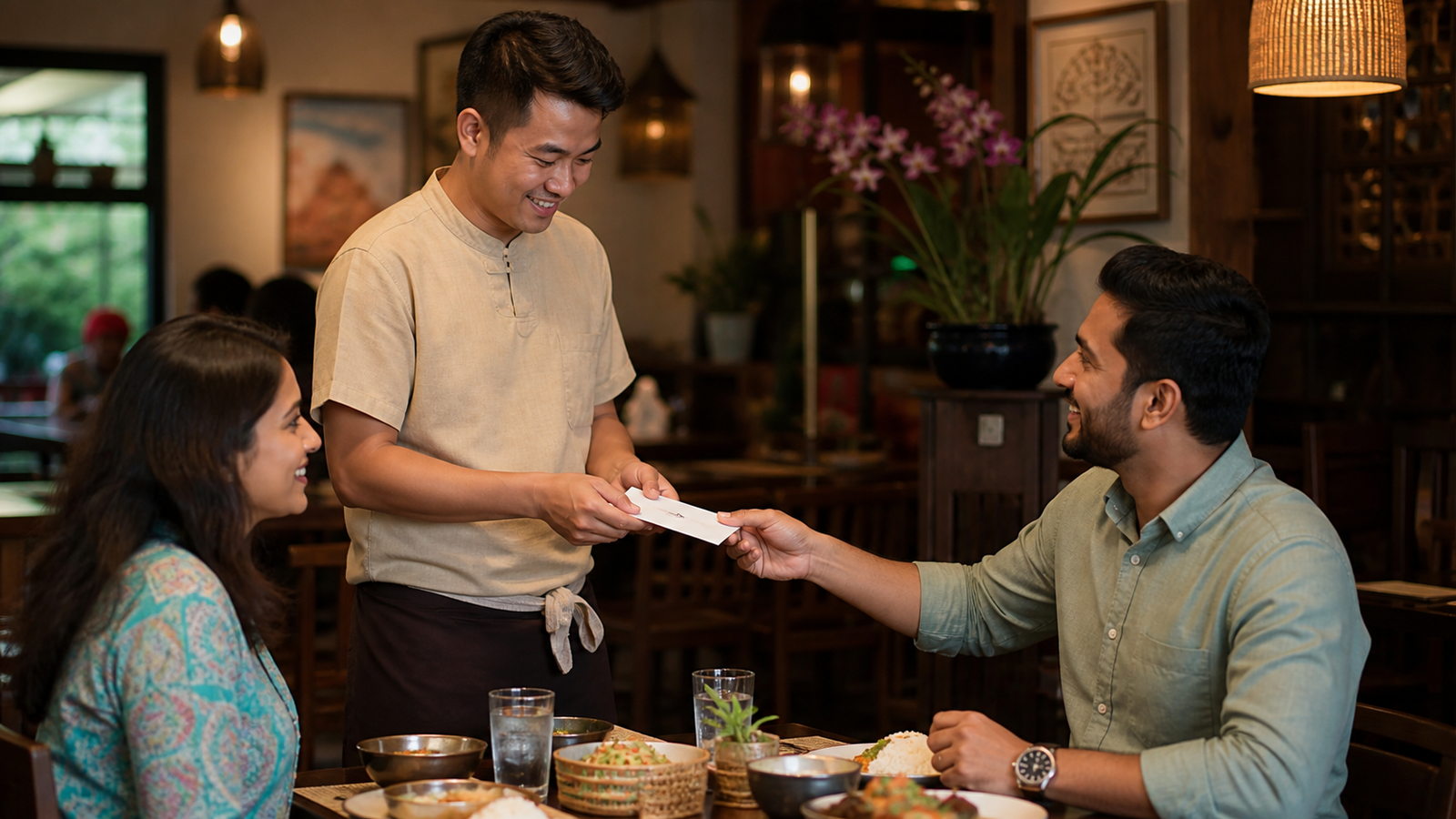
If you ask any expats out here, they’ll come out with a standard answer, and that is: Thais do not tip it’s an expat thing. Whether that’s true or whether it’s not, I’m not going to debate it here because I’ll get lots of comments with people arguing with me, and that’s not what I want to get into today. But generally speaking, as a foreigner, the Thais let’s just say they do like you to tip.
I made a little short video recently about service charges something that shocked me that I didn’t know about. When you go into a restaurant or a bar and they have a 10 15% service charge on the bill, in Europe and most other countries the service charge goes to the staff or at the very least 50% goes to the staff, 50% goes to covering breakages and losses in the restaurant. Here in Thailand, what you’ll find a lot of the time I’d say 98% of the time you’ll find that the owner keeps that service charge.
So when you go into a restaurant and you see the service charge, you think, “Well, they’ve had the tip because it’s on the service charge, so I’m not going to tip them.” Actually, they probably don’t get that. The average salary for a Thai waitress, waiter, 7 Eleven worker even in a city like Bangkok is anywhere between 9,000 and 11,000 baht, maybe 12,000 for a supervisor. Let’s say on average 10,000 baht a month. That’s a salary. You can work that out in dollars and pounds it’s not a lot of money. It’s about £250 a month, $300 a month. So those tips go a long way to helping those people. They work very hard, and they deserve them.
I always tip wherever I go even if there’s a service charge, even if it’s 20 baht it helps them out. If everybody tipped 20 baht, their salary would be a lot higher.
Choosing Accommodation at Every Budget
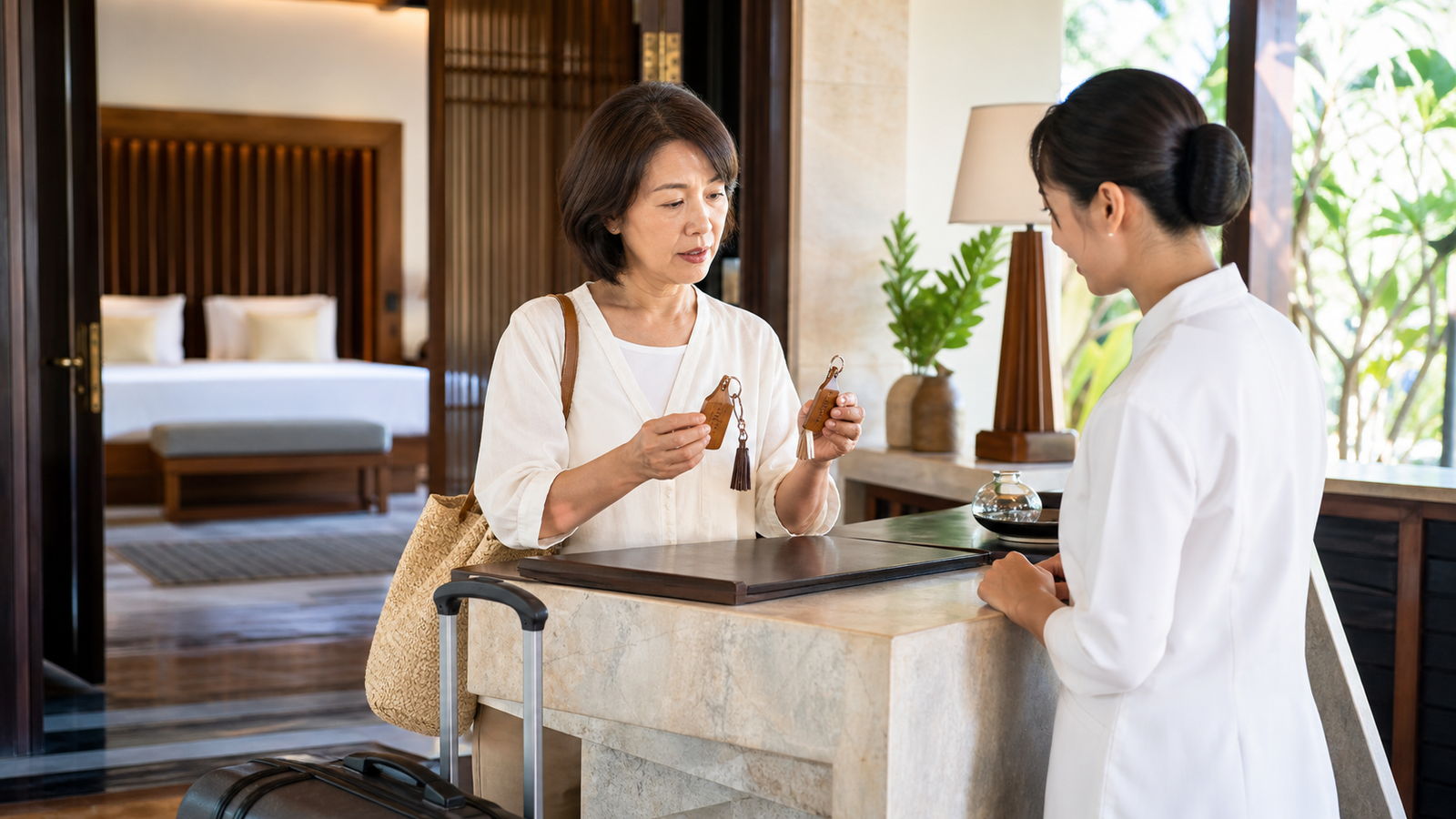
The great thing in today’s modern world is we have the internet, we have booking sites like Agoda, Booking.com, Airbnb. You can find everything on there, so it’s not something I want to get into in a big way on this video because you can research that yourself. The only thing I’ll say on it is: the accommodation is fantastic at every level.
When I first came here 30 years ago and went down to Pattaya, 70 80% of the smaller hotels you could choose between a room that had air conditioning or a room that just had a fan on the ceiling which was about half the price. Those days have long gone now. Everywhere has air conditioning. You might find the odd student accommodation, a hostel, that might not have air con I can’t imagine it in this day and age.
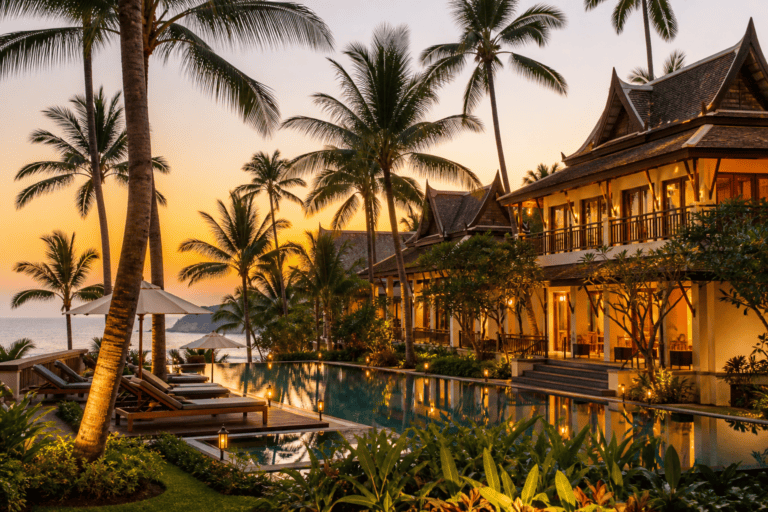
In answer to the question what’s the accommodation like? Brilliant, at every level monetary wise. You’ll find what you’re looking for. Even the budget hotels are of extremely high quality air conditioning, cleaned every day, fresh sheets and towels. You won’t be disappointed. You can get a pretty good place for anywhere between 800 and 1,200 baht. It’s basic, but it’ll be clean and comfortable if you’re on a bit of a tight budget.
What to Pack for Thailand’s Tropical Climate
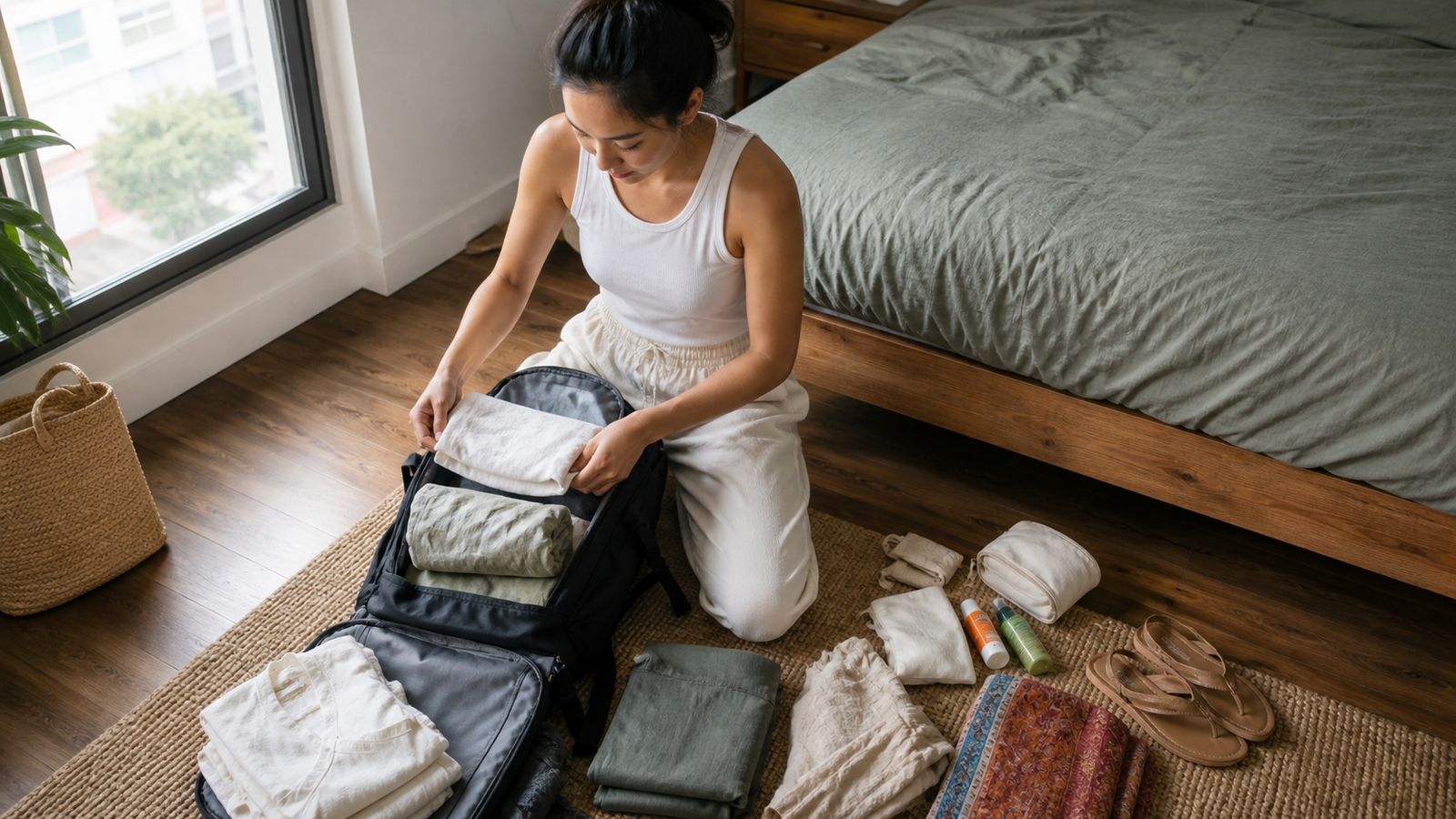
Lightweight clothing suitable for a tropical climate, comfortable footwear, sunscreen, insect repellent, and any necessary medications. If planning on visiting temples, pack modest attire.
Something you need to know first of all: some suntan lotions here in Thailand are banned because they damage the coral. They do have Boots here, they do have Watsons here people speak English in those outlets. If you’re looking for a sunscreen that is legal that you can use here, I would really recommend going into one of the major chains like Boots or Watsons and just asking the staff, “Which sunscreen can I use in Thailand legally and won’t have any bother?” And that way they’ll give you the correct one. If you bring one from home, be very careful you can actually get arrested for using the wrong sunscreen. As far as medication goes: most things you can buy over the counter here. I’m on prescription drugs I have a statin to bring my cholesterol down I can buy that over the counter. I get acid reflux I’ve been on that for 25 years. So you don’t need to go and see a doctor, you don’t need a prescription. If you forget your medication, you can buy that over the counter at any pharmacy. There are a few things that you can only get from a hospital, but if you did forget something, you could go to a local hospital and just tell the doctor, and they would prescribe it for you. As far as clothing goes: it’s a very hot country light clothing is the order of the day. You might want to go out to a very nice formal dinner in a posh hotel once while you’re here to celebrate something. In that case, for the guys, pack one pair of long trousers, a nice short sleeve shirt. For the ladies, maybe one dress that you’d wear out in the evening. Other than that, it’s all casual shorts, T shirts. The only other thing you need to respect is if you visit temples you need to dress very respectfully. Ladies, that means you need your knees covered, shoulders covered. Guys, you can’t go into a temple wearing flip flops and a singlet vest it’s just not done. People will try and sell you overpriced clothes outside the temple, so just pack some decent gear before you come out here.
Thailand Attractions Worth Adding to Your Itinerary
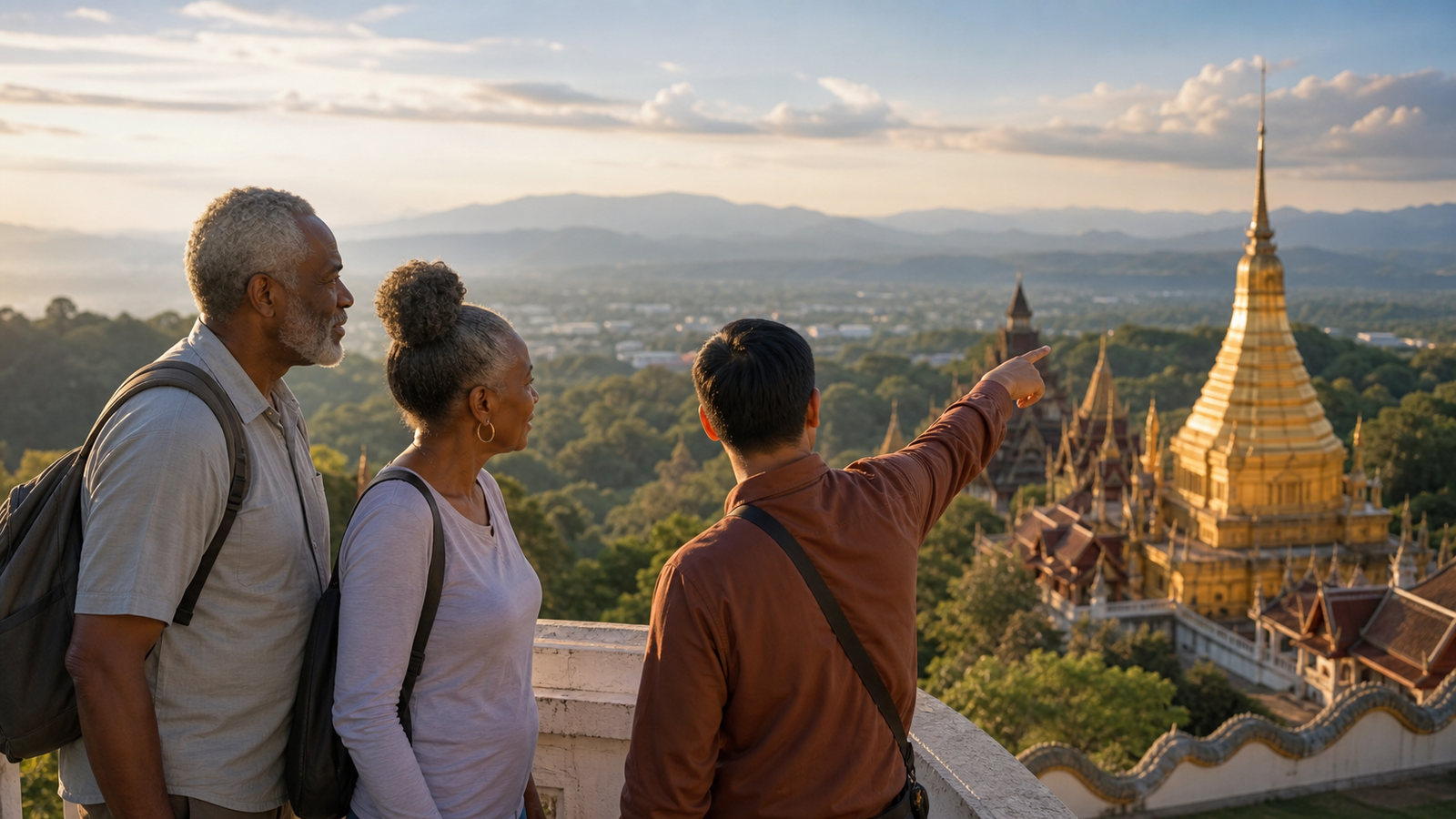
There are so many attractions in Thailand. Popular destinations include the Grand Palace (that is a must see especially at night it’s lit up beautiful; you can’t go in at night but it’s worth a visit just to see the outside of it), Chiang Mai temples, Phuket beaches, Ayutthaya’s ancient ruins (the first capital of Thailand), and the stunning islands of Koh Samui, Koh Phangan, and Koh Tao.
There’s so much to do here. If it’s your first time here and you think, “I don’t know Thailand where am I going to go?” every hotel has a kind of tour section. If you go up to reception and say, “We want to do some tours we want to go somewhere nice,” the reception can point you in the right direction. You can hire a minibus and a driver for the day for a very low price to take your family to maybe two locations. You can go down to the Maeklong Railway that’s a railway that’s been there for a long, long time. The train comes through and all the stores go back that is a must see. I’ve been down there it’s about 2 and a half or 3 hours drive from Bangkok.
There are some great floating markets. There’s so much actually too much for me to get in depth. But that’s something when you get here you can inquire about, and again, there’s a lot of things on Google. I wouldn’t deal with the taxis and vans that park on the street with big posters on the side showing pictures of everywhere they’ll take you those guys can be a little bit expensive and charge prices that are kind of over the top. I would deal through the hotel it’s very reasonable.
SIM Cards and Mobile Internet for Visitors
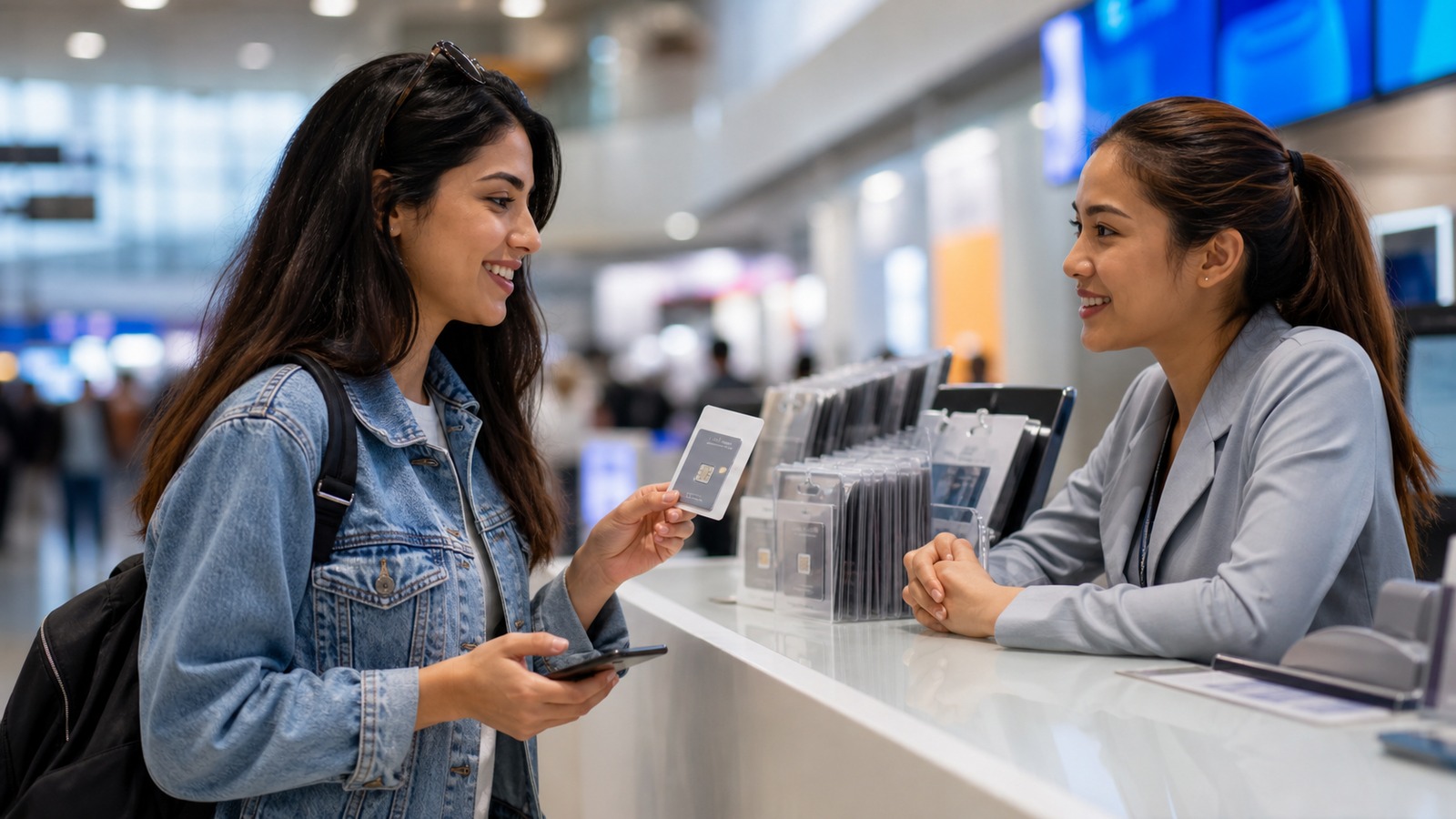
It’s extremely easy. The good thing about Thailand is every hotel, every bar, every restaurant the internet speed here is surprisingly fast, much faster than I used to have in the UK. Every bar you go into, you can just hook onto the internet. If you go somewhere regularly, you can set it to remember and automatically log back on.
But if you need your own SIM card, you can get them from 7 Eleven, you can get them at the airport. They do packages daily, weekly, monthly unlimited, limited there’s so much to choose from. But you cannot go anonymous you must register SIM cards now. The Thai government are trying to crack down on crime; they want to know who’s coming into the country who’s registering their SIM cards. So you will have to show your passport perhaps have a picture taken at the airport like I did and then you can get a temporary SIM card. If you’re not doing anything wrong here, there’s nothing to worry about.
Why Visitors Should Avoid Thailand’s Tap Water
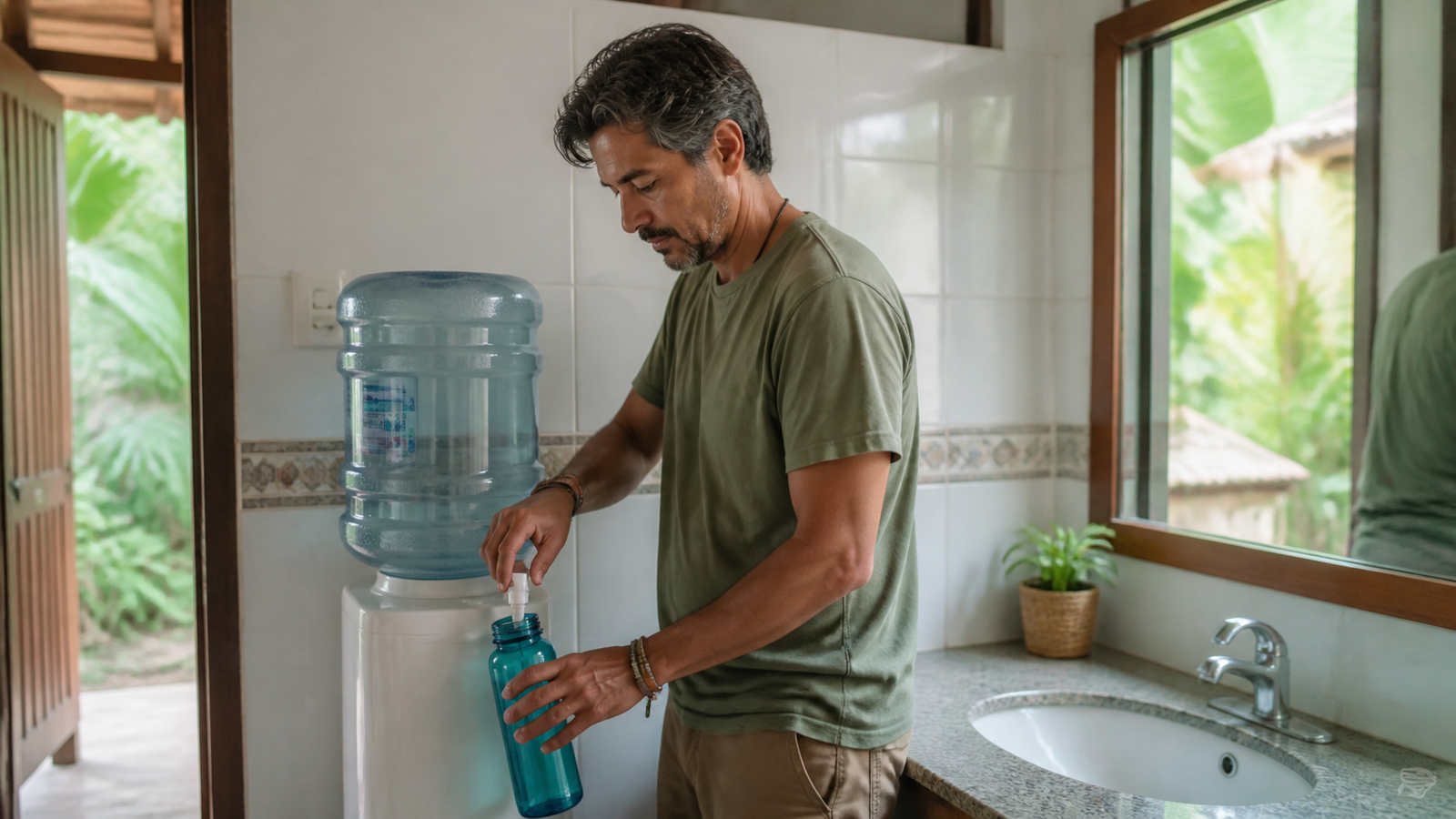
No. When you come here, don’t drink tap water it’s unsafe, it’s not clean enough for drinking. You can brush your teeth in it, you can shower in it obviously you can’t be expected to shower in mineral water. You shower, you brush your teeth, you use the water from the tap for everything. It’s clear, it comes out clean. But as far as ingesting it and drinking a large amount, I wouldn’t risk it.
I’ve accidentally drunk on several occasions a cup of tap water. I’ve come here from the UK on vacation on my first day, woke up not with it, brushed my teeth, filled a glass with water without even thinking, drank it, put the glass down, and thought, “Oh no I’ve just drunk untreated water,” thinking I was going to have the runs for the next week and nothing happened. I was lucky, but that was just luck. So generally speaking, mineral water is sold everywhere it’s dirt cheap. You can get it for as little as 5 baht for a bottle. A reasonable size bottle is like 20 baht.
How to Avoid Common Thailand Tourist Scams
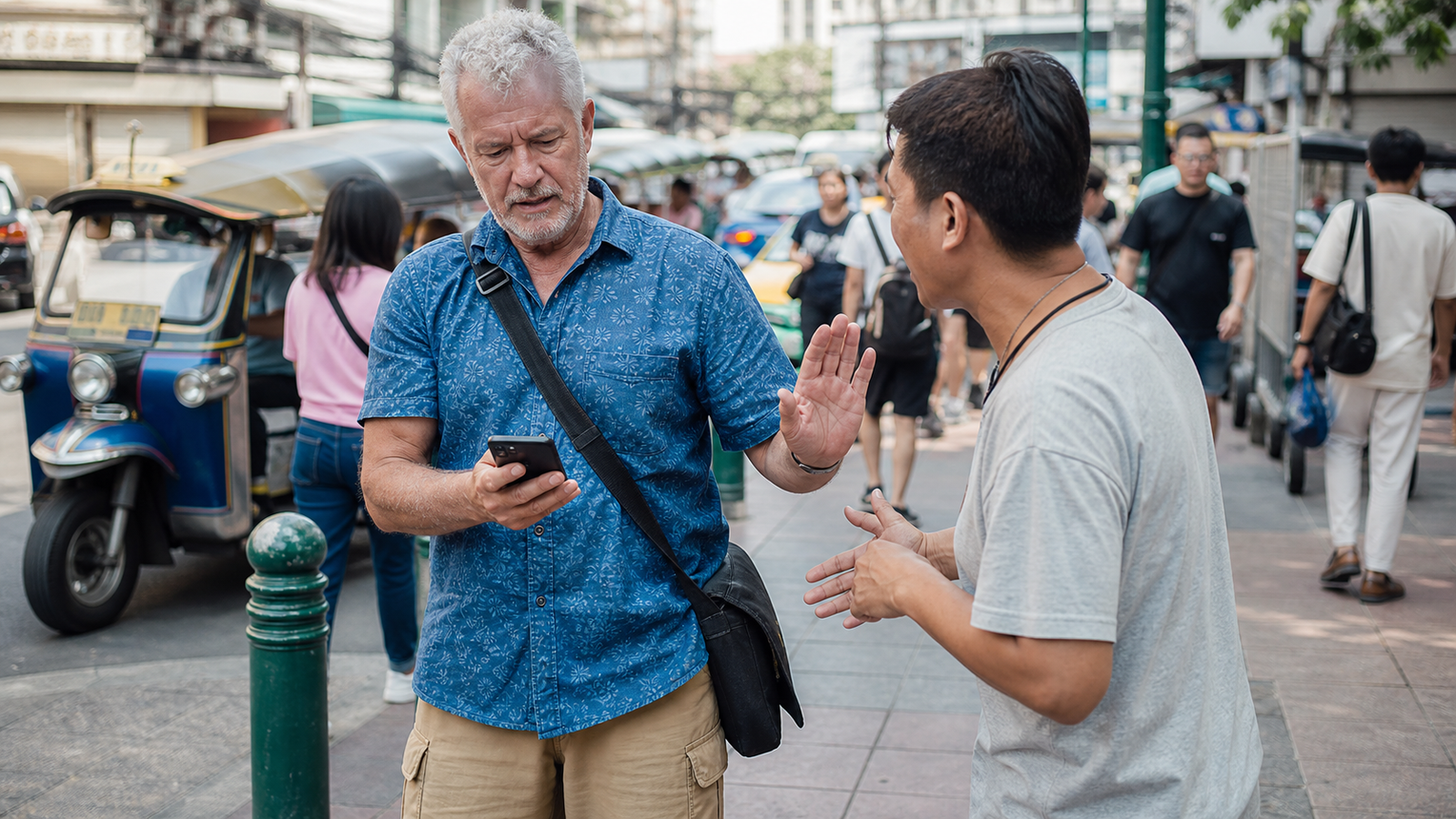
Be cautious of over friendly strangers offering unsolicited help, gem scams, and overpriced tours. Always verify prices and stick to reputable businesses which I touched on with the tours.
If you get somebody come up to you and they’re extra friendly the Thai people are very friendly; it’s called the Land of Smiles for a reason. You smile at a Thai, it’s very unusual for a Thai not to smile back at you. Very, very friendly people they’ll go out of their way to help you. But unfortunately, like every country in the world, there are unscrupulous Thais here who are out to scam, and foreigners can sometimes be seen as easy targets.
If something looks too good to be true I know it’s a cliché it normally is. I don’t normally buy something from people who tell me about such a great deal. If I want to instigate a sale or something that’s interesting, I’ll do that myself I won’t listen to people. So when you’re here, if somebody comes up to you and offers you something, offers to take you on a tour no, you don’t want to do it. If you want to go on a tour, go and see the hotel organize it with them.
How to Eat Thai Street Food Safely
Our guide to common Thai street-food mistakes covers extra precautions for visitors.
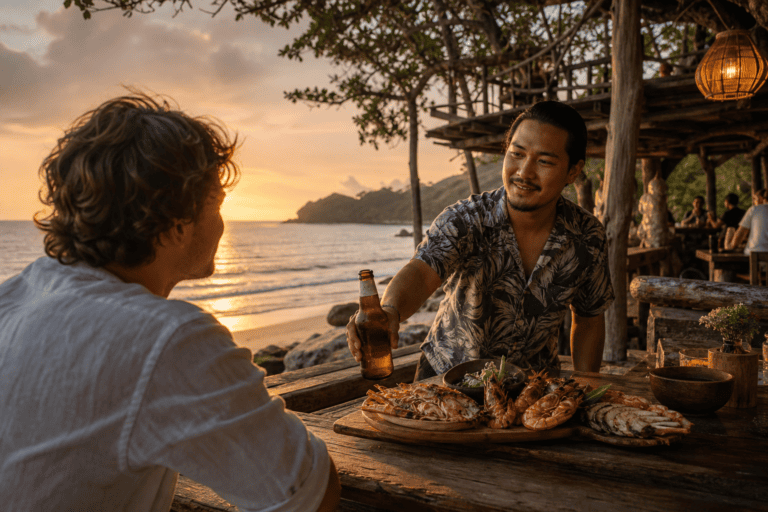
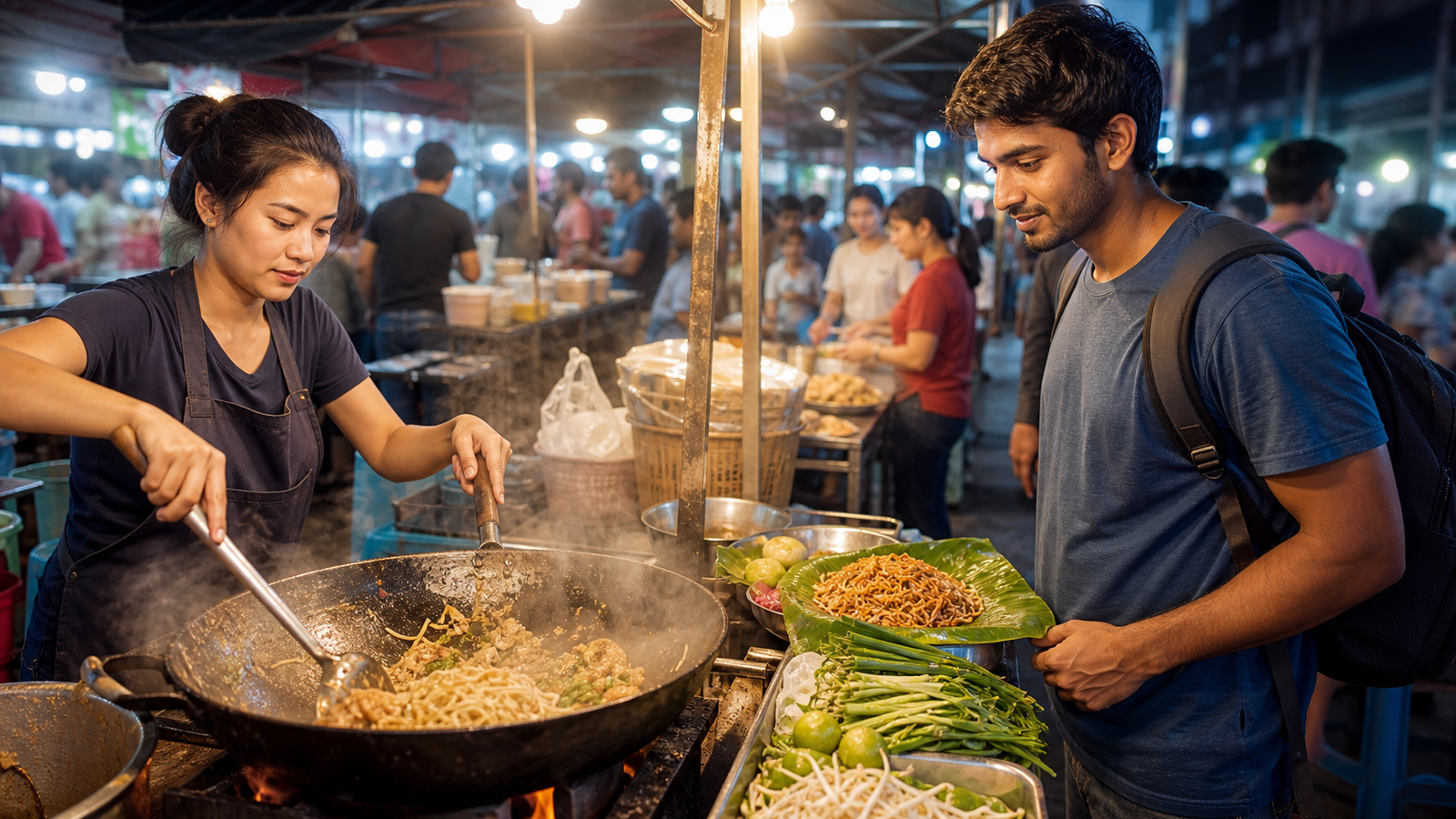
Thai food is delicious, affordable, and diverse. Look for busy vendors with high turnover to ensure freshness. Avoid stores with food sitting out for a long time which is common sense. I practice this myself not only with food stores but with any restaurant I go to. If I’m out and I fancy something to eat from a restaurant and I see an empty restaurant with staff sitting there and one guy outside with a menu trying to entice you in, I won’t go near it. In a hot country, if they’ve got meat in the back, it’s probably sitting there you don’t know if it’s refrigerated. If there are a lot of people, there’s a high turnover, then everything’s going to be fresh.
On the subject of food carts a lot of people use them it’s a great cheap way to eat. If they have a high turnover like generally anywhere around Sukhumvit, Siam those sorts of areas where the Thais are eating they do have a high turnover, the food is fairly clean. But again, if you’re coming from Europe or America or Australia somewhere like that, our stomachs aren’t as used to this kind of food like the Thais are. My stomach has actually toughened up now I generally eat street food occasionally because it’s cheap and it’s convenient. It takes 2 minutes, you’ll be hungry, you see it there, you have some noodles with pork it’s 2 minutes and 50 baht, and you’re done. I generally don’t get the runs or anything now.
But if you’re coming over on vacation and you’re not used to it, it would be nice to try some street food, but just be very cautious. As my notes said: if the food’s been sitting there for a long time or you don’t see people lining up to get the food, give it a wide berth give it a miss. If there’s plenty of Thais around there, they normally have these metal tables around and people are sitting there eating give it a go. It’s a good experience it’s what coming to Thailand is all about.
I mean, if you’re going to play it safe, then why leave your front door in the morning back in the UK or wherever you come from? You might get run over by a car. What’s the point? You’re coming here for an adventure. It’s a great country take it for what it is, enjoy it, and you have to take a little bit of risk just to have that fun.