How I Found Luxury Thailand Hotels for 35 Dollars a Night
I’ve managed to stay in some of Thailand’s most luxurious hotels even when I was completely broke.
Thailand is home to some of the best hotels in the world, and you can experience them too without breaking the bank. I’ve stayed in high-end hotels for as little as $35 per night, and these are the five tricks that have helped me enjoy five-star results in Thailand without breaking the bank.
The Resort That Saved Me $400 a Night
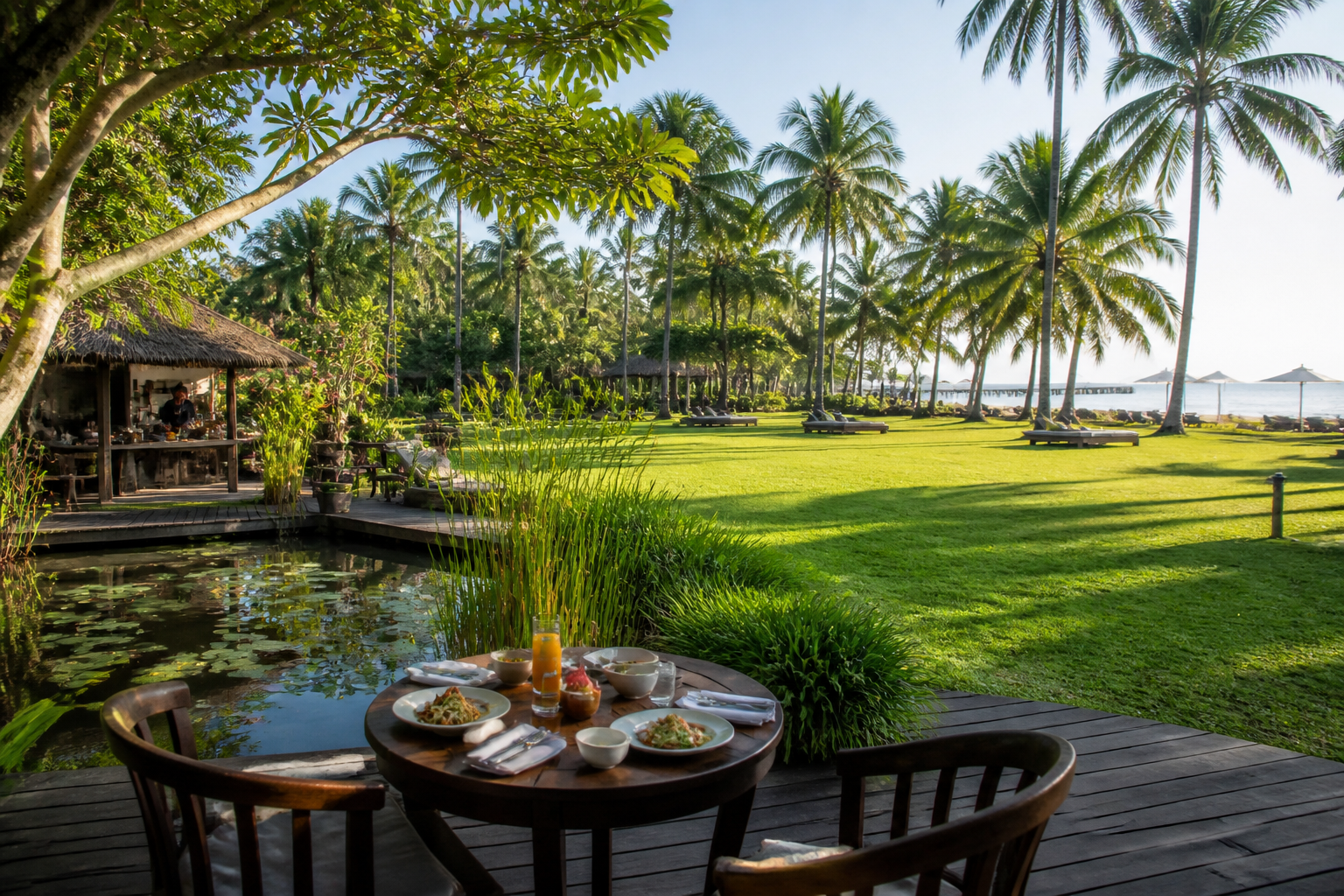
I was staying at a beautiful beachside hotel where I managed to save over $400 a night. It was a chain known to be visited by celebrities from around the world, and the resort had one of the best breakfasts I’ve ever had in a hotel. The coolest part was the street-food noodle stand they had every morning.
The pool was really nice to relax by, and they even had their own parrot. The rooms were huge, with balconies overlooking a small pond and enormous bathtubs to relax in. The spacious garden was fun to walk around, and overall this was one of the better hotels I’ve ever stayed in.
Tip 1: Travel During Thailand’s Offseason
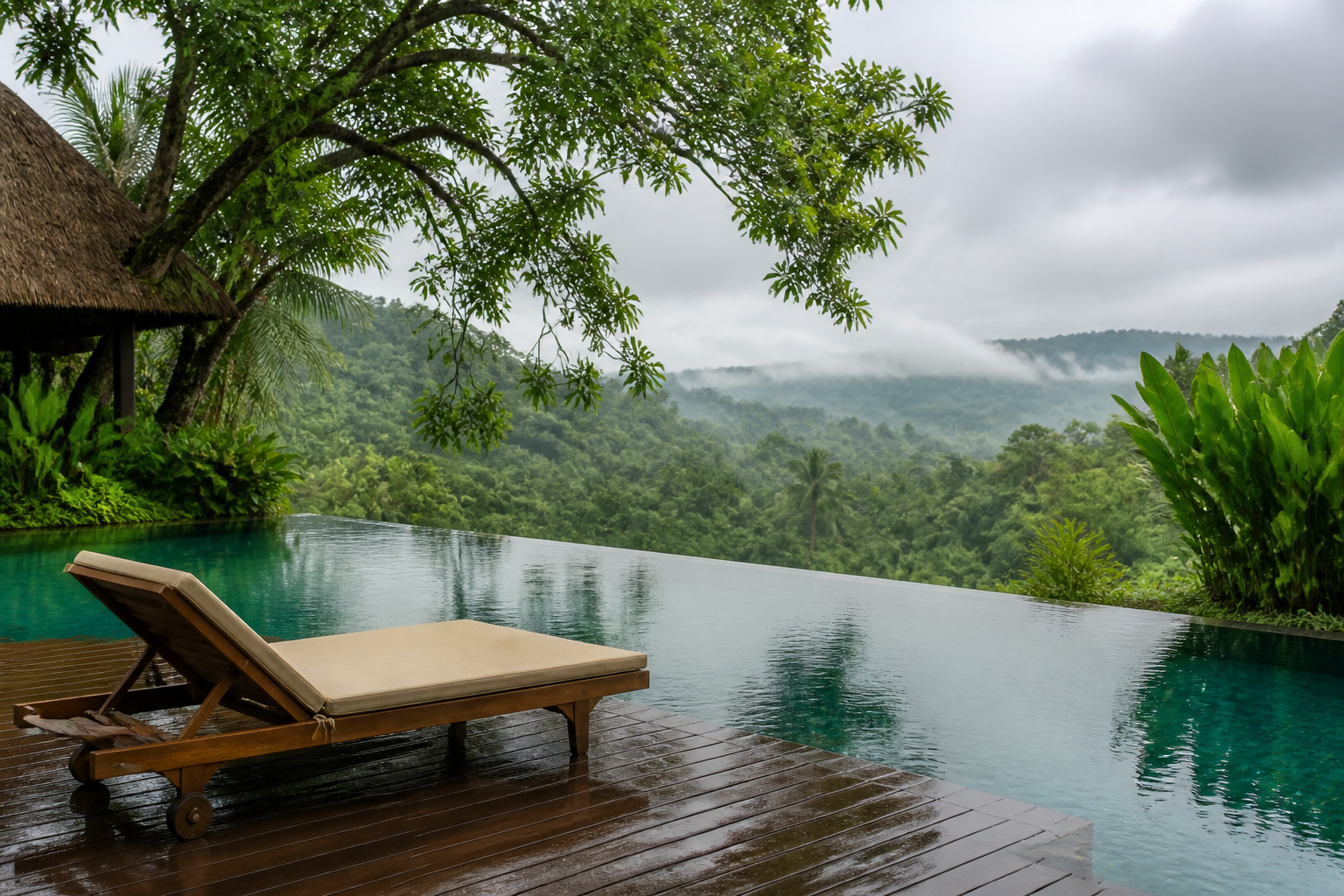
My first tip will not only get you cheaper deals on luxury resorts; you’ll also be able to get a much more personalized experience, with a higher chance of getting your room upgraded. To save big when planning a luxury stay, it’s important to avoid peak travel times.
The busiest times of the year to visit are between the end of November and the beginning of February, as this is generally when the weather is best throughout the country. It’s also when most people are celebrating their Christmas or New Year break. There’s another spike during the summer, but this is more spread out, so you might have more wiggle room to find a good deal.
For example, when I visited at the end of July, I managed to find a good deal, so it is still possible to get the biggest benefits. Thailand’s offseason runs from February to June. Luxury resorts often slash their prices by about 50% during this time, and they may even upgrade you because some of the higher-quality rooms are available.
You also need to avoid national holidays. The biggest holidays to avoid are Songkran, which takes place in mid-April every year; Chinese New Year, which follows the lunar calendar and usually falls between the end of January and the end of February; and Loy Krathong and Yi Peng, which take place in November. During these times, you’ll see an increase in Thai tourism, while many people also travel from around the world to visit. If possible, I’d also avoid weekends because they are busier periods.
Tip 2: Book Your Room Before Prices Rise
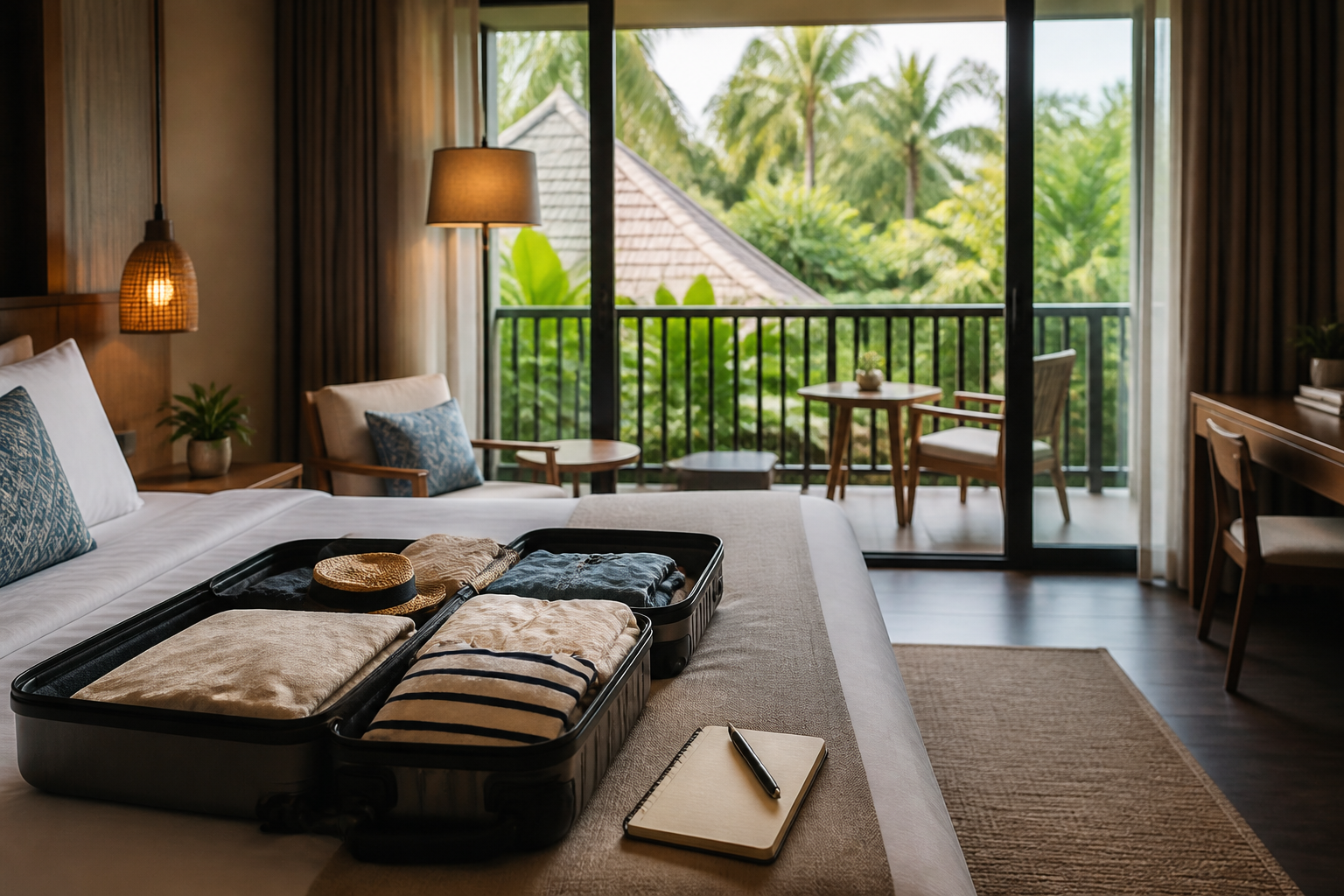
For some people, choosing the time of year to travel might not be an option, but my next tip will help you save big no matter what time of year you travel. In fact, it saved me 50% on the hotel I was staying in. It can also get you better availability, especially on the cheaper rooms in resorts, a higher chance of discounts, and protection from last-minute price hikes.
By booking ahead, you can lock in lower room rates and have a wider range of rooms to choose from. This is why I say it’s better to book cheaper rooms in resorts, because they are generally the quickest ones to fill up. I’ve sometimes left booking too late and found that only the deluxe suites were left, which was usually out of my price range.
Luckily, in most high-end resorts, even the cheaper rooms are high quality. You don’t have to book that far in advance, though. We only booked this room a few weeks ago, and when I checked the prices again the day before we arrived, they had doubled.
It is occasionally possible to get a last-minute deal if, for example, you’re traveling outside of peak season and the hotel is under capacity. It might offer discounts to make sure it reaches capacity, but in Thailand it is far more likely that the hotel raises its prices at the last minute to take advantage of late bookers.
Tip 3: Look Beyond Phuket and Koh Samui
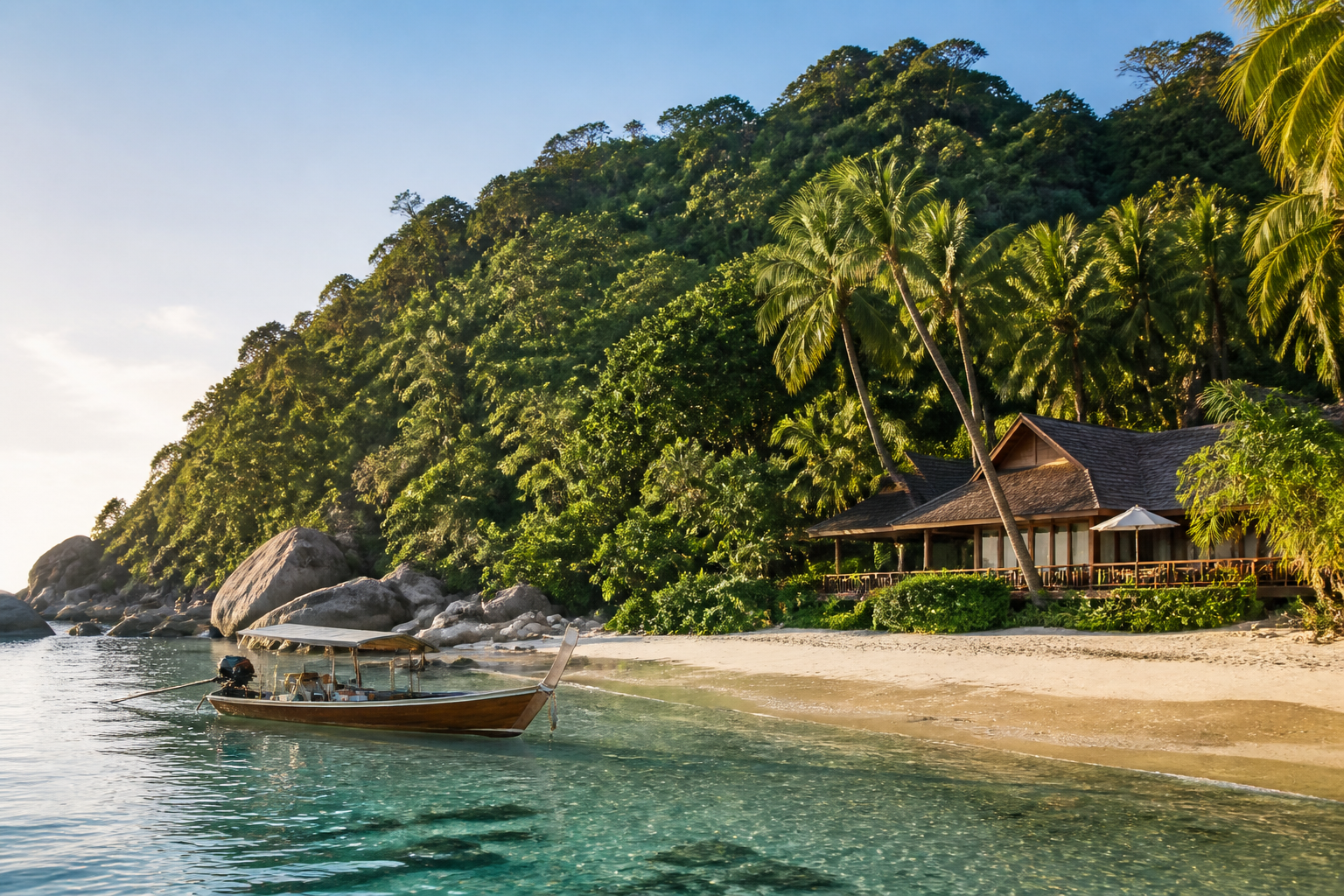
If you have no control over when you travel and have already left it too late to book, my next tip is the most actionable and arguably the most important. It concerns where to book your hotels.
Phuket is famous for its stunning beaches and vibrant nightlife, and it boasts the highest concentration of luxury hotels in Thailand. You’ll find some of the swankiest beachfront hotels there, but because Phuket is so popular, it’s also one of the most expensive places to stay. Hotels are prime real estate on the island, so accommodation in general is more expensive.
A while back, I stayed over Christmas on Kata Beach. A pretty basic hotel on the beachfront cost over 5,000 Thai Baht a night, or around $140. For the hotel I was staying in, I paid around 3,000 Thai Baht per night, while an equivalent room in Phuket under the same brand, with the same amenities at the same time, cost around 8,000 Thai Baht, or around $500. For more or less the same hotel experience, I saved about 15,000 Thai Baht, or $420, over the cost of the three-night stay.
Koh Samui also has similar high prices, so I would look elsewhere. In general, the further north you go, the cheaper the hotels are. For good deals on a beach location, I’d consider the Trat Islands. These islands are less developed for tourism but have some of the most luxurious resorts in the country at very reasonable prices, including Koh Chang, Koh Mak, and Koh Kood. Koh Kood in particular has many high-end resorts and stunning secluded beaches.
I was also staying in Hua Hin, just a few hours’ drive from Bangkok, which allowed me to take advantage of much lower prices than in the south of the country. The best deals to be had definitely exist in the north of Thailand, including Pai.
Tip 4: Stay Outside the City Center
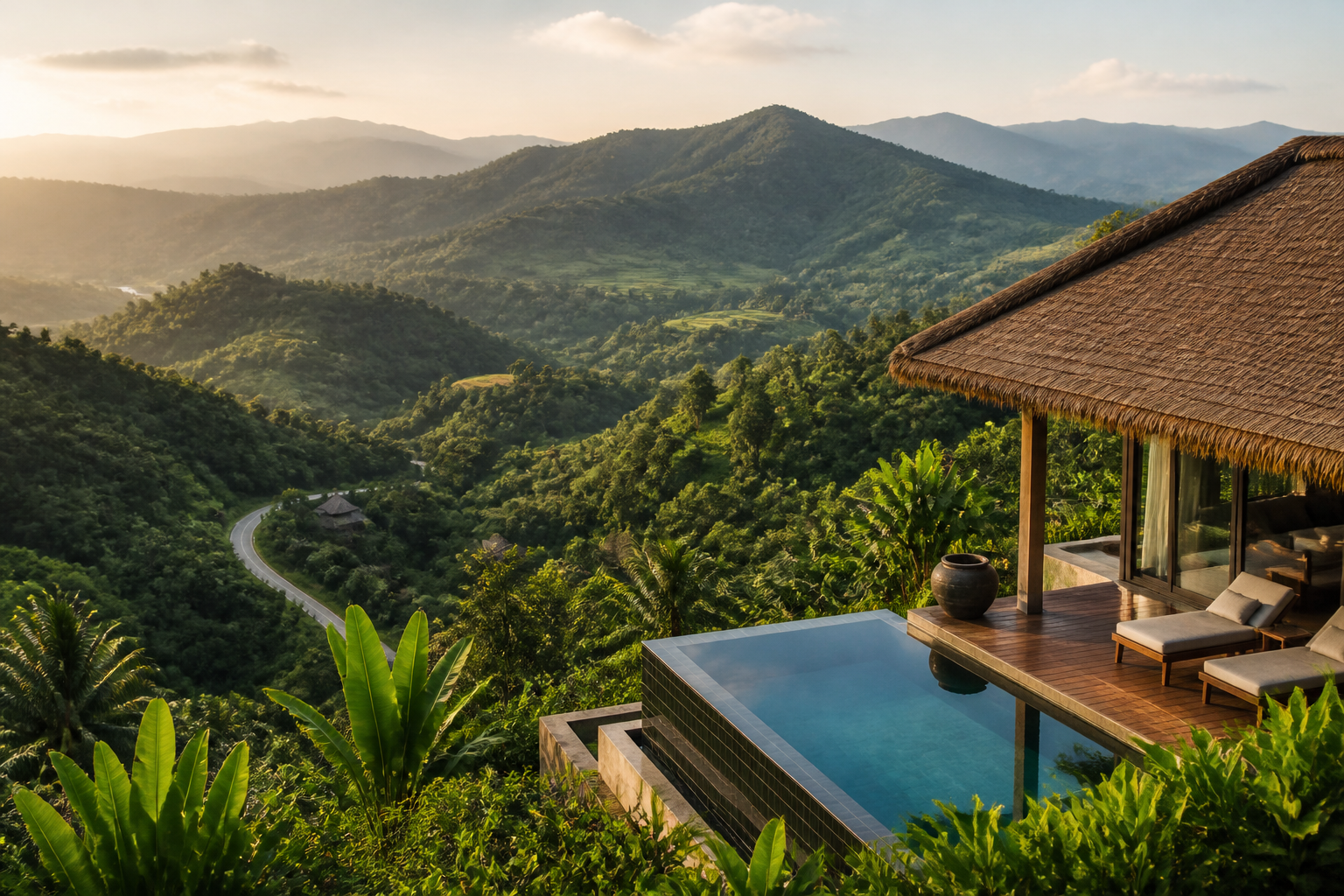
This tip will not only save you money; it will put you in touch with Thailand’s most beautiful natural areas and give you a peaceful atmosphere where there is nothing to do but enjoy the beautiful hotel you’re staying in.
If you think about the practicalities of building and maintaining a five-star luxury resort, one of the major costs is the location. Real estate in the middle of a city is far more expensive, so by building resorts in more secluded locations, hotels can save money and pass on lower prices to guests. They also have the space and freedom to build stunning resorts.
I once stayed at Santia Tree in Koh Chang, nestled in a beautiful setting with a mountain backdrop beside a river that you could rent kayaks to paddle down. It also had its own private beach. The resort I was staying in at the time was about an hour’s walk from the city center, which meant it could have its own private beach and the space to create a really beautiful hotel.
This has an obvious disadvantage: how can you explore the region if you’re staying far away from everything? If I’m staying in a resort like that, I don’t want to spend much time outside it. There’s plenty to do within the resort, and I want to get my money’s worth. When I visited Pai in northern Thailand, I spent a few nights in the town center enjoying the bustling market, street food, and a few German beers in the evening. I bought something cheap in the city, then moved to a hotel about a 20-minute drive away.
My Private Hot Spring Bargain in Pai
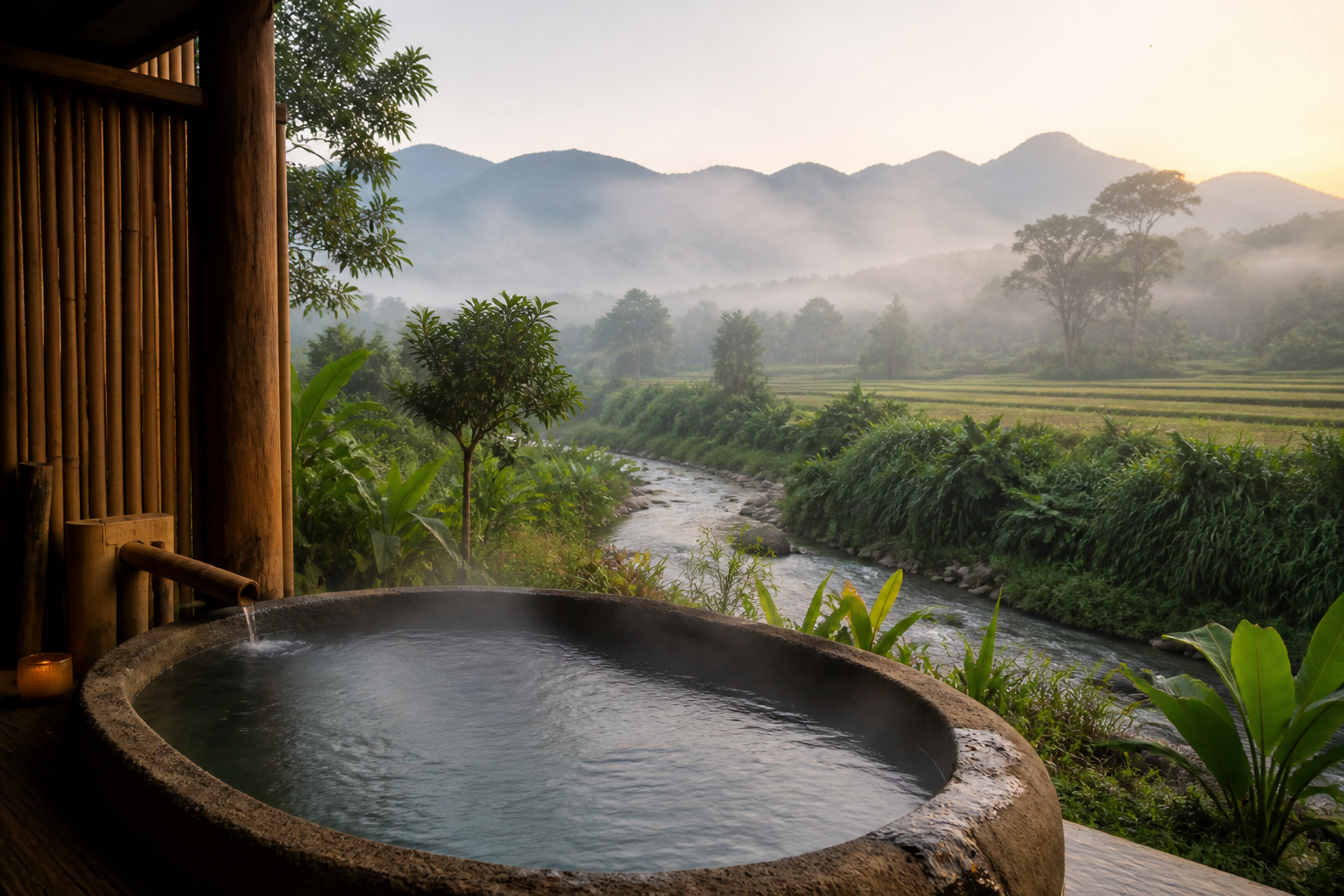
That move led to the best bargain I’ve ever had in Thailand. The hotel was in Pai in northern Thailand, set up on the side of a mountain. The area is famous for its hot springs. Most guests visit the public hot springs, where they have to share a bath with other groups of tourists, but this hotel had its own private hot-spring bath.
Not only that, but the private hot-spring rooms overlooked the stream and the rice paddy fields that northern Thailand is famous for. This was one of the most unique and relaxing hotels I’ve ever stayed in, and it only cost me around 1,500 Thai Baht per night, which was about $35.
I followed some, but not all, of the rules from earlier. This was in northern Thailand, so it was cheaper, and it was also about a 25-minute drive from the town center. It was during peak season because it was right at the beginning of January, but we still managed to get it for a low price.
Find Boutique Hotels for a More Local Stay
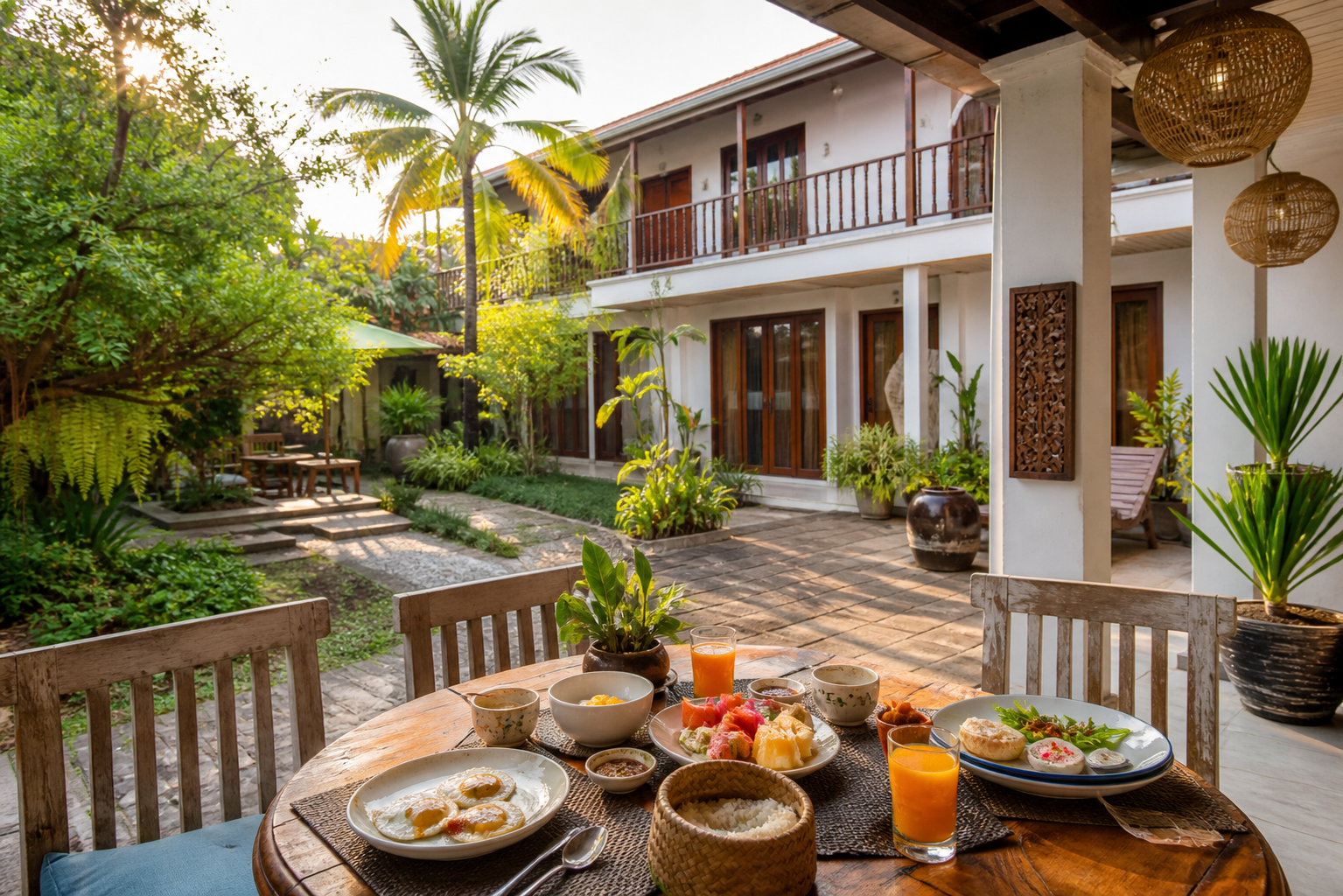
When people think of luxury hotels, they often think of name-brand hotels like Anantara or the Mandarin Oriental. The hotel in Pai was none of those. Thailand’s tourism sector is a huge part of the economy, and many Thais have invested their savings in setting up boutique hotels, some of which are absolutely stunning.
Boutique hotels are generally much cheaper than name-brand hotels and can offer a more authentic local experience. Some are owned and run by a family who will serve local food, be better informed about their culture, and provide more personalized service and attention to detail. They may also offer discounts for longer stays.
These hotels can be a little trickier to find because sometimes they don’t have much of a web presence, but when you find the right one, you can get unbelievable deals. Knowing how to find good hotel deals means nothing if you end up staying in the wrong part of town, so I always weigh the location, the room, and the experience together.