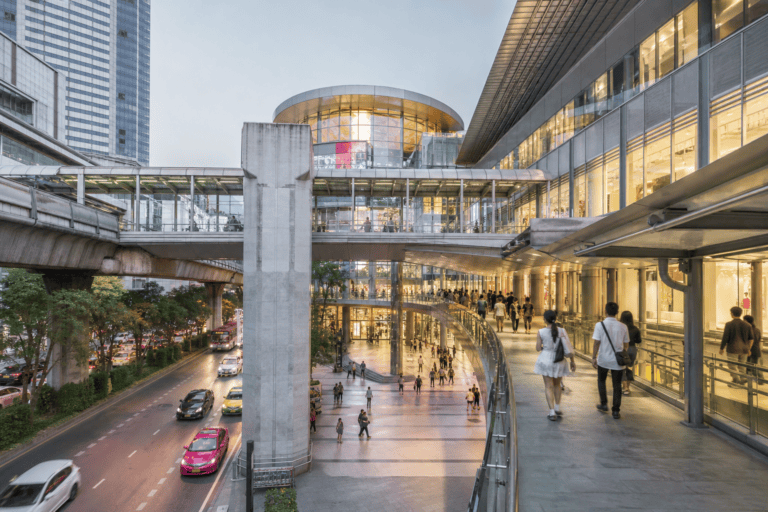
Thailand High Season Guide – Weather, Prices, Islands, and Shopping
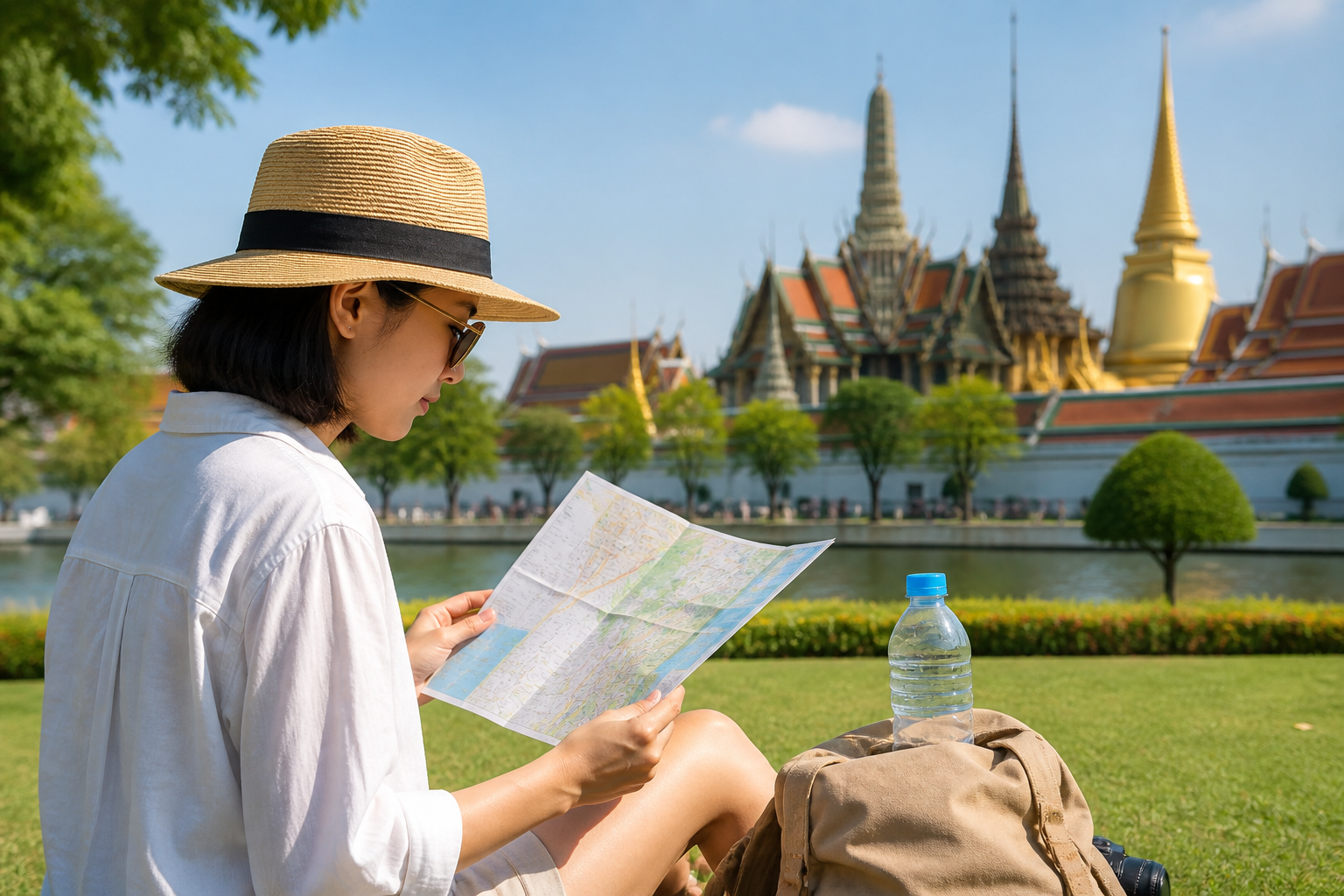
Thailand’s cooler, generally drier travel period often runs from November into the following months, but conditions vary by region and year. Bangkok becomes easier to explore outdoors when rain is less frequent, while coastal weather still depends on the specific island and season.
Pack light clothing, sun protection, a hat, and water even in the cooler months. Check a current forecast before booking boat trips, and remember that pleasant weather brings more visitors to markets, beaches, and popular attractions.
High-Season Prices Flights and Hotels
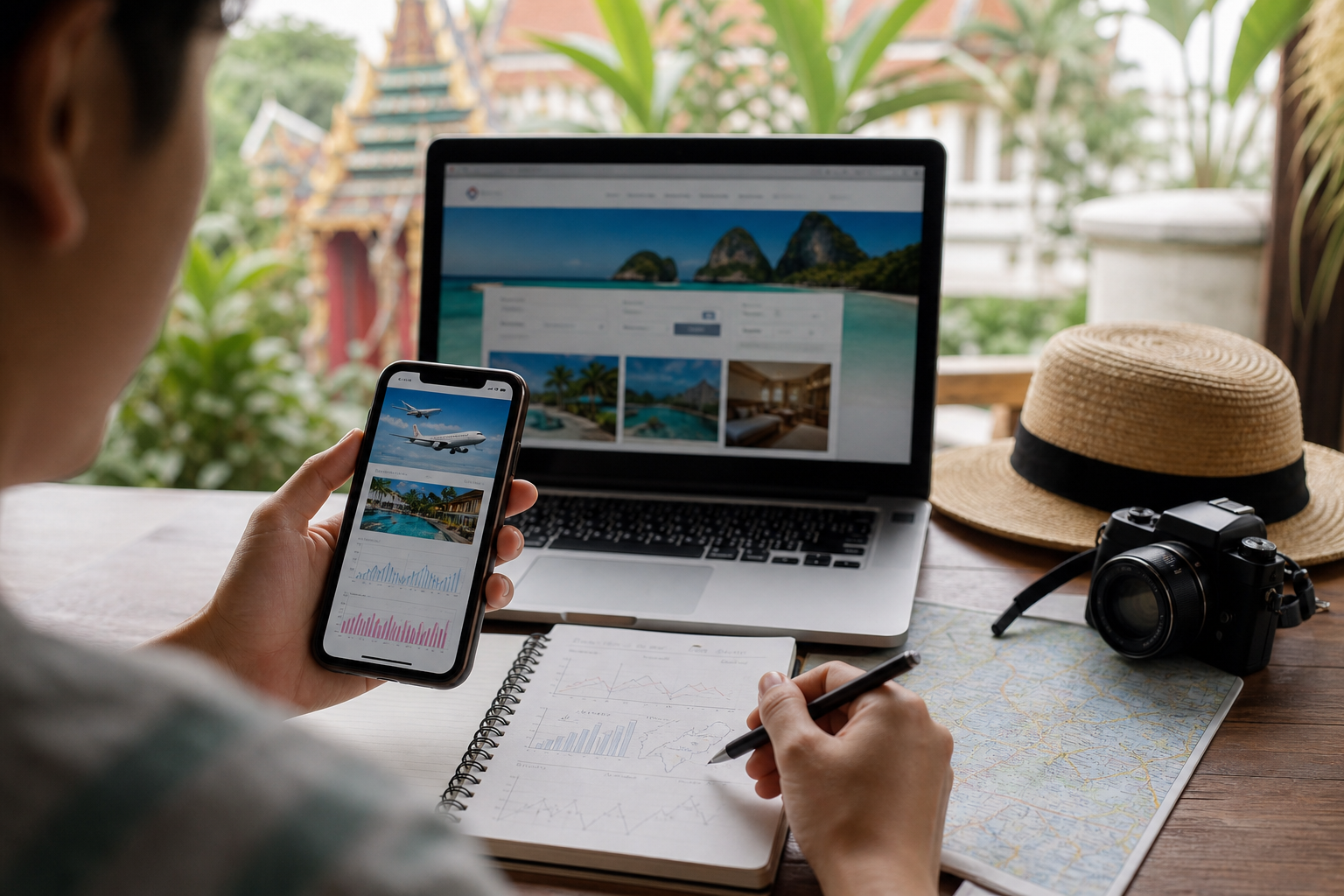
Demand can raise the price of domestic flights, hotels, transfers, and tours, especially around December, New Year, and school holidays. A fare that looks reasonable in one month may rise sharply in the weeks before departure, so compare dates and book essential travel early.
Check the complete price, including baggage, transfers, taxes, breakfast, and cancellation terms. If dates are flexible, compare weekdays and shoulder-season options rather than assuming every high-season booking offers the same value.
Island Trips to Phuket Krabi and Koh Samui
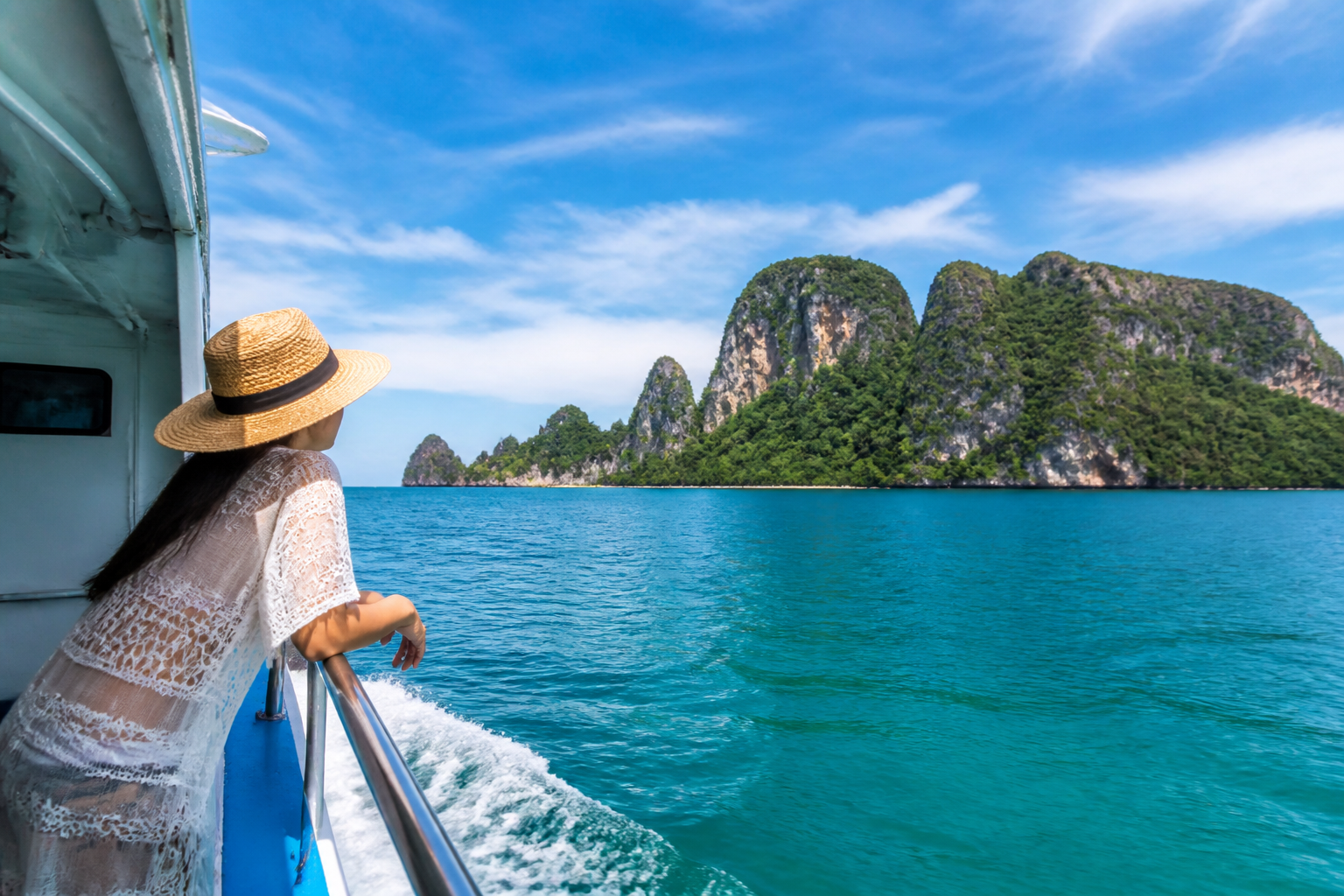
Clearer weather can make trips to Phuket, Krabi, Koh Samui, nearby islands, and marine parks more comfortable. Boat journeys may be calmer than during rougher seasonal conditions, but wind, rain, safety restrictions, and local sea conditions can change quickly.
Use licensed operators, confirm the pier and pickup time, keep travel insurance details available, and avoid forcing a connection when weather warnings are in place. Leave a buffer between a boat arrival and an onward flight.
Chatuchak Weekend Market and Chatuchak Mix
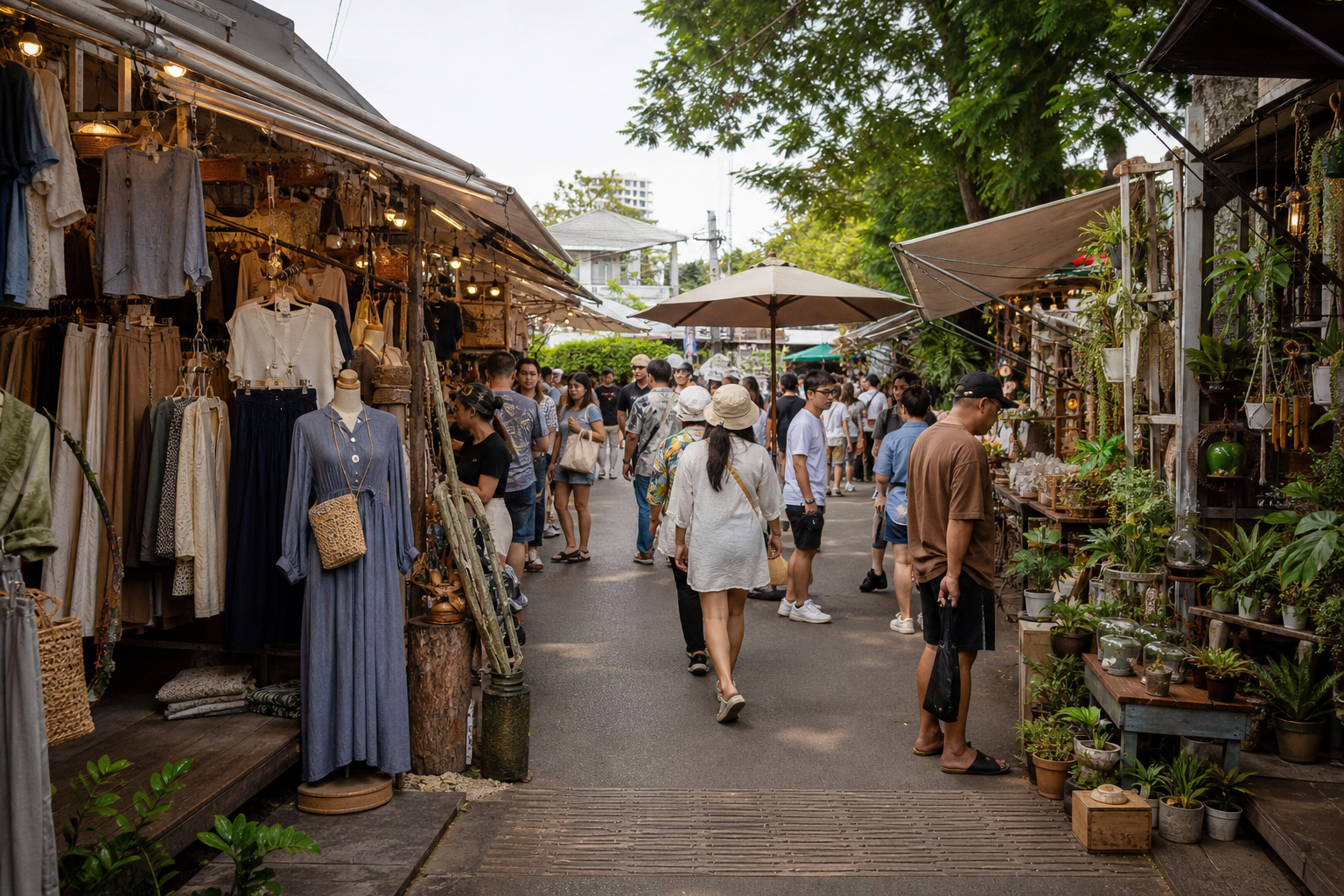
Chatuchak Weekend Market offers clothing, plants, crafts, décor, gifts, and food across a very large area. Nearby Chatuchak Mix adds air-conditioned retail floors and smaller shops where some items may be fixed price. Compare materials, quality, and quantity rather than buying the first bargain.
Layouts and tenants change, so check a current map. A visit can take several hours; set a meeting point, carry a compact bag, and keep valuables secure in crowded lanes.
Shopping Comfort Food Courts and Market Heat
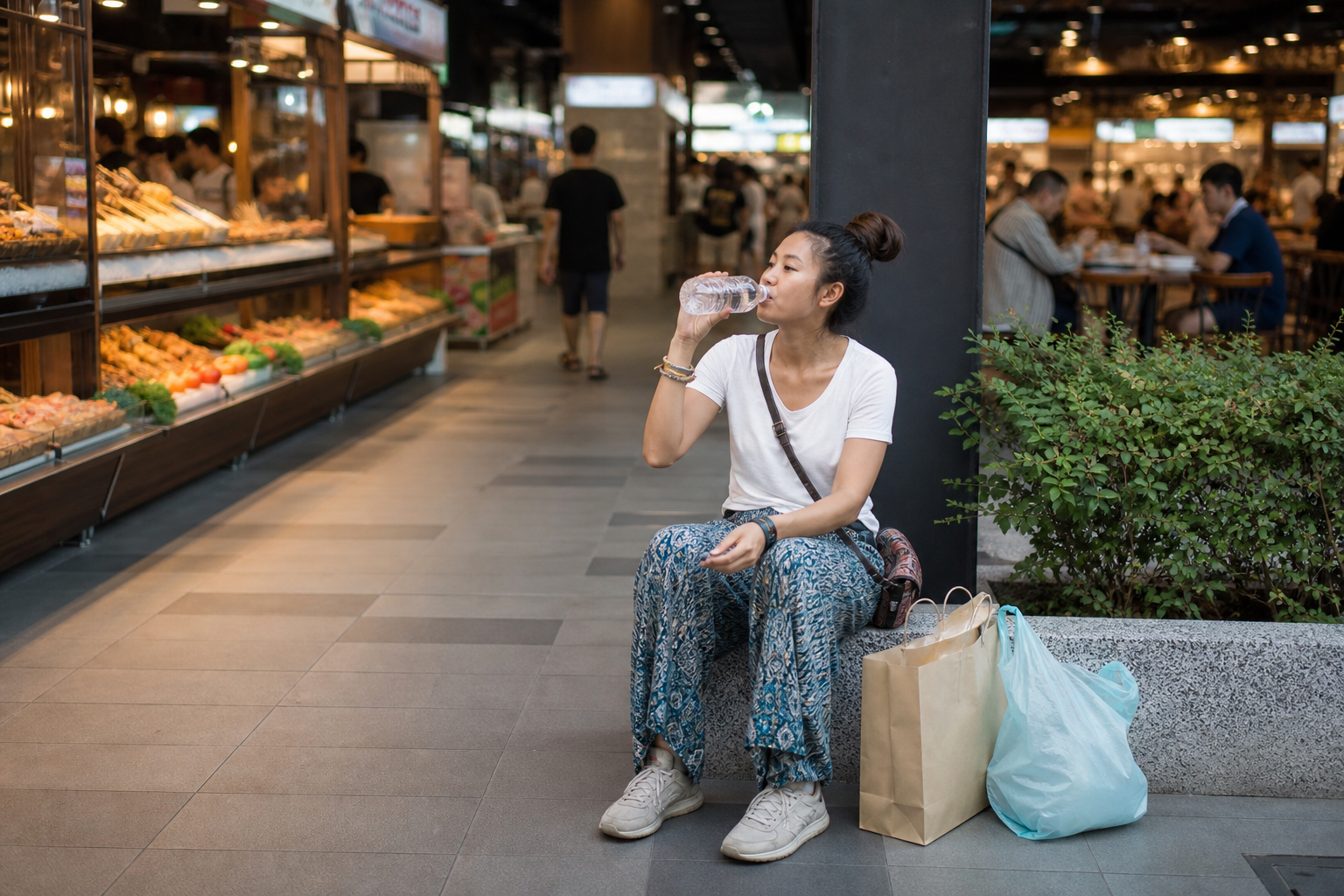
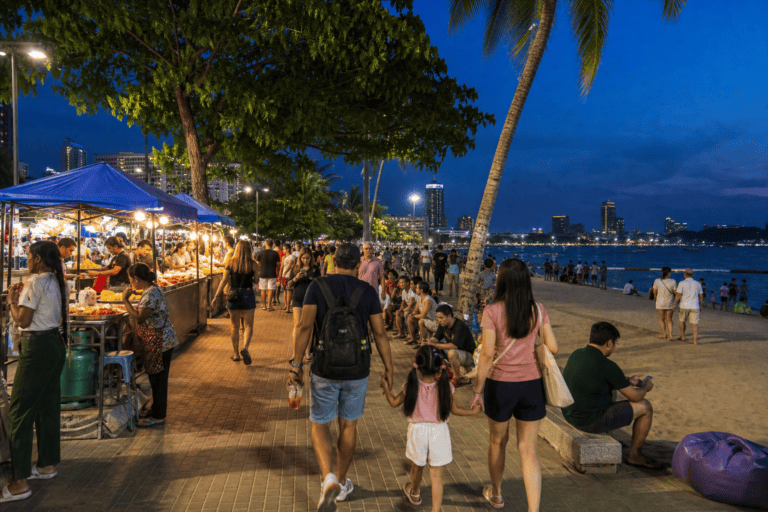
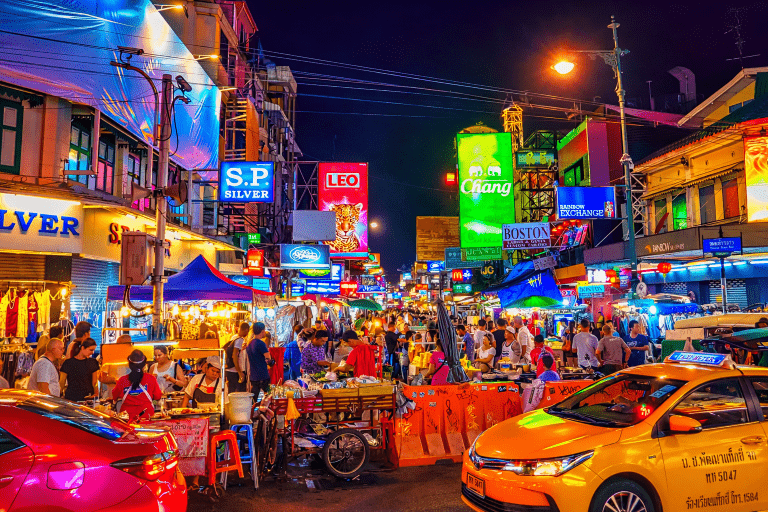
Outdoor markets can remain hot even when the season feels cooler. Wear breathable clothing and comfortable shoes, take water breaks, and use an indoor food court when you want clearer seating, air-conditioning, and more predictable hygiene conditions.
Street food can be excellent when turnover is high and preparation is clean. Confirm prices and portions before ordering, and choose legitimate Thai-made décor, clothing, crafts, and gifts instead of counterfeit branded goods.
Events Crowds and Transport in Bangkok
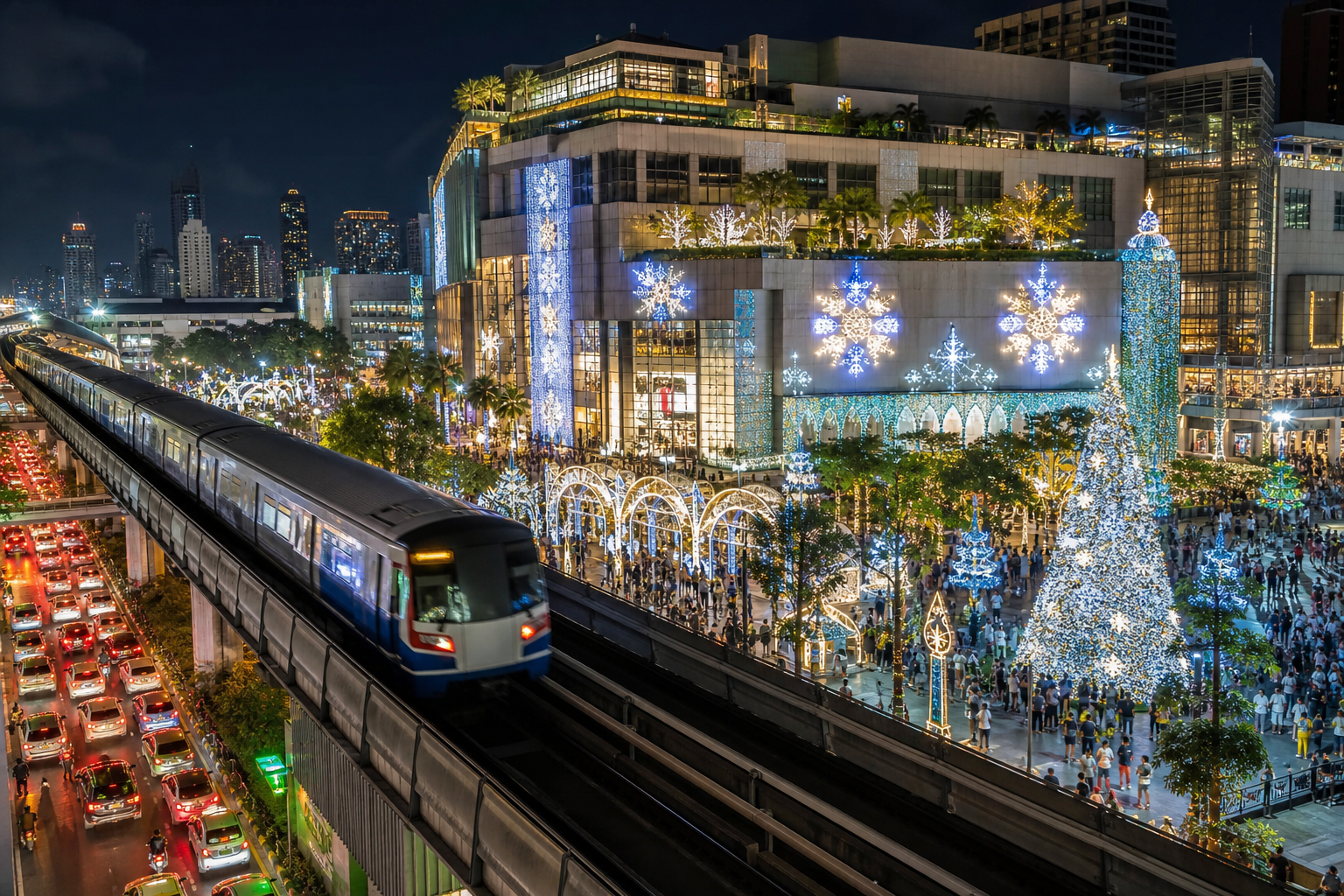
Bangkok often hosts free or low-cost concerts, seasonal displays, and community events during the high season, but dates and venues change. Check the organiser’s current announcement and plan the return route before crowds peak.
BTS and MRT services are usually useful for reaching Chatuchak and major shopping districts. Use public transport when possible; if a taxi is necessary, request the meter or use a reputable ride service, especially when carrying purchases.
Why Thailand’s Cool Season Feels Easier for Sightseeing
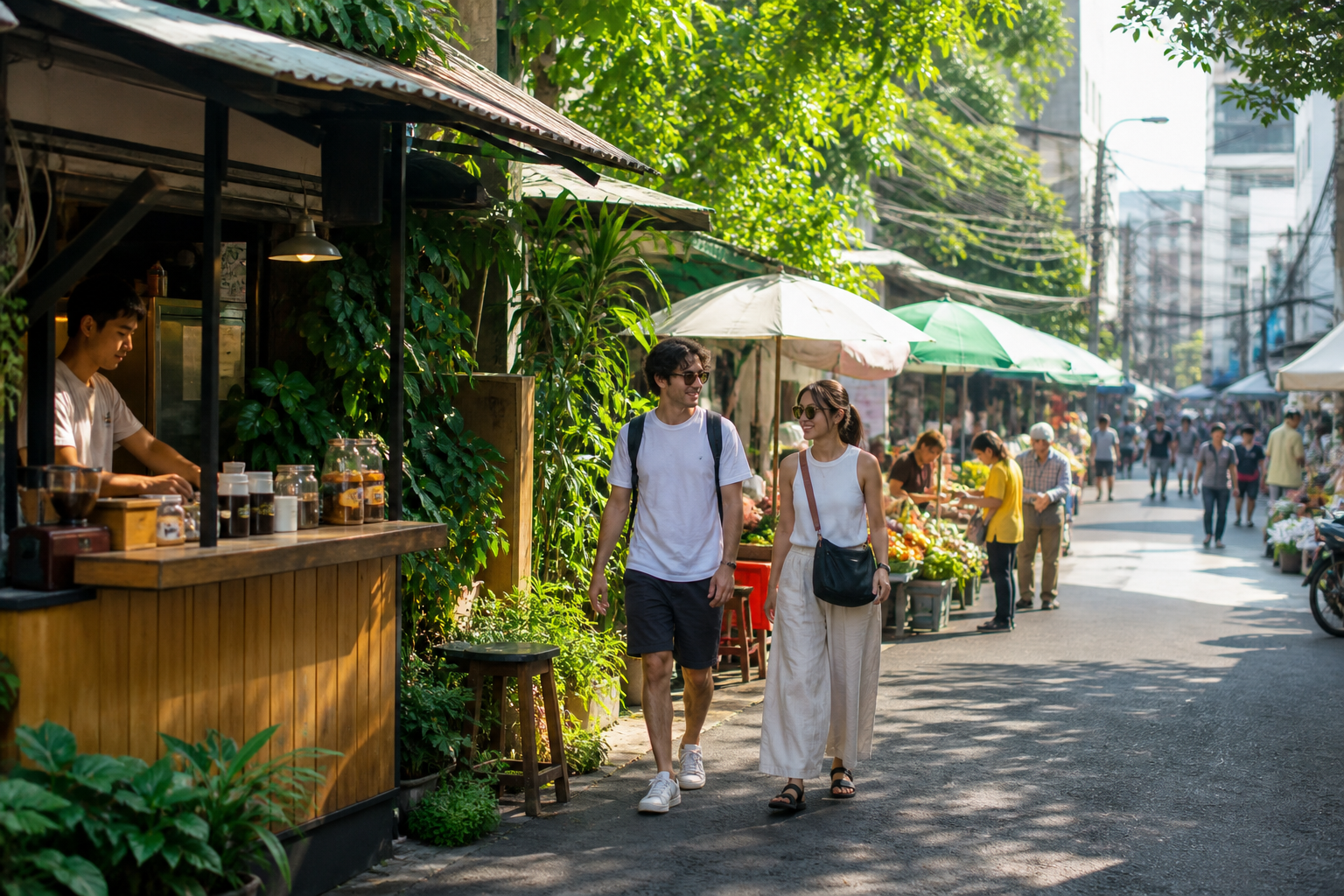
The source trip describes the cooler, drier period as a comfortable time to be outside in Thailand, especially in Bangkok. Walking through markets and moving between neighborhoods feels easier when the weather is less humid, but conditions still vary by region and year. Check a current forecast before planning long days outdoors.
For a first day, start with breakfast, then combine an open-air market with an indoor mall or café break. That gives you the atmosphere of Bangkok without making the whole itinerary depend on one weather pattern.
Book Domestic Flights and Hotels Before High-Season Prices Rise
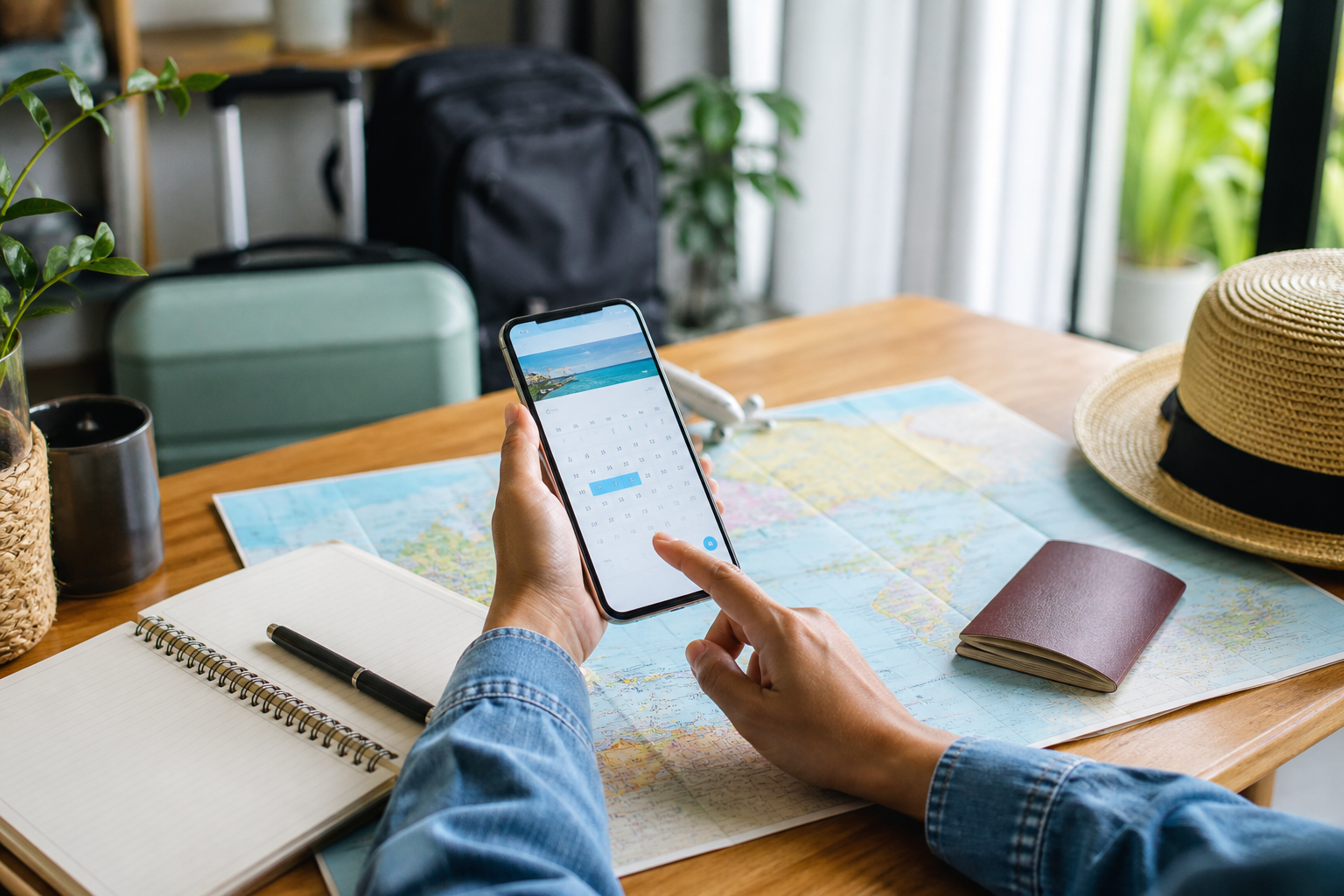
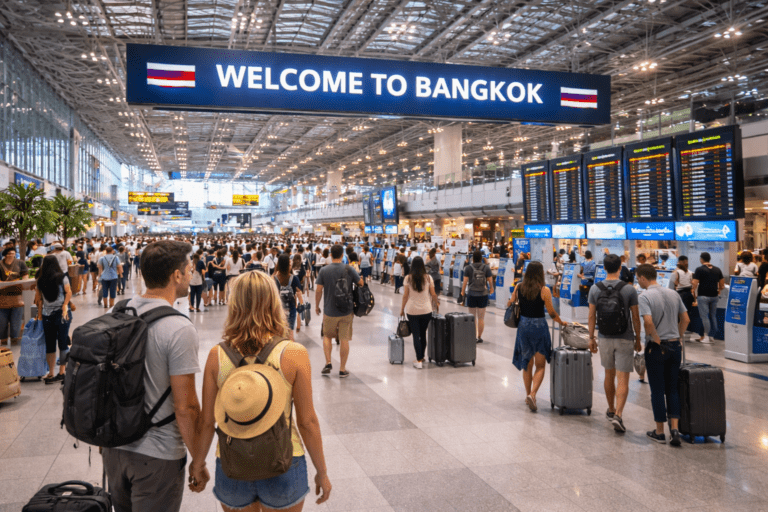
Popular months can fill domestic flights and accommodation, particularly for southern destinations and islands. The source video compared a Phuket ticket booked earlier at about 2,000 baht with later prices reported as high as 5,000 baht. Those are historical trip observations, not current quotes, so compare several dates and confirm baggage rules before paying.
The same principle applies to hotels: reserve earlier when your dates are fixed, then check the cancellation policy and the distance from transport, beaches, or the market area you actually want to visit. Booking early is useful, but flexibility can matter more than chasing the lowest headline price.
Shopping at Chatuchak: Luggage, Souvenirs, and Bargaining
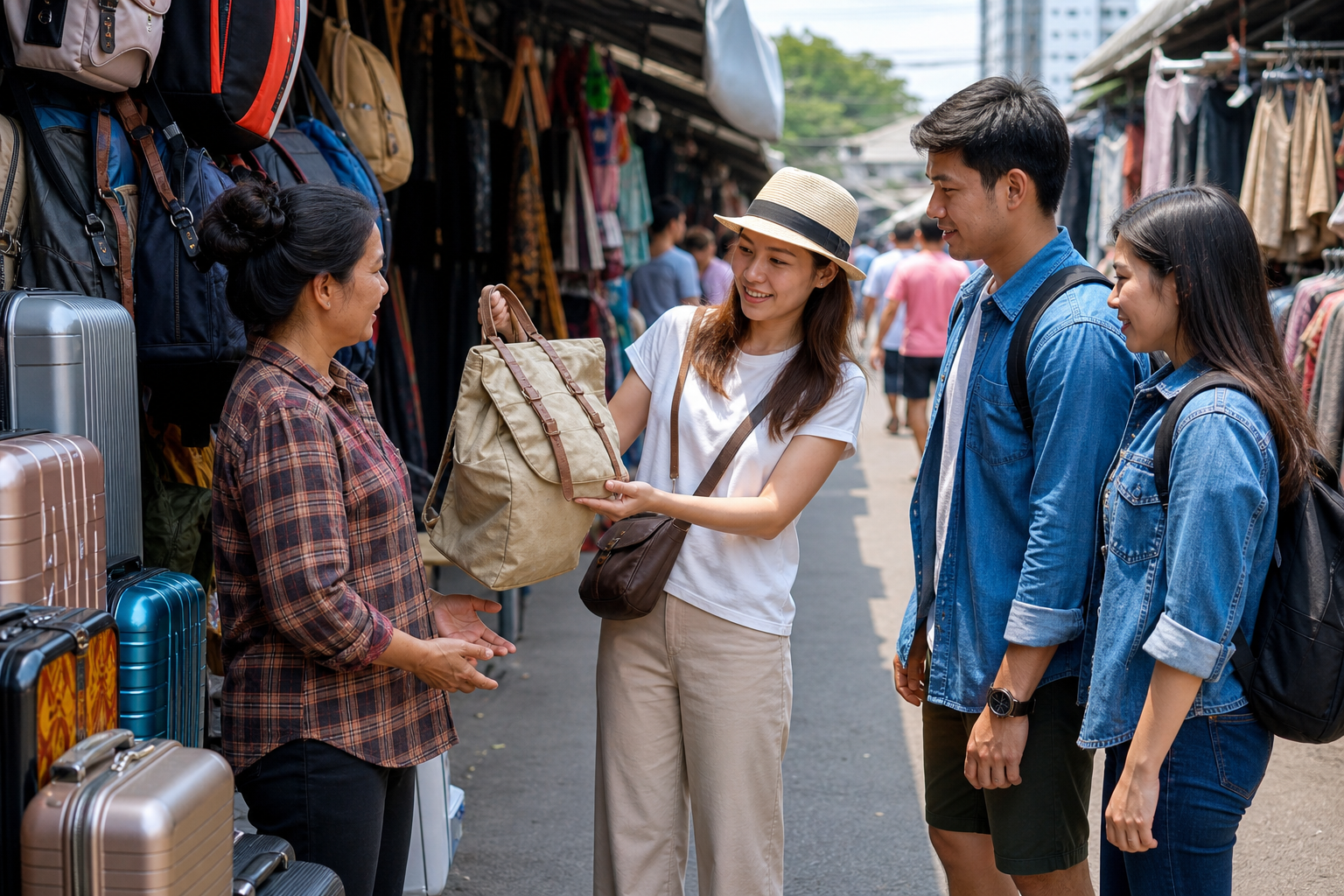
Chatuchak Weekend Market is a practical stop for browsing inexpensive luggage, clothing, souvenirs, and everyday items. The source video recorded a luggage price around 700 baht and several small items around 100 baht, but market prices change and opening times, stock, and quality vary.
Inspect wheels, zips, handles, stitching, and the shell before buying a suitcase. Ask whether the price is for one piece or a set, bargain politely, and keep enough space and weight allowance for the return journey. For a longer-lasting suitcase, compare authentic promotional luggage at established retailers such as major malls rather than choosing only on price.
Boat Noodles and Food Options Inside the Market
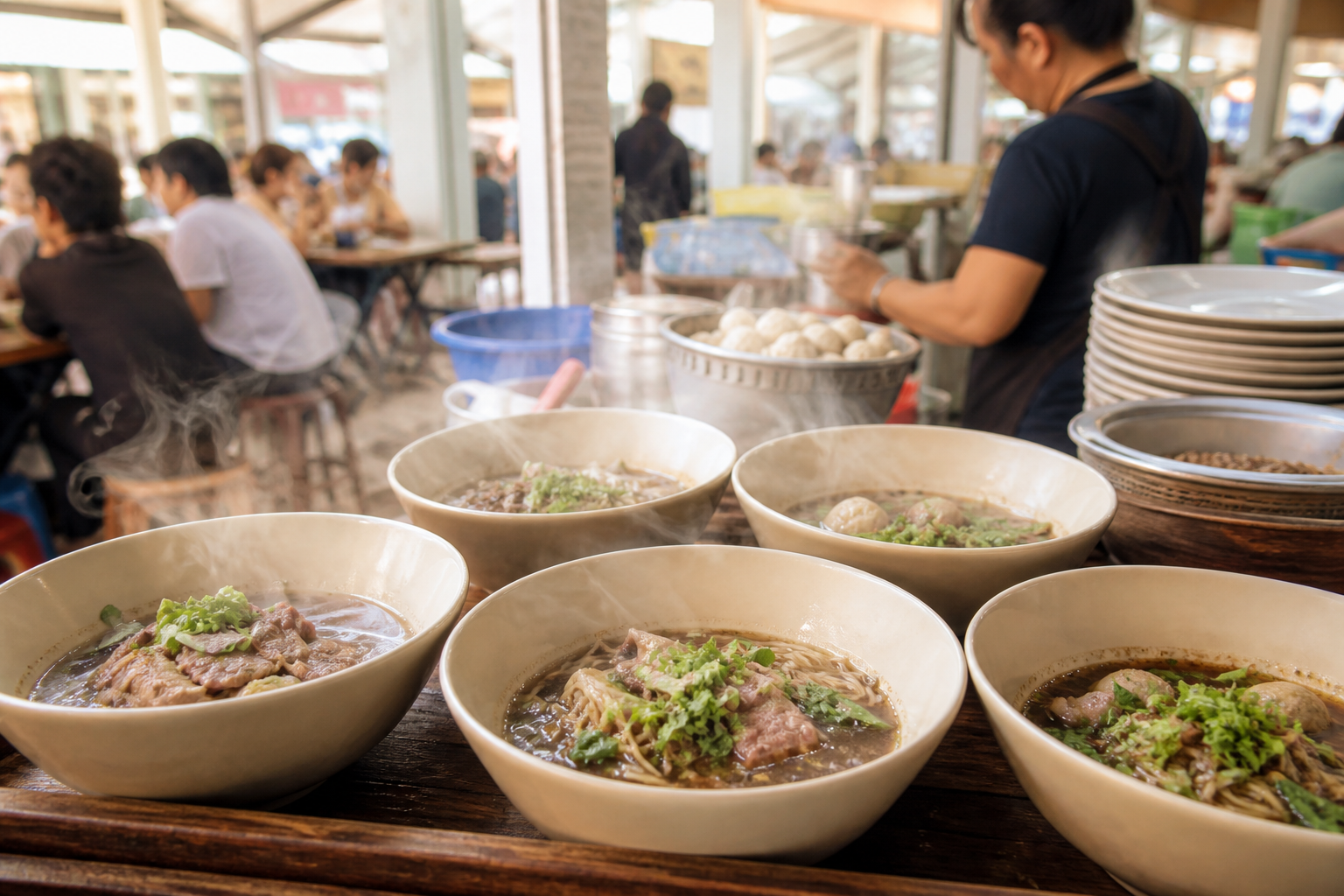
Chatuchak can become tiring in the heat and crowds, so plan a food stop instead of trying to shop continuously. The source trip recommends a boat-noodle stall inside the market complex and records a bowl at roughly 131 baht at that time. Treat that amount as a dated reference and check the menu before ordering.
Open-air market food is part of the experience, but choose a busy stall with good turnover, check that food is cooked thoroughly, and carry water. If you have allergies or dietary restrictions, ask what is in the broth and toppings before eating.
Market Etiquette, Noise, and the Pet Zone
Bangkok markets can be loud and crowded. Earplugs or properly fitted noise-cancelling headphones can make transport and shopping more comfortable, but keep one ear free when crossing streets or listening for staff and announcements. Avoid turning a market visit into a product promotion or relying on a giveaway claim from the source video.
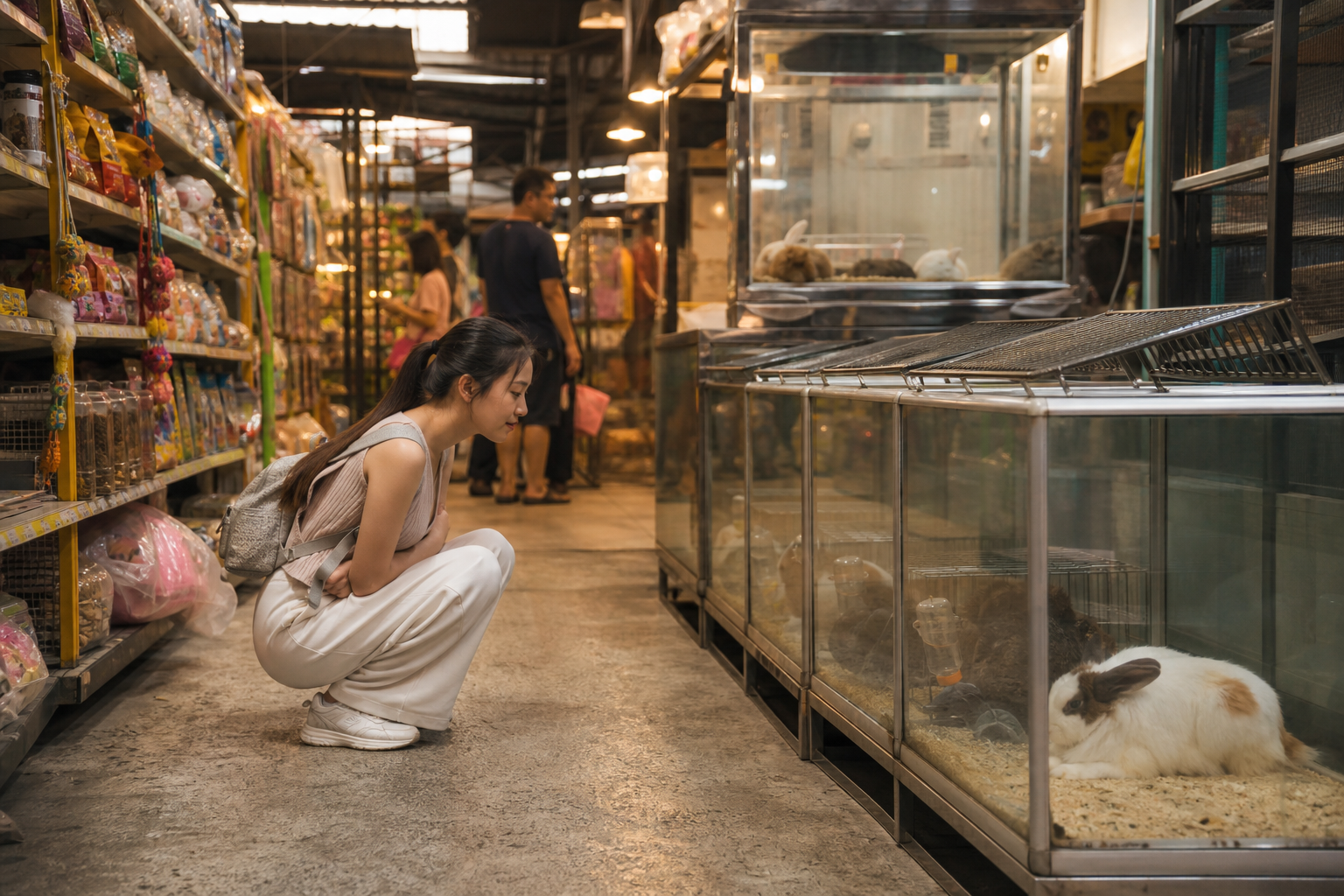
The pet area may be interesting even if you are not buying an animal, but observe quietly and follow the market’s welfare rules. Do not touch animals without permission, do not buy wildlife, and leave if an animal appears distressed. Finish the day with a slower walk or indoor stop, then keep the next morning flexible for travel.