Thailand Rainy Season Travel Guide: Weather, Transport, and Flexible Plans
When Thailand Rainy Season Happens
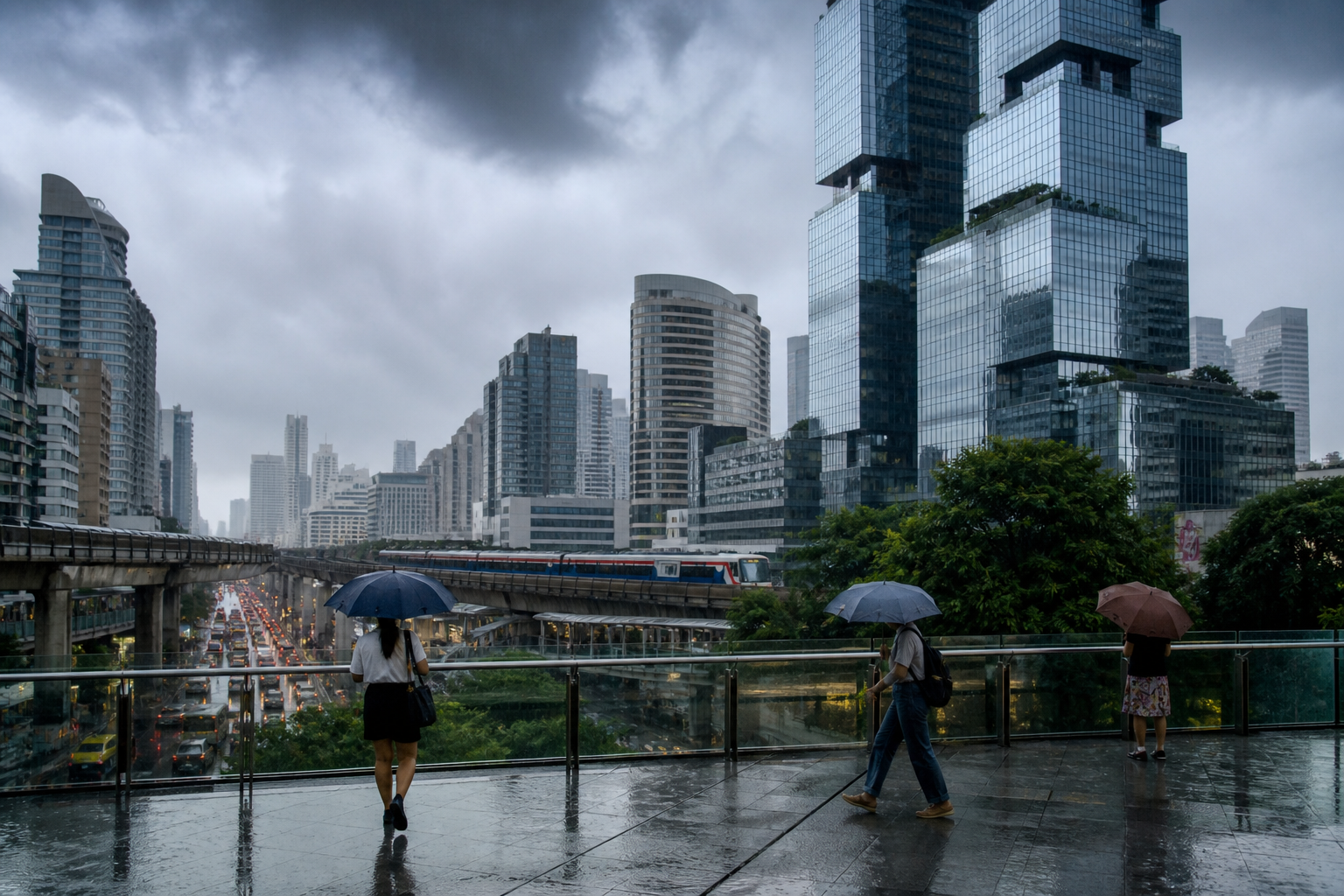
Thailand’s rainy season runs roughly from May through mid-October, with a particularly unsettled period around mid-September to mid-October. Timing varies by region and year, so check a current forecast for the destinations on your itinerary rather than treating one date range as universal.
Transport Delays and Flexible Plans
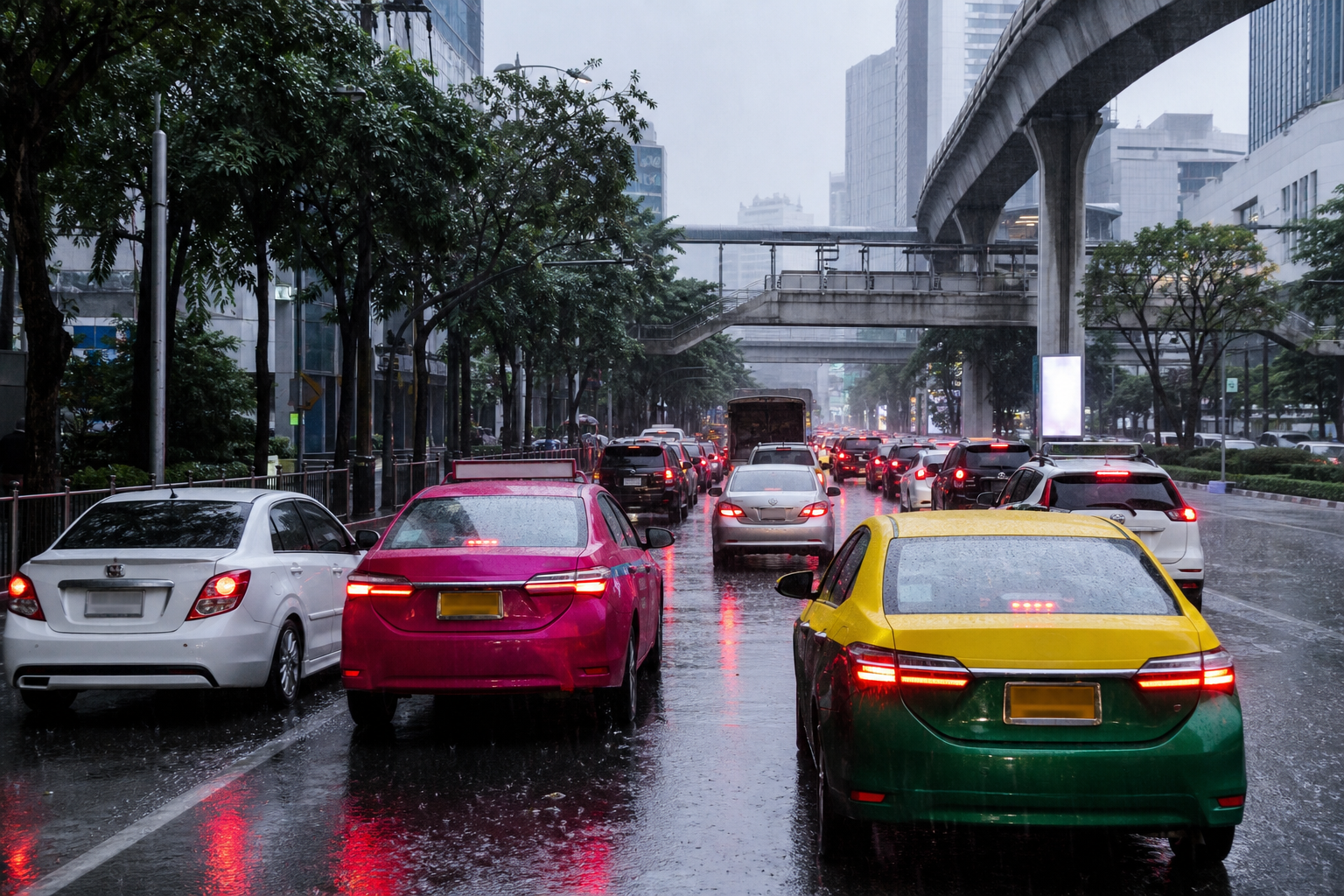
Heavy rain can slow Bangkok traffic and make taxis, Grab, or motorbike rides harder to find. Ride-hailing wait times and fares may rise during downpours. If you have a fixed appointment, leave extra time and consider the BTS, MRT, or a nearby indoor stop while traffic settles.
Island and Boat Trip Uncertainty
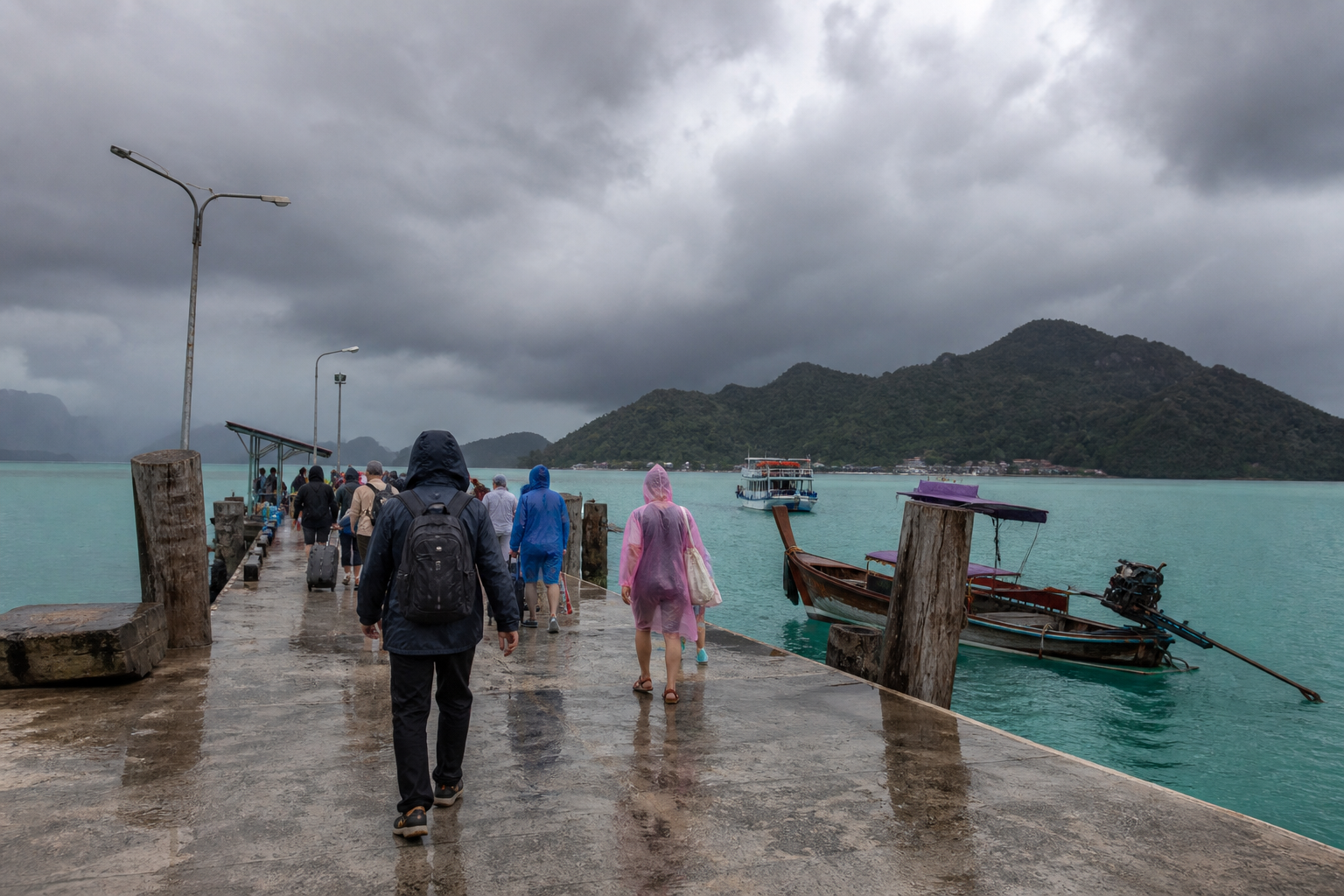
Island and boat trips are more weather-sensitive than city sightseeing. A day can be sunny in one place and stormy in another, and ferry or tour schedules can change. Book options with clear cancellation terms and avoid taking unnecessary risks on rough water.
Markets, Malls, and What to Wear
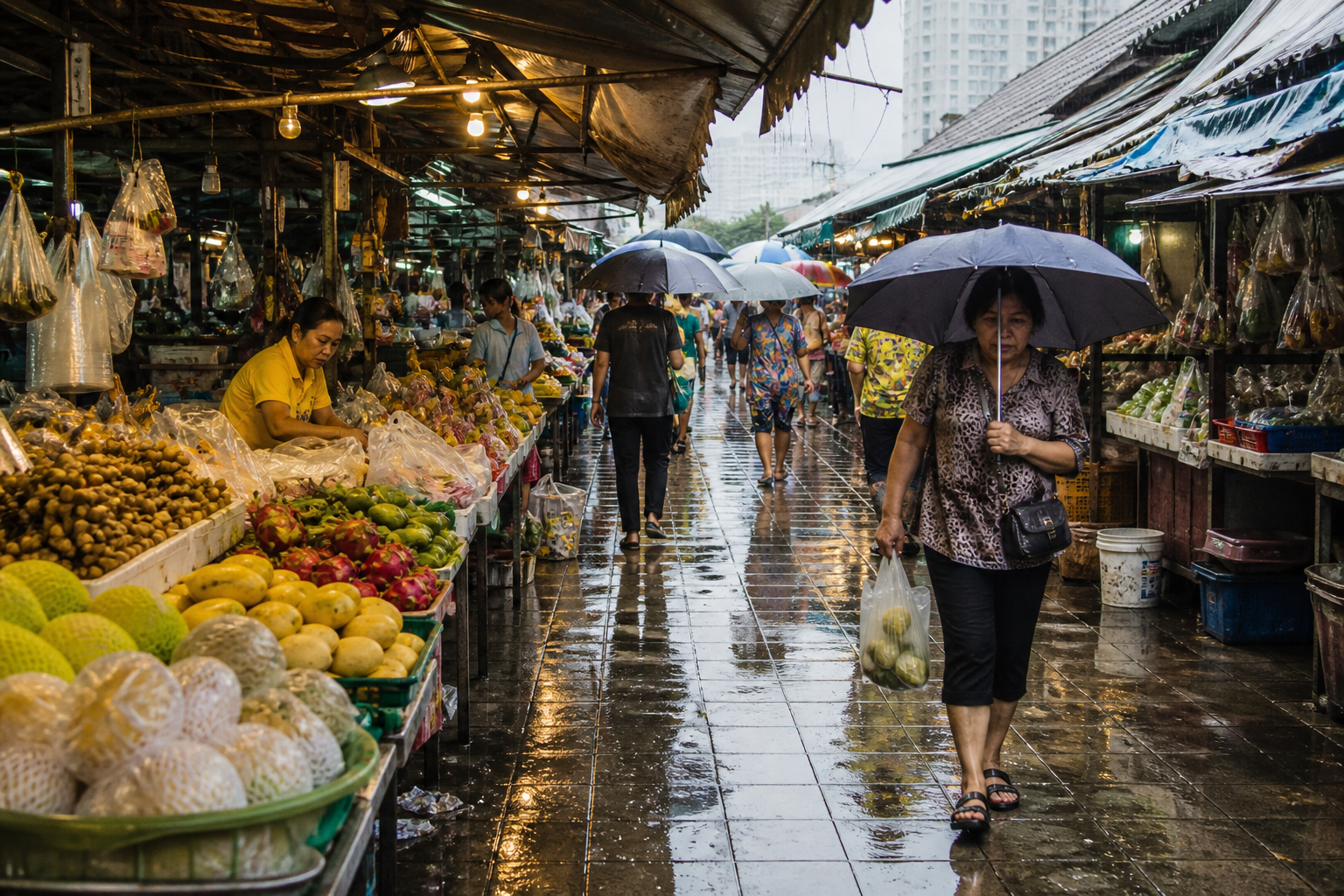
Open-air markets such as Chatuchak are less comfortable when walkways become wet and stalls need to cover their goods. Closed malls are a practical alternative, even if they offer a different experience. Wear shoes with grip, carry a compact umbrella, and protect electronics from sudden showers.
Rain Gear and Safer Transport
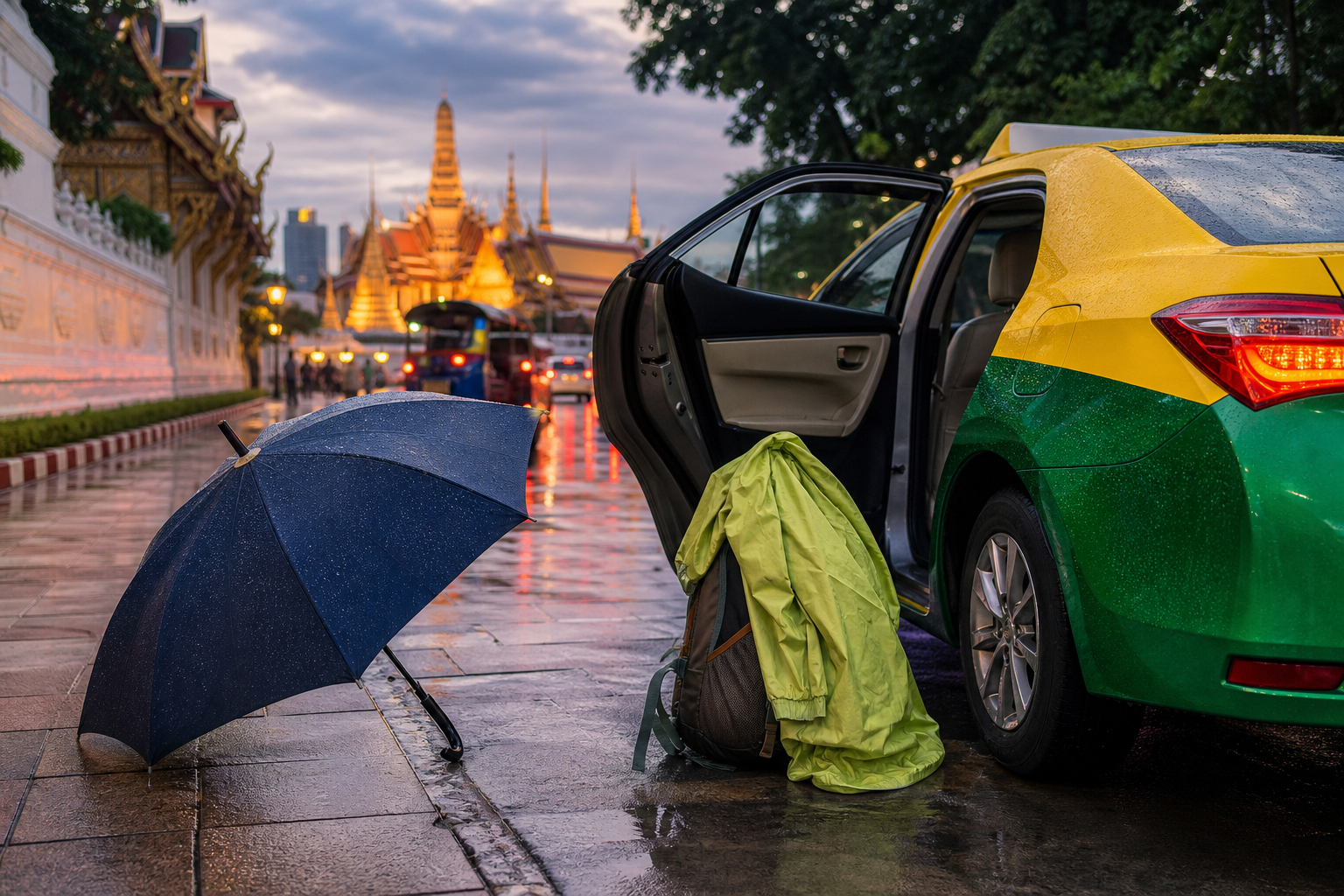
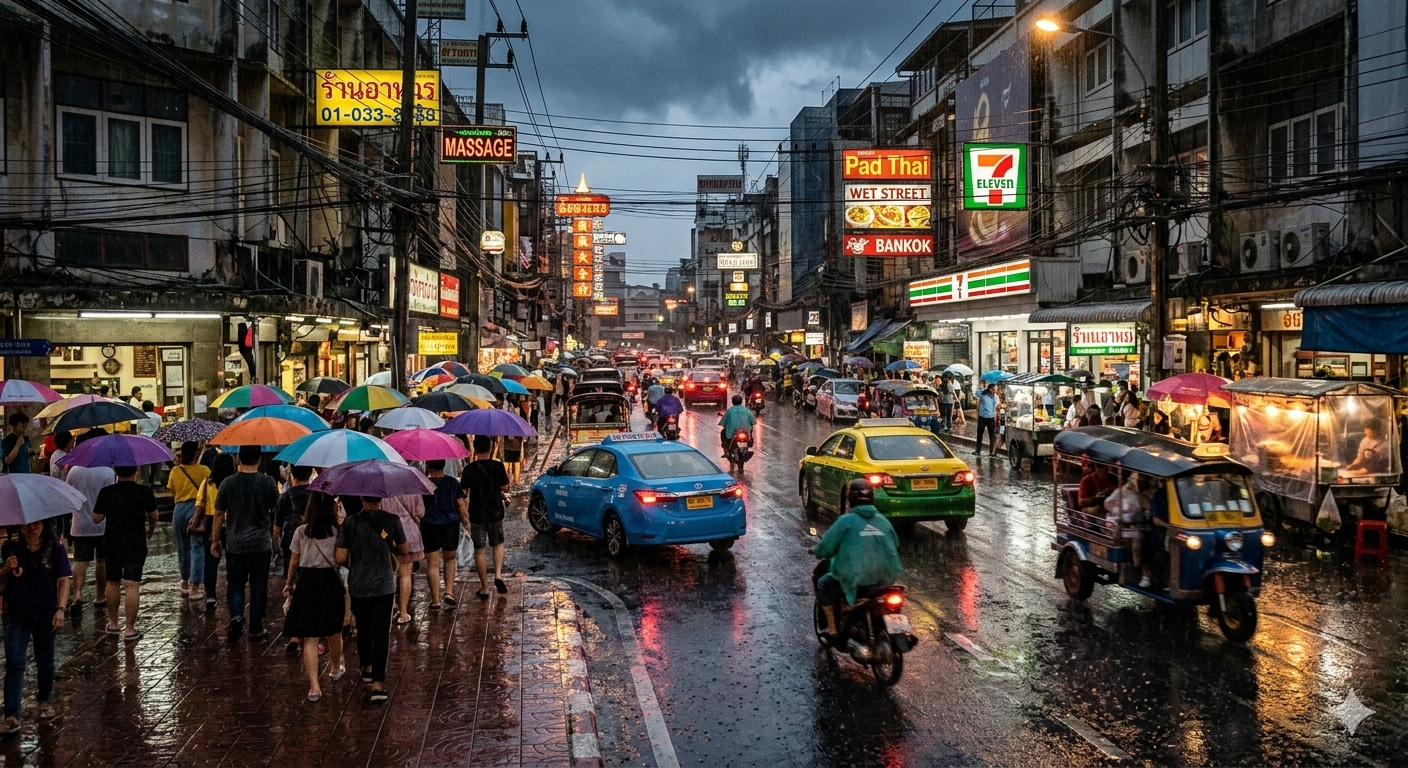
Umbrellas and lightweight raincoats are easy to buy in Bangkok, including from convenience stores and street vendors. During heavy rain, a regular taxi or rail service is usually a better choice than a motorbike taxi. Avoid slippery roads, flooded areas, and rushed crossings.
The Best Side of Rainy-Season Travel
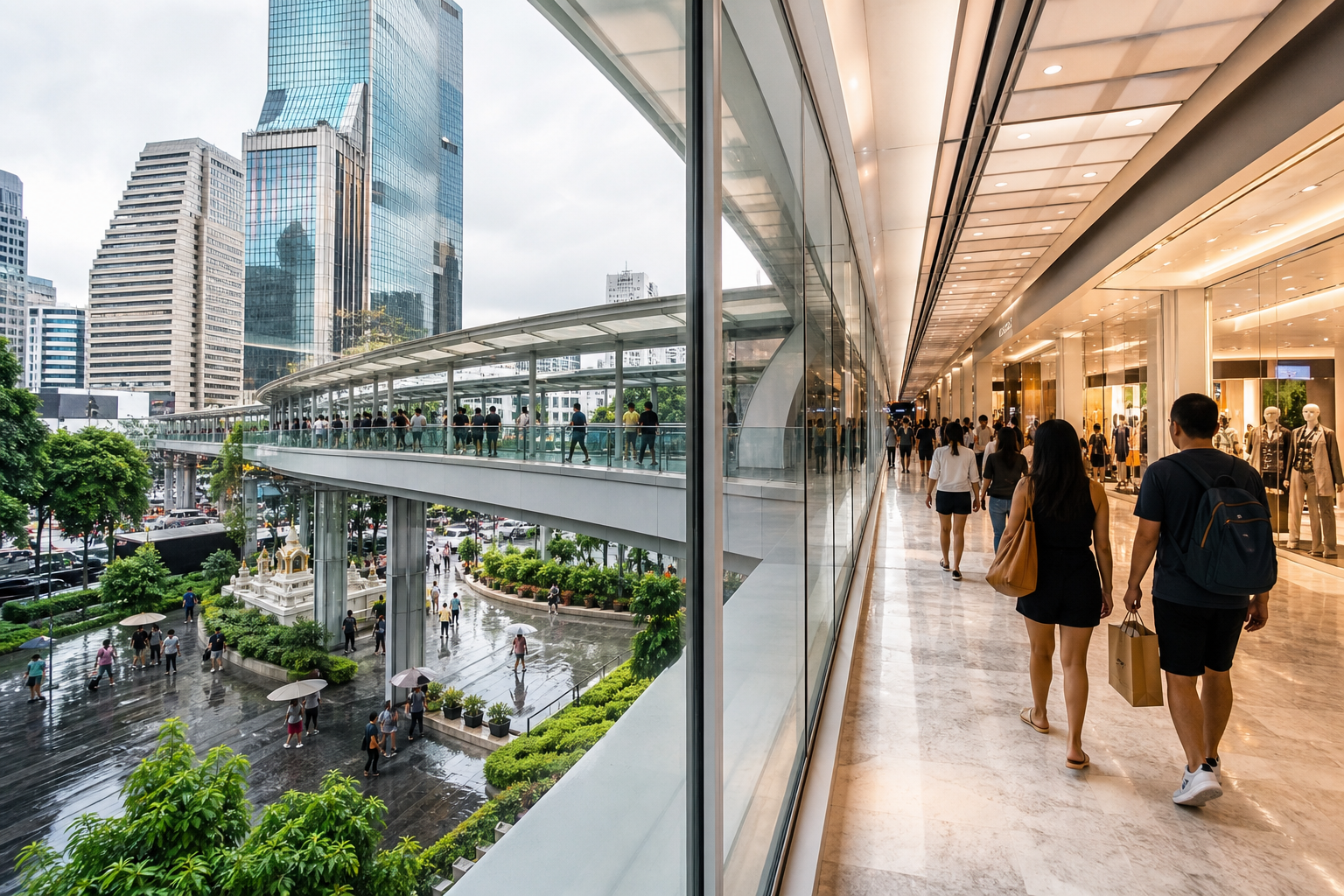
Low season can bring quieter attractions, hotel promotions, cheaper travel on selected dates, and a slower pace. Keep a short list of indoor alternatives—malls, museums, cafes, and covered skywalks—so a shower changes the schedule rather than ending the day.
When Island Trips Need Extra Caution
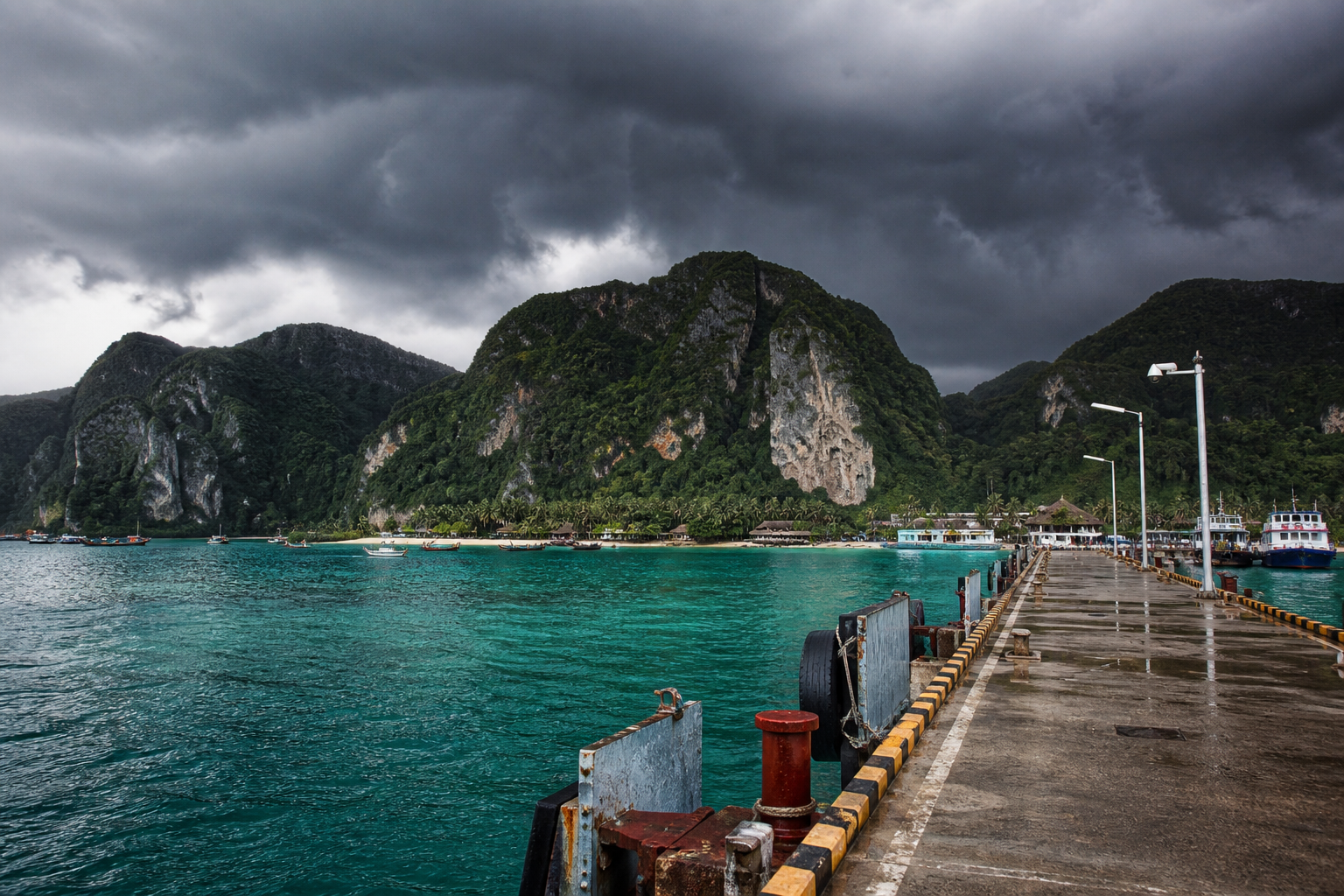
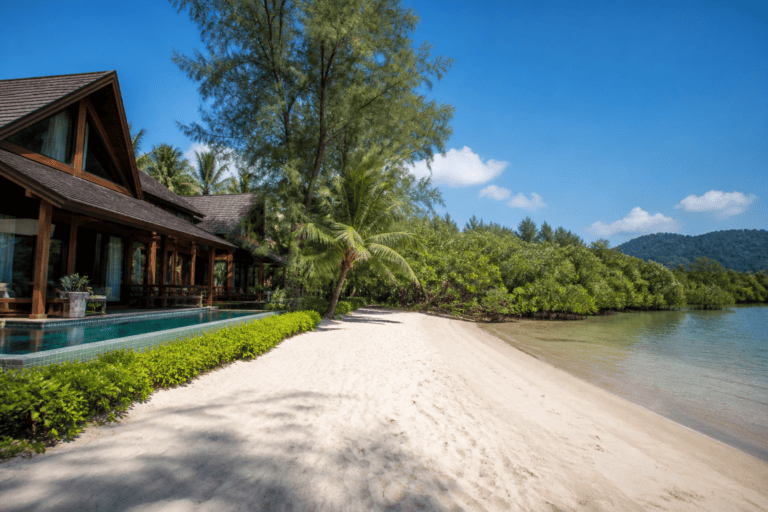
Island weather can change quickly. Part of a Koh Kood stay was cancelled after a storm, which is a useful reminder to check marine forecasts and operator updates before traveling. Choose flexible bookings and do not take a boat or motorbike trip when conditions are unsafe.
Health Information Changes Quickly
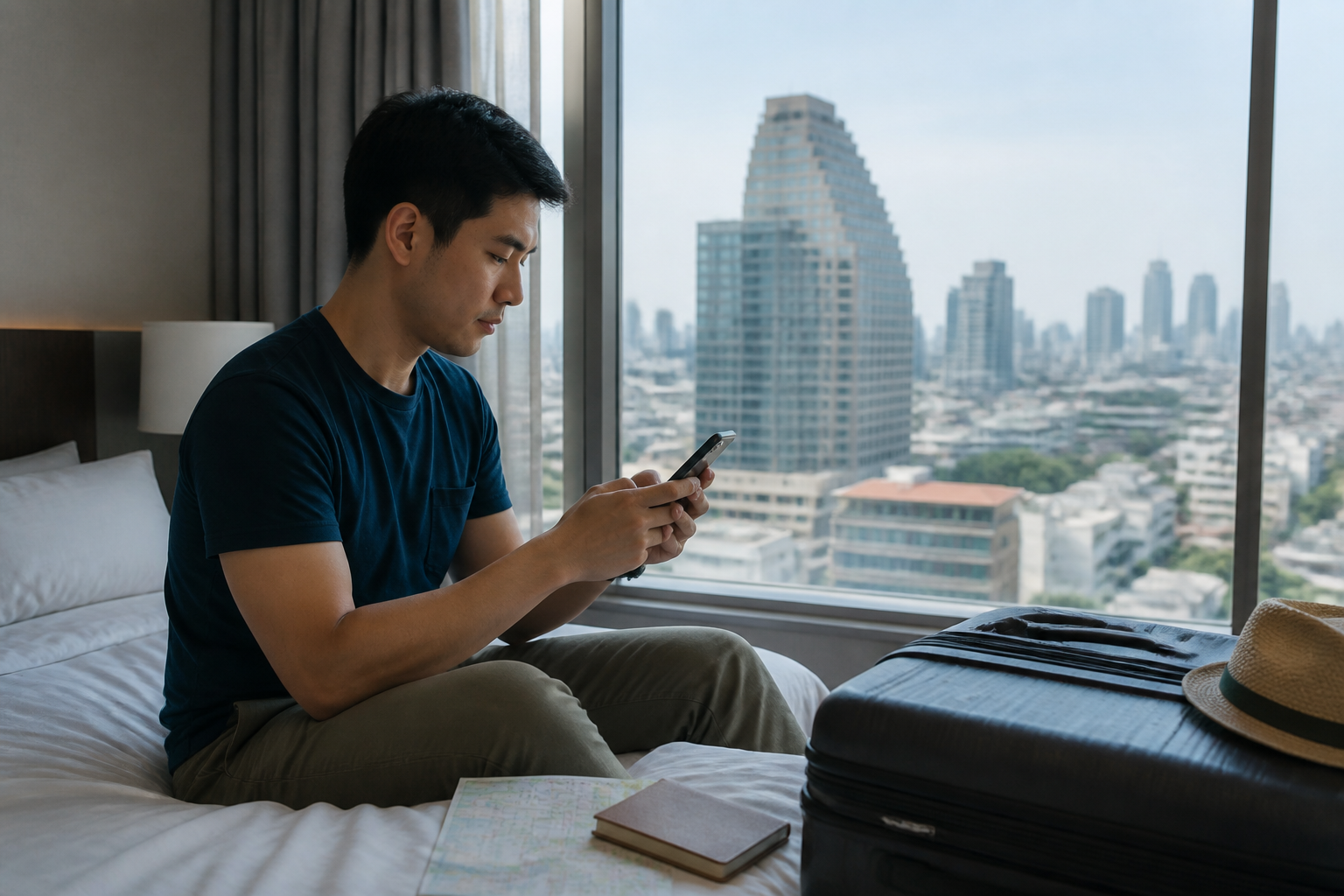
Case counts, recommendations, and entry rules change, so readers should check current Thai government guidance, reputable health authorities, and their own clinician before travel. Do not use outdated information as medical advice or as proof that ahealth risk is insignificant.
Health and Safety
Mosquito Risk
And finally, don’t forget mosquito repellent. Rainy season equals more mosquitoes and a much higher risk of contracting mosquito-borne illnesses. This includes dengue and malaria. With over 100,000 cases of dengue each year and 6,000 cases of malaria, this is a risk you want to take seriously. Use plenty of mosquito repellent and cover up, especially if you’re traveling in more rural areas.
Heat and Hydration
We might be in the rainy season, but you’ll sweat a lot even in the rainy season. The humidity is quite extreme, often hitting 80 or 90%. So be ready to sweat. With average temperatures of around 30° Celsius and high humidity, it’s important to stay hydrated. Avoid overheating and dehydration. Plenty of water and adequate rest is a year-round necessity here in Thailand.
Motorbike and Walking Safety
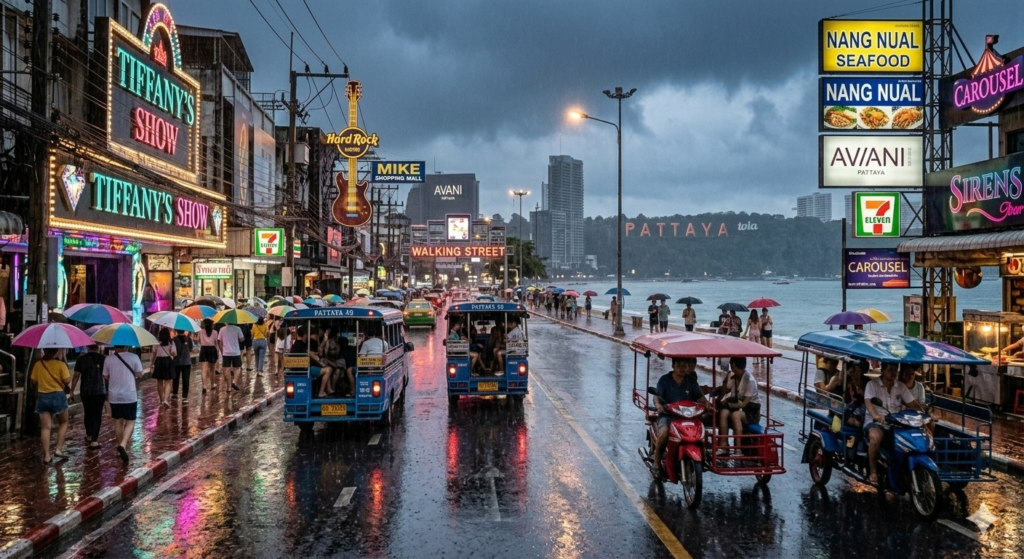
If you plan to ride a scooter or motorbike, you need to be extra cautious. Be careful on wet roads, as they may have hidden slick patches or potholes that are filled in by water. Always wear a helmet and slow down if the roads are wet or it’s raining. Thailand has some of the most dangerous roads in the world at the best of times. Take extra precautions during the rainy season.
Sidewalks and roads can also present more risks when walking, as you may find hidden gaps and potholes that are filled with water. It can be very easy to slip and twist an ankle. Be cautious, especially if you have any mobility impairments. Choose your accommodation location carefully.
Accommodation and Flooding
In a city like Bangkok, some neighborhoods have much better mobility access with wide sidewalks and nearby public transportation, while others have narrow, choppy, broken-up sidewalks which get extremely busy. Remember that some areas are prone to flooding. Choose your accommodations very carefully.
Beach and Water Safety
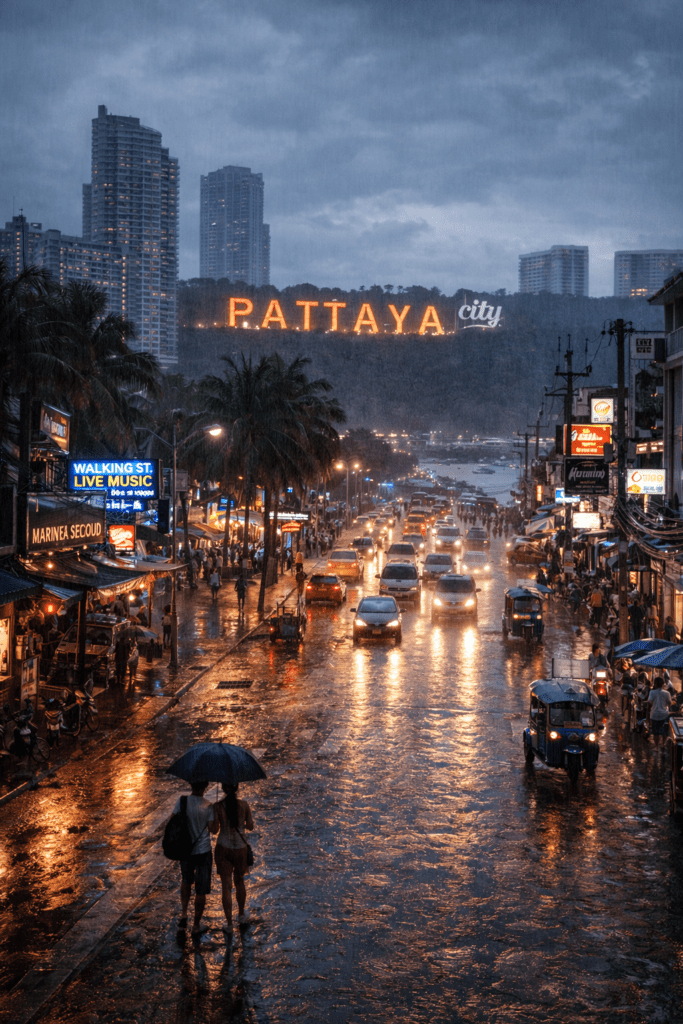
If you’re planning to hit the beach, be cautious when swimming, as risks are elevated. Avoid swimming at unsupervised beaches if the seas are rough, and heed any red flag warnings. Strong currents are very common during the rainy season, and unfortunately, a number of tourists drown each year.
You’ll also find an increased risk from box jellyfish, which are pushed to shore during storms. On land, storms tend to cause venomous snakes to fall out of trees or get pushed above ground. This leaves snakes confused and defensive, and they’re much more likely to bite in self-defense. Be cautious during or after storms, especially around fallen trees. Specific activities like jungle trekking can be less advisable. You’ll face risks of mudslides and flooding, alongside those higher rates of mosquito-borne illnesses like dengue and malaria.
Best Destinations During Rainy Season
Bangkok tends to be particularly well suited for the rainy season, as you can make ample use of the public transportation system to get around with ease. There are also many great indoor activities and locations to choose from. You’ll find beautiful temples with indoor spaces, enormous shopping malls, restaurants, nightclubs, and cafes. You’re spoiled for choices when it comes to things to do in Bangkok, and the rainy season doesn’t affect that very much.
But the islands and rural areas can be a lot more limited during the season, as many tourism-related activities are seasonal and shut down altogether. For this reason, it can be best to plan your beach destinations very strategically. For example, if you’re traveling during September, visit the Gulf Islands like Koh Samui for good weather and beautiful beaches. Skip the Gulf if you’re traveling in November, when the rainy season starts there.
What to Wear and Carry in Wet Weather
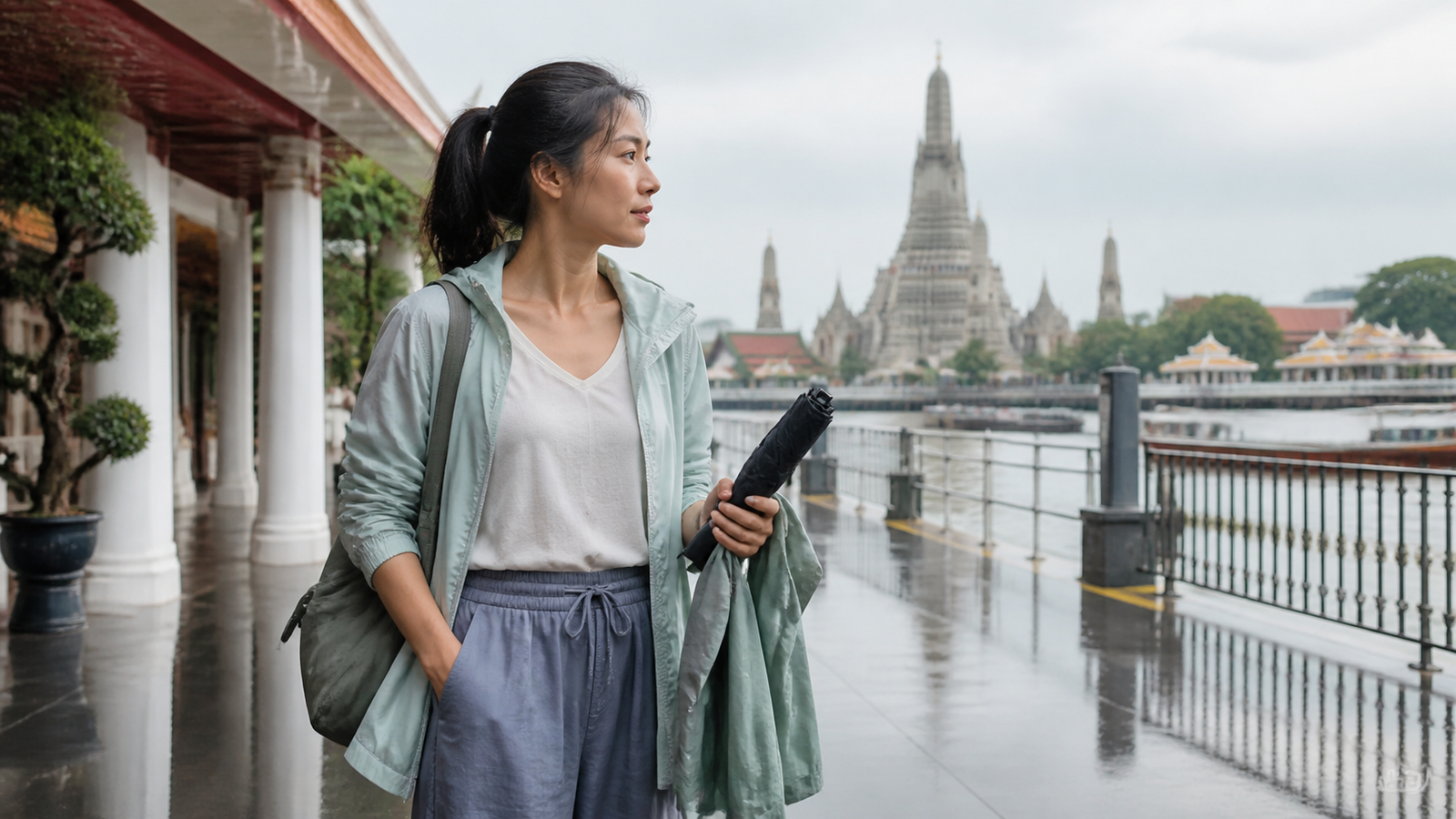
A compact umbrella, lightweight raincoat, quick-drying clothes, and a waterproof phone pouch are useful additions to a Bangkok day bag. Choose shoes with grip and enough coverage for wet pavements rather than delicate white trainers or completely open flip-flops.
Carry a small towel and protect passports, electronics, and medicines inside sealed bags. Local convenience stores and street vendors sell inexpensive rain protection, but check the size and construction before relying on a very cheap item.
Eating Street Food During the Rainy Season
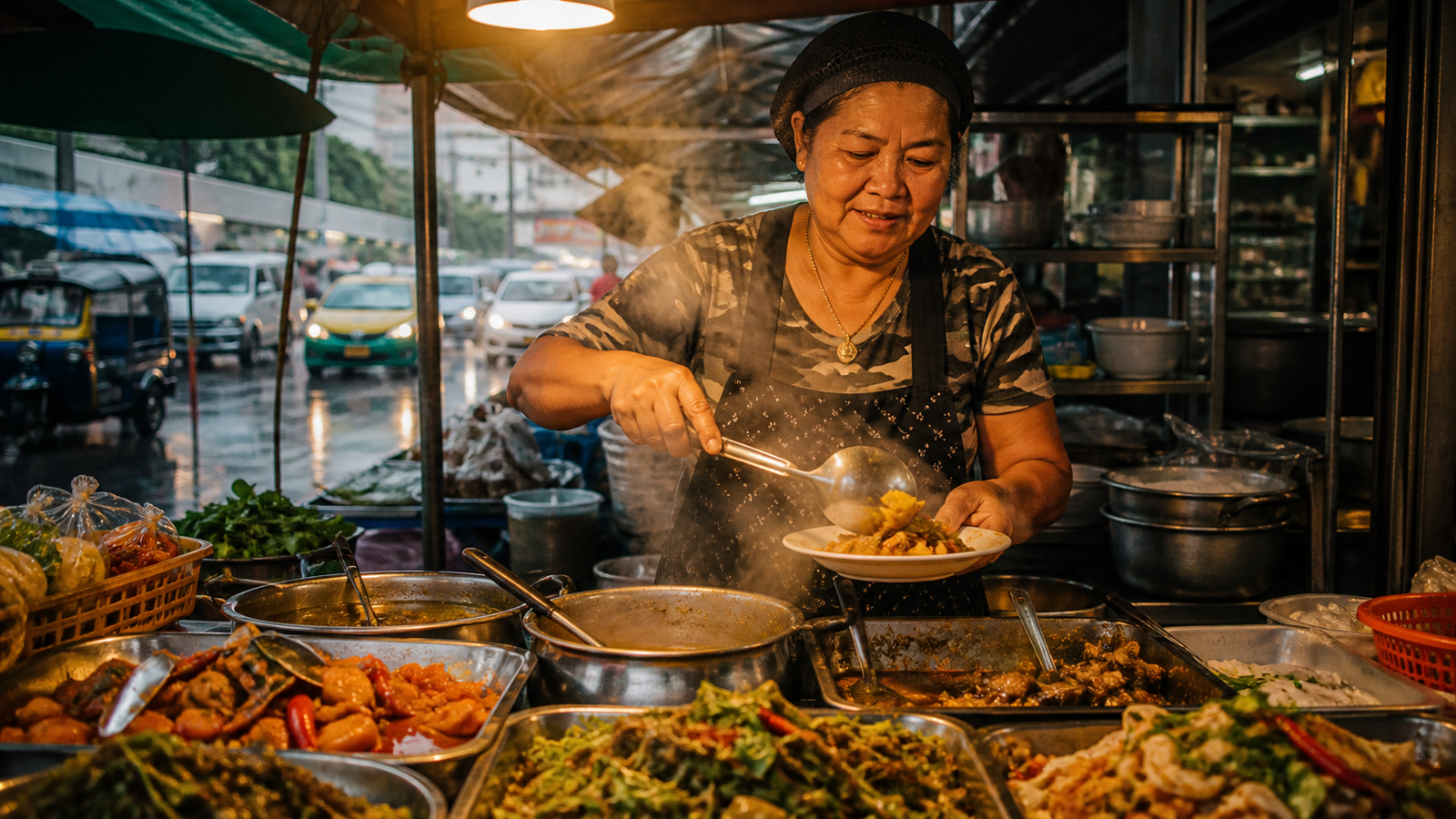
Street-food vendors often continue serving during light or moderate rain when the cooking area is sheltered. Hot noodles, rice dishes, grilled food, and drinks can make a wet afternoon more enjoyable, provided the stall maintains clean handling and good food turnover.
Avoid food or standing water that has been exposed to heavy runoff. Choose a busy vendor with clear prices, wash or sanitise your hands, and move indoors if thunder, flooding, or poor visibility makes the pavement unsafe.
Why Low Season Can Be Worth Visiting
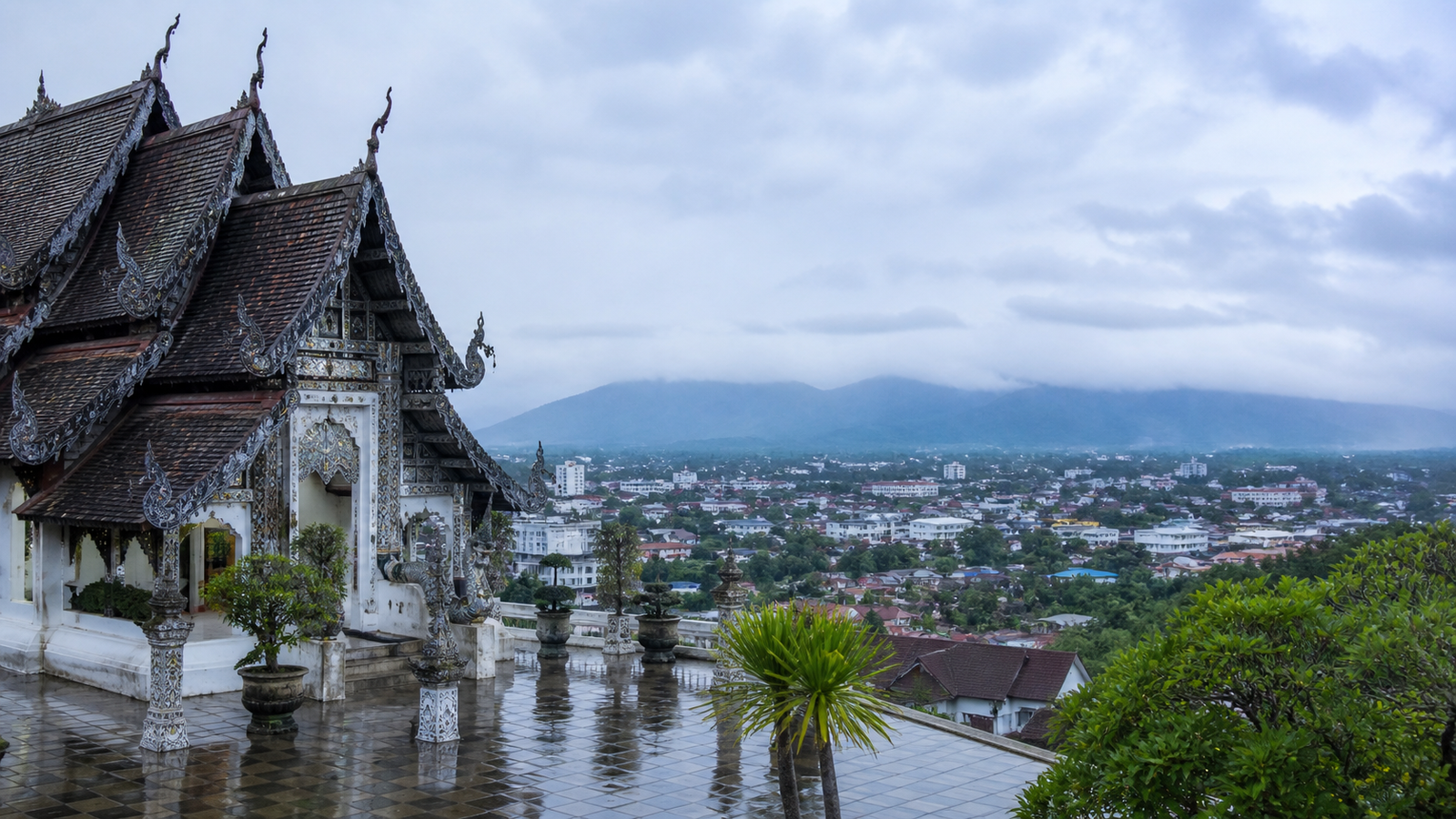
The rainy season can bring lower accommodation and flight prices, fewer crowds, cooler spells, and a more relaxed pace at temples, restaurants, and nightlife venues. The savings can make a longer or more comfortable trip possible.
The trade-off is less predictable weather and the possibility of cancelled boat trips or disrupted outdoor plans. Choose refundable bookings where practical, keep indoor alternatives ready, and let the conditions shape the day instead of treating rain as a failed holiday.
Plan for Thailand’s Rainy Season, Not a Fixed Itinerary
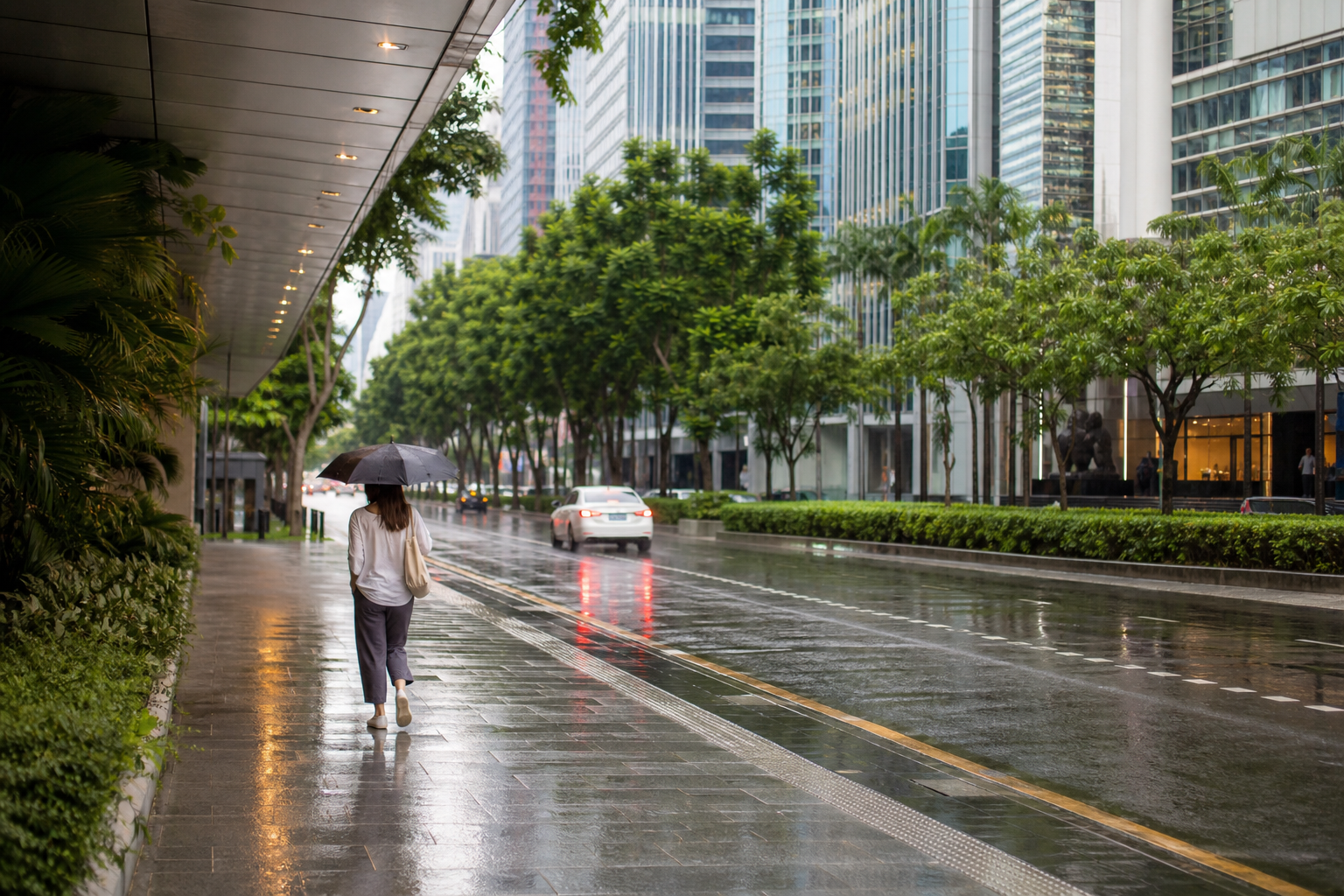
Thailand’s rainy season can still be a rewarding time to travel, especially when you leave room to adjust. Conditions can change quickly: a bright morning may turn into a heavy shower, while another province may stay dry. Keep the places you want to visit in mind, but decide the exact timing after checking the local forecast.
Bangkok is often easier to manage because it offers reliable public transport, malls, museums, cafés, and covered walkways. Outside the capital, allow extra flexibility for beach trips, island transfers, and outdoor sightseeing. A loose plan protects your time without turning the weather into a source of stress.
Choose Flexible Transport and Tours
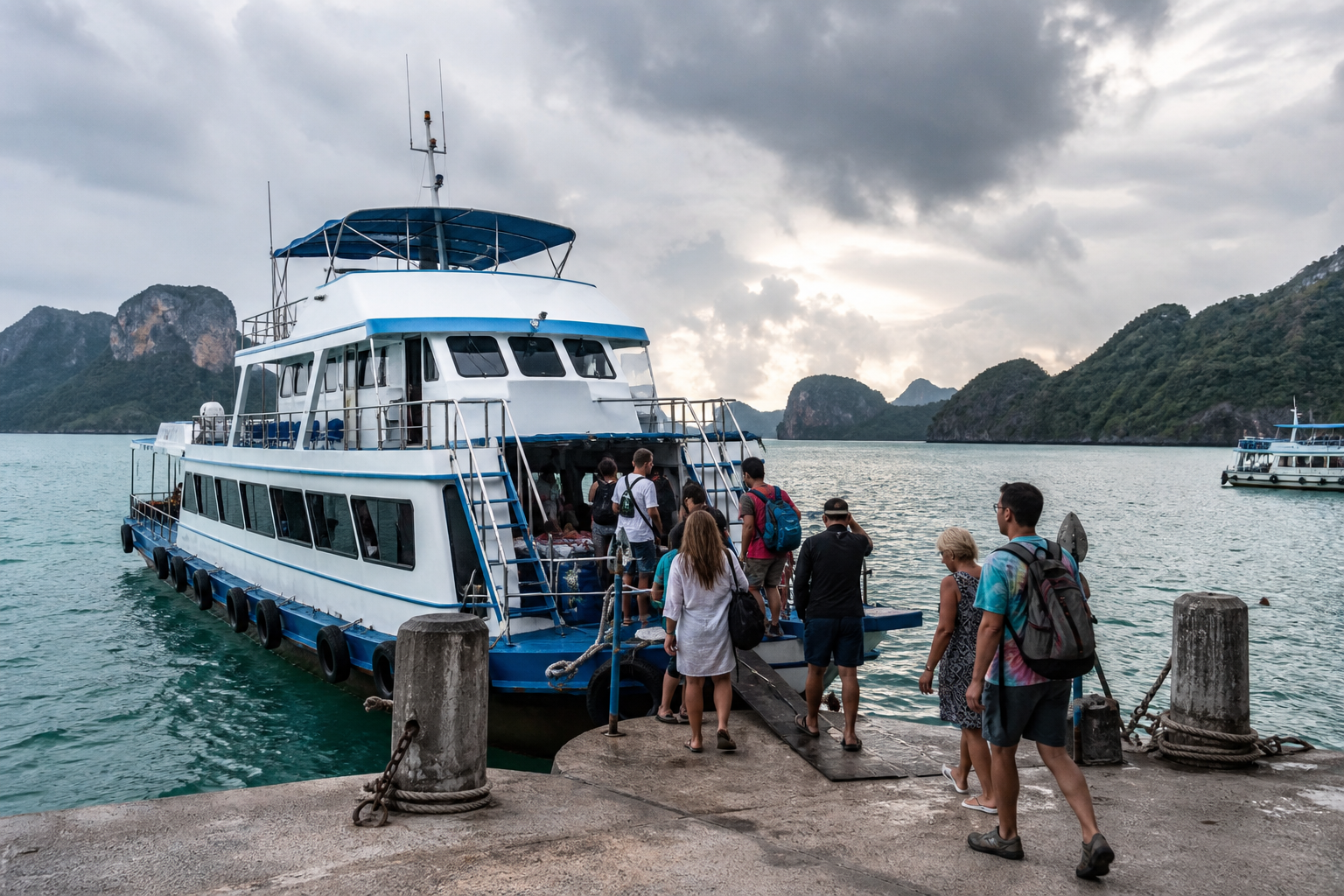
Keep ferry, bus, and boat plans flexible when weather is unsettled. Avoid prepaying non-refundable activities unless you understand the conditions and refund policy. Official operators and established booking channels are easier to contact when schedules change, and a little extra time between connections reduces stress.
Plan a Rainy-Season Budget
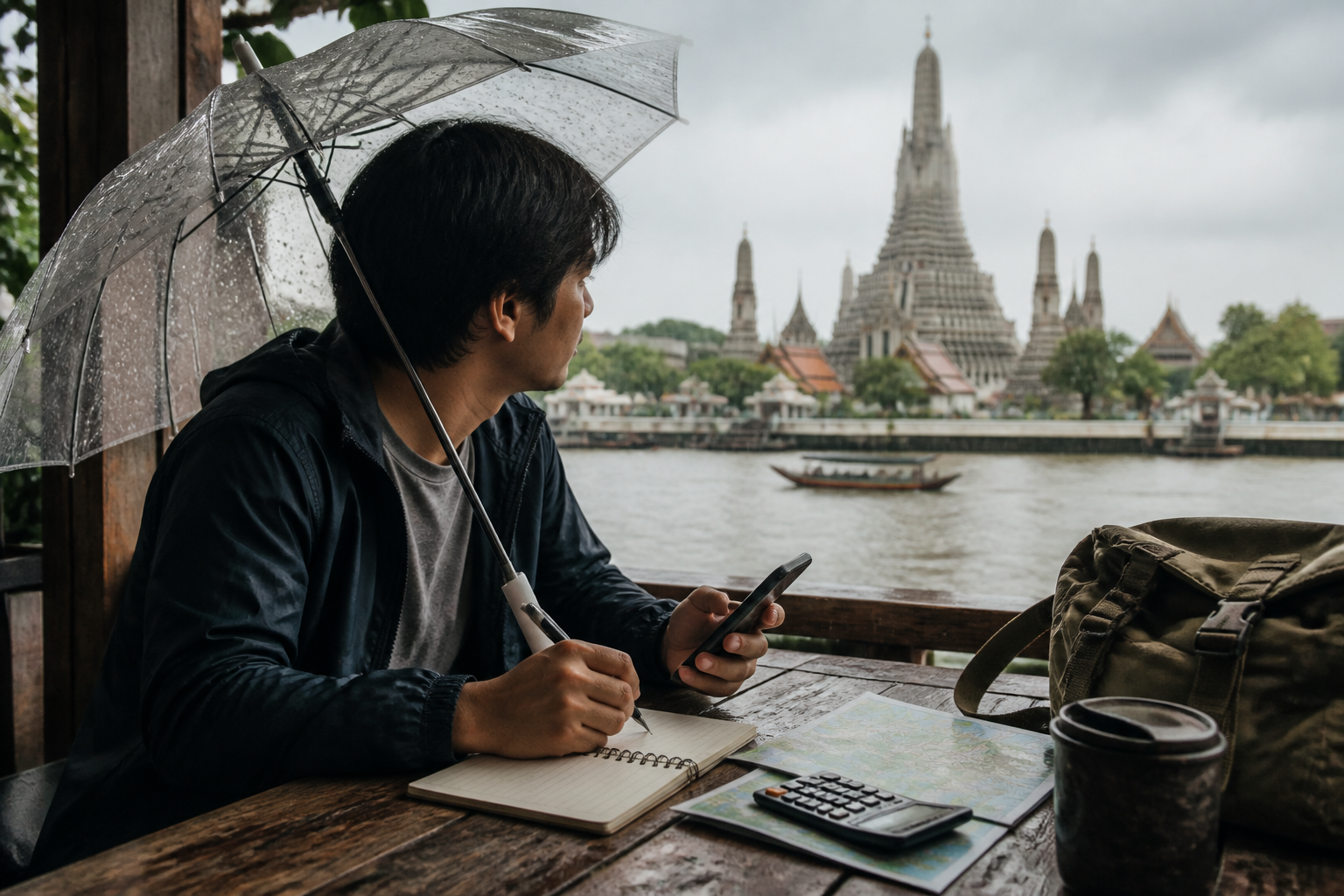
Leave room in the budget for a replacement taxi, an extra hotel night, indoor activities, or a changed ferry. Pack a light rain jacket, waterproof your phone, and keep essential documents protected. With realistic flexibility, the rainy season can offer quieter streets and a more relaxed pace without turning the trip into a gamble.