How To Spend An Epic 3 Days in Chiang Mai in 2026
If you only have a few days in Chiang Mai, you need to make it count. But most tourists completely miss out on some of the best things to do. I’ve visited countless times over the last 10 years, and today I’ll show you exactly how to spend an epic 3 days in the city, including the best temples, waterfalls, and mountains to explore, as well as the town’s best nightlife spots.
On day one, you’ll explore with a local guide, someone who doesn’t just know the landmarks, but can bring the city’s stories, people, and history to life. On my most recent trip, I made it my mission to find the best experiences that truly capture the heart of Chiang Mai, and here are three of the best.
A Local Food Tour in Chiang Mai
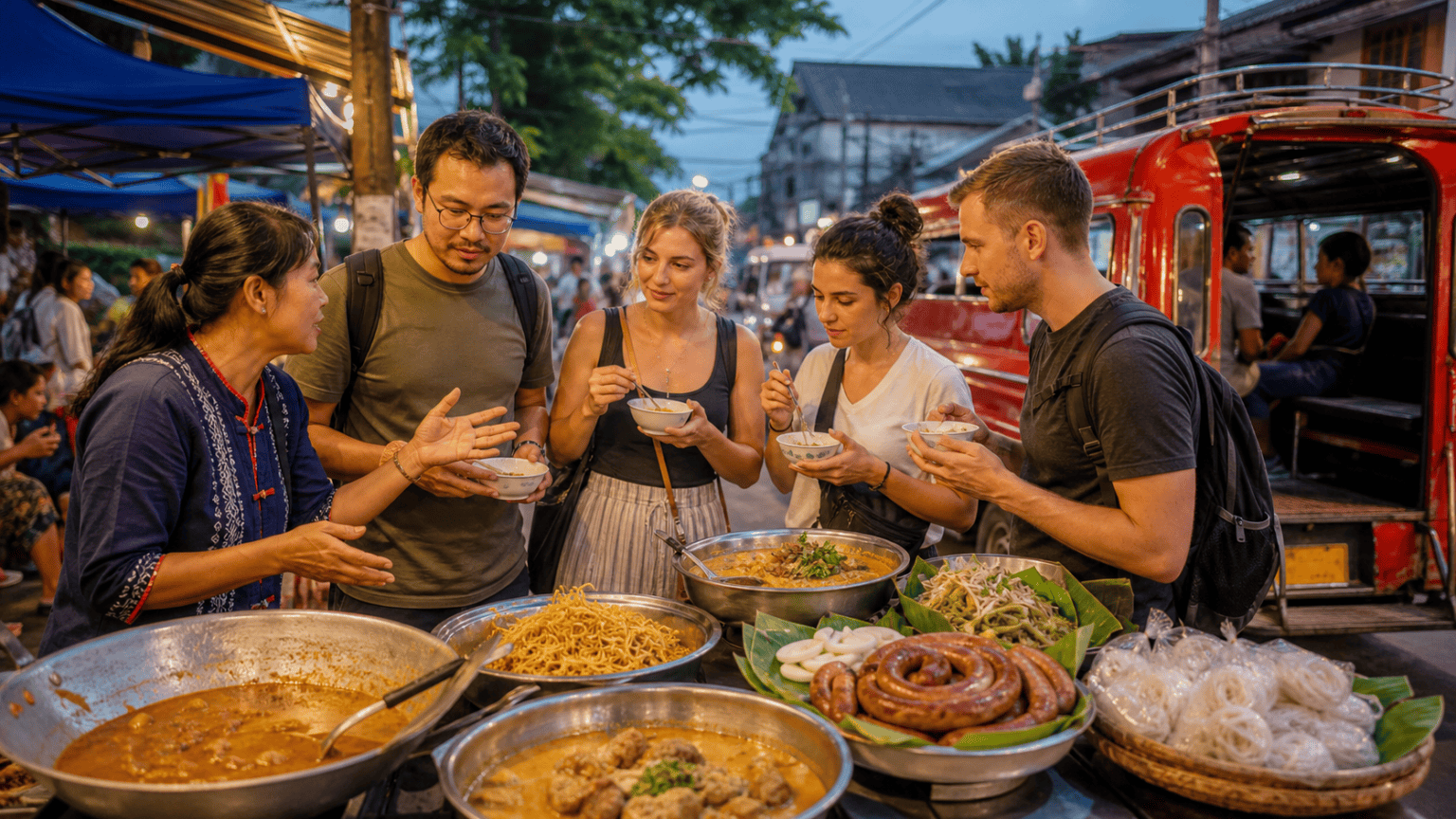
If you came to Thailand for the food, this is where having a local guide really pays off. Chiang Mai is full of amazing street food, hidden alley markets, and family-run stalls that have been serving the same dishes for generations. But trying to find the best of them on your own is impossible. That’s why spending the evening eating your way through the city on a food tour with a local is such a game-changer. You won’t waste time guessing what to order or where to go. Instead, you’ll try around 15 different dishes handpicked by someone who actually knows what’s good.
We’re talking about northern Thai staples like khao soi, the rich and creamy curry noodle soup, and sai ua, the spicy herbal sausage that’s packed with flavor. But what I found most interesting when I did this food tour was learning about how Chiang Mai’s food culture goes beyond Thailand. The region has been shaped by its neighbors for centuries, and you’ll get to try dishes inspired by the Shan region of Myanmar and Yunnan province in China, with Burmese curries and Yunnanese noodles.
One of the most interesting dishes that we ate, though, was water buffalo. Our guide explained to us that it’s usually reserved for special occasions, since it takes a lot of work to prepare. So during festivals, the whole village will come together and kill and cook it in this rich, spicy soup. They actually also told us that it’s sometimes eaten raw, but we had the cooked version, and honestly, I thought it was pretty tasty.
What makes this experience so special, though, isn’t just the food, it’s the journey. You can zip around neighborhoods in a local red truck known as a songthaew. You’re going to visit local markets you’d never find on your own and hear stories behind the food and the people who cook it. This is an insight into Chiang Mai’s history, culture, and flavor all in one evening, and it’s only possible when you’ve got a local to show you the way.
Cycling Through the Countryside
But what if you want something that’s a little bit more energetic? Something to shake off the jet lag and actually move your body. Well, there’s one adventure that takes you through the heart of Chiang Mai and deep into its peaceful countryside, and that’s a cycling trip like no other.
You’ll start in the hidden side streets of Chiang Mai’s old town, weaving your way past ancient temples, golden chedis, and quiet neighborhoods that most tourists miss. The streets around the old town are a bit of a labyrinth, though, so it’s great to have an expert guide to make sure you don’t get lost or, you know, hit by a bus.
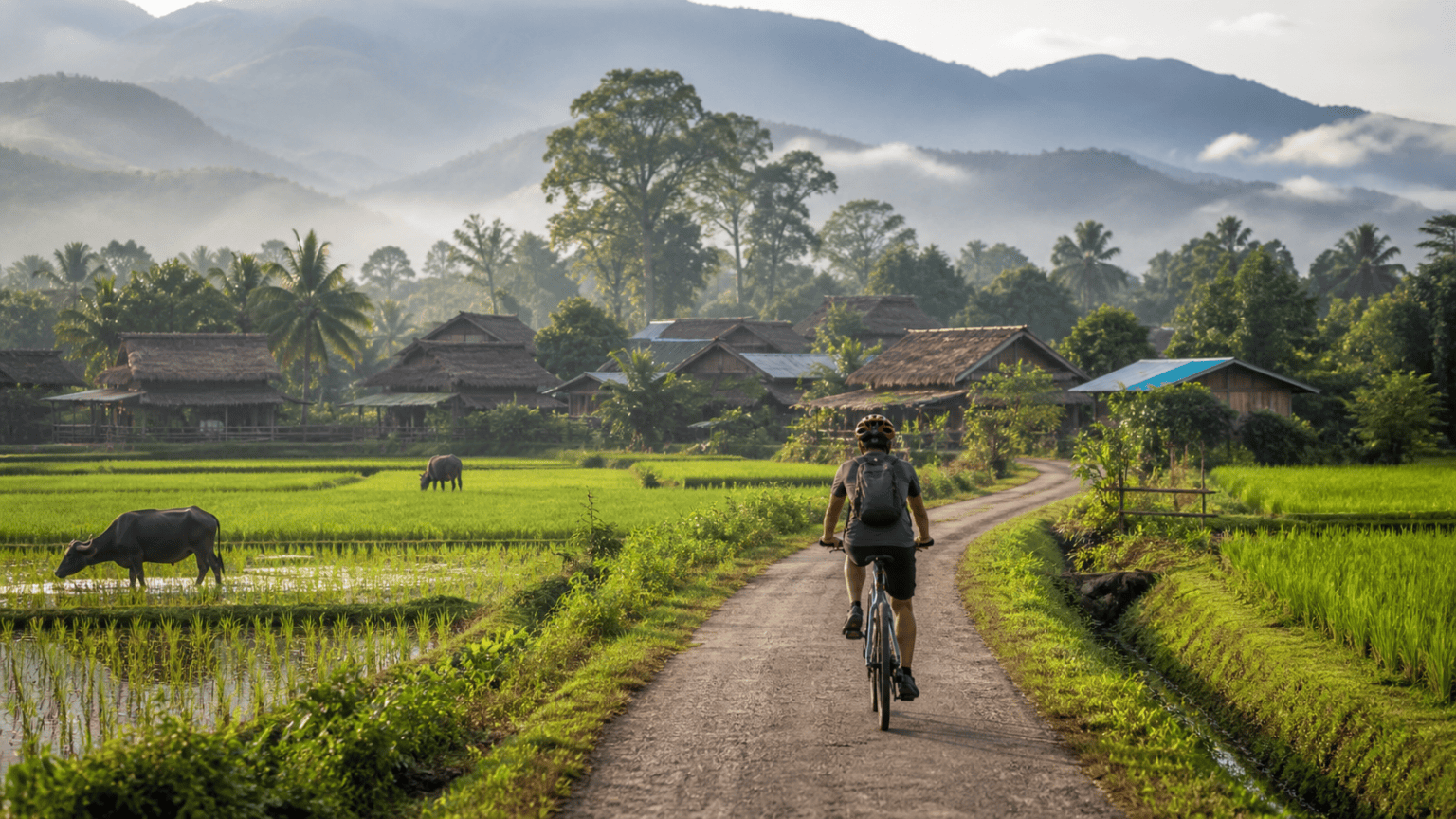
But the adventure doesn’t stop there. We hopped in a songthaew to the outskirts of the city, and this is where things got truly stunning. We pedaled our way through the lush rice paddies alongside peaceful streams and past traditional mountain villages. You could tell this was the non-touristy area because the locals here often wave as you pass, and there were water buffalo grazing lazily in the fields. This was a complete shift from the city.
What I love most about this trip is how much ground you cover. You’ll see more in one day than most visitors see in a month. This is the Ko Van Castle cycling tour, and if you’re craving a bit of a deeper look at northern Thailand with a bit of a workout thrown in, this is one of the best ways to spend your day.
But there’s one more experience in Chiang Mai that’s completely off the beaten path, and if you’re into culture, coffee, or just escaping the crowds, this is the one that you can’t miss. One of the most fascinating things about northern Thailand is the diversity of its hill tribe communities. Hill tribes are groups of people that have their own languages, traditions, and way of life that are totally distinct from mainstream Thai culture, and they live in the mountains in small villages in northern Thailand. And believe it or not, one of the best ways to learn about them is through coffee.
Let me introduce you to the hill tribe coffee tour run by Jack, a local guide who’s turned his passion for coffee into one of the most unique day trips around. This part of Thailand was once known for something very different, opium production. But after the government banned it, the Karen tribes needed a new way to make a living. Luckily, the cool mountain air and rich soil of northern Thailand turned out to be perfect for growing coffee. On this trip, Jack takes you out of the city and deep into the hills to a remote Karen village that sees almost no other tourists. In fact, the day we went, we didn’t actually see another traveler. Jack’s the perfect guide, not just because he speaks great English, but because he brings the village history and culture alive. You’ll wander through terrace farms, learn how coffee is picked and dried, and even roast and brew your own cup right there in the mountainside. And trust me, it’s delicious.
Chiang Mai Night Markets
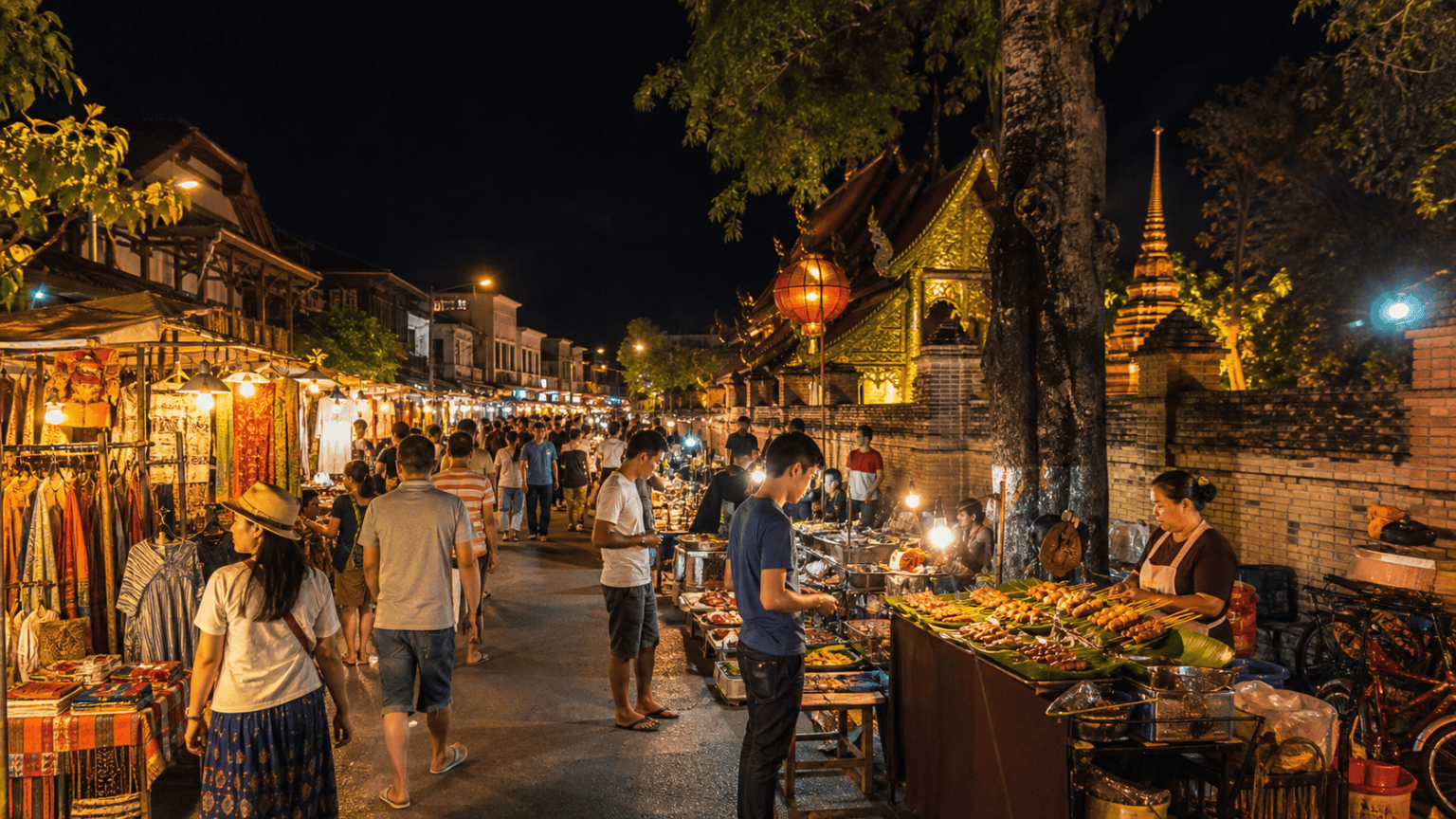
Chiang Mai might be one of the chillest places in Thailand, but at night, certain parts of the city absolutely come alive. And you cannot leave without experiencing one of its legendary night markets. Every evening, just outside the east gate of the old town, the night bazaar kicks into gear. It’s a sprawling open-air market packed with everything from local handicrafts and clothes to snacks and souvenirs, and the occasional knockoff designer bag. It’s the kind of place you can get lost in for an hour or two, just wandering through the endless stalls.
But if shopping isn’t really your thing, no worries. Leave your partner to it and grab a cold beer nearby. There are loads of chill spots right next to the night market where you can listen to live music, eat some grilled skewers, and just watch the world go by. One of my favorite places to hang out nearby is Ploen Ruedee Night Market. It was recently refurbished and now has a fantastic mix of food stalls, bars, and a stage for nightly live music. It’s got a more laid-back international vibe, but it’s perfect for unwinding in after a full day exploring.
But if you happen to be in Chiang Mai over the weekend, you’re in luck, because that’s when the city’s best night markets actually open up. On Saturday, head south of the old town to Wua Lai Road for the Saturday Night Market. It’s a bit smaller and more relaxed, with a great mix of handmade goods and local snacks. Then on Sunday, Chiang Mai goes all out. The Sunday Walking Street cuts right through the heart of the old town, winding past ancient temples and old Lanna-style buildings. This is hands-down the best night market in the city, packed with art, food, music, and a buzzing atmosphere that you won’t find anywhere else.
Doi Suthep and the Old Town
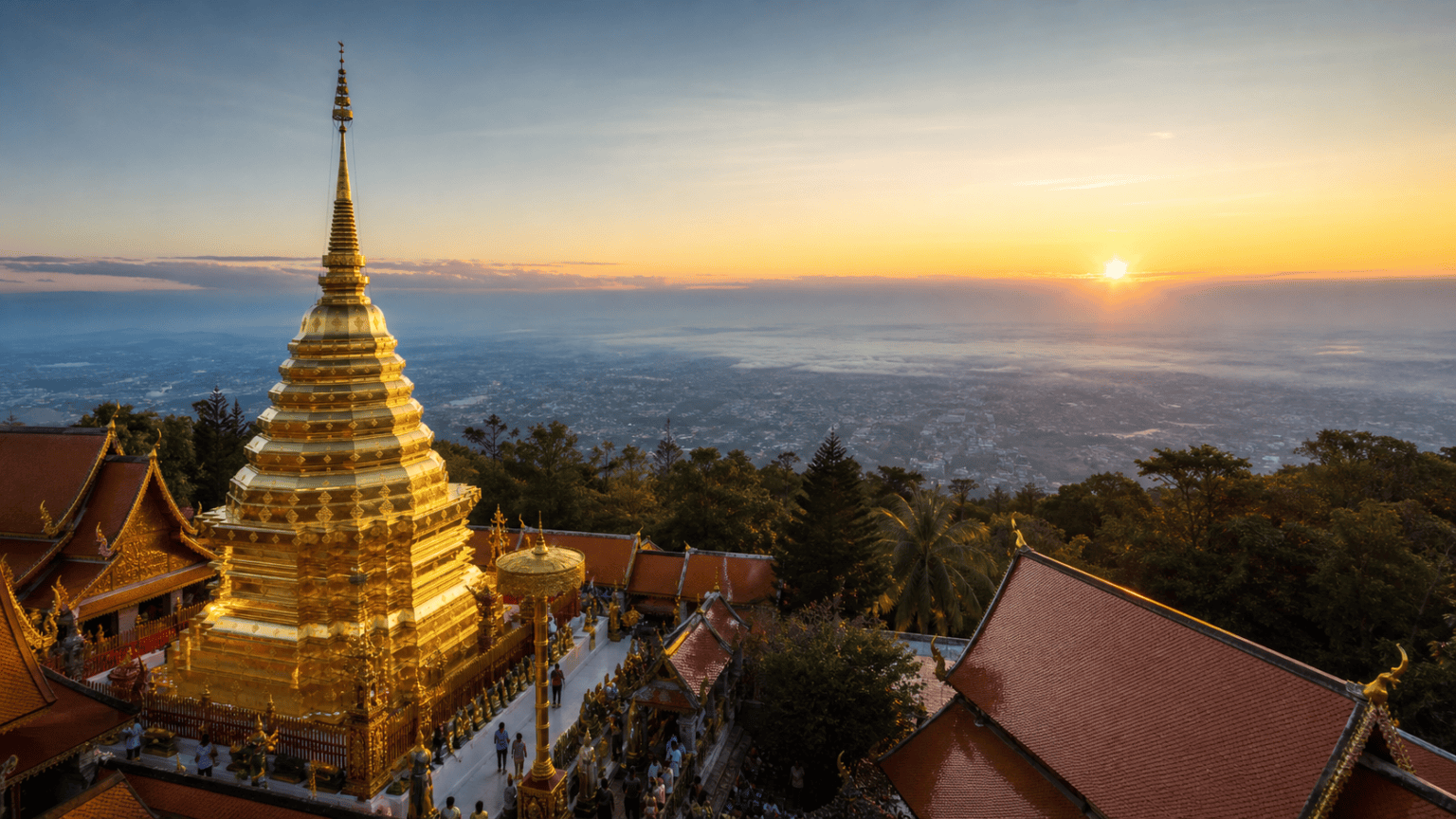
On day two, it’s time to discover why Chiang Mai is considered the cultural capital of northern Thailand. We’re going to visit some of the city’s most sacred landmarks, explore historic temples, and of course, stop off at a few incredible cafes and bars along the way. But first, you’ll need to set your alarm early. Like, really early. Because if you’re looking for one of the best sunrise spots in all of Thailand, there’s one place you absolutely need to be, Doi Suthep.
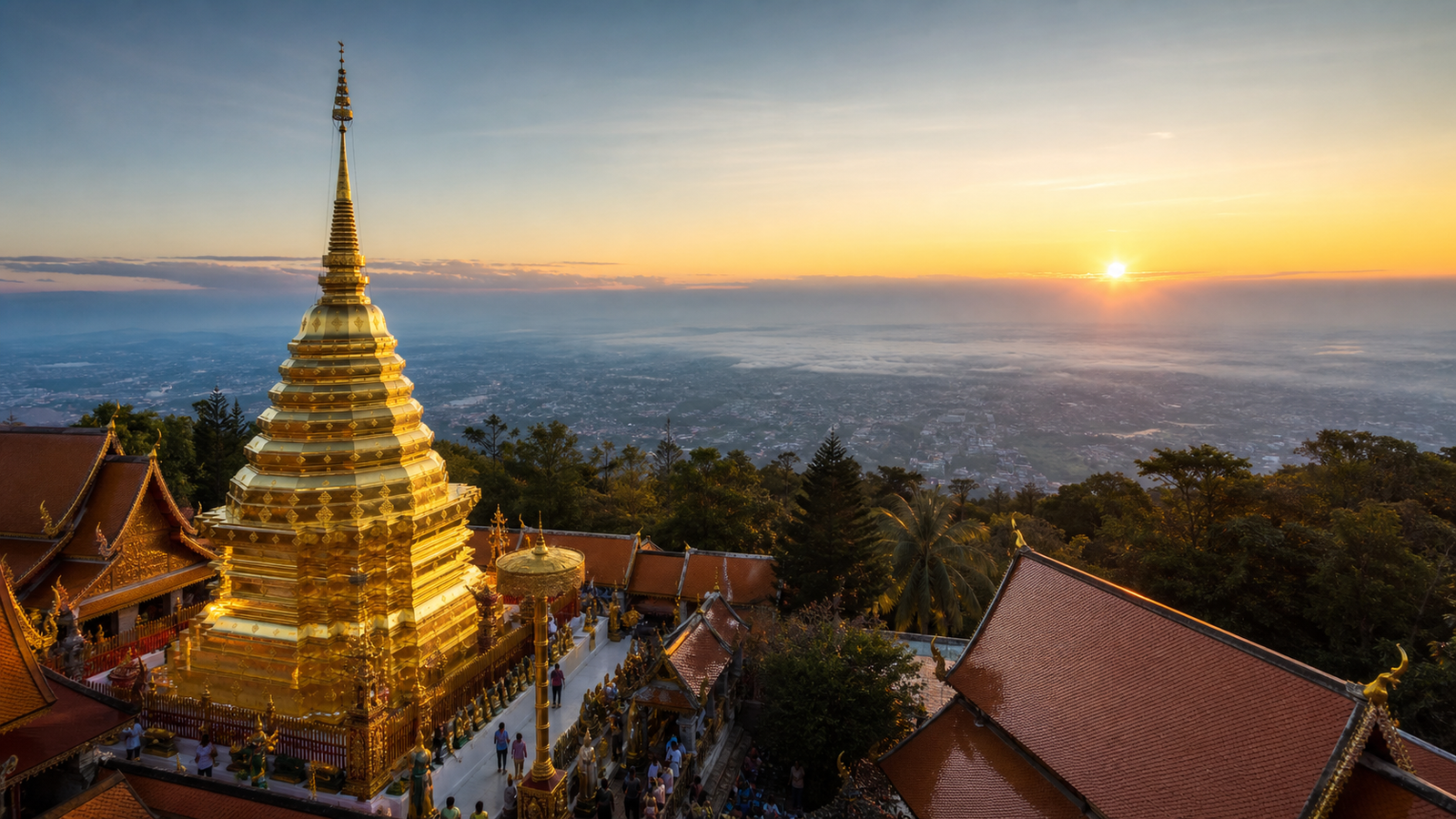
Wat Phra That Doi Suthep is one of the most important temple complexes in the north. Perched high in the forested mountain, it overlooks the whole city. The temple dates back to the 14th century and is deeply tied to the founding of the Lanna Kingdom. But the real magic here happens before the tour buses arrive. If you make it here just after dawn, you’ll see the golden stupa glowing in the morning light. You’ll also hear monks chanting softly in the temple halls. And if you’re lucky, you can witness them receive their alms for the day. But the best part is the panoramic view. From the top of Doi Suthep, you get a sweeping vista of Chiang Mai stretching out beneath you. With the sun rising up over it, it’s without a doubt one of the best sunrise spots in the whole of Thailand.
Coffee and Sacred Temples in Chiang Mai
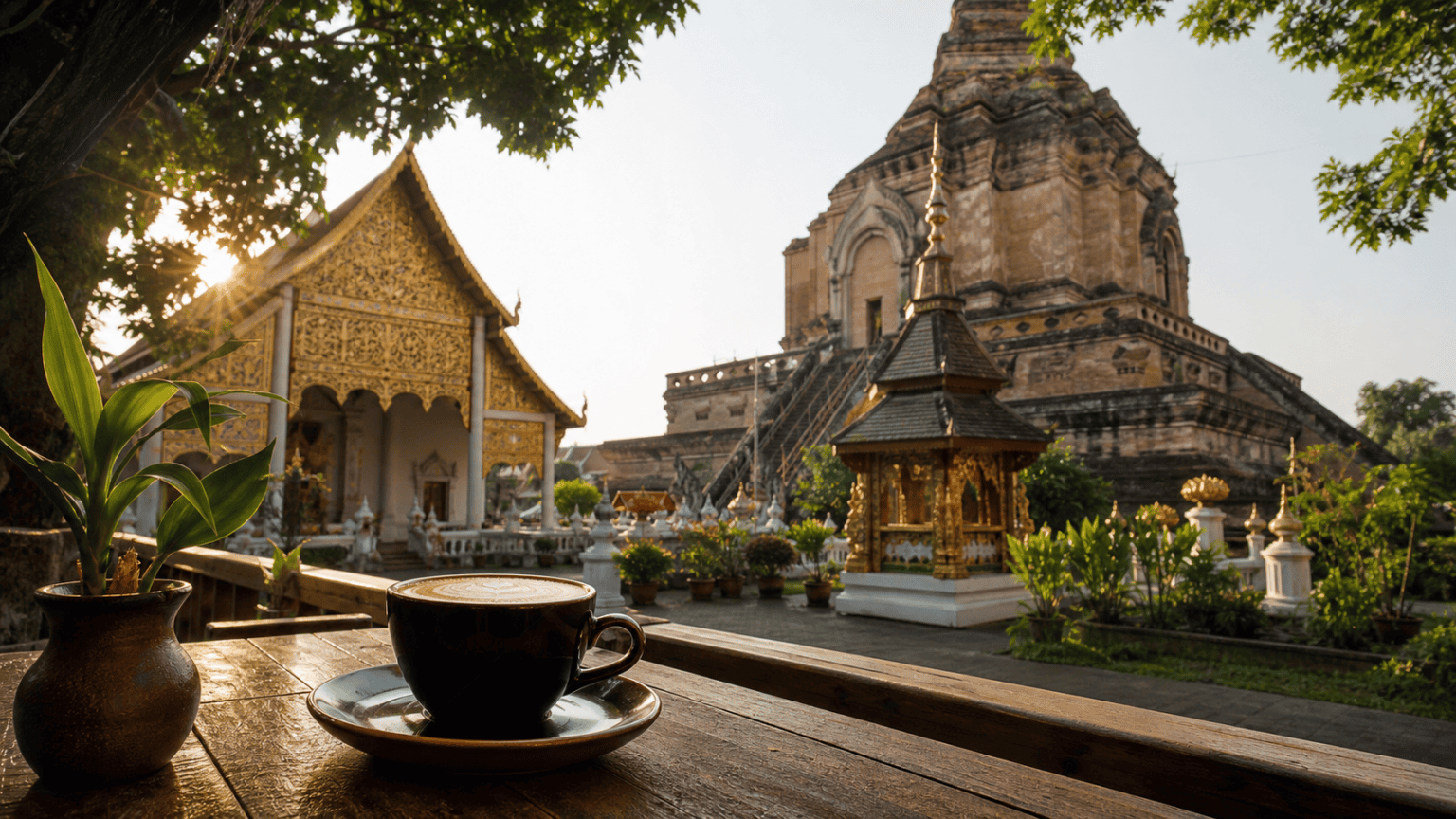
Next, we’re heading right into the heart of Chiang Mai, the old town. Enclosed by ancient walls and a moat, this square-shaped section is where Chiang Mai’s history truly comes alive. But here’s the thing. When I first visited about 10 years ago, I had no idea what I was doing. I just wandered around, got bored pretty quickly, and honestly wondered what all the fuss was about. Turns out, I wasn’t alone. Every day, hundreds of tourists do the exact same thing. So on day two, I put together an eight-stop checklist to help you experience the real old town. We’ll hit the only temples actually worth visiting, uncover hidden street-food markets, and find the best spots to grab a drink in the evening so that you can make the most of your time and see what makes this place truly special.
After such an early start, you’ll definitely need some caffeine. And Chiang Mai takes its coffee seriously. The high-altitude hills of Chiang Mai produce some of the best beans in Southeast Asia. So kick things off near Tha Phae Gate, where a cluster of independent cafes are redefining what coffee can be. The whole area is lined with specialty coffee shops, with some roasting their own beans and others serving up creative brews with local twists. If you haven’t already, make sure you try a Thai iced tea or Thai iced coffee. These are strong, sweet, and creamy drinks typically made with condensed milk and poured over crushed ice. Be careful, though, they are completely addictive.
What really sets the Old Town apart, though, is the temples. But with so many packed into such a small area, it’s easy to get temple fatigue. The good news is you don’t need to see them all. Here are my top three picks for the best temples in Chiang Mai. First up, Wat Chedi Luang. This massive brick stupa once towered over the city at 82 m tall before an earthquake took off the top in the 1500s. It’s this monument that makes the Old Town really feel old. Even in its semi-ruined state, it’s one of the most powerful sites in Chiang Mai. It’s also right in the middle of the Old Town, so it’s easy to find.
Just a 10-minute walk away is Wat Phra Singh, one of the most important temples in the city. This one’s all about the classic Lanna-style architecture, with a golden stupa and intricate wooden carvings and monks moving quietly between the buildings. If you come early enough, you might catch the alms-giving ceremony, which is one of the most peaceful things you’ll witness in Thailand. For something completely different, head to Wat Sri Suphan, also known as the Silver Temple. This one is located just south of the Old Town and is completely covered in handcrafted silver panels. Every surface, the walls, doors, and even the roof, is detailed with silver work, making it unlike any temple in the country. It’s a smaller temple, but visually it’s one of the most striking in Chiang Mai.
You don’t need to visit every single temple in the city, but if you hit these three, you’ll walk away with a real feel for Chiang Mai’s spiritual heart.
Eight Stops in Chiang Mai Old Town
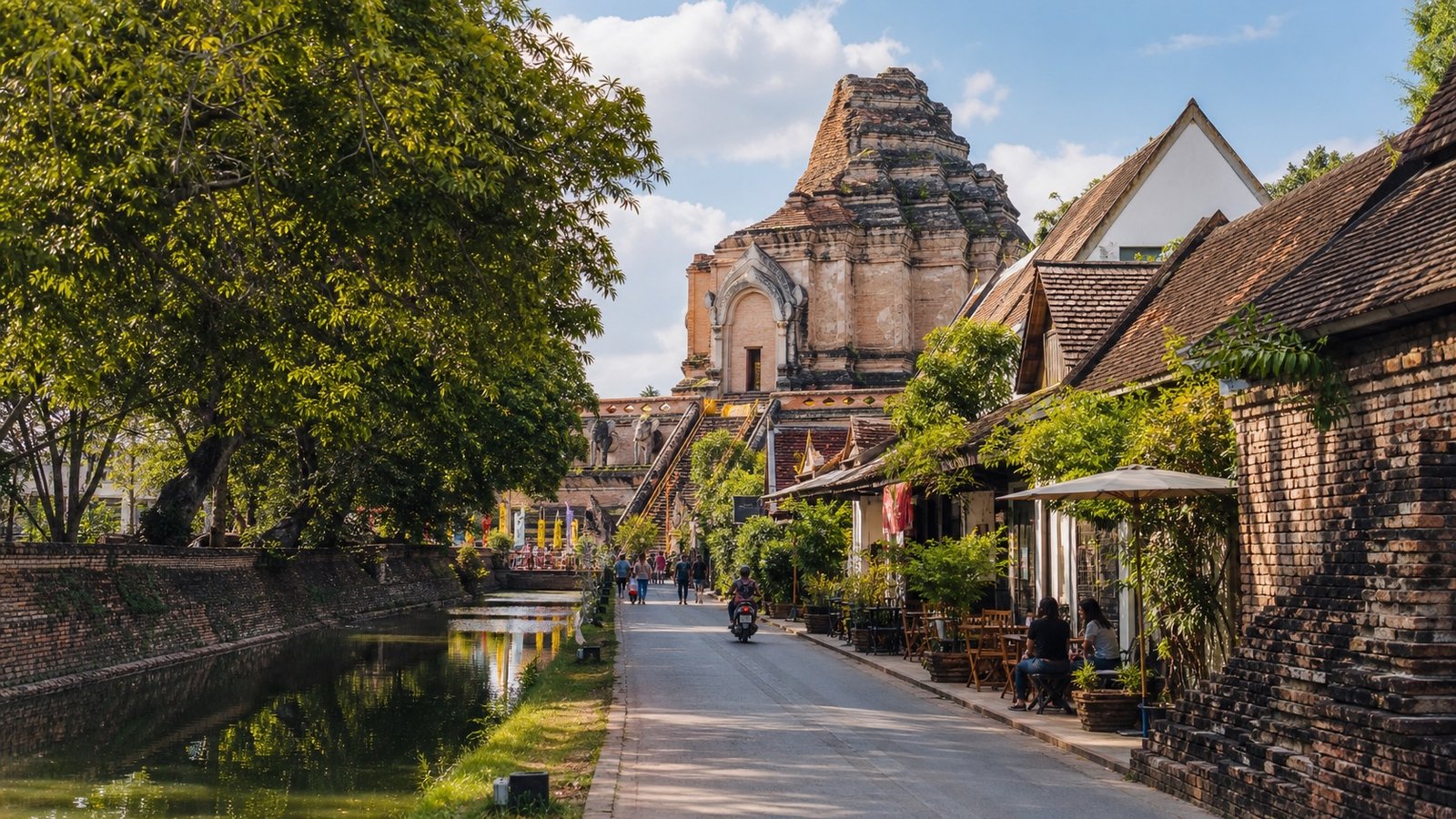
Stop three. As you make your way around the Old Town, don’t miss the chance to explore the old city’s walls and moats, the ancient defenses that once protected Chiang Mai from invaders. The most iconic spot is Tha Pae Gate, where locals and travelers gather for street performances, food stalls, and the occasional festival. Also, walking around the city’s moat is one of the most peaceful walking routes in the city.
Stop four. Chiang Mai isn’t just about temples and food, though, it’s also a haven for creatives. The Old Town is filled with hidden art spaces in the galleries and some genuinely quirky little shops that you won’t find anywhere else. One of the best places to explore is Kad Village, a chill courtyard where you can browse handmade crafts, funky design pieces, and ever-changing art exhibitions. It’s one of the best creative spaces in town. But part of the fun here is just wandering.
Stop five. After all that exploring, your feet are probably begging for a rest. And lucky for you, Chiang Mai is famous for massages that you won’t find anywhere else in the world. If you’re on a budget, you can get a foot massage right on the street for about 200 baht, which is probably the cheapest you can get in Thailand. But for a unique experience, check out the ex-convict massage parlors. This might sound a bit unusual, but most of the women here weren’t hardened criminals. They were farmers. Northern Thailand is part of the Golden Triangle, which, like I mentioned, was once a major hub for opium production. Many locals here were involved in the growing opium trade simply as a way to make a living. Today, though, they’ve been rehabilitated and retrained as skilled massage therapists, turning their lives around while offering some of the best massages in the city. Another unique option is with a blind massage therapist. Some people say they actually give the best massages because their heightened sense of touch helps them to find areas of stress within the body much more effectively. And there are a number of massage parlors that focus on blind massages.
Stop six. You can’t leave the old town without trying Chiang Mai’s signature dish, khao soi. This rich, coconut-based curry is served with soft egg noodles in the broth, topped with crispy fried noodles for the perfect crunch. It’s usually made with chicken, but you’ll also find beef or even vegetarian versions around. It’s creamy, spicy, slightly sweet, and it’s my personal favorite dish in Thailand. You’ll find khao soi all over the old town, from hole-in-the-wall joints to trendy cafes. Some spots claim to serve the best in the city, but honestly, I’ve never had a bad khao soi in Chiang Mai. They’ve all been delicious.
Stop seven. After all that exploring and that bowl of khao soi, you might think you’re full, but trust me, you need to save a little bit of room. Because as the sun sets, Chiang Mai’s street-food scene kicks into high gear just north of the old town. Welcome to Chiang Puak Night Market, also known as the North Gate Food Market. By early evening, the street outside the North Gate transforms into a buzzing row of food stalls, plastic tables, and the aroma of grilled meat. The star of the show here has to be the legendary cowboy hat lady. This one was made famous by Anthony Bourdain when he visited. She’s a local icon dishing up melt-in-your-mouth khao kha moo, that’s braised pork leg over rice. It’s sweet and incredibly tender. You’ll spot her by her signature cowboy hat, and watching her work the steaming pot is an experience in itself. Don’t just stop there, though. The market is a treasure trove of local dishes: spicy sausages, crispy spring rolls, grilled skewers, mango sticky rice, and plenty of things that you might not recognize but should absolutely try. If you want a truly local Chiang Mai dinner, this is the spot.
Stop eight. Even though this part of Chiang Mai is all about temples and old-world charm, that doesn’t mean you can’t let your hair down once the sun sets. In fact, some of the city’s best bars are tucked away right inside or just outside the old town walls. Since you’re already up at the north end after the night market, your first stop should be the North Gate Jazz Co-op. This legendary live music spot is famous for its nightly sets of jazz, blues, and the occasional funk jam. It’s small, buzzing, and it’s always packed, so if you want to see it, get there early. Otherwise, join the crowd outside with a cold drink and let the music spill out onto the street. It’s one of the most interesting spots in Chiang Mai. If you want wine and live bands, head over to the Writers Club and Wine Bar, a laid-back little spot that feels more like a locals’ living room than a tourist bar. Perfect for unwinding with a glass of red wine after a day. But if cocktails are your thing, Chiang Mai seriously delivers. Just outside the old town, you’ll find Nat Por Bor Ri Bar and Tub Bar, two of the most creative cocktail spots in the city. Their menus are full of drinks inspired by northern Thai ingredients like Thai basil, lemongrass, tamarind, and even dried mushroom infusions. These are really small, intimate nightlife spots. And if you’re still not ready to call it a night, head out through East Gate to Loikroh Road. This is the liveliest strip in town after dark. So whether you’re into live jazz, fine wine, craft cocktails, or backpacker bars, Chiang Mai’s got you covered.
The Best Day Trips From Chiang Mai
But there’s more to Chiang Mai than just the old town. In fact, the real beauty of Chiang Mai lies beyond the city’s walls, where vast mountains, hidden waterfalls, and remote villages are all waiting to be explored. The following are the four best day trips you can take from the city. You can’t do them all in one day. Simply choose the one that appeals most to you and have fun exploring.
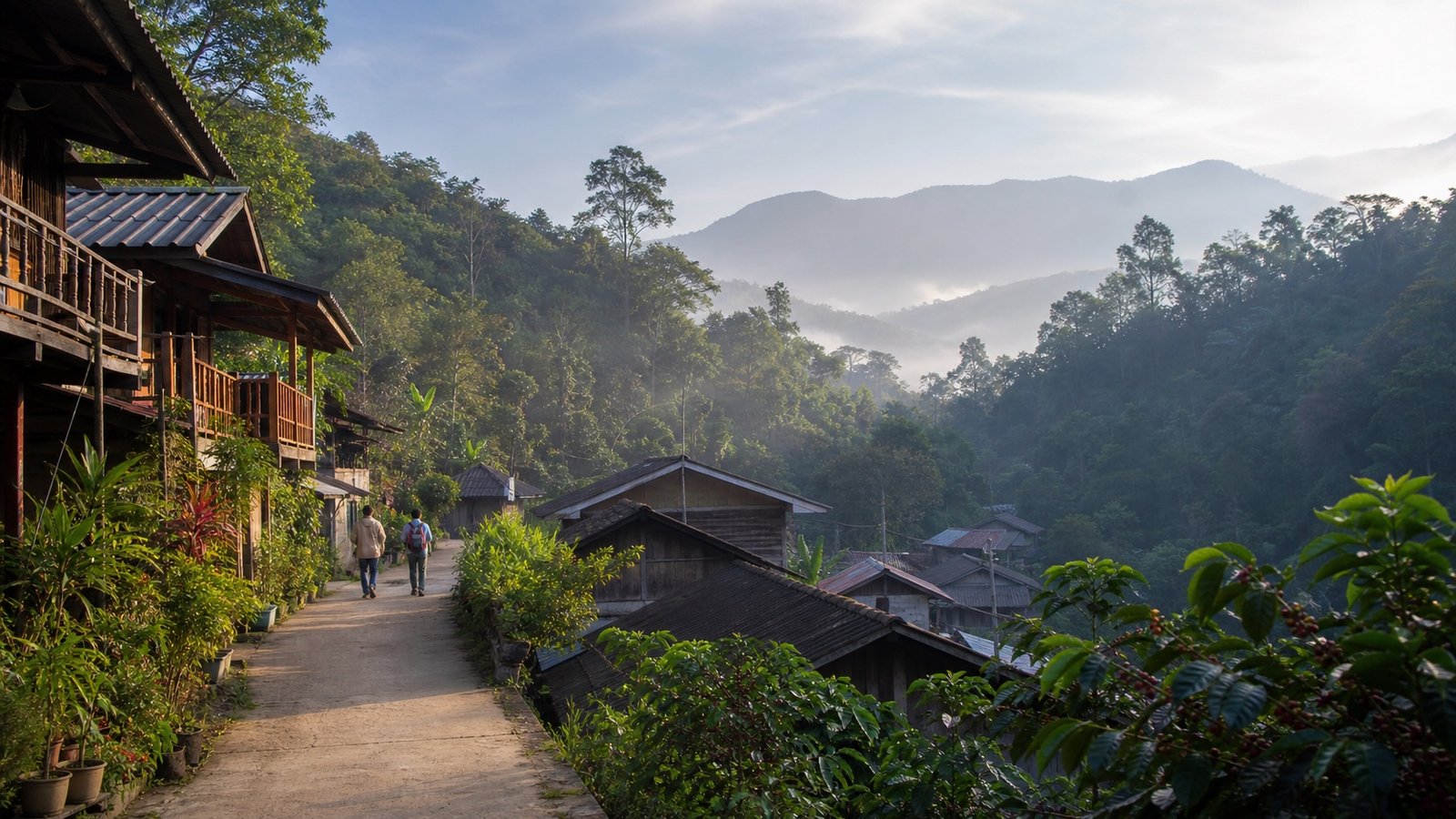
Day trip one. About an hour’s drive from Chiang Mai, deep in the misty mountains, lies a village famous for its stunning scenery. Nestled among lush forests, this small community is home to a Karen ethnic group who have lived here for generations. But what makes this place special is that nearly every house is built from traditional wood, blending seamlessly into the landscape. The air is filled with the aroma of freshly roasted coffee as you climb the steep winding mountain path. You’ll pass street-food vendors selling local snacks. This is Mae Kampong, one of northern Thailand’s most charming and peaceful villages. For one of the best views in northern Thailand, grab a coffee at the mountaintop cafe with a panoramic view of the valley below. Whilst this town is becoming more and more popular, not a lot of tourists actually come here. So it’s best to make your own way here, either by bus, which leaves about every hour or two, by scooter, or by hiring a driver for the day.
Day trip two. Thailand’s tallest mountain and jungle trek. If you’re up for a more active adventure, Thailand’s highest peak is just a two-hour drive from Chiang Mai. This day trip takes you through dense jungle, hidden waterfalls, and rice paddies, offering some of the best and most scenic trekking in the country. At the summit you’ll find the twin pagodas built to honor the former king and queen of Thailand. On a clear day, the view stretches for miles over the misty mountains, but the real highlight is the trek itself. You’ll hike through the cool, cloud-covered rainforest, home to rare plants and wildlife. To end the trip, you’ll visit a hill tribe village where you can learn about the unique culture and traditions of local people. This is Doi Inthanon, Chiang Mai’s most famous hiking destination. For me, this one is better done with a guide. You’ll need to hop between spots within the national park, and you can learn a lot about the history of the villages as well as northern Thai wildlife and nature by traveling with an expert.
Number three. Waterfalls and hidden temples. For the most varied and unforgettable day trip, head north toward Chiang Dao, a region known for its towering mountains, lush jungles, and hidden gems that most tourists never see. Start your day with a trip to Araksa Tea Garden, a picturesque plantation where you can walk through rolling green hills, learn how tea leaves are harvested, and even try your hand at picking them yourself. And the best part is you’ll get to enjoy a freshly brewed cup of organic Thai tea in the middle of the plantation. From there, make your way to Wat Ban Den, one of the most underrated temples in Thailand. Tucked away in the mountains, this hidden gem features intricately designed statues, striking blue rooftops, and a peaceful atmosphere that sets it apart from other temples. This is much like the Blue Temple in Chiang Rai, except with a lot fewer tourists.
For a midday refresh, stop at the Sticky Waterfalls, also known as Buatong Waterfalls, a natural wonder where the limestone-covered rocks create a grip strong enough to let you walk up. It’s one of the most unique waterfalls in northern Thailand, and it’s the perfect way to cool off. Finally, end your day in Chiang Dao, a peaceful town at the base of Thailand’s third-highest mountain. As the sun sets behind the dramatic limestone cliffs, you’ll see why this spot is known for having some of the most stunning golden-hour views in Thailand. Again, not a lot of tourists actually come here, so you’ll need to either rent a car or hire a driver yourself to make the most of these stops.
Ethical Elephant Sanctuaries
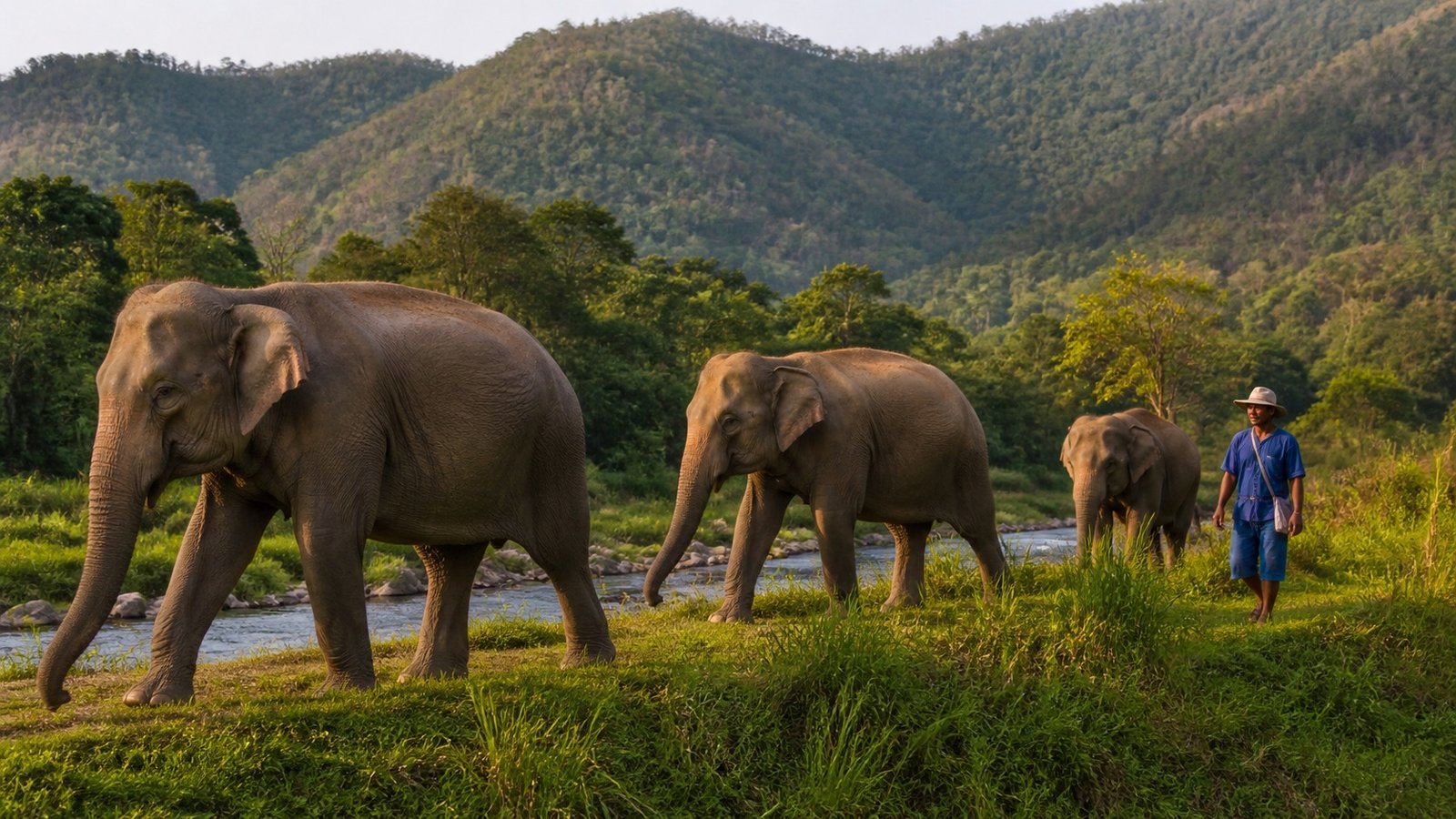
Day trip four, elephants. You simply can’t leave Chiang Mai without seeing Thailand’s national animal, the elephant. Northern Thailand is one of the best places in the country to experience elephants up close, and that’s because these animals have been part of life here for centuries. In many hill tribe communities, elephants have traditionally played a key role in agriculture, transportation, and even spiritual ceremonies. Today, that relationship continues in a new way through the work of ethical elephant sanctuaries.
Many of the people who care for the elephants in these sanctuaries come from families who have worked with them for generations. They understand how to care for these animals with the respect and space that they deserve. What makes this region especially ideal is the landscape itself. Northern Thailand is far more spacious than the islands, giving elephants plenty of room to roam freely in a natural setting. And thanks to the cooler mountain air, it’s not just more comfortable for the elephants, it’s also way more pleasant for visitors, too.
There are a number of excellent sanctuaries to choose from, and some even include extra activities like bamboo rafting, jungle treks, or waterfall visits as part of the experience. If seeing elephants is on your bucket list, this is the best way to do it. But Chiang Mai is just the beginning of your northern Thailand adventure. There is so much more waiting to be discovered.