10 Best Things to Do in Chiang Mai Thailand
Most Chiang Mai travel guides are sending you to the wrong places.
Hill Tribe Coffee Tour
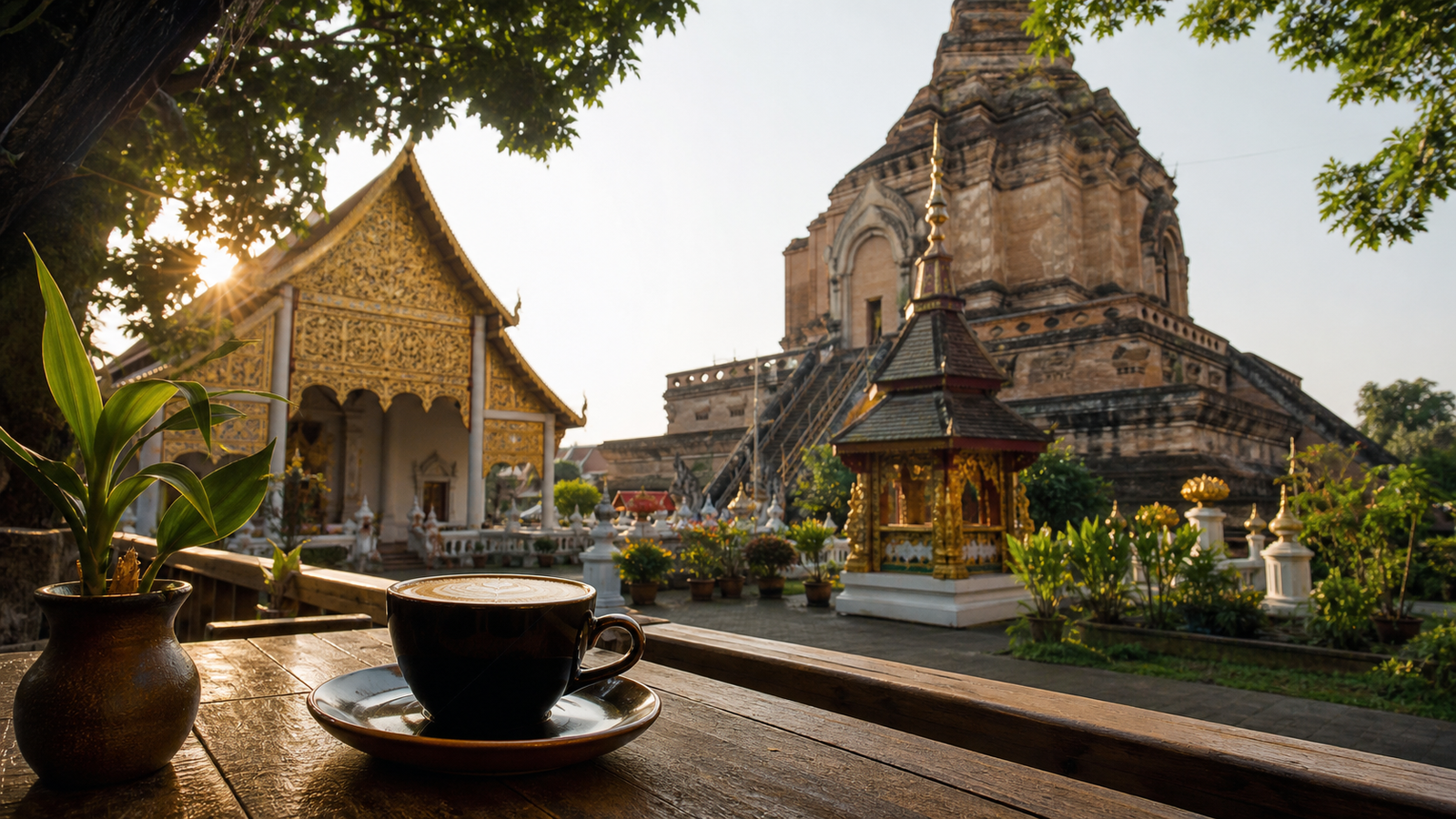
One of the things that makes northern Thailand so fascinating is its rich hill tribe culture. And the best way to experience it for yourself is by joining the hill tribe coffee tour. The tour is run by a local expert in both coffee and the hill tribe communities that have called these mountains home for generations.
He’ll take you deep into the mountains surrounding Chiang Mai, which are perfect for growing two things: opium and coffee. For decades, opium was one of the region’s biggest cash crops, but following government crackdowns, many communities transitioned to coffee production instead.
Today, coffee has become a vital source of income for hill tribe villages across the region, and the result is a thriving coffee culture that most visitors never get to see. During the tour, you’ll visit a small mountain village, learn about the people who grow coffee, and even pick some of the beans yourself.
You’ll then see the entire process from bean to cup, the roasting, tasting, everything. When I did this, we literally didn’t see another tourist the whole day.
If you’re looking to get off the beaten path and learn about the local culture, this is the way to do it.
Cycling Through Chiang Mai
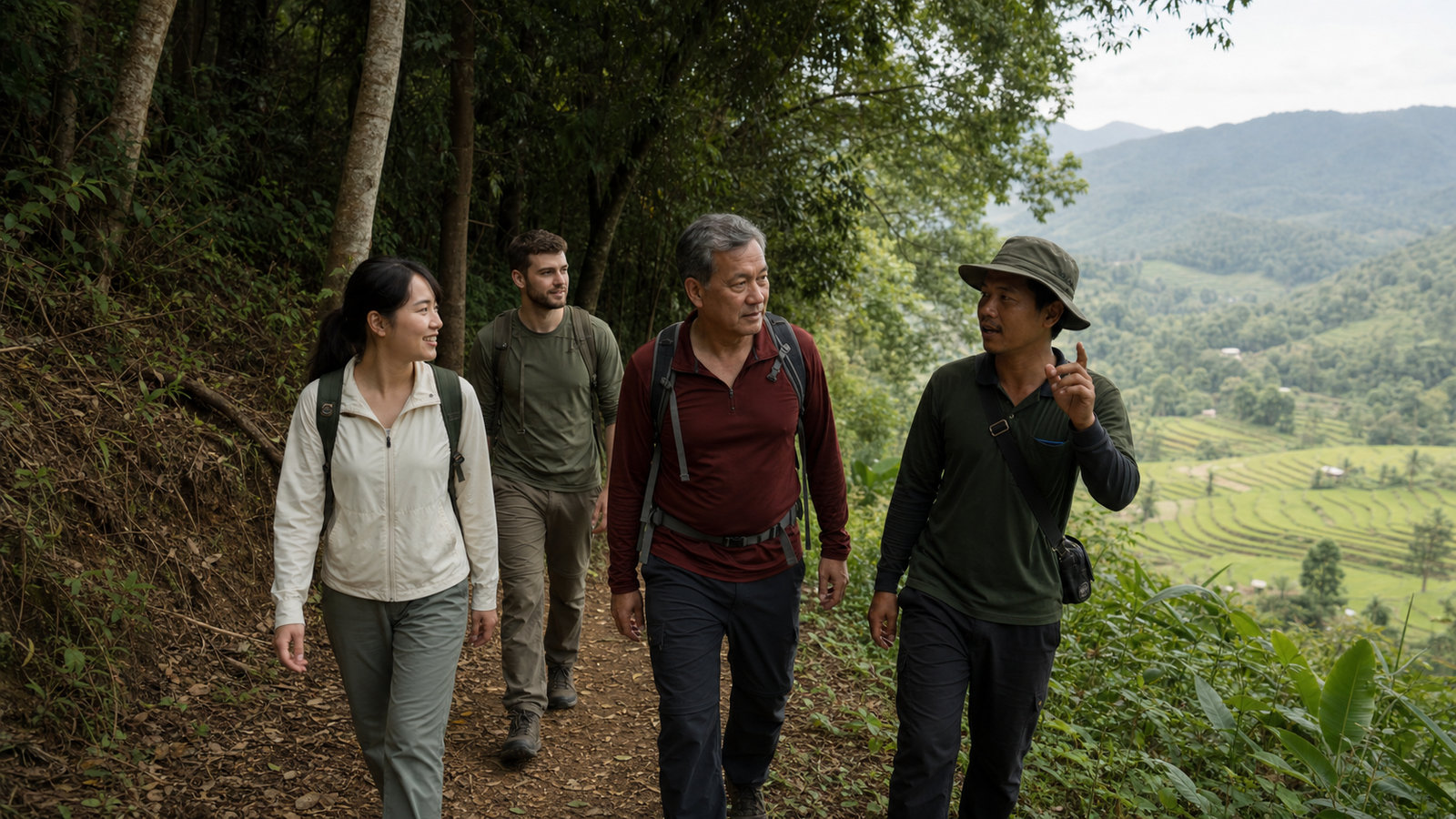
If you want to see the side of Chiang Mai that tour buses can’t reach, get on a bike. One of the best experiences in the region is a guided cycling tour that takes you from the hidden backstreets of Old Town to the rice paddy villages surrounding the countryside.
The day begins in Chiang Mai’s Old Town, where a local guide will lead you through hidden backstreets, quiet alleyways, and lesser-known temples that most visitors walk straight past. From there, you’ll weave through local markets and get a glimpse of everyday life before hopping aboard a songthaew, the iconic red trucks that serve as local public transport, and heading out into the countryside.
And this is where the scenery really starts to shine. You’ll cycle on quiet country roads, past rice paddies, with northern Thailand’s mountains rising in the background. Along the way, you’ll stop to sample local snacks and learn a little bit more about life outside the city.
Traditional Thai Massage
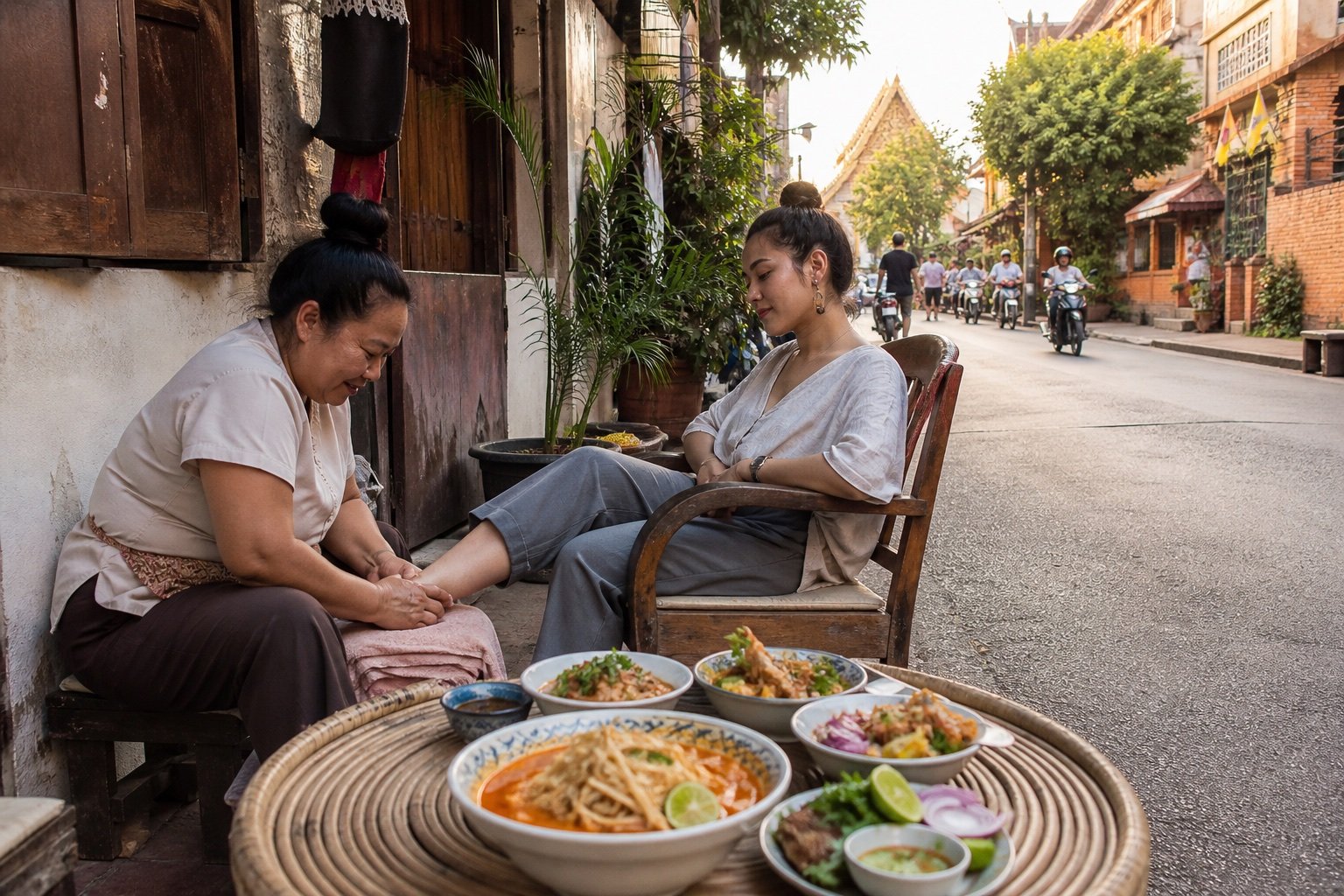
After all of that cycling, you’re probably going to need a way to unwind, and there’s no better place to do that than Chiang Mai. Chiang Mai is one of the cheapest places in Thailand to get a traditional Thai massage, and you can find a 1-hour foot massage for around 250 baht.
Now, if you’ve ever had a Thai massage before, be prepared. It’s nothing like a typical spa massage. You can expect stretching, pressure points, and techniques designed to release tension and loosen tight muscles. And after a day spent cycling or exploring temples, it can feel incredible.
But Chiang Mai is also home to some unique experiences you won’t find elsewhere. Several massage centers are staffed by former female prisoners. These programs were created to help women rebuild their lives after being imprisoned, after being involved in the former drug trade from the opium that I just mentioned.
By choosing one of these centers, you’re going to get a great massage while supporting something that makes a difference. You’ll also find blind massage centers throughout the city. Many locals believe blind masseuses are particularly skilled at locating tension and tight muscles, and these businesses provide vital employment for Chiang Mai’s visually impaired.
Northern Thai Cuisine
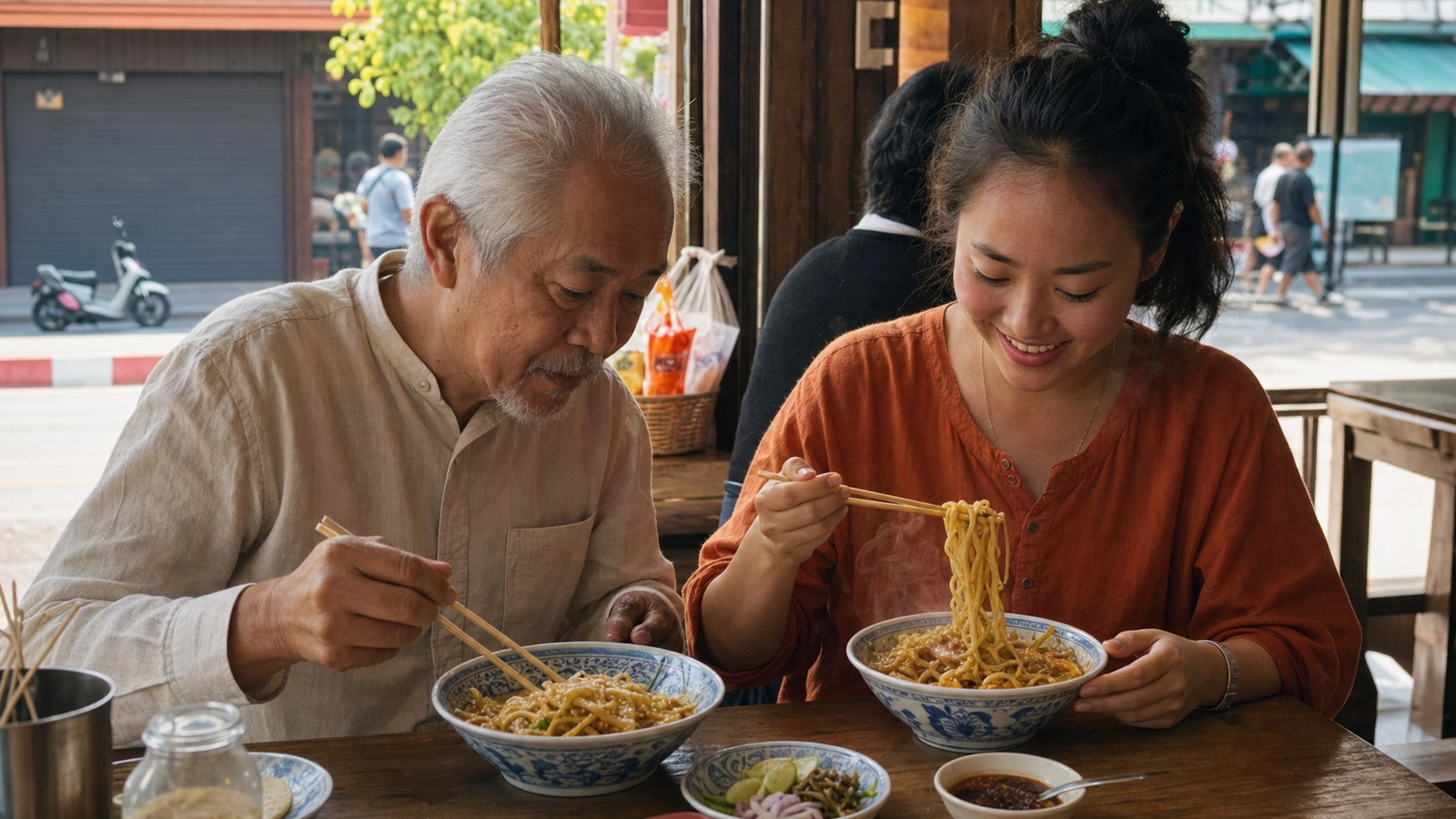
Northern Thai cuisine is the best in the country. The region has its own unique dishes, flavors, and culinary traditions that you won’t find in Bangkok or the islands.
My number one dish that everyone should try is khao soi. This famous Northern Thai curry noodle soup combines a rich coconut curry broth with both soft and crispy noodles, usually served with chicken and topped with pickled vegetables and lime. It’s one of my favorite dishes anywhere in the world, and I make a point of eating it every time I visit Chiang Mai.
While you’re here, you’ll also want to try sai ua, fragrant Northern Thai sausage packed with herbs and spices, and nam prik, a traditional chili dip served with vegetables and crispy snacks.
Chiang Mai Night Markets
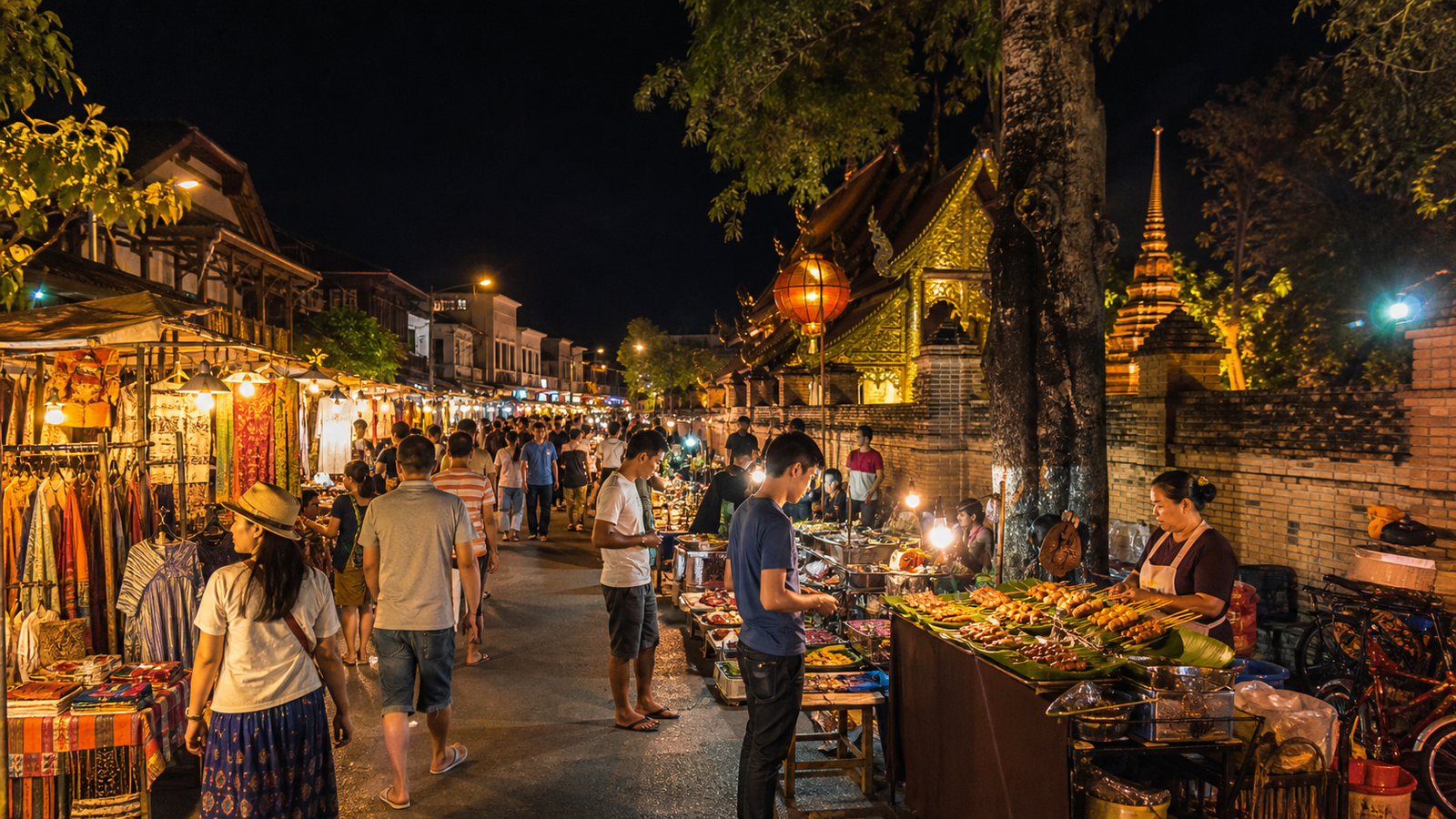
As the sun goes down, Chiang Mai comes alive with some of the best night markets in Thailand. The most famous is the Chiang Mai night bazaar, a huge market packed with street food, souvenirs, live music, and handicrafts. It’s the perfect place to wander for a few hours, grab dinner, and chill out.
But, if you’re visiting on Sunday, don’t miss the Sunday walking street market. This transforms the streets of Old Town into an open-air market stretching for over a mile. This is the best market in the city.
Chiang Mai Old Town
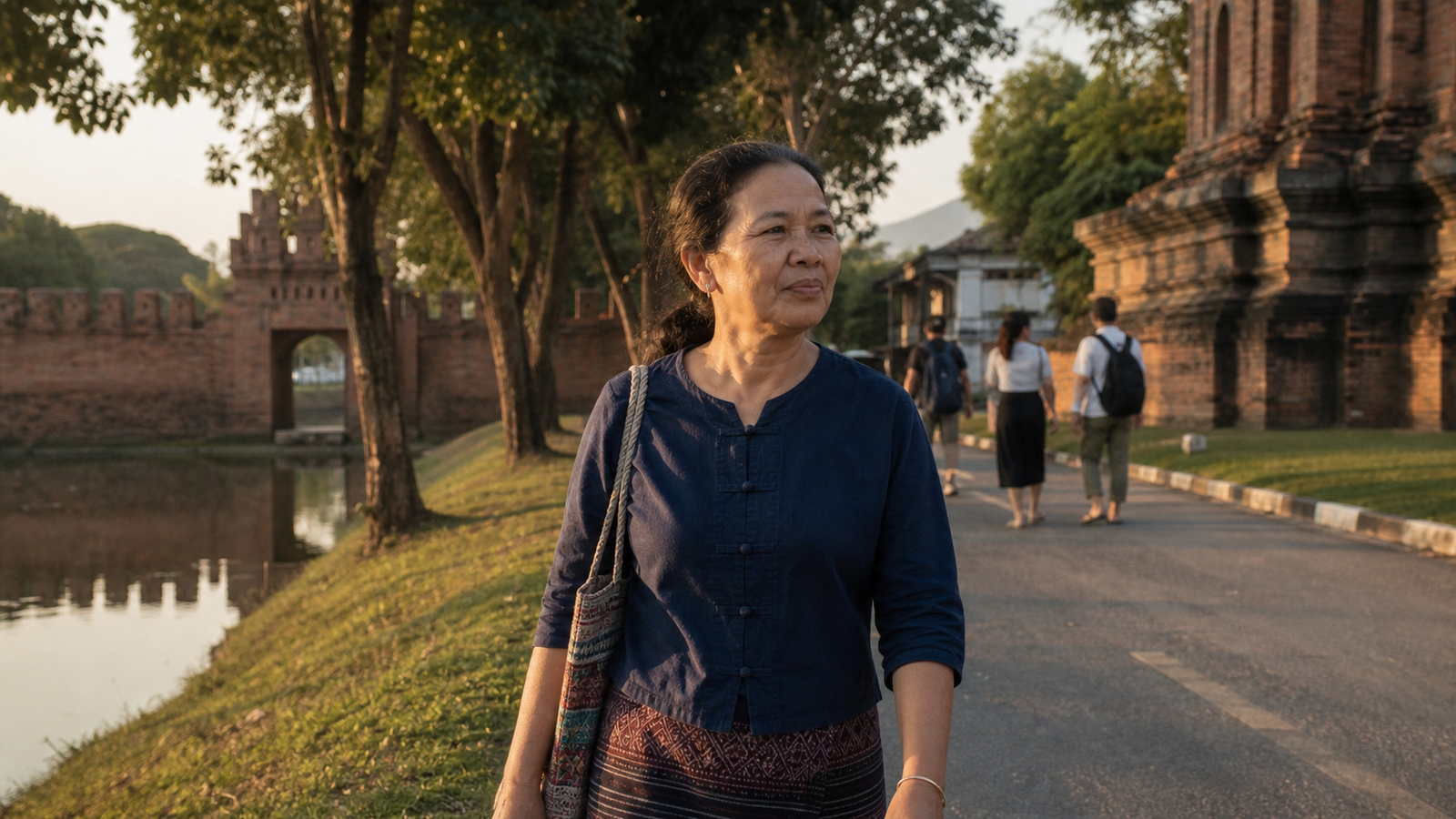
At the heart of Chiang Mai lies the Old Town, and it’s one of those places that’s best explored with no real plan at all. Surrounded by ancient walls and a moat that dates back hundreds of years, the Old Town is packed with history and culture and some of the most beautiful temples in northern Thailand.
One of the highlights is Wat Chedi Luang, a partially ruined temple that was once home to the Emerald Buddha and remains one of Chiang Mai’s most impressive landmarks. Just outside the Old Town, you’ll also find the stunning Silver Temple, famous for its intricate silver craftsmanship and unique design.
But, it’s not all temples and history. The Old Town is also filled with fantastic cafes and local restaurants, as well as boutique shops. Around almost every corner, you’ll stumble across something interesting. So, just spend some time relaxing and walking its streets.
There are plenty of great restaurants around Chiang Mai where you can try these dishes, but if you really want to understand northern Thai food, I’d recommend taking a food tour. When I did one, we got to try all the classic dishes, but also some of the more unusual foods that most tourists never discover.
Northern Thailand’s cuisine has been heavily influenced by its neighboring cultures, the Shan people of Myanmar and the Yunnan region of China, for example, so it creates a diverse food scene. We sampled everything from Shan style dishes to Yunnan specialties, with some more adventurous local delicacies, things like water buffalo and even fried insects.
Ethical Elephant Sanctuary
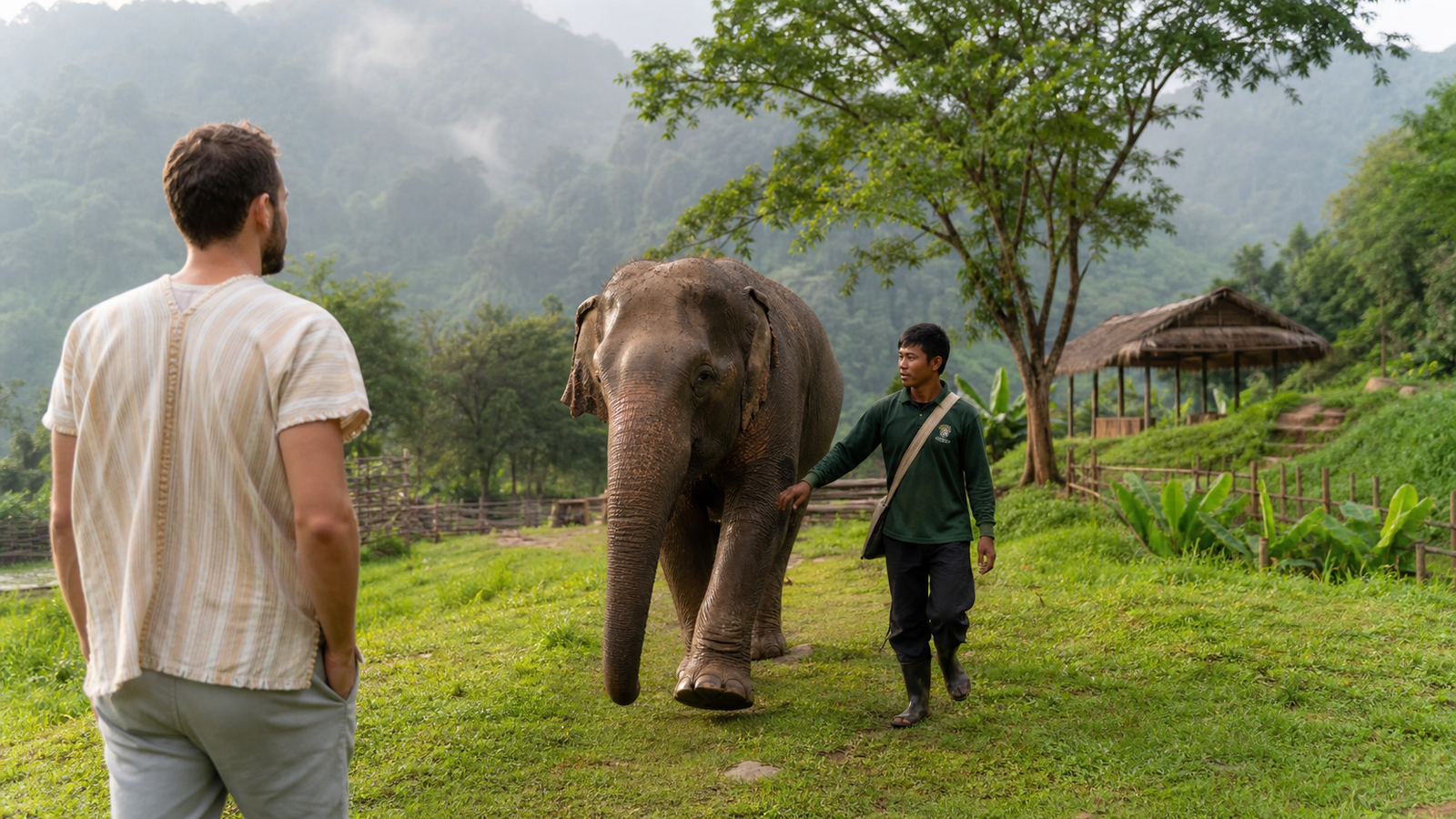
For me, Chiang Mai is the best place in Thailand to visit an ethical elephant sanctuary. One reason is the deep connection between the local people and the elephants. For centuries, elephants have played an important role in northern Thai culture, and many of the families working with them today have been caring for elephants for generations.
That means you’re learning from people whose knowledge and experience has been passed down through families for decades. Compared to many parts of southern Thailand, the climate is cooler and the sanctuaries tend to have much larger open spaces. That’s great for the elephants who have much more room to roam around naturally, but the climate is also much more comfortable for the visitors, too.
There are several excellent elephant sanctuaries around Chiang Mai, each offering slightly different experiences. One of the most well-known and respected is Elephant Nature Park, which operates a strict no-touch, no-feeding, no-bathing policy. The focus here is on observing these animals from a distance in their natural environment. But, if you’re looking for something more hands-on, Elephant Jungle Sanctuary lets you get closer to the elephants while supporting a sanctuary focused on their welfare.
Wat Phra That Doi Suthep at Sunrise
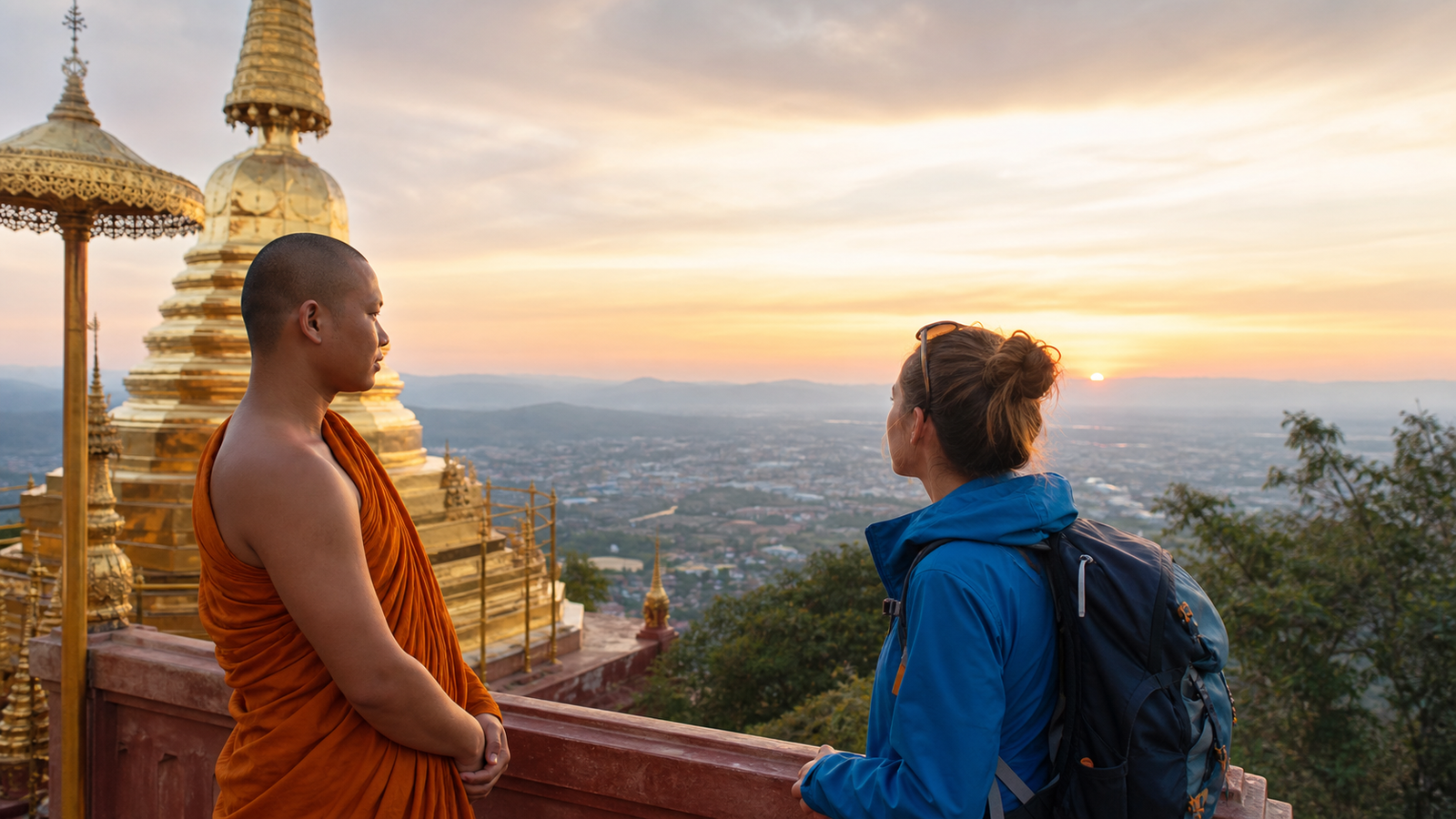
If there’s one landmark that defines Chiang Mai, it’s Doi Suthep. Perched high in the mountain overlooking the city, Wat Phra That Doi Suthep is Chiang Mai’s most famous temple and one of the most important religious sites in northern Thailand.
The temple itself is beautiful with its golden chedi, intricate architecture, and peaceful atmosphere. But, what really makes it special is the setting. While many people visit during the middle of the day, I’d highly recommend coming at sunrise.
As the first light lights up the mountains, you’ll get incredible views over Chiang Mai below as the city slowly wakes up beneath a blanket of morning mist. Because you’re arriving early, you’ll also experience a much quieter and more spiritual side of the temple before the crowds arrive. You can hear monks chanting and watch locals making offerings, too.
If you only visit one temple in the city, I’d make it this one.
Doi Inthanon National Park
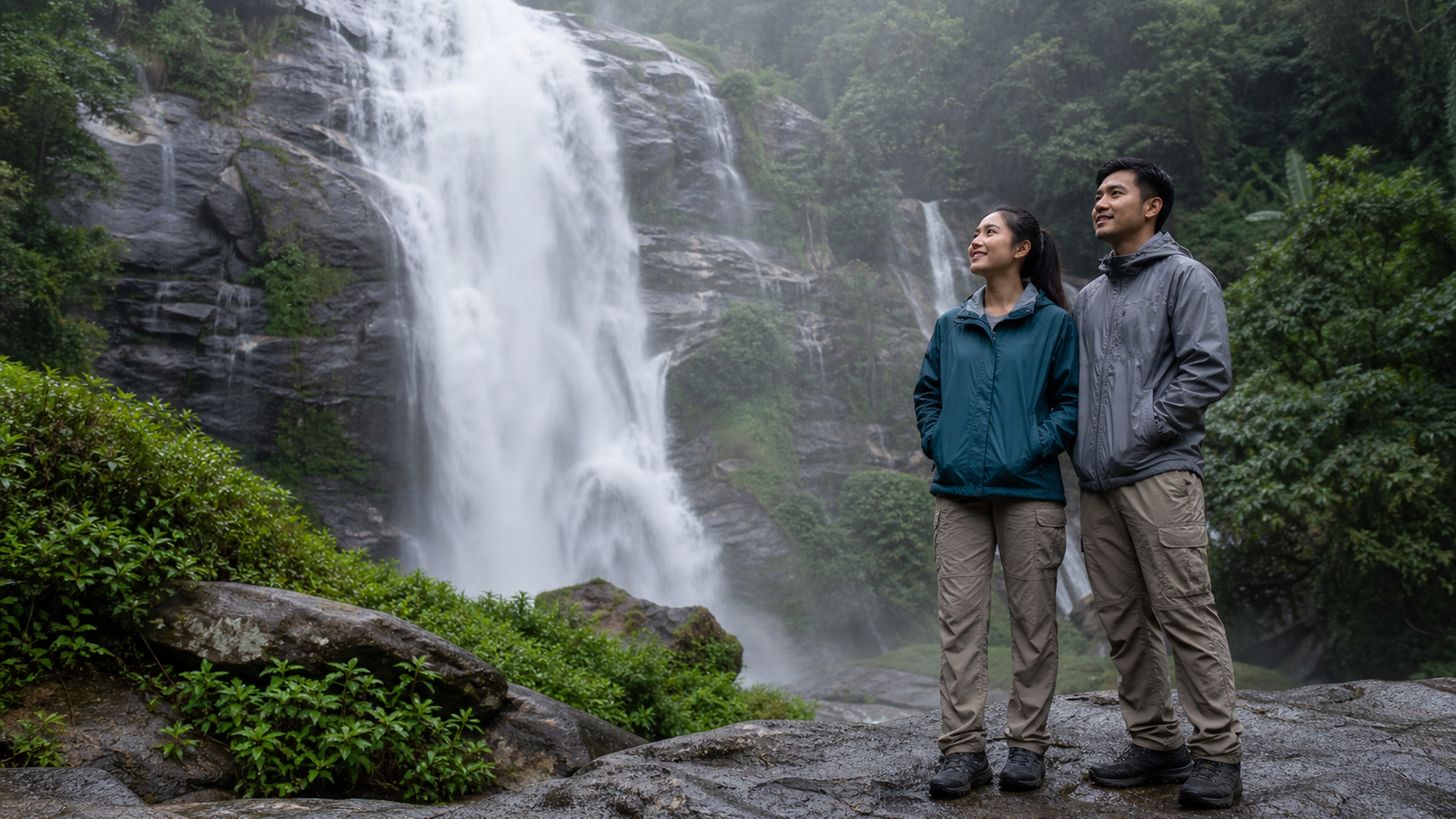
If you came to northern Thailand to experience its famous mountains, then this is the ultimate day trip for you. Doi Inthanon National Park is home to some of the most spectacular scenery in all of Thailand.
One of the first things that strikes you is the scale of Wachirathan Waterfall. During the rainy season, the amount of water crashing down the cliff face is unbelievable, and it’s easily one of the most impressive waterfalls I’ve seen anywhere in Thailand.
As you climb higher in the national park, the landscapes begin to change. Temperatures drop, the air becomes noticeably cooler, and before long you’ll find yourself standing at Thailand’s highest point, more than 2 and 1/2 thousand meters above sea level.
The park’s most iconic landmark is the twin royal pagodas built in honor of the king and queen of Thailand. Surrounded by beautifully maintained gardens and mountain scenery stretching in every direction, the views from here are some of the best in the country.
But, part of the experience of Doi Inthanon itself is getting out into nature. Many tours include a walk along the Pa Dok Siao trail where rainforest streams, waterfalls, and rice terraces offer a glimpse into the diversity of the region. Beyond the scenery though, Doi Inthanon also provides a window into local life. Towards the end of the trip, you can stop off in the Karen village known as Ban Mae Klang, which gives travelers the chance to learn about their local traditions and cultures.
For me, this is the ultimate day trip from Chiang Mai.