Thailand Etiquette Mistakes Tourists Should Avoid
Thailand is easy to enjoy when visitors pay attention to local expectations. This page focuses on cultural and practical mistakes rather than a list of criminal laws. For current legal restrictions, see the Thailand laws guide. For scams and immediate safety concerns, use the specialist guides linked there.
Do Not Treat Every Place Like a Party District
Resort streets, temples, markets, neighbourhoods, and family businesses have different expectations. A relaxed attitude in a nightlife area does not automatically belong in a residential street, a shopping centre, or a religious site. Notice how people around you are dressed and behaving, then match the setting.
Dress More Carefully at Temples and Religious Sites
Cover shoulders and knees when visiting temples and palaces, and carry a light layer if your itinerary includes religious buildings. Remove shoes when signs or staff request it. Do not climb on statues, sit on sacred structures, or turn a worship space into a stage for a joke or provocative photograph.
Ask Before Photographing People
Tourists often photograph markets, monks, performers, workers, and families without thinking about how the image will be used. Ask when a person is identifiable or the situation is private. Avoid blocking a ceremony, pointing a camera into someone’s home, or filming a stranger repeatedly because they reacted to you.
Keep Your Voice and Body Language Calm
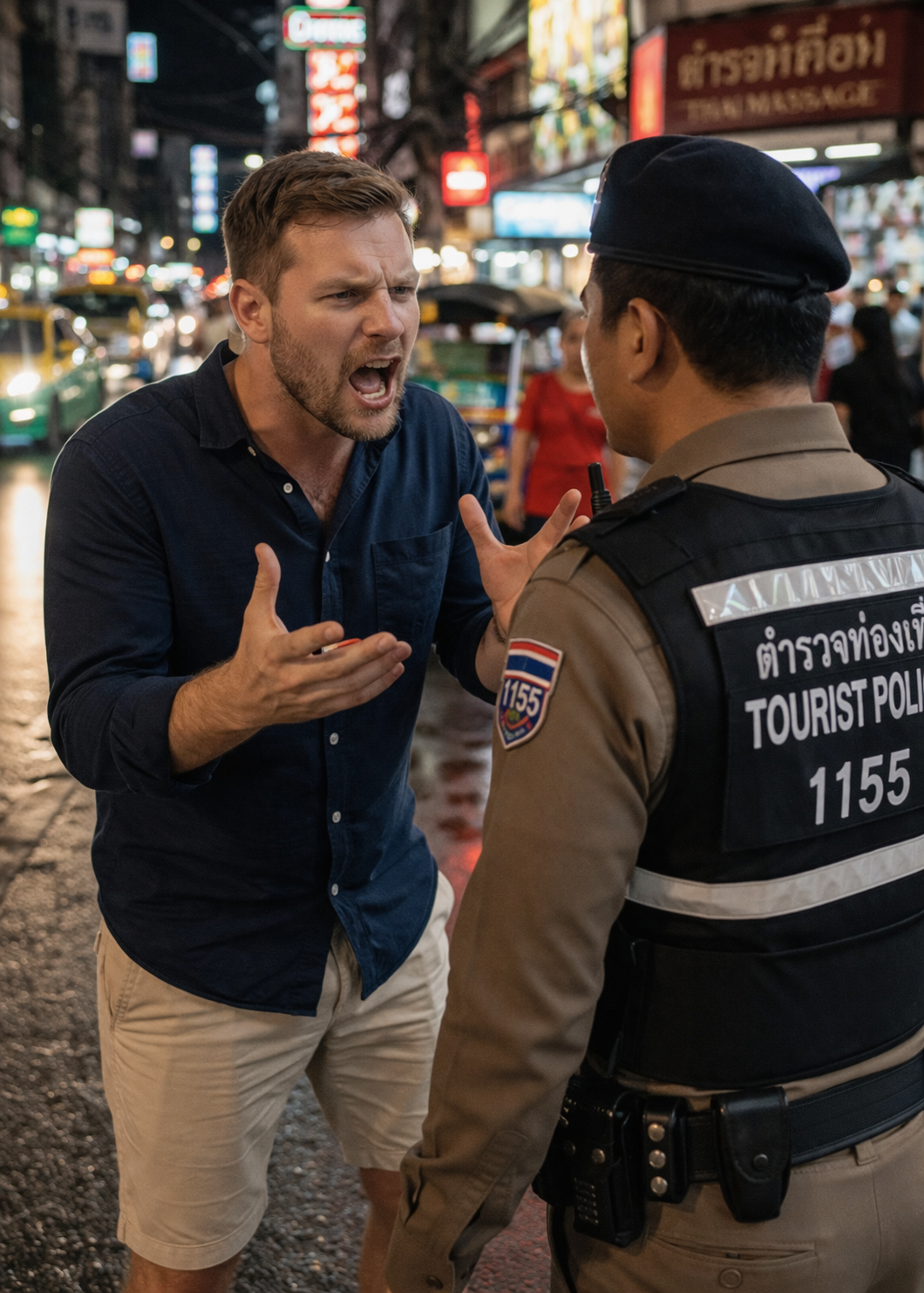
Raising your voice may feel like a way to show that a complaint is serious, but it can make a disagreement harder to resolve. Explain the problem calmly, keep receipts and booking details, and ask staff for a practical solution. If the situation is unsafe, leave and contact the appropriate authority instead of trying to win the argument in public.
Do Not Assume a Smile Means Agreement
A smile can mean friendliness, embarrassment, uncertainty, or an attempt to keep a conversation comfortable. It is not always confirmation that a price, invitation, or promise has been understood. Repeat important details, check the total price, and use a translation tool when a misunderstanding could matter.
Use Transport With a Clear Plan
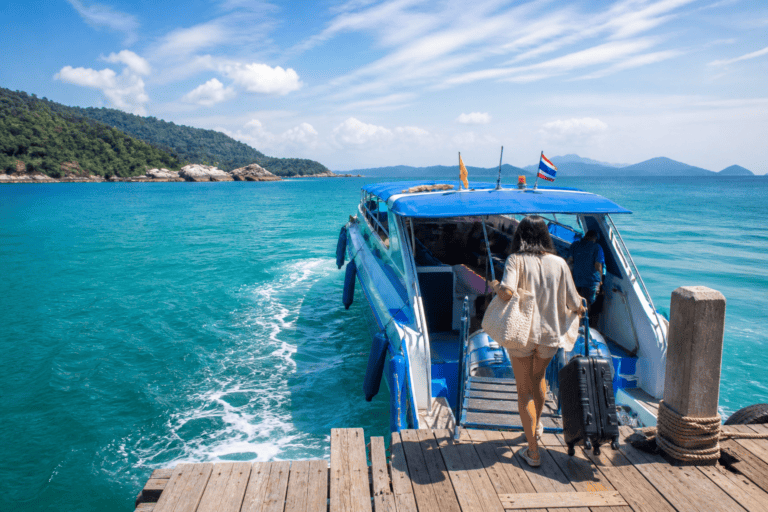
Know the destination and approximate route before getting into a taxi, tuk-tuk, songthaew, or motorbike taxi. Check whether the fare is fixed or metered and confirm where you will be dropped off. For trains, buses, and ferries, allow time for queues and changes. A few minutes of preparation is easier than trying to solve a misunderstanding after you are already moving.
Do Not Overpay Just to Avoid Asking Questions
Visitors sometimes accept the first price because they feel uncomfortable checking what is included. Ask politely about the fare, duration, entrance fee, transfer, equipment, and service charge. If the answer is unclear, choose another provider. Keep the receipt for important purchases and do not hand over your passport as a deposit without understanding the arrangement.
Eat Adventurously but Pay Attention
Thailand’s food culture is part of the travel experience, but do not order more spice than you can handle simply to impress friends. Busy stalls with high turnover can be a sensible choice, while food left warm for long periods deserves caution. Drink water, rest when needed, and adjust your plans if you become unwell.
Respect Personal Space and Household Customs
Remove shoes when entering a home or a place where you are asked to do so. Do not touch people’s heads casually, point your feet at people or sacred objects, or step over belongings. These habits are easy to learn, and a respectful question is better than guessing.
Do Not Make Promises You Cannot Keep
Travel conversations can become warm and personal quickly. Be honest about your plans, your budget, and how long you will stay. Avoid promising money, marriage, business help, or a return visit just to keep a conversation pleasant. Clear boundaries are kinder than an enthusiastic promise that creates confusion later.
Do Not Confuse Hospitality With Permission
People may be generous with invitations, advice, food, or conversation, but hospitality is not permission to enter a private space, touch belongings, change a plan, or assume a service is free. Thank people, confirm what has been agreed, and give them an easy way to say no. This is especially important when language or age differences make the conversation uneven.
Do Not Leave Your Courtesy at the Hotel
Small habits matter outside the main tourist areas. Queue when others are queuing, keep pavements clear, lower your voice late at night, and dispose of rubbish properly. If a business or community has a sign or request that seems unfamiliar, pause and ask rather than mocking it. Travellers are guests in every neighbourhood, not only in temples and hotels.
Keep the Day Flexible
Heat, rain, traffic, queues, and changing opening hours can affect even a well-planned day. Build in time for food and rest, keep an indoor alternative available, and avoid treating one disappointing stop as proof that the whole destination is bad. Thailand is easier to appreciate when the itinerary leaves room for ordinary moments.
Learn a Few Words and Stay Curious
A greeting, thank you, and a patient attempt to communicate can change the tone of an interaction. You do not need perfect Thai. Listen, observe, and ask when you are unsure. The aim is not to perform local knowledge but to travel with enough awareness that your choices do not create avoidable discomfort for other people.