Bangkok Cost of Living Crisis Hits Locals Hard
Bangkok’s Minimum Wage and Rising Cost of Living
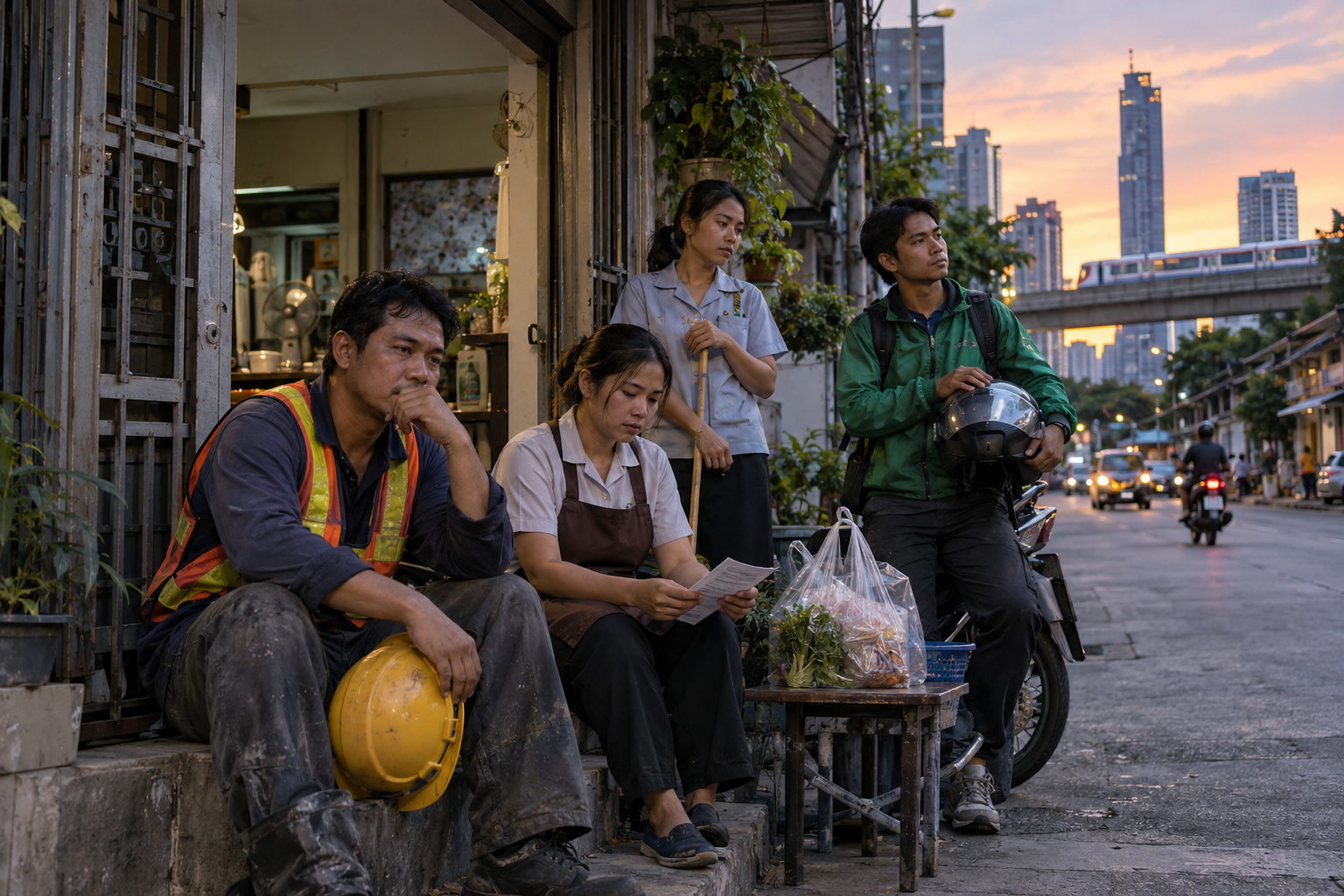
Thailand’s minimum wage is 400 baht per day, which is around $12 for a full day’s work. This amount increased from 337 baht midway through 2025. But with the ever-increasing cost of living in Bangkok, the pressure just to survive is forever increasing for the locals.
I have lived in Bangkok for five years now, and the cost of living increase that I’ve seen just in that time is staggering.
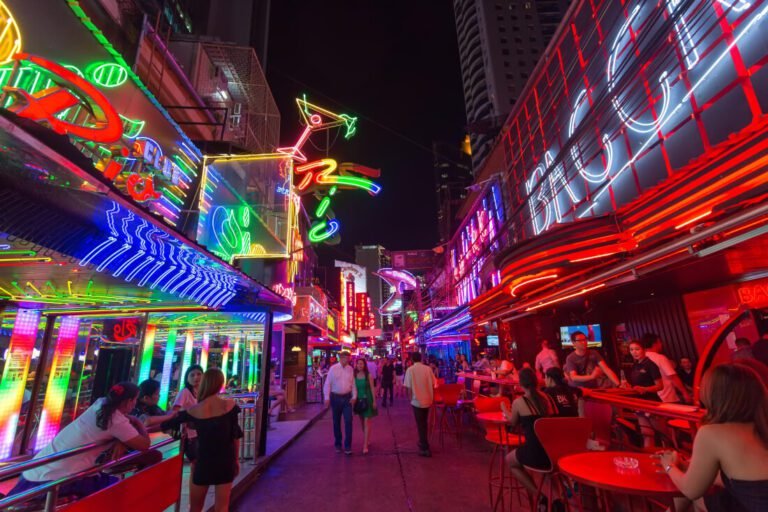
Bangkok is positioning itself as a global city for tourism, and the price of just about everything is following suit. I feel the cost of living increase on a Western-level wage. It really poses the question: how are the locals able to survive on their salaries?
For the locals lucky enough to secure an office job, administration roles typically start at around 17,000 baht per month and can go to around 24,000 baht per month. Office manager salaries typically range from 25,000 to 49,000 baht.
The challenge is that most offices require a university degree, and for those not born into a financial position to attend university, the cycle continues. So, what is life like for those on minimum wage or lower-level jobs?
Living Conditions in Bangkok’s Local Areas
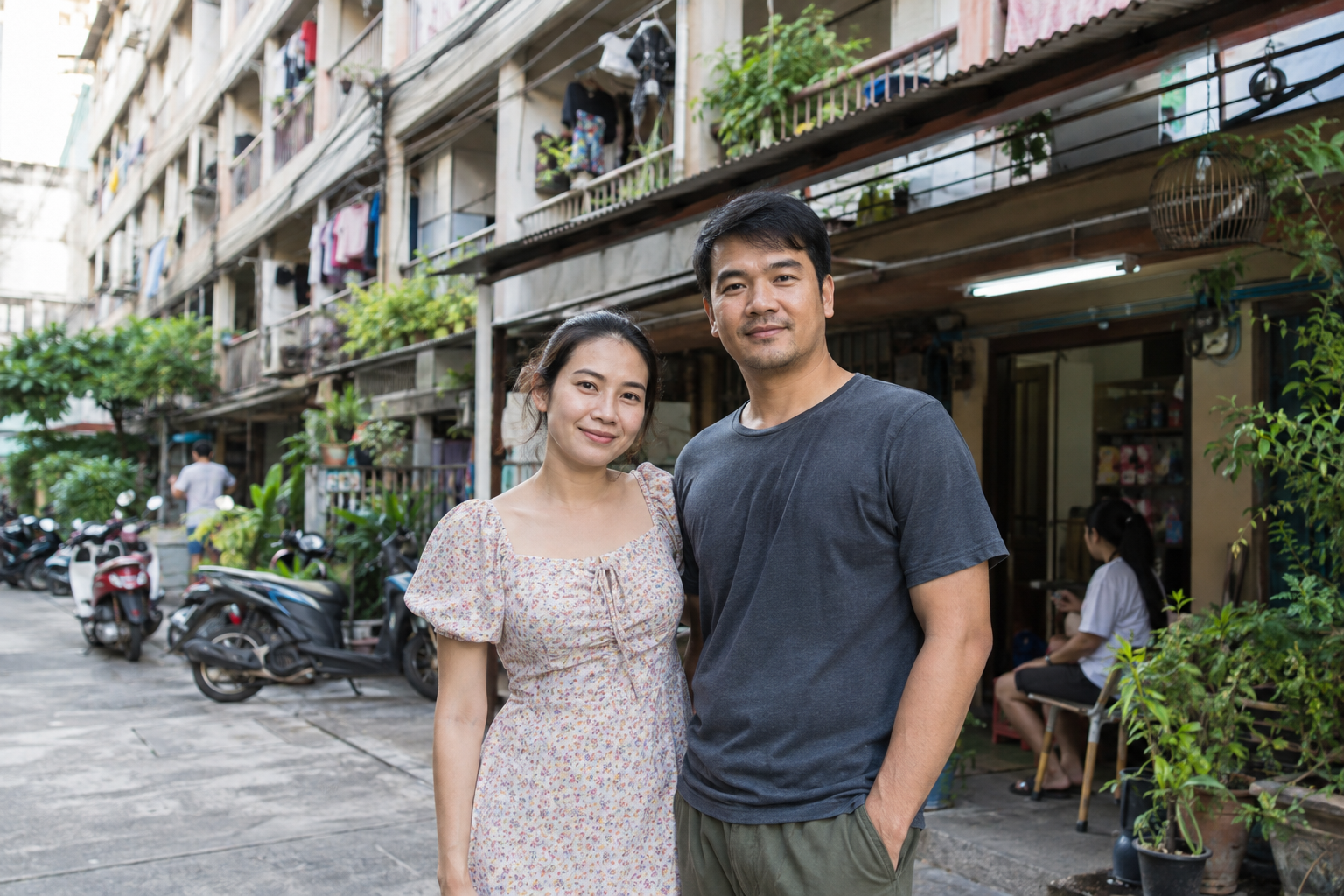
This is an area where many people working for minimum wage or a basic income live.
In the five years that I’ve been here, the average cost of rent has gone up 30 to 40%. Those numbers are a little skewed because of the increases in the city centre, with all the new condos being built. The increases in local areas like this are far less.
But it’s not just the rent that’s going up. The building is dark and dusty, but to my surprise, there are items of value outside the front doors of the homes.
The rooms are relatively small and have no proper windows for natural light. There is one small bedroom with walls that don’t go all the way to the ceiling and one small living area that could easily be converted into a second bedroom.
There is a ceiling fan with some questionable wiring and a bathroom that leaves a little to be desired, but there is a small kitchen area and a balcony. With a bit of love, you could easily turn this into a home.
Rent and Bills for Bangkok Workers
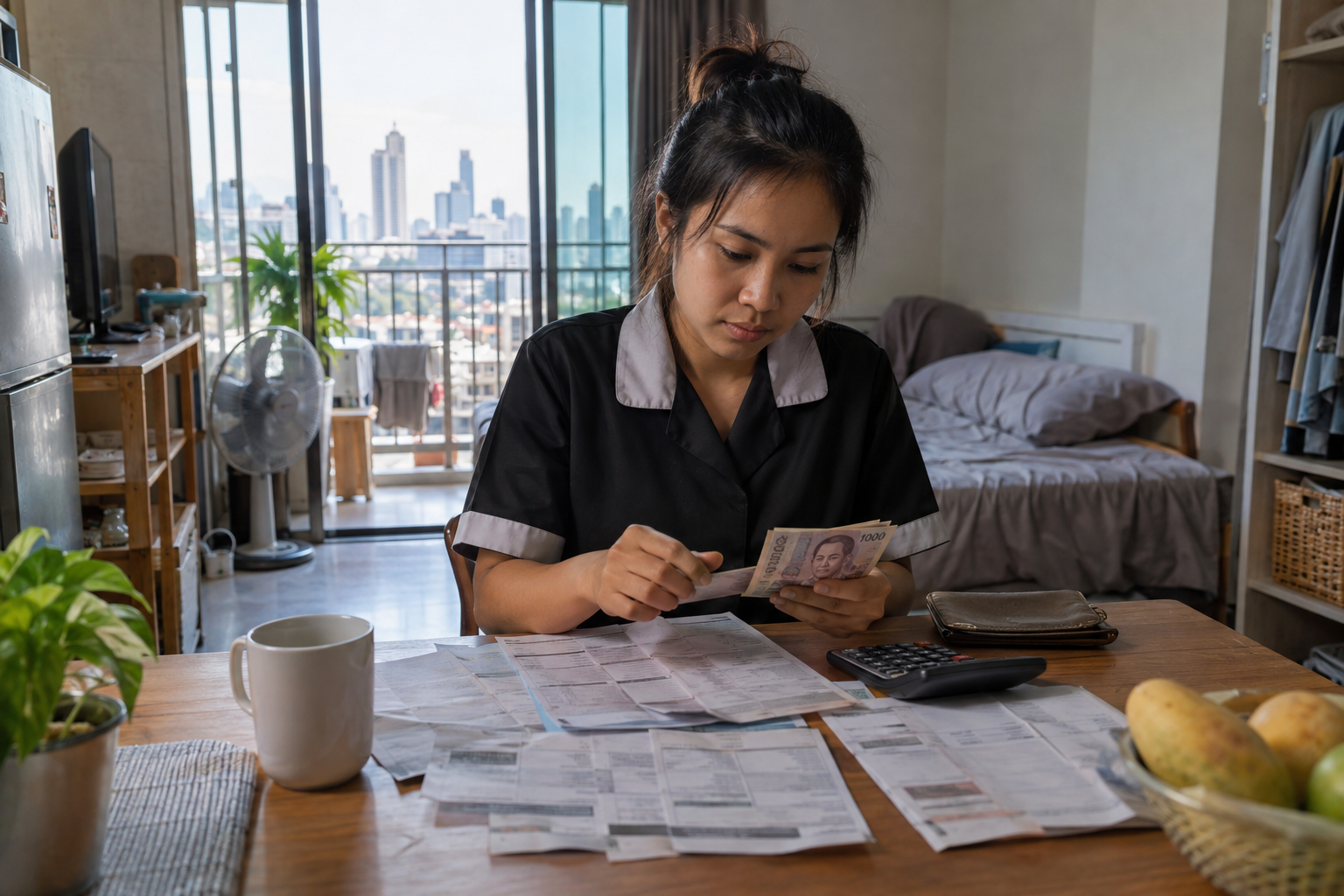
In speaking to the locals, rent for an apartment in a building like this would typically start at around 2,000 baht per month. Water and electricity would be an additional 500 to 1,000 baht per month.
Doing some rough number crunching, if you were working six days a week on 400 baht per day, that would equal just over 10,000 baht per month.
If you were to live in a building like this, you would lose a third of your monthly earnings just on rent and bills alone.
This leaves the average person just 230 baht per day to pay for food, transportation, clothing, and this is assuming they’re only supporting themselves and not a family.
There are coin-operated washing machines nearby. These are all over Bangkok, and anyone can use them. They cost 30 baht to use, and for those that don’t have washing facilities where they live, this is a great option.
Shophomes and Affordable Housing in Bangkok
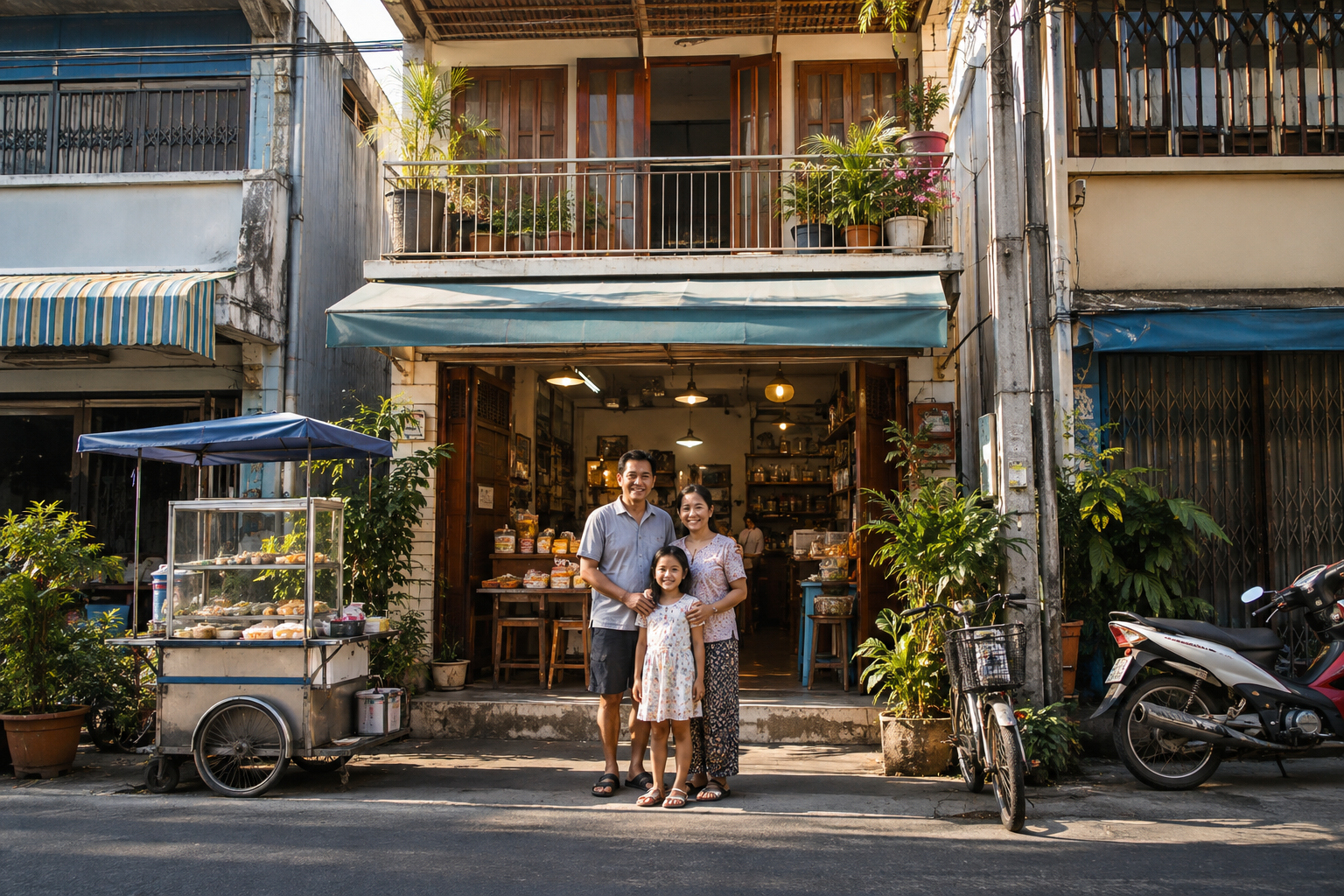
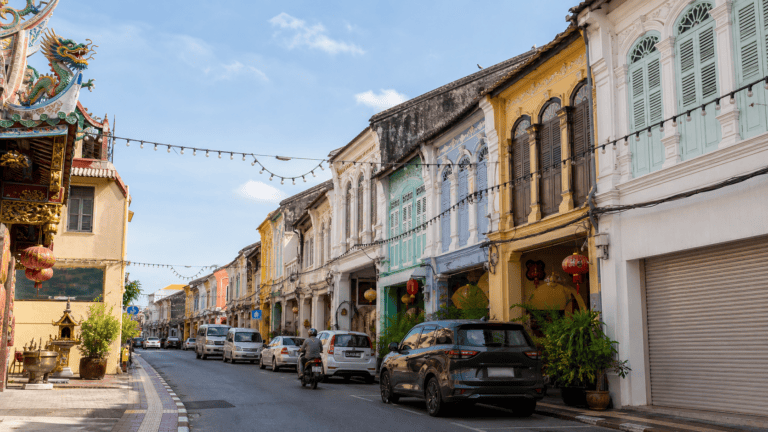
These little shophomes are all through Bangkok. You can open up the bottom floor as a shop if you like, or use it as a living area. Above is where you would actually live.
Two-story ones typically start at around 5,000 baht per month. Some of them are cheaper, and some of them are much more expensive, but looking at these ones, around 5,000 baht is what you would expect.
I actually looked at renting out one of these as a studio space a while back, and around 5,000 baht seemed to be the mark. These ones would probably be available for a little less. They’re not in as good a condition, but if you were willing to put some money into fixing the place up and cleaning it up, you would get pretty good value in a place like this.
Eating out is one of the things that has increased the most in price. It’s actually getting out of hand in the tourist areas, but I wanted to visit a little street food restaurant to see what a meal costs in a place where the locals eat.
Typically, for the best deals, I look for the side alleys off the main roads.
Bangkok Street Food Prices
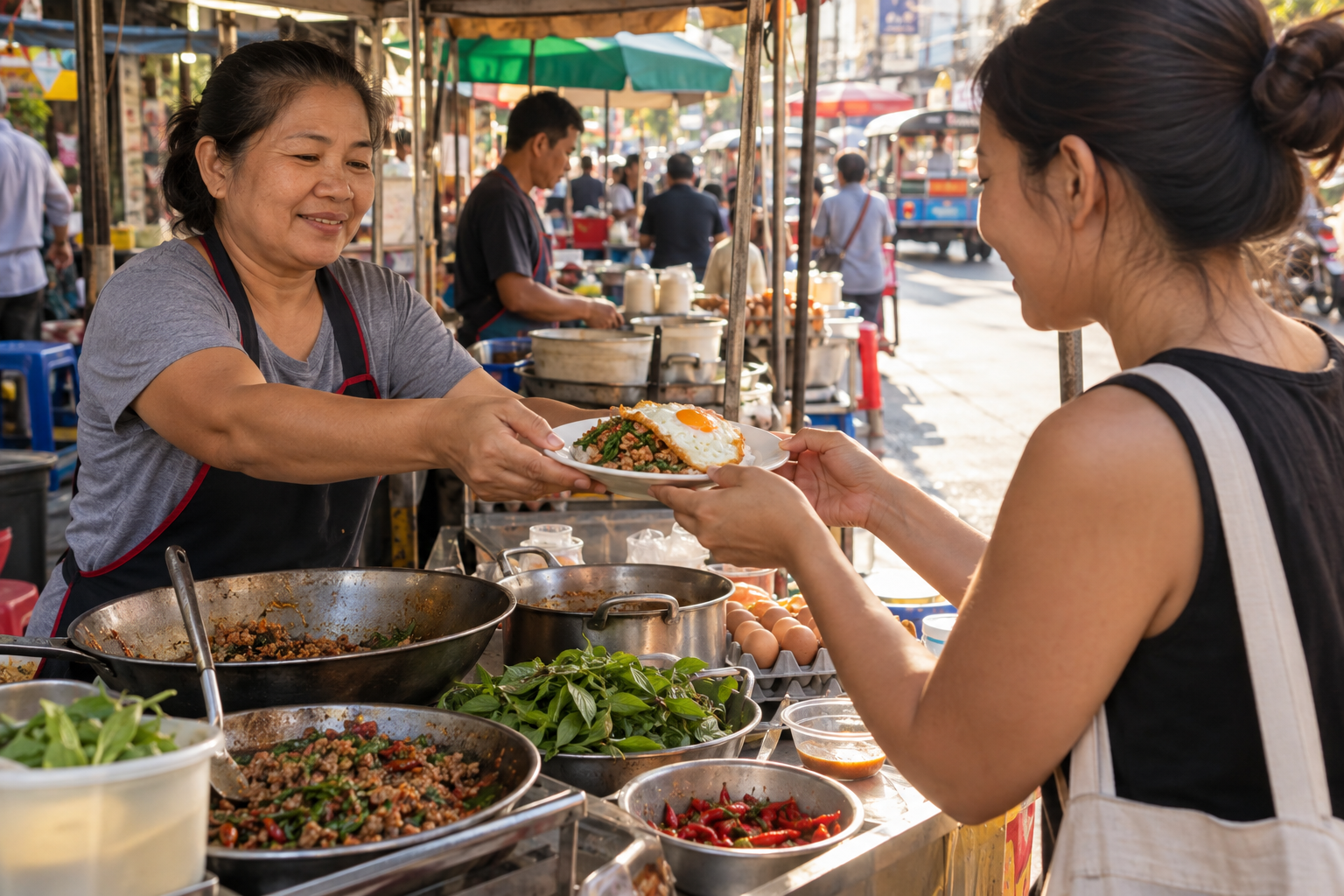
I got myself a pad kra pao with minced pork and a fried egg. This was 60 baht.
Something I have noticed over the last few years is that you used to be able to pick these up for around 40 baht. Pad kra pao is actually the national dish of Thailand. I think you used to be able to get it for 40 baht, but now 60 baht seems to be about the norm for street food.
If you start factoring in 60 baht per meal to eat out, that 230 baht per day disappears fast.
Transportation Costs in Bangkok
Something quite fascinating about Bangkok is that there aren’t really zones. In the city centre, you can have a big office high-rise next to a small farm, next to a shanty-style home.
Bangkok’s development is so rapid, and expensive hotels and brand-new condos are being built in what used to be small local villages. This is driving up the prices of everything in that area.
I used to live in Asok, which is basically the city centre here in Bangkok, and everywhere around that area, especially along Sukhumvit Road, has just gotten incredibly overpriced lately.
I recently came back from a two-week trip through Japan and was extremely surprised to realise that many of the daily expenses were in fact cheaper in Tokyo than they are here in Bangkok. I often had meals or drinks that were cheaper than what you would expect to pay here in the city centre.
I was very surprised that getting around in Tokyo, taking the subway, was often cheaper, if not a very similar price to the BTS here in Bangkok. This is all fine for tourists, but it’s the locals that really feel this.
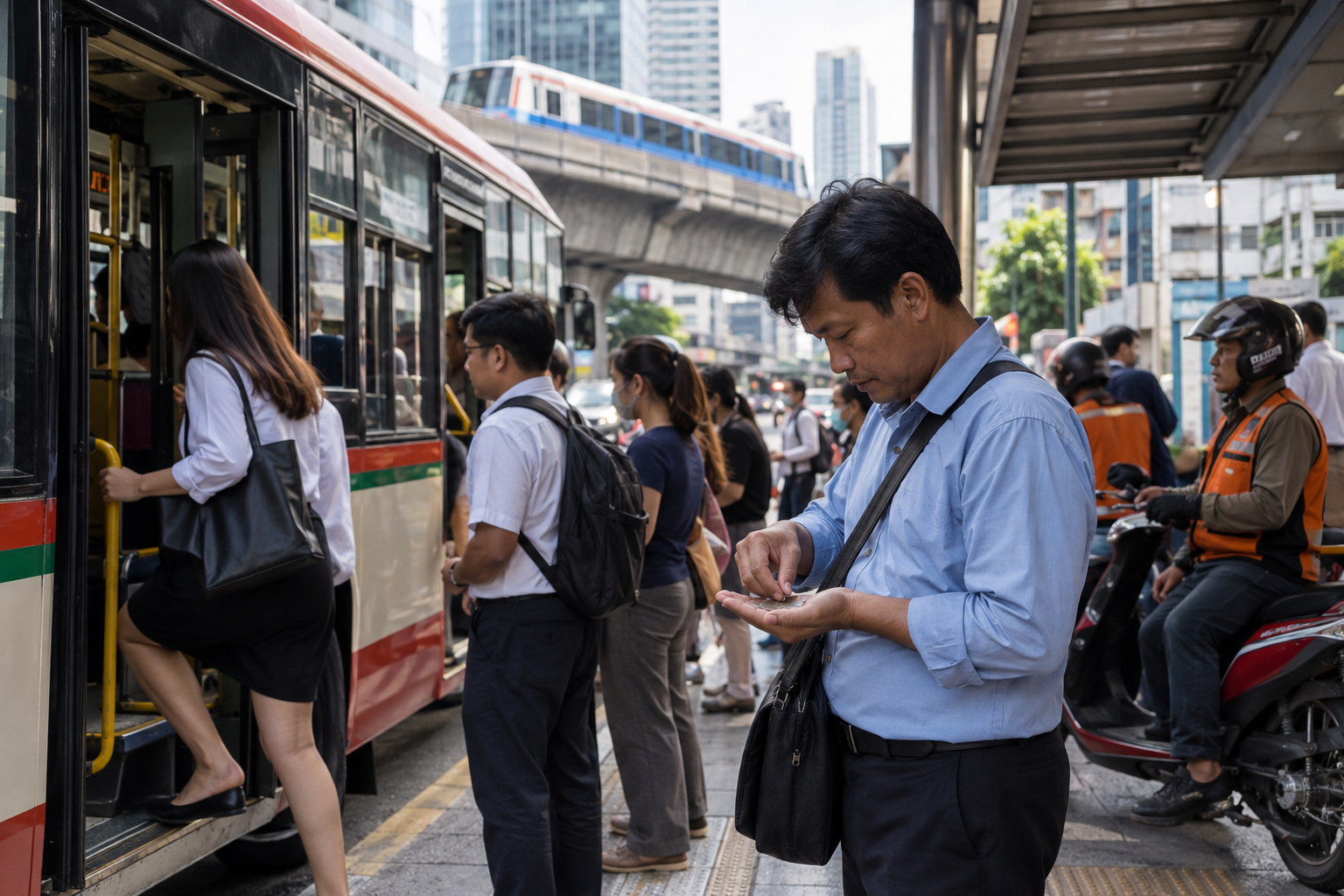
Transportation is one of the biggest costs affecting locals. The Skytrain and MRT subway are almost out of reach for those living on 230 baht per day. But thankfully, there are more affordable ways to get around the city. There are hop-on hop-off buses, local non-air-conditioned buses, and for those along the railways, older-style trains still run for locals at just a couple of baht per trip.
Local Markets and Supermarkets in Bangkok
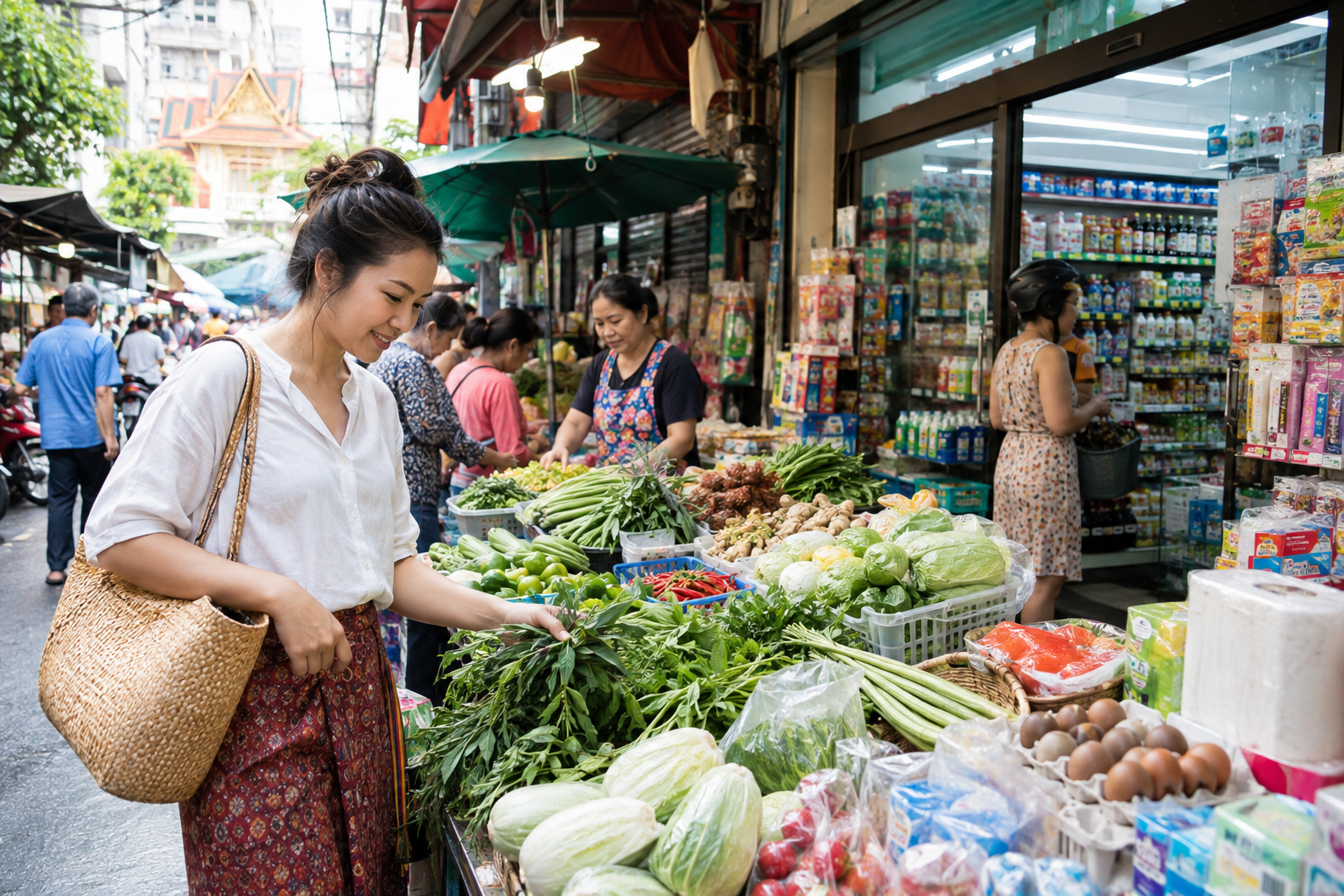
Most people that live on a basic income prepare their meals at home. One great thing about Bangkok is the street markets and local-style supermarkets. Here, you can buy everything you need to cook your meals at a fraction of the cost of commercial supermarkets.
Most local areas have several minimarts in the bottom of the shophomes we saw earlier, and these are a great place to pick up snacks, drinks, and general supplies for the home.
The cool thing about these smaller communities is that they kind of have everything you need. There is a little supermarket, a hairdresser, and an electronics store. There is everything that you would need in these areas, and you’re also supporting the local businesses by coming here.
Safety in Bangkok’s Local Communities
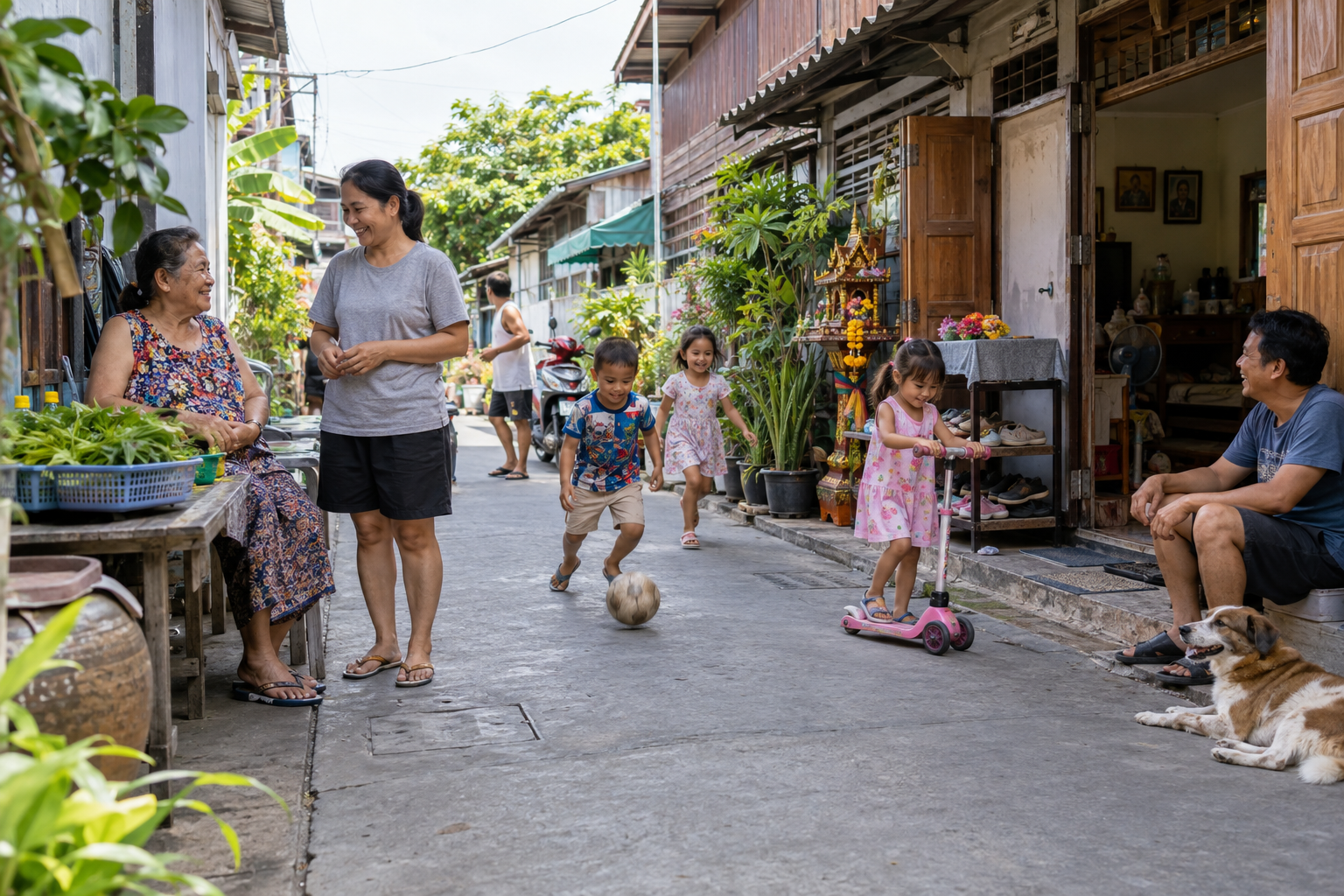
The thing that’s fascinating about Thai culture is the safety when visiting places like this. Many of the homes that we visited were open, and people had items of value outside. The people, while they may be living in these areas and struggling financially, don’t steal from each other.
In many parts of the world, financial hardship is often tied in with crime, dangerous areas, and places you should avoid. Not just for a local, but especially for someone like me: a traveller, an outsider, someone coming into these areas who is not from there.
Thai people will be friendly no matter where I go.
Life in Bangkok means many different things to many different people. Some live in luxury, and others are grinding just to survive.
This experience reminds me yet again that there is one thing that’s universal throughout all of Thailand: Thai people are some of the warmest, friendliest people in the world, no matter what their situation.