Bangkok Pollution Season Travel Guide

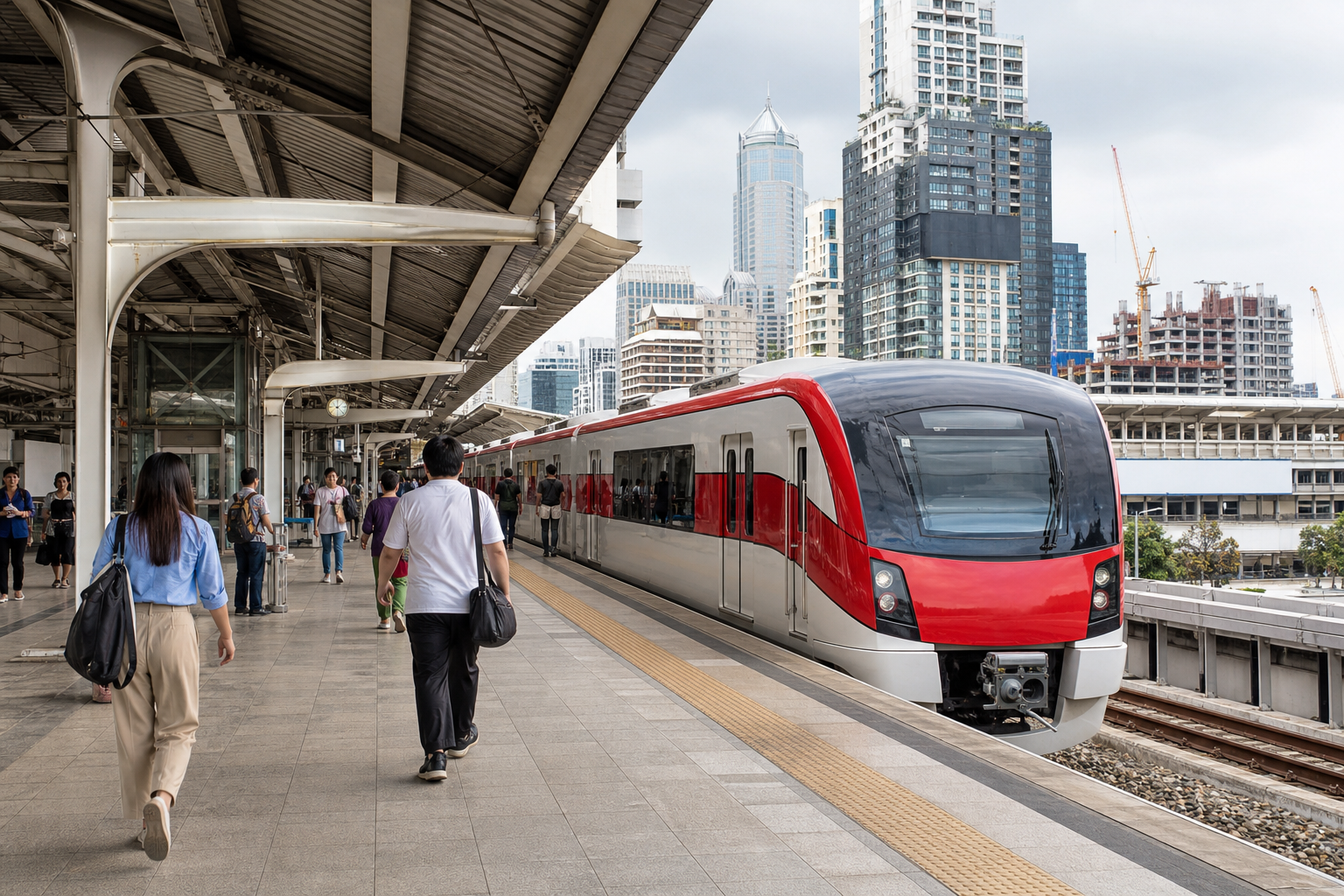
The source describes a period when Bangkok made public transportation free as one response to pollution. The journey shown uses the SRT Red Line, including a trip toward Sukhumvit, and says the measure also covered airport travel. Treat this as a dated observation, not a standing promise: transport policies, routes, and eligibility can change.
The practical idea was to make trains and other public options more attractive than private cars. For a visitor, check the current fare rules and airport connection before tapping in, even if a past travel video described zero-fare journeys.
Why Bangkok Trains Felt Overcrowded
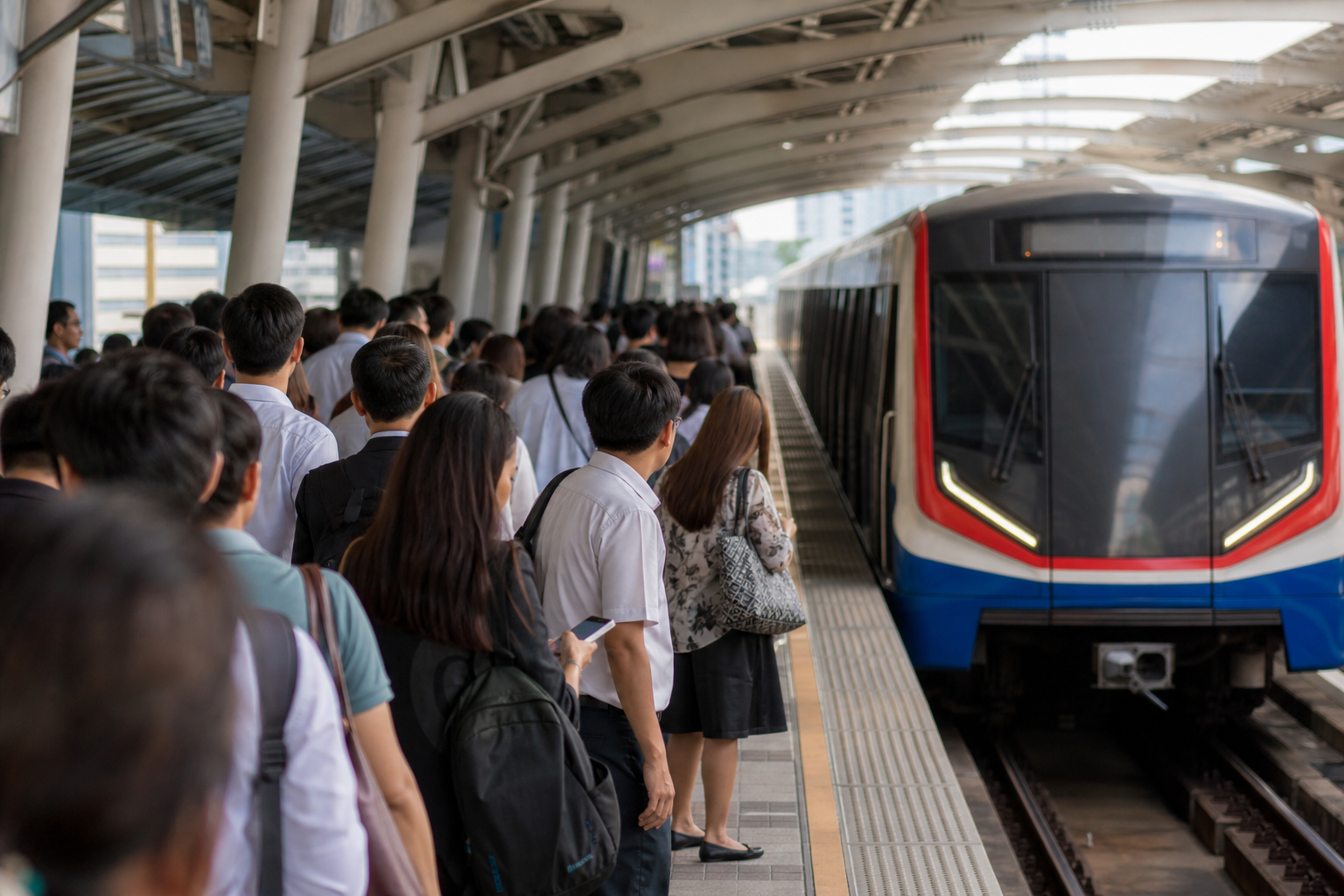
The source’s experience was much less positive than the headline policy suggested. Trains and platforms were extremely crowded, with waits of several trains before finding space. Moving across the city could feel slow and uncomfortable even while the roads remained busy.
That is a useful planning warning: free travel can increase demand immediately. If you need to reach the airport or an appointment, allow a large buffer, avoid the busiest periods when possible, and keep an alternative route in mind. A travel card or fare system may also be treated differently from a temporary promotional measure.
Cooler Weather and Chinese New Year Decorations
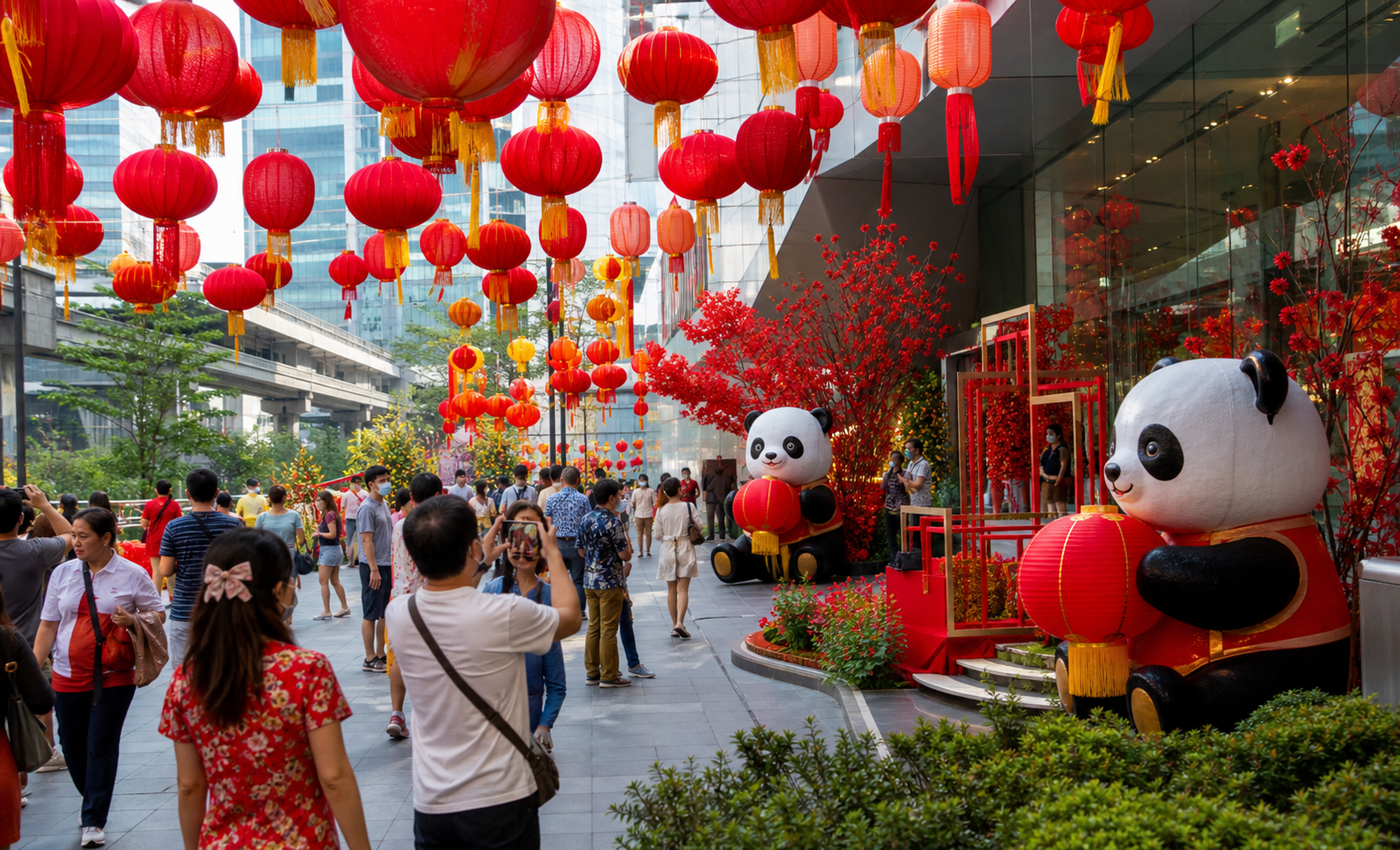
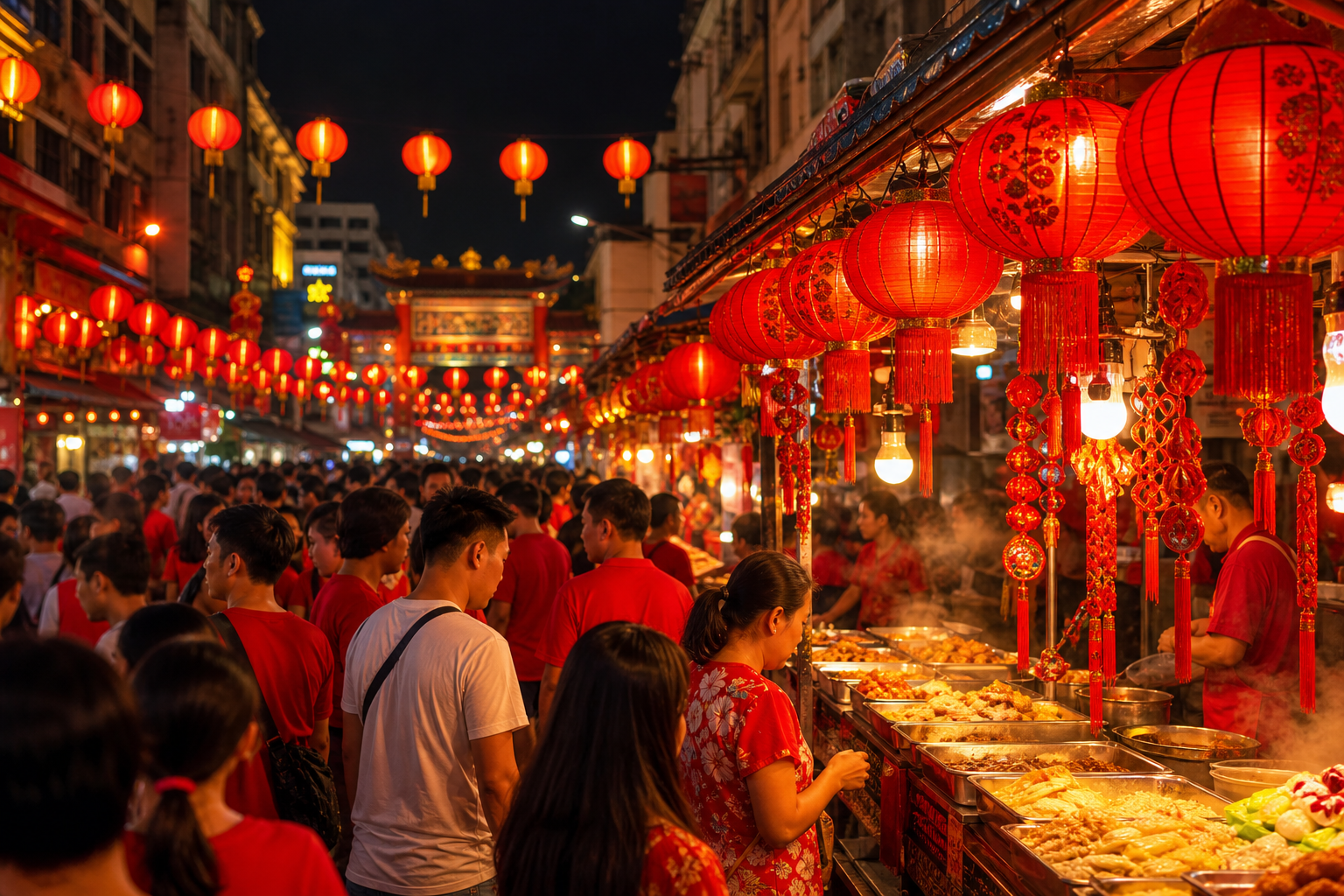
Not everything in the source is negative. The weather had become windier, cooler, and more comfortable than during the earlier pollution days. The video also records Chinese New Year decorations spreading beyond Chinatown, including the Sukhumvit area, with red displays and panda-themed decoration around shops and malls.
For a visitor, the combination creates an easy low-commitment day: check the air and weather, walk through a decorated district, and use an indoor destination if the street feels unpleasant. Festival dates are seasonal, so verify the calendar rather than assuming the same displays will be present.
Using Bangkok Malls for Food and Daytime Breaks
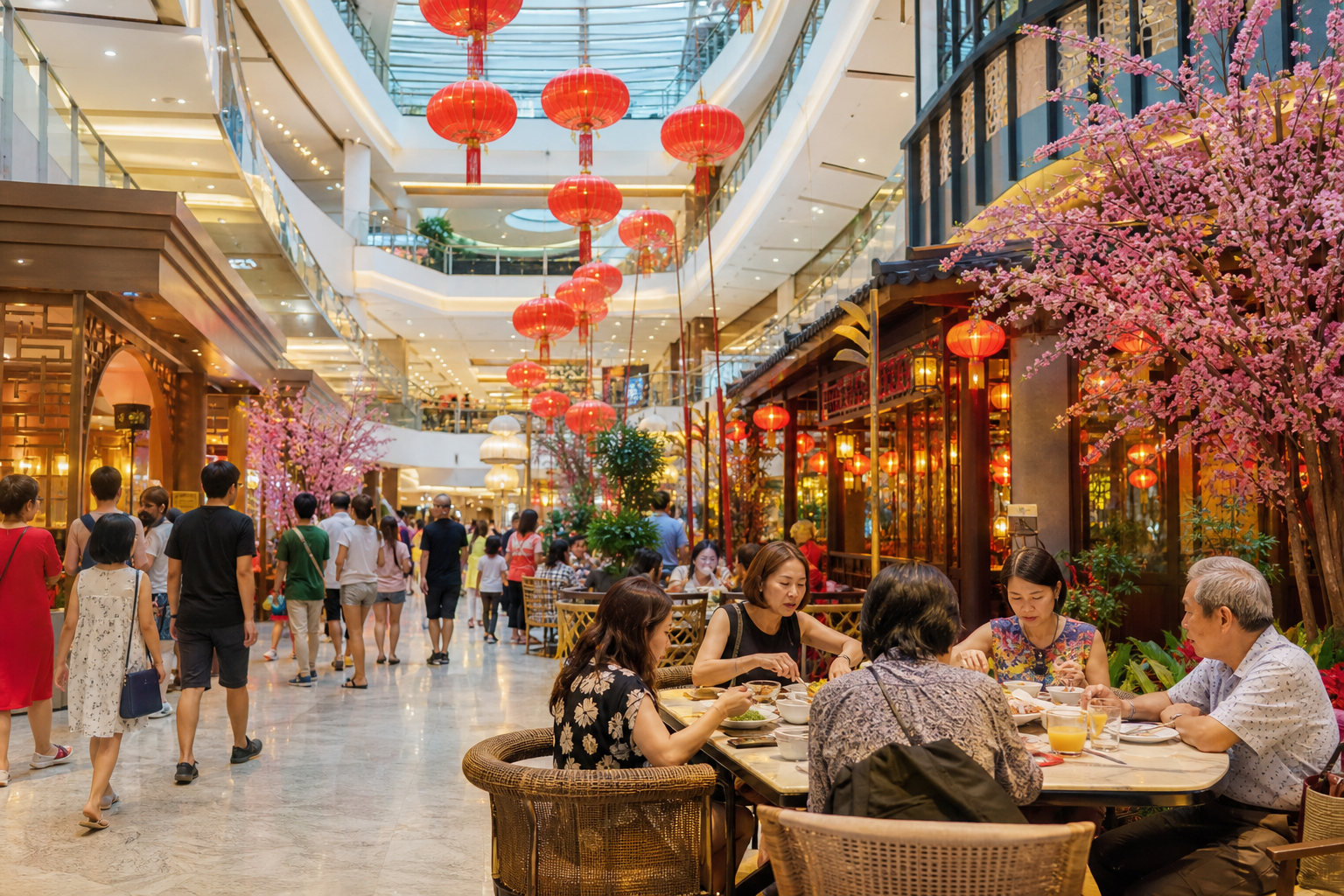
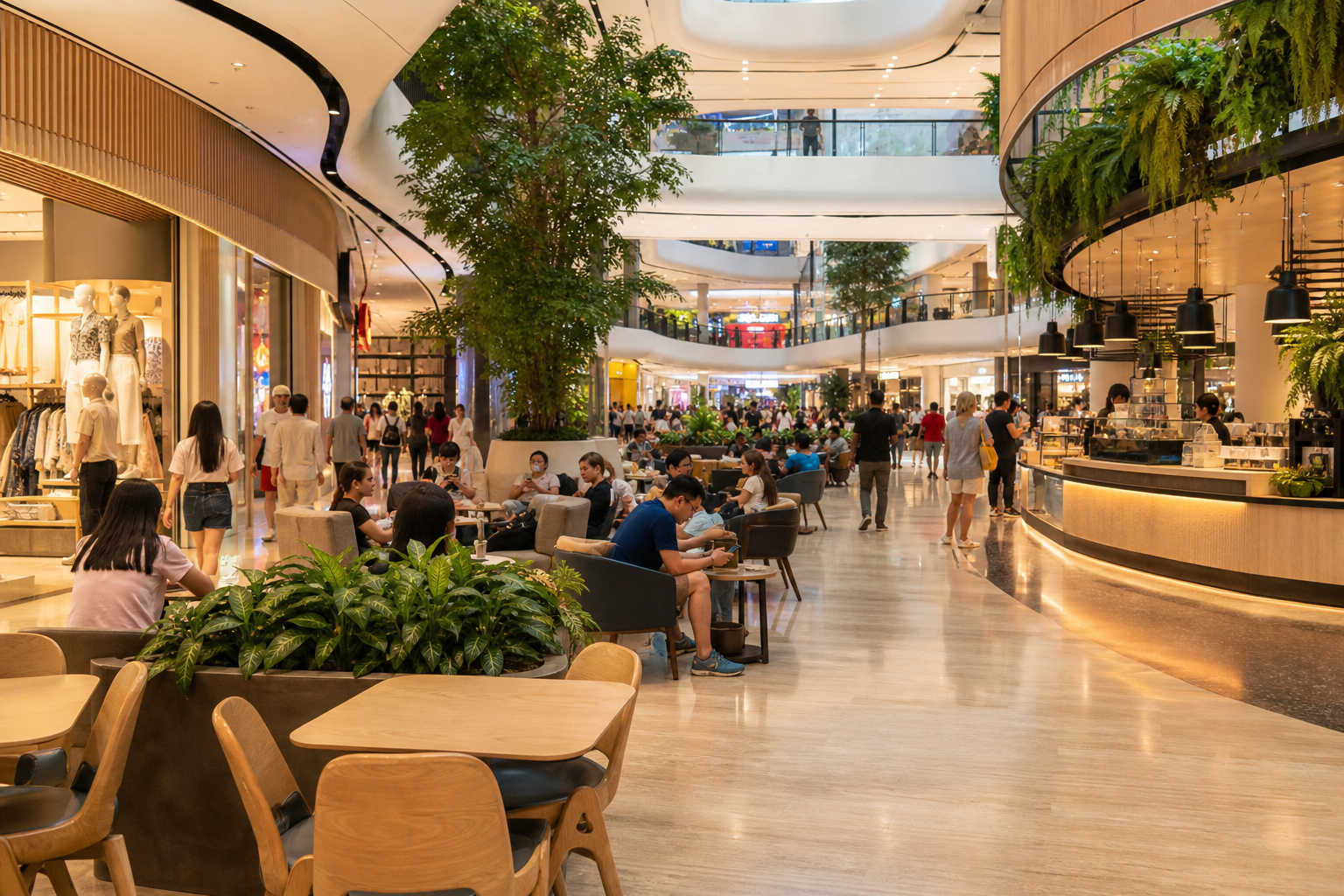
The source spends part of the day at a Sukhumvit shopping mall, using it as a comfortable place to eat, browse, and stay out of the worst daytime conditions. A chicken-and-rice meal is mentioned at about 326 baht in total, with one coffee offer described at 39 baht. Those figures are source-era examples, not current menus or typical prices everywhere.
Malls can be useful when pollution, heat, or heavy rain makes long outdoor walking unpleasant. They also provide air-conditioned restrooms, restaurants, shops, and a clear meeting point. Keep receipts and check menus yourself because promotions and prices change.
Why Flights South Were in High Demand
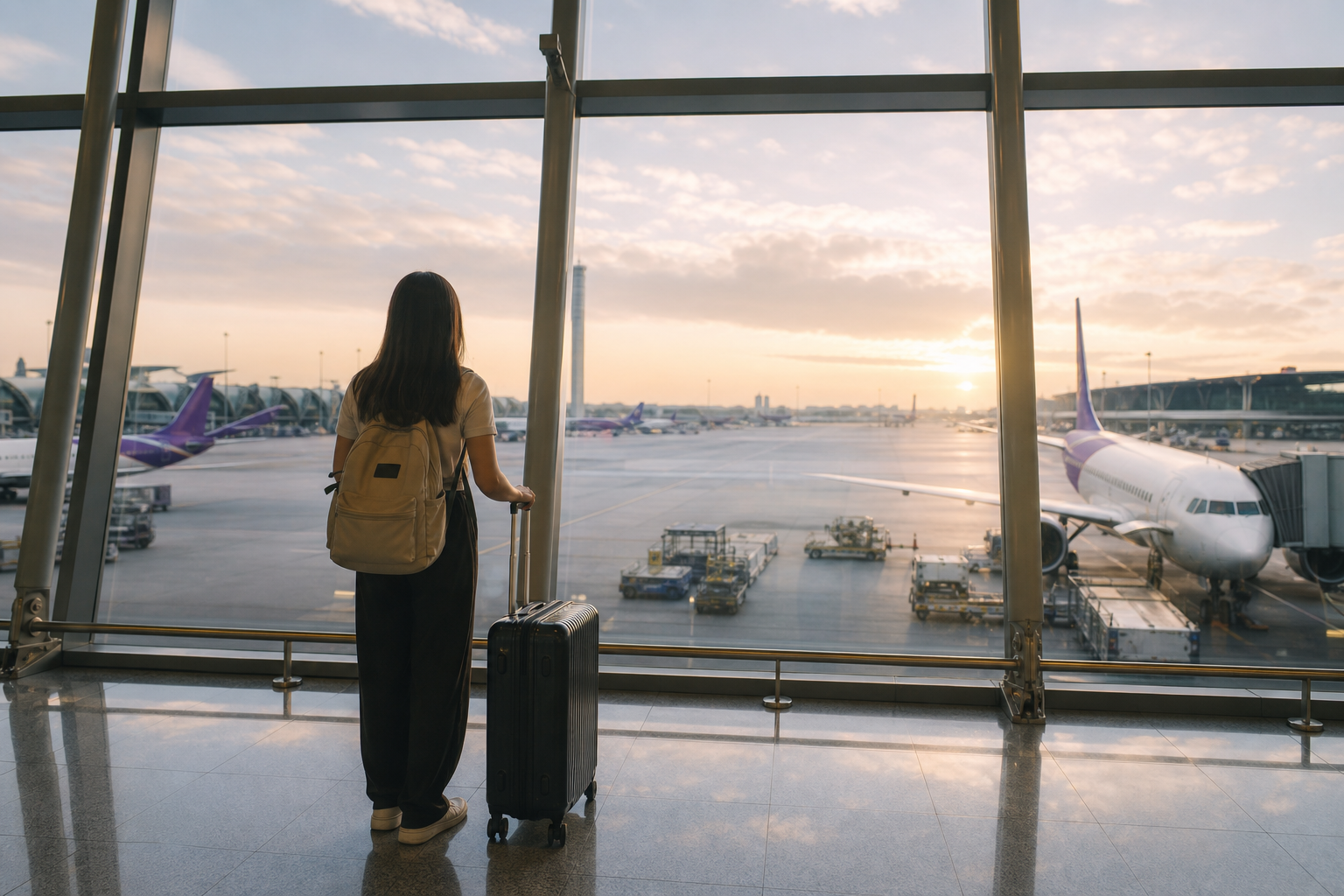
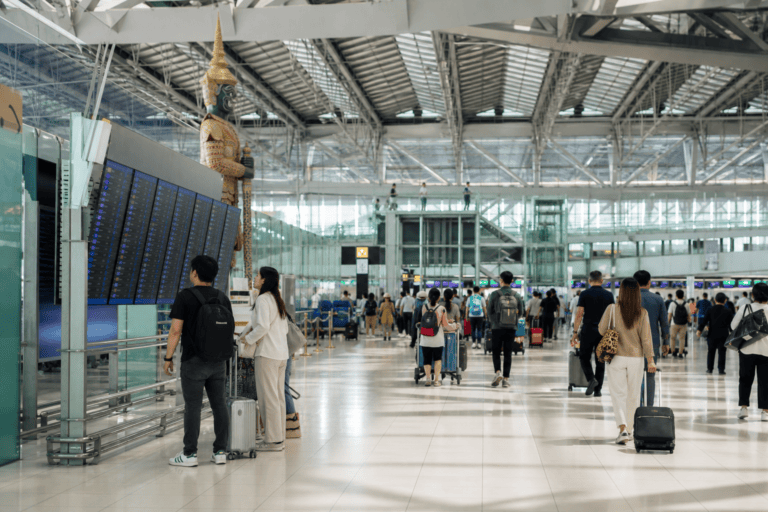
In the source, the traveler tries to leave Bangkok for the south after hearing that conditions there were more pleasant. A last-minute ticket was unavailable, while later fares were described in the rough range of 1,000 to 2,000 baht. These are dated, personal observations and should not be used as a current fare quote.
The planning lesson is to decide early whether a flexible escape is part of your trip. Compare flights, buses, and trains, leave time for airport transfers, and avoid assuming that a cheap same-day seat will still exist. Southern Thailand may also be busy when many Bangkok residents make the same decision.
Cleaner Transport Ideas for Bangkok
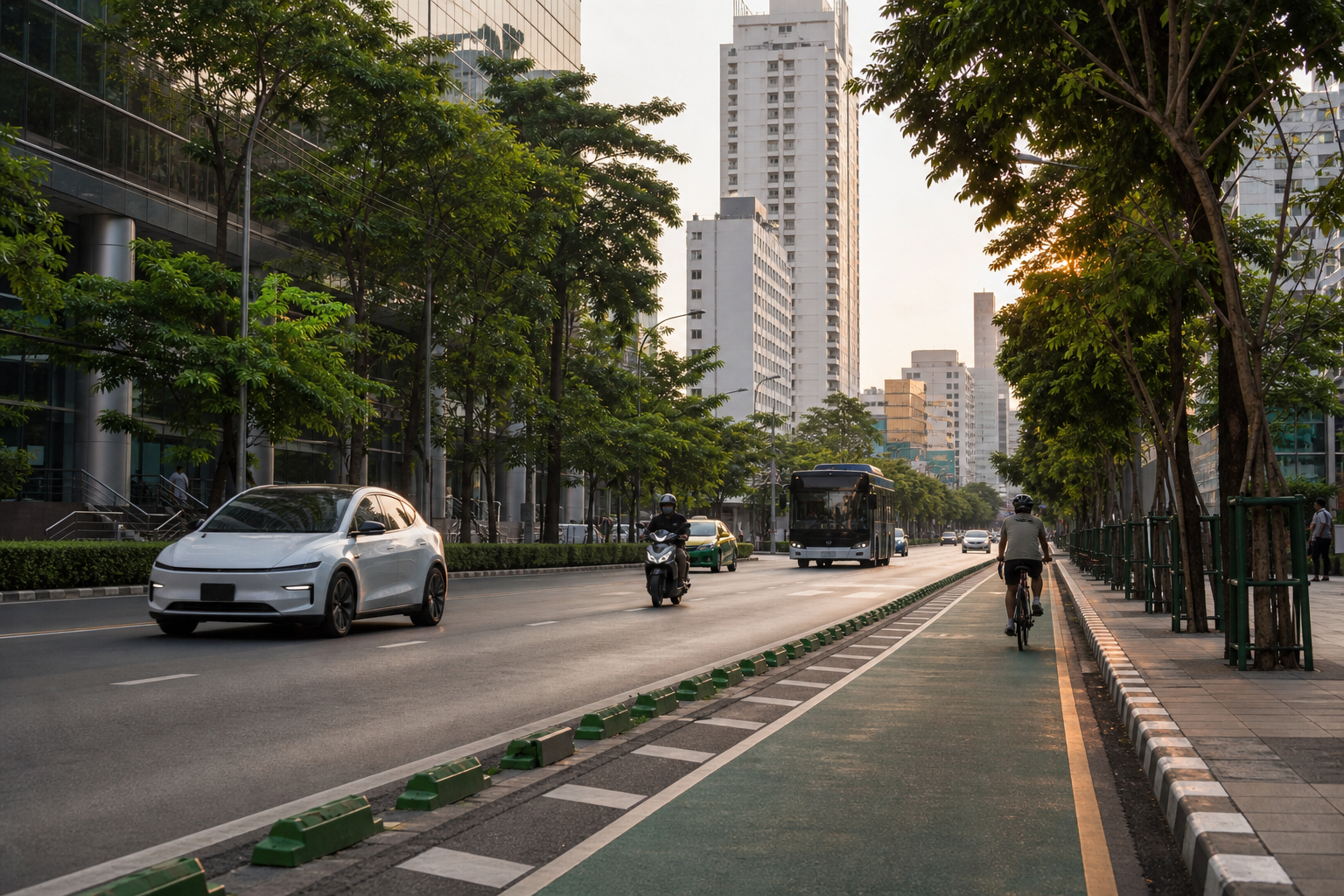
The source ends with ideas rather than a finished policy: more electric taxis, buses, and motorbikes, plus safer bicycle lanes. Those changes could address emissions while giving residents and visitors more ways to move without adding to traffic.
For a traveller today, the practical version is modest: use rail when it is reliable, combine short walks with public transport, plan around crowding, and choose a taxi or ride only when it meaningfully improves the connection. The source’s final day also shows why a break can be sensible—Bangkok can be rewarding while still becoming tiring during pollution, heat, or peak crowd conditions.
Bangkok Haze and Time-Sensitive Travel Updates
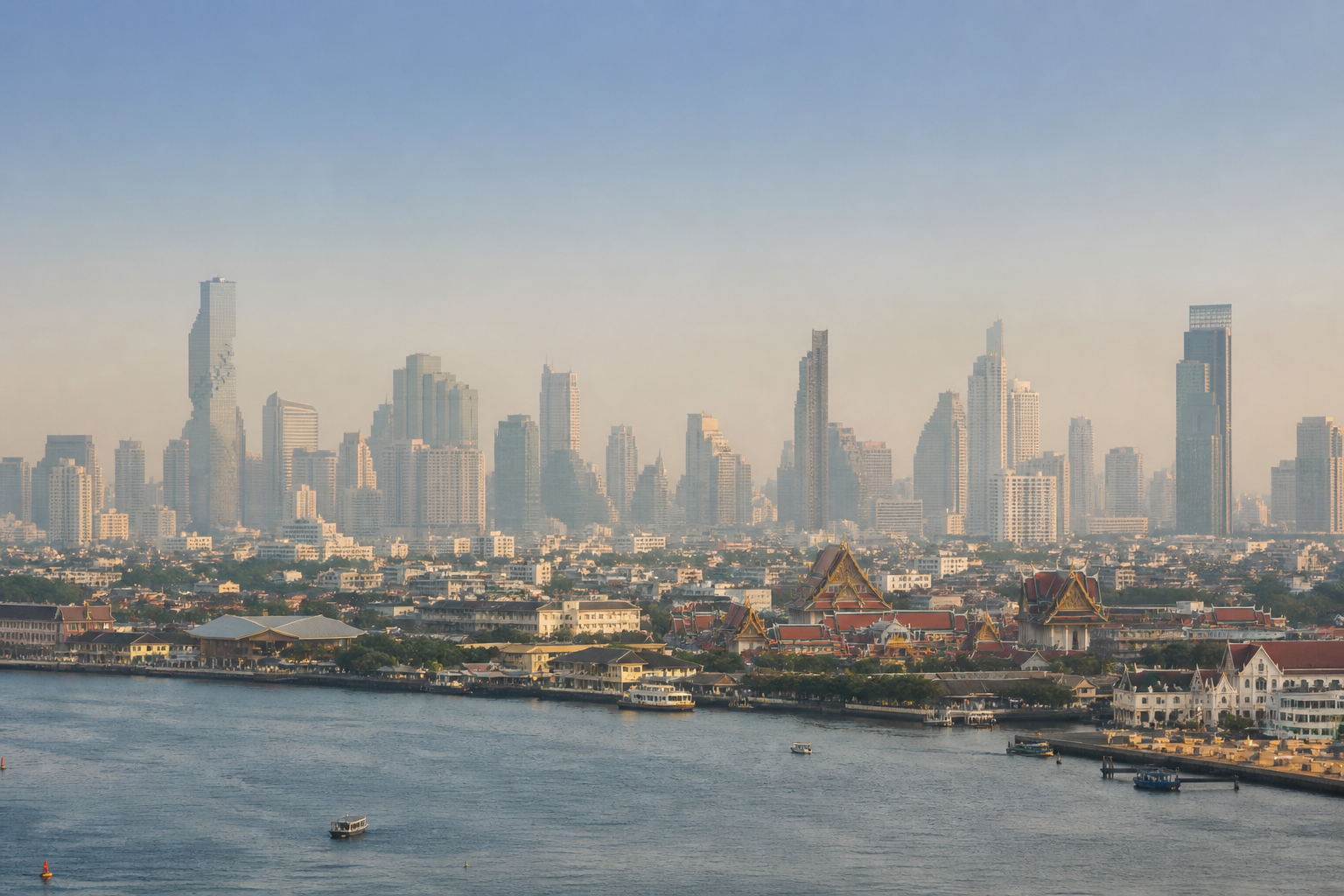
The source describes a period when Bangkok’s air looked hazy and some public updates warned that conditions could worsen. Those observations are historical, not a live air-quality reading. Before travelling, check current official air-quality information and follow any local guidance in force for the dates of your visit.
Transit and Masks During Hazy Weather
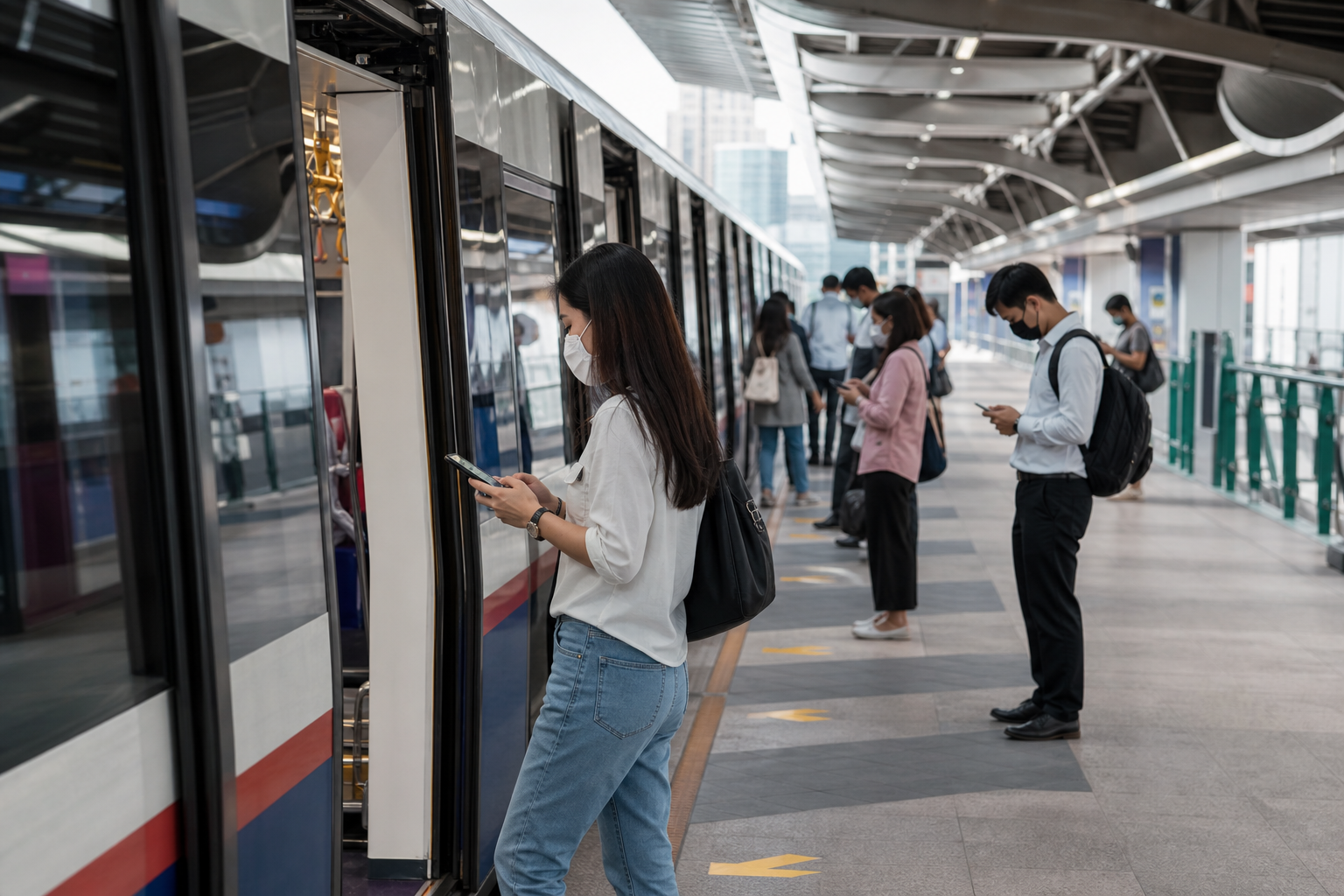
The video shows quieter-than-usual BTS and MRT travel and many local residents wearing masks. Visitors who choose to use one should select a comfortable, well-fitting option and carry spares. Keep your plans flexible, allow extra time for transport, and check current service notices rather than relying on a dated free-ride or schedule claim.
Parks, Outdoor Plans, and Timing
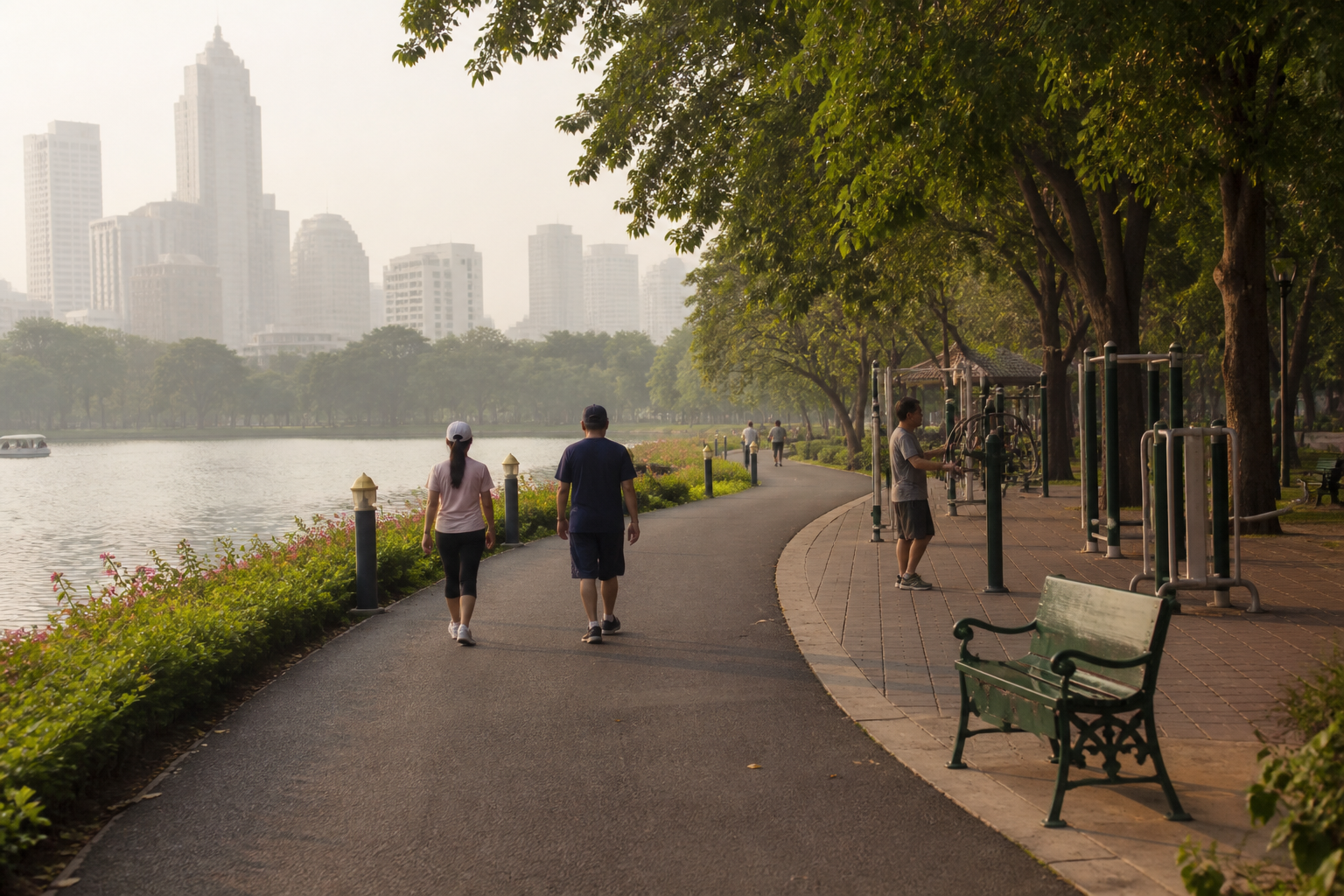
Benjakitti and Lumpini parks remain useful places to walk, but the source’s advice to limit strenuous outdoor activity was tied to that particular haze episode. If current readings are poor, shift exercise and sightseeing indoors, choose shorter walks, and consider going later in the day only if current guidance supports it. Do not treat a sunset view as proof that air is safe.
Chinese New Year in Chinatown
Chinese New Year can bring decorations, food, cultural activities, and heavy crowds to Bangkok’s Chinatown. The source recommends Chinatown as a seasonal stop, but dates and event layouts change each year. Check the current programme, plan your route before arrival, and keep phones and wallets secure in dense pedestrian areas.
Indoor Alternatives in Bangkok
When outdoor conditions are uncomfortable, malls provide practical alternatives for food, shopping, air-conditioned rest, and entertainment. The source visits Terminal 21 for a meal and Chinese New Year displays. Use indoor plans as a flexible backup, compare current opening hours, and keep the day focused on activities that do not depend on a clear skyline.