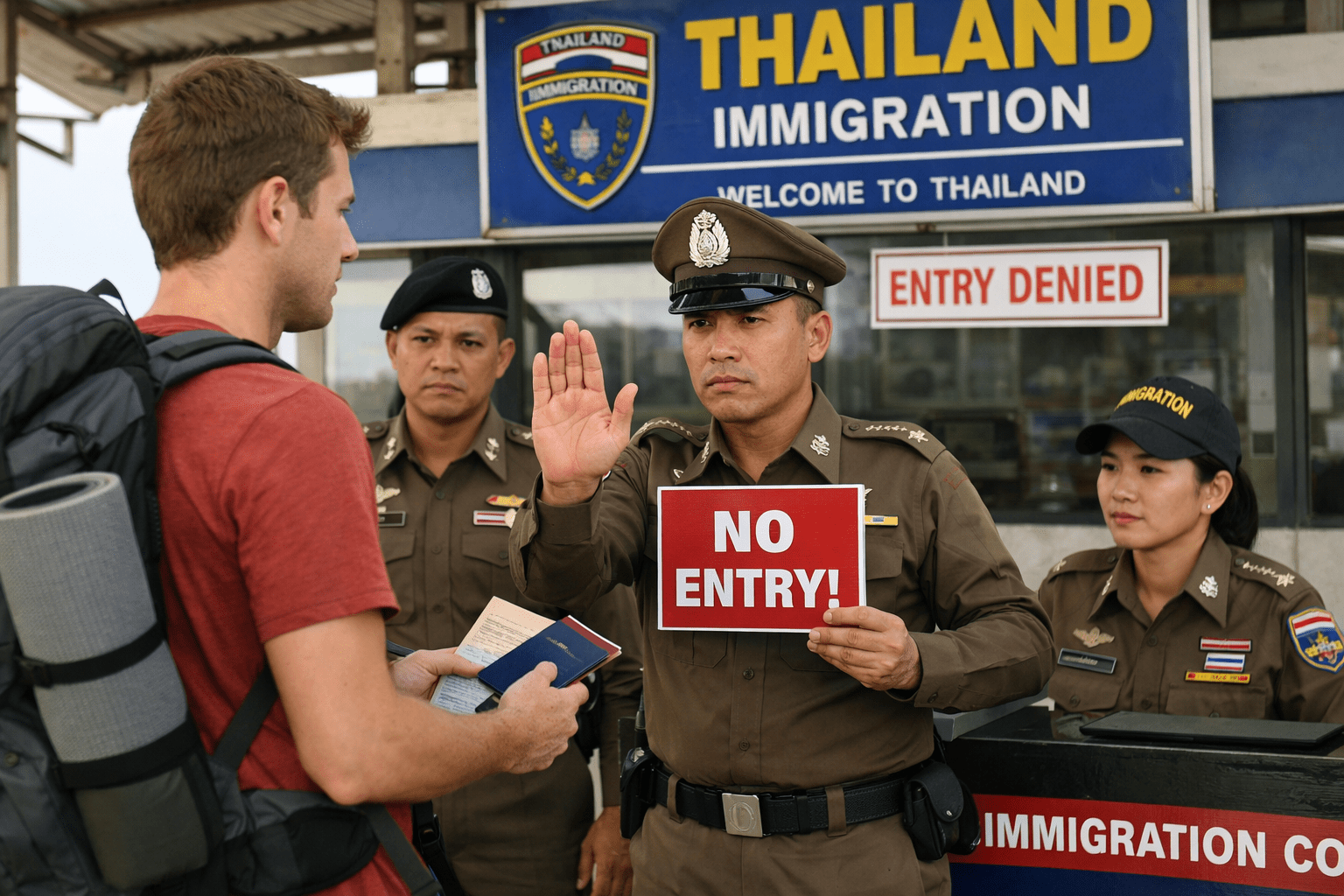
Thailand Visa Rules 2026: Exemption Changes, Immigration Checks and DTV
How is immigration actually enforcing entry rules in 2026? Is there a new long-term visa in the works? And what about airport changes, healthcare access, and transportation in Bangkok and Thailand more broadly?
Let’s start with entry rules because this is where most of the confusion lies right now. And to be honest, most of the time, most visitors to Thailand arrive using something called a visa exemption, which allows nationals from 93 countries to stay in the country for up to 60 days without applying for a visa in advance.
But over the past year, immigration authorities have stepped up enforcement against people who are misusing these exemptions to essentially live in the country long term. That enforcement has created a lot of confusion online and it’s led to three closely related questions that keep coming up.
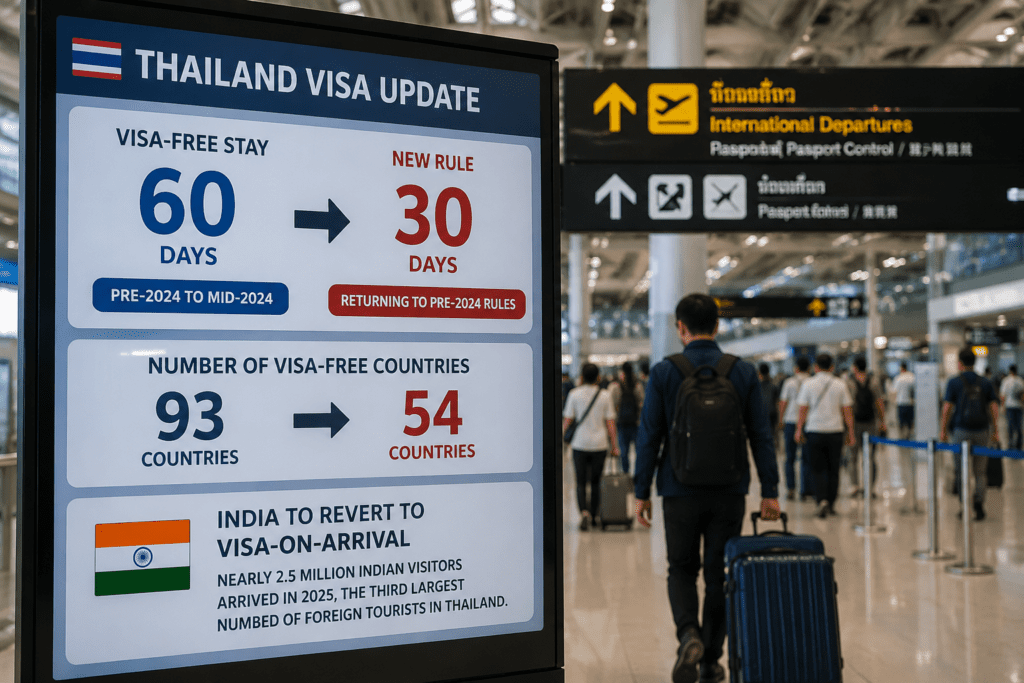
When Will the Changes Take Effect?
There’s currently no set implementation date for the change. The cabinet agreed on the policy proposal, but no clear schedule has been announced, and the changes will only come into force 15 days after official publication in the Royal Gazette. Until that happens, we’re still operating under the 60-day entry rules. And if you enter Thailand under the existing entry scheme, you’ll be allowed to remain in the country for the duration of your permitted stay.
Frequent Visits and Visa Extensions

Travellers who visit Thailand more than once a year and extend their visa each time may face extra questions at immigration. In one case, a tourist had visited Thailand twice in the year and extended the visa on both visits. On the third visit, an immigration officer asked how long he intended to stay and why he was making frequent visits and extensions.
The questioning lasted about 10 minutes before another officer continued the same questions. After about 30 minutes, the traveller was asked to show a return flight and was then given an entry stamp. Frequent visits, extensions, and repeated border runs can attract attention, especially when a traveller stays for the full visa period each time. Shorter stays and breaks between visits may reduce questions, but entry is always decided by immigration officers.
Short-Term Visa Options
If you plan to stay longer, you can opt for the single entry tourist visa, which gives you 60 days plus a 30-day extension. Prior to 2024, this was a very popular option with a simple and inexpensive online application.
Then there’s the multiple entry tourist visa, which is valid for 6 months upon issuance.
But there’s a catch. Visitors need to leave the country every 60 days (or up to 90 days if they extend for that additional 30 inside the country).
Historically, there’s a loophole that was commonly used to stretch the visa to around eight months by entering just prior to the expiry. But whether that continues under tighter enforcement is something we’ll have to watch for.
Long-Term Visa Options – DTV
For longer stays, there are much more structured options.
The base requirement is proof of at least 500,000 Thai baht which must be held in a foreign bank account under your name.
Immigration doesn’t actually handle the issuance of the DTV which is done by each embassy or consulate separately and additional documentation is typically required.
This often includes proof of an online income or enrollment in a recognized soft power activity, but requirements can vary by location. So, you’ll need to check with the specific consulate handling your application.
Visa rules can and often do change quickly and abruptly, and it’s one of the reasons why this is probably the most frequently asked question on these Q&As.
Biometric Tracking & Second Passports
It’s also important to understand how immigration tracking works today. Thailand uses biometric data, including facial scans and fingerprints, and every entry is recorded under a single immigration profile.
That profile links all passports tied to the same biometric data, including old or expired documents as well as passports issued by a second country.