How to Exchange Money in Thailand
Currency Exchange Rates in Bangkok
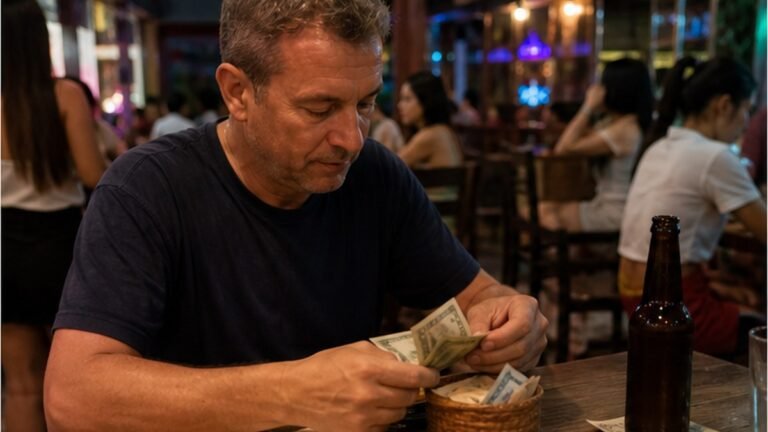
Exchange rates can vary noticeably between shops in the same part of Bangkok, even on the same day. As an example, one rate may be 33.75 Thai Baht to the dollar, another 33.33, another 33.61, and a tourist-area counter may offer only 32. Rates change, so use the figures as an illustration and compare the live rate before exchanging.
Sukhumvit is a practical area for comparison.
Asok and Nana Money Exchange Rate Examples
At Super Rich the queue was long and the rate was 34.08 baht for one US dollar, compared with 35 two weeks earlier. At Soi 5, not far from Nana station, the rate was 34.10.
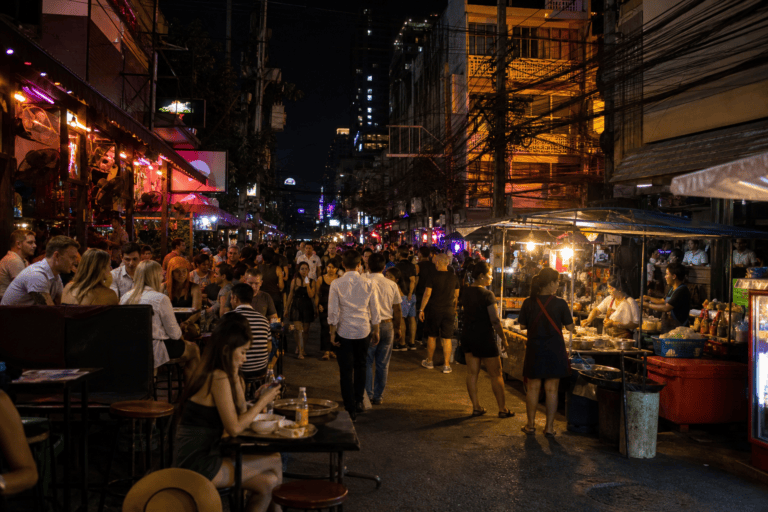
Most shops offered a similar rate. The Soi 5 exchange shop had no long queue and did not require a passport. The Asok–Nana area is one of the busiest parts of Bangkok because of hotels, tourists, nightlife, restaurants, and money exchange. It suits visitors who want a lively area, but not people who dislike crowds or pushy vendors.
Around Sukhumvit Soi 5, near Nana BTS station, several exchange shops are close together. Some shops associated with Dubai Exchange have useful rates and may stay open late. Ask about identification before you walk over: some counters require the original passport, some may accept a passport image, and some may exchange a small amount without asking for a document. Requirements can differ by operator and transaction.
Where to Exchange Money at Bangkok Airports
Airport exchange counters are convenient, but they are not always the best place to change a large amount. At Suvarnabhumi Airport, compare the counters on the ground floor rather than exchanging everything immediately after landing. The same approach applies at Phuket and Krabi airports: exchange only enough for transport and the first essentials unless you find a counter offering a competitive rate.
If a reputable exchange operator with a better displayed rate is available at the airport, compare it with the other counters before deciding. Keep enough Thai Baht for the next part of your trip, then compare rates in the city once you have reached your hotel or another convenient area.
Why Thai Banks May Not Offer the Best Exchange Rates
A Thai bank can feel like the safest and simplest option, but it may involve a long queue, full identity checks, and a less competitive rate. Banks generally require official documents such as your passport, and the notes may need to be clean and acceptable for exchange. Busy branches can also take much longer than a specialist exchange counter.
Compare the bank rate with nearby licensed exchange shops before committing. The bank is still a reasonable choice when its requirements and rate suit you, but it is not automatically the best-value option. Ask about the final amount you will receive rather than comparing only a headline rate.
What to Do With Old or Marked Banknotes
Check your foreign cash before travelling. Notes with writing, stamps, tears, heavy wear, or other marks may be rejected or accepted only at a lower rate. One example described in the source involved 1,500 US dollars: an exchange counter accepted 1,100 dollars but returned 400 because the notes were old, signed, or stamped. A bank then refused the same marked notes.
There may be exchange shops willing to accept damaged or marked notes, but the rate can be lower. The simplest way to avoid losing money is to request newer, clean notes before your trip and check them one by one. If you already have a problem note in Thailand, ask several reputable counters about their policy and compare the offered rate.
Using Cards, ATMs and QR Payments in Thailand
Cards are useful, but check the total cost before paying. Foreign-bank ATM withdrawals can involve a fee of roughly 150 to 200 Thai Baht, and the source describes overseas bank or ATM charges of about 3 to 6 dollars depending on the machine and your bank. Your own bank may also apply a foreign-exchange fee. Use a bank card with suitable international terms and decline dynamic currency conversion when the ATM or terminal offers a choice you do not want.
Some restaurants and nightlife venues add a 5% to 10% card surcharge. Ask before paying and keep a little cash available for places that accept only cash. Thailand also has widespread QR payments, including at restaurants, hotels, and street vendors. Visitors without a Thai bank account may find prepaid QR-payment options offered through a K Plus or Kasikornbank counter and a compatible TagThai application, as described in the source. Confirm the current availability, fees, identity requirements, and refund process with the bank before loading money. If a balance remains, ask how it can be redeemed. Always verify the recipient name and amount on the payment screen before confirming.
Practical Money and Payment Safety in Bangkok
These additional Bangkok observations cover difficult banknotes, tourist payment options, street scams, supplement purchases, and practical shopping. Payment rules, limits, exchange policies, and prices can change, so verify them with current providers.
Exchanging Damaged US Dollar Notes in Sukhumvit
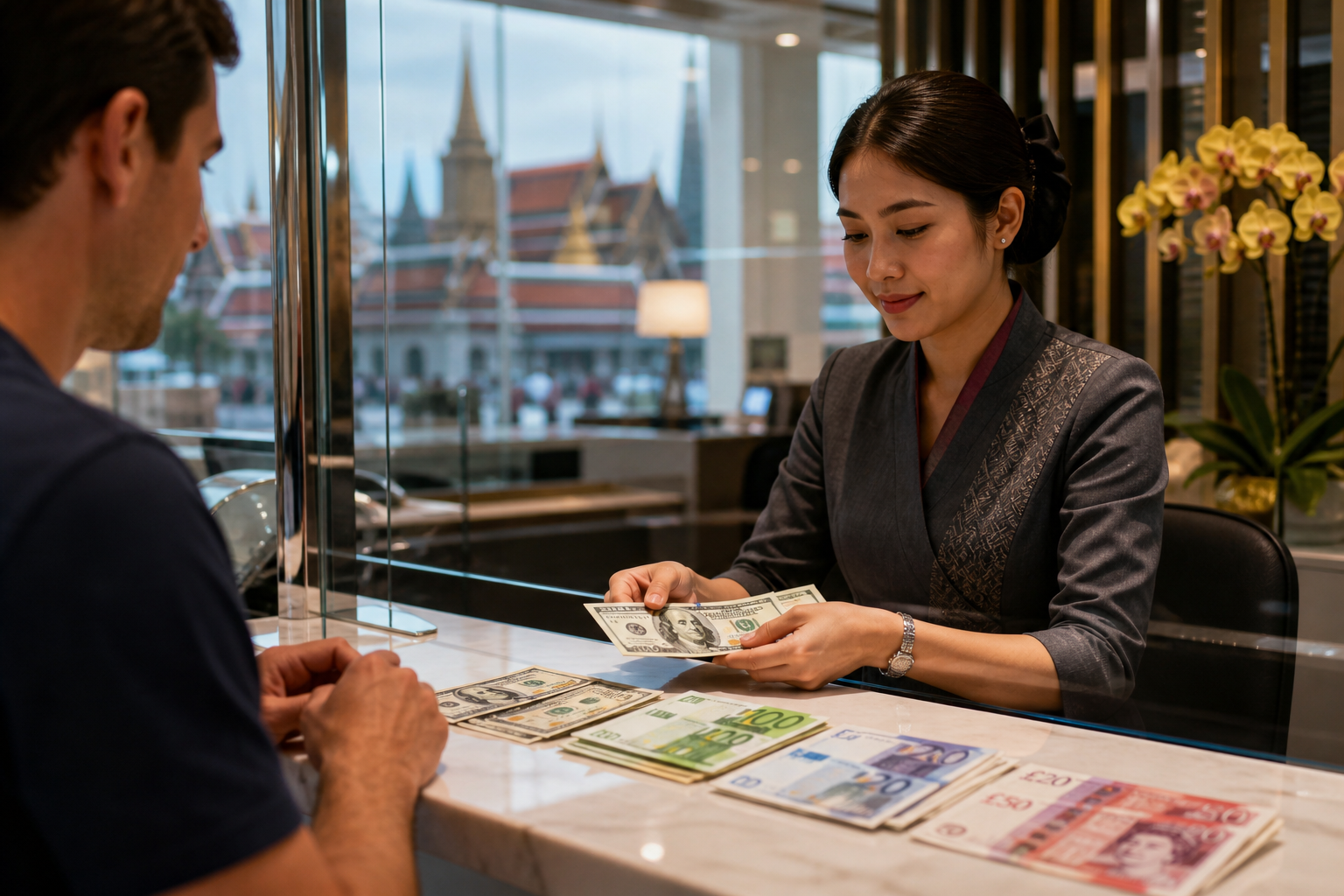
Thailand’s money exchangers may reject banknotes that are old, marked, stamped or otherwise damaged. The advice from this visit was to bring clean US dollars and check the notes before travelling. A Sukhumvit exchange shop was used for difficult notes, although the rate may be slightly lower when the condition is poor. The quoted exchange rates were a dated snapshot, not current guidance.
QR Payments and Thai Baht Cash Limits in Thailand
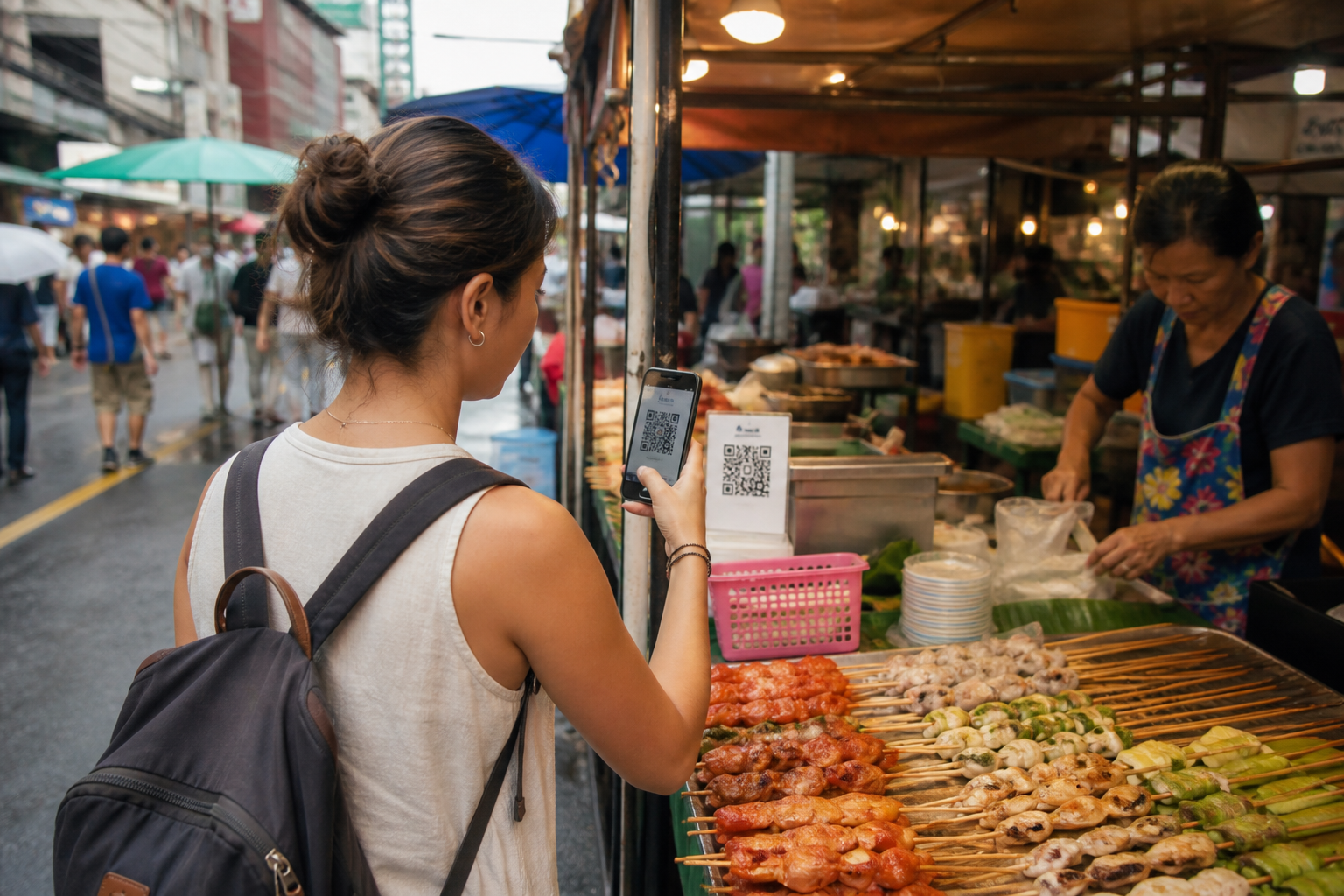
Carrying many different cash notes can be inconvenient, so the source also discussed a tourist-friendly QR payment option connected to a Thai Baht deposit. The claim was that a local Thai bank account was not required and that remaining funds could be withdrawn in cash before leaving Thailand. A 100,000 Thai Baht limit was mentioned, but payment rules and limits can change, so confirm the current provider requirements before relying on this method.
Avoiding Six-Pack and Supplement Scams in Sukhumvit
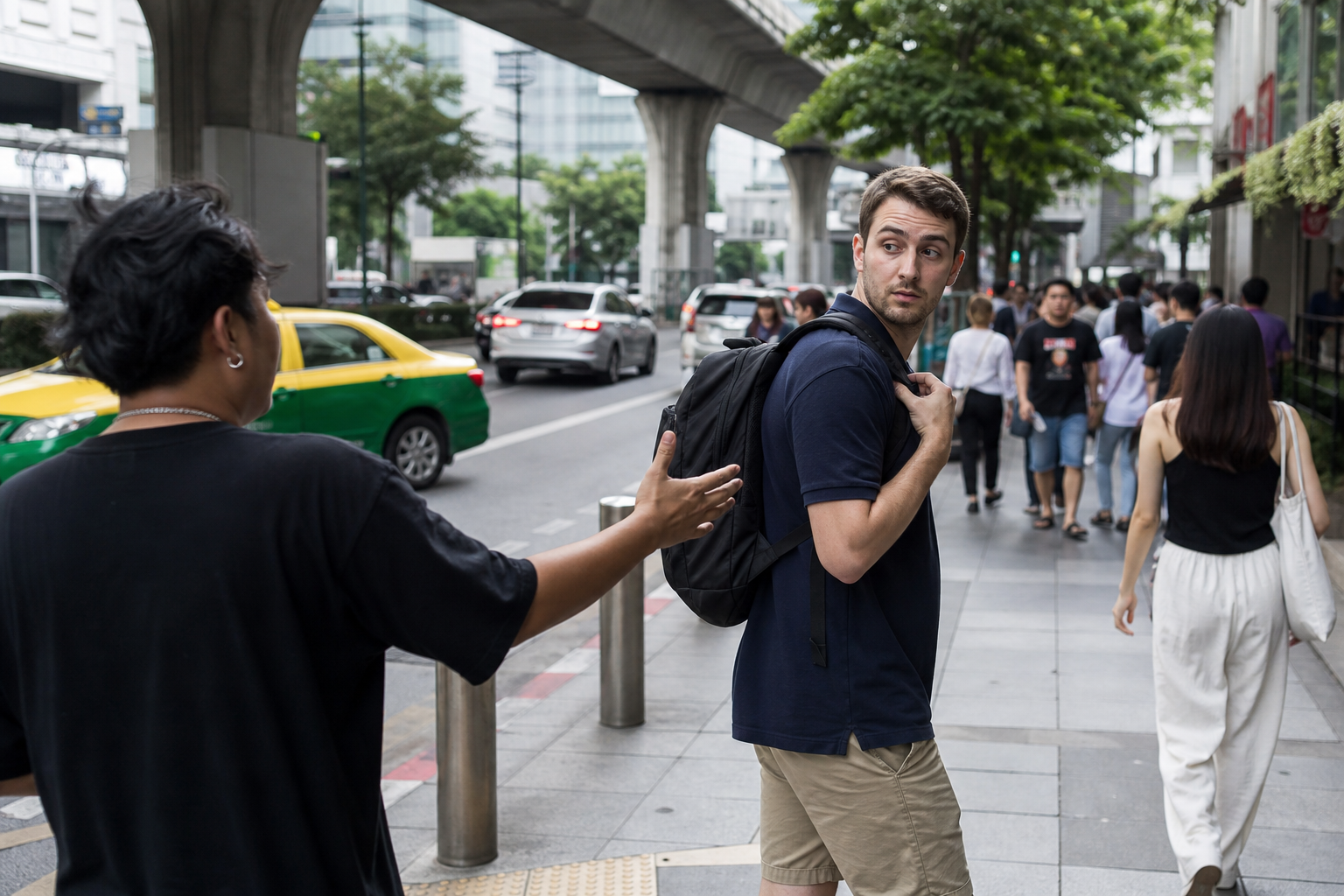
People approaching tourists around central Sukhumvit may comment on their stomach, eyes or hair and promise a quick solution. One pattern described involved leading the person into a 7-Eleven to buy a drink or product that supposedly creates a six-pack or fixes another problem. The safest response is to end the conversation, avoid following the salesperson and never buy a health product because of an unsolicited street pitch.
Buying Vitamins and Supplements from Certified Retailers
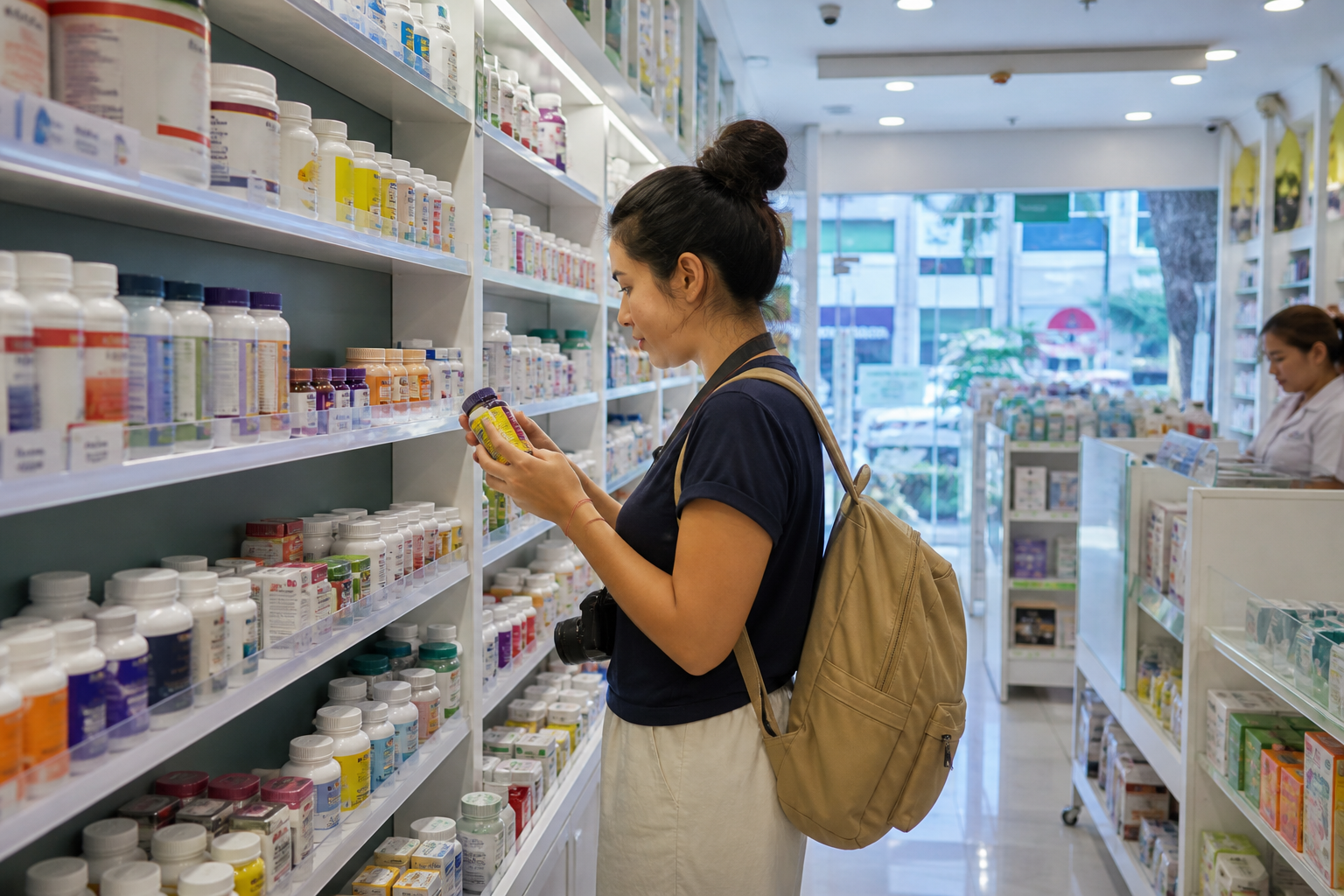
If you want vitamins or supplements in Bangkok, buy them from an established retailer where the packaging and storage can be checked. The visit used a Boots store rather than a street vendor. Products left outdoors in heat for long periods may not be suitable, so a certified shop is a safer choice for anything you plan to consume.
Practical Shopping and USB Charging in Bangkok
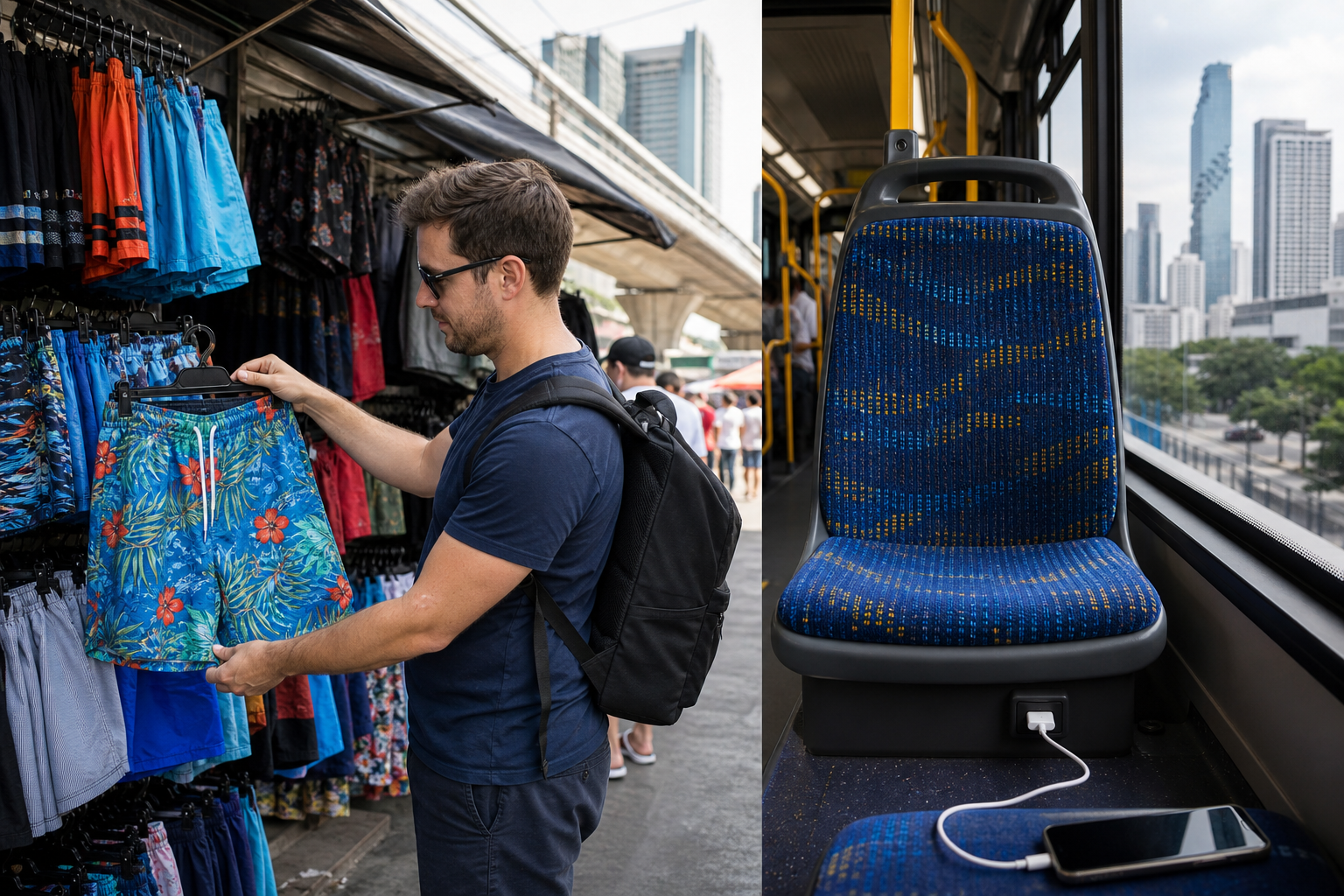
Some Bangkok public-transport vehicles have USB charging points, which can be useful when travelling with a phone or laptop. The same day included practical shopping: swimming shorts were about 200 Thai Baht, and luggage was shown at several sale prices, including a smaller item around 590 Thai Baht and a larger item around 3,490 Thai Baht. These were recorded shop prices and may change with promotions.
Thailand Passport and Banknote Exchange Rules
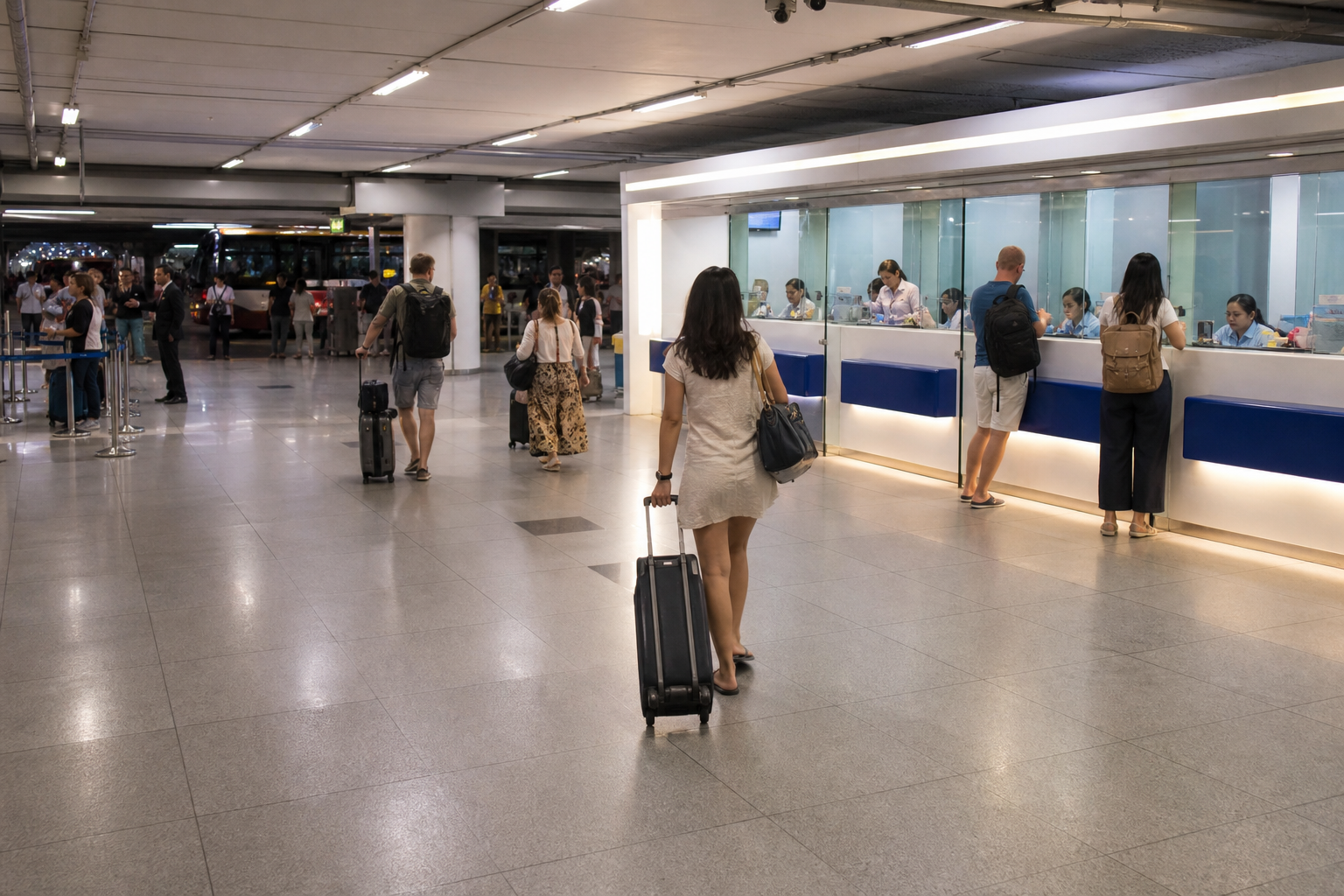
Most currency exchange shops in Thailand need your original passport to exchange foreign currency. Some accept a copy, but carrying the original passport is the safer option. Some shops also ask for a phone number and hotel name.
Many exchange shops do not accept signed or stamped banknotes, especially US dollars. Bring new, clean notes. If the notes are signed or old, some independent exchange shops may still accept them as long as they are real money.
Best Currency Exchange at Suvarnabhumi Airport
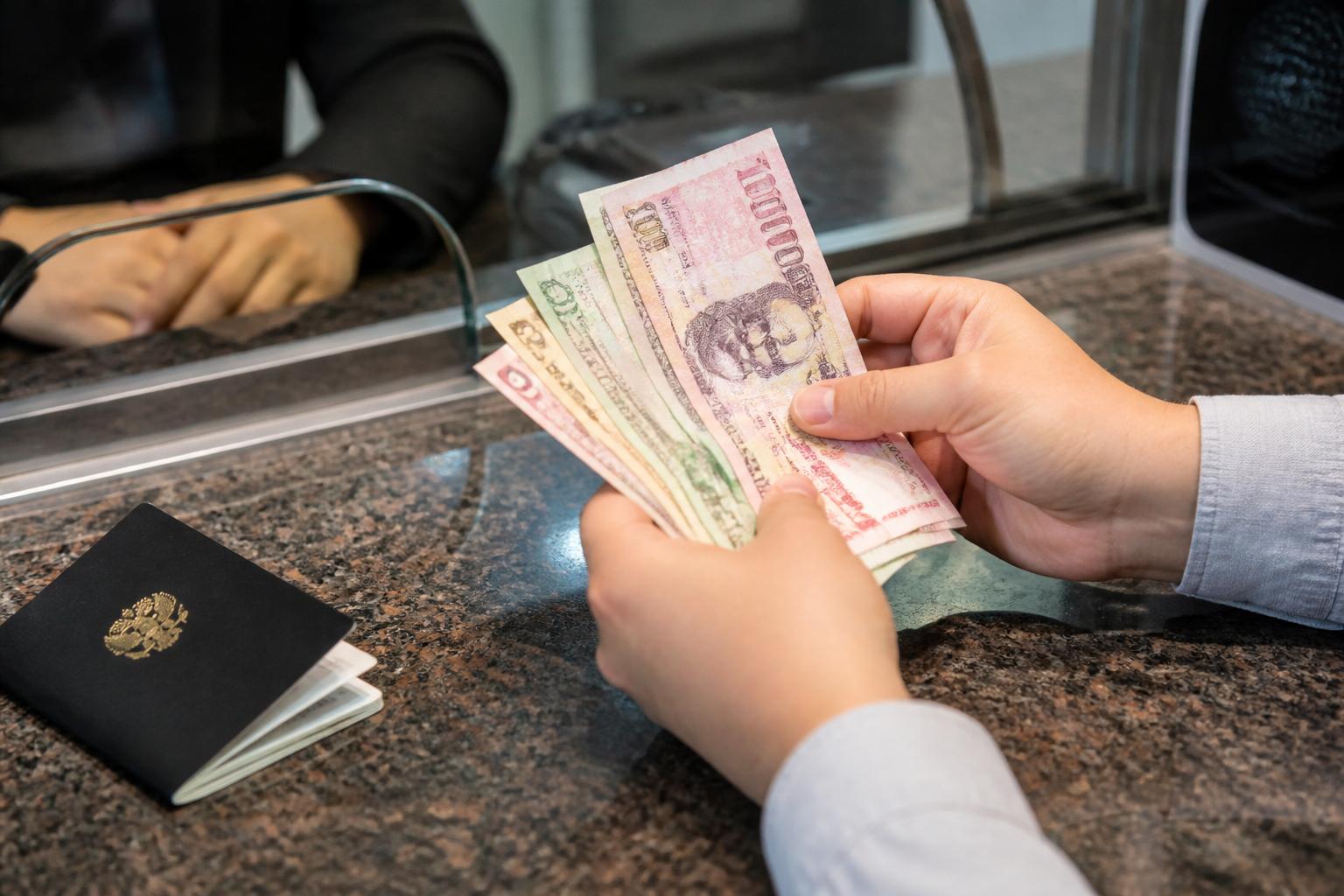
If you need to exchange money at the airport, the better rates mentioned were on the basement floor behind the public transportation area. The rates there were much better than on the arrivals floor.
The best rates are not generally at the airport, so exchange as little as you need there and use the other options after arriving in Thailand.
Sukhumvit Exchange Shops and Better Rates
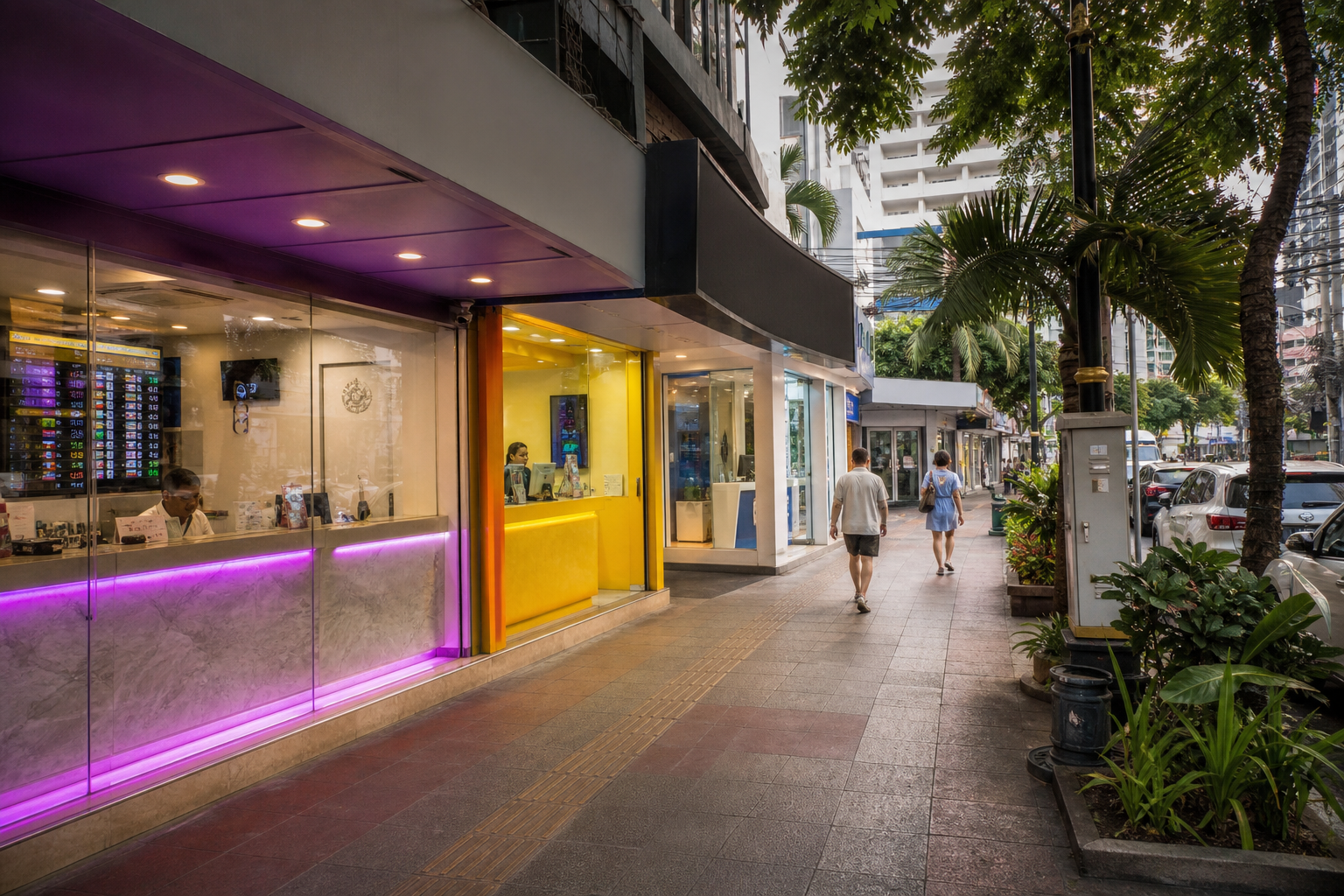
Well-known exchange companies such as Super Rich are located around Thailand, especially at Skytrain stations and Airport Rail Link stations. They are popular, but the queues can be long. They may ask for your original passport, hotel address, phone number, and signatures, and may reject signed or old notes.
Smaller exchange shops on main streets and around hotels can be less crowded. In the Sukhumvit area, walking to Sukhumvit 7 or 3 and entering the sois can lead to several exchange shops next to each other.
The example rates in the transcript were 34.20 baht for 1 USD at Super Rich and 34.68 baht at another Sukhumvit shop. The smaller shop was described as faster, less crowded, and able to accept old or signed notes if they were real. Shops in the area can also stay open later than well-known counters that close at 5 or 6 p.m.
ATMs, Local Currency, and Card Fees
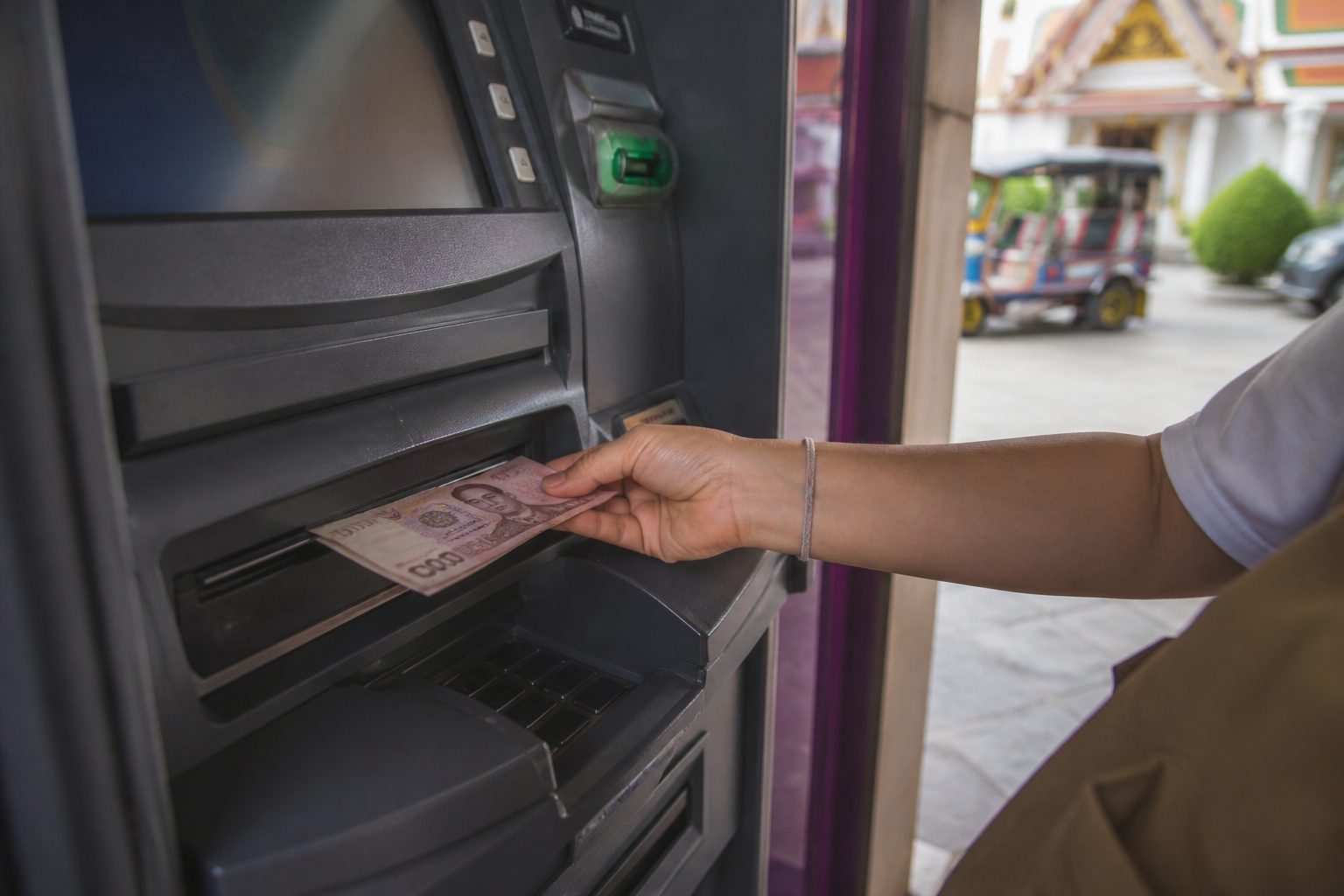
If you prefer to use cards, choose ATMs that provide Thai baht and check the card signs the machine accepts. When withdrawing money, do not accept the ATM’s own exchange rate. The exchange rate can be better when your bank handles the conversion.
ATMs that contain foreign-currency signs may offer dollars, but every transaction can have a fee of at least 200 Thai baht. Having some cash with you can therefore be the better option.
When using a card in restaurants, clubs, or other places, check how much your local bank charges for international transactions. Some banks charge one percent on every transaction, while others charge more, so cash can sometimes save money.
Cash, Cards, and Hotel Payment Rules
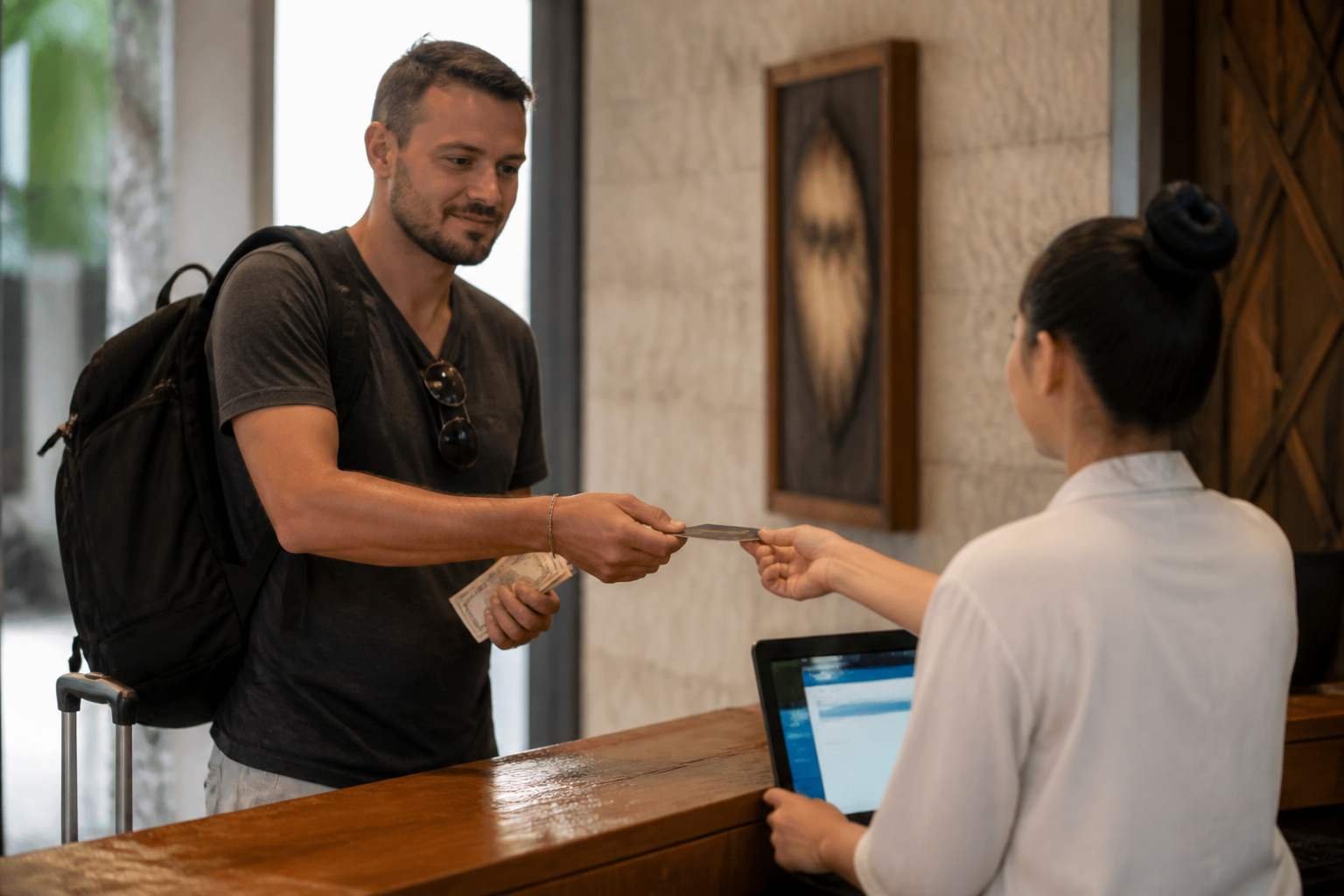
You can bring as much cash as you need depending on how long you are staying. Keeping cash in the hotel safe box was described as safe when staying in a normal hotel, while carrying cards gives an extra option when you are short of cash.
When booking hotels online, some properties do not charge immediately and take payment when you check in. They may insist that you show the physical card used to book the room, so carry that card with you.
Opening a Thai Bank Account
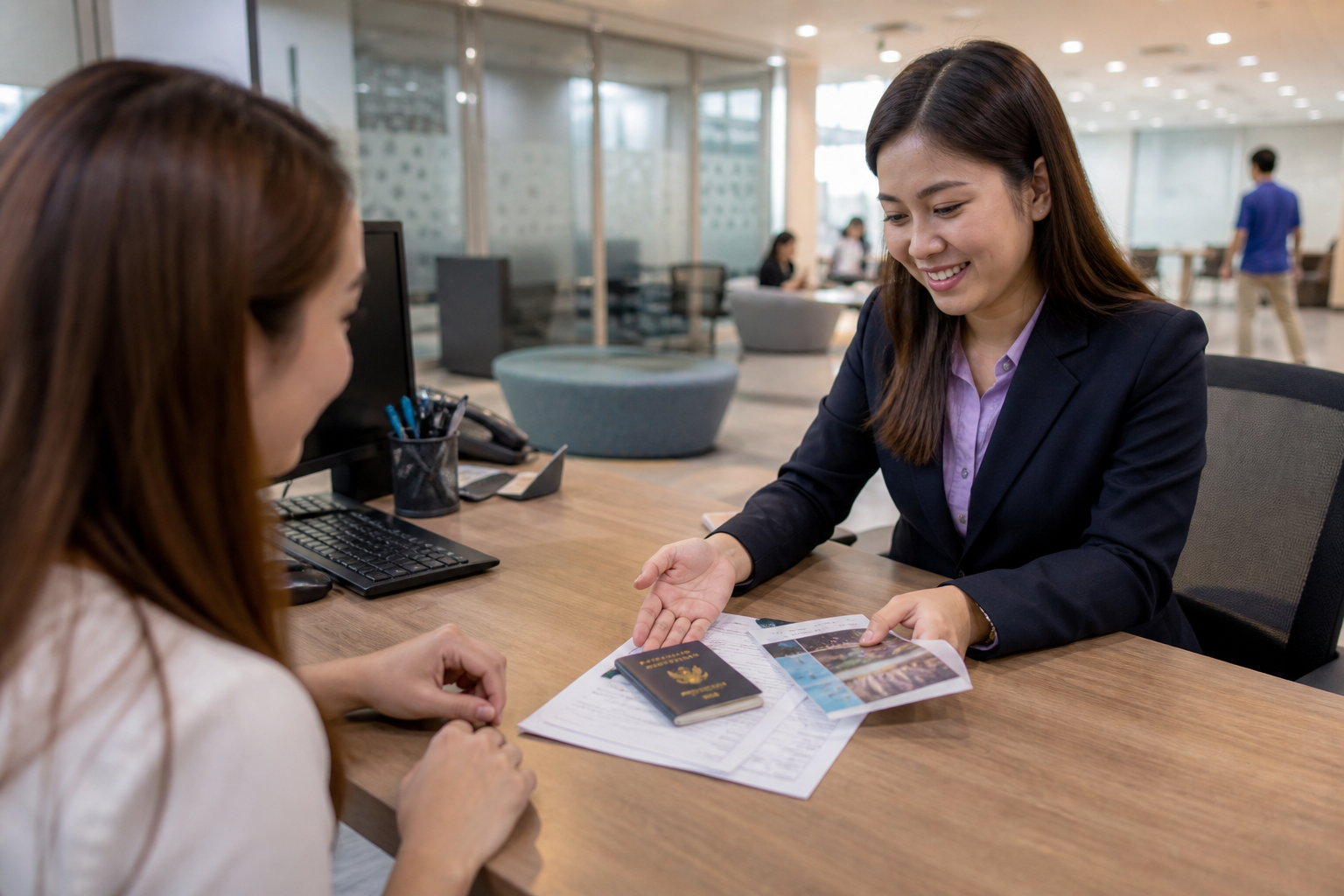
In general, opening a local Thai bank account requires a non-immigrant visa, an O visa, a work permit, or another qualifying type of visa. Some people try to open an account with a tourist visa, but the bank may ask for passport verification from the embassy in Thailand.
A Thai bank account can provide benefits such as paying in local currency, making online payments, and using barcode scans. Check the current requirements with the bank before applying.