He Spent 4.7 Million Baht on His Thai Girlfriend

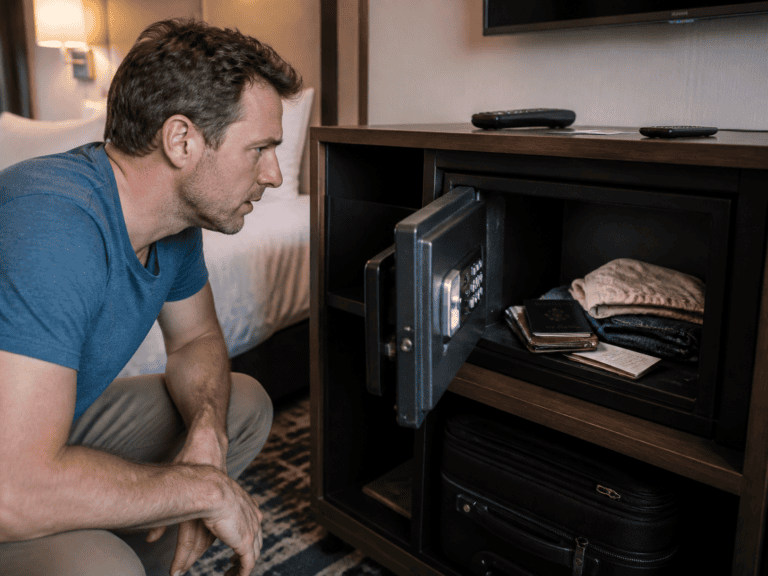
A Danish man spent almost 5 million baht on a house and a Honda for his Thai girlfriend. They threw a housewarming party in Buriram with hundreds of guests. A few days later, she told him to leave. The house stood on her mother’s land. The car was registered in her name. So, when the relationship collapsed, what exactly could he take with him?
This is based on a case reported in Thailand in July 2020. And the ending is unusual because the Danish man went to court and managed to recover something substantial. His name wasn’t published in the report.
He had lost his wife in Denmark and came to Thailand on holiday in 2018. A Danish friend of his already lived in Buriram with a Thai wife.
While traveling with that friend in Hua Hin, he met a woman working in a bar. They spent time together, including a trip to Kanchanaburi, before he returned to Denmark.
Building a Home on Her Mother’s Land

About six weeks later, he came back to Thailand. This time, she took him to Buriram to meet her mother. That was when the relationship began to involve serious money.
He started giving her 25,000 baht a month, so she wouldn’t have to work at the bar. They also discussed building a home together.
There is nothing inherently suspicious about supporting a partner, but the scale of what followed was extraordinary.
The house was built on land belonging to her mother at a reported cost of around 3 million baht.
He also bought a Honda CR-V for about 1.7 million baht. That vehicle was registered in the woman’s name.
House and car together, approximately 4.7 million baht. That’s before the monthly payments and the ordinary cost of spending time together.
Why would anybody spend that sort of money without protecting themselves? It’s a fair question, but we should be careful about assuming we know everything the man was promised.
The report tells us what he bought and what happened later. It doesn’t give us every conversation they had along the way.
Housewarming Party in Buriram and the Dispute

In February 2020, the house was completed. His partner wanted a housewarming party and not a modest one. The report described between 200 and 300 guests with a stage, dancers, music, and celebrations lasting about 24 hours.
Apparently, he wasn’t particularly keen on such a large event, but agreed to it.
Then, within days, there was an argument about building work. The Danish man noticed materials being moved from the construction area, and work going on next door, on property belonging to his girlfriend’s mother. A wall was being built. He asked what was happening and who was paying for it.
According to the published account, the disagreement escalated, and the woman told him to get out. She maintained that the house and the Honda were hers. That is quite a change from a housewarming party with 300 people.
He called his Danish friend, who lived roughly 50 km away. The friend and his Thai wife helped him, and the matter was reported to the police.
Buriram Provincial Court and the Honda Settlement
At this point, a lot of men might have decided the whole thing was hopeless. The house was on family land; the vehicle was in her name. They could have returned home, furious and considerably poorer.
He chose to challenge it. Initially, he tried to recover the Honda. His former partner resisted the claim through a lawyer. The case then developed into a broader dispute about the nature of their relationship and the assets acquired while they were together.
Her side argued that the purchases had been gifts. That is an important point. If you buy your partner a car because you love them, the relationship ending doesn’t automatically mean you can demand it back. And paying to construct a house on land you don’t own creates another layer of legal complications.
The Danish man’s lawyers argued that they had been living together in a relationship resembling a marriage.
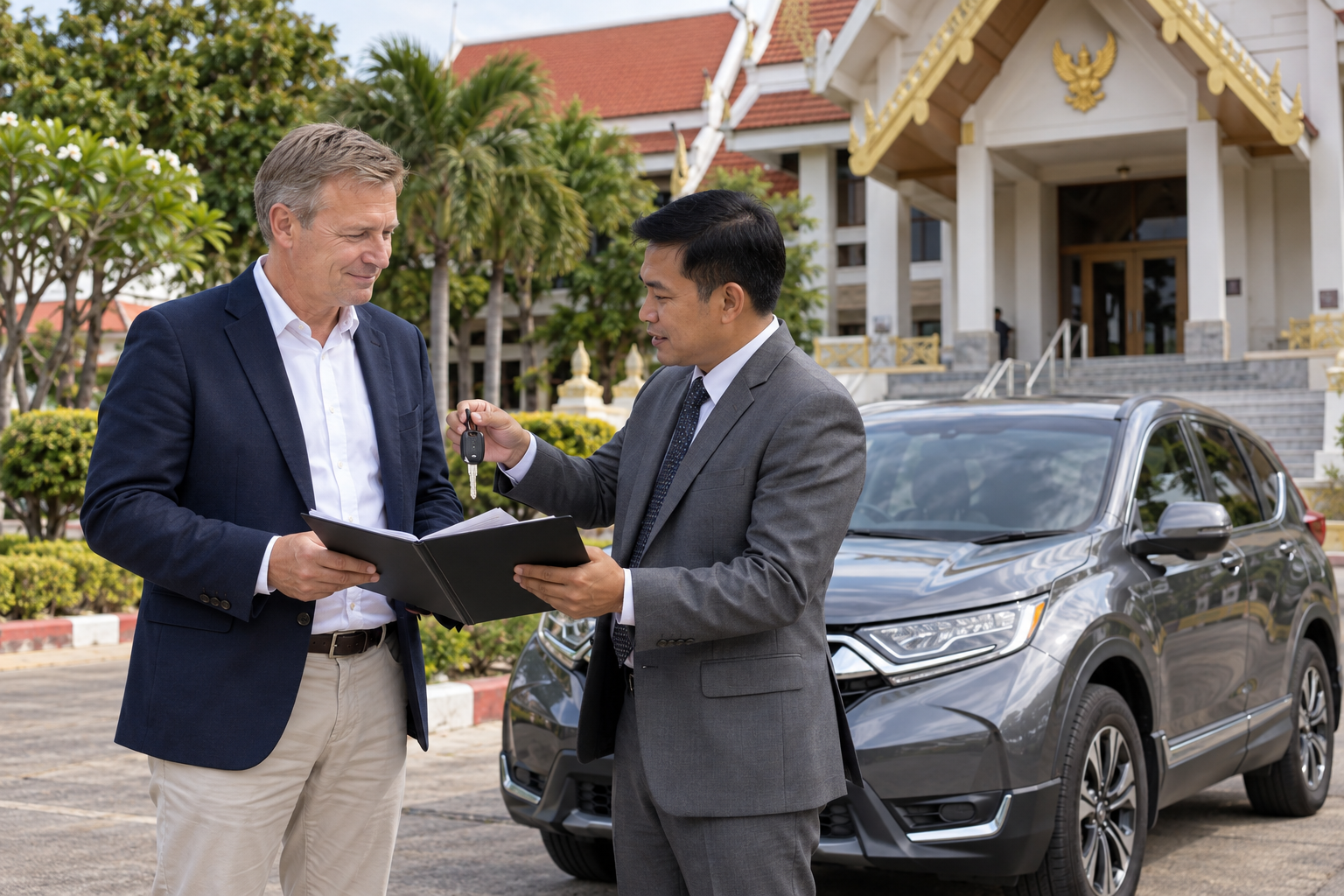
The dispute came before Buriram Provincial Court in June 2020. The judge heard the circumstances and proposed a practical settlement. The woman would keep the house and the man would receive the Honda.
The numbers make that compromise easier to understand. He had spent roughly 3 million baht on the house and another 1.7 million on the car. Recovering the Honda would not give him all his money back, but it would mean he wasn’t leaving with nothing.
The report also described a surprising moment in court. The woman became upset and reportedly said she wanted him to return to live with her.
Why did she say that? We don’t know. She might have regretted the breakup. She might have been distressed about the dispute. It would be easy to invent an explanation, but that wouldn’t make it true.
The two sides ultimately agreed to the proposed division. She kept the house on her mother’s land; he got the Honda. The court approved their agreement. And that distinction matters. This was a negotiated settlement during court proceedings, not a universal ruling that foreigners who pay for houses in Thailand are entitled to half the property when relationships end.
Land Ownership and Vehicle Registration

I’ve seen people talk about situations like this as though there are only two possibilities. Either the foreign man was scammed from the start or he’s an idiot who deserves everything that happened to him. Neither claim is established by this report.
What we know is that a widowed Danish man met a Thai woman, committed a large amount of money to their life together, and found himself in a serious dispute soon after the house was finished. We know the car was in her name, and the house was on her mother’s land. And we know he pursued the matter through the courts rather than simply walking away.
The legal action didn’t return his 3 million baht house, but it did end with him recovering a vehicle worth about 1.7 million baht when purchased.
I keep coming back to the housewarming party. Two or three hundred people were celebrating a new home; then a dispute followed almost immediately afterwards. It must have been an astonishing reversal for everybody involved.
And it raises a practical issue for foreigners living in Thailand. You can have a perfectly genuine relationship and still make a financially dangerous decision. Love doesn’t settle questions about land ownership, vehicle registration, or what happens if you separate.
If you’re thinking about spending millions on a house or business here, independent legal advice before paying is a lot cheaper than a court case afterwards.
That’s not a judgment on Thai women or foreign men. It’s ordinary common sense that people tend to forget when they’re planning a future with someone.
The Danish man didn’t recover everything, but his story certainly didn’t end the way many people would have expected when he was first told to leave.