Insurance Costs for Older Expats in Thailand
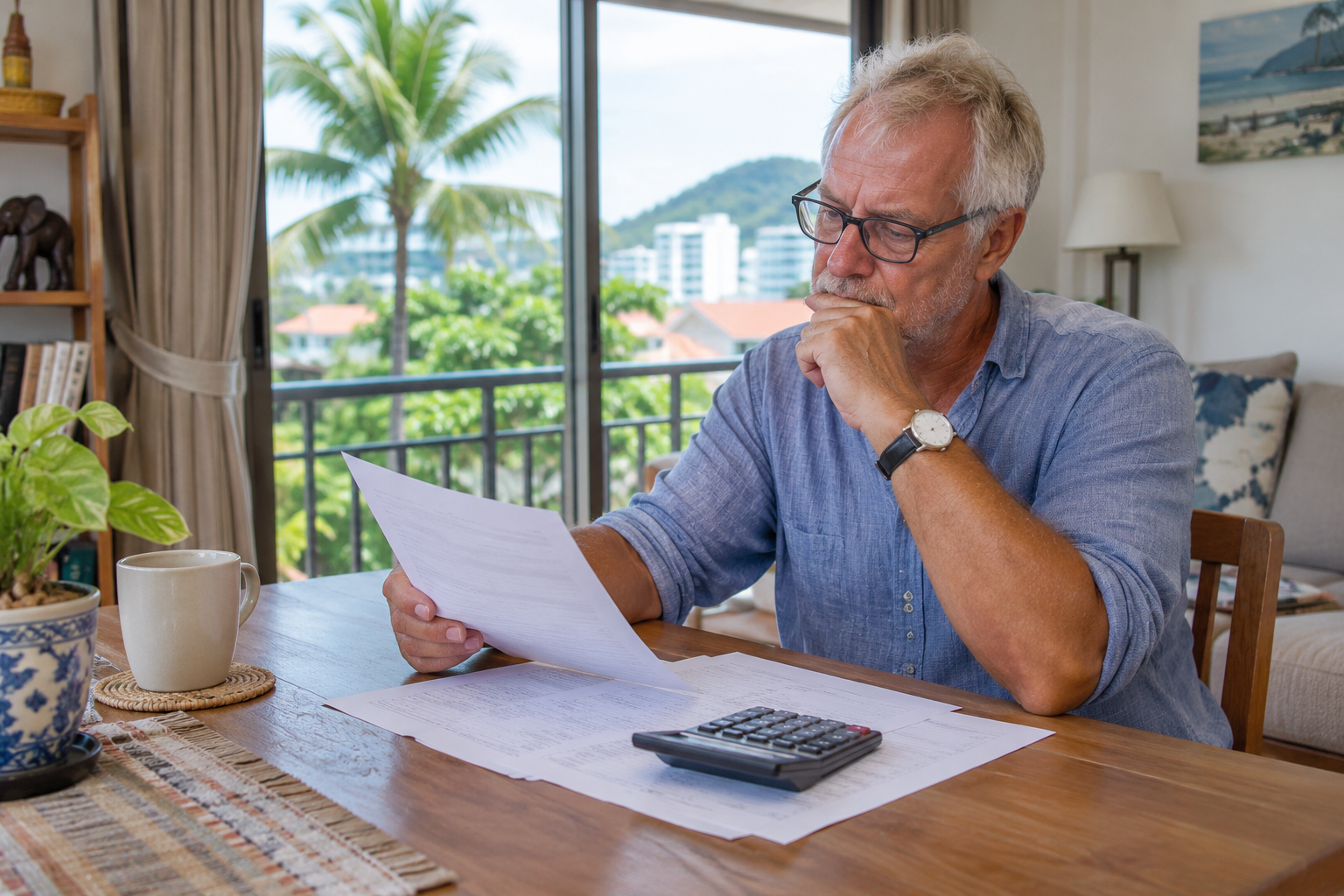
Many people who retire in Thailand are already over 60. I began looking into health insurance before moving here, and I am now in my fourth year in the country. I will be 67 next April.
Ideally, you arrive with comprehensive cover at a price you can afford. That protection can bring peace of mind and help with serious illness, including the cost of repatriation. In practice, affordable cover becomes much harder to find as you get older.
I spoke with several insurance brokers. They generally collect your personal details and medical history, send them to international and local insurers, then compare the offers and exclusions. The prices and terms vary with your age and health, but I found the options were broadly similar.
How Pre-Existing Conditions Affect Cover
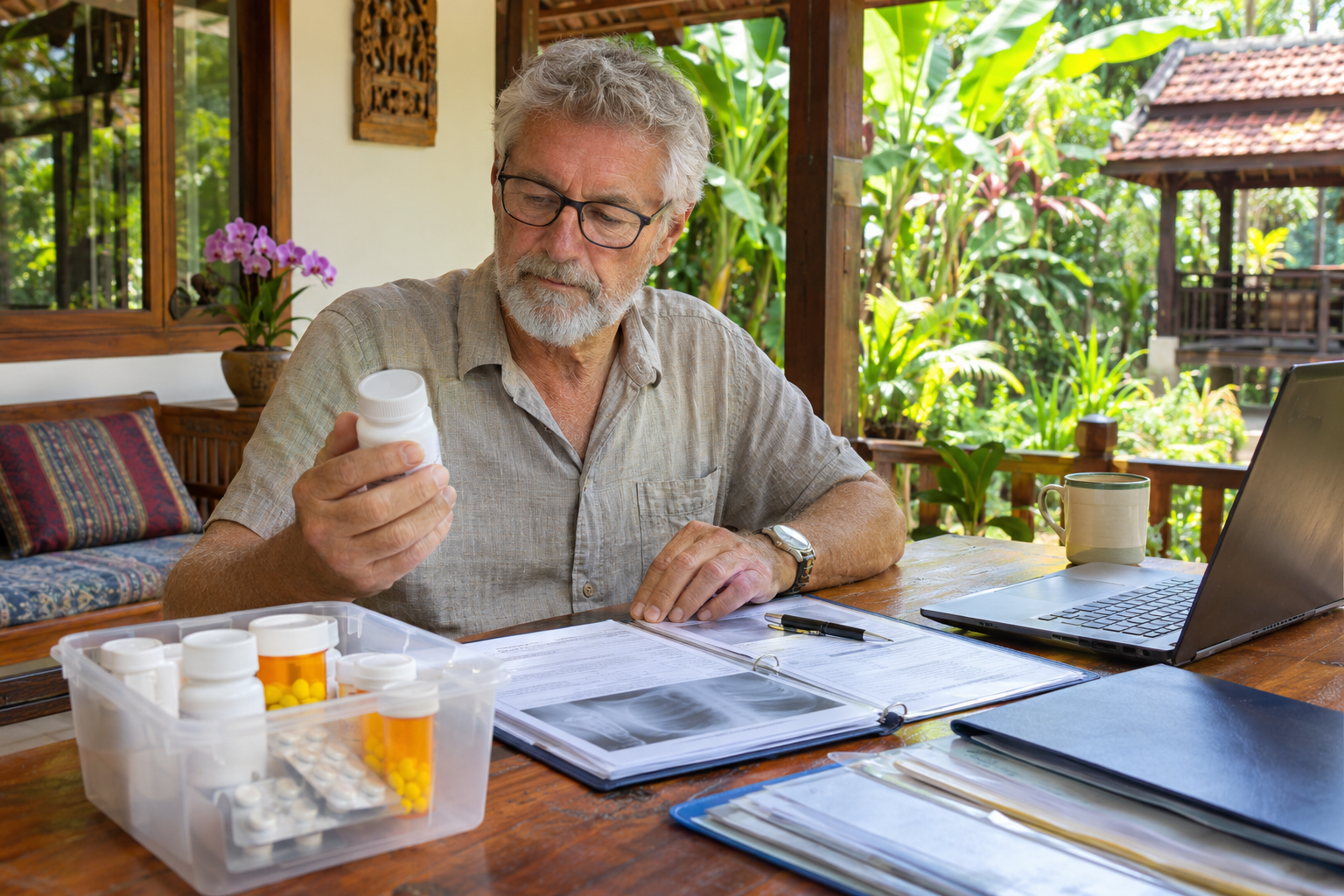
I feel well, but I have a history of high blood pressure and high cholesterol. Medication keeps my blood pressure under control, I have blood tests at least every six months, and I take a statin. Even when a condition is well managed, insurers may still treat it as pre-existing.
When applying, disclose your full medical history. If an insurer later finds an omitted condition, it may refuse a claim. Policy exclusions can also apply to circumstances such as riding a motorbike after drinking or riding without a helmet, so read the terms carefully rather than assuming what is covered.
My blood pressure improved after I lost weight, and it is now normal. The medication and my cholesterol treatment have still affected the cover available to me.
Applying for Health Insurance After 60
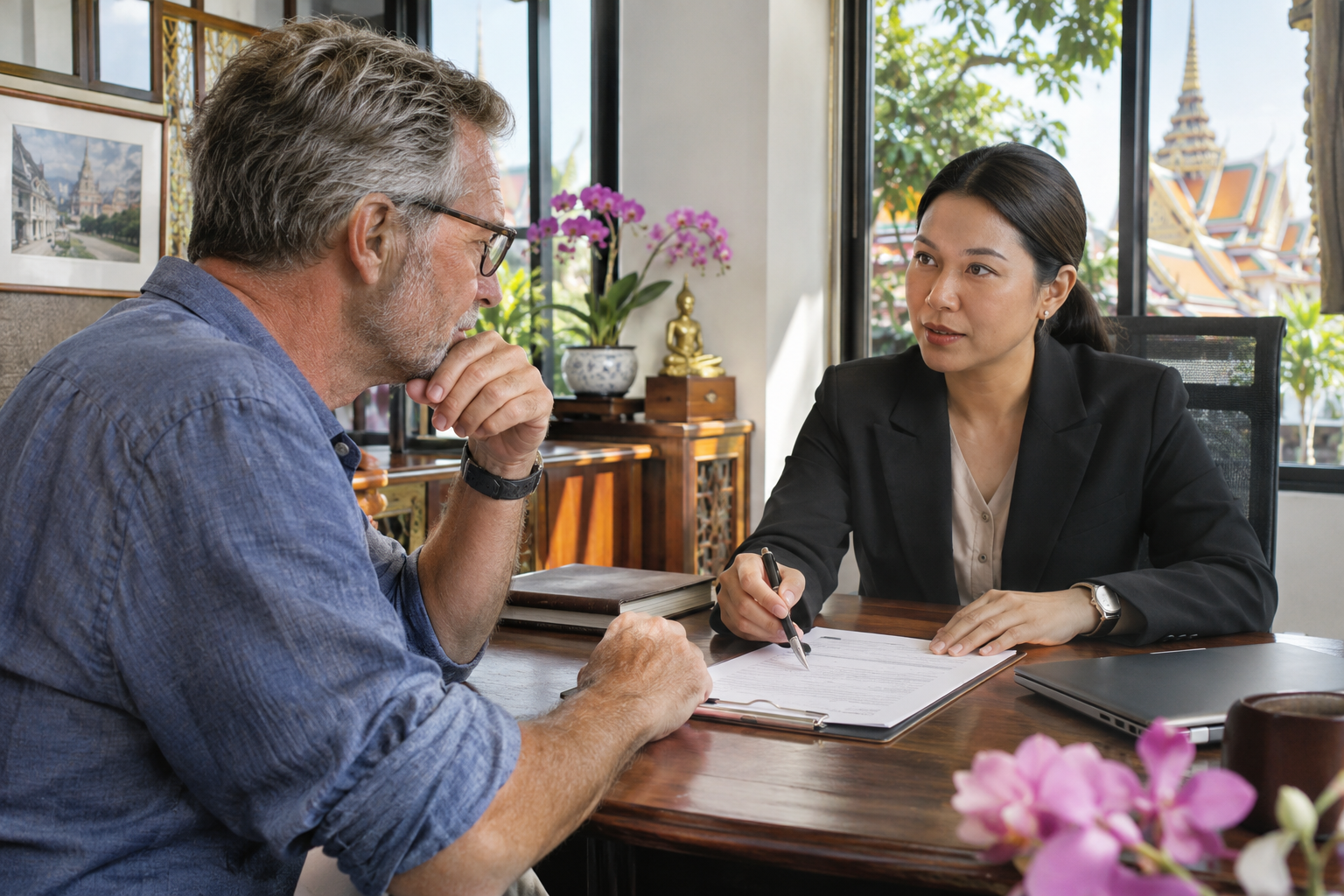
I first applied when I was 62. One application asked for details of every clinic or hospital I had visited during my lifetime. After travelling for 30 years, I could not remember every doctor, date and location, so I explained that I had visited clinics and hospitals around the world but had never been admitted for a serious condition.
I answered the questions as fully as I could and received an offer. The insurer was willing to cover me, but excluded heart attacks and strokes. Those were among the risks I most wanted covered, which made the policy much less useful to me.
The Risks of Going Without Insurance

In hindsight, I wish I had accepted that policy at 62. It was relatively affordable and would have covered other conditions. I had also seen how a serious illness could require repatriation; one retired expat I knew became too ill to fly and had to remain in hospital until travel was possible.
A heart attack or stroke can cost 350,000 to 500,000 baht to treat, according to the figures I was given. Longer treatment, tests, specialist care and medication can cost far more and quickly consume retirement savings. A person can feel well one day and face substantial bills after an unexpected illness.
Some people assume they can pay for minor treatment in Thailand and fly home for anything serious. That plan depends on being fit to travel. I would not rely on a flight being possible when urgent treatment is needed.
I have heard people say they could return to the UK and use the NHS. I would check current eligibility and practical travel arrangements directly rather than treating that as a guaranteed fallback.
Reducing an Insurance Premium
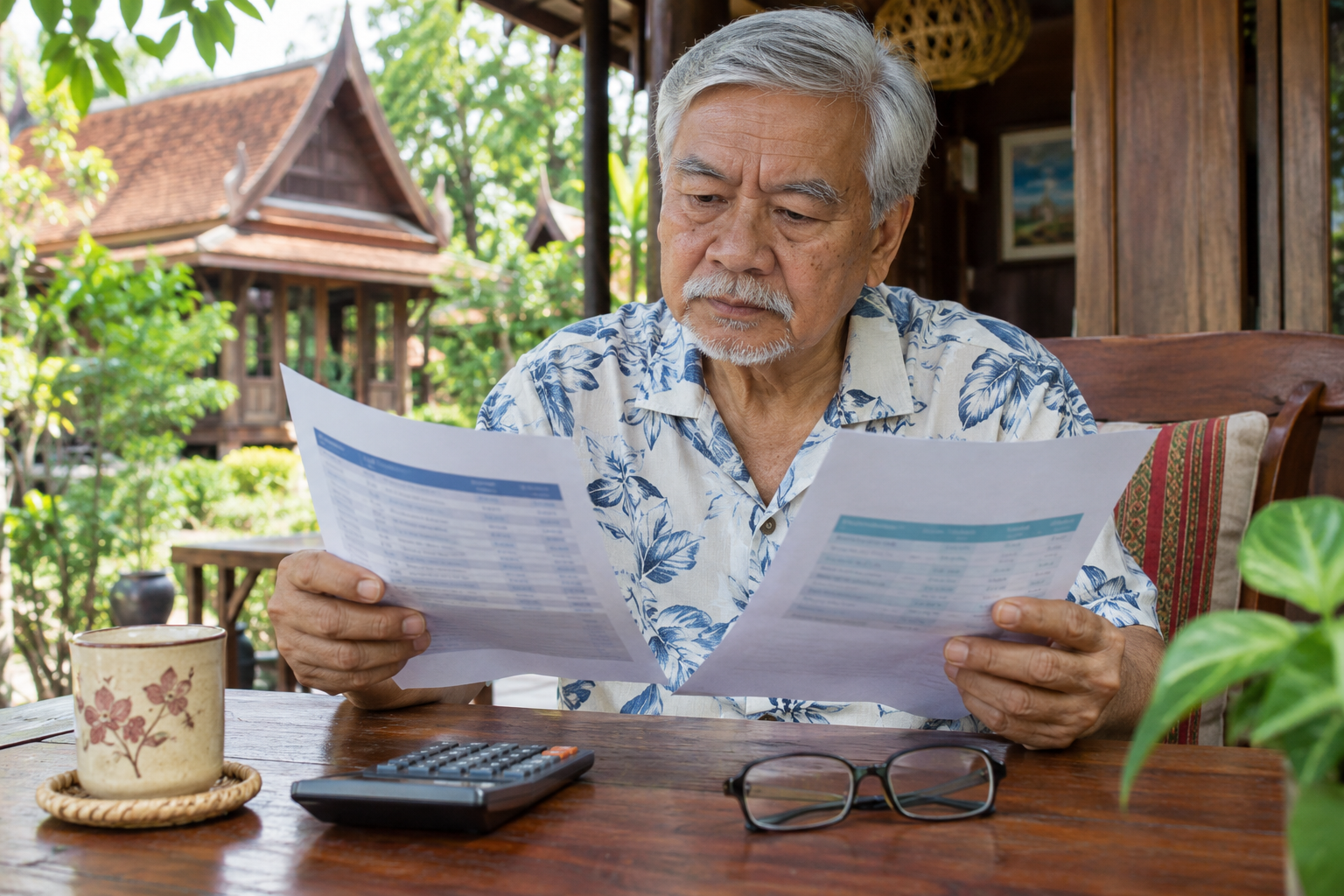
My first quote, when I was 62, was 88,000 baht a year. I could have reduced it to about 44,000 baht by accepting a 100,000-baht excess and excluding outpatient treatment. I regret not taking the policy then. I am now past 65, and the application would require a hospital form completed by a doctor; for me, that opportunity has passed.
With the excess, I would have paid the first 100,000 baht of any claim. That is a substantial amount, but it may be manageable compared with a hospital bill of several million baht. The insurer told me that this choice reduced the premium by roughly 15 to 18 percent.
I also chose not to cover outpatient care because routine visits can be relatively inexpensive here. For example, follow-up visits to remove or replace a cast may cost less than adding outpatient cover to a policy. Compare the premium savings with the costs you would be prepared to pay yourself.
What Self-Insurance Means

Self-insurance means setting aside money for healthcare instead of buying a policy. I keep the idea simple: use a separate account, put in what you can afford, and build the balance over time. The larger the reserve, the more protection it can provide.
That fund is not a substitute for lifelong insurance or unlimited treatment. It is a reserve for immediate costs. For example, a 400,000-baht balance could cover a single emergency bill of that amount, but a prolonged illness could use it up quickly.
A savings target on its own does not guarantee adequate cover. Before relying on self-insurance, research likely treatment costs and how far your available funds would stretch.
Comparing Clinic and Hospital Costs
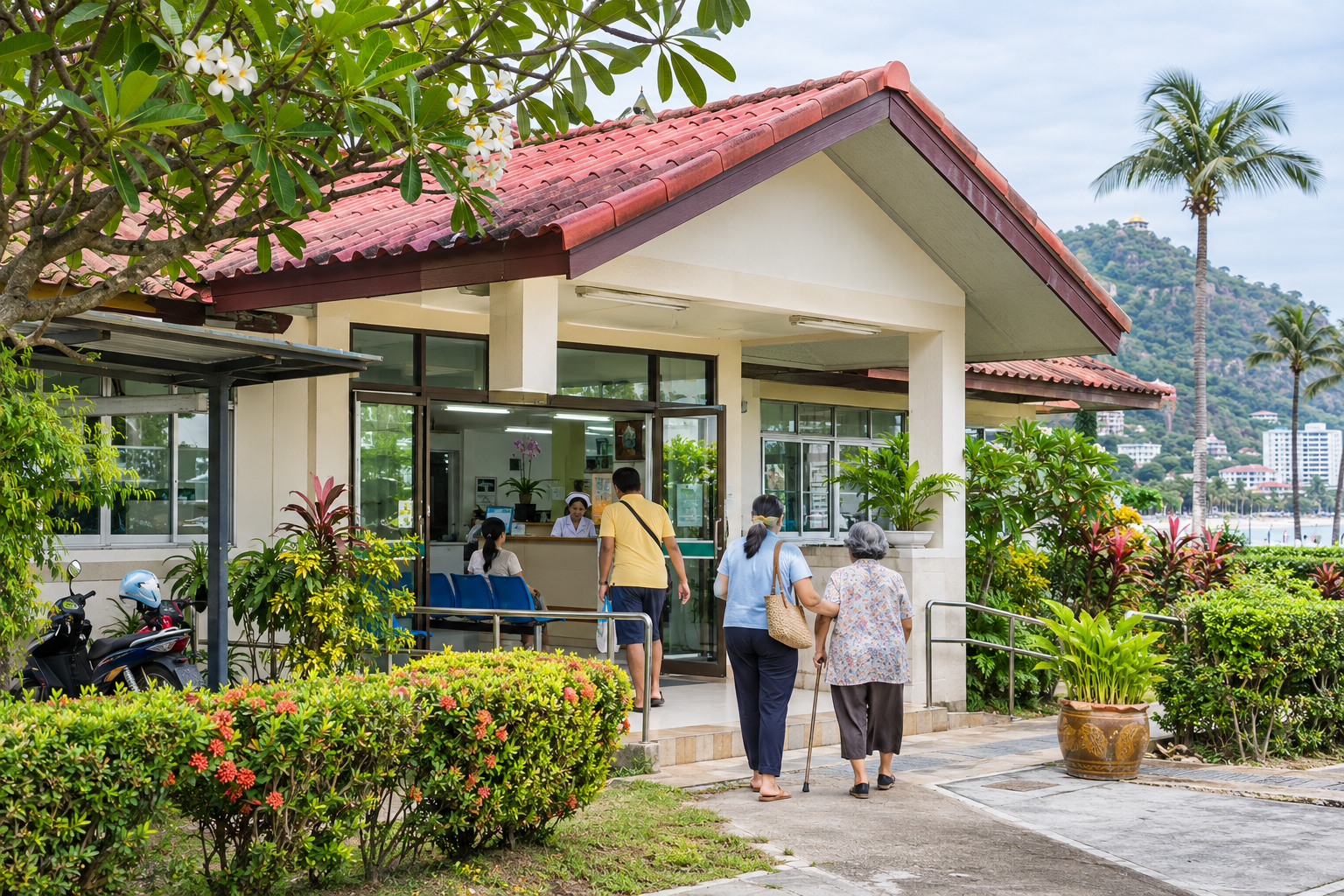
I have had health checks at several facilities in Hua Hin. A check-up at Bangkok Hospital cost about 12,000 baht, while the same tests at San Paulo cost 3,600 baht. At the government hospital, I paid 1,600 baht and received the results in English.
Private hospitals may also charge a consultation fee of up to 1,200 baht, even for a brief visit. For a minor issue, a clinic may be able to provide an assessment, blood test or lab report without the same hospital consultation charge. It is worth asking what each service costs before booking.
Prices and services differ, so compare the actual tests and reports included. A lower price is useful only if the care meets your needs.
Getting Care at Hua Hin Government Hospitals

The treatment at Hua Hin’s government hospital has been good in my experience, though the main waiting areas can be crowded. There is also an executive service that may offer a shorter wait for an additional fee. I was told the fee was around 400 baht, while someone else mentioned 1,000 baht, so check the current price with the hospital.
You can ask how to book an appointment and whether a doctor is available on a particular day. If you do not speak Thai, an interpreter or hospital companion can help you ask questions and keep notes; I was told this could cost about 1,000 baht for a day. See my guide to speaking Thai in Thailand for more on getting by with limited Thai.
I was also told that San Paulo Hospital has an arrangement to transfer some patients to Hua Hin Hospital when specialist equipment is unavailable. Ask both hospitals how referrals work and what charges to expect. For local context, see my guide to Hua Hin.
Planning for Major Medical Costs
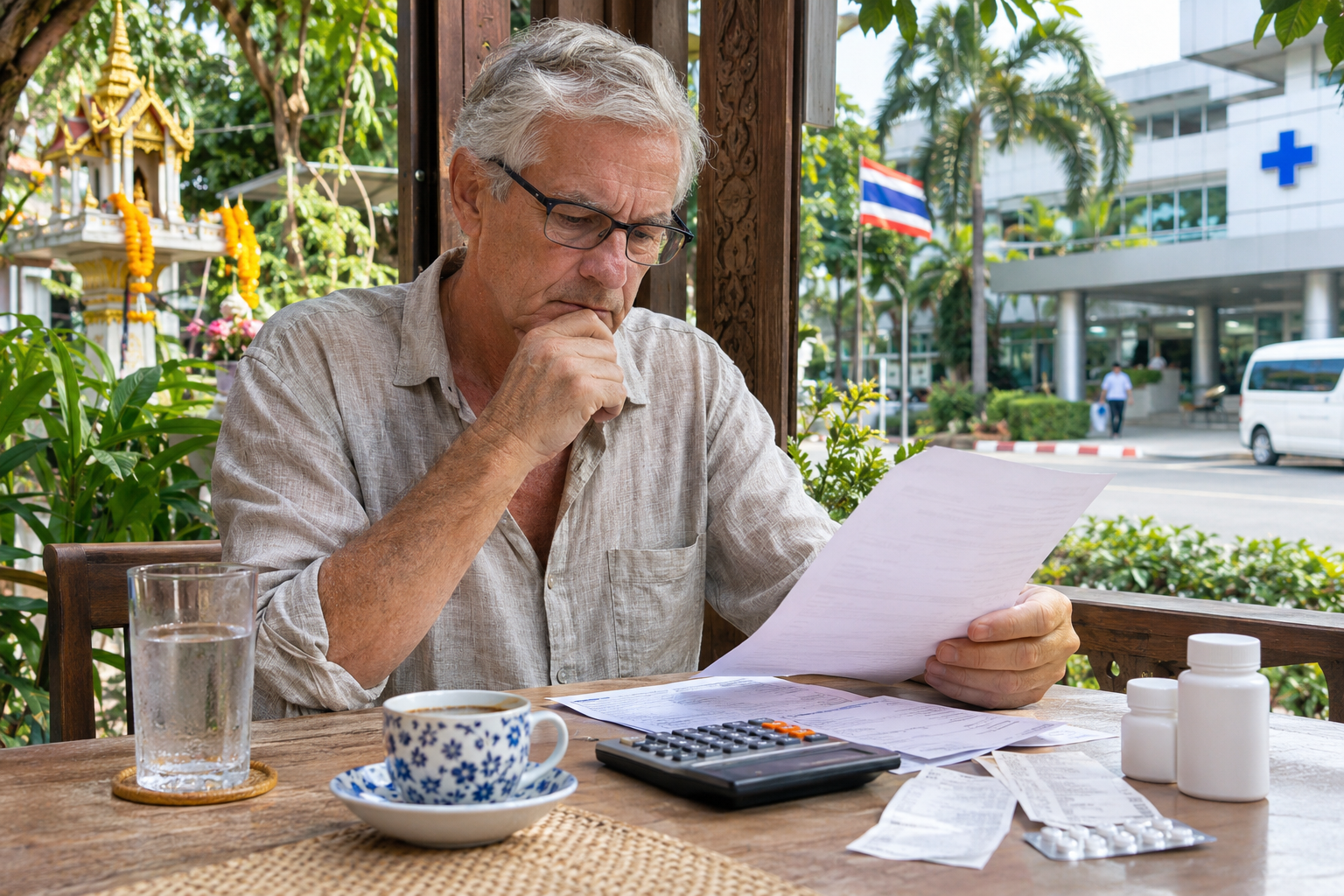
I keep about one million baht in savings for healthcare. That is roughly £23,000, but it could be used up quickly during a long hospital stay. The right reserve depends on your health, budget and the kind of treatment you may need.
Thailand has a wide range of healthcare facilities, including hospitals that attract international patients. They provide professional care, but they are businesses and patients are responsible for understanding how treatment will be paid for. Ask about costs and payment arrangements before relying on a particular hospital.
Comparing Prescription Medication Costs

I take medication for blood pressure, cholesterol and triglycerides. A four-month supply from a pharmacy costs me about 6,000 baht. Four months is the longest supply I have been able to get at one time from a government hospital.
At a recent visit, an English-speaking doctor at Hua Hin’s government hospital offered me the same medicines, in a Thai brand with the same ingredients, for 450 baht for four months. Check the medicine, dose and supply with a doctor or pharmacist before switching brands.
Comparing Inpatient Hospital Costs

Before choosing self-insurance, ask hospitals about room rates and other inpatient charges. I have seen rates of up to 20,000 baht a night at large Bangkok hospitals, while Christian Hospital on Sala Daeng was about 5,500 baht when I last checked. Confirm current prices directly, since they can change.
The room is only part of the bill. Doctor visits, meals, X-rays, medication and nursing care may each be charged separately. Ask for an itemized estimate and compare the likely total across facilities.
When settling into a new area, contact nearby hospitals and ask about rooms, round-the-clock nursing, ambulance services, medicines and inpatient treatment. Keep the current local emergency numbers handy rather than relying on a number you have not verified.
If insurance is not available, that does not automatically mean you cannot retire in Thailand, but it does mean planning carefully. I pay for my medication and hope I will not face a major illness.