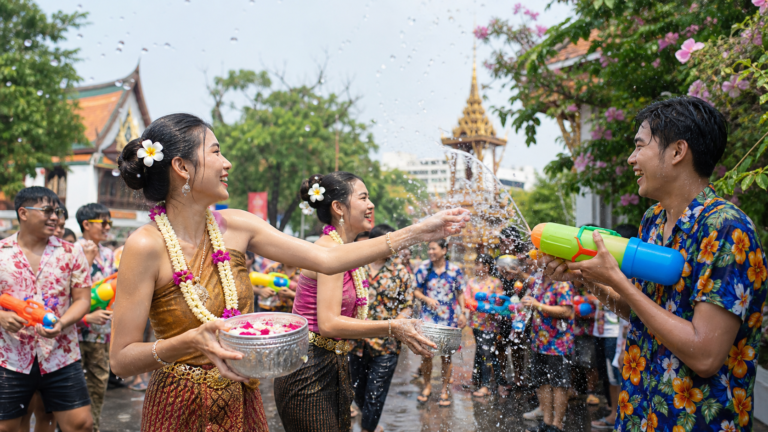
Thailand Rainy Season Guide: Bangkok Weather, Transport, and Costs
What Bangkok Rainy Season Usually Means
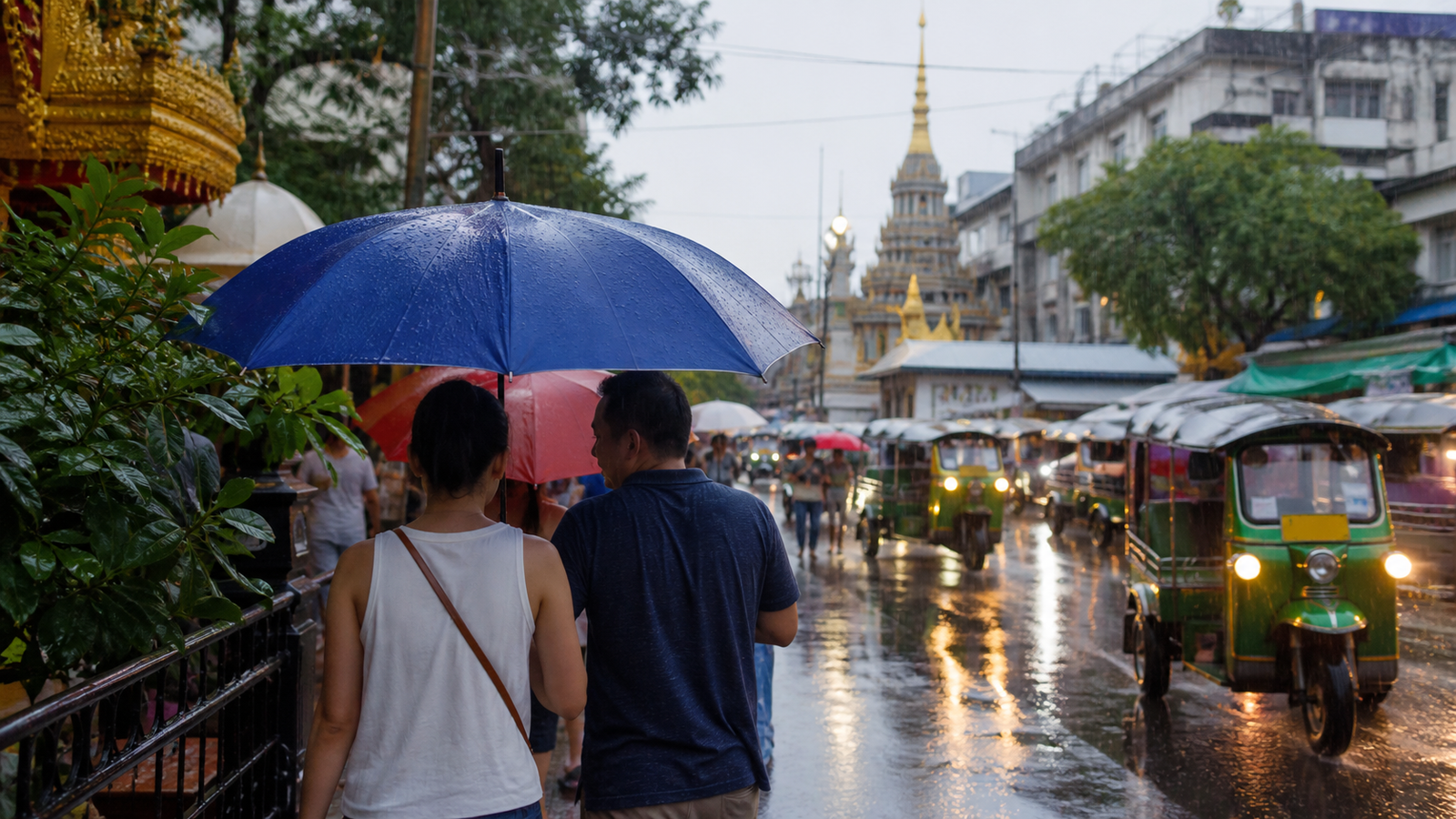
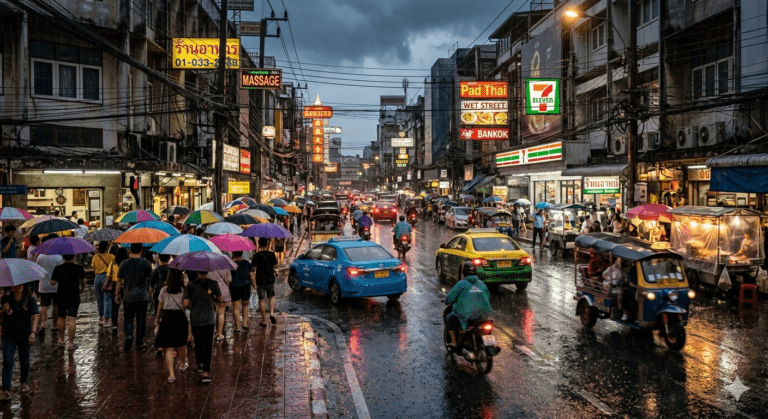
Thailand’s rainy season is a useful travel period when you plan around showers rather than expecting every day to be wet. Bangkok can have intense bursts of rain, thunderstorms, heat, and occasional flooding, while other hours may be bright and comfortable.
Check current forecasts and local weather warnings before heading out. Keep plans flexible, allow extra travel time, and treat official advice about flooding, storms, or air quality as more important than a fixed sightseeing schedule.
Traveling Around Bangkok in Heavy Rain
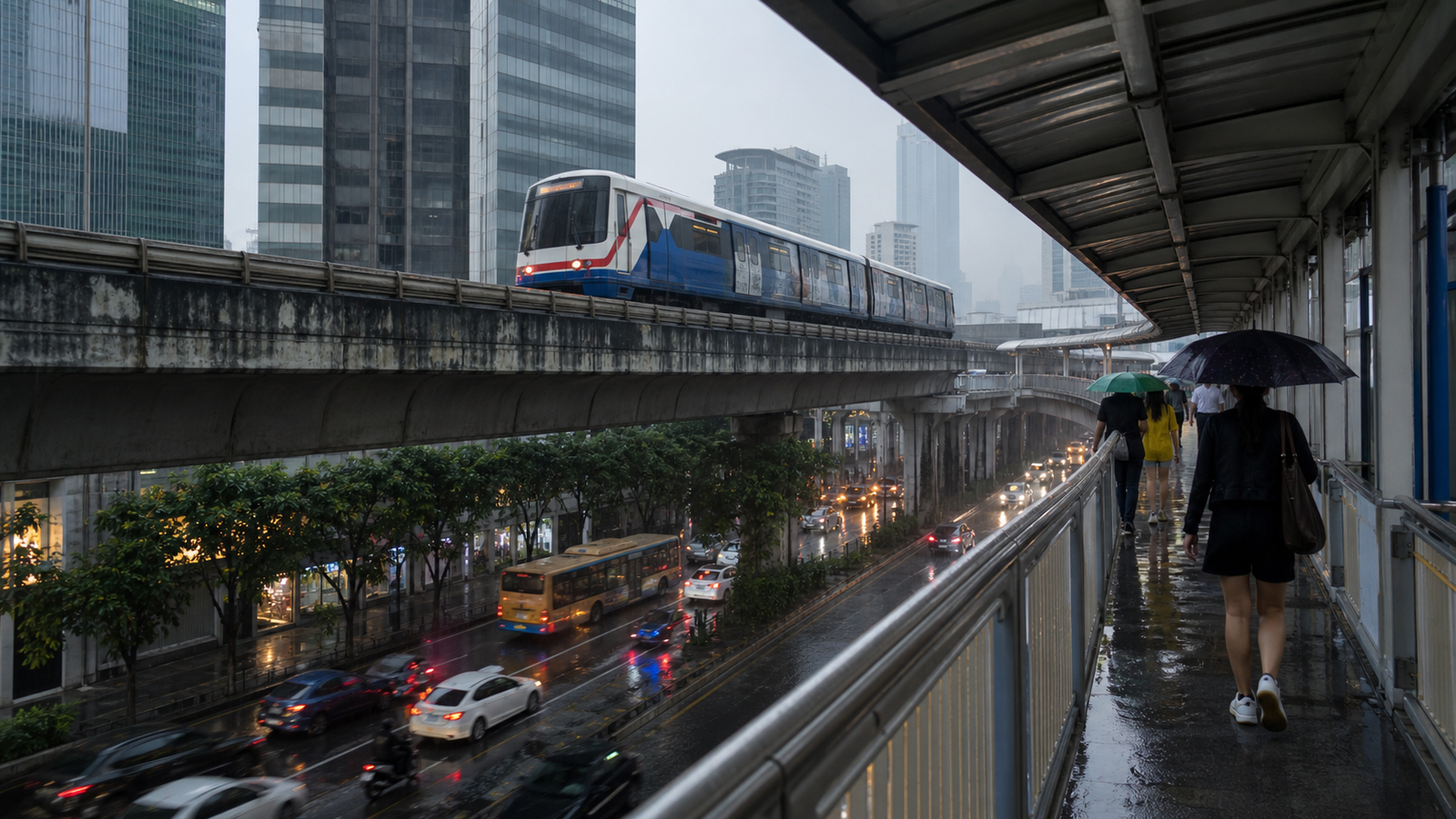
Rain can make Bangkok traffic much worse and can increase waiting times for taxis and ride services. BTS and MRT trains are often the more predictable option, although you may still need a covered route between the station and your destination.
Avoid motorbike taxis in heavy rain and be cautious with slippery roads, standing water, and vehicles that may not stop quickly. Skywalks, covered walkways, and nearby malls can turn a difficult transfer into a manageable one.
What to Wear and Carry in Wet Weather
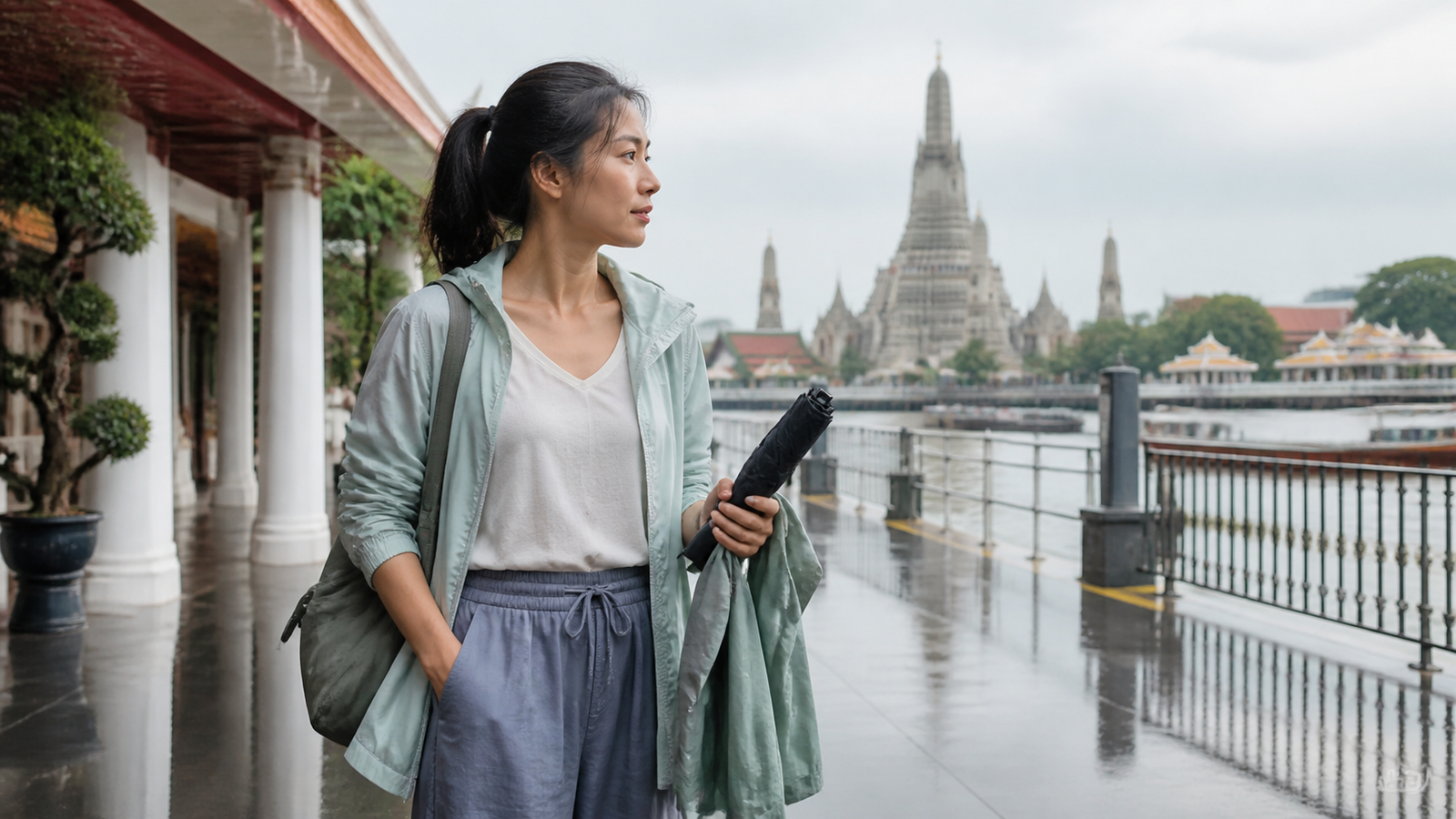
A compact umbrella, lightweight raincoat, quick-drying clothes, and a waterproof phone pouch are useful additions to a Bangkok day bag. Choose shoes with grip and enough coverage for wet pavements rather than delicate white trainers or completely open flip-flops.
Carry a small towel and protect passports, electronics, and medicines inside sealed bags. Local convenience stores and street vendors sell inexpensive rain protection, but check the size and construction before relying on a very cheap item.
Choosing Indoor Markets and Malls
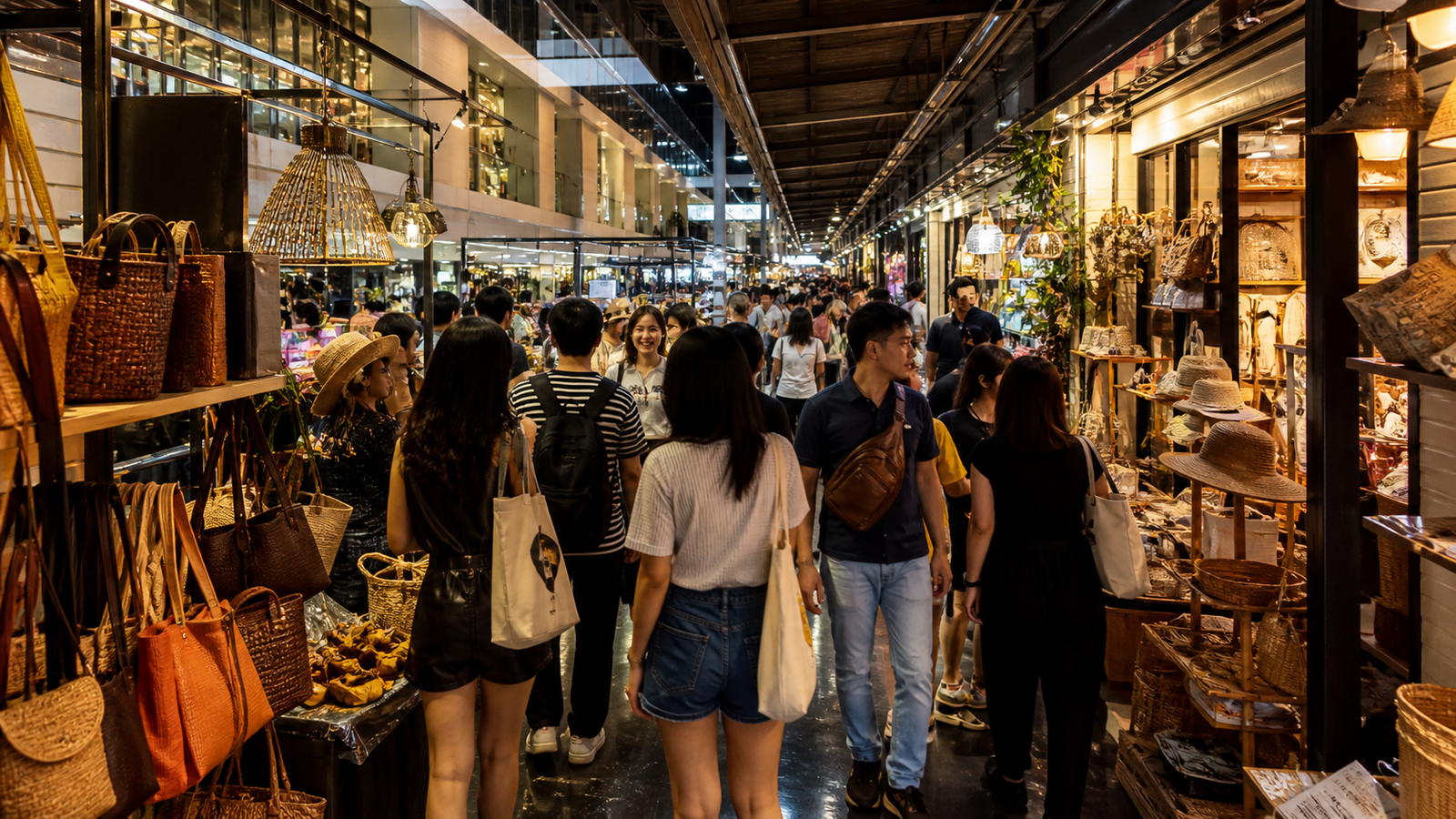
Open-air markets can become uncomfortable when rain continues, so shopping malls and covered retail centres provide a practical alternative. They offer air conditioning, toilets, food, seating, and a dry place to reorganise your route.
Indoor shopping may feel less atmospheric than a market, but it is often the safer choice during storms or flooding. Use the time to compare authentic products, check receipts and return policies, and avoid counterfeit goods marketed as luxury bargains.
Eating Street Food During the Rainy Season
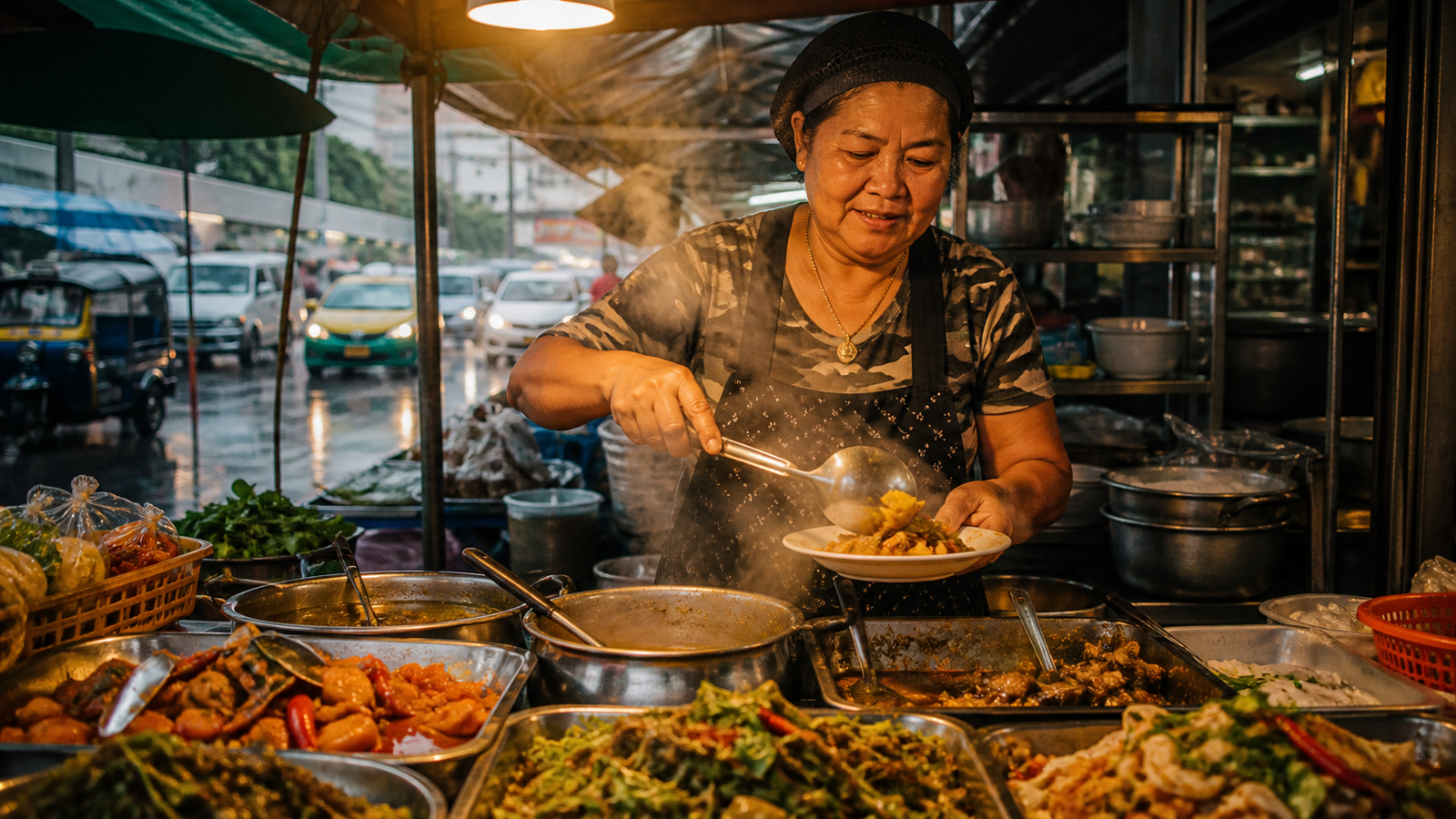
Street-food vendors often continue serving during light or moderate rain when the cooking area is sheltered. Hot noodles, rice dishes, grilled food, and drinks can make a wet afternoon more enjoyable, provided the stall maintains clean handling and good food turnover.
Avoid food or standing water that has been exposed to heavy runoff. Choose a busy vendor with clear prices, wash or sanitise your hands, and move indoors if thunder, flooding, or poor visibility makes the pavement unsafe.
Why Low Season Can Be Worth Visiting
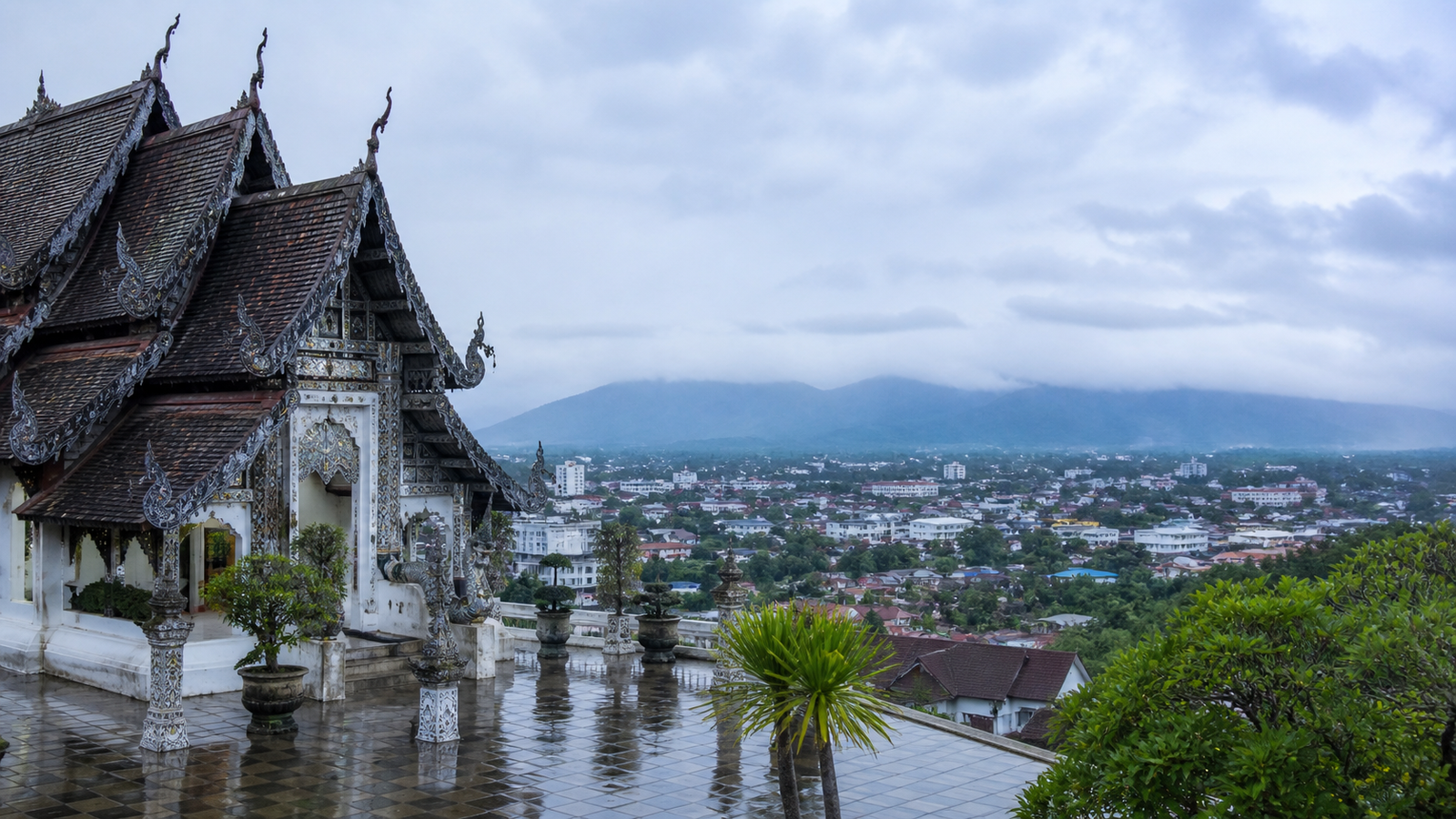
The rainy season can bring lower accommodation and flight prices, fewer crowds, cooler spells, and a more relaxed pace at temples, restaurants, and nightlife venues. The savings can make a longer or more comfortable trip possible.
The trade-off is less predictable weather and the possibility of cancelled boat trips or disrupted outdoor plans. Choose refundable bookings where practical, keep indoor alternatives ready, and let the conditions shape the day instead of treating rain as a failed holiday.
Bangkok Rainy-Season Weather Changes by Area
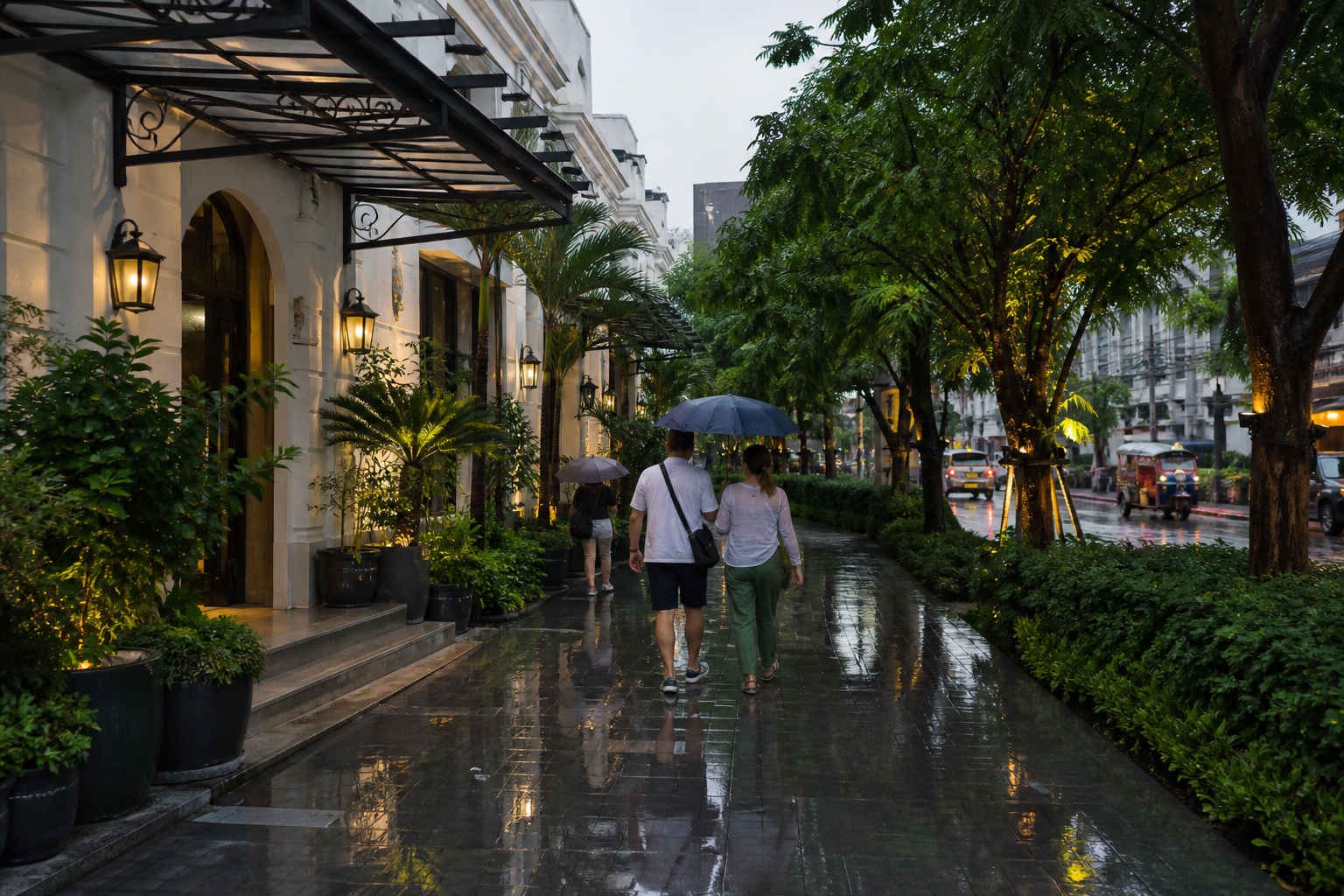
Bangkok’s rainy season can look very different from one neighborhood to the next. A forecast may show a high chance of rain, yet the shower can pass quickly while another part of the city stays cloudy. On this kind of day, the sky may be grey and breezy rather than hot, so a short outing can still be comfortable if you carry a compact umbrella.
Check the forecast shortly before leaving, allow extra time for wet pavements, and keep plans flexible. A rainy morning does not automatically mean you need to cancel a full day in Bangkok.
Bangkok Rush Hour and Transport Timing
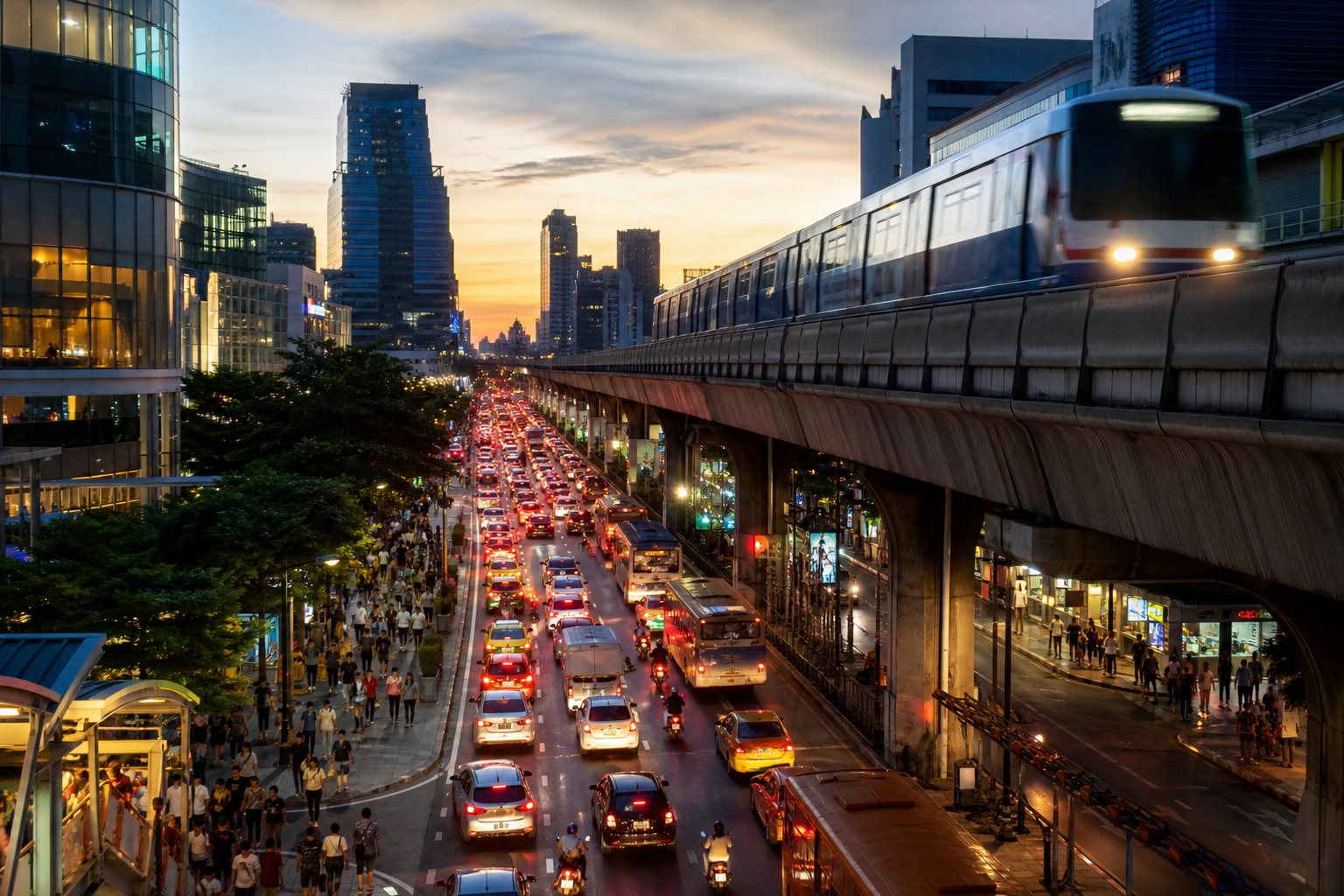
Traffic becomes much harder to predict around the evening rush, especially between about 5 and 8 p.m. Roads near busy commercial areas can slow down quickly, and a journey that looks short on a map may take much longer by car or taxi.
If your schedule allows, travel before the rush or after the main wave has eased. The BTS and MRT can be useful for crossing the city, while a short walk between stations and destinations may be simpler than sitting in traffic. Leave a little buffer for rain, crowds, and station entrances that are busier than expected.
Thai Baht Exchange Rates and Bangkok Shopping Prices
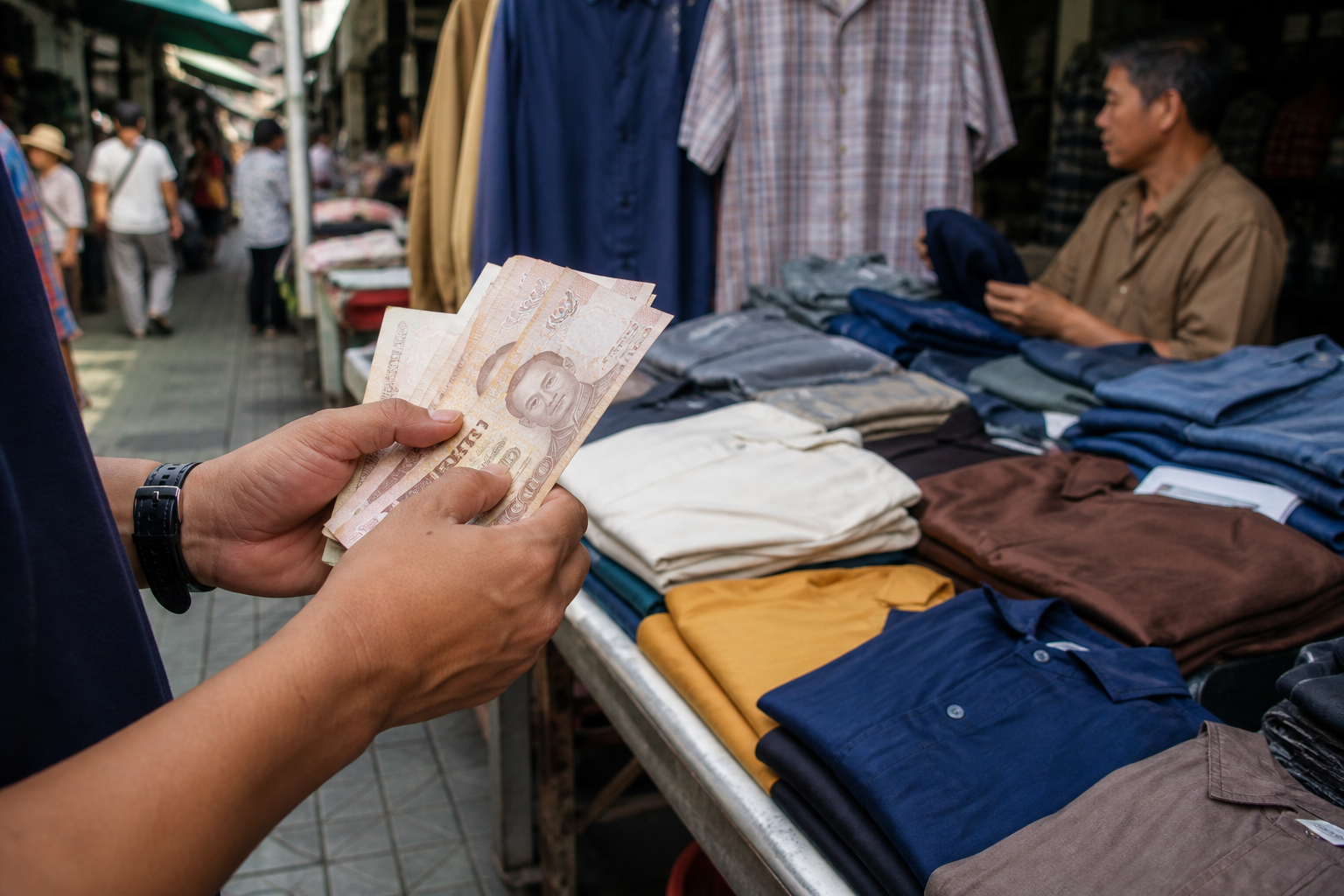
Exchange-rate boards and card payments can make everyday spending feel confusing when you first arrive. Treat any rate seen at a particular shop as a snapshot rather than a city-wide standard, and compare the displayed rate and fees before exchanging money.
Casual clothing can be inexpensive in Bangkok, but prices vary by store, fabric, promotion, and location. The source observations included shirts around 199–219 Thai Baht and polo shirts around 399 Thai Baht. Use those figures as a rough shopping example, not a guaranteed price, and keep small Thai Baht notes available for low-cost purchases.
Planning Return Flights and Entry Requirements
Questions about return tickets, visa exemption, arrival forms, and extensions come up often when planning a Thailand trip. These requirements can change, and an answer that was correct for one nationality or one date may not apply to another traveler.
Before departure, check the current guidance from Thailand’s official immigration and consular channels, your airline, and the relevant Thai embassy or consulate. Keep any required onward-travel evidence and accommodation details accessible, and do not rely on a video or an old travel anecdote as proof of today’s entry rules.
Longer-Term Rentals Need Current Local Advice
Staying in a hotel for a holiday is different from arranging a longer-term rental. Lease terms, registration requirements, building rules, and immigration conditions can depend on the property and the traveler’s status.
Use a reputable, licensed agent or property manager, read the contract carefully, and confirm that the proposed arrangement is lawful for your own visa or permission to stay. Avoid informal workarounds or signing a lease based only on someone else’s experience. If the stay is longer than a normal holiday, get current professional advice before paying a deposit.
An IKEA Food and Coffee Stop in Bangkok
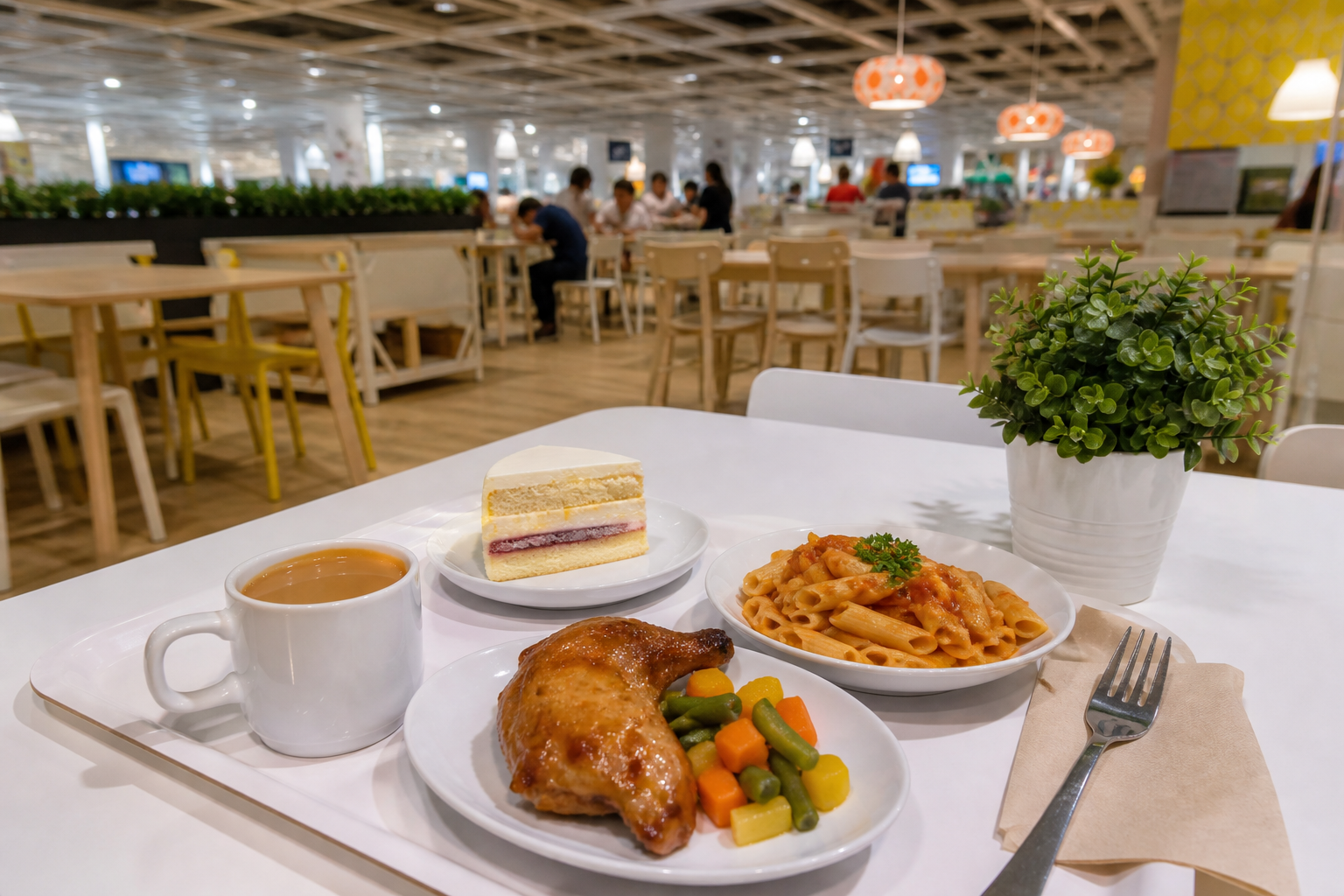
A practical break can be as useful as another sightseeing stop. The source visit to an IKEA-style Swedish restaurant included coffee, chocolate cake, chicken, and pasta, with the total coming to 287 Thai Baht. Prices and menus can change, but a food court like this can offer air-conditioned seating and a predictable pause when the weather is unsettled.
Choose a stop that fits your route, check the current menu at the branch you plan to visit, and use the break to reset before heading back into the city.
Sukhumvit Crowds and Benjakitti Park at Sunset
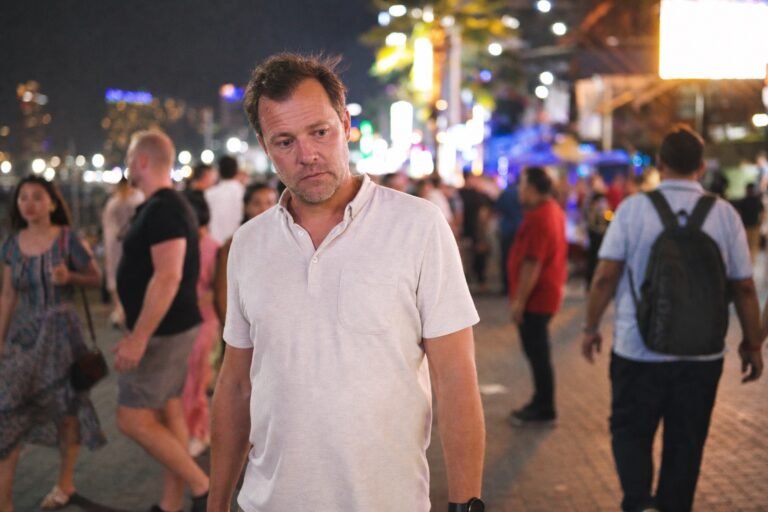
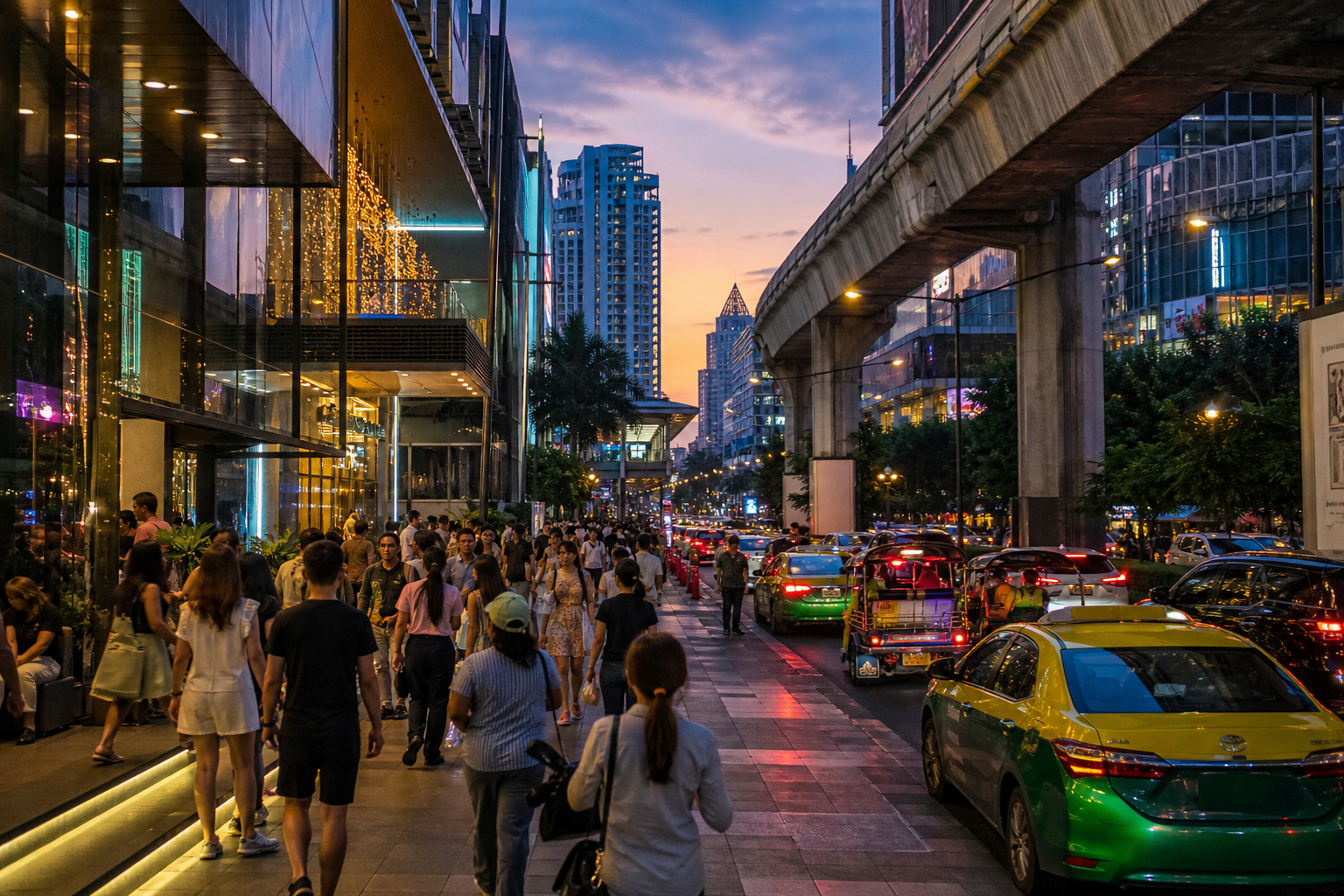
Sukhumvit between Asok and Nana becomes especially lively after sunset. Crowds, traffic, vendors, and unsolicited offers can be tiring, so keep your belongings close, confirm prices before accepting a service, and walk away from anyone who pressures you.
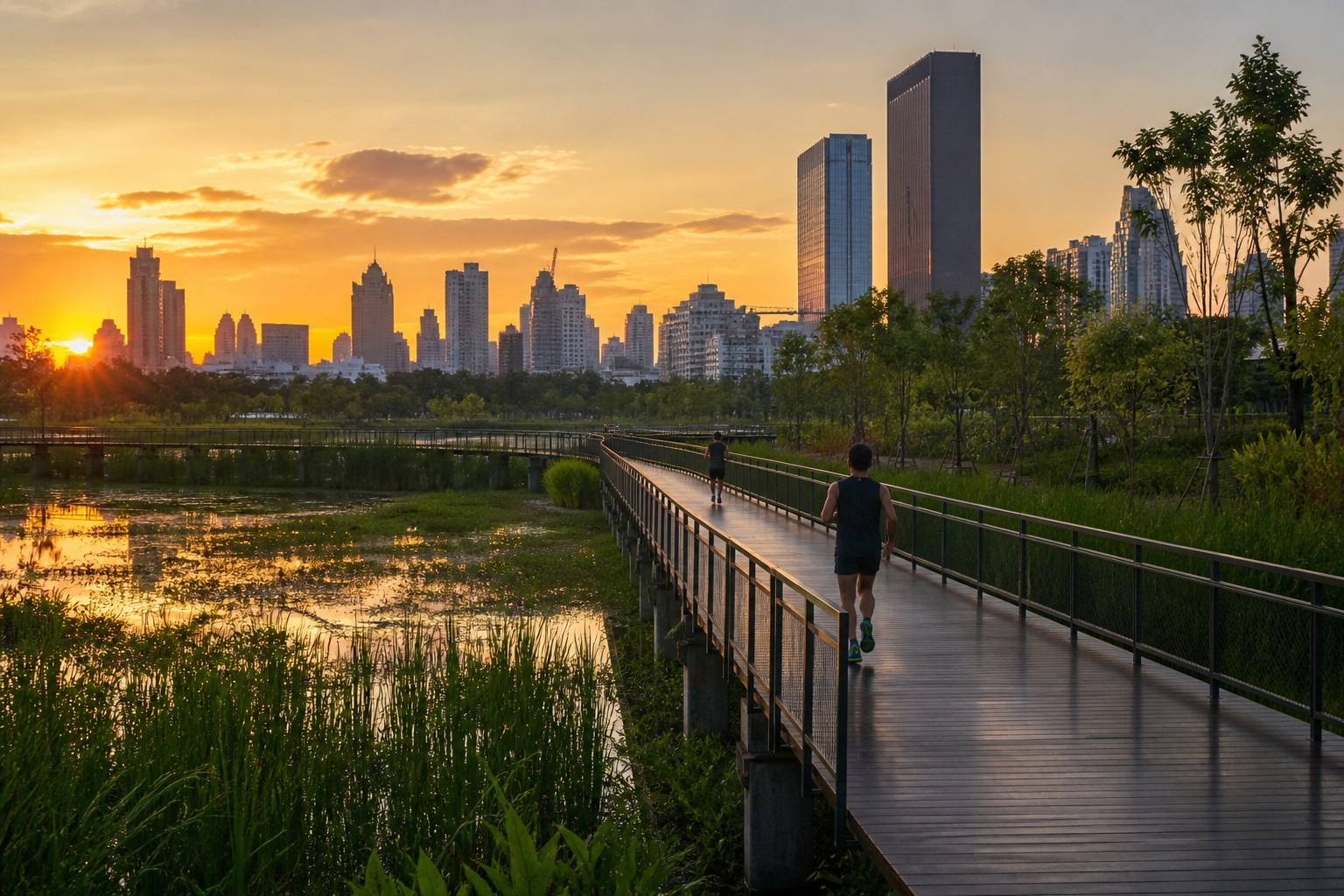
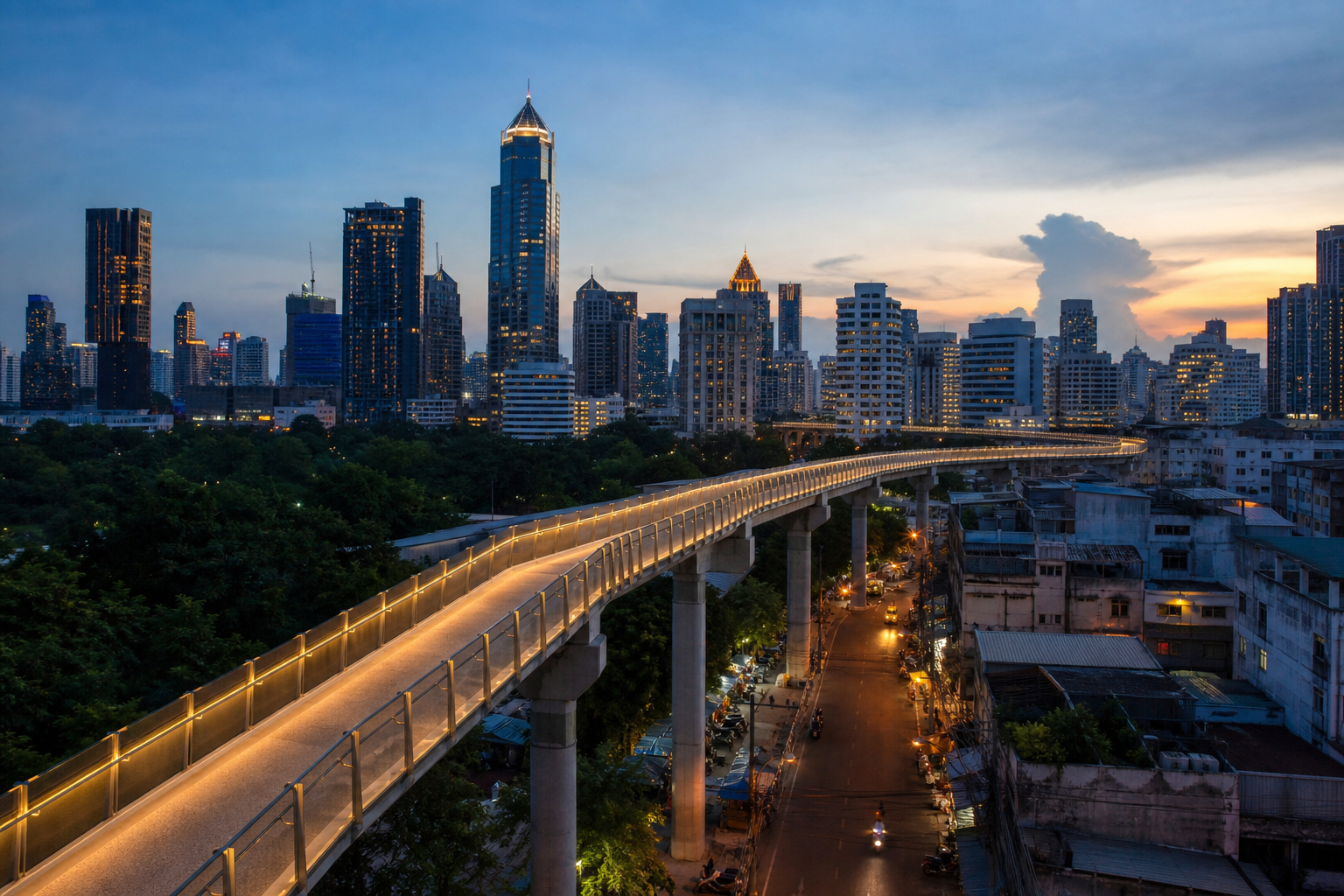
For a calmer alternative, Benjakitti Park offers open space, sunset views, walking and jogging routes, and free outdoor exercise areas. Access points and park facilities can change, so check a current map before setting out. The nearby green spaces make it possible to enjoy Bangkok at a slower pace even after a busy day.
Bangkok Rainy Season Through September
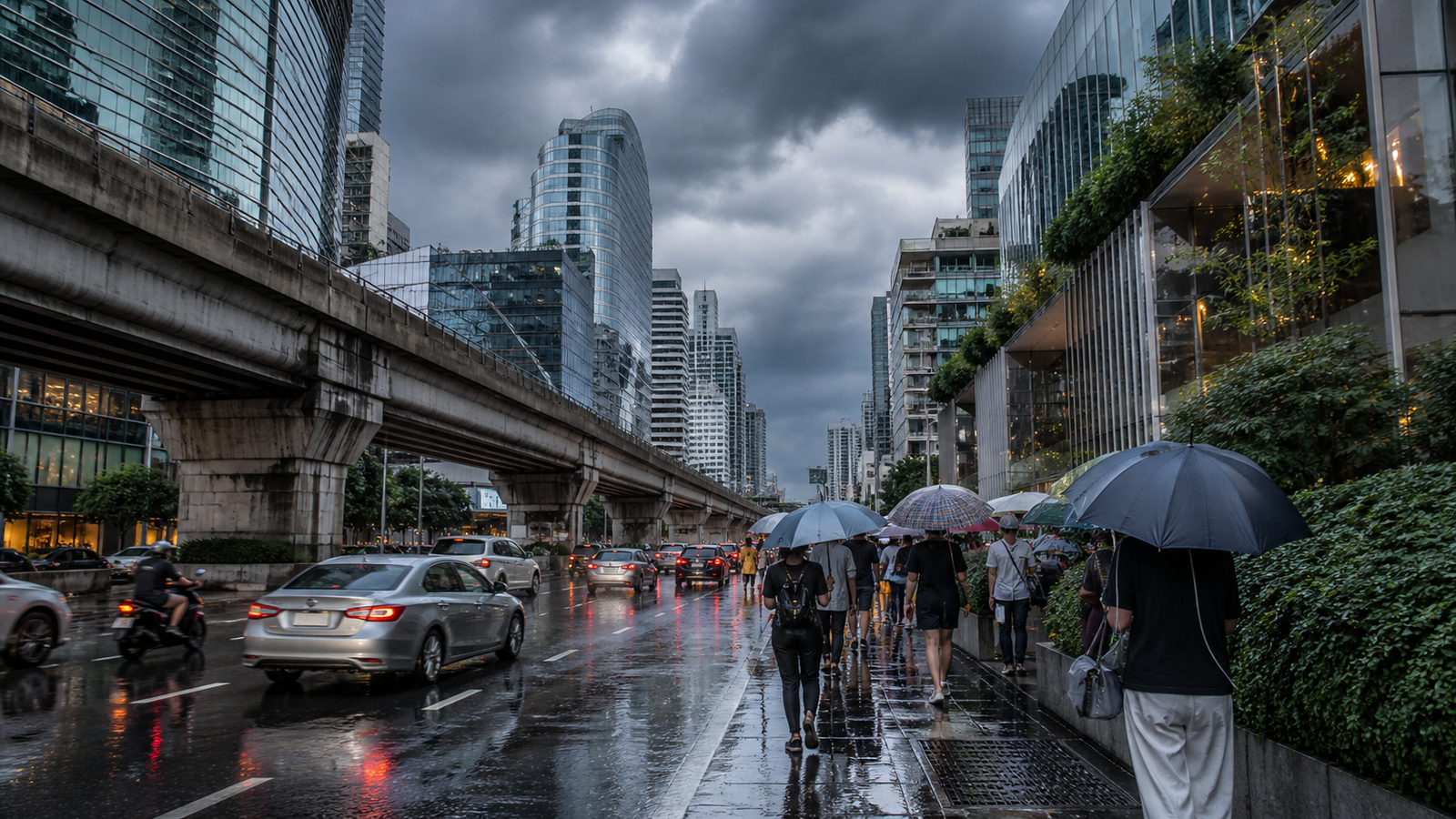
Bangkok is in the rainy season until September and it can rain almost every day. The weather can change quickly, so it is useful to be prepared for rain, but cloudy and windy conditions can also pass without rain.
The rainy season does not stop Bangkok from being active. New shops continue to open, including a 7-Eleven-style market inside Asok station, and the city remains busy.
Asok and Nana Money Exchange Rates
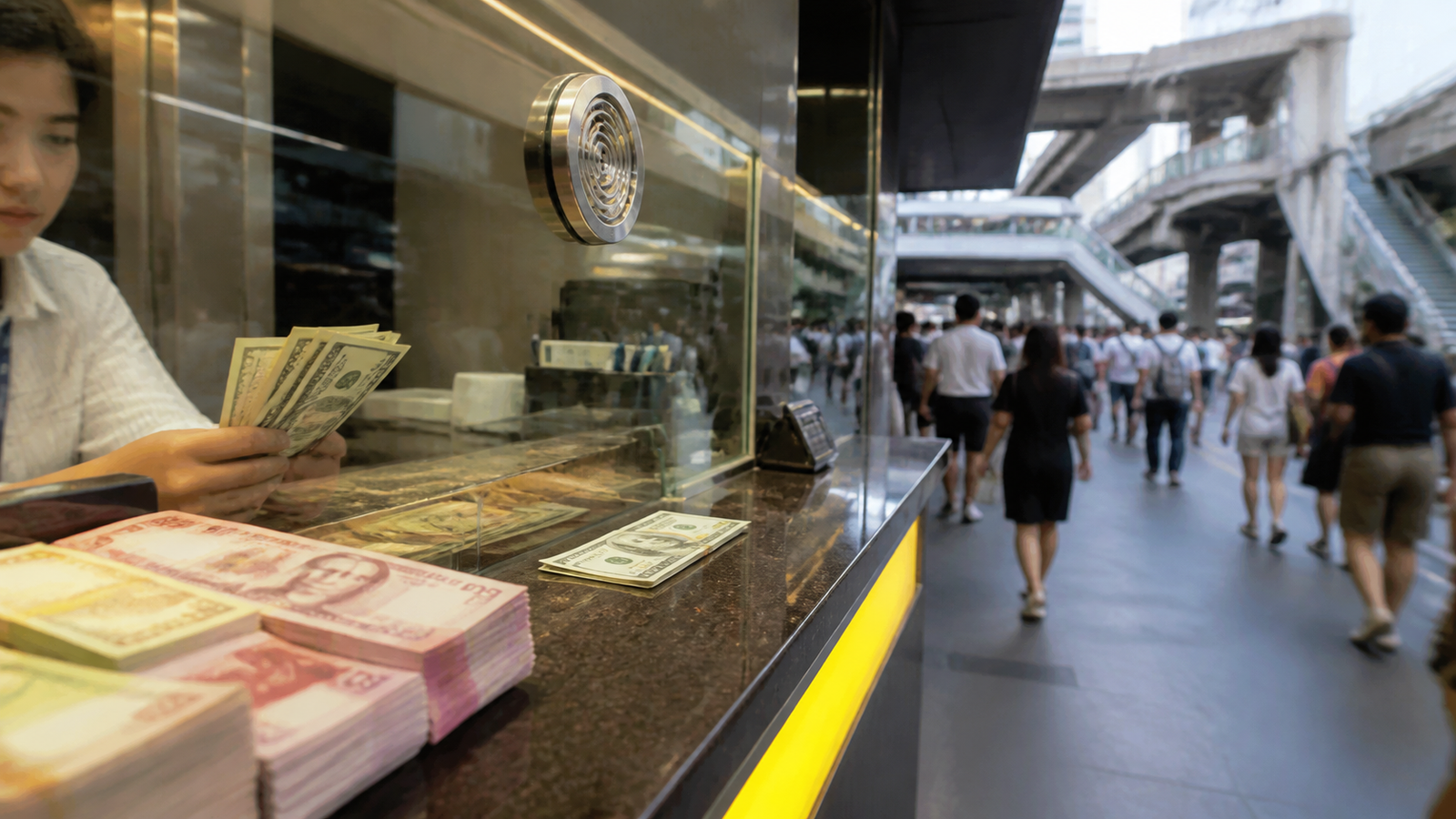
At Super Rich the queue was long and the rate was 34.08 baht for one US dollar, compared with 35 two weeks earlier. At Soi 5, not far from Nana station, the rate was 34.10.
Most shops offered a similar rate. The Soi 5 exchange shop had no long queue and did not require a passport. The Asok–Nana area is one of the busiest parts of Bangkok because of hotels, tourists, nightlife, restaurants, and money exchange. It suits visitors who want a lively area, but not people who dislike crowds or pushy vendors.
BTS Nana to National Stadium and MBK
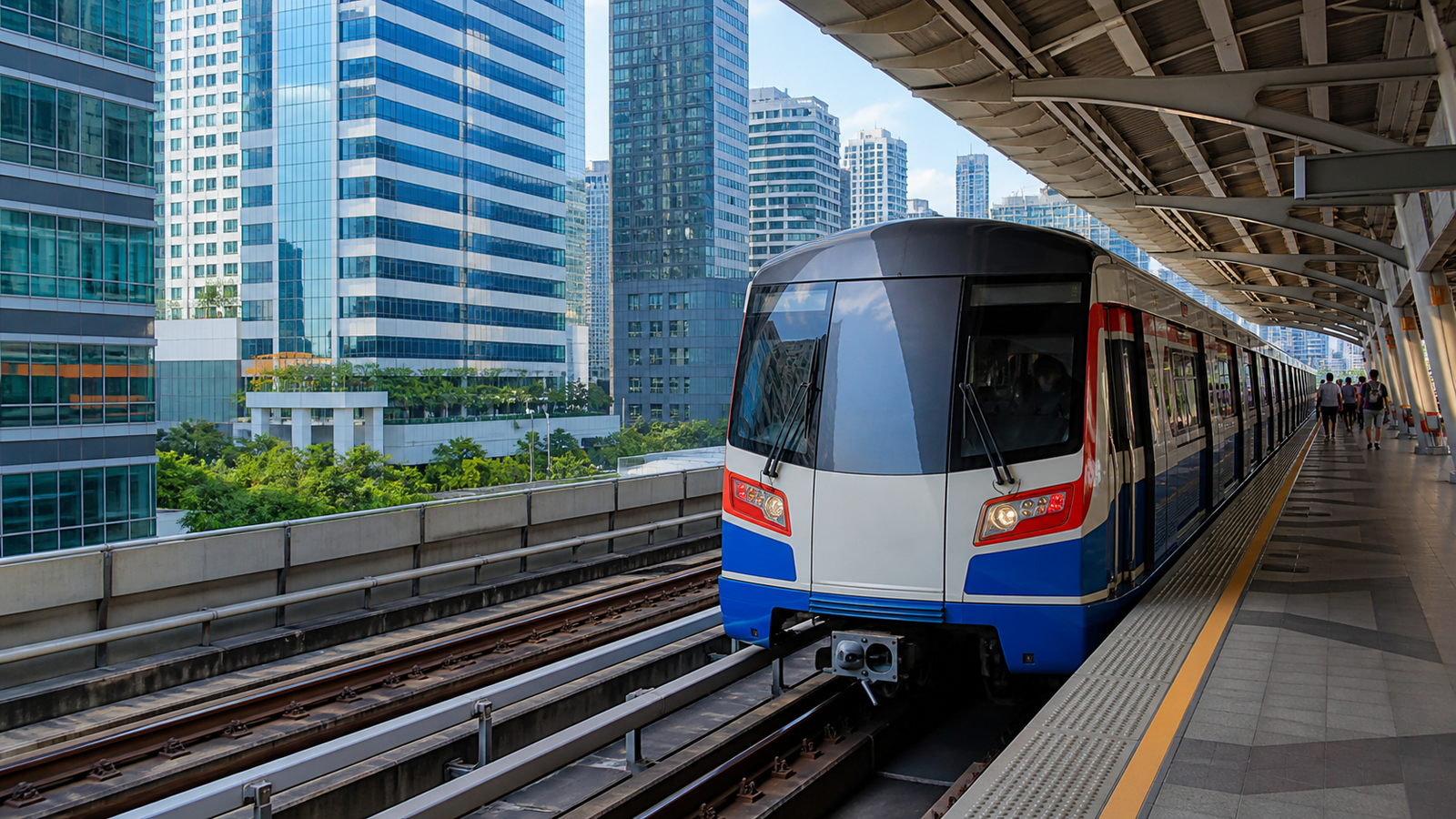
From Nana station, the BTS can be taken to National Stadium for MBK. Motorbikes are everywhere, so care is needed when walking on the streets.
Even when rain is expected, the day may stay cloudy and windy without rain. MBK offers an indoor option for shopping when the weather is uncertain.
MBK Ground-Floor Promotions and Shopping
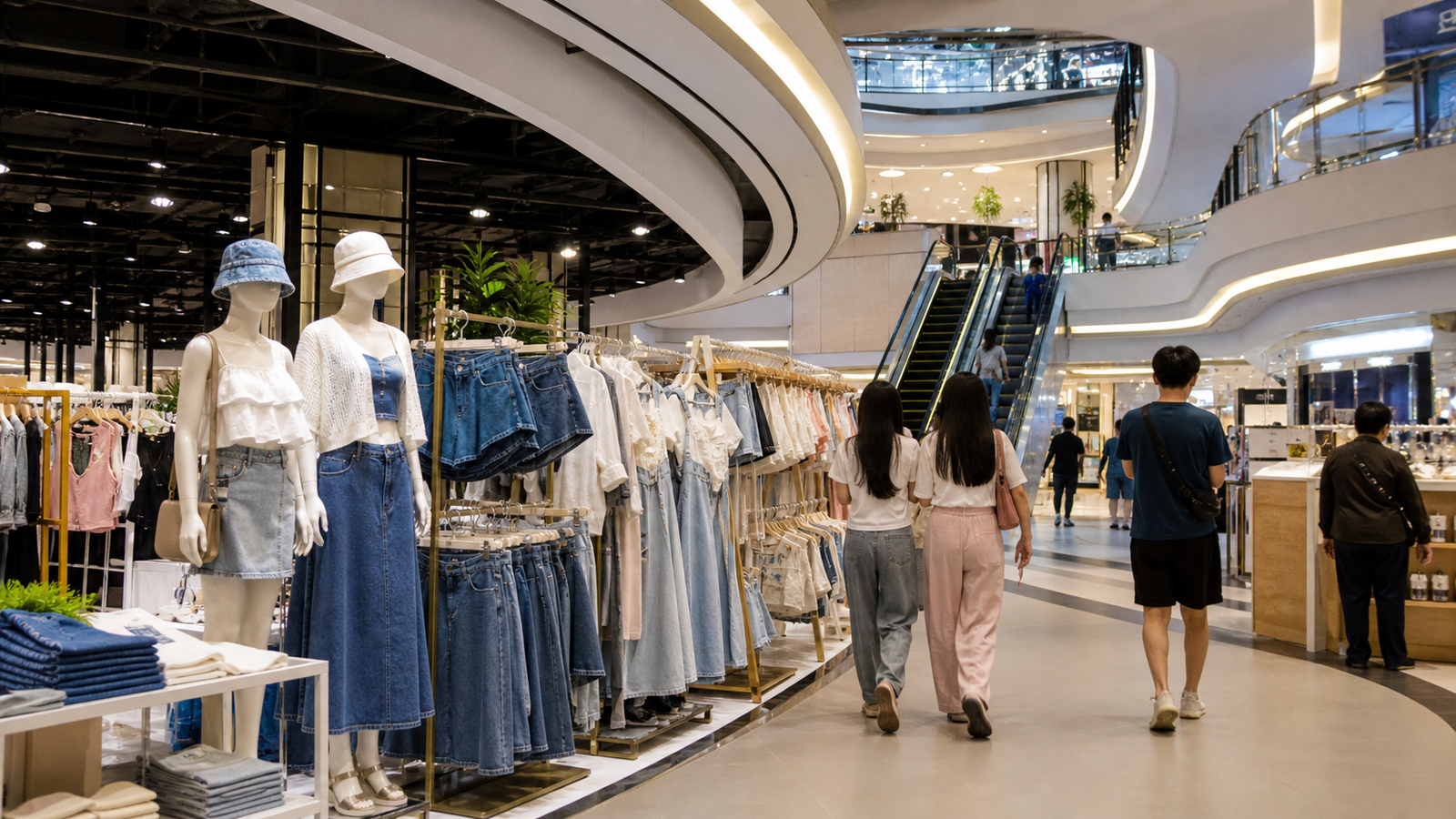
The ground floor is worth checking first because malls often place promotional items there. T-shirts were reduced to 290 baht, a polo shirt was reduced from 990 to 290 baht, and another item was reduced from 2,290 to 590 baht.
The third floor has sports shoes, clothing, and bags. Adidas shoes were priced at 1,560 and 1,140 baht, another pair had been reduced from 1,900 baht, and other sale prices included 1,980 and 1,880 baht.
Medical Cannabis and Sports Sales at MBK
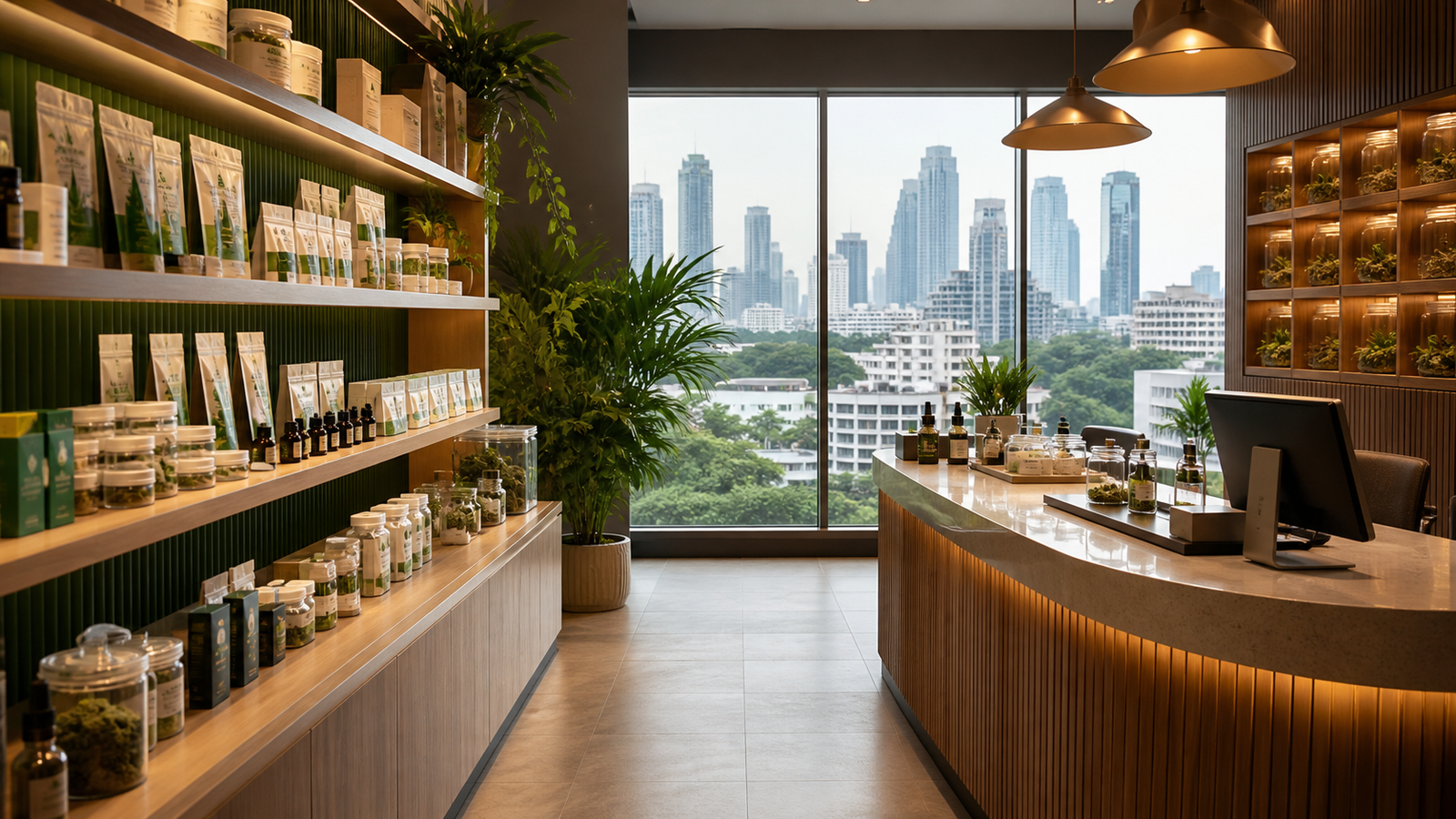
A medical-purpose cannabis shop was on the second floor. It sold cookies and drinks and had a place to sit and try the products.
The sports section on the third floor had many choices and promotional items. Shopping inside the mall provided a way to spend time comfortably while Bangkok’s weather changed.
Siam, CentralWorld, and Bangkok’s Busy Low Season
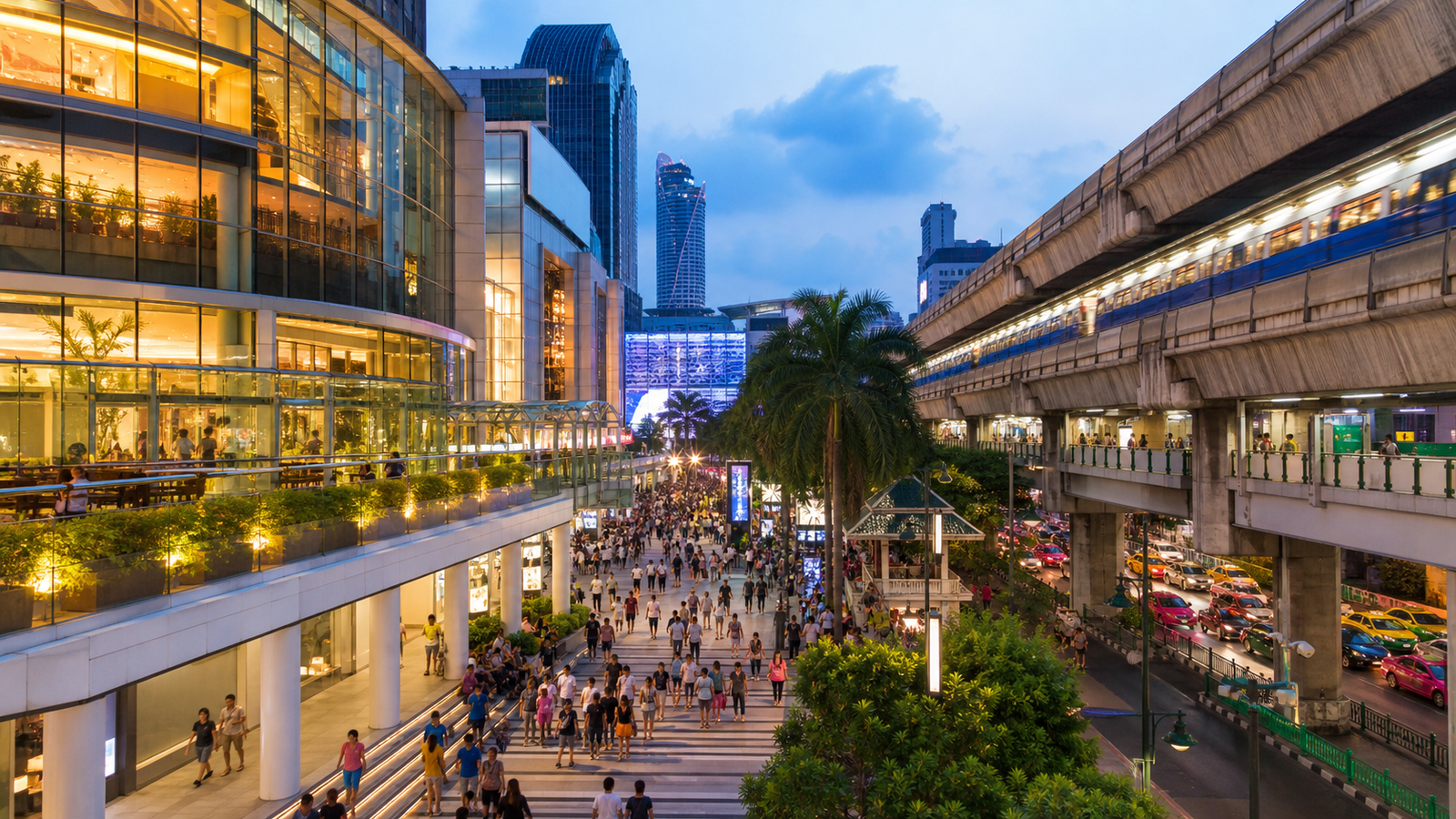
Bangkok can be busy wherever you go, including malls, markets, and streets. The city has enough choices that even when it rains visitors can visit a mall, have a massage, or watch a movie.
The route continued through Siam to CentralWorld, where there were many people and plenty happening. A first day back in Bangkok can combine money exchange, MBK shopping, a meal, Siam, CentralWorld, and a return to Phra Khanong without needing the city to slow down.