12 Worst Food Mistakes to Avoid in Vietnam
Don’t Assume Expensive Food Is Better
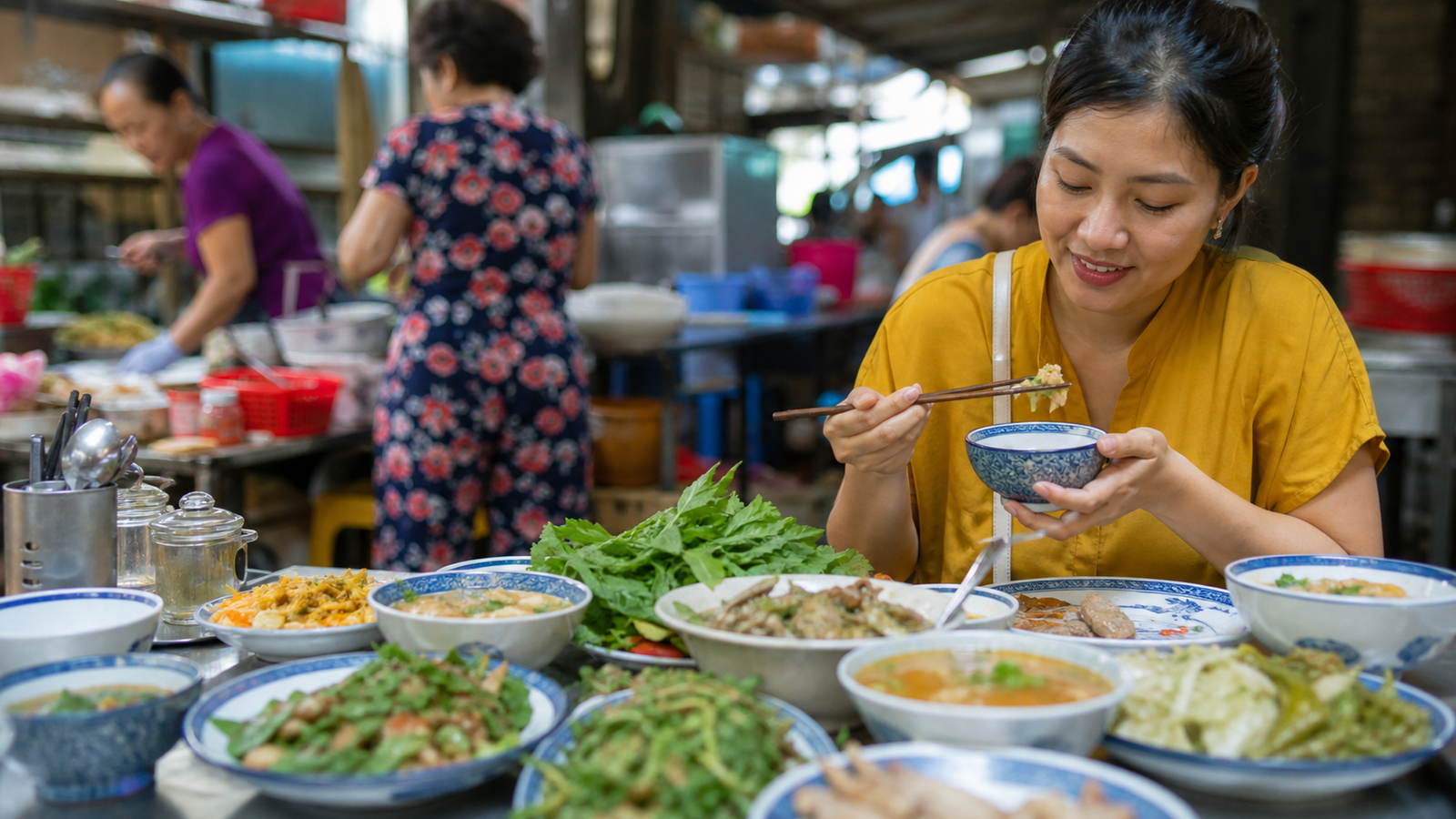
From streetside food stalls to late-night seafood spots and modern cafes, Vietnam has one of the best food cultures in the world. But with all the food on offer, it’s easy for travelers to make mistakes. From missing out on the best spots to spending days of travel time in the toilet, or even accidentally ordering something you didn’t quite expect.
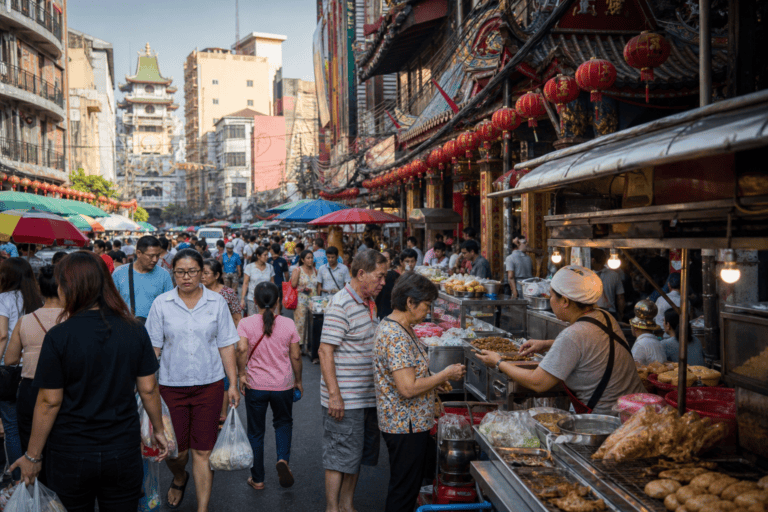
Most people who visit this country assume that more expensive food is better, but in Vietnam, this often isn’t true. Especially in tourist hotspots like Bui Vien Walking Street in Ho Chi Minh, you’ll see plenty of restaurants with modern interiors and prices to match. This is the result of a recent boom in tourism as arrivals have skyrocketed in recent years.
Many of these restaurants are relatively new and cater almost exclusively to tourists, meaning they rely on a constant stream of one-time customers. Because of that, prices are often higher while the food quality can be lower. With few repeat customers, the priority is maximizing profit from every person who walks through the door.
One of the biggest giveaway signs is a huge menu displayed out front, offering everything from traditional local dishes to burgers, pizza and other Western comfort food. It’s a catch-all approach designed to appeal to everyone while specializing in nothing. In Vietnam, the best restaurants usually do the exact opposite. They focus on just one or two dishes, perfecting them over years or even generations, and they attract loyal local customers who come back again and again knowing exactly what they’re there to eat.
Don’t Rely on Google Reviews Alone
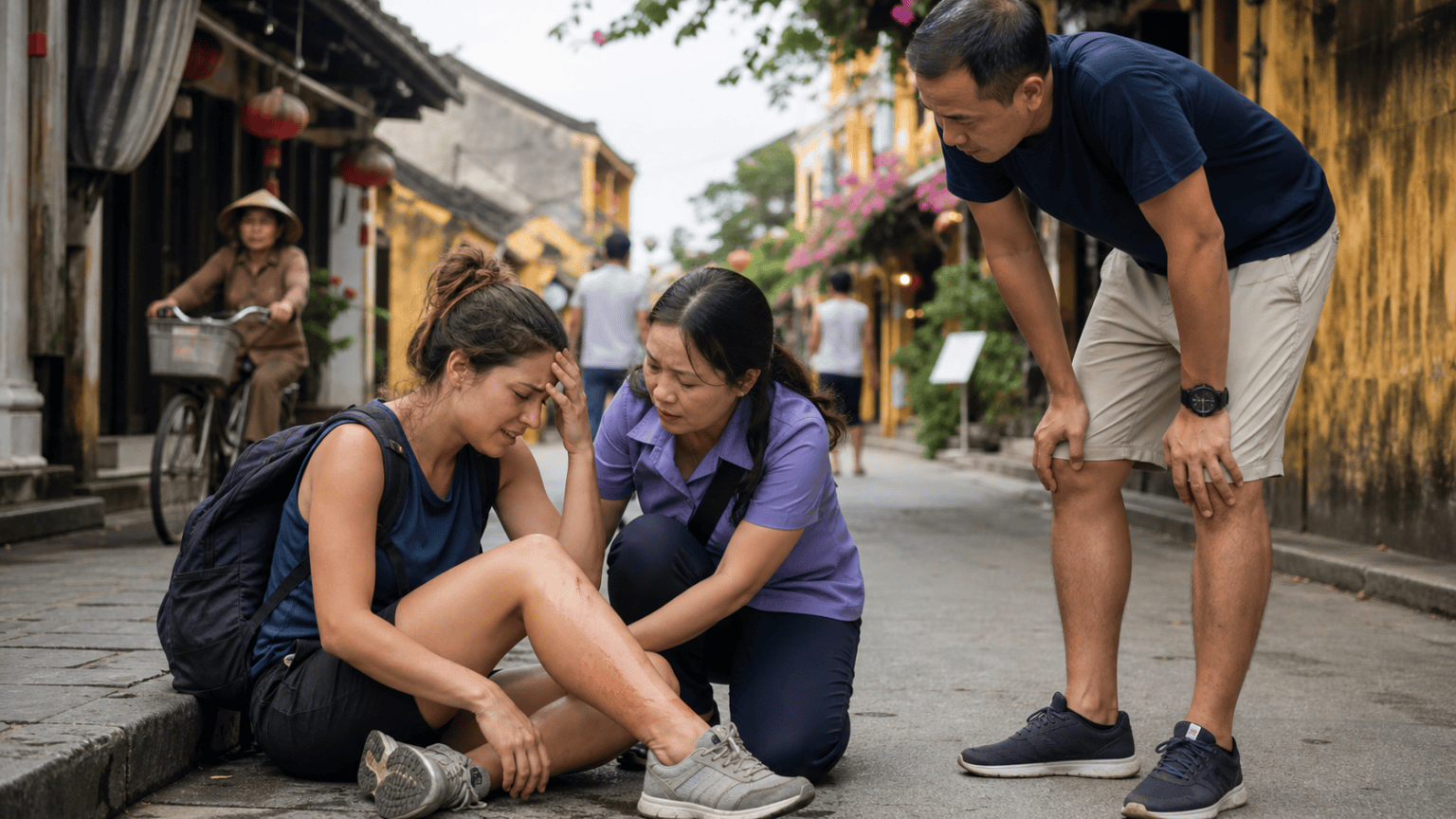
Google reviews can be helpful, but here’s where you’ll encounter a second problem. Many restaurants provide discounts for positive feedback or even buy fake reviews, while others spam negative comments against their rivals.
A more reliable filter can be to follow the local crowds. This often leads to small stalls with low seating. For Westerners, the appearance alone can definitely feel more risky. But these are typically businesses that rely on repeat customers and have high turnover. This usually means that the food is fresher, while the business is very unlikely to serve anything that’s going to give all those repeat customers food poisoning.
Don’t Eat Food That Has Been Sitting Out
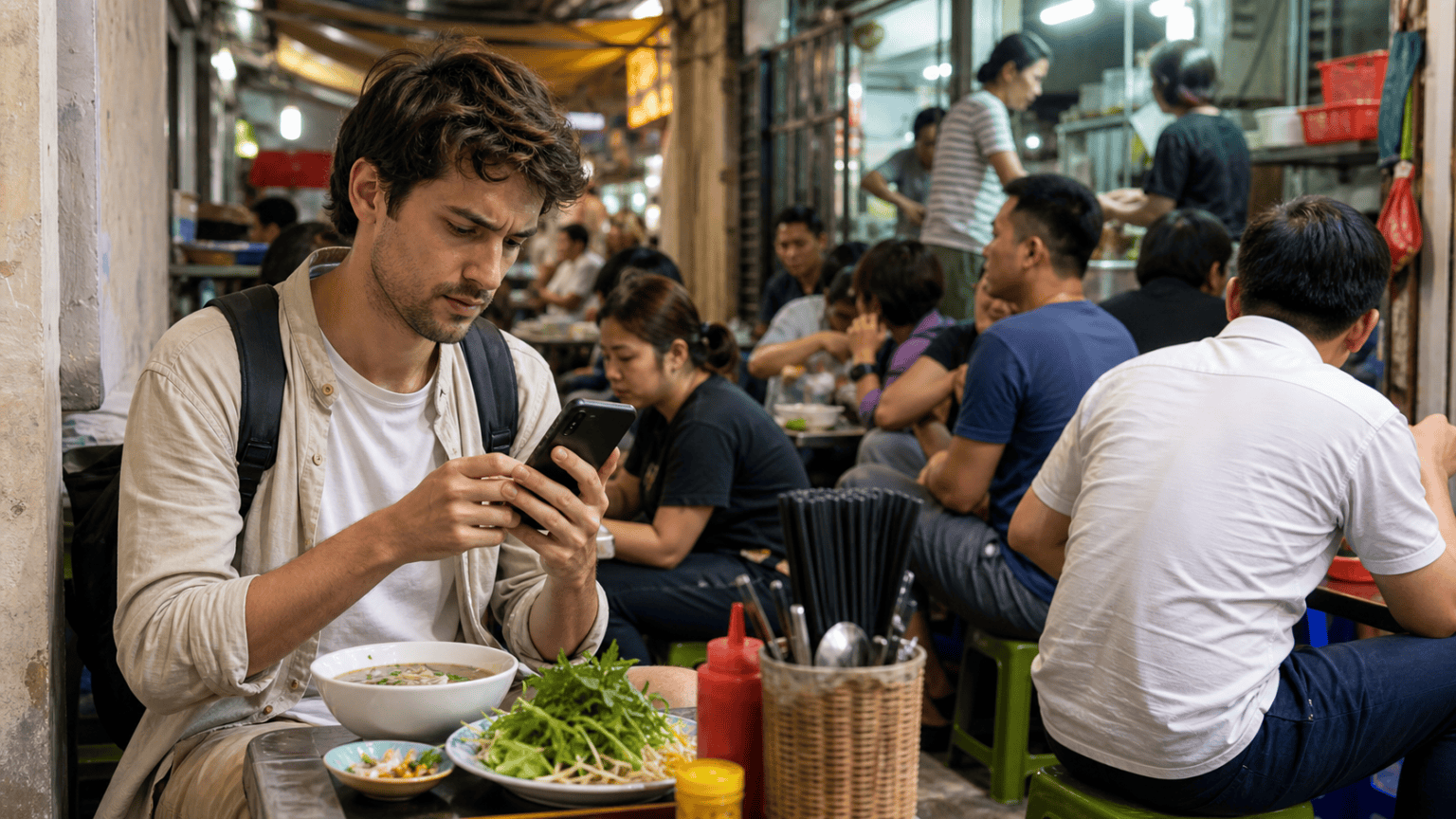
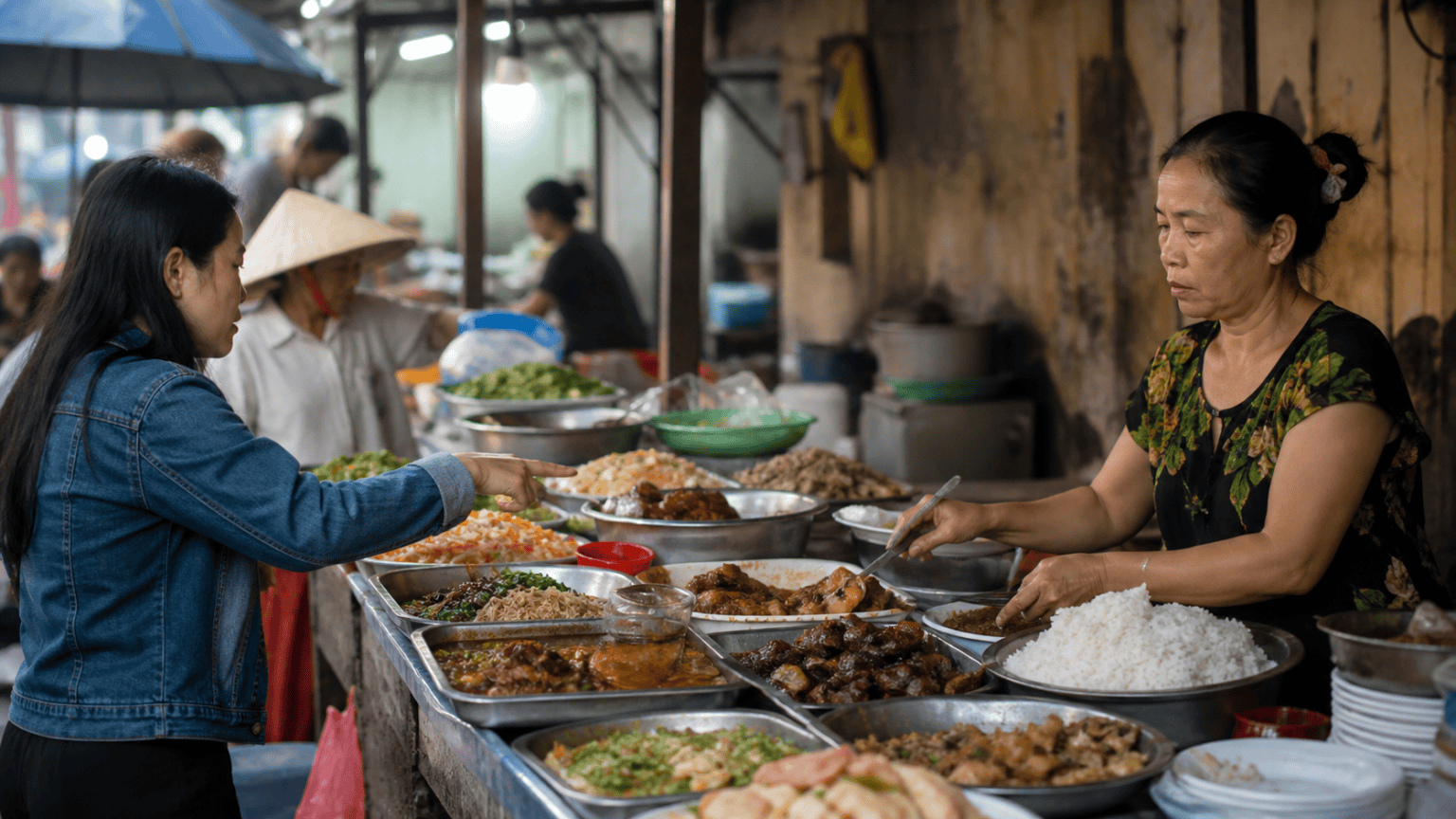
But before you dive into all that local street food, there’s another mistake: ordering dishes with ingredients that have been sitting out for too long. You’ll see it everywhere: trays of cooked food left in the heat, meats hanging and pre-made banh mi fillings.
The truth is, it’s impossible to know how long some of this food has been sitting out. In a hot climate like Vietnam, that’s an ideal breeding ground for bacteria. In this case, following locals can be far less reliable. Their stomachs have adapted to all that bacteria that’s in the food, and yours hasn’t.
The safest approach is to order food that’s cooked right in front of you, which can actually be a little bit difficult in Vietnam, as staples like banh mi have pre-prepared meats in them while pho typically has meat added into the soup base and is often cooked well in advance. Turnover is extremely important here. Keep in mind that this criterion applies equally to street food or high-end buffets. Anything that sits out for too long is far more likely to upset your stomach.
Don’t Assume Fresh Produce Is Automatically Safe
The reality is that you just don’t see inside the kitchens of most of the indoor restaurants. Vietnam is still a developing country, and there’s a good chance those restaurants would not be passing any health inspections in your home country. Appearances can be deceptive.
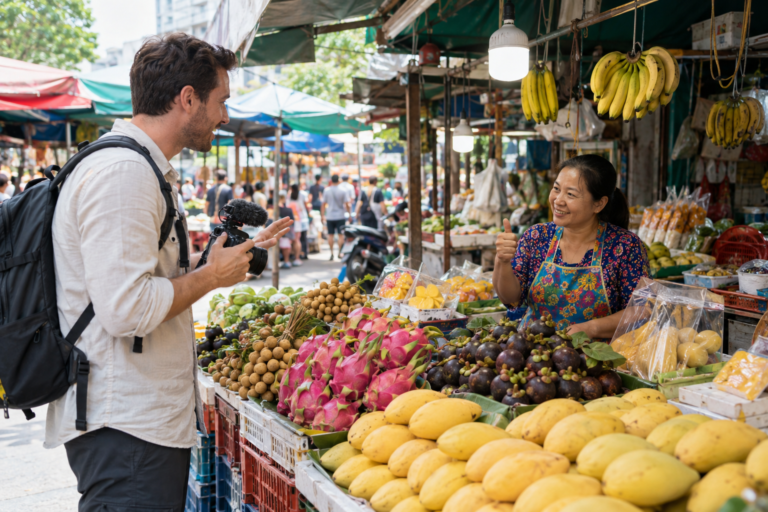
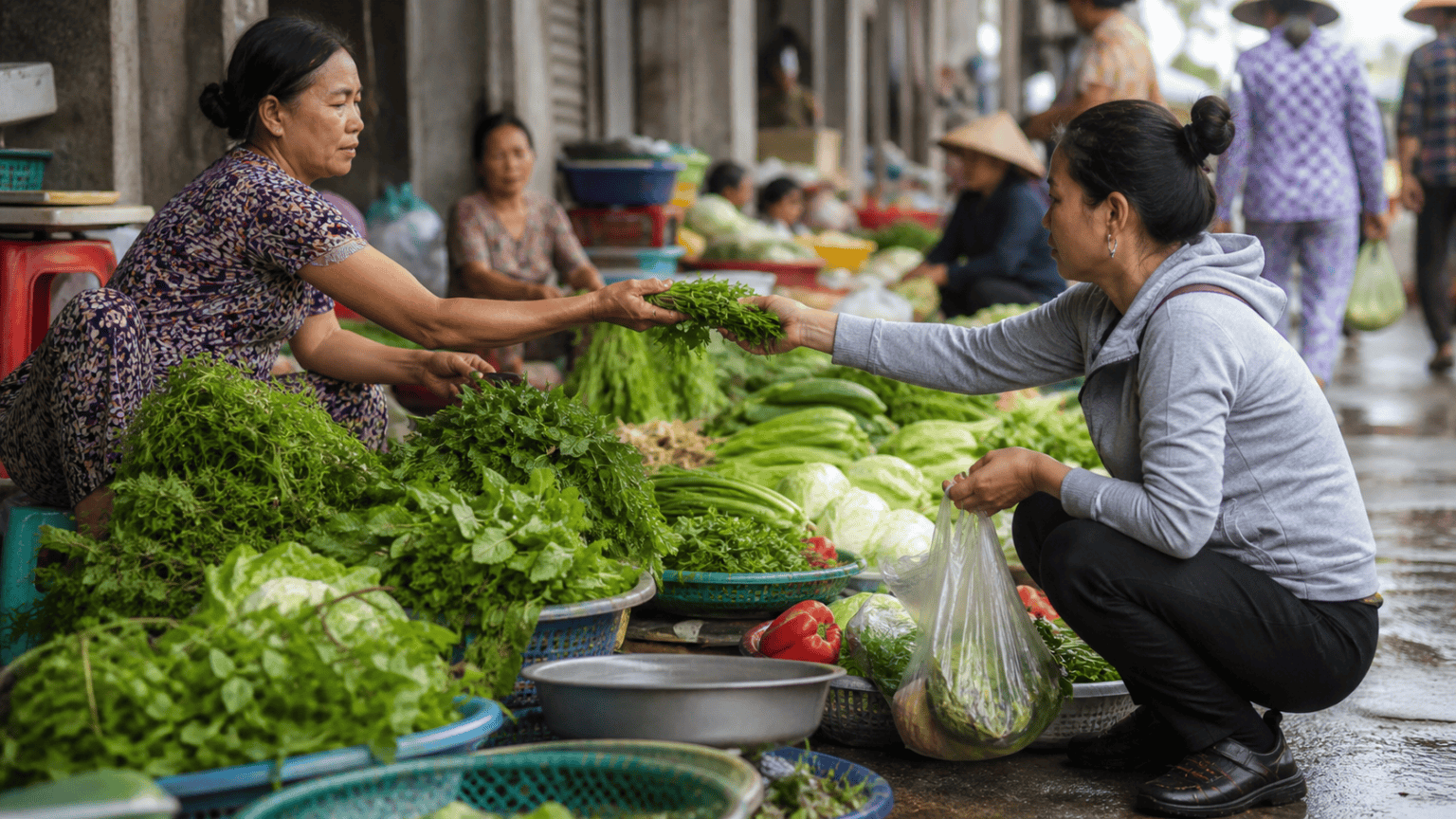
Most visitors will exercise the highest degree of caution around meat products, but the truth is that fresh fruit and vegetables are far more likely to cause full-blown food poisoning. You’ll encounter plates of fresh herbs, bean sprouts and cucumbers with most of the major dishes here in Vietnam. Fresh fruit and smoothies are extremely commonplace, but these are never cooked and they’re far more likely to become contaminated in the long supply chain before they ever reach your plate.
From transportation to markets, or from vendor tools like cutting boards, knives or even basic storage, there are many possible sources of contamination. The water that may be used to wash them, ice that may be served in a drink or even pools of water that may be sitting on a table can also be a concern.
Before you order, it’s best to observe the immediate surroundings of any stall or shop. Look for signs of hygiene issues like a lack of washing space or dirty cutting boards. It might be best to move on, especially if you have an upcoming travel day, because your risk tolerance should be calibrated by your travel plans. Always play it safe leading up to transit days where you may have limited access to bathrooms or extreme discomfort if you’re making constant trips on an overnight sleeper bus or train, and experiment a little bit more when you first arrive and can afford to risk an upset stomach.
Don’t Assume Following Locals Guarantees Food Safety
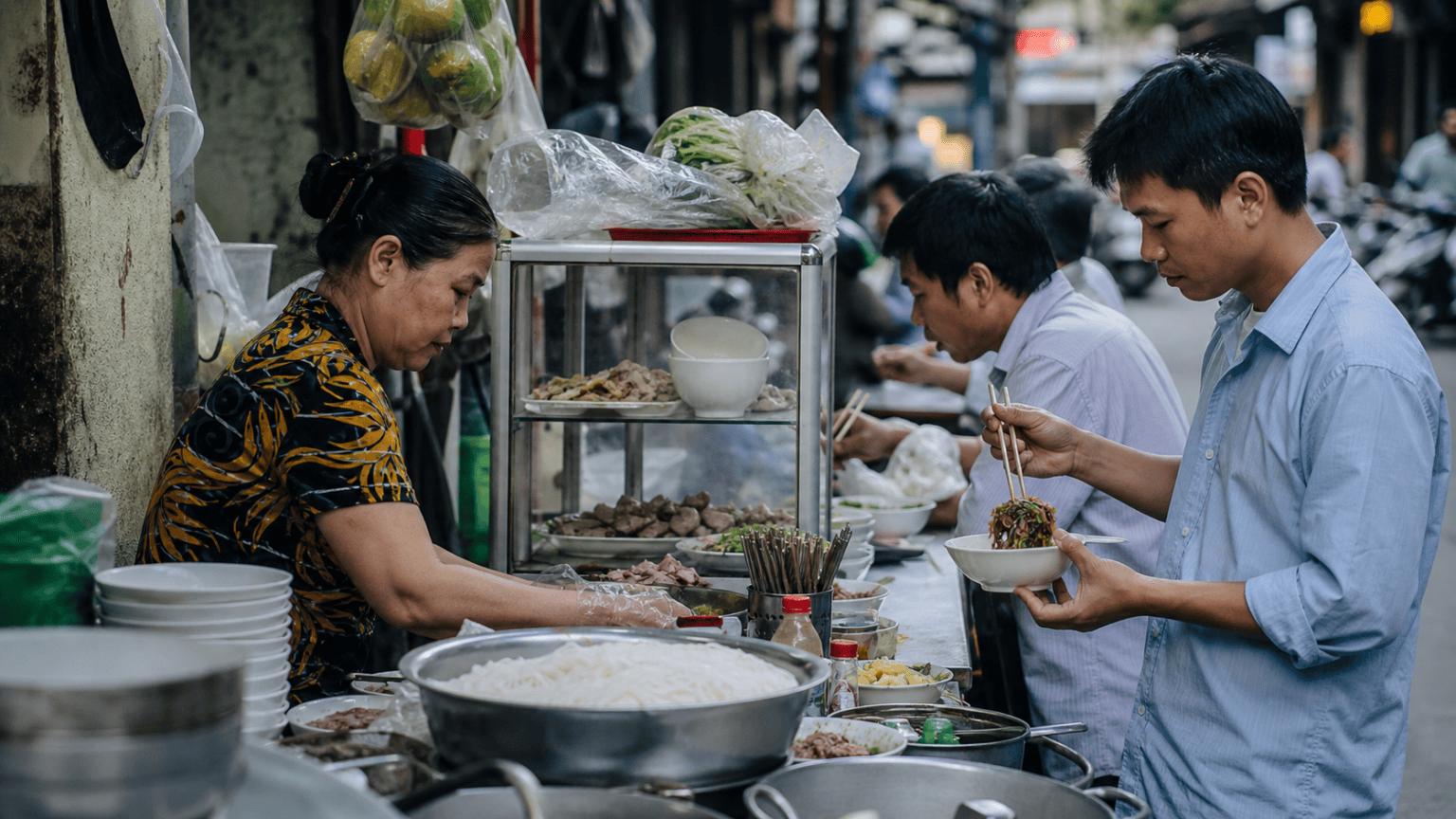
But let’s return to the local crowds. While following them can be an effective strategy, it can also come with an additional mistake. Vietnam is a developing country and there is a lack of food safety regulation. At the cheapest end of the market, this comes with significant tradeoffs.
Plenty of street food stalls operate on very thin margins to serve a customer base that simply doesn’t have more money to spend. This can lead to a lot of cost cutting at the expense of food quality, safety and hygiene. Dishes may not be properly washed after use. Food is often cooked in reused oil, sometimes for days or even up to a week. Many vendors are located immediately next to roads where dust and pollution contaminate the food. It doesn’t make for the healthiest mix, and that’s something you’d probably want to consider.
Don’t Ignore Tourist Pricing and Two Menus
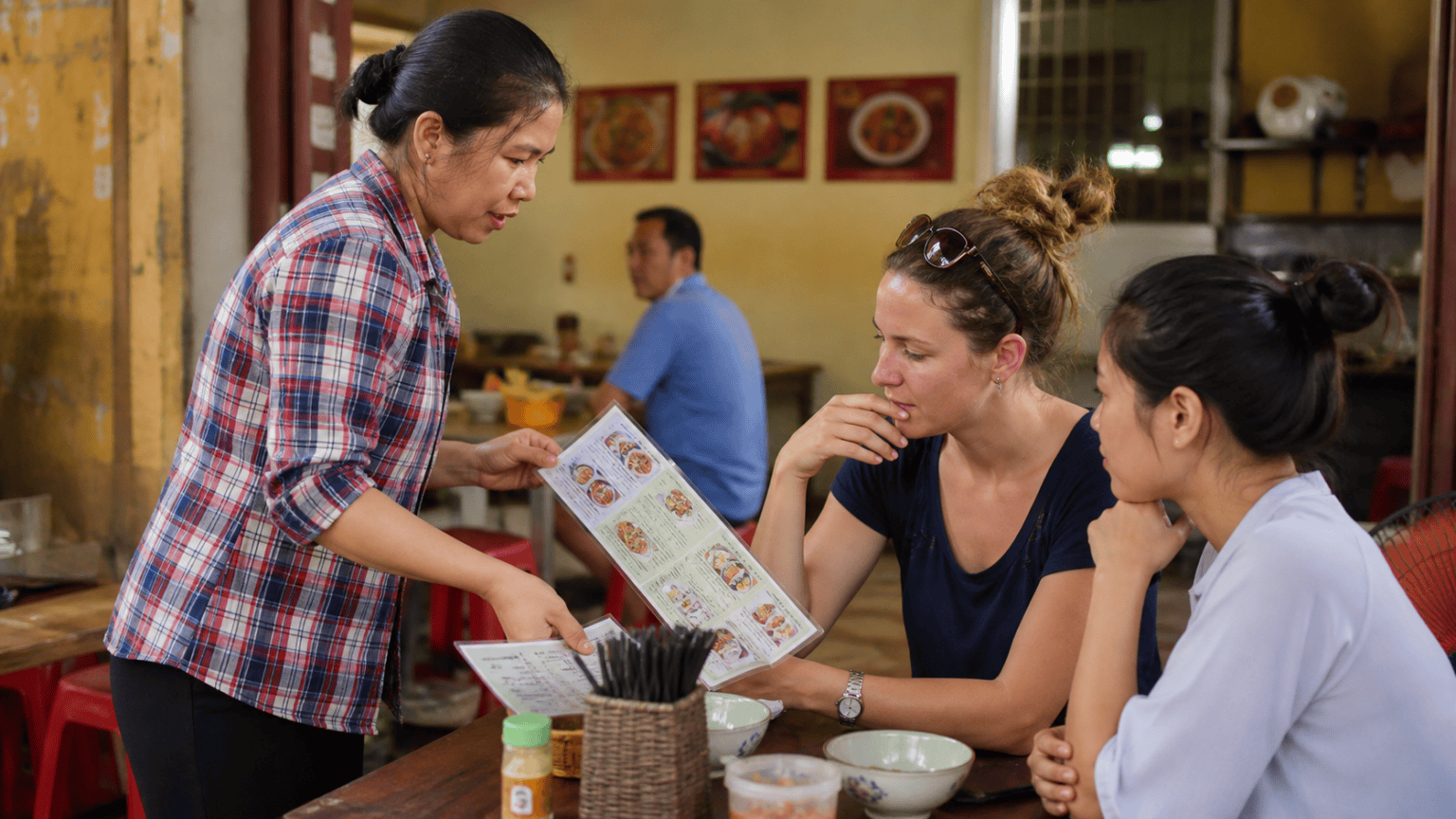
There can also be some additional deception with local shops. Some restaurants and vendors in tourism-oriented areas will have two menus: one in Vietnamese for local customers and another in English for tourists. The English version can be far more expensive and can lead to tourists paying high-end prices for extremely inexpensive street food.
This can be difficult to spot immediately. But if you walk into a shop or a sit-down stall full of local customers and you’re handed an English menu with extremely high prices, it’s very likely that you’re overpaying.
Don’t Order Without Checking the Price
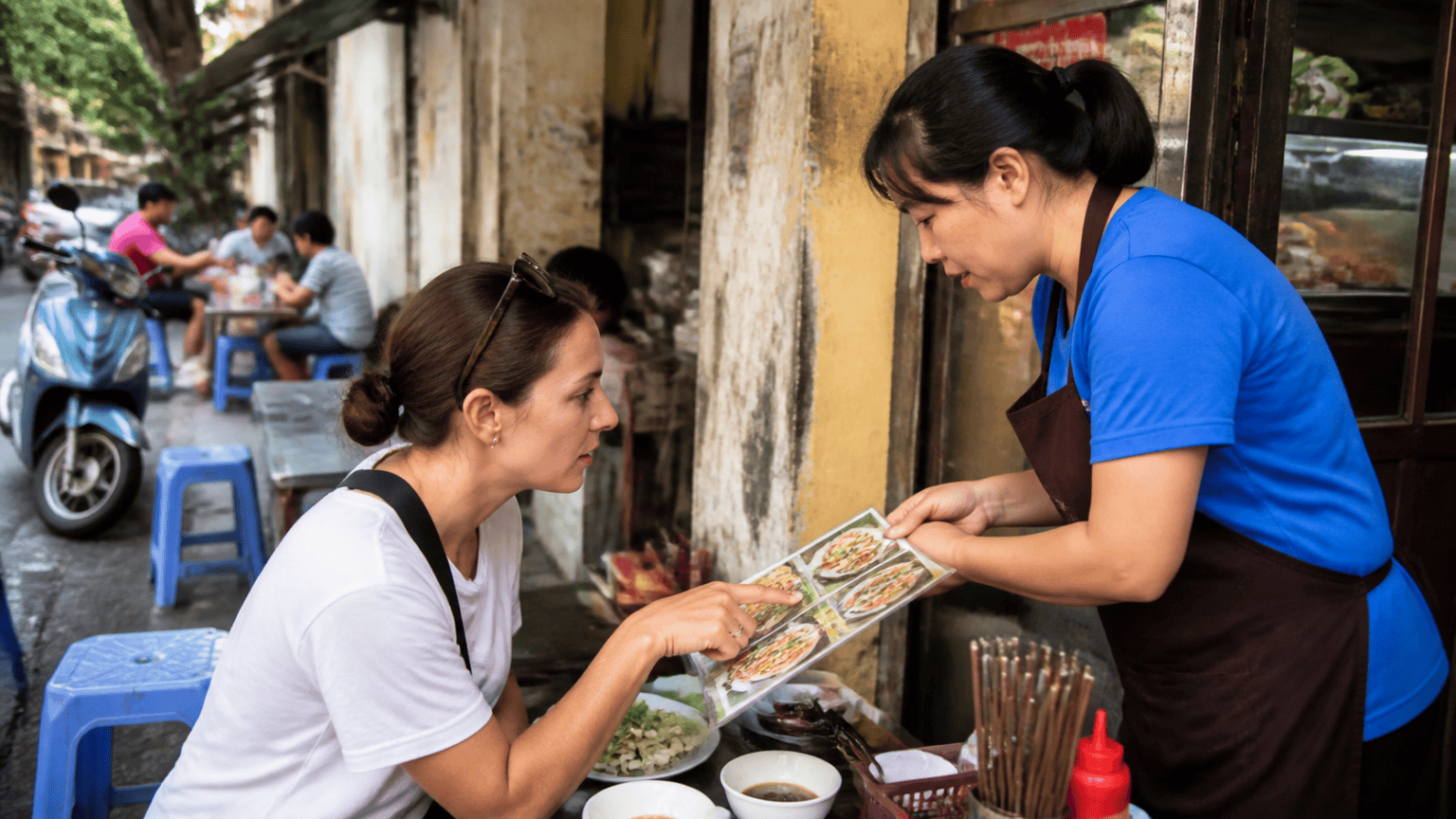
It’s always a mistake to order or accept anything without first verifying the price. Some vendors and tourist hotspots avoid listing prices, and fresh visitors will simply assume that a little bit of fruit or a smoothie is inexpensive. This is a trap because once they order and the bill arrives, it’s far more expensive than they expected.
You’ll encounter it most often with vendors who walk around in tourist areas attempting to hand out food. Many visitors assume that it may even be a free sample, but it isn’t. Accepting even a small piece of fruit can lead to demands for $5 or $10. Always check the menu before you order, and avoid anywhere that doesn’t clearly display the prices because that’s normally an indicator that you’re already dealing with a subpar business.
Even if you do check the price, the vendor may try to shortchange you or run an entirely different type of hustle. Instead, give your business to honest shops and restaurants, which are in abundance in this country.
Don’t Follow Restaurant Advice from Strangers or Dates
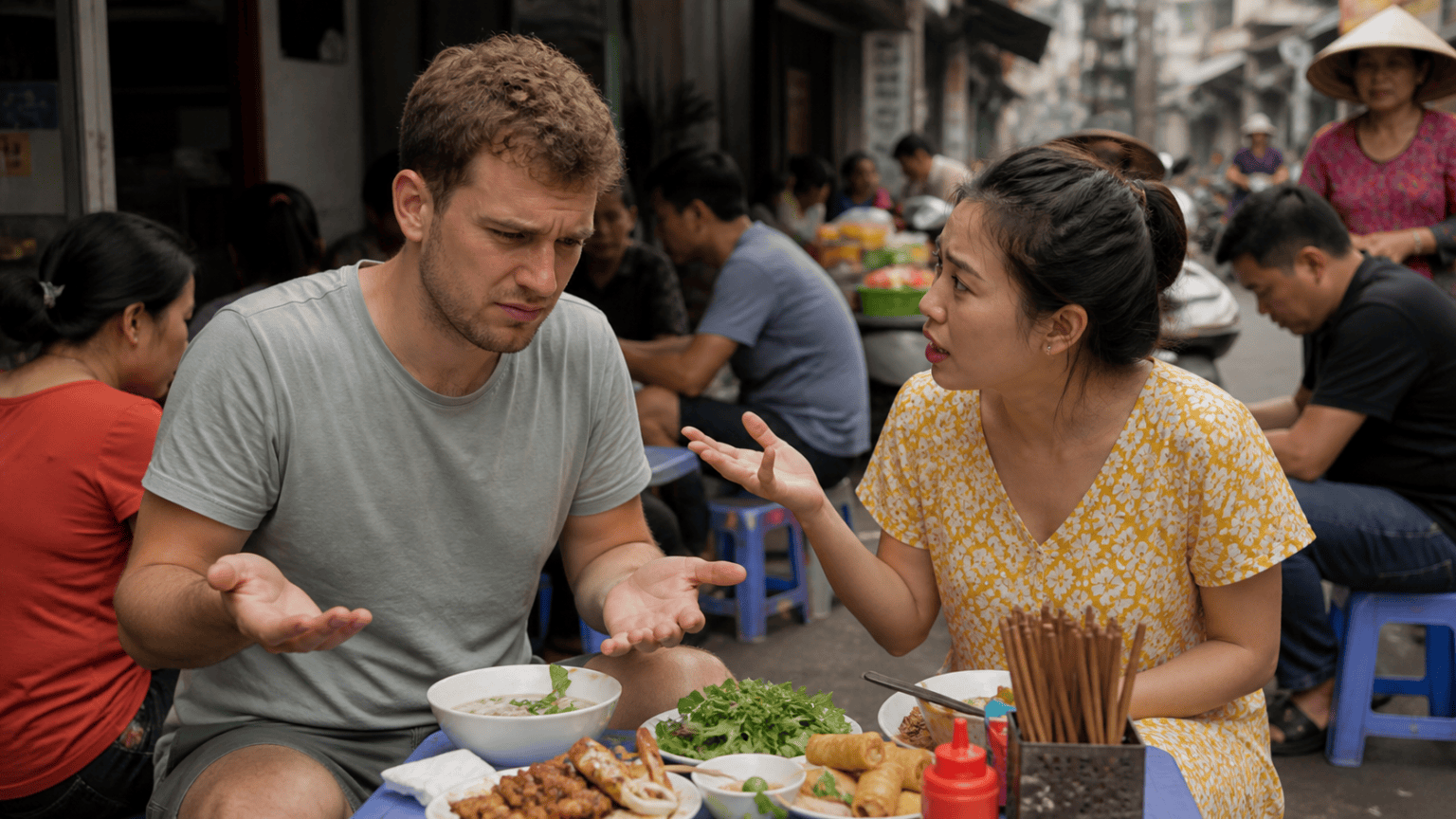
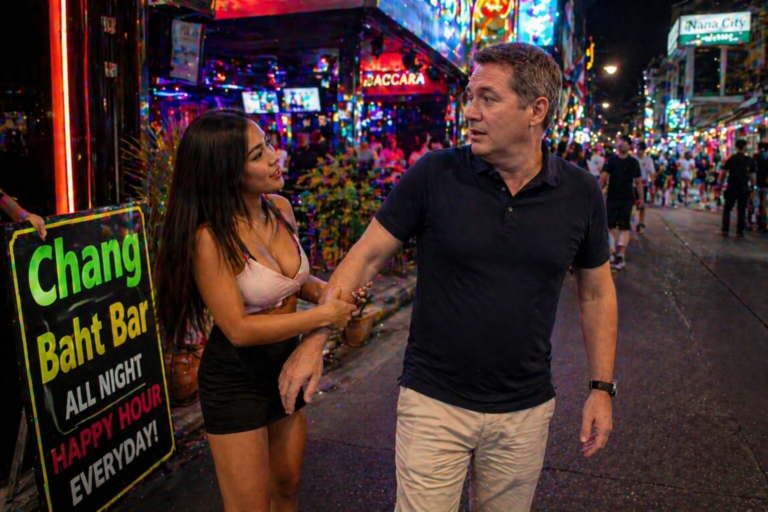
Never accept advice from a supposedly friendly stranger. This may include a talkative taxi driver, a stranger who approaches you on the street or slows down on a motorbike, or even a date that you met on a night out or in an app. In most cases, these people receive a commission, and the food or drinks are extremely overpriced and underwhelming.
Take special care when it comes to dates with this one, as it’s a very common scam. Visitors match with somebody on an app who suggests a local restaurant or bar. When the bill arrives, it’s exorbitant, often running into the hundreds of dollars for a very basic meal. Security will make sure it’s paid, and your date is in on the entire setup. Always choose places yourself.
Don’t Limit Yourself to Vietnam’s Most Famous Dishes
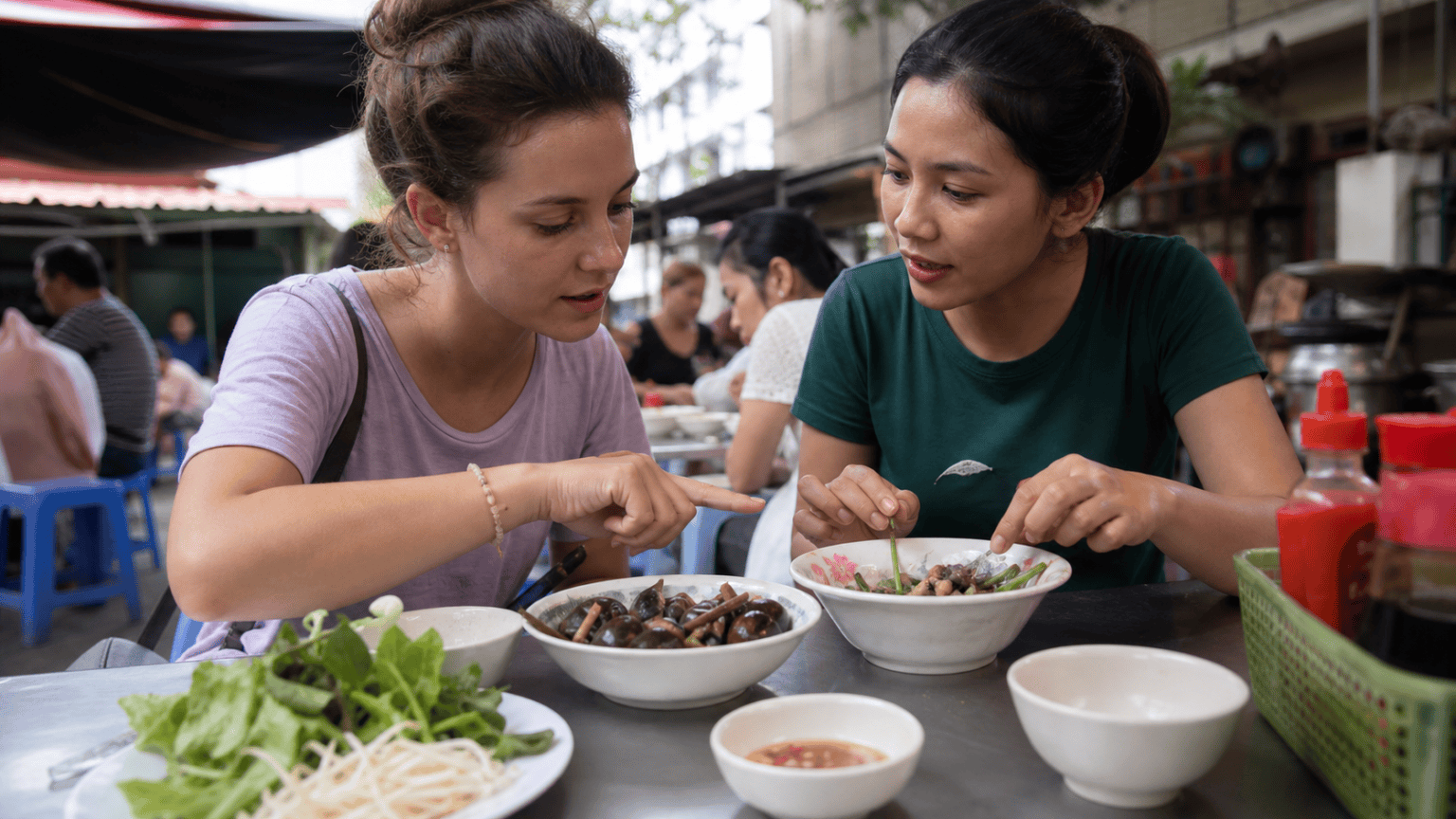
We’ve covered lots of safety mistakes, but what about the food itself? Vietnam is extremely famous for several dishes, including fur, banani and those fresh spring rolls in savory peanut sauce. Many visitors take one look at a menu and stop right there. But there’s a huge range of additional food options. Vietnamese cuisine is a fusion of Chinese, French and traditional influences, and experimenting with different dishes will most definitely add to your experience.
One recommendation that I’d make to add to your list is bun cha, which is grilled pork over charcoal in a savory soup with plenty of herbs and rice noodles on the side. And don’t forget the ice cream, which is simply amazing. It’s called Chem, and you’ll find plenty of roadside shops, so you can sit back, people-watch and enjoy a few scoops.
Don’t Order Unfamiliar Dishes Without Checking the Ingredients
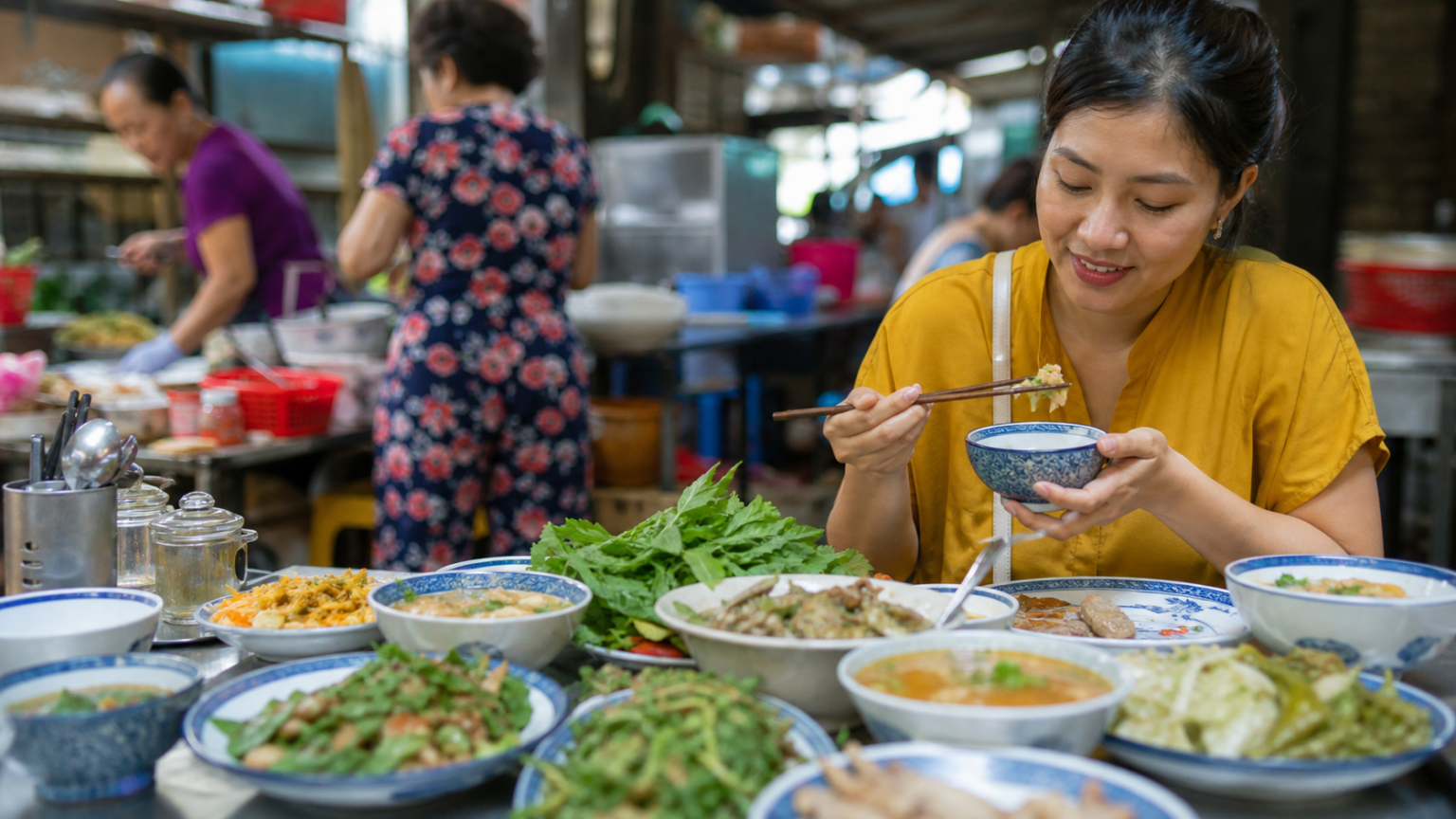
Don’t forget the coffee, which is sweet and aromatic, often served best over ice on a hot day. But while sampling new foods is ideal, be cautious in the north, as you’ll still find dog, cat and plenty of other exotic animals on the menu.
If you’re ordering unfamiliar dishes, use the Google Translate camera app to make sure you know exactly what you’re getting. This actually happened to a friend of mine who was working in Hanoi and had a work outing. By the end of the night, he found out that the menu had dog, snake and bat, and he’s still not sure exactly what he ate.
Don’t Default to Western Fast Food or Forget GrabFood
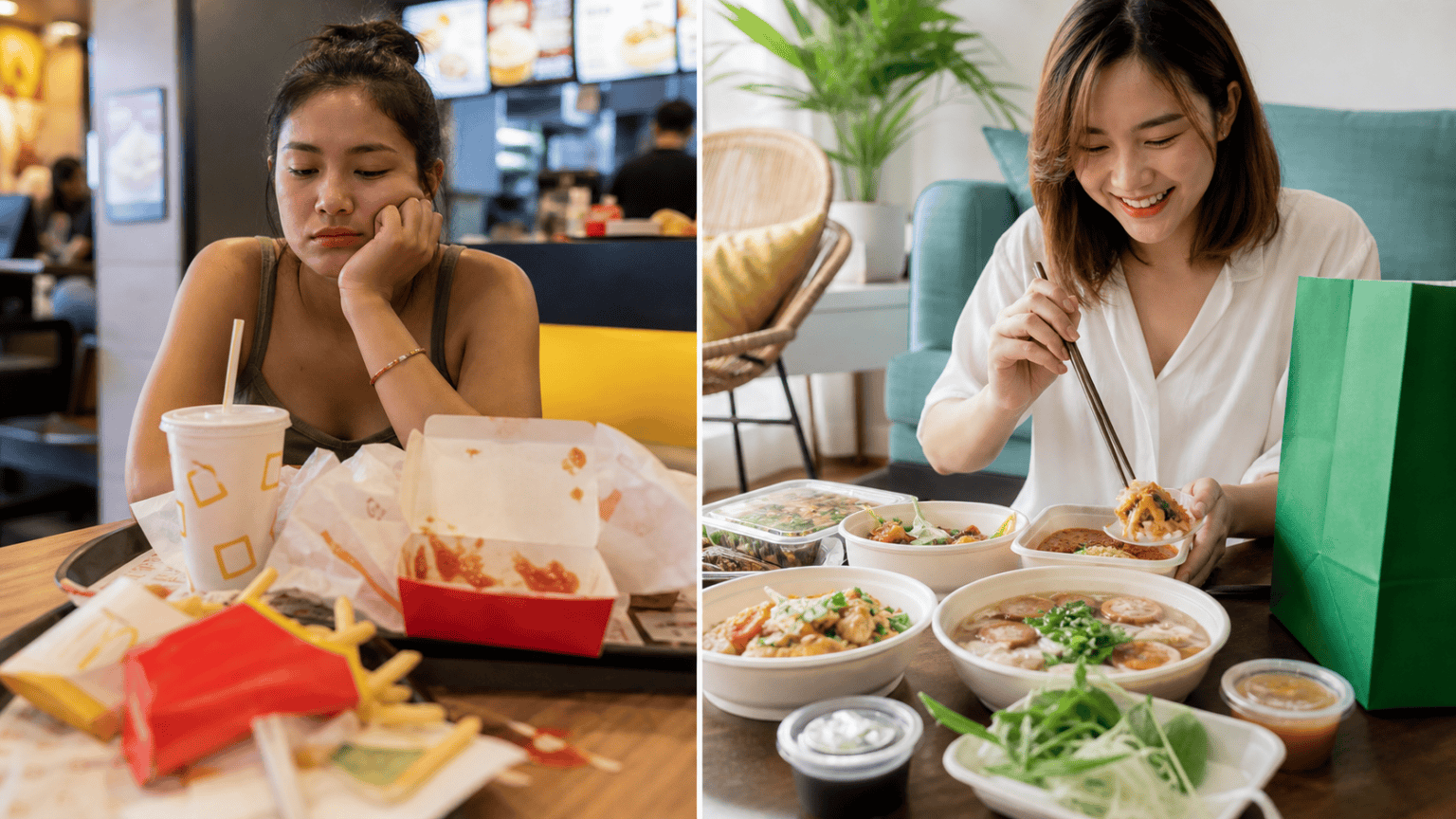
While you probably want to avoid eating sparky, you also want to skip the Western fast food. I say this for any destination, but here in Vietnam, it’s especially true. You’ll see typical places like McDonald’s, Burger King and Starbucks, and people normally opt for these when they want a taste from back home.
In Vietnam, the French culinary influence runs deep, and you’ll find higher-quality local bread, cheese and coffee. There’s no need to lower your standard to satiate those Western cravings. The cafe culture here is simply amazing.
Finally, there may be evenings where you just want to stay in your hotel room and not venture out into the chaos. Don’t forget to download the Grab Food app. You can order food from pretty much anywhere. Credit cards are accepted and it’ll arrive in about 20 minutes. This can be ideal after a long day of sightseeing or if you just want to sample some local snacks.
We’ve covered a lot of food mistakes today, but Vietnam has an amazing cuisine, and now you’re prepared to enjoy the best of it.