I Moved to Asia and Everything Went Wrong (DONE)
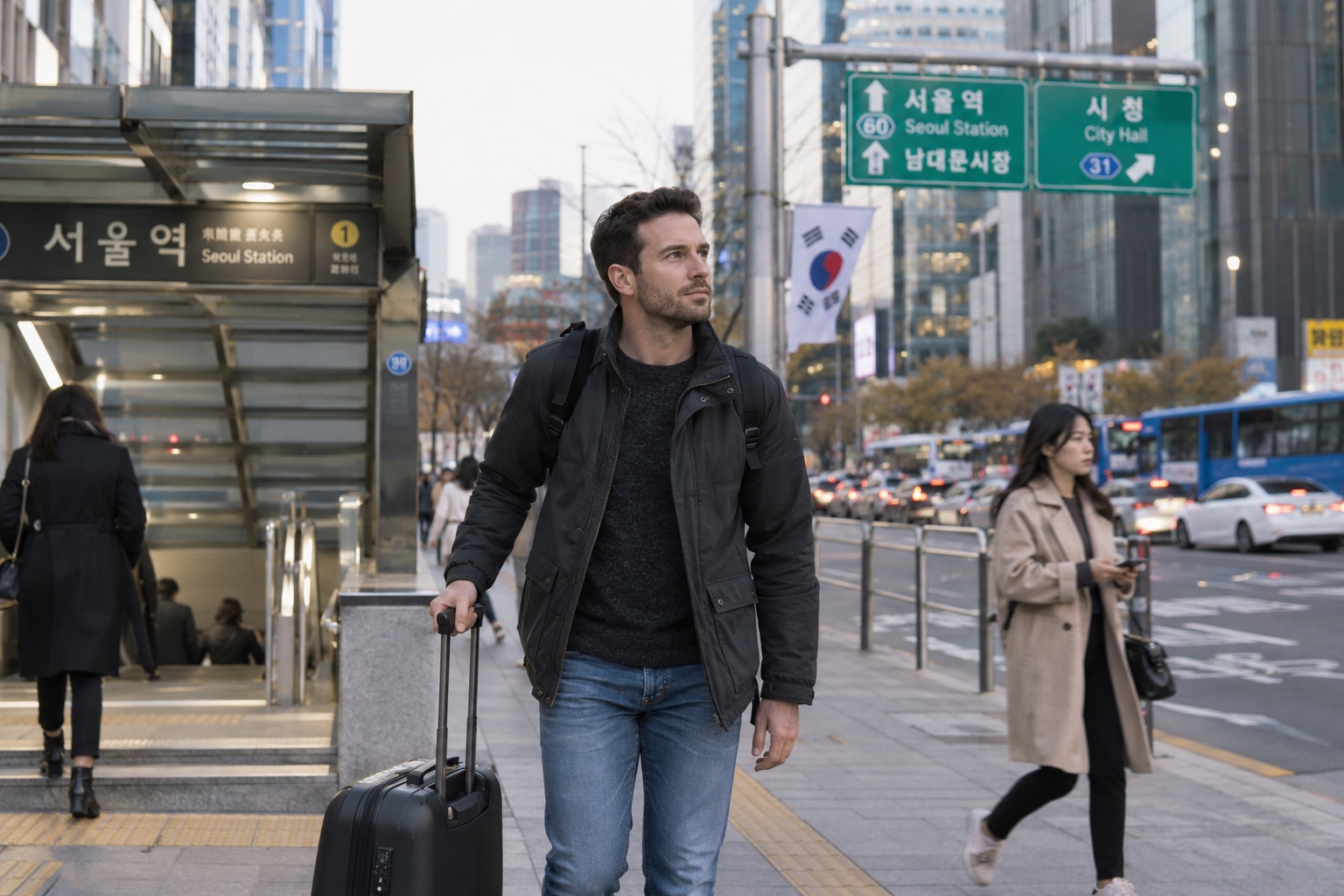
I left Australia 8 years ago, and looking back on it now, it went nothing like I expected.
In 2018, I left my boring corporate job to chase a life of fun and adventure, happily living in South Korea for over 2 years.
And then, the world shut down. I flew here at the beginning of all the coronavirus stuff, and I kind of got stuck here, stuck out of Korea. I wasn’t left with many options that appealed to me, but I was lucky enough to be one of the very few people approved to move to Thailand in 2021, and I’ve lived here ever since.
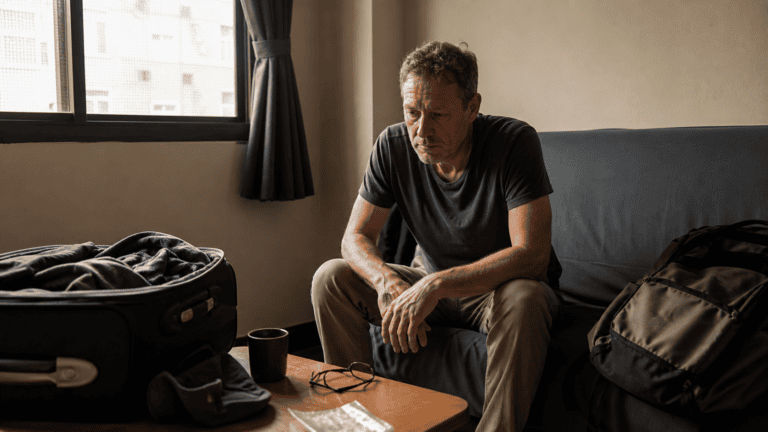
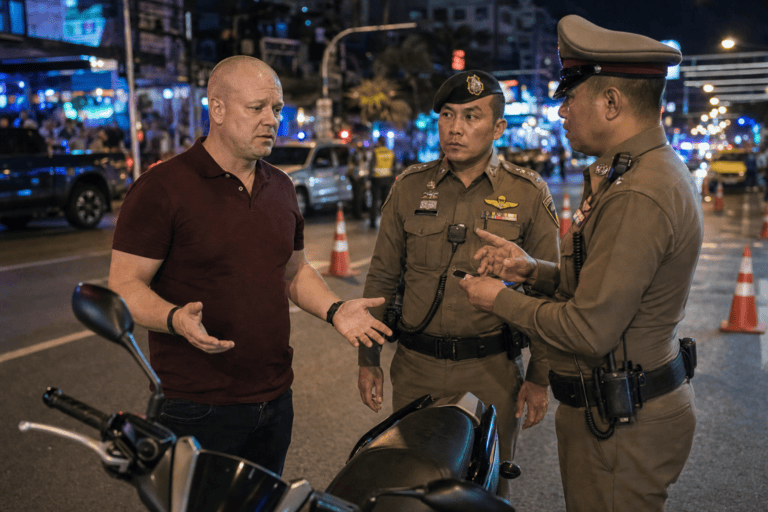
Moving overseas and starting fresh is extremely difficult. I made all of the mistakes. I blew through all of my life savings, and even found myself in trouble with the police. South Korea doesn’t have any kind of self-defense laws, so I landed myself in some trouble. Next year, I’ll be moving on from Thailand for a new adventure, and while I am very excited, I’m also very aware of how this could all fall apart.
Back in 2018, I made the move from Sydney, Australia, where I grew up, to Seoul, South Korea, and this was my dream. Honestly, I kind of thought I would still be there now.
Moving to Korea, I had the full roller coaster experience, from single and dating to being in a relationship, from being cashed up to running out of money, from partying too much to getting a full-time job. I even managed to get myself into a situation where I got arrested, in trouble with the police.
For me, the dream was to leave my boring life behind, start a new life of travel, fun, and adventure, and I didn’t really have a grand plan. I kind of figured everything would just sort of fall into place and I’d find my way.
I didn’t know how I was going to earn money. I didn’t know what the future held or how long I was going to live there.
I originally had plans of going to Korea and then moving to try living in Japan, but once I got to Korea, I figured this is what I love and this is where I want to stay.
Finding Acting and Modelling Work in Korea
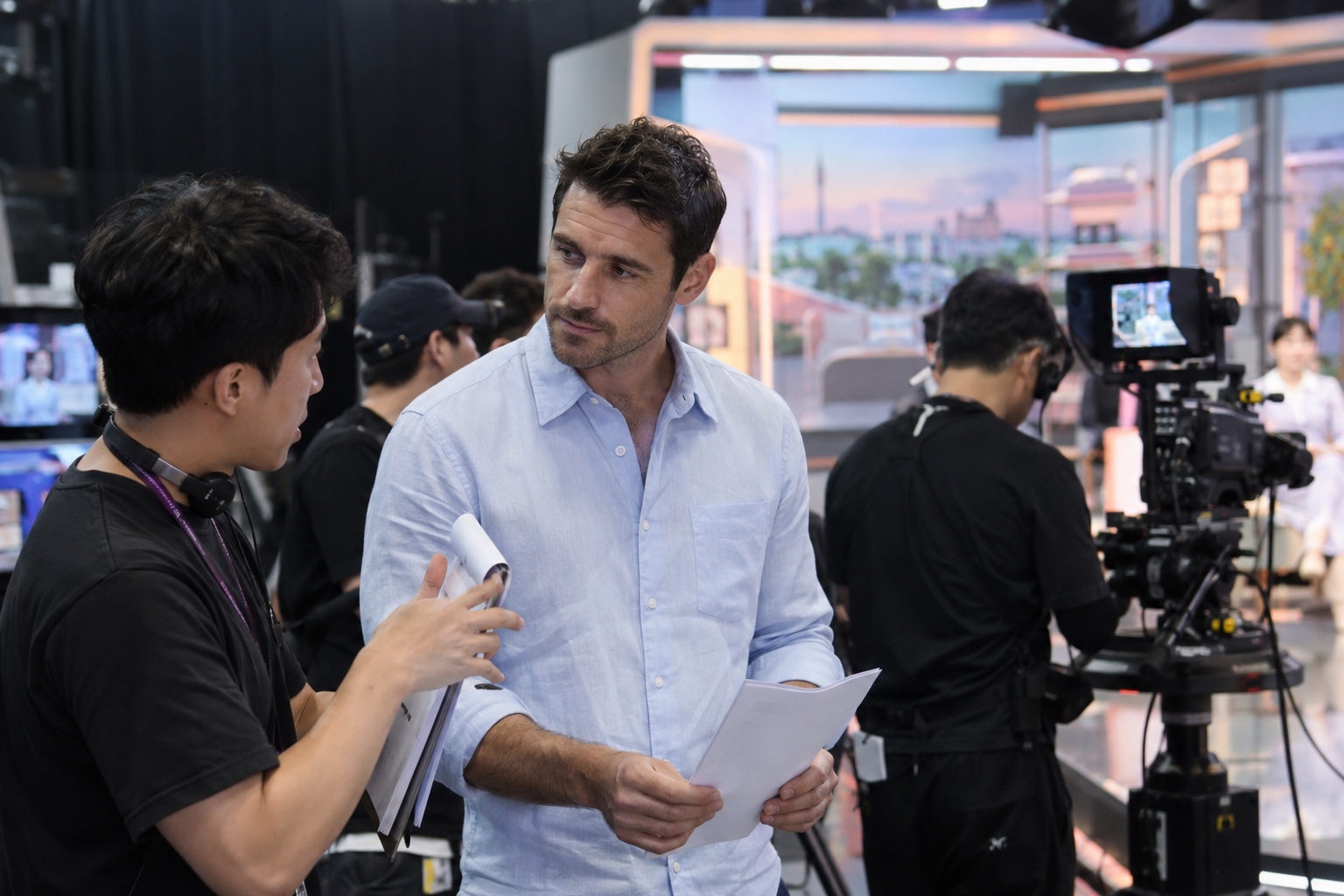
My plans around making this sustainable were very loose. As I said, I didn’t really have a set plan. I wasn’t sure how I was going to make money. At the beginning, I did some sort of odd jobs. I was making YouTube videos. I made no money the entire time I was in Korea, but I was hoping to find some kind of work that would come from this.
At the beginning, I did little ads for people. I made promotional videos for people and this was a great way to earn money. It was sort of random when the work would come, but it would pay quite well when it did.
From there, I got into acting, TV extra work, modeling type work and I got quite consistent work from this and it paid really, really well.
If I could get one gig or a two-day gig, that would pay me a month’s rent. I only needed a handful of these a month to be able to make enough to support myself.
Holiday Mode Daily Routine and Budgeting Abroad
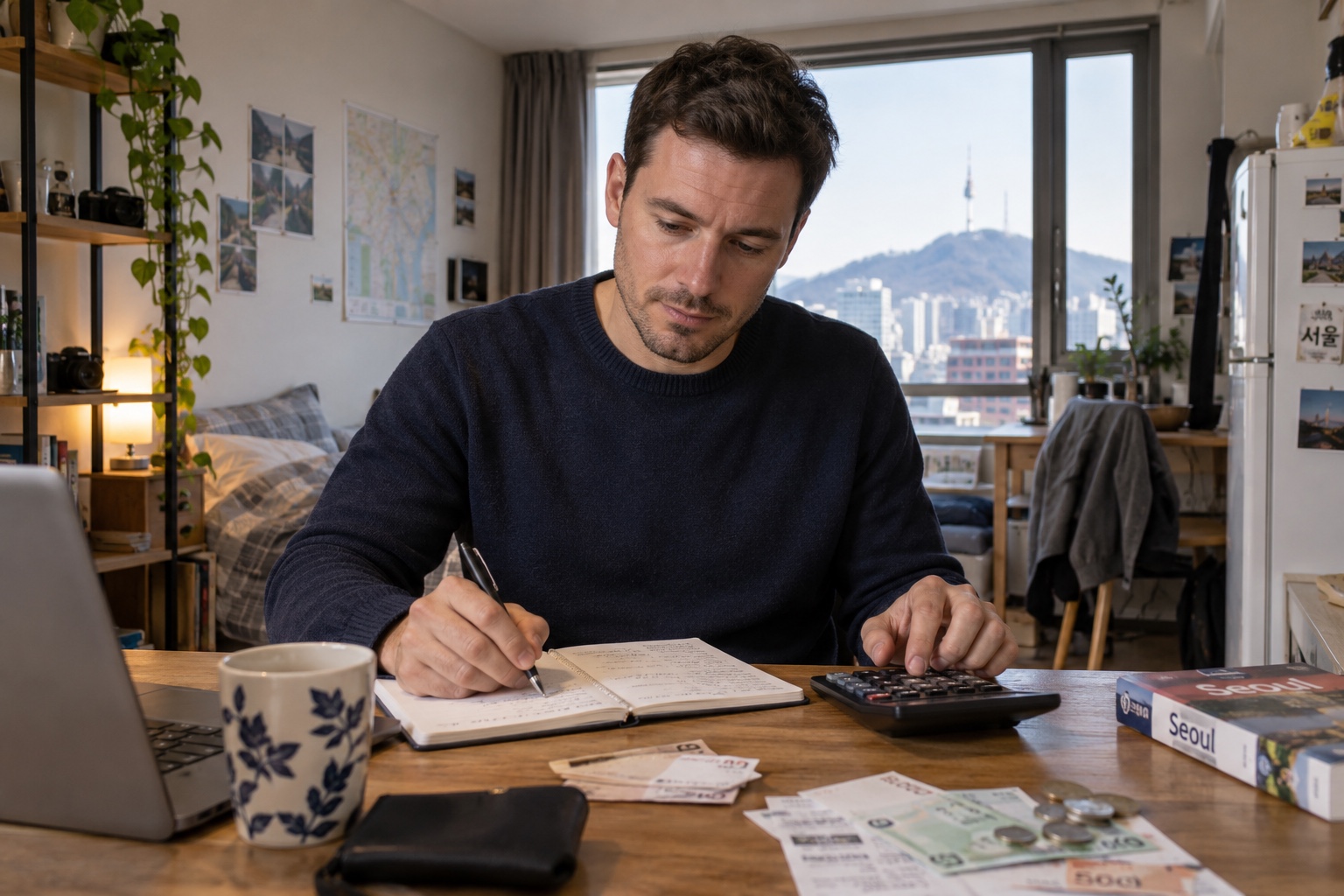
Leaving Australia and moving to Korea, I learned some really important lessons. The first one, which is a rite of passage, I learned all about living in holiday mode for way too long. Thankfully, I was able to clock this quite quickly.
Look, in hindsight, I would do things a little bit differently, I guess. At first, when I got here, I kind of treated it a little bit like a holiday. I spent quite a bit of money on going out and socializing and doing things and activities and stuff like that.
Being aware of this was great and it actually made me make the changes necessary to get out of this holiday mode. As I said, this is a rite of passage. This is something everybody goes through when you first move overseas, but you need to figure out how to navigate your way out of that.
The second lesson I learned was kind of a follow-on from that, and that is discipline and daily routine. For me, studying, learning the language was a great way to fill my days.
The biggest challenge is when you have no real set schedule. I didn’t have consistent work, so I was sort of just living every day as it would come.
I found putting in a sort of daily and even weekly routine was where I really started to get myself together.
I had a set routine where I would study during the week. I would have a weekend, which wasn’t necessarily Friday and Saturday or Saturday and Sunday, but I had a weekend set for me. Those would be the nights that I would go out and have fun. And then during the week I would either find ways to make money or be at home studying, getting better at the language.
The third important lesson is budgeting, because I had a whole lot of money going out and not much coming in. I had to get quite strict with this, because it’s a really scary thing when you’re just watching your savings going down and there’s not much coming back into it.
I got really good at putting a system together where the money I would earn from the month previous would be my budget for the following month, meaning if I slacked off for a month, I would have to pay for that the whole next month, and I got quite strict at sticking to that, and that would also motivate me to work more and work harder each month.
Korean Friendships and Learning to Say No
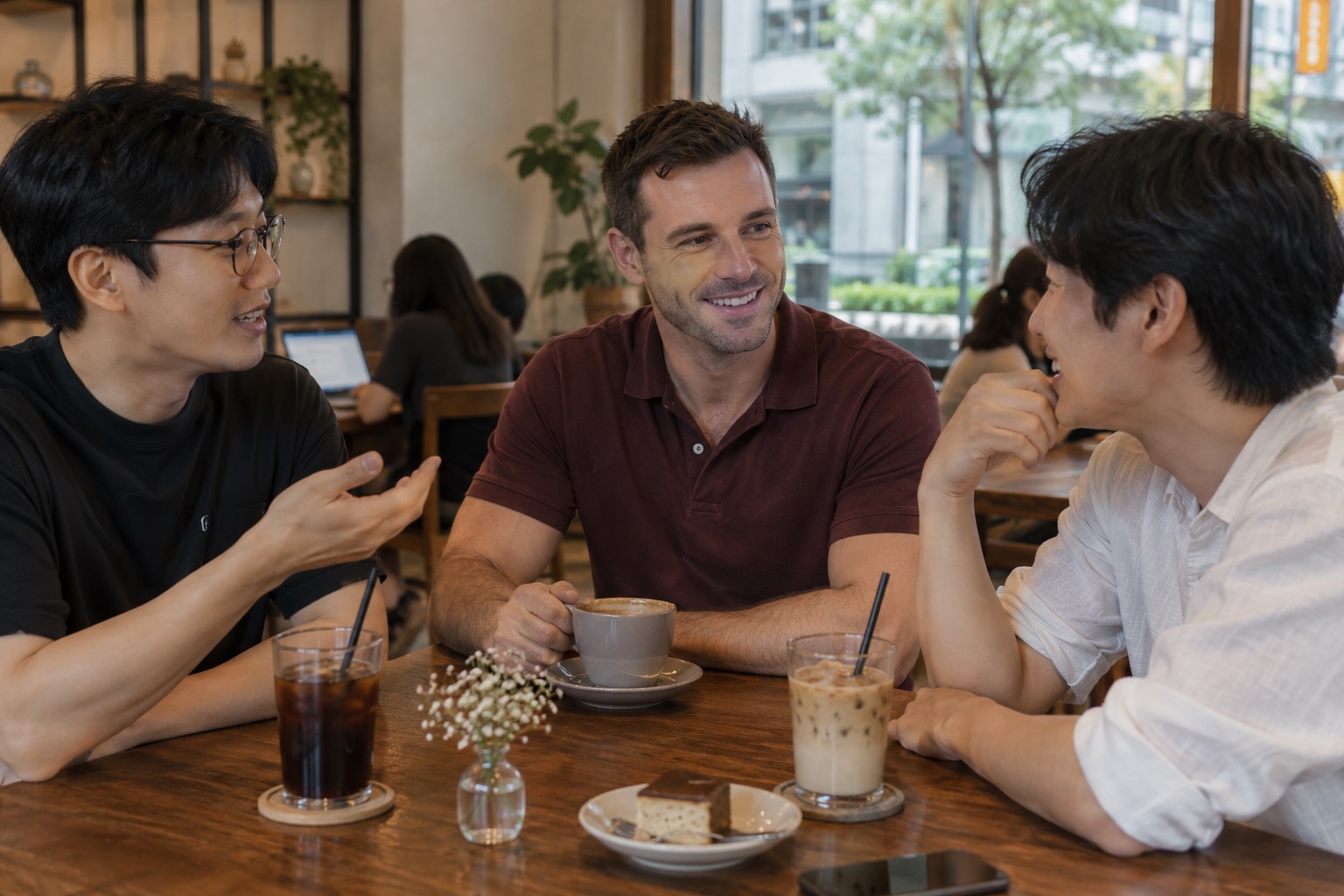
The fourth lesson is finding the right friends. I was extremely fortunate when I moved to Korea. I made all of my really good friends super quickly, one of whom is still one of my best friends to this day.
Pretty much all of my friends were Korean. I had one Western friend. He was German-American. We lived in the same neighborhood, and we’d go catch up when we wanted to just sit down, relax, and speak English comfortably. But apart from that, all of my friends were locals.
And then the fifth lesson, one that I still use to this day, is learning how to say no. Again, when you don’t have that structure and routine and the daily things that you have to do, it’s very easy to get lost in the sauce.
And if someone hits you up on a Tuesday night, like, “Hey man, let’s go out and have beers tonight.” Yeah, why not? If you’re not doing anything, it’s so easy to say yes.
This is a really fast way to get off track. Something I honestly quite struggled with at the beginning is sort of FOMO, learning how to say no, not feeling like you’re missing out on something.
That night out, the beers with your mate, you can do that another night, and you’ll probably have the exact same time. The discipline of not going out all the time is what’s really important.
And it’s hard to say no at first. It’s hard to feel like you’re missing out on something when all your friends are going out and having a great time, and you’re just sitting at home watching Netflix.
But, if you want to make this work and live overseas long-term, this is something you’re going to have to get good at.
Pandemic Travel Restrictions and Moving to Thailand
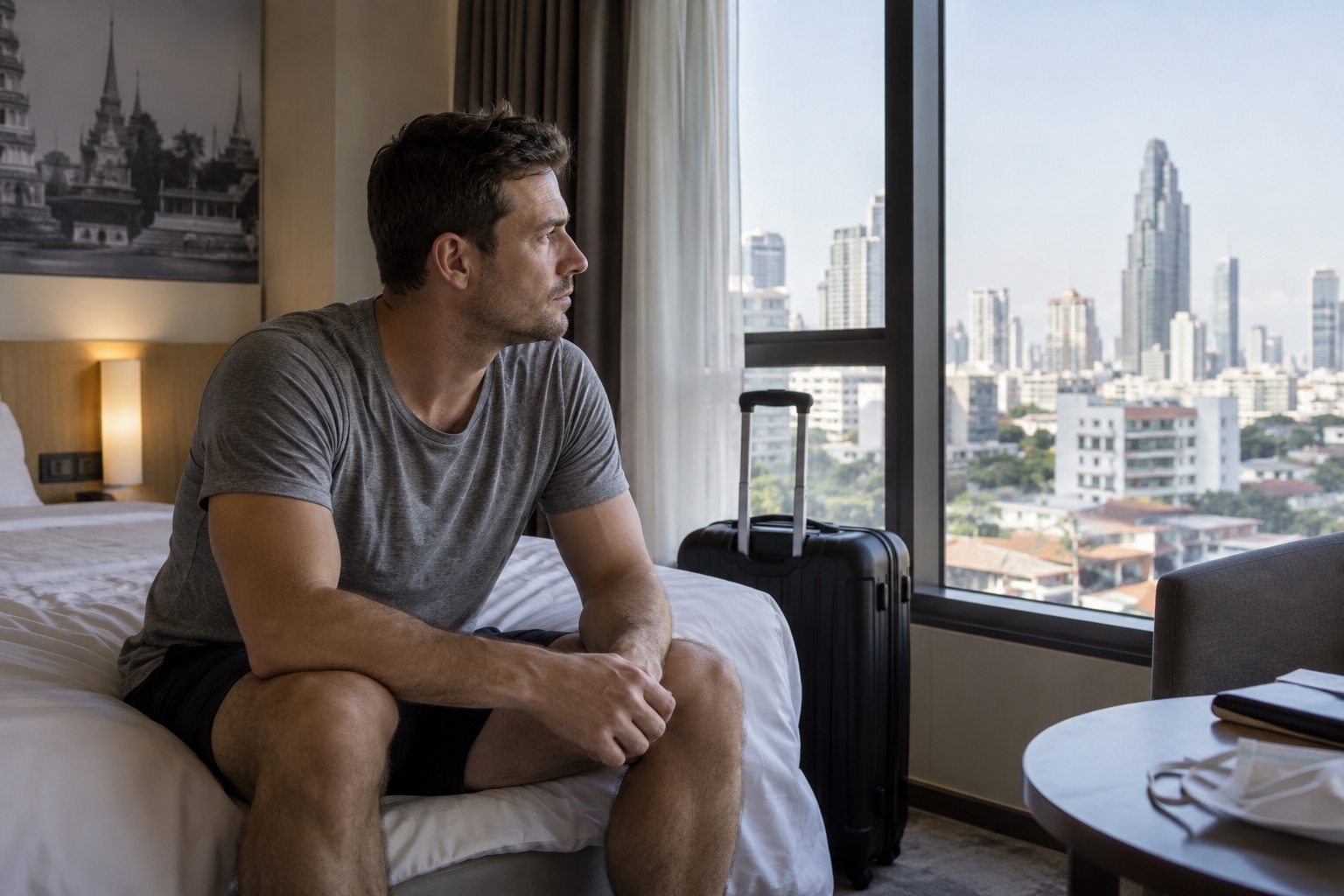
The world changed. The world shut down, basically, and I got stuck out of Korea. I was in the Philippines. I was having a holiday, doing some partying. It was around my birthday, just having a bit of fun.
And after that, I went to Australia to go see my family. And then Korea closed. And while I was there, Australia closed. And I had a really hard time getting out of the country, and I couldn’t get into Korea at all.
I was really fortunate that Thailand opened a little bit. It was a really complicated process. I had to apply. I had to be approved at both ends. To leave Australia, I had to be approved to enter Thailand.
But I was stuck out of Korea, and all my things, everything I still owned, were in my apartment in Korea. I just couldn’t get there. I was fortunate enough to be able to come to Thailand.
I had to do 2 weeks’ quarantine. That was a hell of a time. I actually didn’t mind the quarantine. It wasn’t that bad. But, just moving here during that time was a crazy experience.
Thailand and Korea stayed in lockdowns and travel restrictions for such a long time that by the time Korea opened, I was firmly settled here. I’d had friends in Korea pack up my apartment and send all my things to me. And by the time I was able to go back to Korea, I already had a new life here and was very happy.
Friendship Relationship and Income Risks Abroad
I’ve seen people change their lives for the better, come out here, fall in love, get married, start a family, but I’ve also seen it go the complete opposite direction. I’ve seen people fall into addiction, get cleaned out by women. I even know someone who is now spending the rest of their life in a Thai prison.
The first and probably the most important element to all of this is your circle of friends: finding the right people to be around you.
The challenge is if you meet people, you often meet people in a bar or club and if that’s what their lifestyle is and that’s what you’re going to do every time you hang out, it can lead you down the wrong path.
Number two is relationships, and this can go two different ways. Obviously, it can work out for the better. Like I said, I’ve seen people fall in love and start a family, but it can also go the wrong way.
You hear all the horror stories here of people’s partners taking away their business. You’ll hear of people having their bars taken away from them, having their home or their personal belongings sort of taken away from them because all of it’s in their partner’s name. You also have the age-old story of renovating your partner’s house. I know someone who’s been through that personally. But, getting in a relationship with the wrong person can clean you out financially and cause you massive dramas here.
The next way I’ve seen it all go wrong for people ultimately comes down to income and stability. There’s a great Lil Wayne quote, “Not having money is the root of all evil.” And this is where you see people finding alternative ways of making money that aren’t necessarily the best ways of making money and you can land yourself in a lot of trouble for doing things like that.
Having a regular income and stability are super important to your success. And if you don’t have that stability, that extra pressure on you every single month can build and ultimately explode in different ways.
And then the last one is discipline and saying no, something we’ve already addressed, but this is where if you’re not good at this, this is where it can fall apart very easily.
Learning Korean Through Study and Everyday Life
For me, my Korean is quite good. I’m conversationally fluent. I can read and write. I’ve been on a date with someone that spoke absolutely zero English and I got through that completely fine.
On my last trip to Korea, I hung out with a couple of my friends and well, my close mate does speak English. His two friends didn’t speak any English. We had a night out together where we only spoke Korean and it was fine. No issues. I can read and write. I can text and my language level is great for living there.
A good example, I always used to say this: I can watch TV shows, but I don’t really understand the news. It’s complicated language. I just know sort of day-to-day language and what you would use in regular life situations.
To get to that level of Korean was insanely difficult. I think people overlook how difficult it is to learn a second language as an adult.
I studied for probably about a year before I moved to Korea. Then once I was there, I stayed on top of it. I was learning and studying all the time as well as being immersed in the language.
As I mentioned, all of my friends were Korean. So I was surrounded by the Korean language. I would use it all day, every day.
Even with all of this and me not really having a regular job and having the time to be able to work on this, it was still years of work to get to the level that I’m at.
Speaking Thai and Preparing to Learn Japanese
My level of Thai is fine for living here day-to-day. I’m okay. I can do everything that I would do in a day. I can order food. I can get around. I can ask directions. I can have a great small talk conversation with someone. That same conversation you always have. Where are you from? How long have you lived here? What do you do? This conversation I’ve had 100 times and I’ve got this dialed in.
I cannot read. I cannot write. And if I’m completely honest, the incentive was never there.
The effort level it took for me to get to the level of Korean that I’m at, I was not prepared to do that here. Now I’m very happy and comfortable with the level I’m at and it hasn’t restricted me in any way. Thailand is extremely foreigner-friendly and there are services available for anything where you would find yourself in a situation where the language barrier would be an issue.
I’m moving to Japan next year. And I’ve been working really hard on my Japanese. I can read two of the alphabets. For those of you that know Japanese, they use three alphabets essentially in everything. This is quite difficult. I’ve learned two really well. The third, kanji, is quite similar to Chinese characters and there are thousands of these. I’m working on this. I want to learn 100 basic ones. This is a process and this is going to take a long time.
For me, knowing Korean has made learning Japanese so much easier. The language is quite similar in itself. The language structure is very similar, but Thai is completely different. Thai has the tones. You can say the same word five different ways and it will have five different meanings.
And where this gets difficult is if you get the tone wrong in two of the words, say you say a sentence to someone and you say five different words and two of them you get the tone wrong, they will have no idea what you’re talking about and this kind of kills the motivation.
In Korea, it was almost the opposite. I’d butcher a sentence and I’d ask people, “Tell me how to say that properly.” And they’re like, “No, no. You nailed it. You got it perfect.”, knowing that I’d completely messed it up.
For me, the move to Japan is ideally a long-term move and I’m putting a lot of effort into learning Japanese. I think it’s quite different to Thailand.
Thailand is, as I said, it’s wonderful for living abroad. I know people that live here that speak basically next to no Thai and you can get by here just fine. I don’t recommend it. I don’t think it’s a very polite thing to do, but you can.
Language Learning With Podcasts and Visual Study
I’ve tried many different methods and what works best for me is a combination of audiobooks or podcasts for understanding how the language sounds and then a visual learning experience such as Rosetta Stone Sapphire.
There is a big difference between memorizing words and translations and being able to have an actual conversation. This is why visual learning has been instrumental in my development.
How Rosetta Stone works is you see an image of something and you will either need to be able to say the word or complete the sentence. Something like the man is on fire. If you do actually see that, you will know what to say in that moment.
I don’t think that’s one of the things that you will actually learn, but you get the concept.
On my morning commute on the subway in Korea, I used to just doom scroll away, but I replaced that with learning and this rapidly accelerated my development.
I also really love the desktop version. I like studying at my computer with a notebook. I’m a huge pen-and-paper guy and this works for me really well studying at home in my own time. This is currently how I’m doing the majority of my Japanese learning.
A Nightclub Fight and Arrest in South Korea
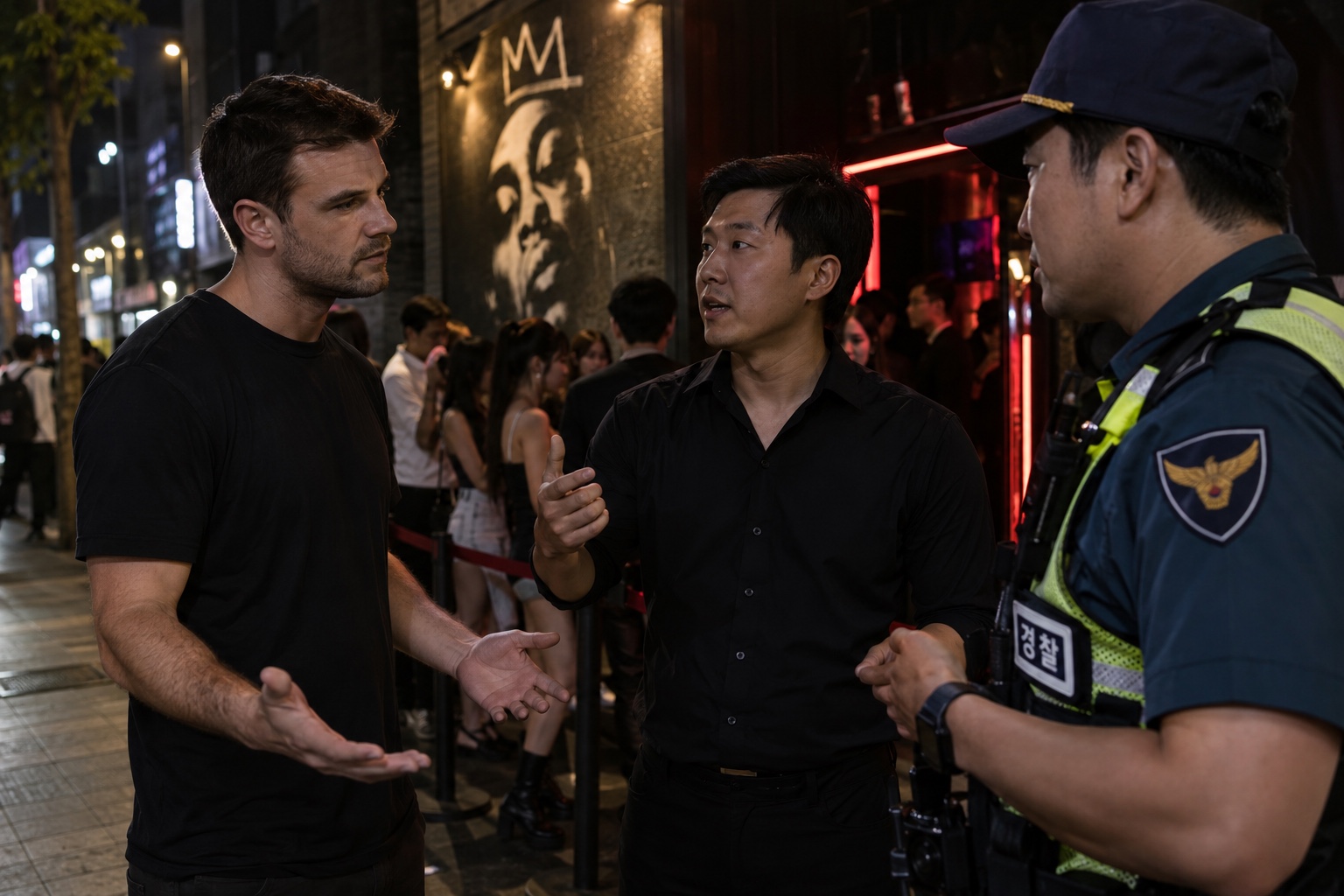
I have had two major wake-up calls in my time living abroad. The story is I was in a club partying, having some fun, obviously had a few drinks and there was a guy next to me that kept sort of shoving me and bumping into me, sort of trying to bully me, I guess, in a sense and this got quite frustrating and I sort of like shoved him back and told him to back off and it was just kind of escalating.
I did try and de-escalate. I went over to the bar, had another drink and then I was back on the dance floor and a little bit later he came back and the same thing was happening again.
And in that moment, I lost control basically. I pushed him, he pushed me back and I hit him. This is a crazy situation. I hadn’t been in a fight since I was a kid, and yet here I was in this situation.
The club took care of it. I was a regular in this club. It was a local hip-hop club that I used to love going to. I knew all of the staff that worked there and they handled it really well. They just asked us both to leave and they said, “Look, go cool off, chill out and and basically you know it’s over.”
When we were outside, I was out there by myself and the guy came out with two other mates and it sort of started to kick off again in the street. I don’t know why these guys were targeting me, but I was being targeted.
A great thing about Korea is there’s a really strong police presence in nightlife areas. Great, I don’t know if this was great. We got grabbed by the police.
Where this didn’t work in my favor is I’m not a local and I didn’t speak the language well at that point. These guys are telling their side of the story and all of a sudden now I’m the one getting arrested.
I was taken back to the police station and basically interviewed for questioning and I told my side of the story. They got in touch with the club and confirmed that the guy was messing with me. They checked CCTV. The guy was messing with me and he had done it multiple times.
The Police Agreement and Lessons From Culture Shock
Where this gets interesting is Korea doesn’t have any kind of self-defense laws. If someone hits you and you hit them back, you can both be charged.
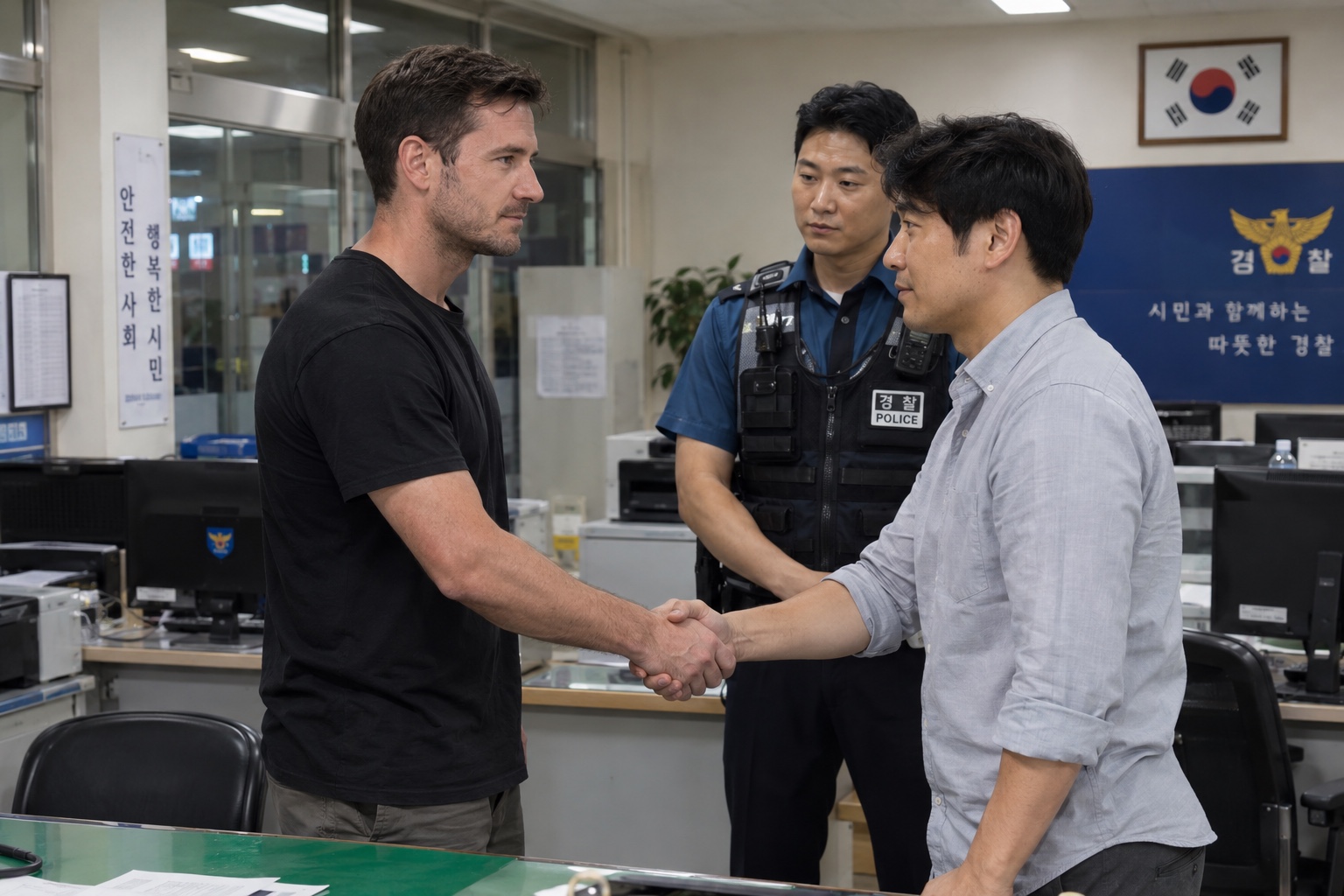
Where this gets even more interesting is while they don’t have self-defense laws, they have a handshake agreement, meaning if I forgave the guy and he forgave me, we could basically not press charges against each other.
What the police told me to do in this situation is they could see I was the victim. They said I need to basically press charges against the guy that did it. If I agreed to do that, then he would have to come down to the police station and we could basically just shake hands and forget about it. Obviously that’s the road I went down.
The guy came in, we shook hands, we forgot about it. The police actually gave him a really long lecture about how to not treat foreigners and they recommended that he take me out for a meal to basically apologize.
Funnily enough, we ended up going out for a meal together and this was such a crazy end to the evening, but we had a great night out together. But, obviously we didn’t stay in touch. We didn’t stay friends after that, but the story had a happy ending. Nothing really came of it, but it was a huge wake-up call for me.
I put this whole thing down to culture shock. I thought I was going to slot really easily into Korea. I wanted to be there for so long. I’d been working really hard to make it happen. I had friends there already. I thought it was going to be a very natural thing, but ultimately, I was in a situation where I was way out of my comfort zone.
I was confronted by people in a club. I felt outnumbered. I was getting picked on. I didn’t know what to do other than to react the way I did. This obviously wasn’t the right decision to make, but it was a split-second decision, and I had to live with the consequences.
This taught me a very valuable lesson, and that is this dream that I worked so hard for for so many years could be taken away from me in an instant.
In Korea, if you’re a foreigner and you assault a local, you can be deported for this, and this was the scary wake-up call that I needed to remind me that I’m a guest and to not mess it up.
Moving to Osaka and Setting Up Life in Thailand
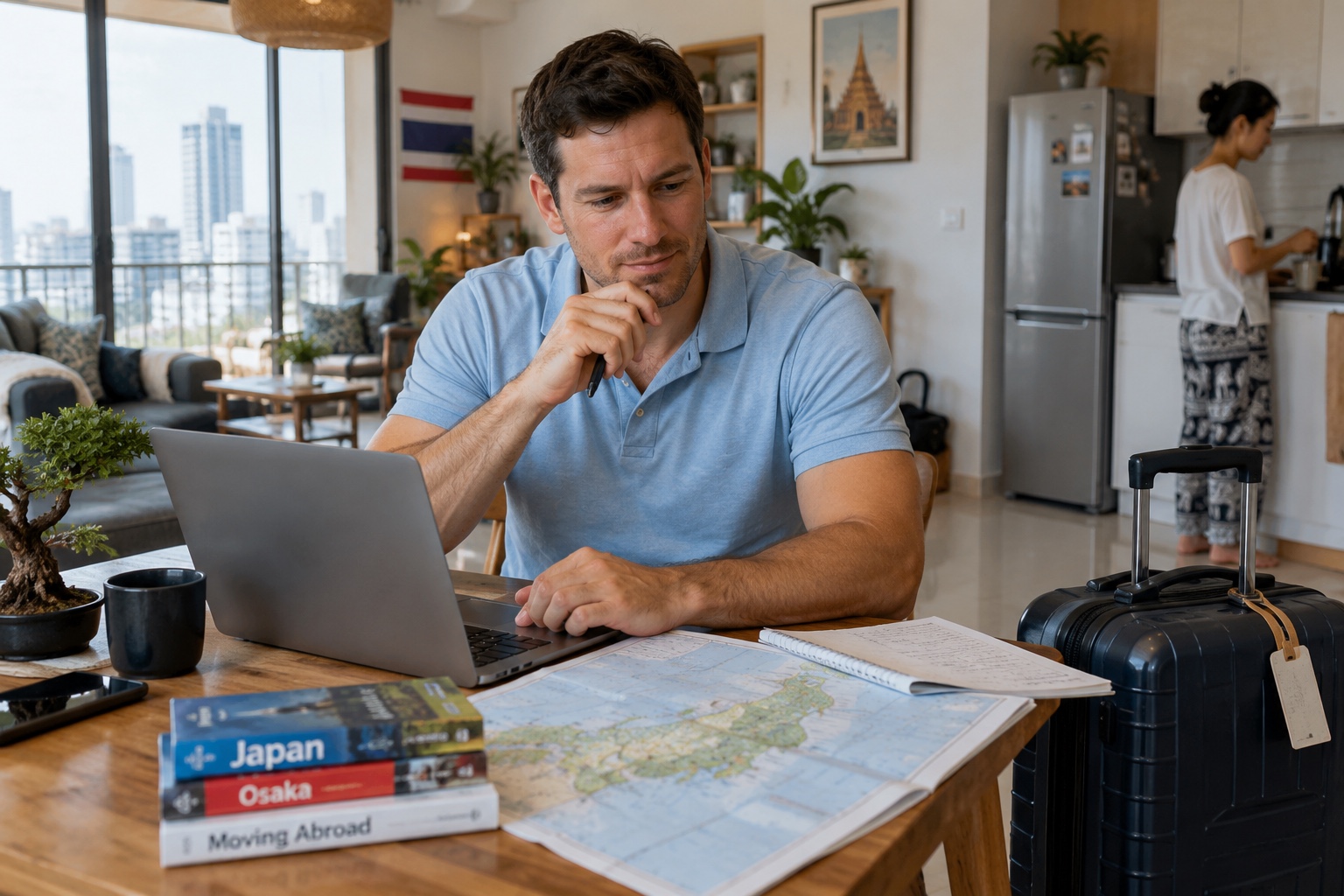
Around the second quarter of next year, we will be moving to Osaka in Japan, and this has been a lifelong dream of mine. I’ve always wanted the experience of living in Japan at some point, and this has nothing to do with my feelings about Thailand. I love Thailand. I want to make this clear. I don’t dislike living here. I have a wonderful life. I have an incredible lifestyle here. I just want the next chapter and a new adventure.
Things that appeal to me about Japan are the car culture there, the weather, the culture in general. I quite like Japanese culture, and I’m excited to experience a new lifestyle.
I realize Japan is a very difficult country to move to, and there’s going to be a lot about the country that we find frustrating, but that’s normal, and you have that everywhere. There are things that drive me crazy about here. There are things that drove me crazy about Korea. I’m expecting the same in Japan, but I don’t think they’re a deal breaker.
For us, this is the next chapter of the adventure. When I left my corporate boring job in Australia, I wanted fun, travel, and adventure. This is just the next step, and I feel like it’s very low risk. If for some reason we don’t like it, we’re not happy, Thailand is extremely easy to move to, and we’ll just move back.
This leads me onto my point of why I think Thailand is a great country to move to. It’s so easy. Visas are easy, getting set up here is easy, and the closer I get to moving to Japan, I realize all the processes that we have to go through. I’m like, “Oh my gosh, it was so much easier to move to Thailand.”
Everything down to finding a condo: if I wanted to move this afternoon and be in a new place by tonight, I could, easily. You move into places here, you don’t have to show any paperwork, you just pay the deposit, and it’s yours. You sign the contract.
In many countries like Australia, you need to apply, you need to be approved, you need to give employment letters, pay history, bank statements, all of that. Thailand, there’s none of that. As long as you can pay the deposit up front, you’re good to go.
There are frustrations around this with getting bank accounts and getting all set up, but you can get a phone number on a tourist visa, that’s something that you can’t do in a lot of countries. You can get a driver’s license really easily here, and you can basically just get set up. You could get set up here in a week.
Thailand also has wonderful services for everything. If there are things you don’t want to do, things that are too difficult, you can just pay money and have someone do that whole thing for you.
I often get pushback for talking about the services. People say it’s easy, just go do it yourself. But for me, for the ease of not having to leave the house, if you can pay someone to do this thing for you, I will choose that every time. This is just something I think Thailand does really well, and if you’re looking for a country to move overseas to, Thailand is one of the easiest and an amazing country to live in.
Entertainment Visas in Korea Japan and Thailand
It’s become a lot more relaxed here because the visas are much easier. In Korea, this is something I found really difficult when first moving out there. I went over on a tourist visa, trying to just sort of figure out that whole process.
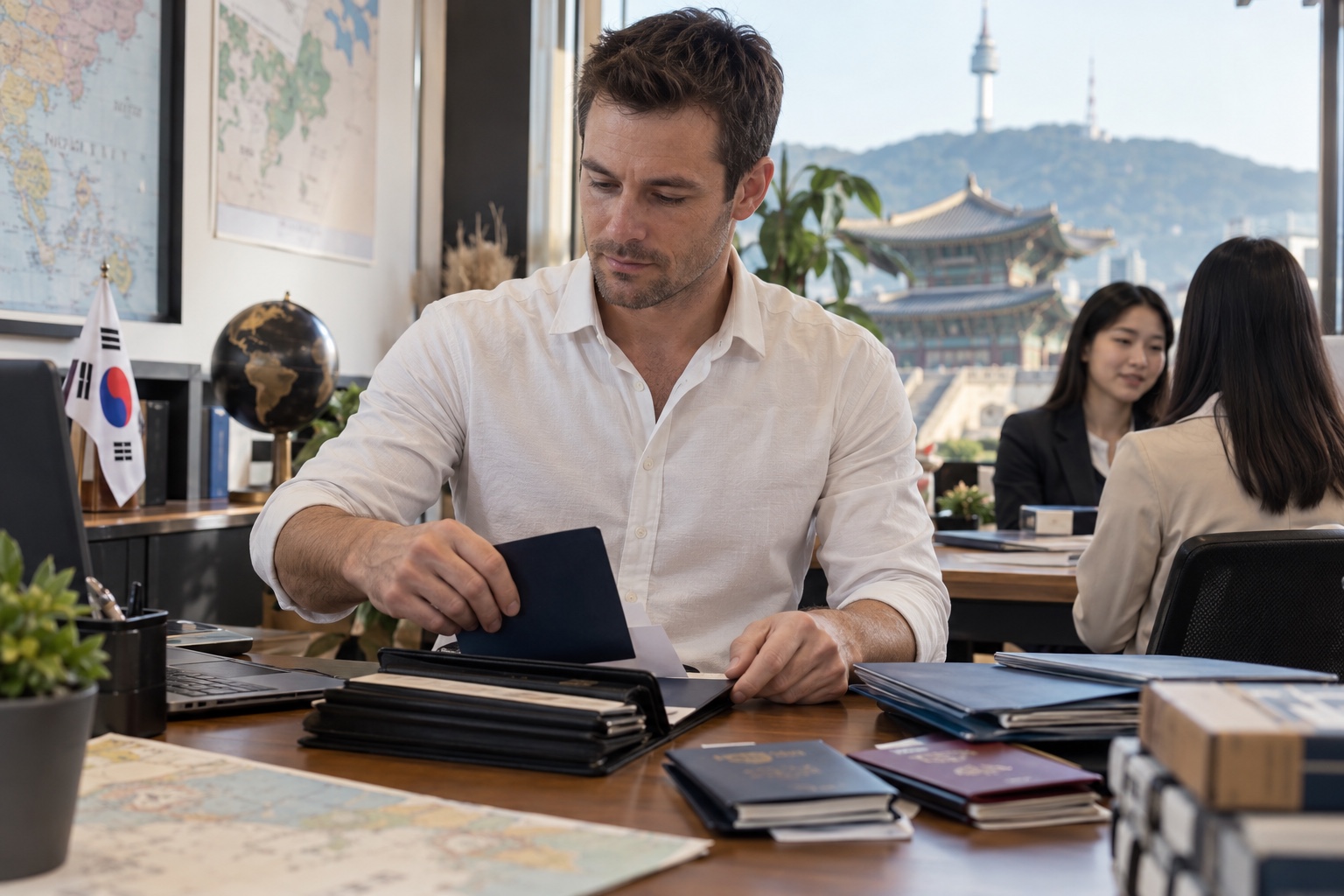
To get an employment visa, you need to be sponsored by a company, which means you need to be employed by the company. You need to be in the country first. This whole process is extremely difficult. I figured let’s just get to Korea first and then I’ll figure out that whole thing once I’m there.
Korea has awesome visas around if you’re doing the entertainment work. I was doing acting, TV work, extra work, modeling work, and this all falls under the entertainment visa category. This is an amazing visa. It allows you to work and live in the country, and it’s a yearly visa.
Visas for Japan and figuring out all of this have been quite a difficult process. It’s much easier these days with ChatGPT and things like that. You can sort of find a lot more information quite easily.
Japan had an amazing visa, the business owner business manager visa, I think it was. But, they’ve since changed all the requirements around that, and now you need a ridiculous amount of capital. This visa is basically not an option anymore.
I have a sneaking suspicion it’s going to either revert back or meet somewhere in the middle, ideally, and this would be a much easier pathway for many people to be able to move to Japan.
But, something Japan does have, which is what Korea has, is the entertainment visa, and this is a really great option if you are a high-profile YouTuber or influencer, as much as I hate that word. There are agencies that want to work with you, want to partner with you, and they can help support that whole process.
This leads me to the visa situation in Thailand, and the visas here have never been easier. It’s never been better. Or maybe just before the recent DTV changes it was slightly better, but the DTV visa is an incredible visa. For 5 years you can earn legally on a foreign-sourced income. It’s cheap to get. The requirements are easy to meet. This is the dream visa. God, I wish I had one like this in Japan. I would have jumped at it.
Moving overseas, I can say without hesitation, the biggest nightmare, the biggest headache is navigating the whole visa thing.
Disputes and Feeling Powerless While Living Abroad
For me, I think the thing I dislike the most about living abroad, and this happens everywhere, but I think in Thailand it happens even more, is the feeling of being somewhat powerless.
If you were to land yourself in any kind of trouble or any sort of situation, back home, you know you have the right to a fair trial, you know people are going to listen to both sides of the story, and the law will be followed by the book.
Not to say that that doesn’t happen here, but things just happen differently, and if it comes down to a situation where it’s your word against the locals, it’s often going to work not in your favor.
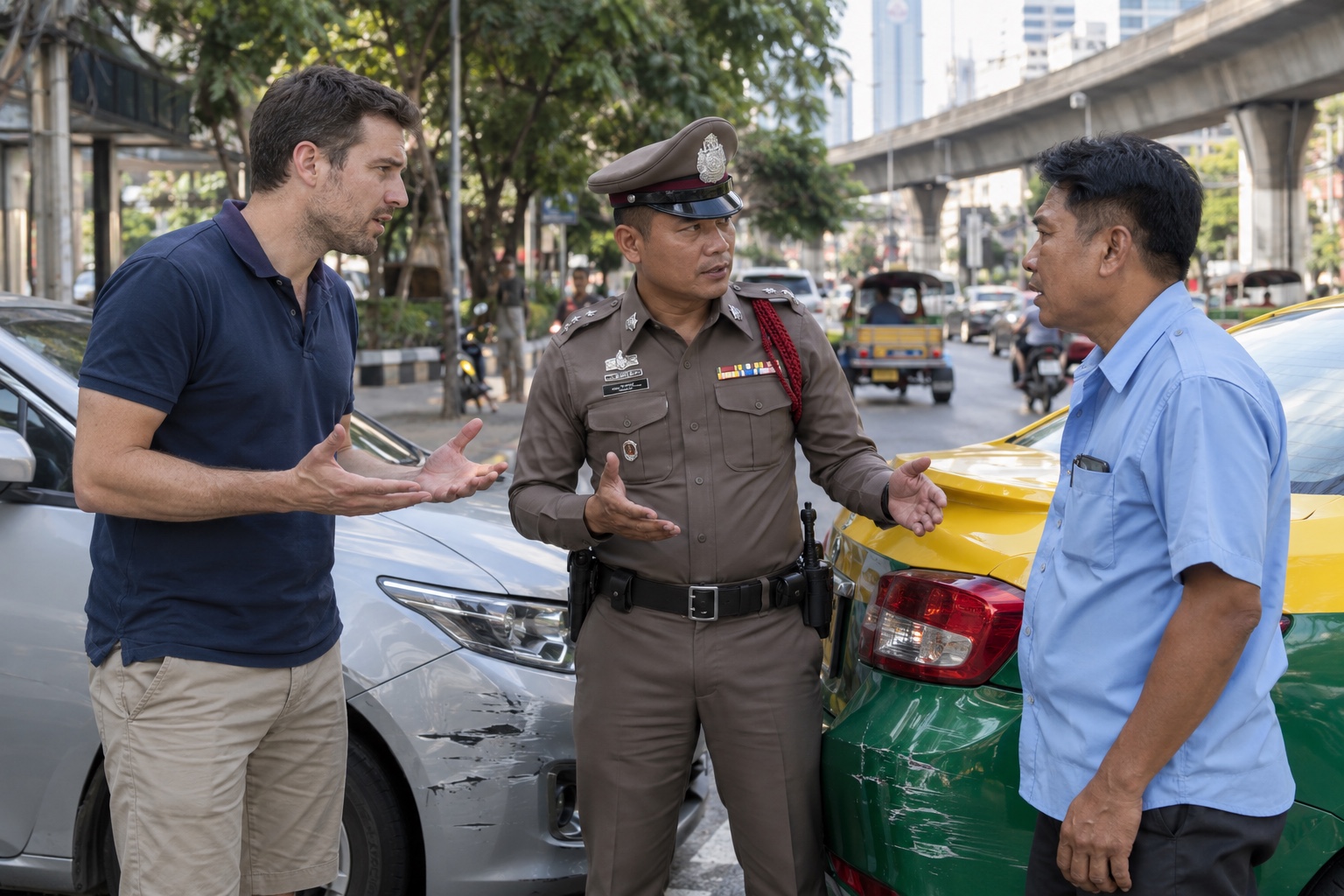
I will give a good example of this. I had a mate that just bought a car, and when he was driving home, he got sideswiped by a taxi. The taxi basically merged in front of my mate. The back of the taxi hit the front of my mate’s car.
If you were to sort of analyze the damage on each of those cars, it would be easy to see that the taxi has moved over on him.
Obviously, they had a disagreement, the police came and got involved, and the police ultimately said, “If he doesn’t agree to pay the taxi driver money, then he’s going to have to go to court, and the taxi company will just make that whole situation a complete headache for him.”
This is a situation where you feel powerless. What do you do in a situation like this? He just paid the money. It wasn’t a large amount that the taxi driver wanted, and then once he paid, the problem was resolved.
But, he wasn’t in the wrong in the first place. If anything, it should have gone the other way.
This is not to say this is going to happen to everybody, and this isn’t just a Thailand thing. It was the same as my situation: I was a foreigner, I was involved in an altercation with locals, and obviously, they listened to the locals first.
Thailand Lifestyle on a Western Salary
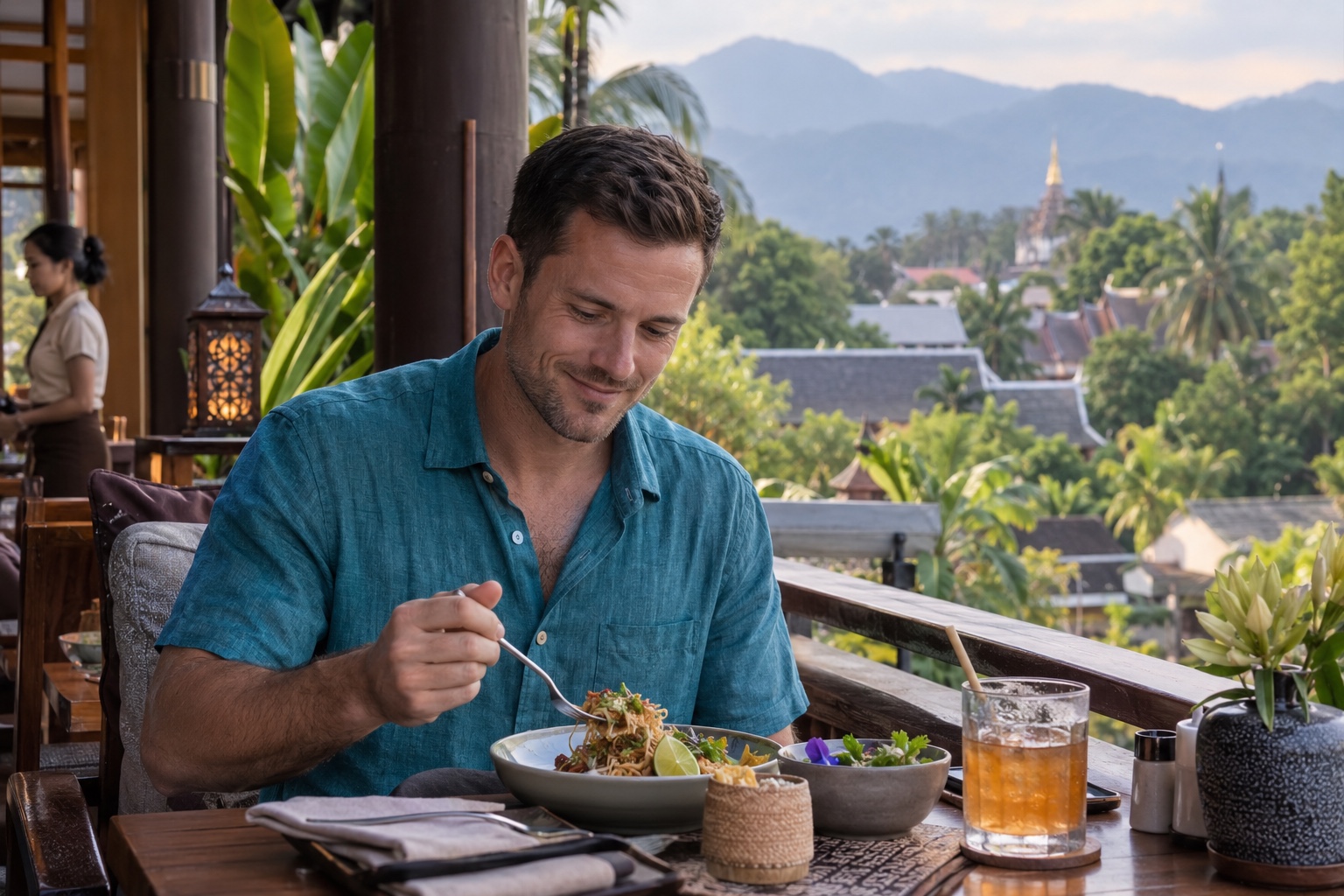
For me, living here in Thailand, the lifestyle is unmatched. If you’re able to live here on a Western-level salary or wage, you get to live the kind of lifestyle you’d have to be a millionaire back in Australia to live. I eat out several times a week. We get food delivered all the time. I go out shopping. I don’t look at the prices of things.
We’re taking a trip in a couple of days. We’re off to Chiang Mai for a few days, just for fun. Not doing anything, not doing any work. We’re just going to go spend a few days in Chiang Mai and enjoy it up there.
I also regularly travel around and go stay in hotels. The hotels here are extremely affordable. God, look at hotel prices in Australia. The amount of time I spend in hotels is ridiculous, and it ultimately comes down to the affordability of it all.
Rebuilding My Savings With a Pizza Restaurant Job
I moved over to Korea with very little plan, a lot of money, and I basically needed to find a way to have money coming in and balance what was going out. It is a really scary thing when you live overseas and you’re just watching your savings go down, down, down, down. I’d worked for years to be able to save the amount that I did to move over to Korea, and basically, that was just dwindling away as my discipline was lacking and I wasn’t working enough.
I always had an emergency fund for getting home. This is something that always surprises me when people run out of money here, or they become homeless, or whatever, they’re stuck in a country.
I had a couple thousand dollars sitting in an account that I couldn’t touch except for in the case of an emergency, and that was to book my flight back to Australia.
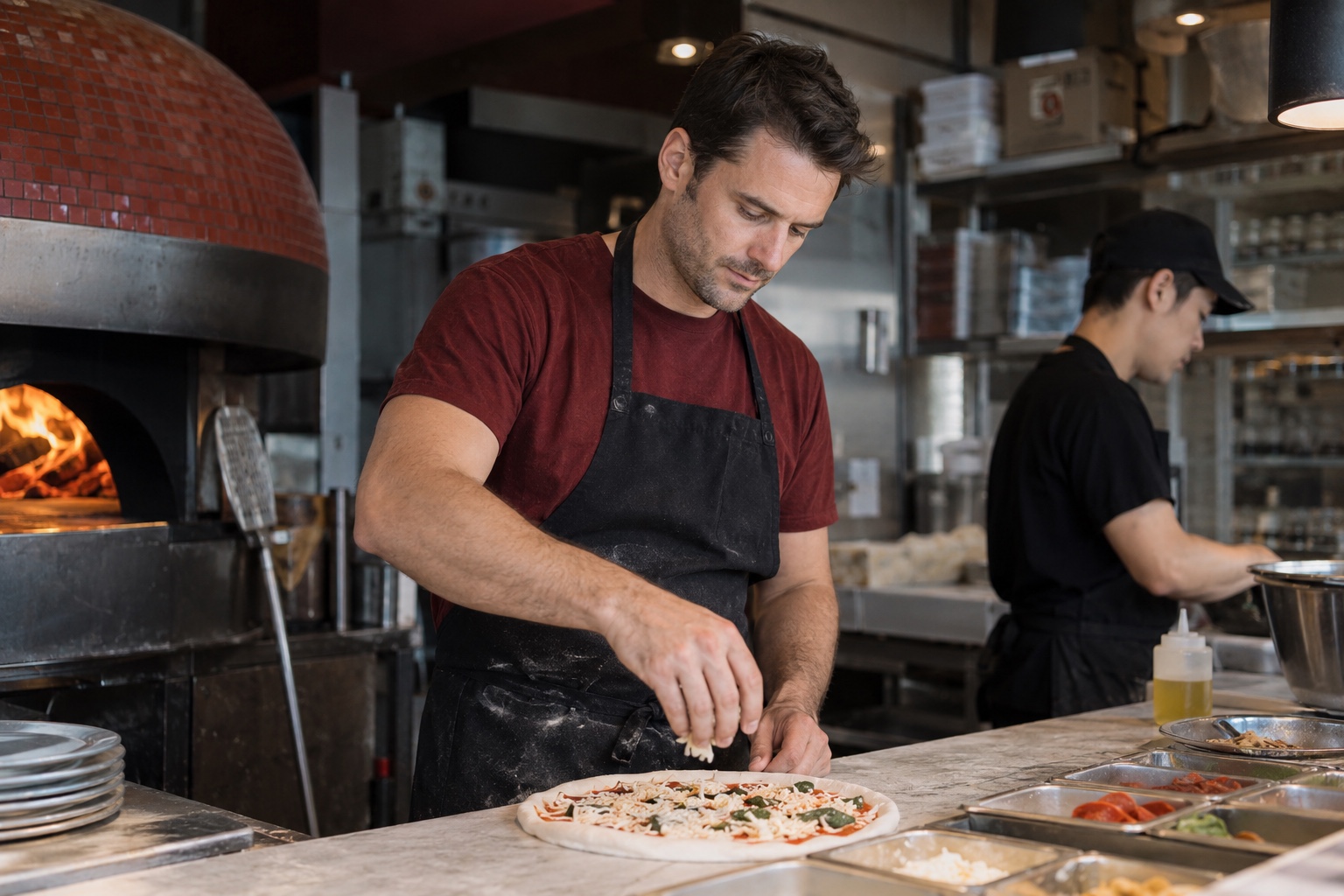
Full transparency, I started to get quite low on money when I was living in Korea and I ended up getting a job in a pizza restaurant.
It started off as just wanting a casual job to get a little bit more coming in. I was still doing the acting work and I figured the two of those together I could make a really good income and I’d actually be able to save a little bit each month, but the opportunity for that to turn into a full-time job came up and I was able to earn well and start stacking some savings again.
I really loved this job. It was a great experience looking back on it in hindsight. I started to not love it after quite a while of doing it.
I realized I was back to working a full-time job and while I was living overseas, it wasn’t the dream of travel, adventure, fun, freedom, all of these things that I moved over for and I was back to being a full-time worker.
What this did do was allow me to save up a bit of money and this was good and it helped me get back on track.
I eventually ended up leaving that job and did more of the acting work and I was able to get more work there, but it also made me far more aware of the discipline and what the punishment was going to be if I started falling behind. I was going to have to get a full-time job again and go back to that working lifestyle.
What would I tell myself? Honestly, I would just tell myself at the beginning to be a little bit more careful with my money, but ultimately the lessons that I learned, I am in a weird way thankful for making those mistakes because they haven’t been repeated and the severity of the mistakes really makes you realize how special this life is and to not mess it up.