I Planned 100 Thailand Trips – Here’s What I Learned
Most people plan their Thailand trip completely backwards. They visit too many places, end up going way over budget, and leave feeling like they need to come back to see the version of Thailand that they’d always dreamed of.
I’ve planned over 100 trips to Thailand, so I’ve seen every mistake there is to make.
Thailand Trip Budget
How much will you actually spend on your Thailand trip? This is something I see people get wrong all the time. They book flights, then hotels, then start adding tours and transfers, and because they haven’t planned the trip as a whole, the budget slowly starts to spiral out of control.
The best way to avoid this is to look at everything together from the start, including all flights, hotels, activities, and transfers, so you get a much clearer idea of what the trip will actually cost. The biggest factors that will affect the cost of your trip are when you travel, the quality of your hotels, and whether you want to do group or private experiences.
Taking all of that into account, about 95% of the two- to three-week trips that we help people plan fall somewhere between the $5,000 and $15,000 range. That’s basically everything from once you arrive in Thailand, apart from food and spending money.
Five thousand and fifteen thousand dollars is still a massive range, so let’s delve a little deeper.
Where to Save and Splurge on a Thailand Trip
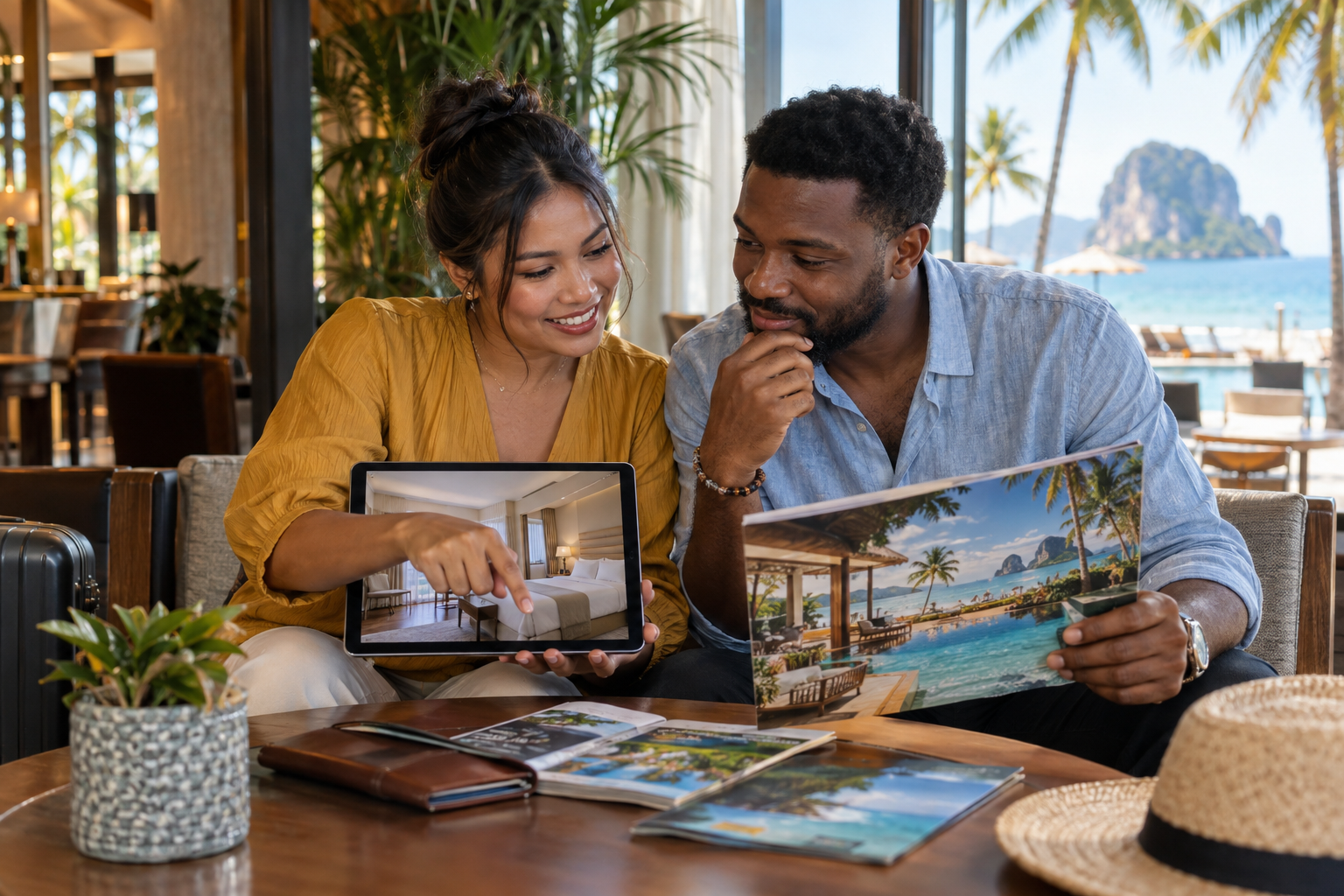
At around the $5,000 mark, you’re generally looking at simple hotels that are still clean and comfortable, but just a basic room. You’re probably going to join group tours for most of the activities rather than private ones, but you can still absolutely have an excellent Thailand trip at that price. That budget will stretch much further if you visit during the low season.
At around the $15,000 mark, you’ve got much more flexibility. Now you’re looking at high-end five-star hotels throughout the trip, private guides and activities such as private boat trips, and generally more comfortable transport.
Most people that we work with in our travel company fall somewhere between the two, and the tricky part is deciding where to save and where to splurge.
For example, if you’re out exploring Bangkok all day, you probably don’t need to spend hundreds of dollars a night on a hotel. But on a beautiful beach where you’ll actually use the hotel, that might be worth every penny. Whatever your budget, plan the trip as a whole first. That’s how you make smarter decisions and stop a $7,000 trip quietly turning into a $12,000 one.
Off the Beaten Path in Thailand
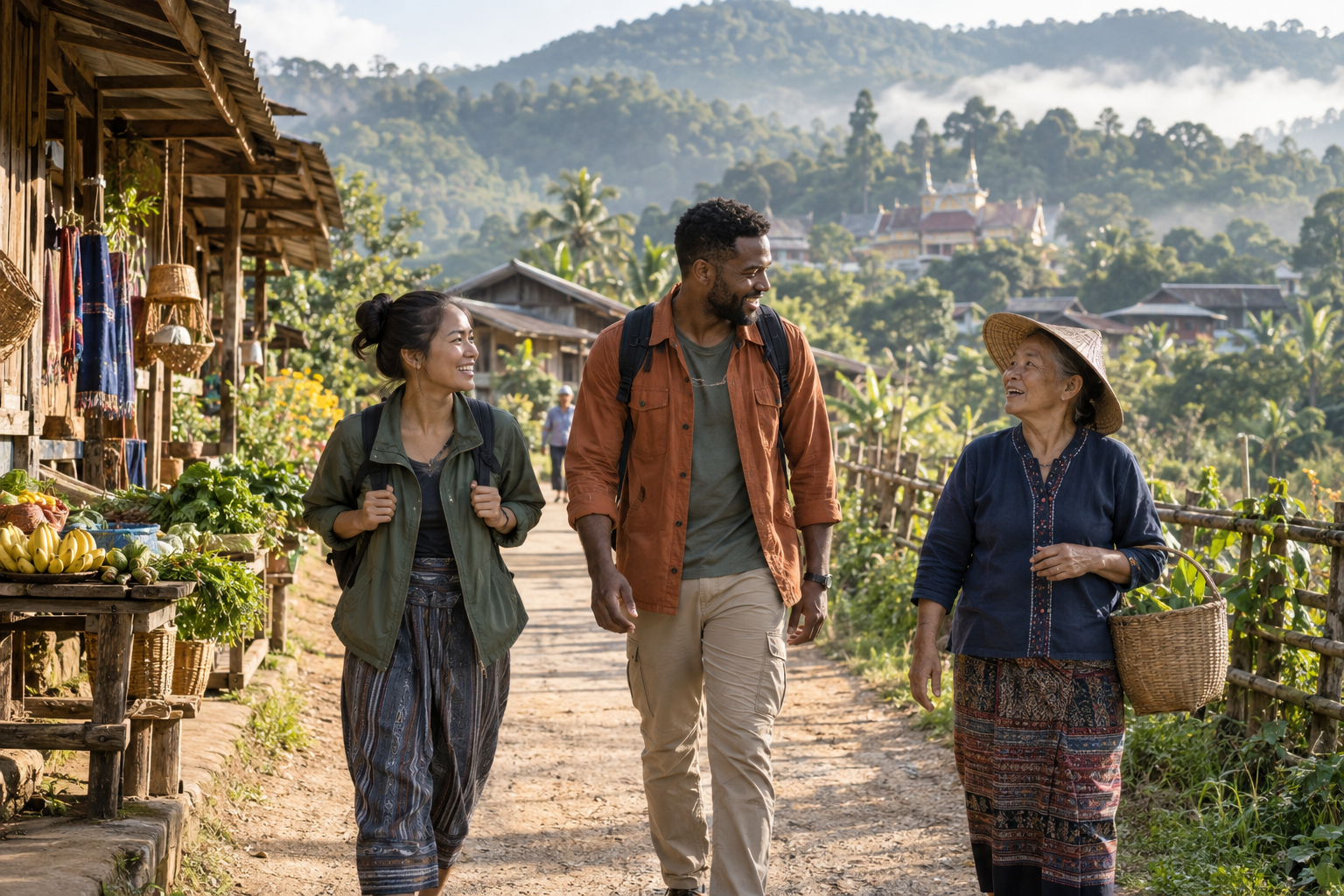
Everyone talks about wanting to get off the beaten path in Thailand, but I don’t think many people are actually stopping to think about what that means. Places like Bangkok, Phuket, Koh Phi Phi, Koh Samui, and Chiang Mai are incredibly popular, but they’re popular for a reason. There are loads of things to do, and there is some incredible scenery there.
I think the mistake most people make is assuming that to have a real travel experience in Thailand, they need to completely reinvent the wheel and travel somewhere that nobody’s ever heard of.
If you really do want to go off the beaten path in Thailand, it can mean arriving somewhere with very little tourist infrastructure. That means maybe nobody speaks English, there might only be one or two very basic hotels to stay at, and getting there can be incredibly complicated and time-consuming.
For a certain type of traveller, that can be absolutely amazing. But for most people, especially if this is your first trip to Thailand and you’ve only got a short amount of time, that’s probably not what you mean when you say you want to get off the beaten path.
What I think most people really mean when they say off the beaten path is that they want authentic travel experiences. They want to meet local people, learn something new about Thai culture, eat somewhere that isn’t just catering to tourists, and have an experience where they’re not standing alongside 200 other people doing exactly the same thing.
Authentic Experiences in Tourist Destinations
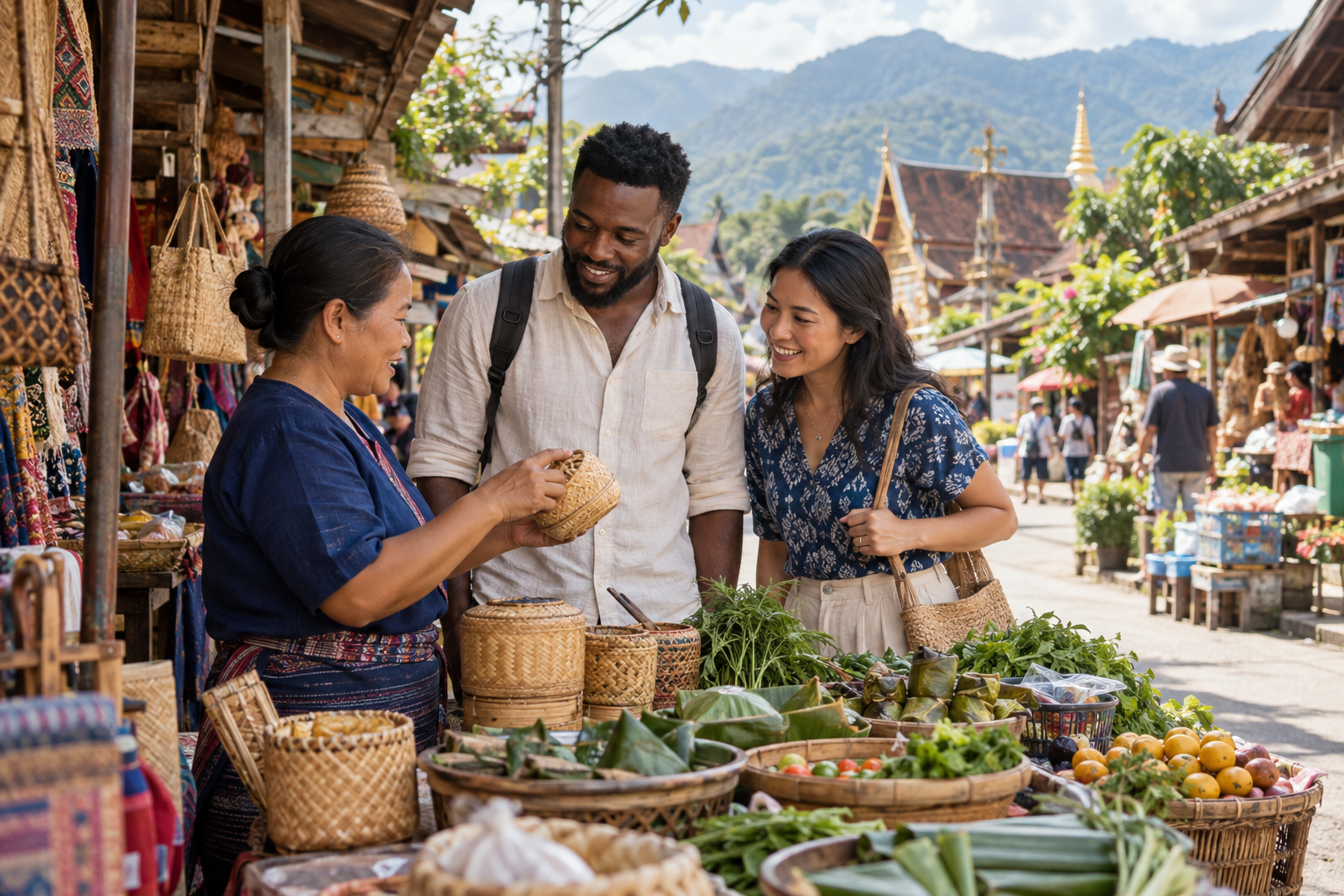
You can actually find these experiences in some of Thailand’s most tourist destinations. Chiang Mai is a great example of this. You can stay right in the centre with all the convenience that gives you, then head out into the mountains, spend a day visiting the local communities, learn about the different hill tribe cultures, and visit the villages where they live.
Then return in the evening and enjoy everything on Chiang Mai’s doorstep, including its bars, restaurants, and nightlife. There are still many places around Chiang Mai that receive a small fraction of the number of tourists who stay in central Chiang Mai, and visiting these smaller towns is a cool experience.
Even somewhere as developed as Phuket or Koh Samui, you don’t have to spend your entire trip on the busiest beaches. You can hire a local longtail boat to take you to quieter beaches, smaller islands nearby, and the corners of the coastline that most people never see.
There are opportunities for homestays, family-run restaurants, local markets, cooking experiences, and small communities, all within reach of Thailand’s biggest tourist destinations. You don’t need to automatically think that touristy equals bad.
Local Guides and Small Travel Companies
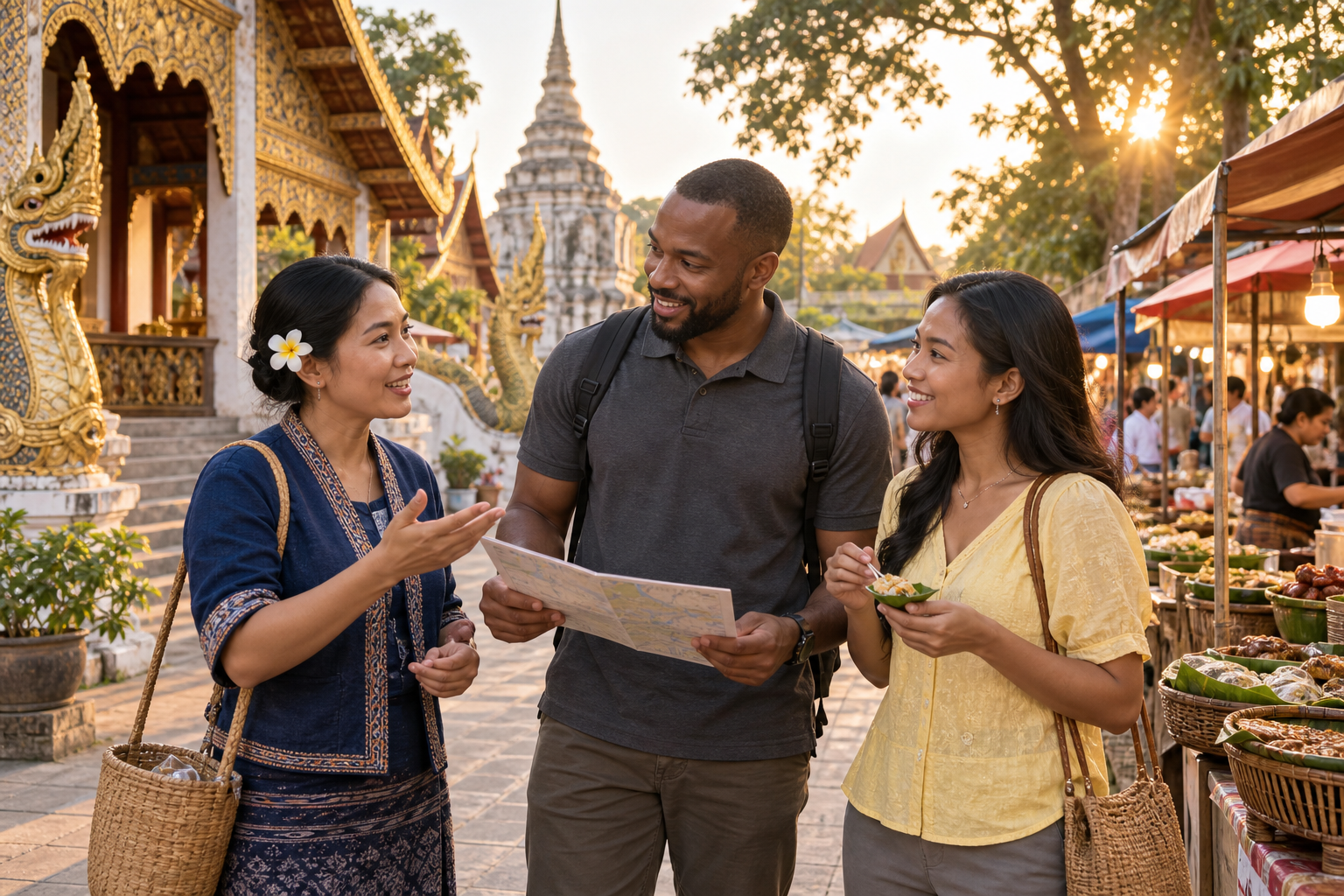
When we ask our clients about the best part of their Thailand trip, nine times out of ten, they’ll mention a specific person. Usually, that’s a great local guide they’ve met who has really enhanced their experience.
Of course, you can visit a temple or walk through a market by yourself, but having a local expert explain the history, food, traditions, and cultures of the place that you visit will really change what you get from the experience.
Normally, people eat bugs like worms and crickets as food, like a snack. Yeah. But it’s nothing new for us, but for Europeans, they say this is a super new sort of protein.
Luckily, because tourism in Thailand is such an important part of the Thai economy, there are some great local guides and small travel companies that have carved out some really interesting niches for themselves, specialising in everything from food and history to Buddhism and the local communities themselves.
The important thing is choosing the right guides. A good place to start is looking at places like Viator or GetYourGuide. Although some of the best companies here aren’t operating on those platforms because they take such a big cut, at least here you can find out the reviews of what other people have said.
Personally, if possible and your budget allows, I would prefer a private trip over some of the group tours. This gives you much more chance to connect with a person, stop where you want along the way, and go at your own pace. Having a great local guide, especially one who speaks English well, can really make your trip.
Thailand Travel Logistics

This is something that nobody wants to think about when they’re planning a trip. You get excited about the hotels you’re going to stay in, the food you’re going to eat, and all the incredible places that you’re going to visit. But nobody gets excited about figuring out how you’re actually going to get from A to B.
Bad logistics can ruin a trip incredibly quickly. I learned this myself a few years ago when I was travelling in Laos. We had 10 days in the country, and one morning we were travelling from Luang Prabang to Vang Vieng. We decided to head to the train station and catch a train.
We turned up that morning, but every train was completely sold out until the evening. This meant that we ended up spending an entire day of our 10-day trip just sitting around waiting for a train in the train station. When you’ve only got a limited amount of time in the country, losing an entire day really matters.
The same thing can easily happen in Thailand if you haven’t thought through your logistics beforehand. Maybe you’ve booked a hotel on an island without actually thinking about how you’re going to get there. Or you can turn up at the airport and spend the next 30 minutes on your phone trying to figure out if the taxi driver is trying to rip you off, when you could have easily had someone there waiting for you beforehand.
None of these things sound like a big deal individually, but over a two-week trip, they can add up. More importantly, do you really want to be figuring this stuff out when you’re actually on your trip? Every hour you spend in Thailand sitting on your phone trying to figure out the next step is an hour that you could have spent doing something else.
The Perfect Thailand Trip
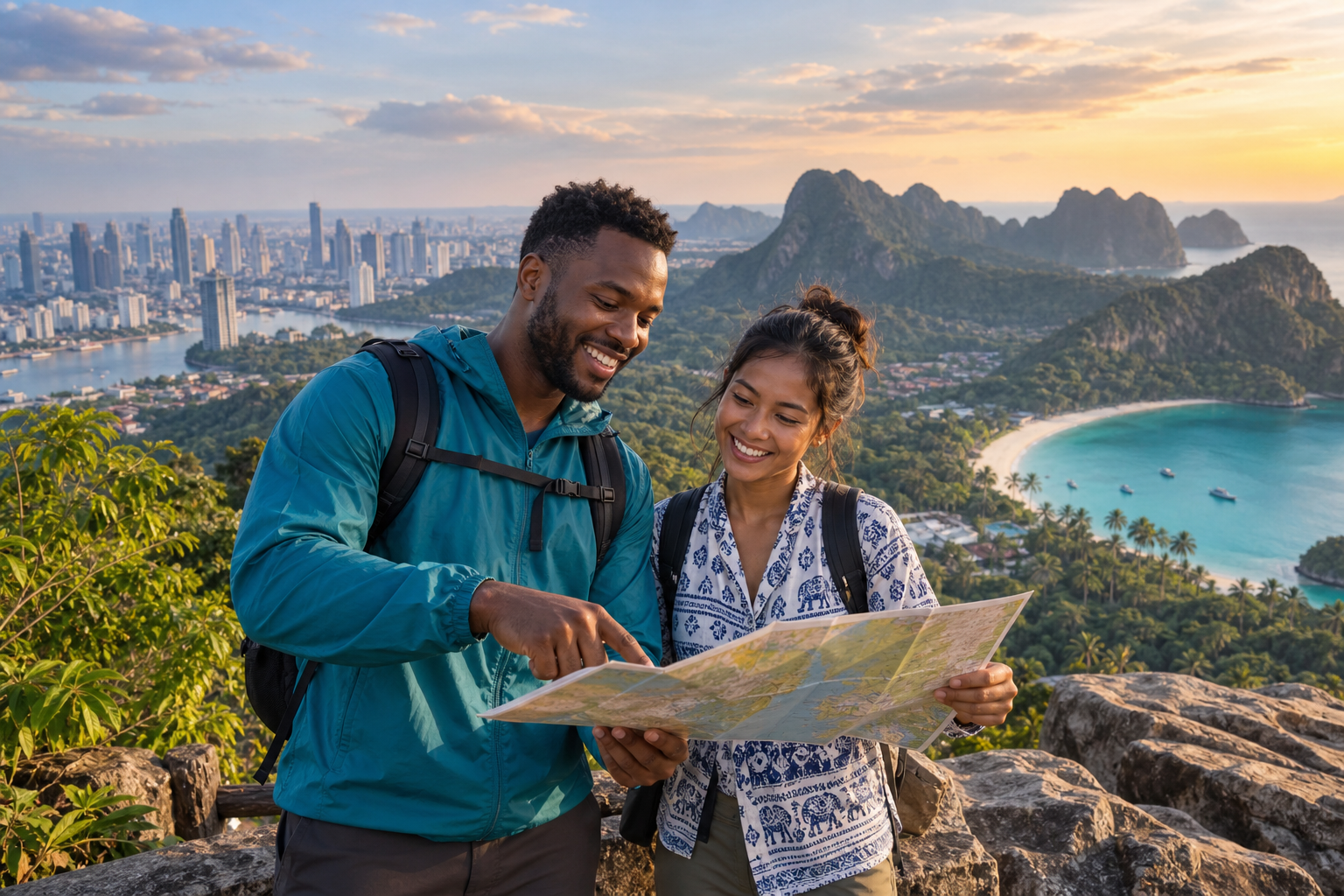
After planning more than 100 Thailand trips, you might think I’ve figured out the perfect Thailand itinerary, but actually I’ve learned the complete opposite: there isn’t one.
Some people come to Thailand wanting an adventure. They want to hike through mountains, scuba dive, and explore somewhere new every day. Other people come here for the beaches only and would happily spend half their trip doing nothing. For some people, it’s all about the luxury hotel stays and the finer restaurants.
All three of these people should have completely different trips. That’s why whenever someone asks me, “What’s the best thing to do in Thailand?” my first question is always, “What do you actually want from the trip?”
To be honest, it can actually be a bit dangerous just copying ideas from stuff that you’ve seen online because you never really know if the reviews are coming from someone who is aligned with your travel style. Ultimately, the perfect Thailand trip is one designed around you and what you actually care about.