Thailand Without Speaking Thai: BTS, Food Courts, Shopping, and English Signs
Taking the BTS from Ekkamai to Asok
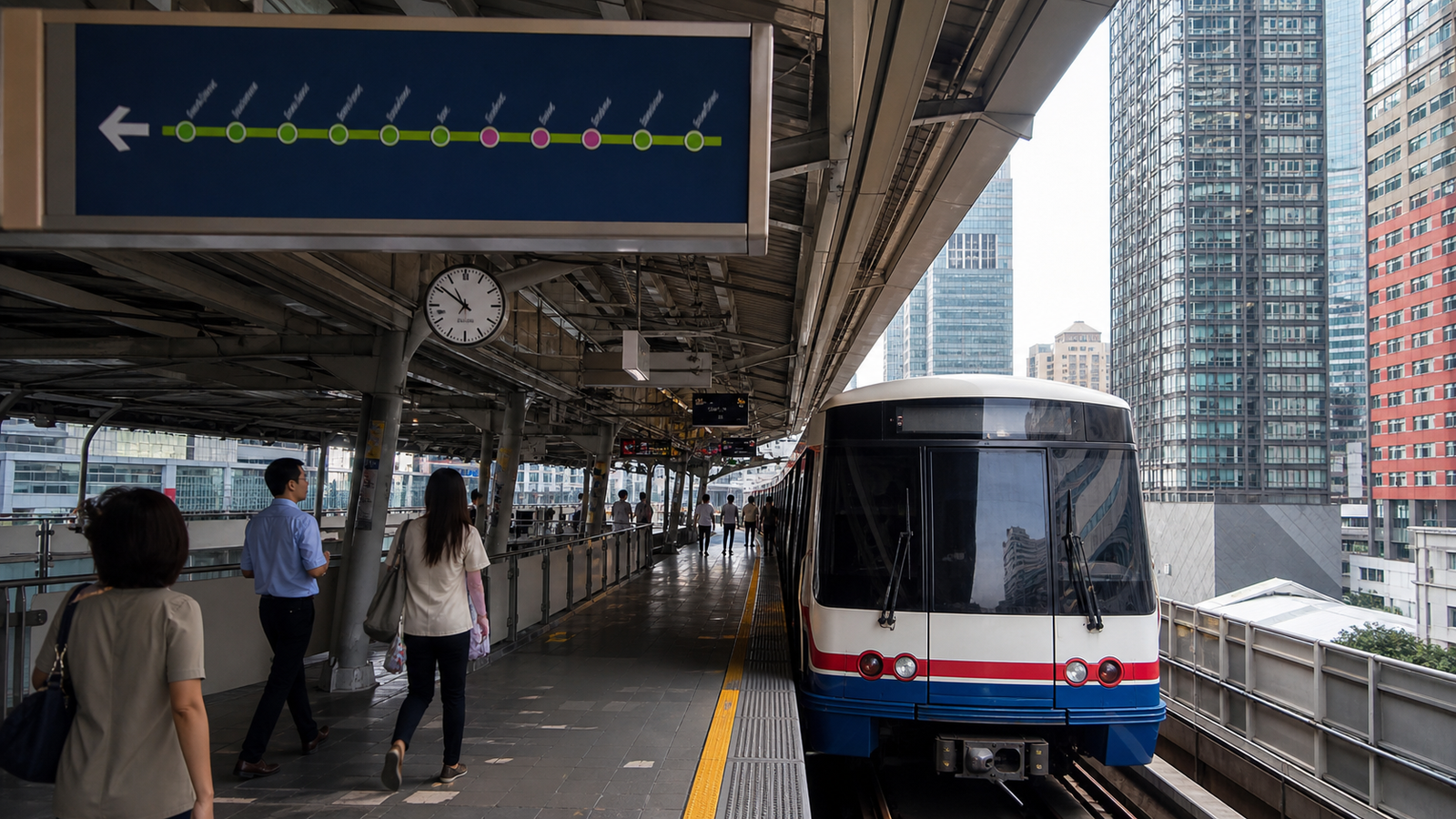
You can explore Thailand without speaking Thai, including shopping, public transportation, and daily travel. At Ekkamai, asking for BTS Ekkamai was enough to receive directions to the station.
The BTS card had 164 baht on it. From Ekkamai, the route to Asok is in the direction of Khu Khot, not the opposite direction. Asok is also the connection point with the MRT system, and Terminal 21 is reached using the appropriate exit.
Using English Information Screens at Terminal 21
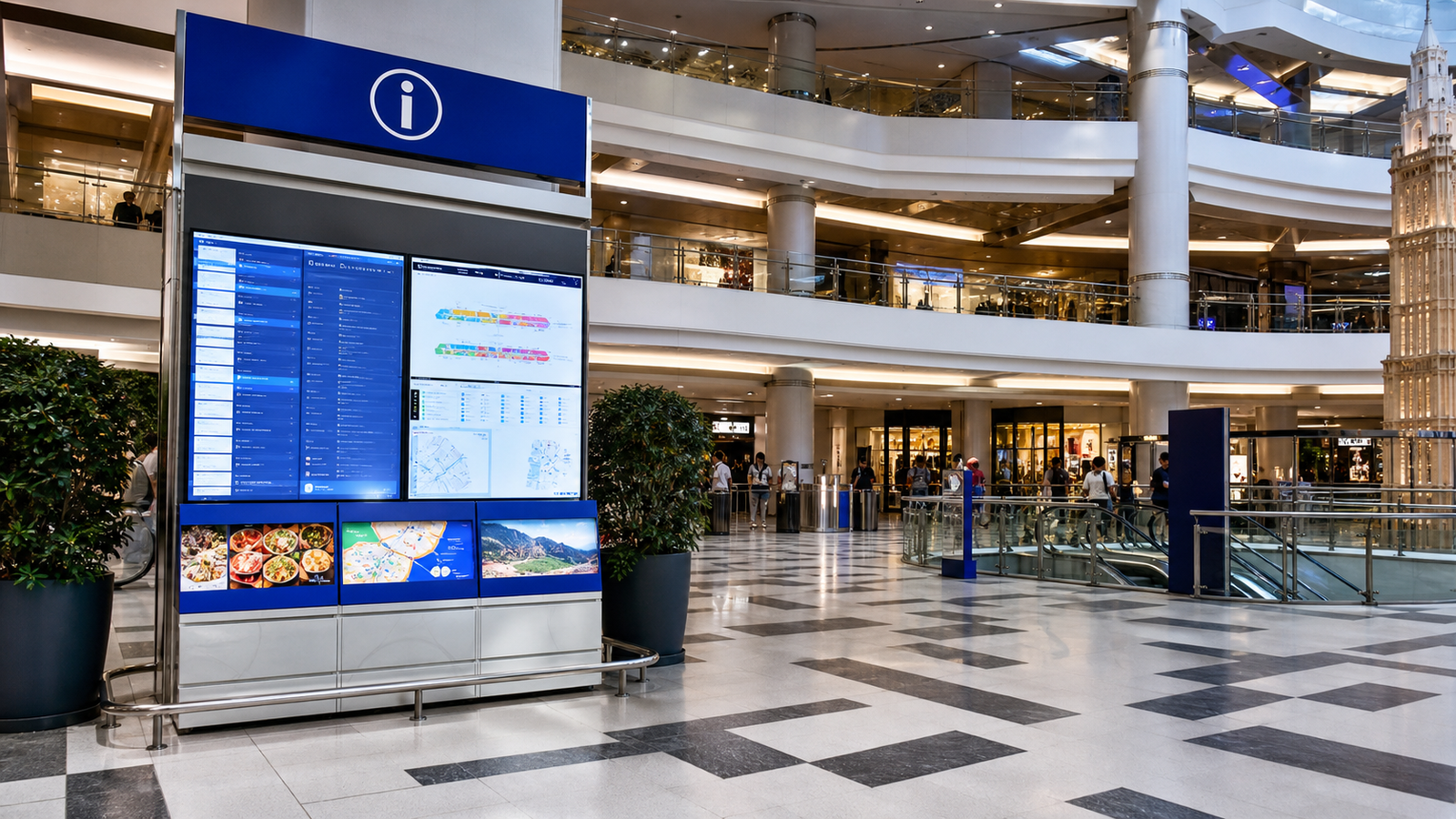
Terminal 21 has information screens that can be changed from Thai to English. The screens show the current location, the food court, the floor, and the available options.
The food court is on the fifth floor and is called Pier 21. The information screens make it possible to find the destination without asking for directions. Terminal 21 also provides free Wi-Fi. To connect, enter a passport ID and email address.
How the Pier 21 Food Court Card Works
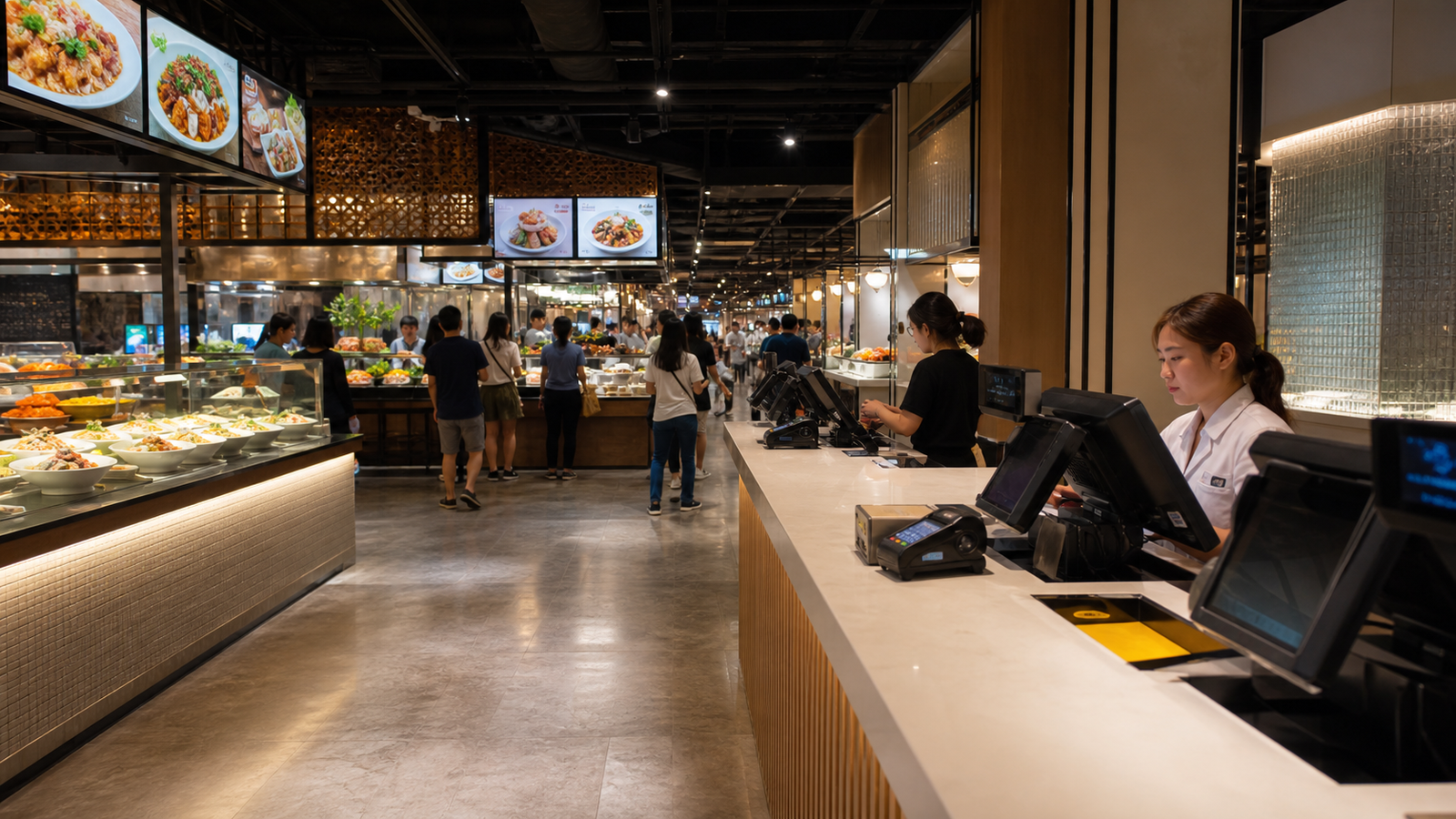
At Pier 21, food is paid for with a card that must be topped up with money. Cash is not accepted directly inside the food court. The card can be topped up with as much as needed, and any remaining balance can be refunded when the card is returned.
The food court can be very busy, especially at lunchtime. People carry hot food through the seating area, so take care while walking. Finding a place to sit can be more difficult than ordering food.
Ordering Thai Food by Number
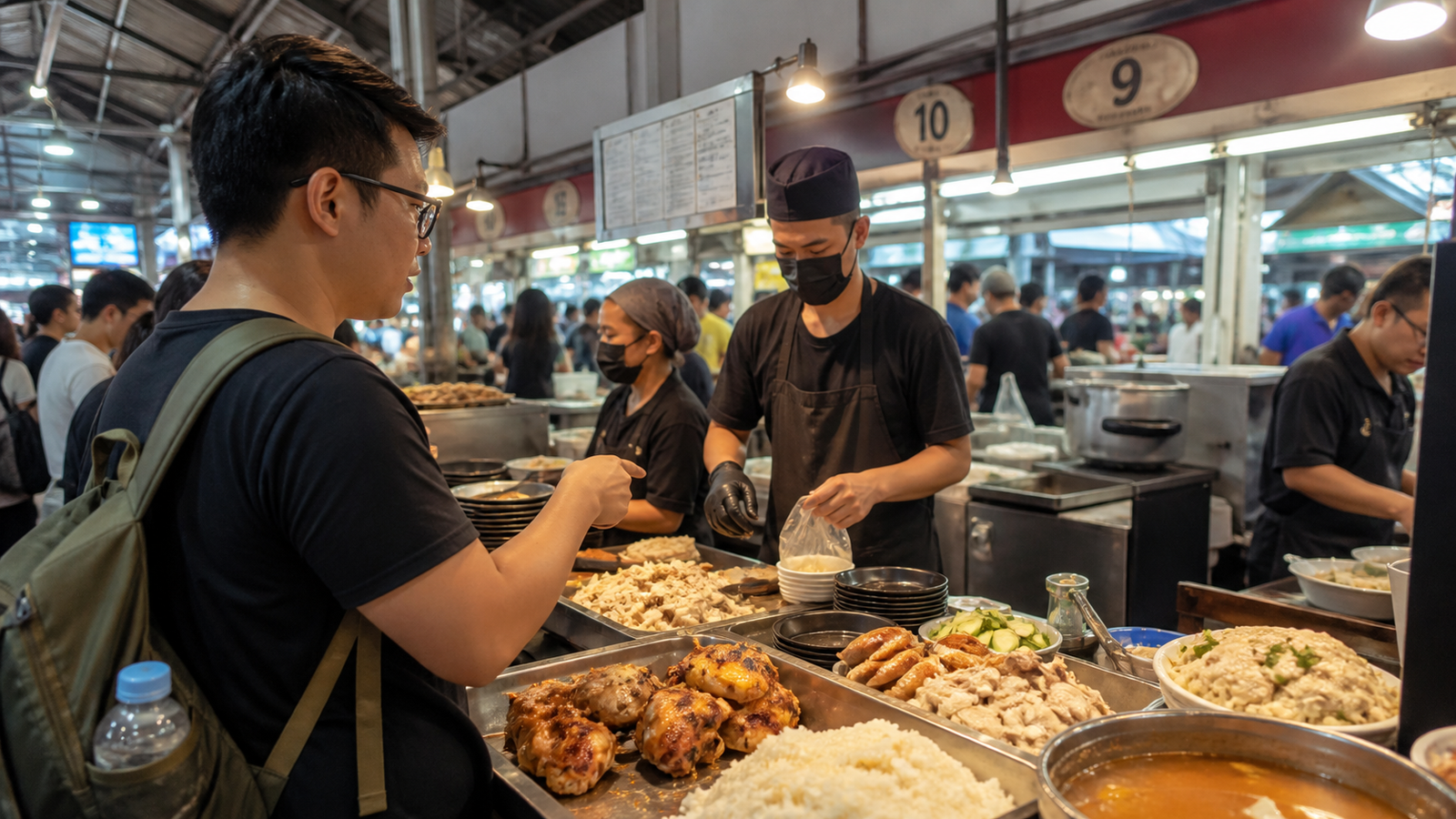
Food is written in both Thai and English, and the stalls also use numbers. A visitor who does not know the Thai name can simply point to a number and order that way. The stall deducts the price from the card.
Chicken with rice, called khao kai, cost 32 baht in this example. The balance after the meal was 89 baht. Drinks such as a mango smoothie can also be ordered by pointing to the item. Finding a seat may take time, but the food court provides an inexpensive way to eat in a central Bangkok mall.
Finding MBK, Big C, and Everyday Shopping
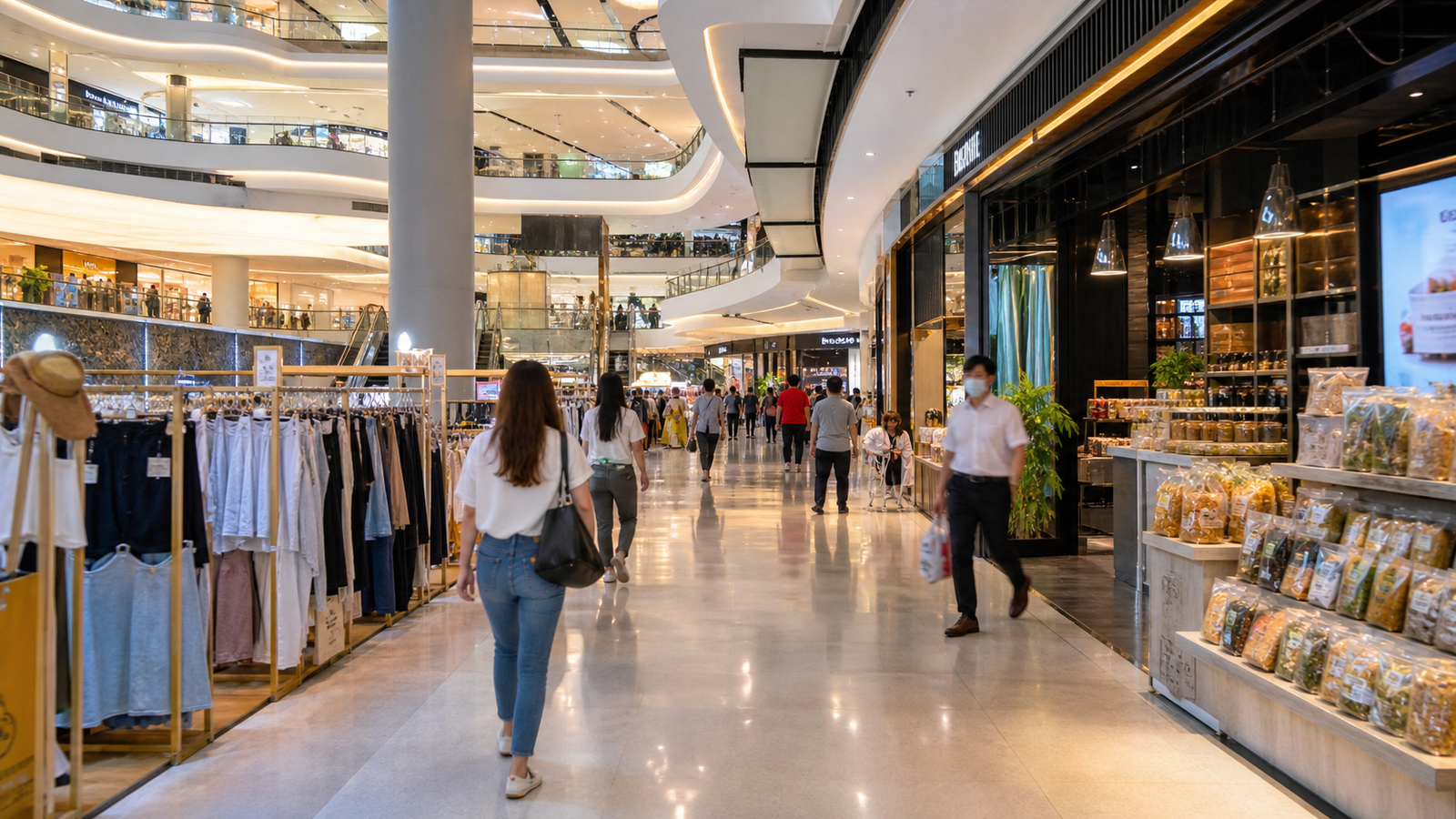
Signs around Bangkok malls and stations are available in English. From Terminal 21, the BTS route to National Stadium leads toward MBK. The signs make it possible to continue without speaking Thai, and asking staff for a station or supermarket is also useful.
At Big C, everyday products have descriptions and ingredients in English as well as Thai. Groceries, shower gel, powders, creams, and other daily items can be bought without reading Thai. Knowing a little Thai can help, but it is possible to navigate, ask for directions, shop, and eat with English signs, numbers, and simple gestures.
Thai Address for Bangkok Taxis
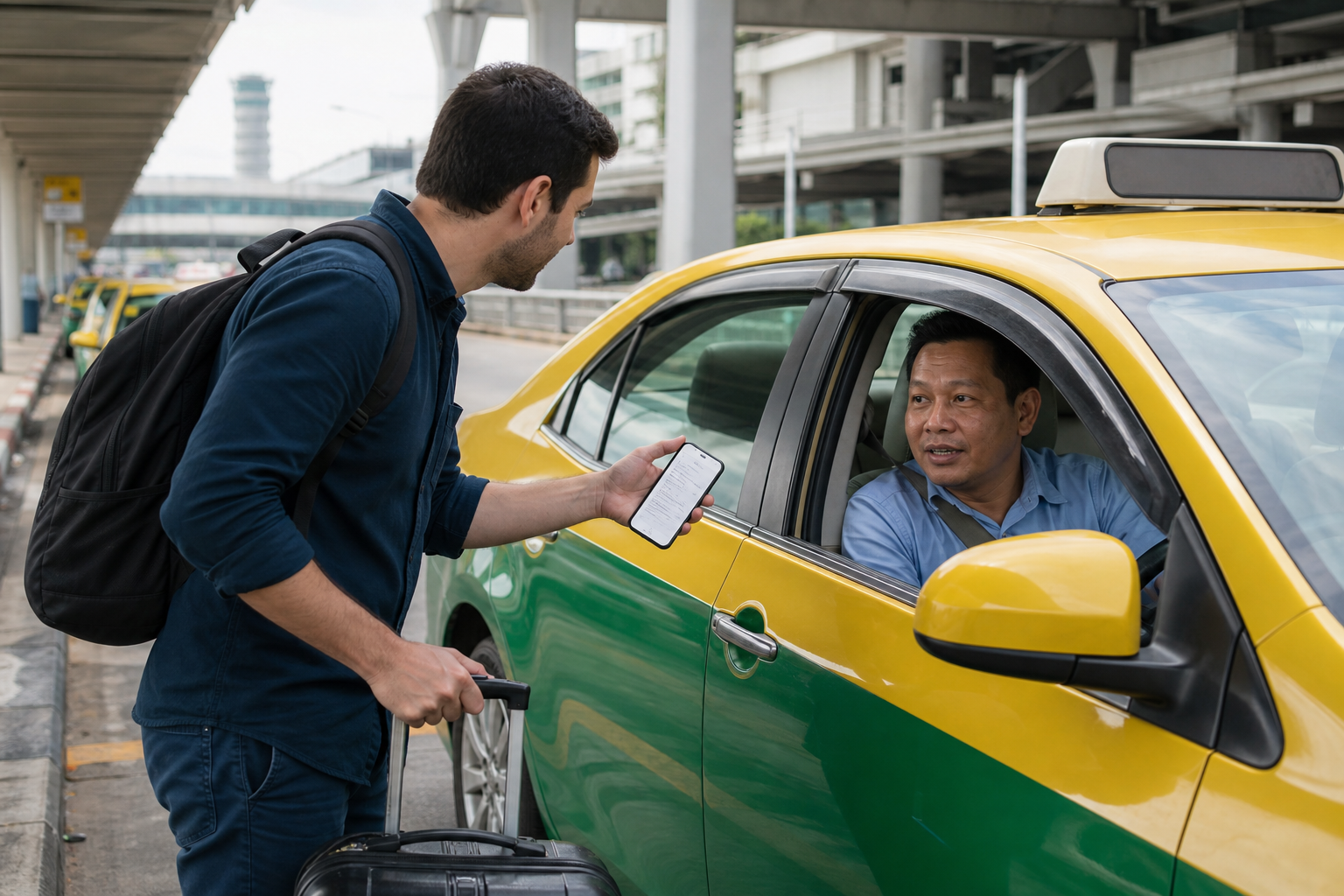
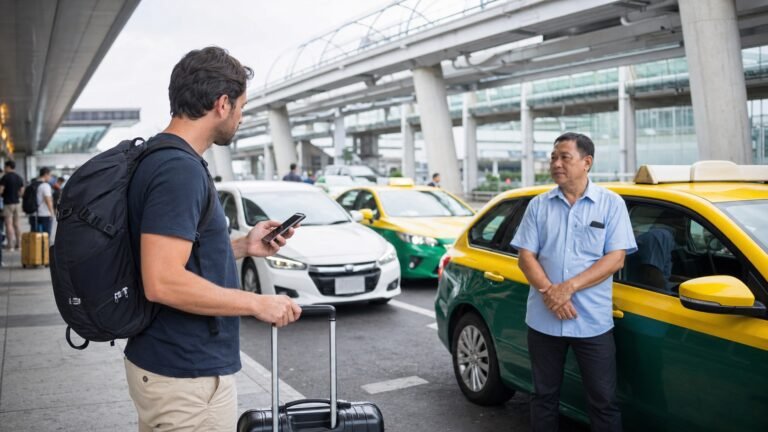
One useful place to use a little Thai is at the airport taxi stand. Keep the destination address in Thai, including the street, soi, and hotel name. For example, the address can include Sukhumvit 15, Soi 2, and the Royal President hotel.
Show or say the Thai address to the driver, use a polite thank-you such as khop khun kha or khop khun khrap, and check that the meter is running. When leaving a tourist area, walking a short distance to find a taxi and giving the address clearly can help avoid confusion about the destination and fare.
English Signs and Numbered Streets
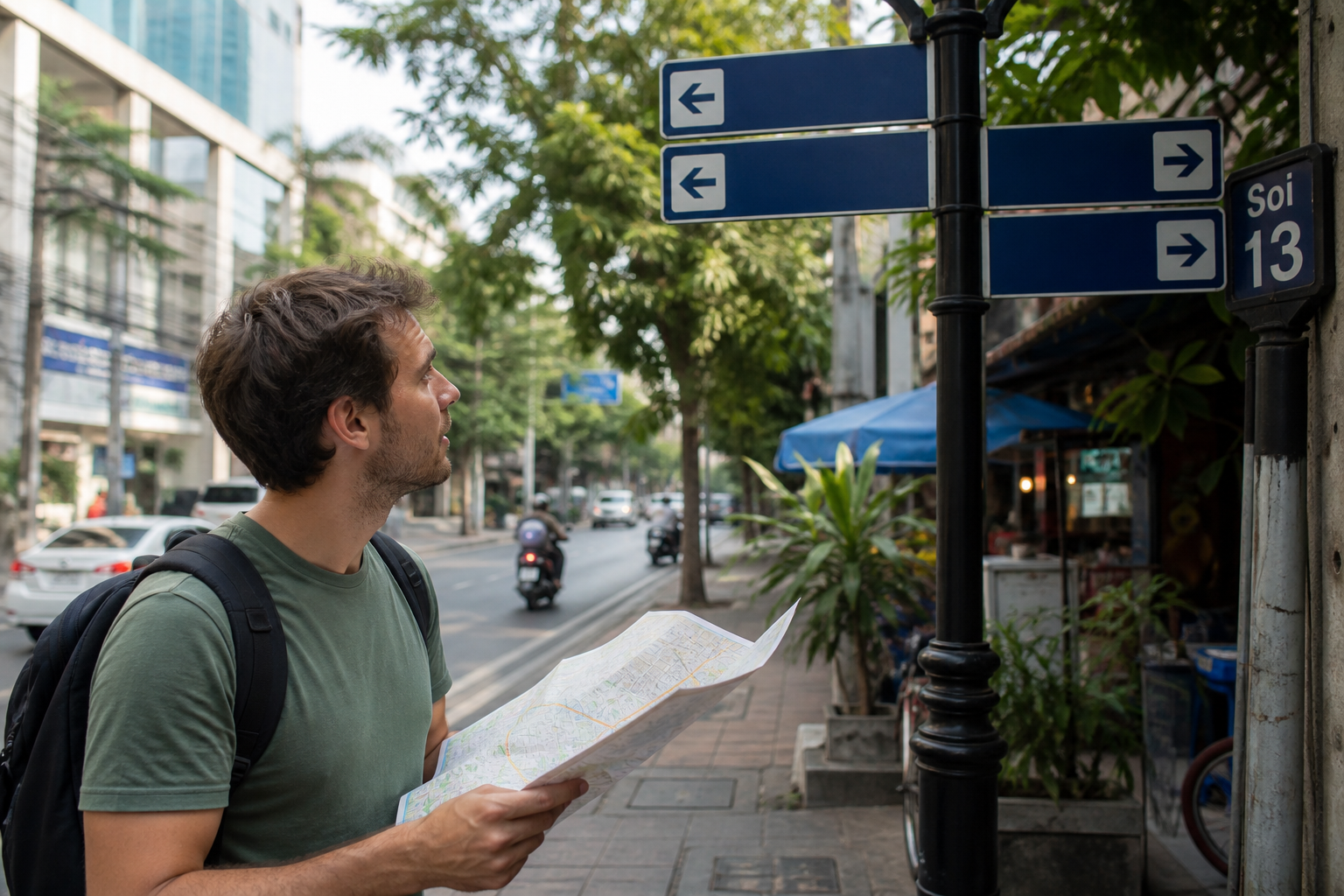
Bangkok and other tourist destinations generally label roads and signs in Thai and English. Many streets also have numbers and unique names, so knowing the soi number can be more useful than trying to pronounce a long Thai street name.
Restaurants, transport areas, and tourist districts are usually easy to navigate. In very local areas, signs may be only in Thai, but a street number, map, or saved address can still help you find the right place.
Thai Numbers for Prices
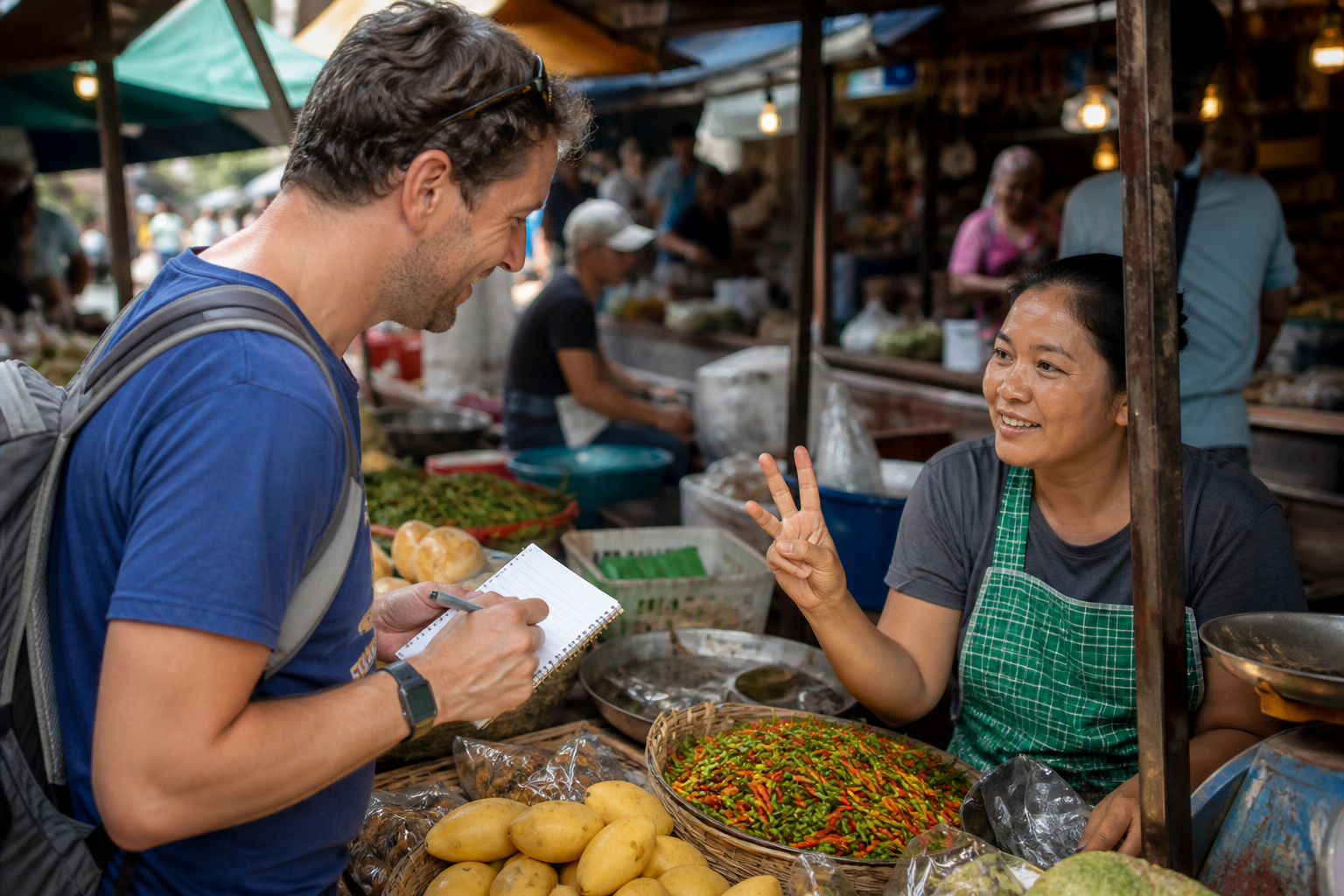
Learning a small set of Thai numbers can help when shopping, buying food, or paying for services. Start with one to ten, then add useful numbers such as 20, 50, 100, 500, and 1,000.
When asking a vendor how much something costs, use the Thai phrase for “how much,” then listen for a number. Recognising the numbers you know makes it easier to understand the price and judge whether the amount sounds like the normal local price.
Essential Thai Without Long Conversations
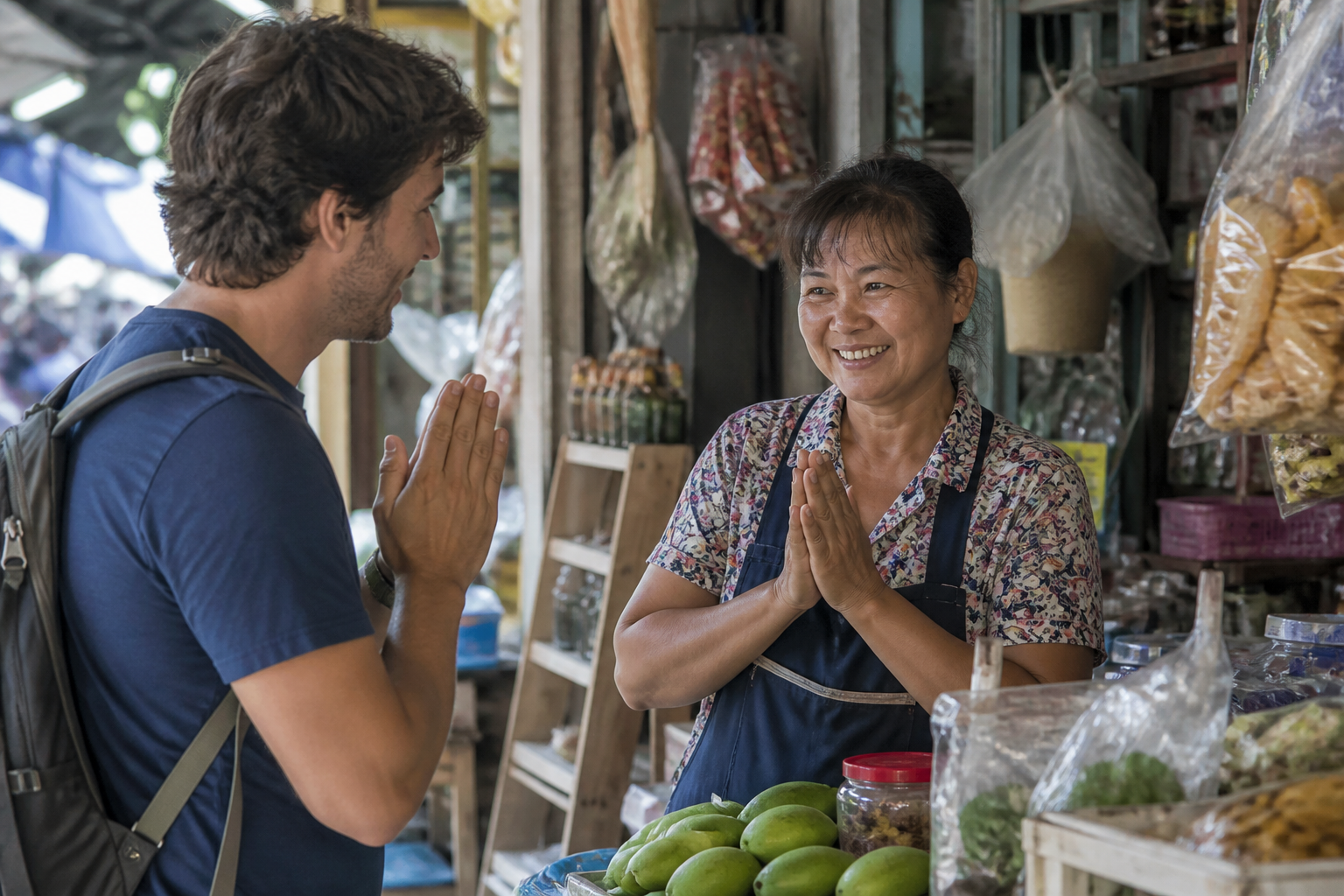
You do not need to speak a lot of Thai to benefit from learning it. Use essential words such as yes, no, and polite greetings or thanks. A smile and a polite khop khun can be enough for many everyday exchanges.
If you only know a little Thai, keeping the exchange short can be practical. Starting a long conversation may lead to fast Thai sentences that are difficult to follow. Learn the words you need, use them when necessary, and keep practising without pretending to speak more than you do.
Useful Polite Thai and Avoiding Bad Words
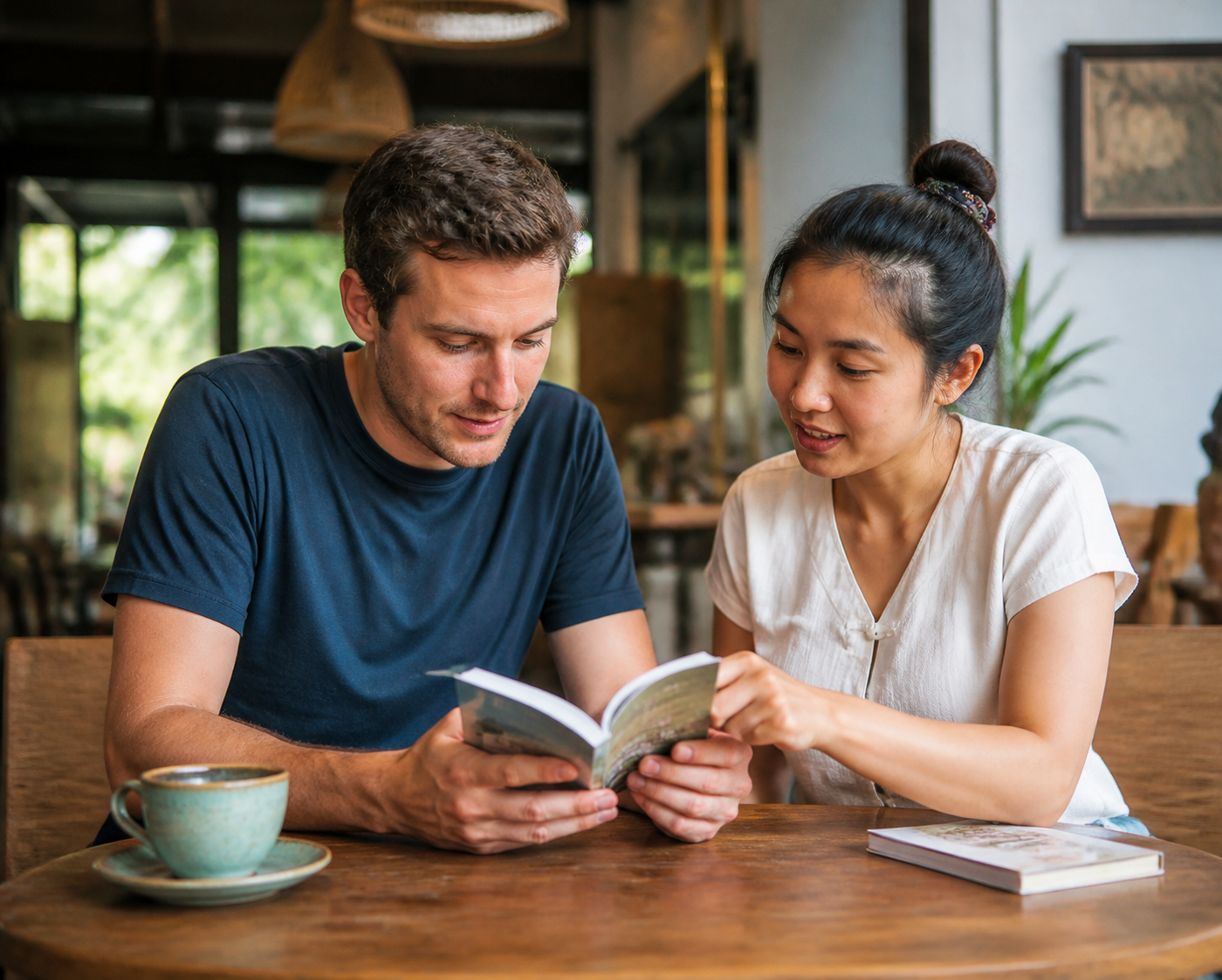
Improving gradually can save more money over time. Learn one useful word each week, ask people what essential words mean, listen carefully, and practise during the trip. The more useful Thai you know, the easier it becomes to shop, travel, and handle simple payments.
Focus on polite and useful language rather than offensive words. Bad words can cause trouble and are not helpful for a visitor. The answer to whether you should speak Thai in Thailand is a little bit: learn the essentials, stay polite, and use the language where it helps.