Thailand’s DTV Is Changing: New Rules & Re-Entry Scrutiny
The Destination Thailand Visa (DTV) is undergoing changes to the application process, while re-entries on the visa may also be under new scrutiny.
New DTV Application Rules Take Effect Worldwide
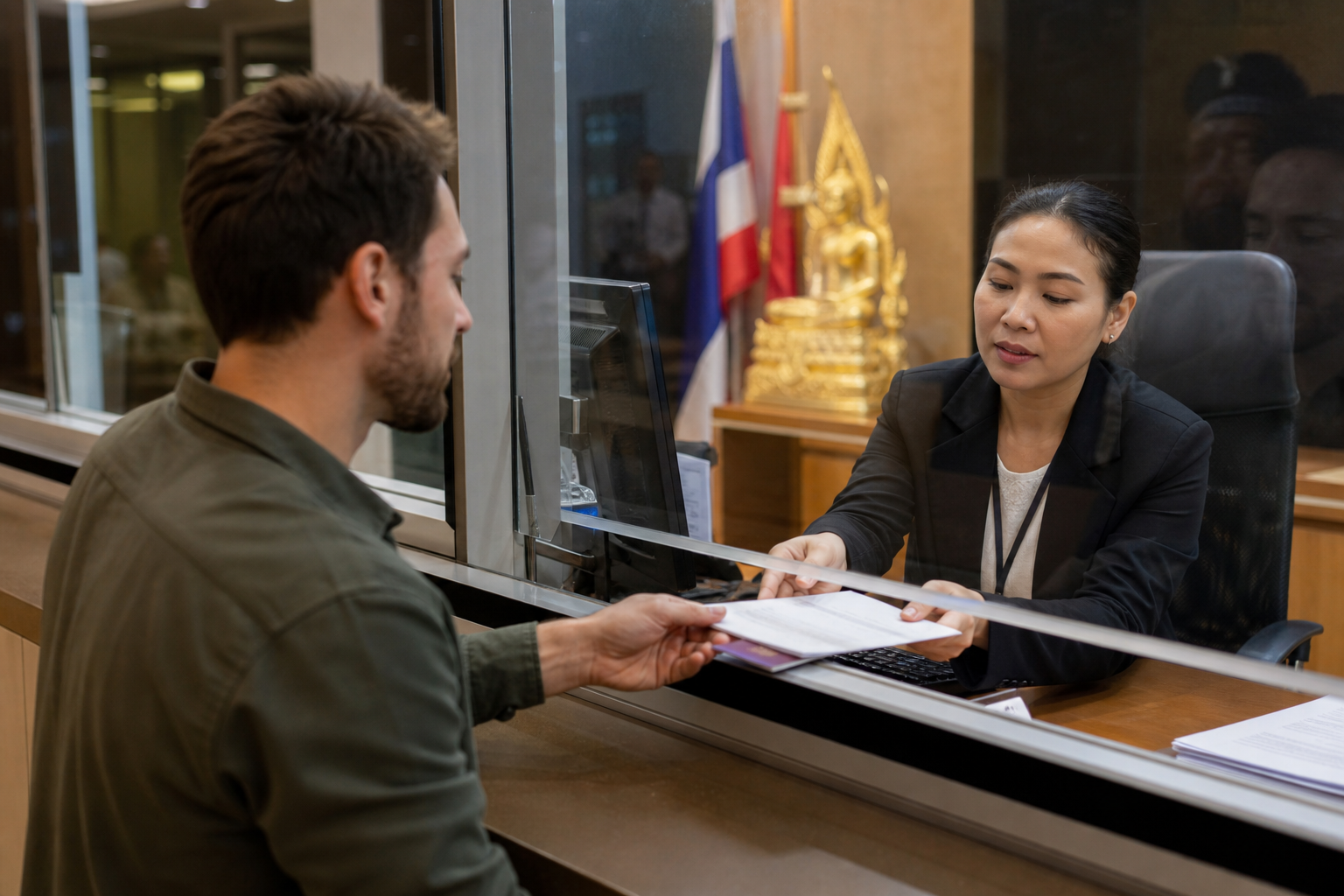
In the past week, several Thai embassies posted a notice saying new requirements for DTV applications take effect worldwide from 31 August 2026.
Under the new rules, an applicant may only apply for the visa from a country where they hold citizenship or permanent residence, and they must also provide a certificate of criminal record clearance issued either by their home country or by the country where they are applying.
Both conditions add significant new requirements, but there still has not been an announcement from the Ministry of Foreign Affairs or Immigration confirming this as an official broad-based shift. Prospective applicants should check with the specific embassy where they plan to apply as soon as possible.
The DTV itself remains a 5-year multiple-entry visa. Applicants still need to qualify under an approved purpose, such as remote work or eligible activities including Muay Thai or cooking classes, and provide the required financial evidence. Remote-work applicants may need to show savings alongside proof of remote income, while applicants using the soft-power route need evidence of course registration.
DTV Re-Entry Scrutiny and Financial Checks
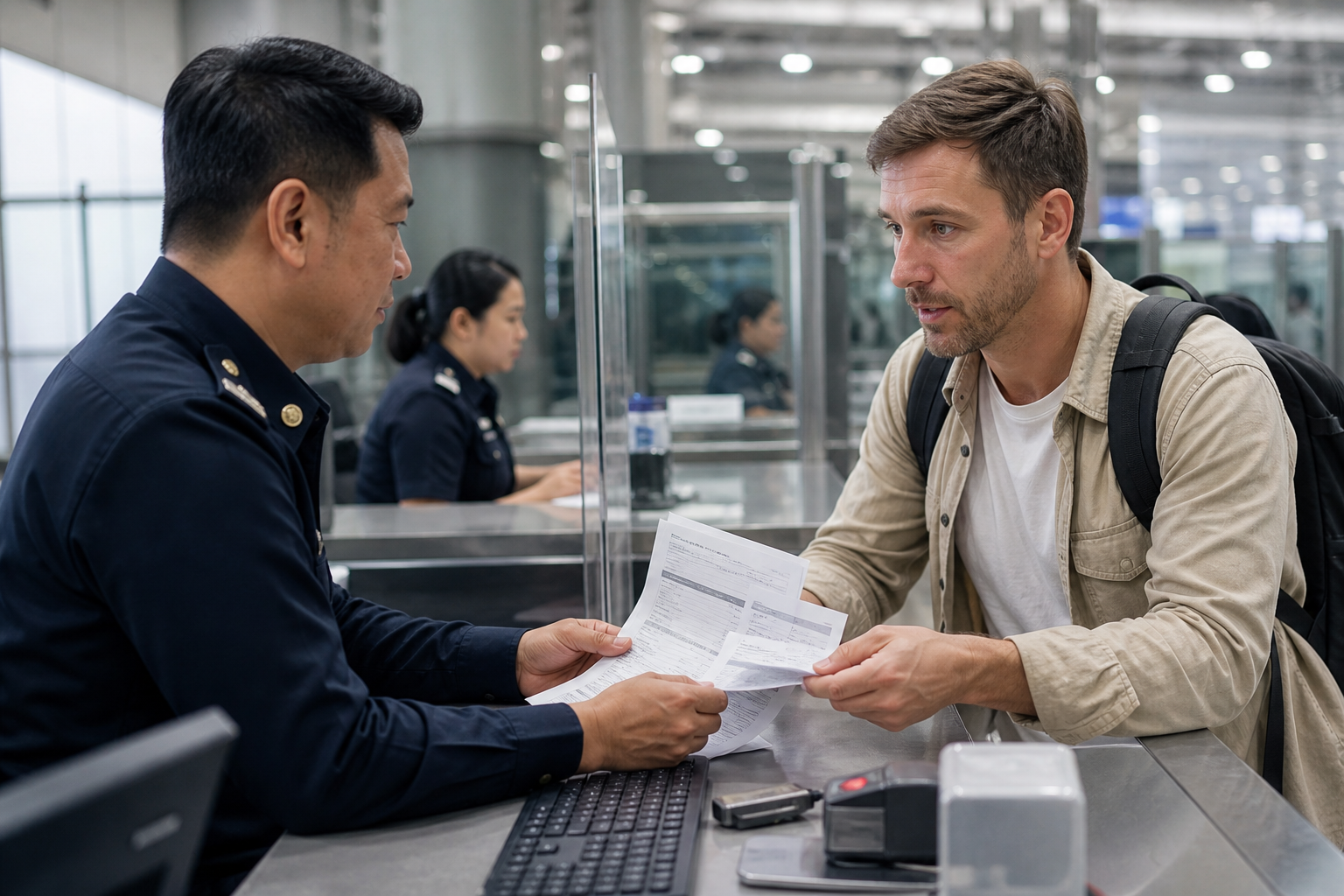
DTV holders typically also need to exit and re-enter the country every six months. Reports suggest more holders are being questioned upon re-entry, particularly about their purpose of stay and their finances.
This is where it is worth stepping back to examine the DTV itself because it does not follow standard protocols for long-term visas in Thailand. Most long-term visas require holders to undergo an annual renewal process, where immigration verifies income or savings to ensure that holders can support their stay in Thailand.
This includes spousal, child-support, and retirement visas, which all require holders to present bank statements proving sufficient funds annually at local immigration offices. The DTV simply lacks these checks.
Visas are issued by embassies, which fall under the Ministry of Foreign Affairs, while admission into the country and renewals are handled by immigration, which is a division of the Royal Thai Police. These are two entirely different organizations with different priorities.
The DTV effectively cut immigration out of the role of verifying sufficient funds. Most early applicants simply showed proof of 500,000 baht in savings, and some agencies offered services that let people bypass even that relatively low threshold.
A standard retirement visa holder must show proof of at least 800,000 baht in a bank account each year, while spousal and child-support visas require proof of 400,000 baht, again annually verified. That is a very noticeable gap between the visas, given that they are all being used to live in the country on a long-term basis. It is very possible that immigration may implement increased checks for verification at the border instead.
Illegal Work Crackdowns Affect DTV Holders
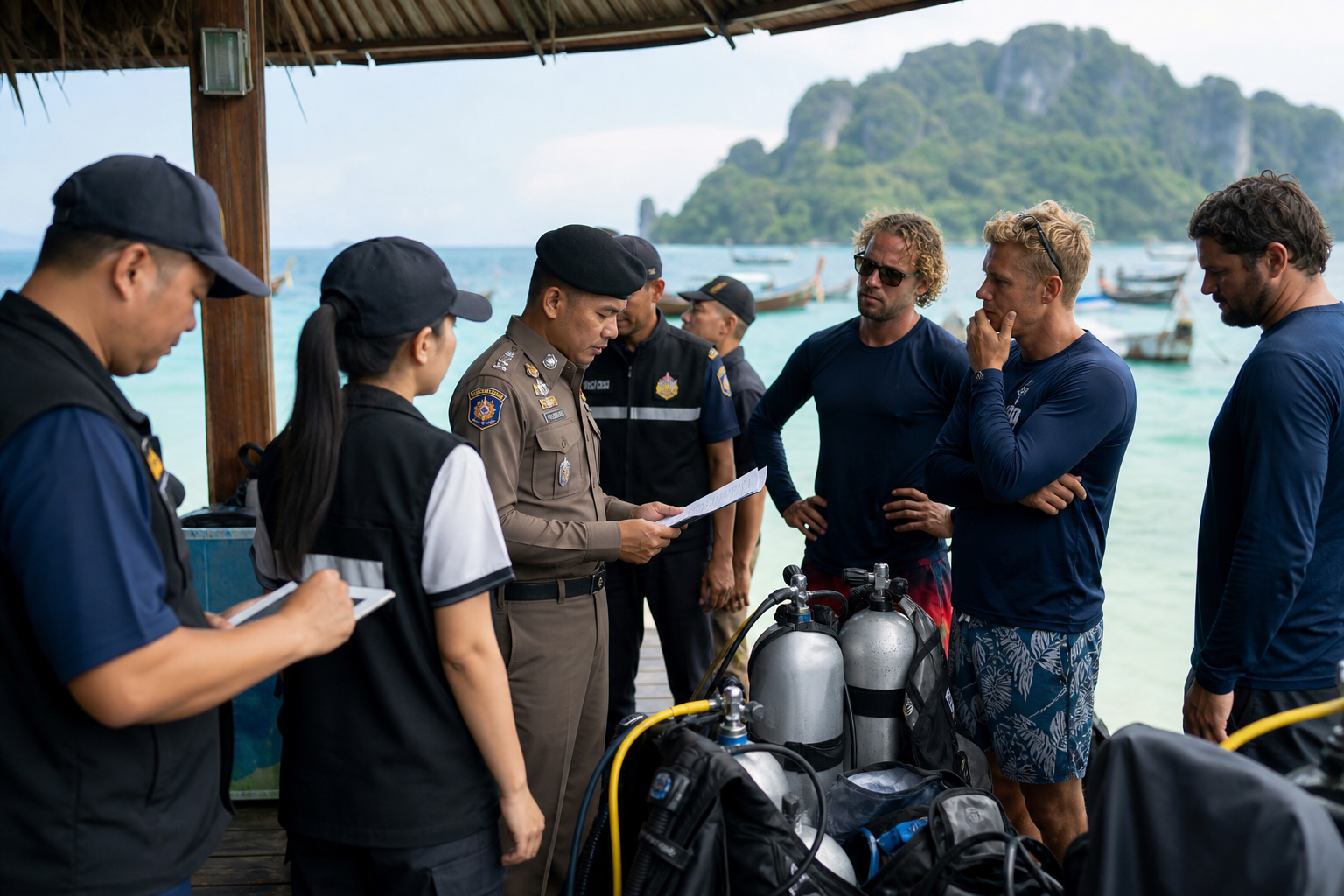
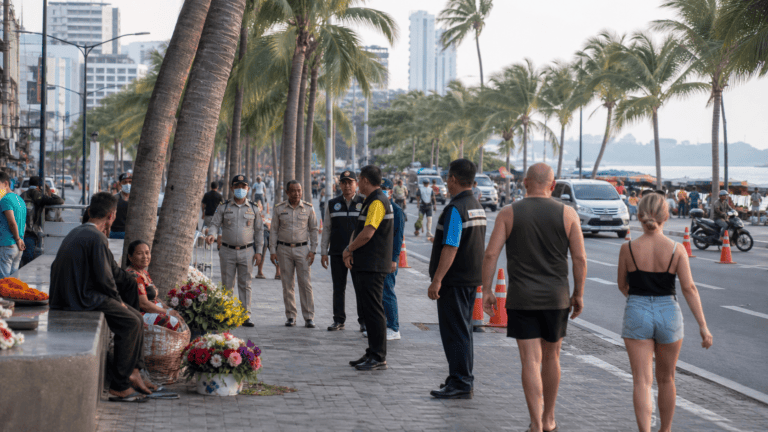
In recent weeks, DTV holders have also been caught up in crackdowns on illegal work, as six foreign dive instructors on Koh Tao were arrested for working without permits.
This was not an isolated sweep, as immigration authorities have launched crackdowns nationwide on illegal work and business structures, which is one of the major priorities of the current government.
This specific incident may bring increased scrutiny on DTV holders who are explicitly not authorized to work in Thailand at all, which requires a non-B visa with a work permit.
Content Creators and Work on the DTV
The DTV is intended for workcation activities such as digital nomad, remote work, foreign professional, and freelance work. Visa eligibility is separate from permission to perform particular work in Thailand. A DTV does not by itself replace any work permit or override Thailand’s rules on occupations reserved or restricted for Thai nationals.
The official DTV materials describe supporting evidence such as an employment contract or certificate confirming remote work, documents describing the business, or a professional portfolio. If you work for foreign clients or an overseas employer, keep the visa evidence and the actual work arrangement consistent.
Thailand’s Ministry of Labour lists tour guide or sightseeing tour operation, and brokerage or agency work, among occupations prohibited for foreign workers, subject to the stated exception for international trade. Meeting someone at an airport is not, by itself, the same as acting as a tour guide or providing an agency service.
Content creators should be careful with paid reviews, sponsored content, tours, or other commercial activity physically performed in Thailand. Work for a Thai business may involve local employment, local services, or a restricted occupation, so the visa, work-permit, and labour-law position should be checked before accepting it.
Thailand’s 2026 Deportation Regulation
Thailand published a new Office of the Prime Minister’s Regulation on Deportation, effective from 28 August 2026. The government says the regulation sets procedures for foreign nationals involved in unlawful entry or stay, unlawful work, unlawful business activity under the Foreign Business Act, forged or fraudulent official documents, offences carrying a prison sentence of at least five years, and people acting as principals, instigators, or supporters in those categories.
The government describes the measure as a way to improve coordination and speed up deportation procedures in cases involving violations of Thai law or conduct that threatens public order and morality. It does not mean that law-abiding tourists, workers, or residents are automatically subject to deportation.
Separately, Thai authorities have increased enforcement against nominee business structures used to conceal foreign control or circumvent foreign-ownership rules. That is a separate business-law issue from DTV status, but it forms part of the broader enforcement environment.
Why the DTV Is an Outlier in Thailand’s Visa System
The visa itself was rolled out under the previous government in an effort to boost tourism in the aftermath of the pandemic, but the exact mechanics were never fully worked out.
The current government has a decidedly different approach to visa and immigration policy, with a far greater focus on national security, law and order, and closing loopholes.
Where the DTV really fits into this policy shift is still unclear. Given the current policy climate, holders should take extra precautions to avoid potential issues.
Documents to Carry When Re-Entering Thailand
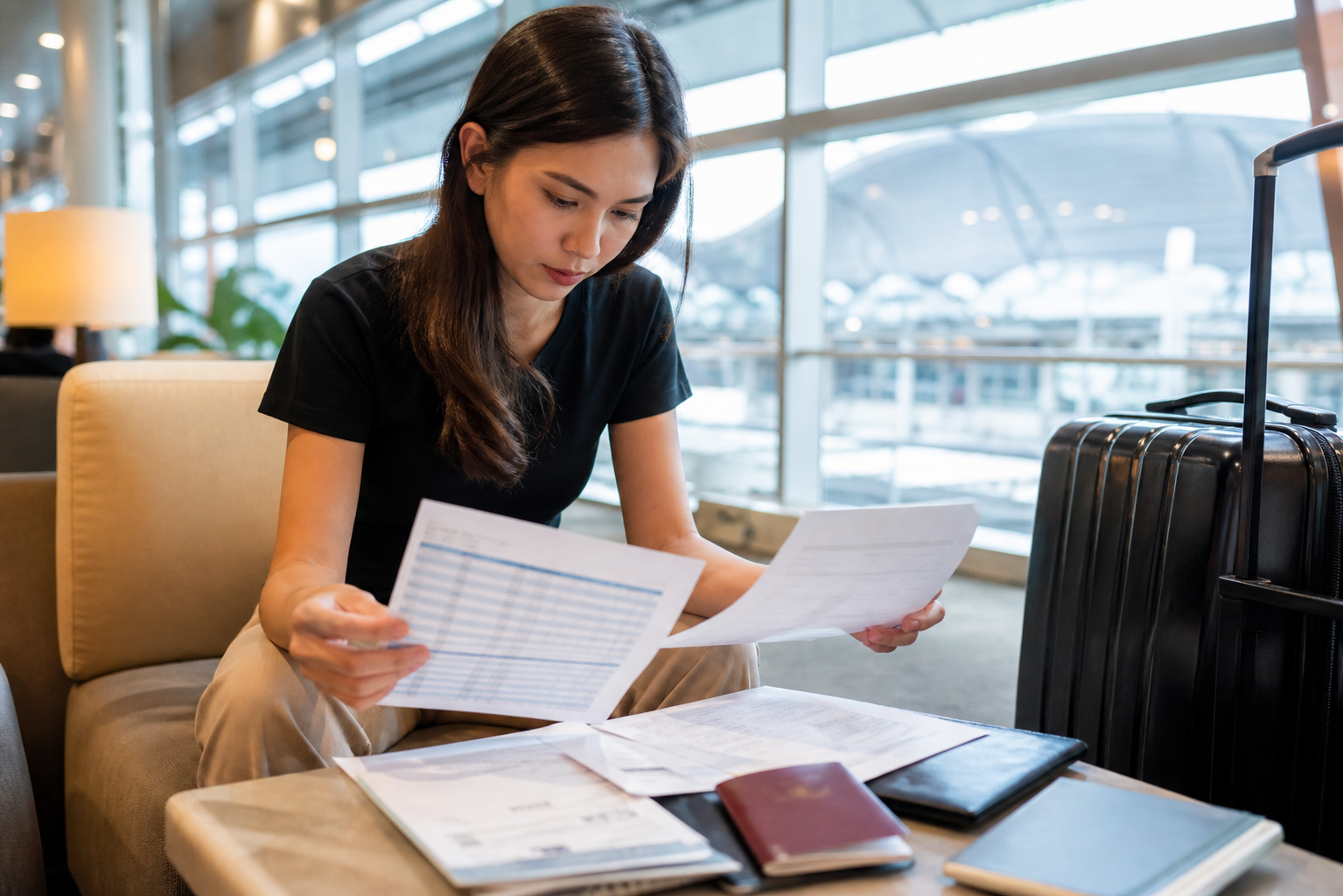
When leaving the country and re-entering, bring bank statements showing proof of income and balance from your home accounts alongside at least 20,000 baht in cash, or around $600, which is still a technical entry requirement.
If you are registered for courses under the visa, bring proof of enrollment and, ideally, photos of class attendance alongside a bank balance that shows you can support your stay.
Chances are you will simply be waved through without issue, but enforcement can shift abruptly in Thailand. Given that the DTV is still very new and the government is focused on tightening immigration and entry policies, it is better to be prepared in advance rather than become the canary in the coal mine.
TDAC Accommodation Details for DTV Travelers

It is also important to fill in the TDAC form within a three-day window prior to arrival on the official site or the TIM app.
Write down your actual accommodation name, whether that is a hotel or a condo. If you simply write an address, the officer may ask for the name in order to update the record, and that can always bring added scrutiny.
For prospective DTV applicants, it is important to be aware that these types of policy and enforcement shifts are relatively common in Thailand. It is simply a fact of life when living in the country on a long-term basis.