Worst Safety RISKS in Thailand 2026
From environmental dangers to accidents, crime, and political turbulence, before you visit Thailand, you need to know the risks. So, is it safe? I’m going to cover everything you need to know about safety in Thailand.
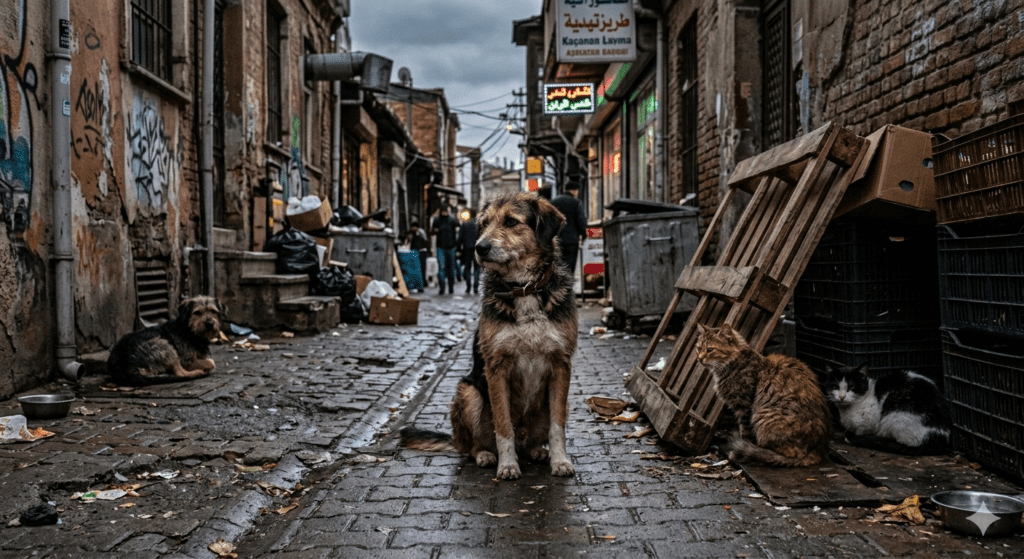
Stray Dogs and Cats In Bangkok
Stray dogs, known as “soi” or street dogs, are very common in Bangkok and other cities around Thailand. They’re generally fairly relaxed, but it’s a mistake to approach or pet the dogs. They can get aggressive or attack randomly. If you encounter an aggressive stray dog, you should always stay facing the dog and slowly back away. Normally, the dog will stop following you once you move far enough away from its perceived territory. Never run. If you run, the dog may instinctively chase and bite you. If you get bit, go to the hospital for prompt treatment in case the dog has rabies. Remember, never pet the dogs, as they may carry a wide range of communicable diseases.
Stray cats are also common. Cats are less likely to carry diseases that are problematic for humans, but scratches and bites can lead to an infection and should be cleaned properly. Any bite does carry the risk of a rabies infection.
Monkeys On Thailand Islands
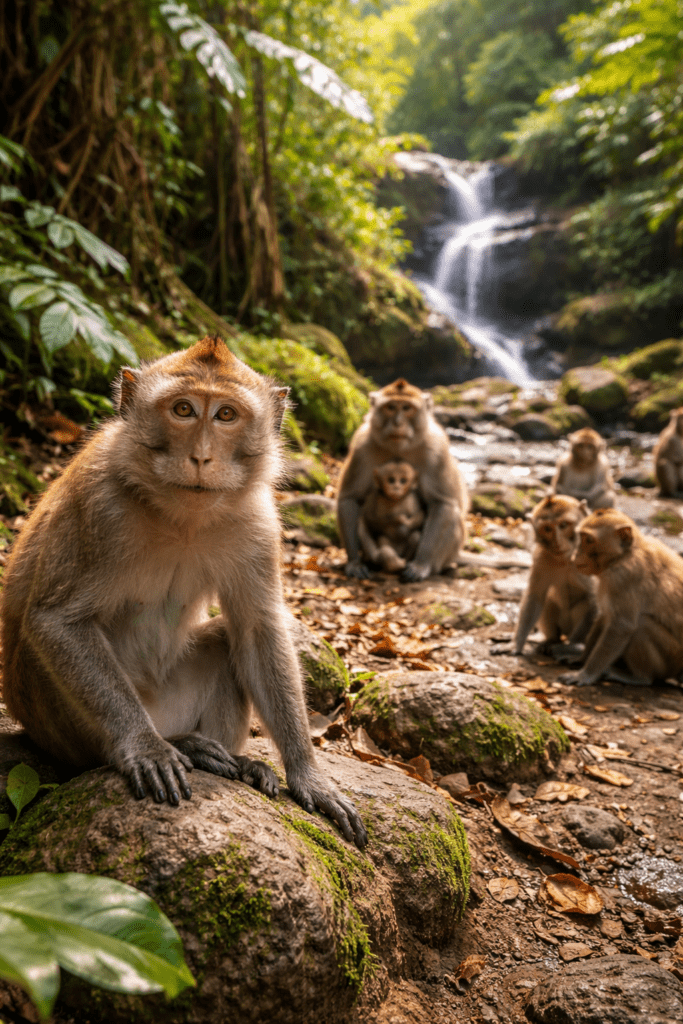
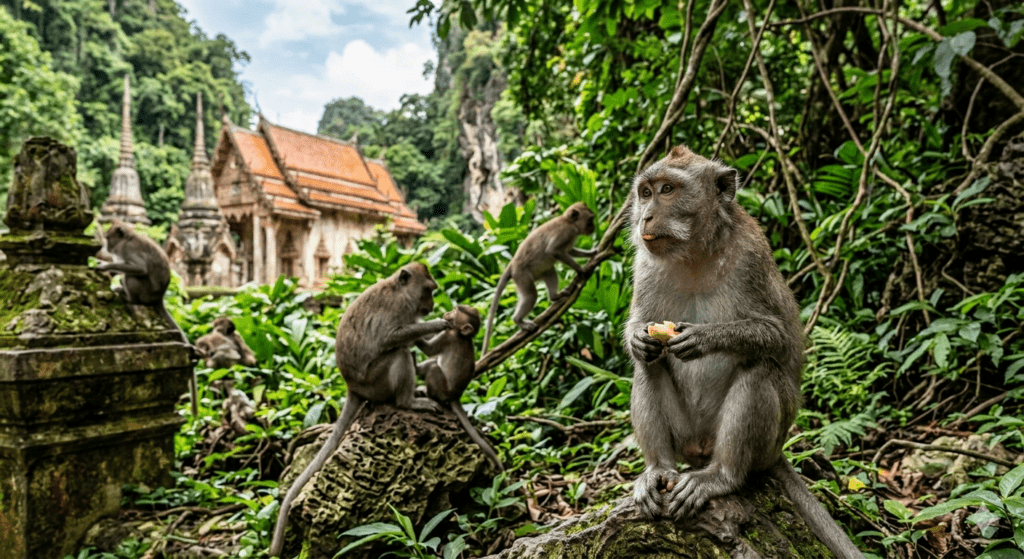
But dogs and cats aren’t the only risk when it comes to animals. Wild macaque monkeys roam the streets in many smaller cities, rural, and island areas in Thailand. Monkeys are famous for stealing belongings from tourists, including expensive phones and cameras. They can become aggressive, especially if they’re hungry. “We’re just walking out of Khao Takiap and we were attacked by some monkeys. You got to be careful here.” If you’re in an area with monkeys, be very cautious. Never leave your valuables unattended or hanging loosely around your neck, and be especially cautious with smaller children.
Snakes Can Be Found In Thailand
Monkeys can be troublesome, but when it comes to physical safety, snakes can pose a much greater risk. From pythons and pit vipers to cobras and poisonous tree and sea snakes, Thailand has over 200 different species of snakes. They can be found in both rural areas and built-up cities like Bangkok. Fortunately, most snakes in Thailand prefer to avoid people. Your main risk from snakes occurs during rainstorms when snakes may be pushed out of their normal homes below ground or fall out of trees. Disoriented snakes are much more likely to attack in self-defense if they perceive a threat. It’s important to be cautious during or after storms and avoid encroaching on their spaces.
Bangkok has plenty of parks with beautiful trees, but those trees are normally home to the venomous green tree snake. Climbing the trees is not recommended. If you get bitten by a snake, try to remember the appearance of the snake. This will help ensure that health care workers treat you with the correct anti-venom. Get to the hospital quickly.

Sea Creatures
Thailand is famous for beautiful beaches and crystal clear water, but the water is home to yet another danger: the box jellyfish. Box jellyfish like to swim along the shore, and you need to stay vigilant when swimming, especially in the islands. Many island beaches don’t have jellyfish nets, and the island of Koh Phangan has the highest rate of box jellyfish stings. The creatures can be hard to spot as they’re nearly translucent and move slowly. If you encounter one, swim away as quickly as possible. The stings are extremely painful, but they can be lethal if the jellyfish is able to wrap around the victim. If you get stung, pour vinegar on the injury and seek medical attention as quickly as possible.
Sea urchins can also be common, though they’re much less dangerous. These are spiny black creatures that sit on underwater rocky surfaces. The spines serve as their primary defense mechanism. If you touch one, the spine will pierce into your skin and break off. This is very painful, and it generally takes weeks for the spines to dissolve.
If you watched the famous Leonardo DiCaprio movie “The Beach,” you may have concerns about sharks. Both the bull shark and tiger shark can pose a threat to humans, but normally they stay in deep water. The overall risk from sharks is low, as even sightings are quite rare. In the off chance that you do encounter a shark, it’s best to avoid any sudden movements or splashing. Don’t turn your back on the shark, and swim slowly backwards without making eye contact.
Mosquitoes and Disease Are A Nightmare During Rainy Season
While sharks definitely elicit a visceral fear, perhaps the greatest danger comes from the smallest and most common creature in Thailand: mosquitoes. These insects can carry a wide range of infectious diseases, including malaria and dengue fever. Mosquitoes are ubiquitous throughout Thailand and are most active around sunrise, sunset, and during the night, especially during the rainy season which occurs from June to October in most of the country. It’s best to wear plenty of insect repellent if you’re out during these times and use mosquito nets if you’re staying in rural areas. Seek prompt treatment if you experience symptoms of malaria or dengue. With over 6,000 cases of malaria each year and up to 100,000 cases of dengue, this is a real risk and a frequent cause for medical treatment for travelers and expats alike.

Road Safety and Motorbikes, Rules Are Rarely Followed In Thailand
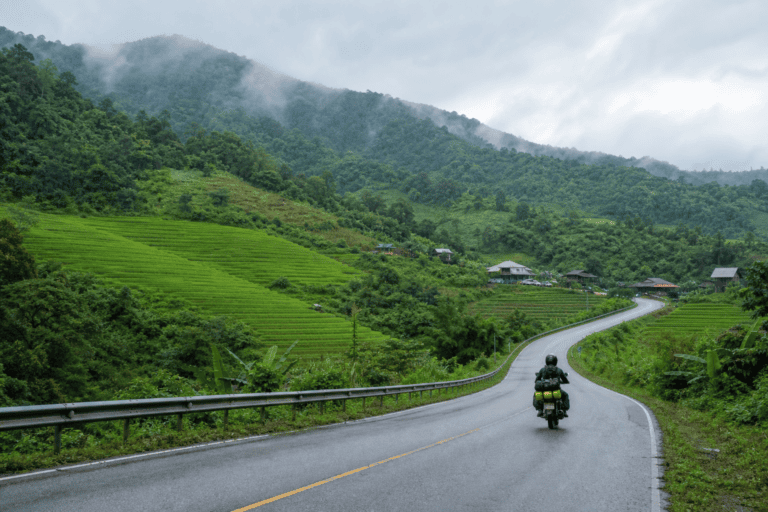
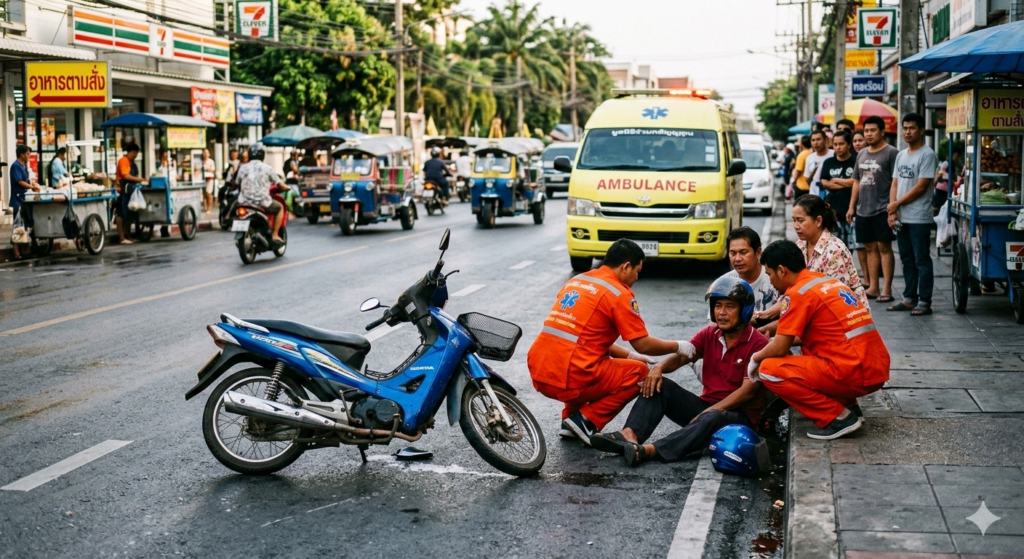
We’ve covered risks from wild animals and communicable illnesses, but when it comes to serious injuries and even death, the roads can present the highest risks. During your time in Thailand, you may be tempted to ride motorbikes. Whether you buy, rent, or simply make use of the many motorbike taxi options, these can be the most inexpensive and convenient form of transportation, especially in Bangkok’s notorious gridlock traffic. However, there’s a significant safety tradeoff. With 32 deaths per 100,000 inhabitants per year, Thai roads are among the most dangerous in the world, especially for motorcyclists who make up the vast majority of road deaths and injuries each year.
If you’re thinking about renting or buying a bike, it’s best to gain riding experience in your home country first. The dense and chaotic traffic in a city like Bangkok doesn’t make for an ideal learning environment. In order to ride legally, you need to have an international or Thai driver’s license. If you don’t have one, the police can stop you and fine you, and your insurance won’t cover you in case of accidents.
You may not want to ride or rent a bike, and motorbike taxis can seem like a convenient option. However, they can also be quite dangerous. Drivers typically earn low wages and often travel at high speeds. they may be fatigued from long working hours for long working hours. Accidents are common.
If you want to maximize your safety, the single best thing you can do is skip motorbikes altogether. But if you opt to use motorbikes, remember to wear a helmet and ensure it meets proper safety standards. Avoid using motorbikes around major holidays like New Year’s Eve or the Thai New Year holiday of Songkran in mid-April, as accident rates and road fatalities are much higher during these time periods. Remember, traffic drives on the left side of the road in Thailand. If you come from a country where people drive on the right side, it’ll take some time to adjust to the difference.
Pedestrian Risks
But the road risks don’t end with motorbikes, because Thailand’s roads are also unsafe for pedestrians. If you’re from a western country, you’re likely accustomed to cars stopping and giving pedestrians the right of way. This is not the norm in Thailand. Cars and motorbikes frequently drive straight through designated crosswalks and even traffic lights. You need to cross the road very carefully, even if you have a walking light, and especially at the striped zebra crossings. These crossings are typically ignored. Pedestrians are regularly struck by cars and bikes, and traffic law enforcement is very minimal.
When you’re walking, never make any assumptions about whether a car will stop or what a vehicle might do at any given time. Remember, cars drive on the left side of the road. You’ll need to look right before crossing the street, but normally you should also look left, as you’ll commonly encounter motorbikes that are driving the wrong way on a street.
Alcohol and Nightlife Risks Amongst Other Tourists
Much like riding motorbikes, consuming alcohol significantly increases your safety risks. One of the most important risks that you need to be aware of is fake alcohol, which can be prevalent in Thailand and Southeast Asia generally. Fake or bootleg alcohol commonly has impurities which can give you a worse hangover, but it can also contain methanol. This can be deadly even when consumed in small quantities. Methanol contamination is quite rare in Thailand, but it has occurred in the past. It’s most commonly found in cheap bucket mixed drinks from street vendors or in free shots. In order to avoid fake alcohol, it’s best to buy and drink unopened beer and liquor bottles from larger establishments.
You also need to be cautious about drugged or spiked drinks. This normally occurs when a sedative drug is slipped into a drink, which leaves the victim vulnerable to sexual assault or robbery. This definitely isn’t unique to Thailand, but it’s a mistake to accept drinks from strangers or leave your drink unattended, especially in popular tourist areas like Khaosan Road or at the famous Full Moon parties.
You should also be cautious when leaving nightlife areas, as taxi drivers have been involved in sexual assaults and robberies. It can be safer to use ride-hailing apps like Grab, as the drivers need to undergo strict verification processes and the rides are tracked. Before you enter a ride-hailing vehicle, check that the license plate matches with the vehicle in the app.

Fights and Confrontations In Thailand Nightlife
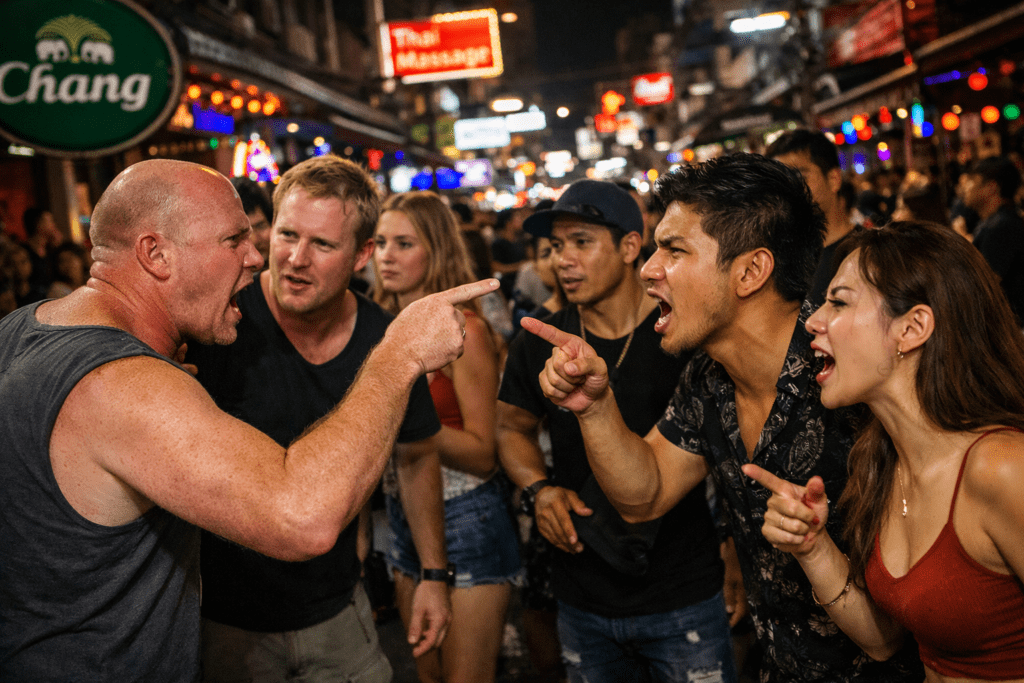
Speaking of nightlife, fights or confrontations can be another safety risk in entertainment areas. Thailand is generally quite safe when it comes to avoiding confrontations, as people aren’t overly aggressive and there aren’t problems with street gangs. However, they can happen. It’s especially important to avoid an altercation with a local Thai person, as you may find that other nearby Thai people quickly jump in to help their compatriots.
Confrontations tend to occur in two situations. First, some foreigners behave disrespectfully, especially when they’re intoxicated. It tends to go very badly. In case anybody needs a reminder: avoid disrespectful behavior. Conversely, altercations can also occur when a scams you might encounter in Thailand or gets overcharged. If you experience a scam, you should avoid escalating the situation into a confrontation. Call the tourist police, and they can assist you with any issues. It’s best to avoid scams altogether. For a full breakdown of all the scams you might encounter in Thailand, check the link to my scams video in the description. A little knowledge goes a long way.
Petty Crime In Tourist Zones
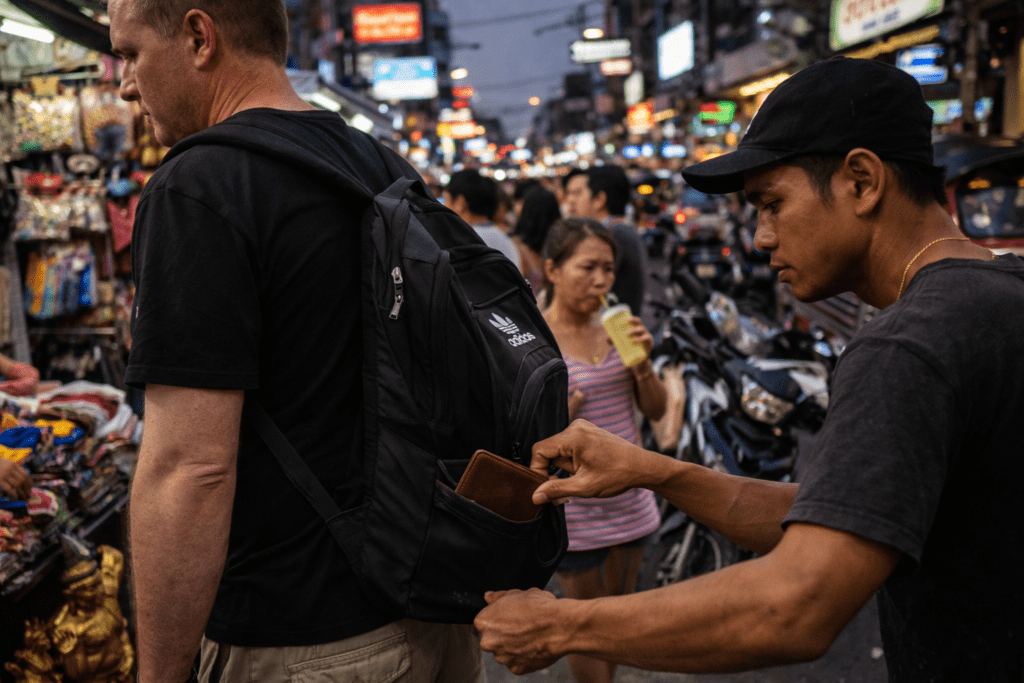
When you’re in tourist or nightlife areas, it’s a mistake to ignore your surroundings or belongings. Nightlife and tourism-oriented areas also have fairly common petty crime risks. Theft and pickpocketing are common. Never carry your wallet or phone in your back pocket or in an insecure location. There have also been cases of purse snatching by men on motorbikes. This is fairly rare, but if you’re a woman, carry your purse in front of you and ensure that it’s properly closed.
The loss of belongings isn’t a direct personal safety risk, but it can cause significant problems. You should never go out with all your bank or credit cards with you. Always keep at least one spare card safe at your accommodations in case you lose your wallet or bag. ATMs in Thailand accept the vast majority of foreign cards, and keeping a backup will ensure that you always have access to money.
Laws and Defamation Are Strict In Thailand
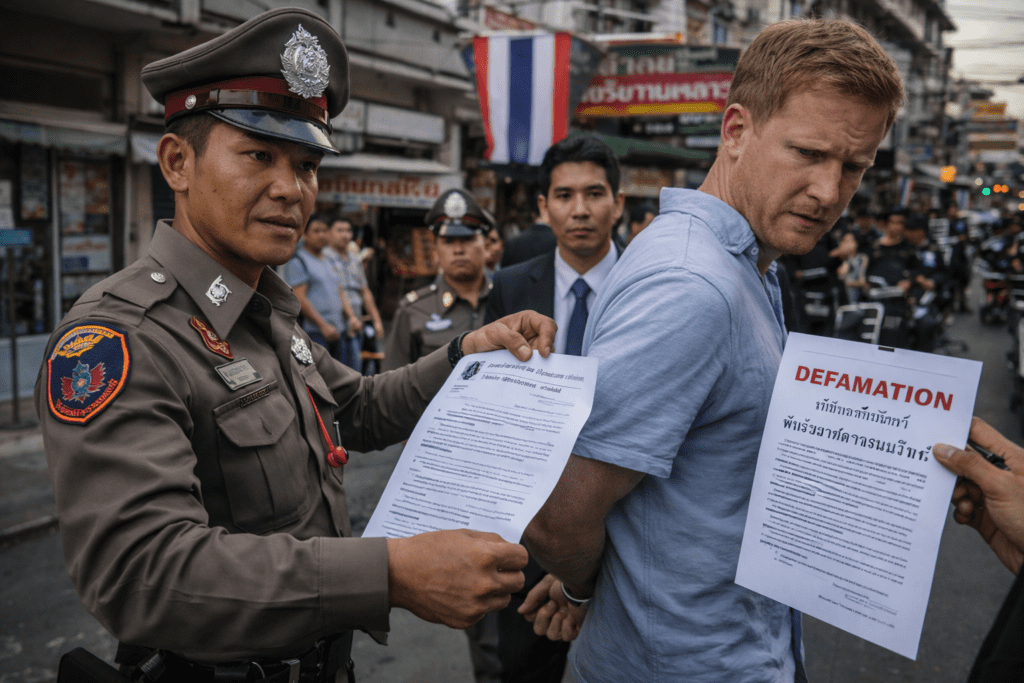
Whether you choose to visit or live here, it’s important to be aware that once you enter the country, you’re subject to the laws of Thailand. I cover all the laws that you need to know before you enter the country in a previous video; the link is in the description. Perhaps the most important law that you need to be aware of is defamation. Speaking, writing, or posting anything negative about any individual or entity can lead to serious legal problems in Thailand.
Defamation is particularly serious when it comes to the royal family. Thailand is a monarchy, and the country has strict lese-majeste laws which protect the monarchy from defamation. This may include comments both in person or online, or even liking or sharing a negative post. It’s an extremely serious offense. In order to avoid miscommunication, don’t discuss the monarchy, the military, or politics regardless of your opinions. You should also avoid any action which may be considered defamatory, which includes stepping on a currency note or coin or any item that bears the image of the king or the Thai flag.
Food Safety, Especially Street Food
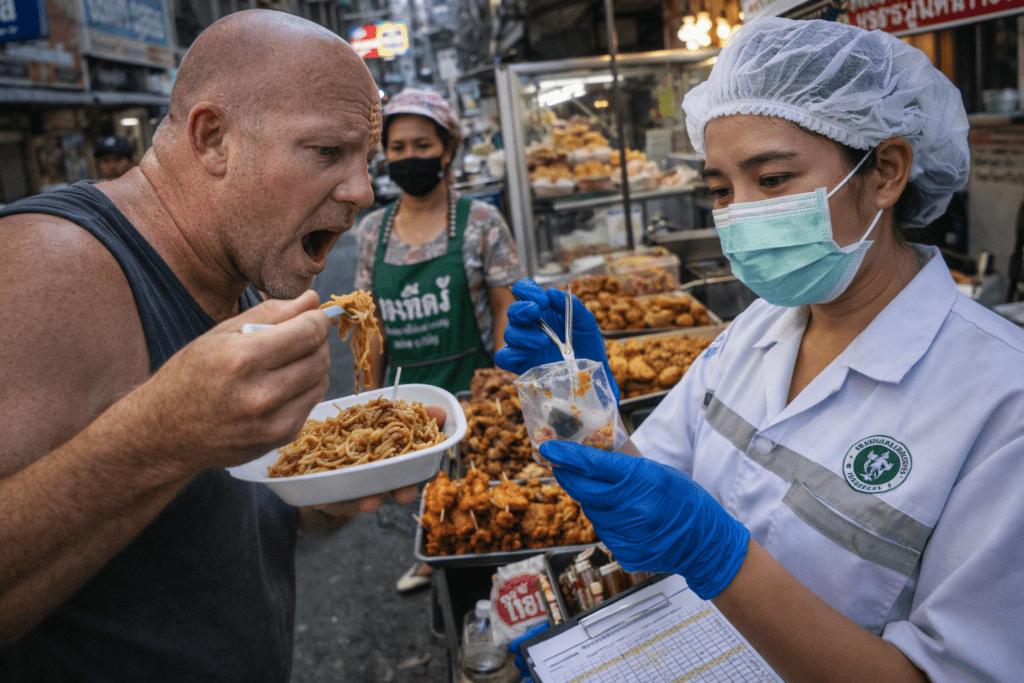
Let’s shift gears and talk a little bit about food safety. You’ll see vendors lining every street and sitting at every corner. These dishes can be very tasty, but also risky, as the food can sit out for a long period of time in the midday sun, an ideal breeding ground for bacteria. It’s normally best to order food that’s cooked directly in front of you, and ideally at a high heat. You should also observe the area around the vendor, including the dishes and utensils. If the dishes are reusable, is there an area with running water where dishes are cleaned with soap? Dishes that are used throughout the day without proper cleaning may give you food poisoning or an upset stomach.
When it comes to food safety, your biggest risk can come from cut fruit and smoothies. Cut fruit is uncooked and may sit out for long periods of time in the heat. Cutting boards or storage areas may not be entirely sanitary, and the water and ice that are used in smoothies may not be clean, especially in smaller island areas. When it comes to choosing a place to eat, it’s best to choose vendors with a high number of customers, as the high turnover normally means that ingredients are fresh with plenty of happy diners. If you get food poisoning, you can visit one of the many hospitals or clinics throughout the country for prompt treatment.
Drink Water Only From Bottles
While most food is safe, it’s a mistake to drink the water altogether. Tap water in Bangkok actually passes international standards, but most storage tanks and pipes that supply the water suffer from corrosion, and this causes contamination. Water outside the capital isn’t safe to consume at all. When you’re in Thailand, it’s best to drink bottled water throughout the country or buy a water filtration system for your condo.
In contrast, ice is normally okay, as it’s made with filtered water that gets delivered around the country on a daily basis. However, if you want to play it safe, you should skip the ice as well, especially in island and rural locations.