10 Best Places To Visit In Southeast Asia
Wildlife in Sabah
I’ve been lucky enough to explore some of Southeast Asia’s densest jungles, and spotting the weird and wonderful creatures that live there is still one of my favorite things to do. One of my favorite places in the world is Khao Sok National Park. I’ve done multi-day treks deep in the jungle here and spotted everything from wild monkeys and huge monitor lizards to spiders and some absolutely enormous snakes.
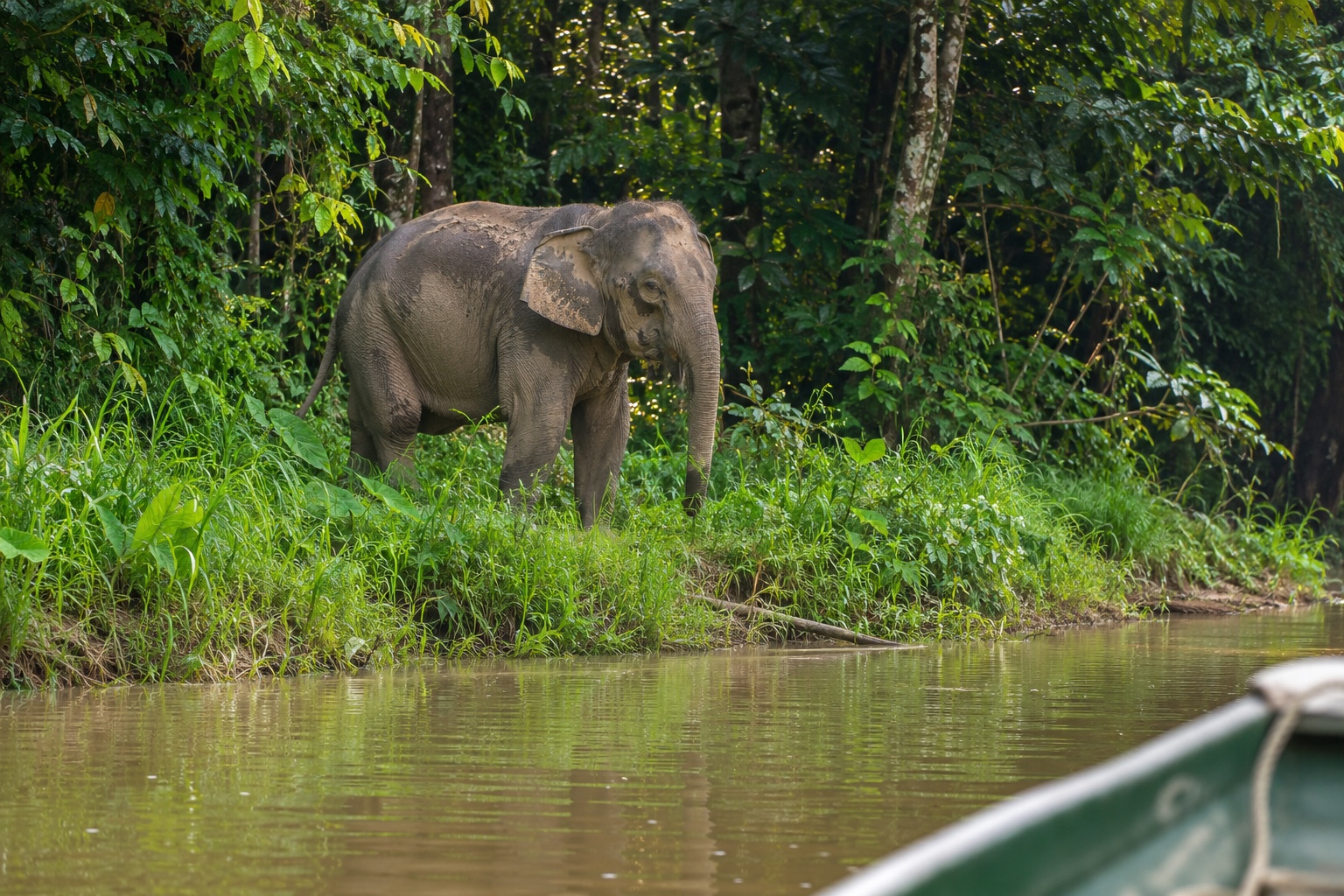
But there’s one place I visited that stands above everywhere else, and it’s probably the wildest place I’ve ever been to in Southeast Asia: Sabah in Malaysian Borneo. A while back, I spent a few days traveling along the Kinabatangan River, where we were lucky enough to spot what are known as the Borneo Big Five.
We saw rhinoceros hornbills soaring overhead, orangutans swinging through the trees, and proboscis monkeys, some of the strangest-looking monkeys you’ll ever see, famous for their enormous bulbous noses. But the real highlight was spotting wild pygmy elephants grazing along the banks of the river, and a slightly more terrifying saltwater crocodile swimming in the exact same water our tiny boat was flowing through.
This part of Borneo feels so wild and remote. If seeing wildlife is high on your Southeast Asia bucket list, I’d genuinely consider building an entire trip around coming here.
Penang for Street Food
There are so many contenders for the best street food because Southeast Asia is home to some of the best food cities in the world. Hanoi’s Old Quarter is one of my favorites. It’s completely no-frills: you pull up a tiny plastic chair on the side of the street and grab a bowl of pho, some smoky grilled bun cha, freshly steamed banh cuon, or just an incredible banh mi for a couple of dollars.
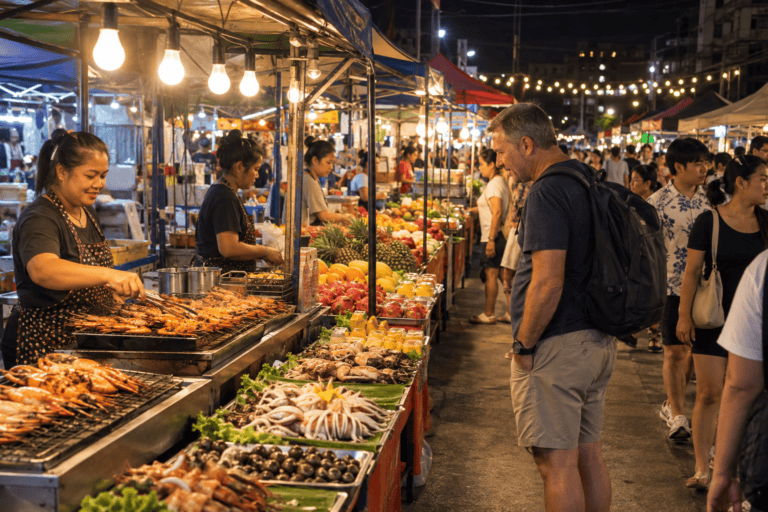
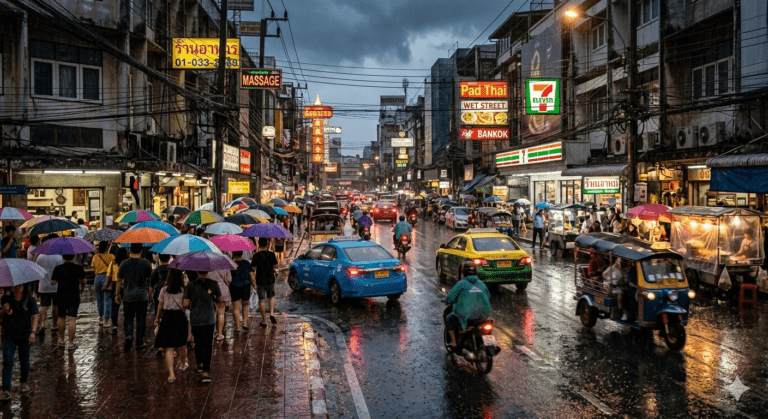
Then there’s Bangkok, where it sometimes feels like there’s delicious food sizzling on every street corner. Chinatown in particular comes alive at night, with Yaowarat Road and the surrounding streets packed with vendors cooking noodles, seafood, grilled meats, and desserts right in front of you.
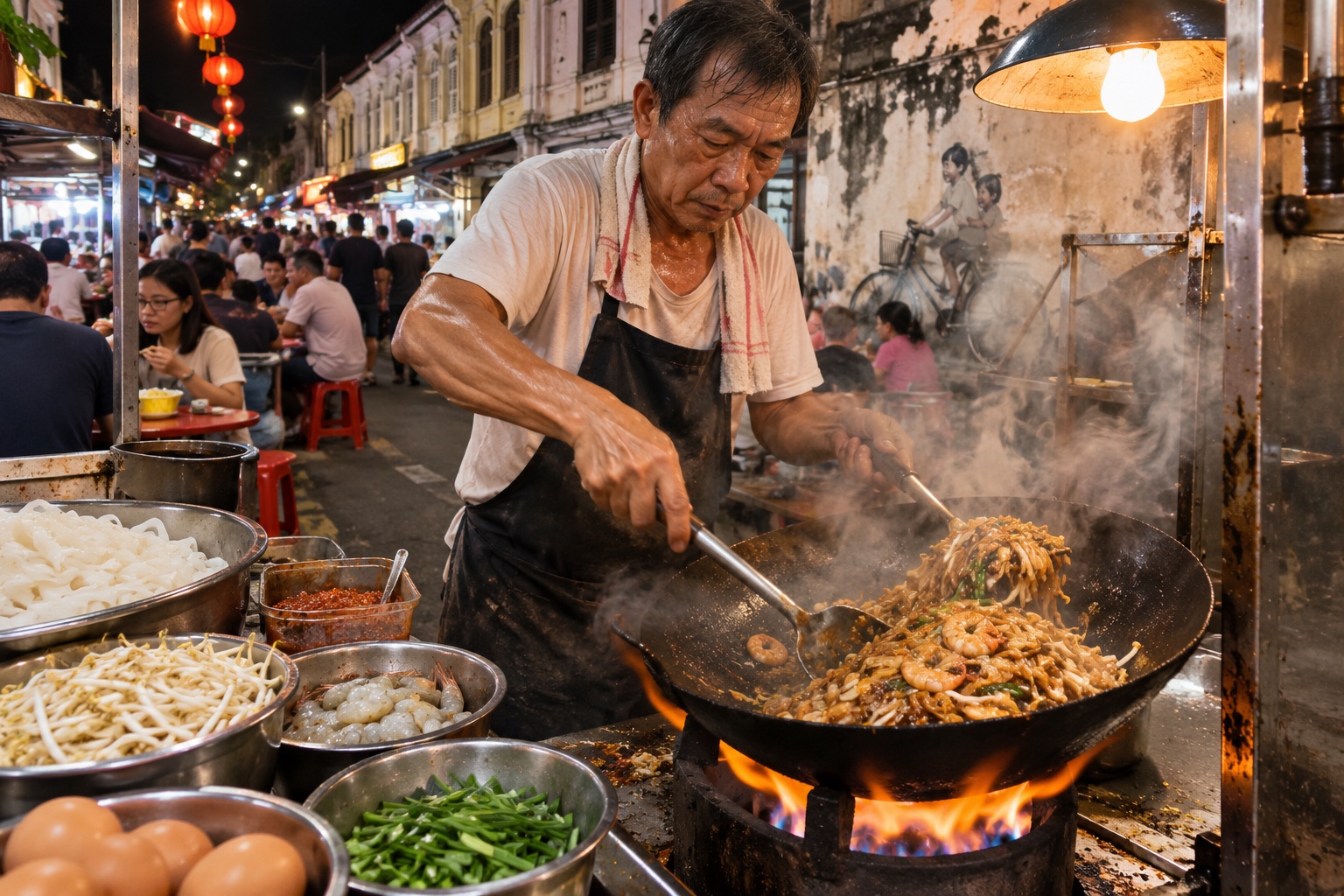
But for me, the best place to eat anywhere in Southeast Asia is Penang, Malaysia. Penang’s food is special because of the incredible mix of cultures that have shaped the island. You’ve got Malay, Chinese, and Indian influences all coming together, sometimes within just a few streets of each other.
And Georgetown itself is an amazing place to eat your way around. It’s this beautiful old UNESCO-listed city filled with colorful shophouses, temples, and colonial-era buildings, where you can spend the entire day hopping between hawker stalls.
You can start with roti canai for breakfast, grab char kway teow noodles for lunch, then head to one of the street food centers in the evening and basically order whatever looks good. Make sure you also try a nasi kandar before you leave. And for me, that’s what makes Penang a winner. Food isn’t just something you do while you’re here; it’s the whole reason to go.
Mountains and Rice Terraces in Sapa
One of the most dramatic mountain experiences in Southeast Asia is Mount Kinabalu in Malaysian Borneo. At over 4,000 metres high, it’s the tallest mountain in Malaysia, and it completely dominates the landscape around it. If you’re up for a challenge, you can spend a couple of days trekking all the way to the summit.
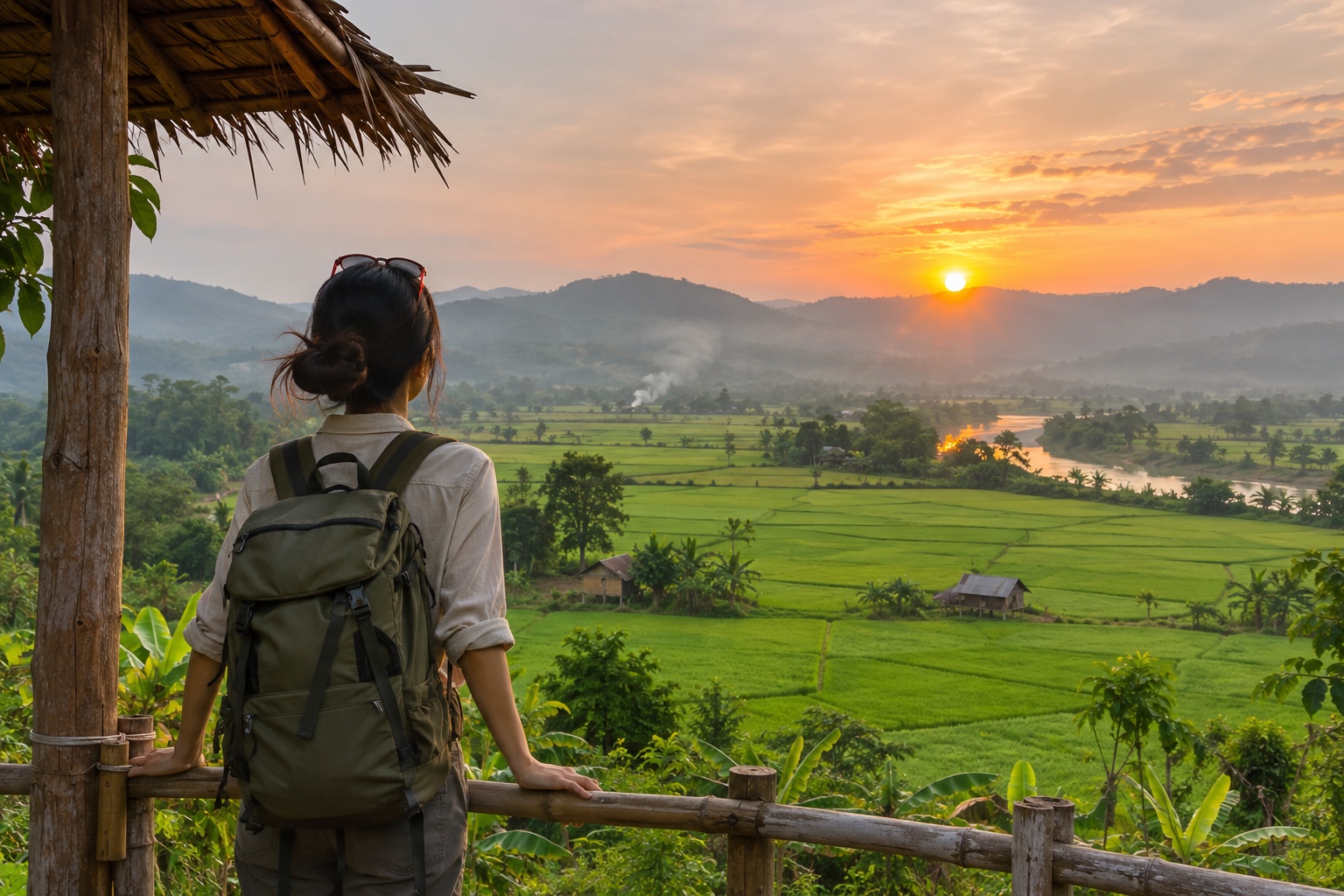
For somewhere a little more laid-back, there’s Chiang Dao in northern Thailand, one of my favorite mountain towns in the country. Rather than coming here to conquer a mountain, Chiang Dao is more about slowing down and enjoying the scenery. It’s a tiny, peaceful town surrounded by rice paddies and countryside, with the enormous Doi Chiang Dao rising almost vertically above everything in the background.
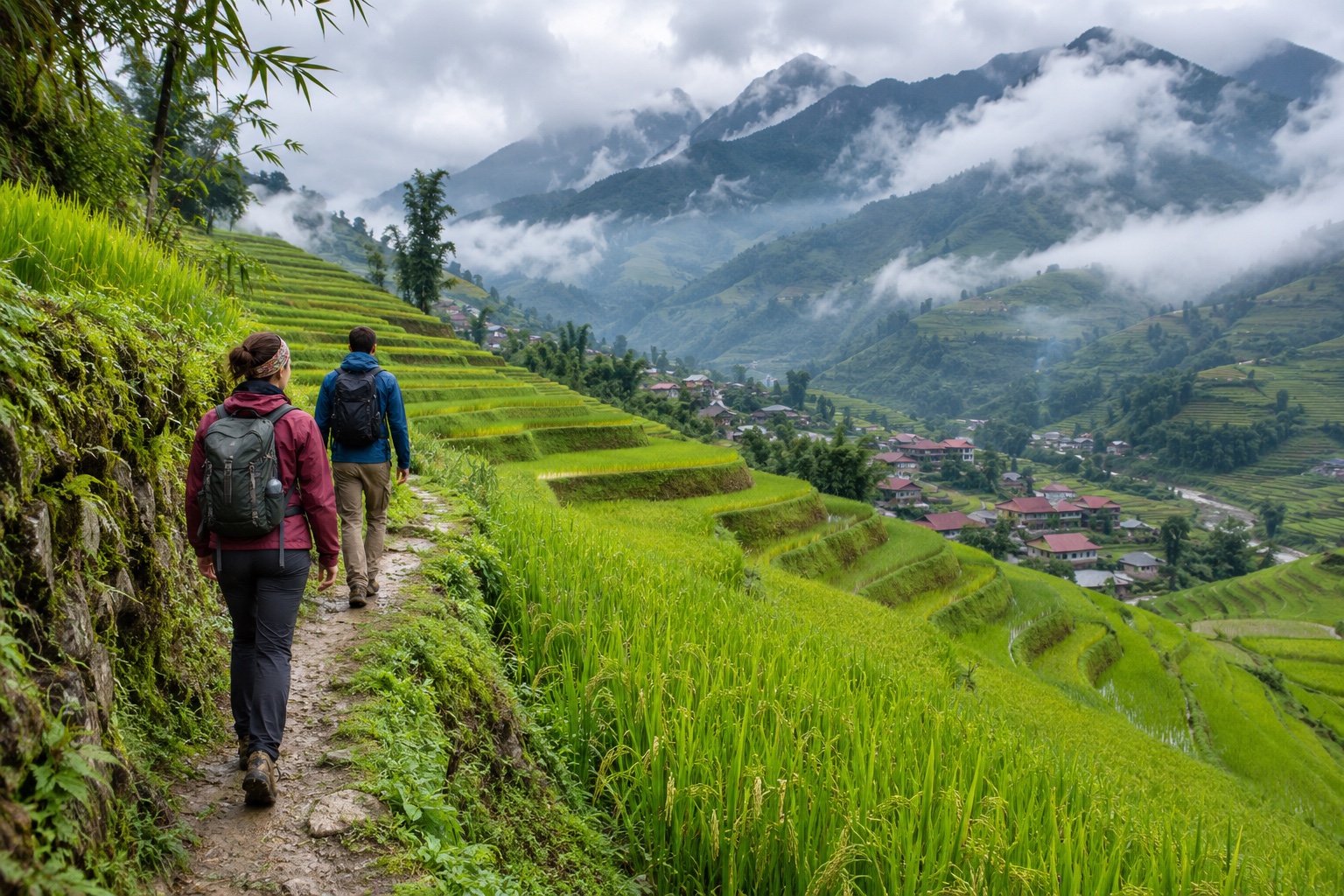
But for me, my favorite mountain experience anywhere in Southeast Asia has to be Sapa in northern Vietnam. A few years ago, I did a four-day, three-night trek through the mountains here, and it’s still one of the best travel experiences that I’ve ever had.
You spend your days hiking through what feels like endless mountains and rice terraces, passing through tiny villages with incredible views stretching out in every direction. Along the way, we stayed in traditional homestays, including with a Red Dao family, where we got to learn a little bit more about their culture, eat some incredible home-cooked food, and basically collapse at the end of each day after hours and hours of trekking.
It’s the combination that makes Sapa so special for me. You’re not just looking at the mountains; you’re spending several days actually walking through them and experiencing the communities that live among them.
Bangkok: The King of Southeast Asian Cities
There are three or four cities that stand out to me above the rest. You’ve got Kuala Lumpur, or KL, Malaysia, with some great food, impressive temples, and a fascinating mix of Malay, Chinese, and Indian influences. You’ve got Singapore, the futuristic megacity filled with skyscrapers, incredible architecture, and enormous gardens. And then there’s the chaotic charm of Hanoi, where just walking through the Old Quarter can feel like an experience in itself.
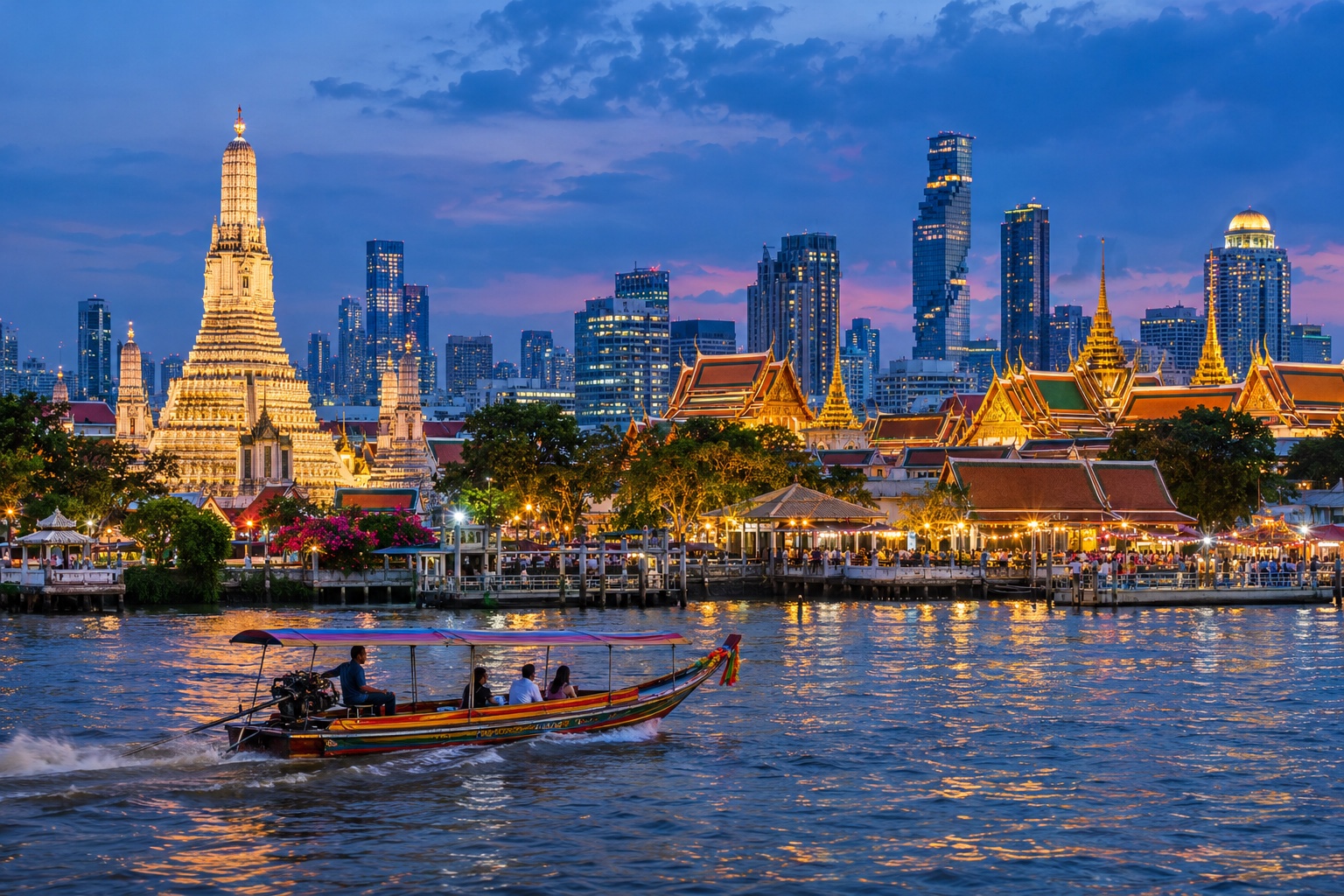
But for me, the absolute king of Southeast Asian cities has to be Bangkok. What makes Bangkok stand out is the sheer variety packed into one city. You’ve got futuristic skyscrapers sitting alongside stunning Buddhist temples, historic neighborhoods, enormous markets, luxury shopping malls, and some of the best nightlife in Southeast Asia.
I’ve spent the last seven years living in Bangkok, and I still feel like there are huge parts of the city I haven’t explored properly. There’s always another neighborhood, restaurant, market, or experience to discover.
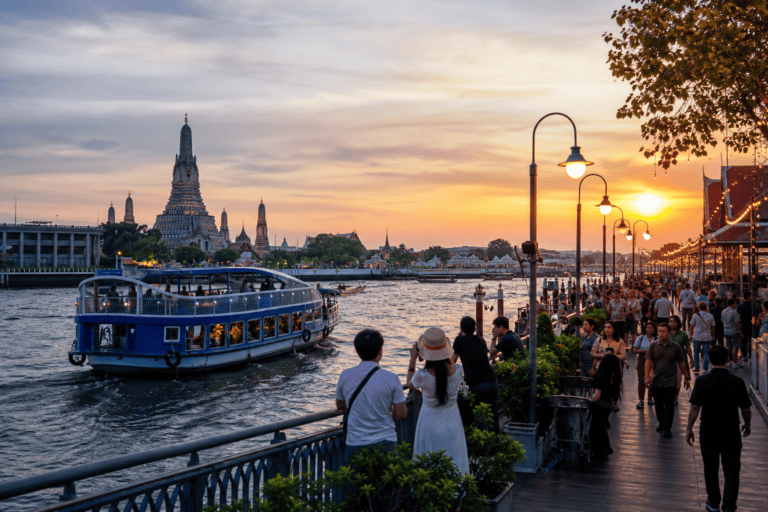
There are so many different ways you can experience the city. You can look down over it from one of its towering rooftop bars, jump into a tuk-tuk and tear through its chaotic streets, cruise along the Chao Phraya River past some of Bangkok’s most famous temples, or hop into a little boat and disappear into the city’s network of canals.
I’ve traveled to a lot of great cities around Southeast Asia, but nowhere else gives you quite as much variety as Bangkok.
Exploring Southeast Asia by Water
One of my favorites is Cheow Lan Lake in Thailand. It’s an enormous lake surrounded by jungle, with huge limestone peaks shooting straight out of the water. What makes it really unique is that you can actually stay overnight in a floating raft house in the middle of the lake, completely surrounded by mountains.
You wake up in the morning, step outside your room, and jump straight into the water. Spending a couple of days exploring the lake by longtail boat, stopping at caves, hiking through the jungle, and looking for wildlife is one of the coolest experiences you can have in Thailand.
Another epic journey is traveling along the Mekong River. The Mekong cuts through the heart of Southeast Asia, passing through several countries on its way towards Vietnam. One of the classic journeys is the two-day slow boat between northern Thailand and Luang Prabang in Laos, where you spend hours cruising past mountains, tiny villages, and huge stretches of almost completely undeveloped riverbank.
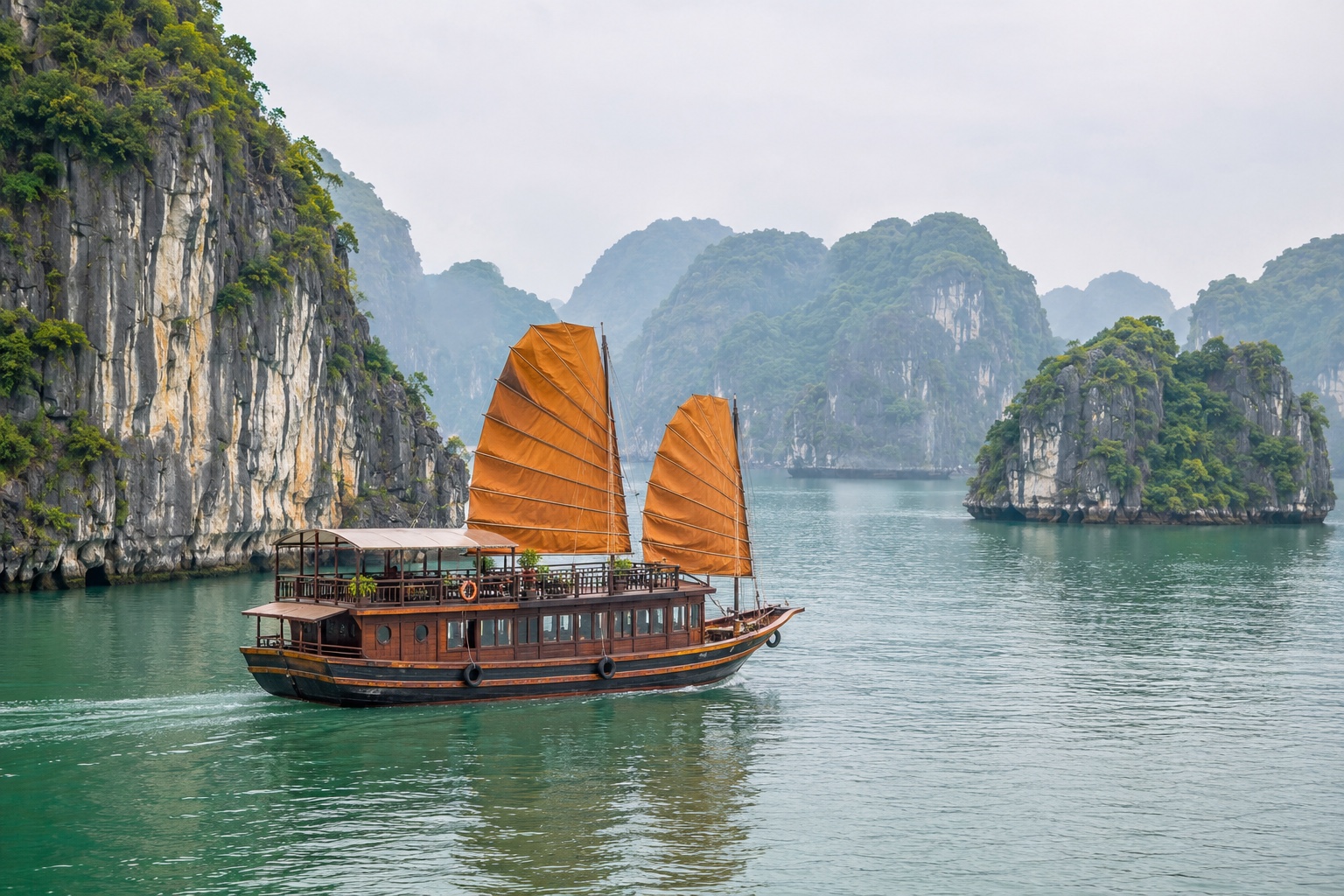
But for me, the most spectacular place that I’ve explored from the water has to be Ha Long Bay in northern Vietnam. You can easily spend a couple of days exploring the limestone karst landscapes, stopping at caves and viewpoints along the way. Each morning you’ll wake up, step onto the deck, and find yourself completely surrounded by beautiful mountains everywhere you look.
If I had to choose just one place in Southeast Asia to spend a few days exploring by boat, Ha Long Bay would be my pick.
Angkor and Southeast Asia’s Ancient History
There are incredible historical sites all over the region. More recent history can be incredibly confronting, from learning about the Vietnam War in Vietnam to the horrors of the Khmer Rouge era in Cambodia. But personally, it’s Southeast Asia’s ancient kingdoms and civilizations that I find most fascinating.
Just north of Bangkok, you’ve got Ayutthaya, the former capital of the Siamese kingdom. Today you can spend a day cycling or taking a tuk-tuk between the ruins of the enormous temples and Buddha statues scattered throughout the city.
Then there’s Bagan in Myanmar, an incredible landscape filled with ancient Buddhist temples and pagodas. Unfortunately, with the ongoing conflict in Myanmar, it’s not somewhere I’d recommend traveling to right now.
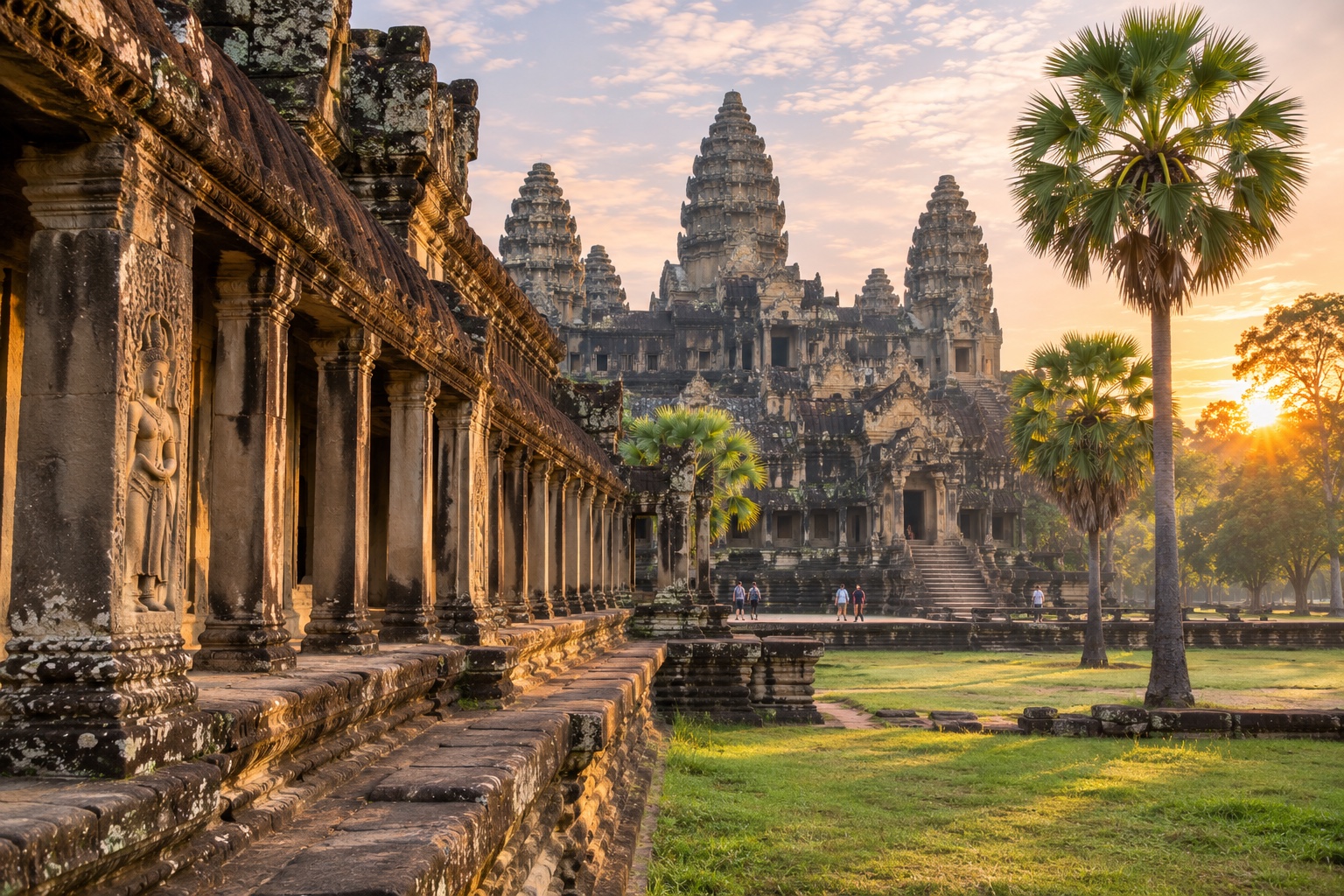
But for me, nothing quite compares to Angkor in Cambodia. It’s worth understanding that Angkor Wat is just one temple, while the wider Angkor Archaeological Park covers about 400 square kilometres and contains the remains of different capitals of the Khmer Empire, which dominated this part of Southeast Asia for centuries.
You’ve obviously got Angkor Wat itself, but then there’s Angkor Thom and the enormous stone faces of Bayon, and Ta Prohm, where giant tree roots have grown over and around the ancient ruins.
The scale of this place is the most surprising thing. This isn’t somewhere you turn up, look around at one temple, and leave. You could easily spend two or three days exploring these and still only scratch the surface. For me, if you want one place that really gives you a sense of just how powerful Southeast Asia’s ancient civilizations were, Angkor is it.
Palawan’s Tropical Islands
This is by far the hardest category of the entire list because Southeast Asia has thousands of islands, and some of them have the most beautiful beaches anywhere in the world. Bali is probably the most famous, and there’s a reason it’s become one of the world’s biggest island destinations. You’ve got beaches, surfing, temples, rice terraces, nightlife, and some incredible hotels all packed onto one island.
Then you’ve got the big Thai islands like Phuket and Koh Samui. I spent a lot of time on both of these, and what makes them so good is the sheer variety. You can stay in a luxury hotel, find beautiful beaches and incredible Thai food, and then go island hopping throughout the day.
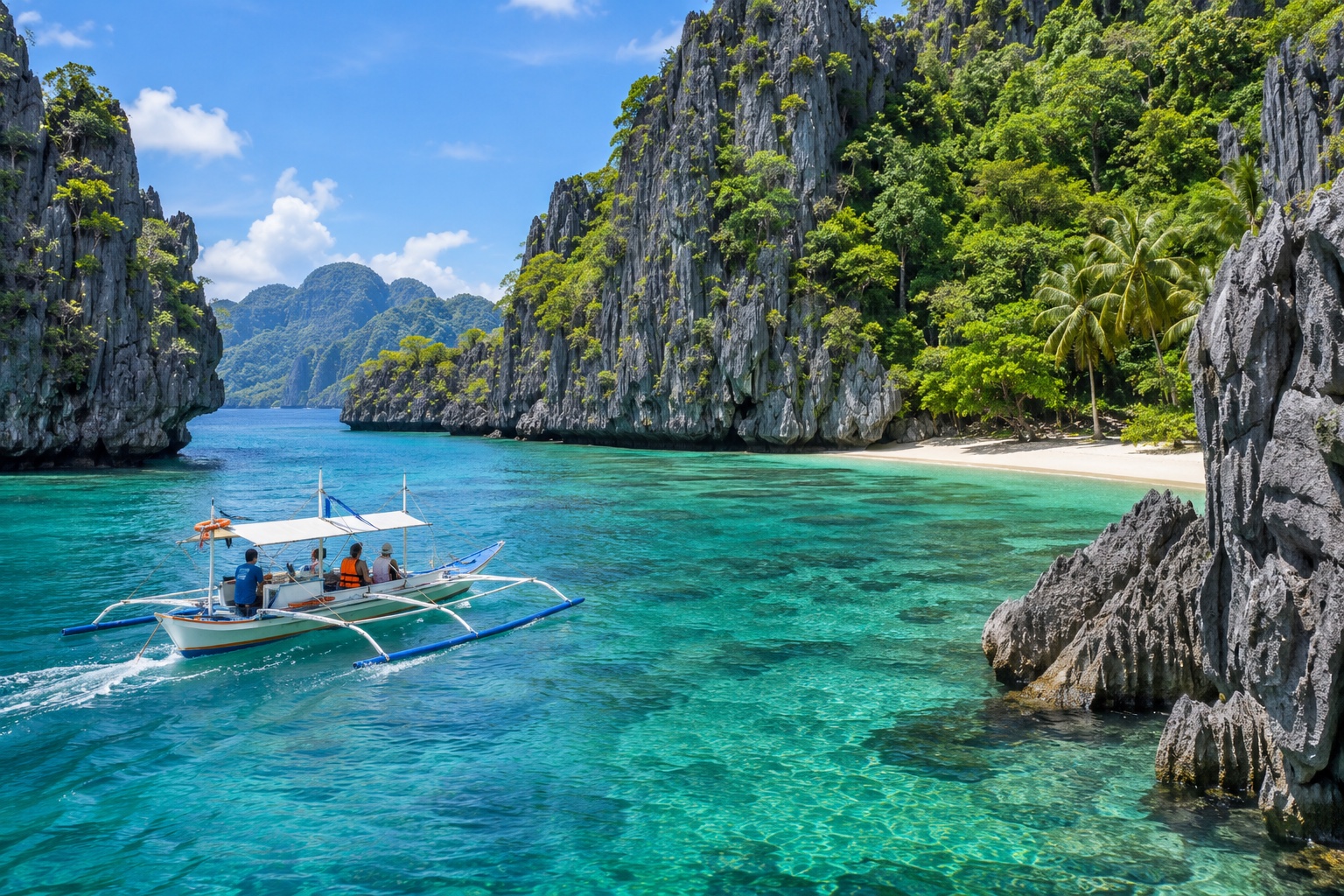
But if we’re talking about the place that comes to my mind when I think of a tropical paradise, I’m going with Palawan in the Philippines. And Palawan isn’t really about staying in one place. The island is absolutely huge and stretches for hundreds of kilometres, with El Nido in the north and Puerto Princesa in the south.
The scenery in particular around El Nido is just ridiculous. You’ve got beautiful cliffs rising out of the ocean, hidden lagoons, sandy beaches, and hundreds of islands scattered offshore. The best way to experience this is by boat, spending the days island hopping and kayaking in the lagoons and snorkeling along the way.
Considering Southeast Asia’s beaches are so famous, Palawan still feels a bit off the beaten path, at least for now. For tropical scenery alone, nowhere I have visited beats Palawan.
Luang Prabang’s Living Culture
Hoi An in Vietnam is one of the most beautiful old towns in the region. The historic center is filled with colorful old buildings, temples, and traditional shophouses. At night, the streets and river light up with hundreds of lanterns. It is quite touristy, but there’s still nowhere else quite like this.
Then there’s Chiang Mai, which for me is probably the cultural heart of northern Thailand. You’ve got hundreds of Buddhist temples, incredible northern Thai food, lots of markets and festivals, and the entire old city is surrounded by a section of its ancient walls and moat.
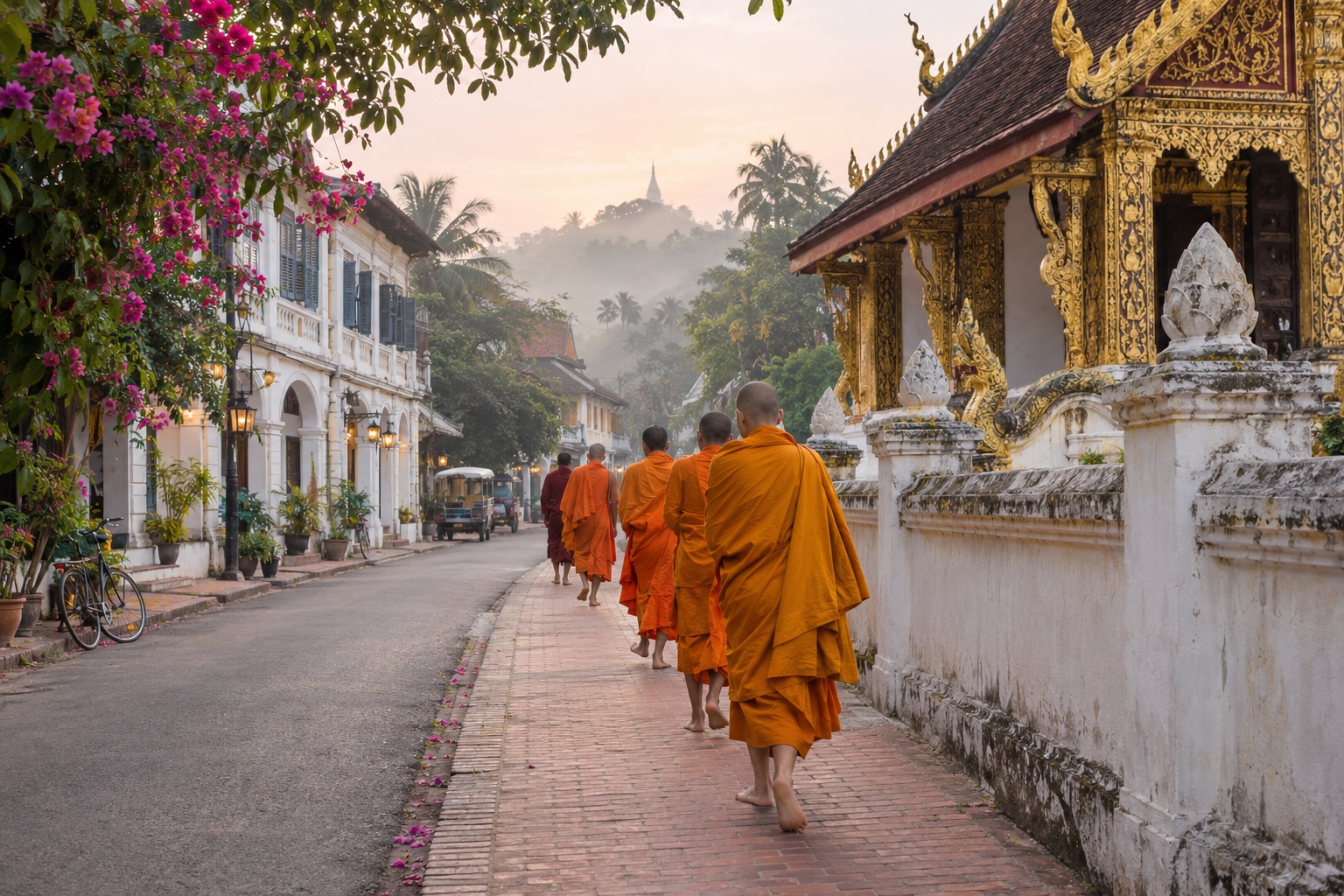
But my favorite place to really immerse yourself in the culture of Southeast Asia is Luang Prabang in Laos. Luang Prabang was once the royal capital of Laos, and today the entire historic center is a UNESCO World Heritage Site. What makes it so special is the combination of traditional Lao architecture, Buddhist temples, and buildings influenced by the French colonial period.
But it’s not just the buildings. Buddhism still feels like a huge part of everyday life here, and you’ll see monks walking through the town, hear temple drums and chanting, and early in the morning you can witness the centuries-old tradition of Tak Bat, where monks walk through the streets collecting alms from local residents.
Then in the evening, the pace of the town completely slows down. You can wander through the night markets, eat Lao food beside the Mekong River, or watch the sunset from the river on a boat trip.
And just outside of town, along the Mekong River, you’ve got lots of traditional villages that you can visit during the day, as well as the incredible Kuang Si Waterfalls. So there’s plenty to explore in this beautiful countryside as well as the culture.
Koh Samui’s Beach Nightlife
If you’re looking for big-city nightlife, you’re absolutely spoiled for choice. Bangkok has everything from rooftop bars and night markets to some of the biggest clubs in the region. Saigon is also famous for its rooftop bars and drinking streets, and Kuala Lumpur has some brilliant cocktail bars and nightlife around the Bukit Bintang area.
But the best nightlife doesn’t have to mean staying in a nightclub until four in the morning. That’s why my pick for nightlife is Koh Samui. What I love most about Samui is the variety.
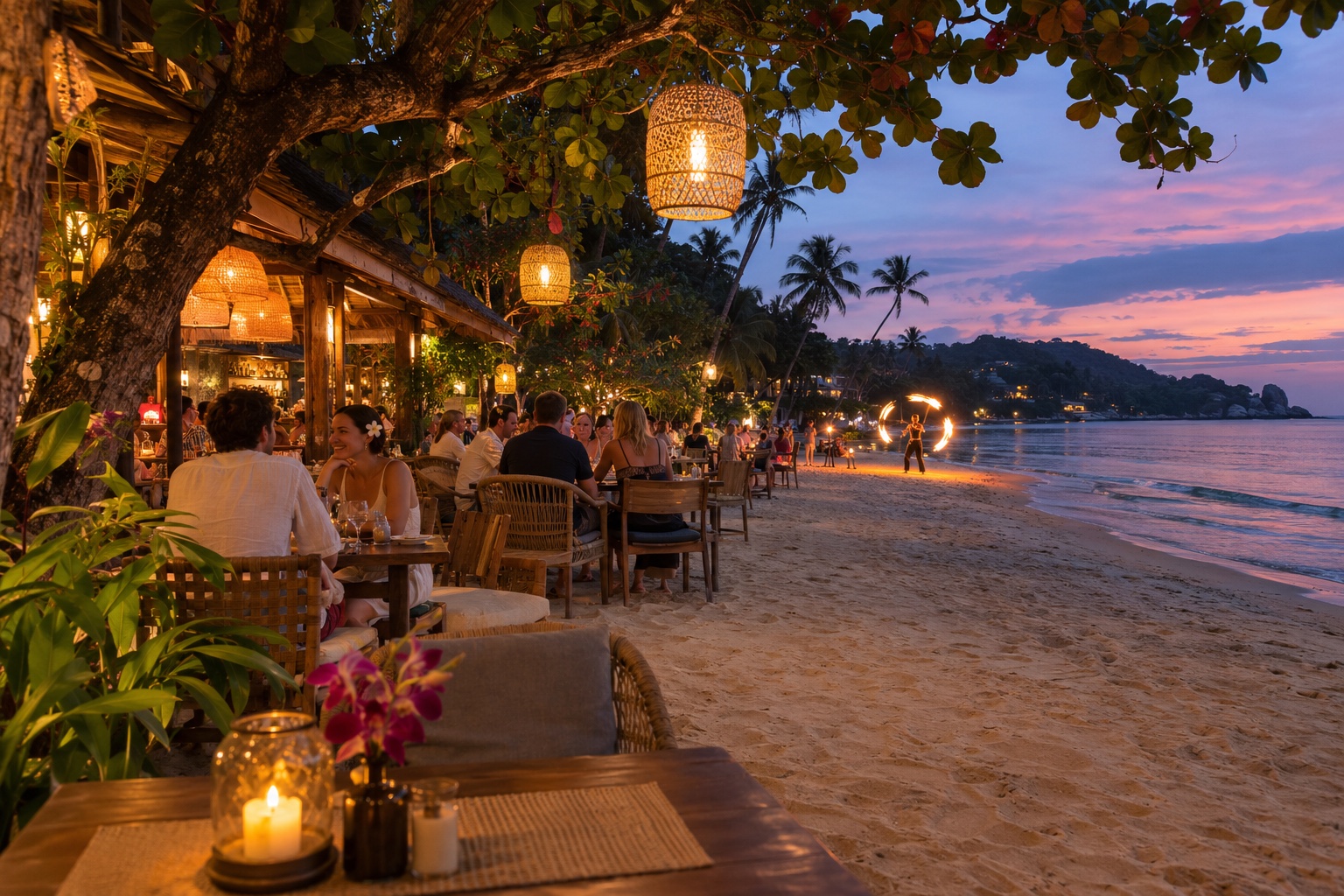
You can start your evening wandering around somewhere like Fisherman’s Village, grabbing food from the night market, and stopping for a drink at one of the bars or restaurants along the beach. Or you can find a little beach bar, sit with your feet practically in the sand, and have a few beers while the sun goes down.
And then, if you do want something livelier, you’ve got the beach clubs, live music, and fire shows that go on late into the night, particularly around the Chaweng area.
Koh Samui isn’t necessarily the wildest nightlife destination in Southeast Asia, but that’s exactly why I like it. For me, it’s the combination of great nightlife with a laid-back tropical island atmosphere that makes Koh Samui one of my favorite places to go out in Southeast Asia.
Vang Vieng Adventure Paradise
For me, the best thing about traveling in Southeast Asia isn’t really the nightlife or sitting around relaxing on a beach. It’s a sense of adventure. It’s getting out there and doing things you simply couldn’t do back home. There are a handful of places around Southeast Asia that really stand out for how many incredible experiences they pack into one area.
One of my favorites in Thailand is Krabi. There’s an almost ridiculous amount to do here. You can jump in a longtail boat or a speedboat and explore the Hong Islands or Four Islands. You can kayak through the mangroves and caves, find hidden beaches, go rock climbing beneath enormous limestone cliffs, or climb up to the Tiger Cave Temple for some of the best views in southern Thailand.
Then there’s the Ha Giang Loop in northern Vietnam, which is probably one of the biggest adventures you can take anywhere in the region. It’s usually done over three or four days, traveling by motorbike through some of the most spectacular mountain scenery in Vietnam, passing tiny villages and mountain passes along the way.
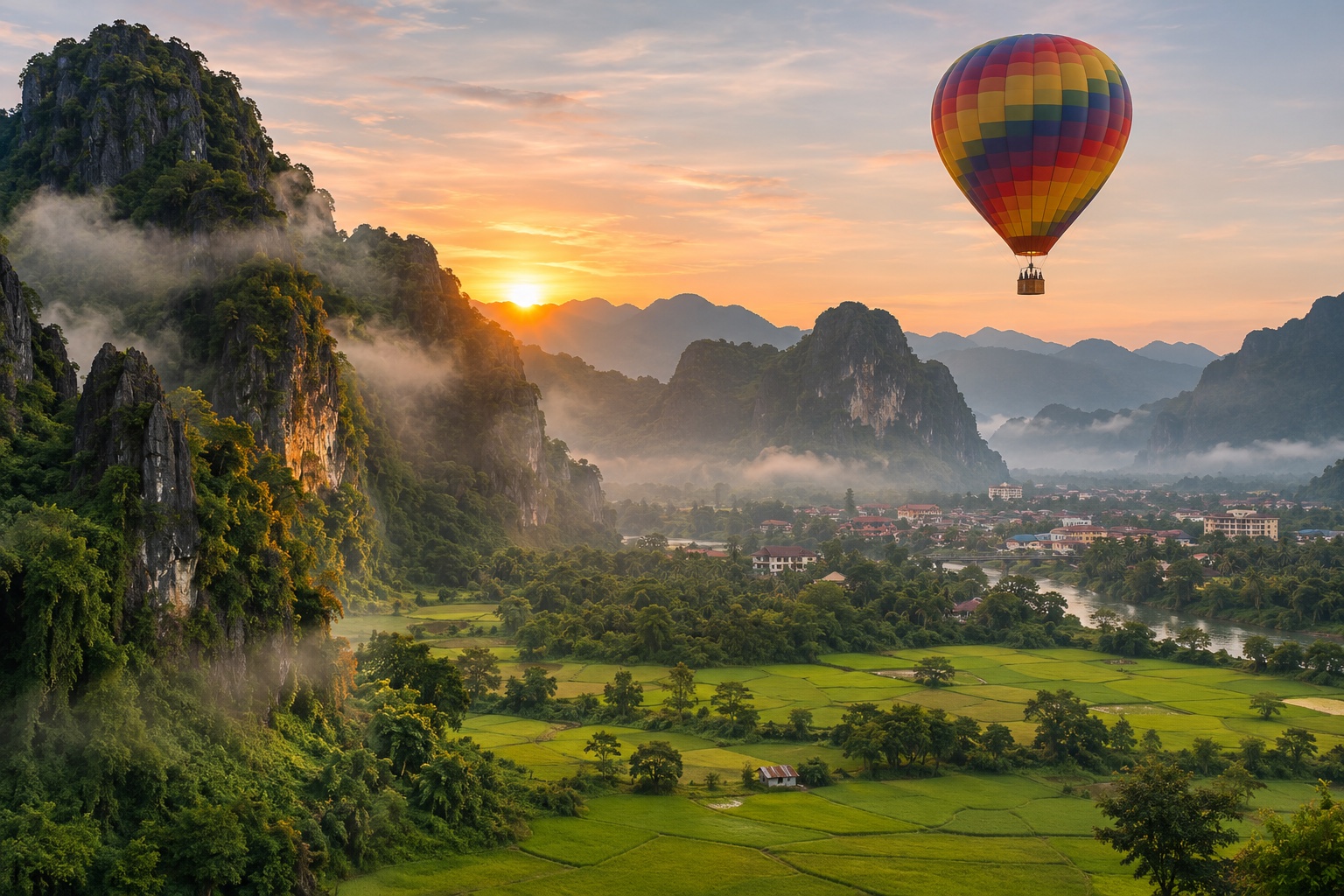
But if you’re looking for somewhere that feels like a real adventure playground, my winner is Vang Vieng in Laos. Vang Vieng is a small town surrounded by absolutely unbelievable scenery. It’s got huge mountains rising above the rice paddies, and the Nam Song River running straight through the middle of it.
During the day, you can climb up to the viewpoints, explore caves, kayak down the river, or do what Vang Vieng has been famous for for years: grab an inner tube and float downstream. But probably the most spectacular experience is taking a hot-air balloon flight at sunrise or sunset, rising above the rice paddy fields and admiring the mountains from above.
And you can even take things up a level by hopping in a paramotor, which is kind of like a plane and a parachute mixed together, flying over the mountains. For me, that’s what Southeast Asia is all about: beautiful scenery, ridiculous experiences, and feeling that you have absolutely no idea what you’re going to end up doing next. That’s why Vang Vieng is my adventure paradise in Southeast Asia.