The ULTIMATE Guide to Thailand Travel in 2026
If you’re traveling to Thailand in 2026, there are some big changes that you need to be aware of. You could find yourself paying unexpected fees, missing out on iconic landmarks or even landing in trouble if you do not plan ahead.
Thailand’s Iconic Landmarks Could Disappear in 2026
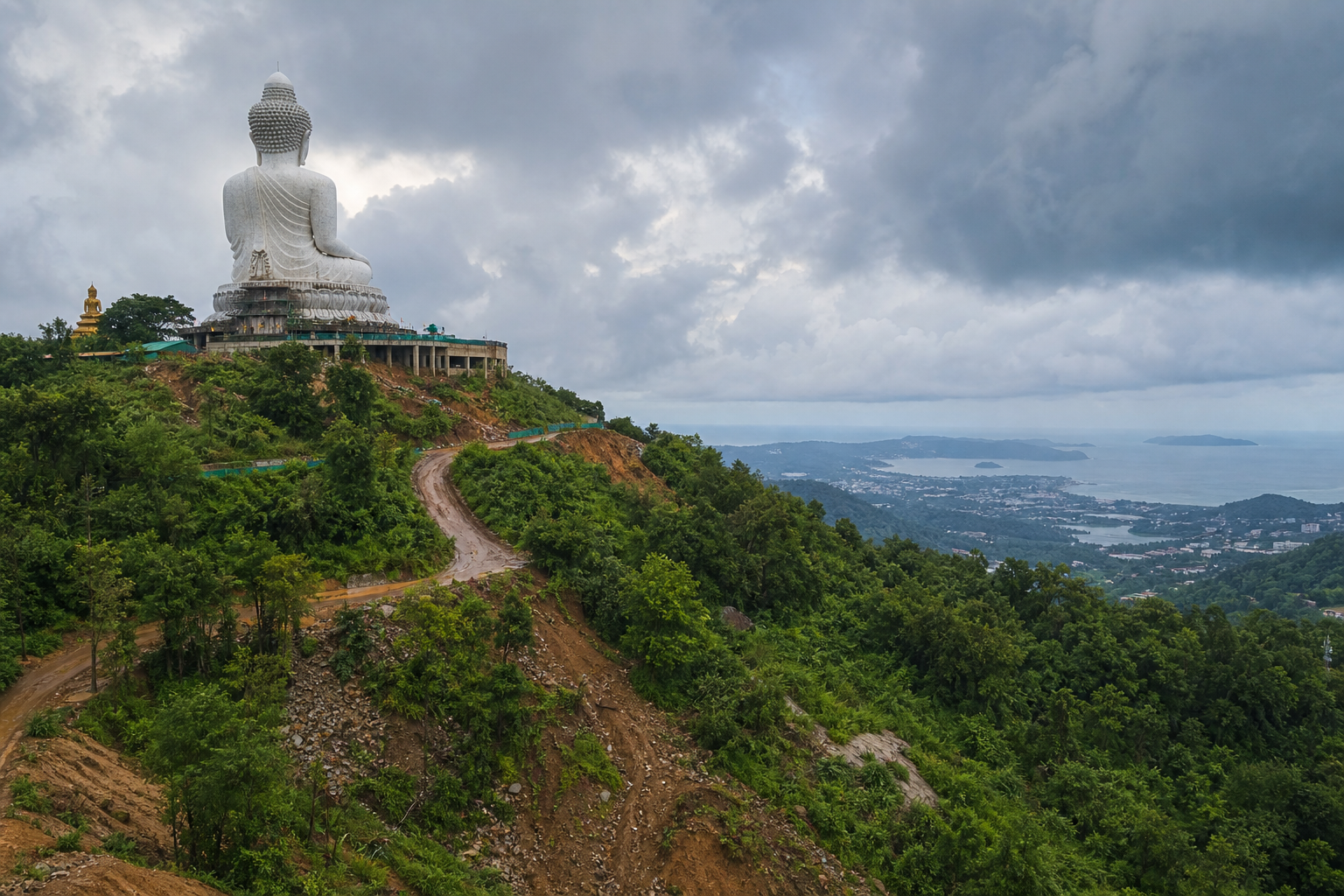
2026 might be the last chance to see some of Thailand’s most iconic landmarks. In 2024, a serious landslide hit the island of Phuket, killing thirty people and injuring many more. It caused major damage and raised questions about the safety of Phuket’s most popular landmark, the Big Buddha.
The landslide happened on the hill where the Big Buddha stands. Experts say the sheer weight of this massive statue, along with the ongoing construction around it, might have made the ground even more unstable. The hillside was already vulnerable, especially after heavy rains, and this iconic monument might have tipped the balance.
Authorities are now evaluating the safety of the famous monument. If it proves to be dangerous, they may consider removing the statue, which would be a real shame because it is one of the most famous temples in Thailand. Either way, the Big Buddha is off limits for the foreseeable future, so you may not be able to visit during at least the first half of 2026.
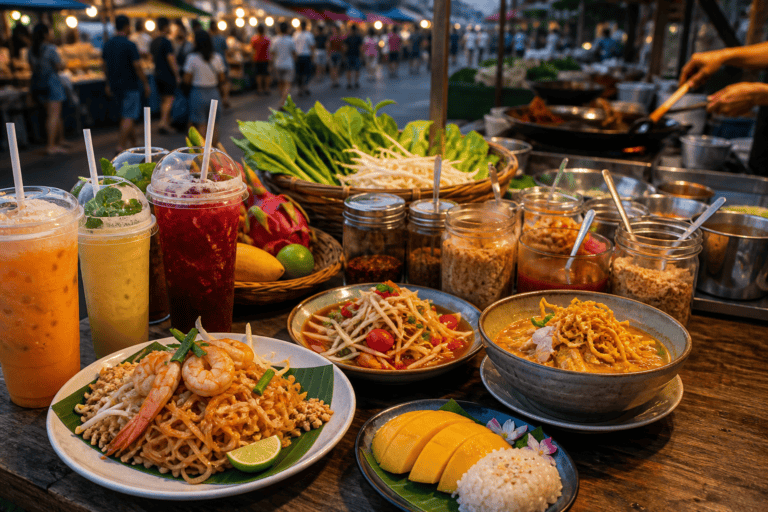
Jay Fai is Bangkok’s most legendary street-food chef, famous for her Michelin-starred crab omelets and signature goggles. For years, her tiny restaurant has been a must-visit for food lovers from all over the world, with people lining up for hours to taste her dishes. She even has a Netflix documentary about her.
Now, at 81 years old, Jay Fai has had to hang up the apron for good. Since she is known for cooking every dish herself, 2026 may be your last chance to try this iconic street-food spot. Cannabis may also be heading in the opposite direction: Thailand’s government planned to outlaw recreational cannabis use by 2026, but the current debate is about keeping it legal while limiting it strictly to medical use. A prescription would be difficult for most tourists to obtain, and smoking in public remains illegal.
Thailand’s Tourist Visa Changes for 2026
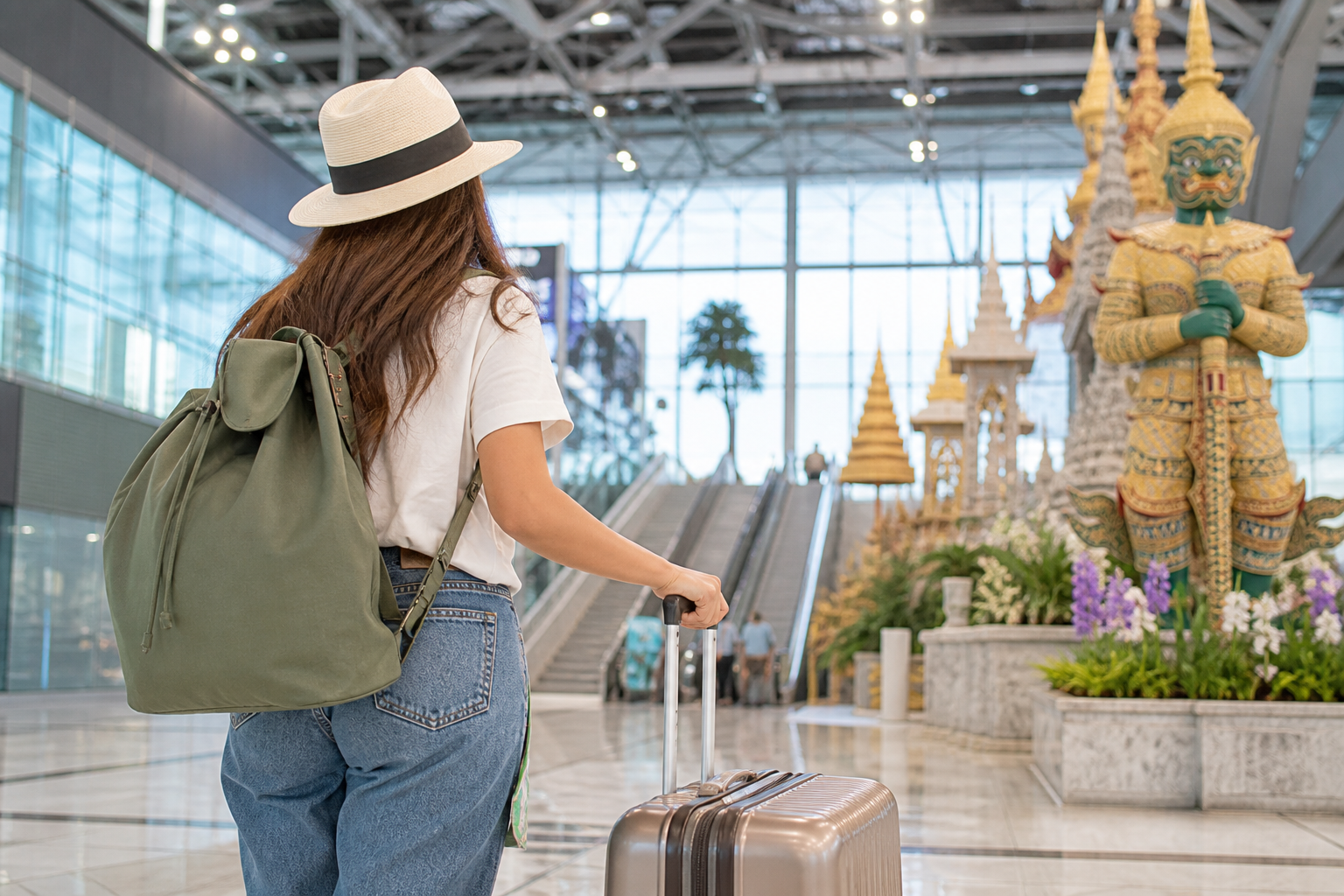
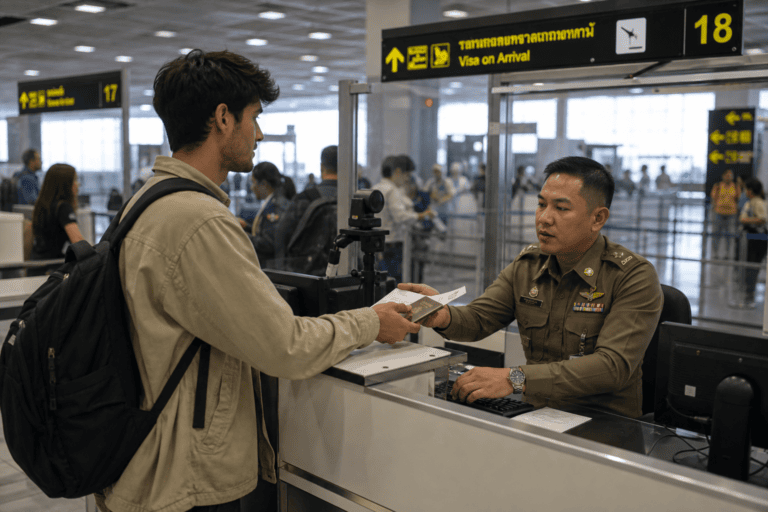
In 2024, there were major changes to Thailand’s tourist visa rules that could affect your plans. In the past, Thailand allowed thirty-day entry with visa on arrival to a large number of countries, including the UK, US and most EU countries. In 2026, that has been extended to 45 days, giving you longer in the country.
It is also a little easier to visit from India, where the visa on arrival can be valid for up to 15 days. If you want to extend your stay by another month, you can apply at an immigration office while you are here.
For an even longer stay, Thailand has introduced the new Destination Thailand Visa (DTV), specifically designed for digital nomads. It is a five-year, multiple-entry visa that lets holders enter and leave Thailand as often as they like, with each stay lasting up to 180 days plus an optional 180-day extension. It costs around 10,000 Thai Baht and is a useful option for anyone trying to stay here long term.
Thailand’s Tourist Tax and Conservation
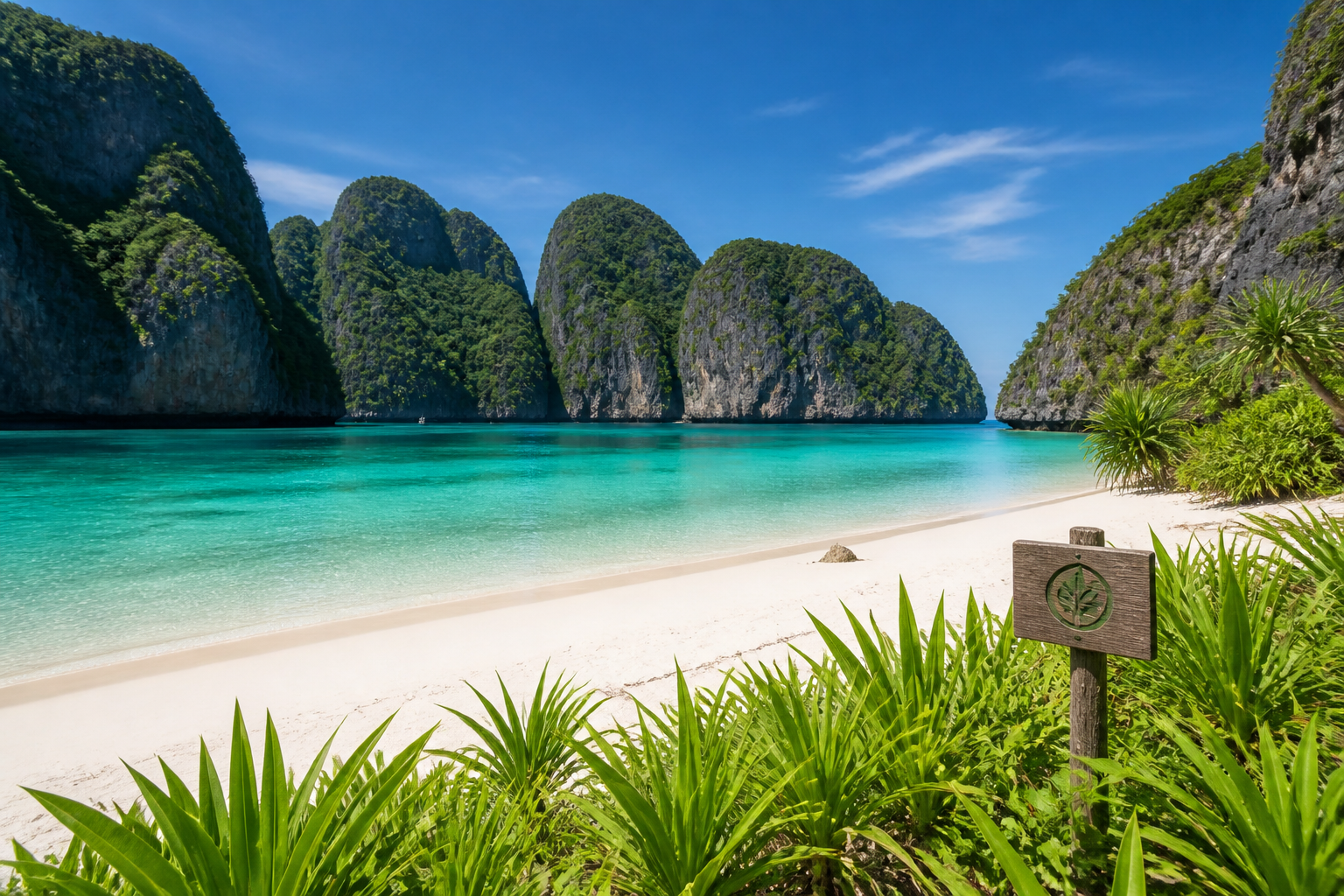
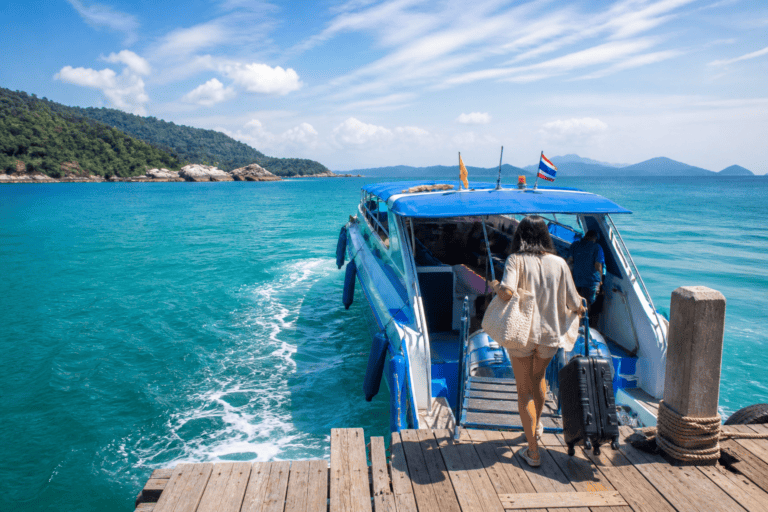
Over the years, it has become increasingly difficult for the Thai government to maintain the natural beauty of some of its most popular destinations. Places such as Maya Bay and Koh Phi Phi have even had to shut down for years at a time so they could recover and restore their natural beauty.
In places such as Phuket and Chiang Mai, which were hit by severe flooding, it has taken time, money and effort to get the destinations back up to standard for incoming tourists. This is why Thailand is introducing the Thailand tourist tax in 2026.
As you enter the country, every non-Thai citizen will have to pay the tourist tax, and the money will go towards preserving beaches, temples and national parks. It is not a large fee, at around 300 Thai Baht. If you are flying into the country, the fee will be added to the price of your flight; land and sea arrivals may have to pay on entry.
Hopefully, this leads to a more sustainable tourist environment in Thailand.
The Best Times to Visit Thailand in 2026
One of the world’s biggest celebrations, Chinese New Year, takes place on January 29. While Thailand is not China, the country’s large Chinese community makes it an exciting place to experience the holiday, especially in Bangkok’s Chinatown around Yaowarat Road, where celebrations come alive.
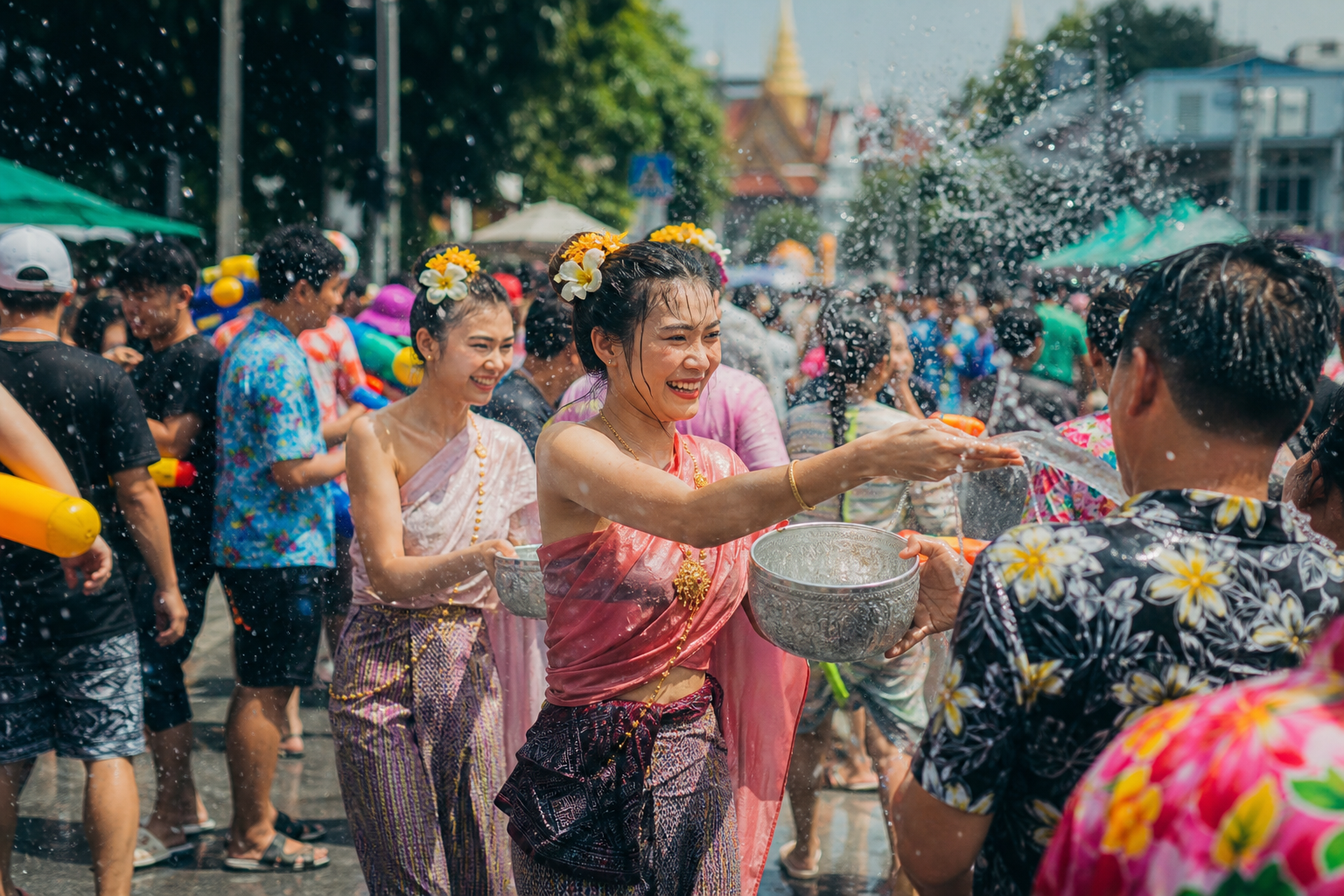
Thailand is known for its hot weather, and there is no better way to cool down than with the world’s biggest water fight during the Songkran Festival in April. This year, the festival takes place from April 13 to April 15. It draws huge crowds each year, and hotels and accommodations book up quickly, so book early if Songkran is on your list.
In November, Thailand hosts one of the most enchanting festivals, Loy Krathong, or the Festival of Light. In Chiang Mai, you can also catch the Yi Peng Festival, when thousands of lanterns float into the night sky. It is a beautiful celebration that you will not forget anytime soon.
The Worst Times to Visit Thailand in 2026
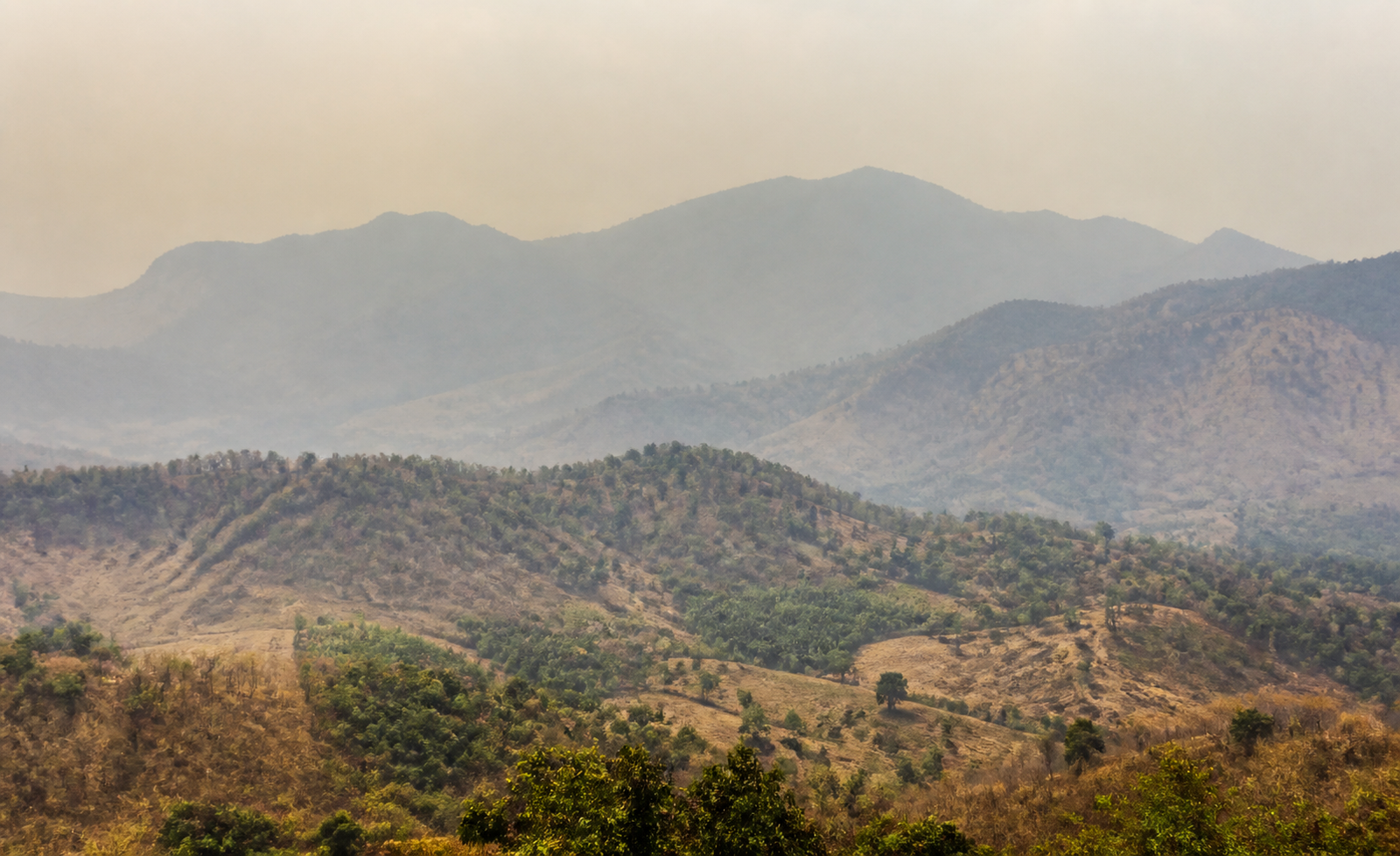
There are some times during the year when you will end up paying far more, having terrible weather or even putting yourself in danger. Northern Thailand is one of the most stunning parts of the country, with amazing natural beauty, temples and diverse wildlife, but for two months of the year it turns into a fiery hellscape that you should stay away from.
Every year, farmers across the region burn fields to clear land for planting. Thick clouds of haze roll over the valleys and mountains, stretching into the towns and cities. For a period last year, Chiang Mai became the most polluted city in the world. The stunning beauty of the region disappears beyond a thick layer of smoke, and the air becomes especially dangerous for children and people with respiratory issues. This apocalyptic nightmare is known as the Burning Season, or smoking season, and takes place from late February through April.
Every year, Thailand’s rainy season brings massive thunderstorms and flooding that can ruin your trip. Historically, the worst weather has been between May and September, but in recent years the storms have been getting worse. The worst flooding last year occurred in Chiang Mai, submerging large parts of the city, causing millions of dollars worth of damage and leaving tourists and locals stranded. It became so bad that a number of local elephants even drowned, and the flooding occurred during mid-October, when the rainy season is usually coming to an end.
If you want to guarantee good weather in Thailand, I would consider waiting until later in the year, perhaps November. But there is one time of year that is by far the most expensive: the period between Christmas and New Year. I have seen hotel rates go for five times the usual price.
If you have no other option but to visit during the holidays, prices are usually at their lowest about nine to six months beforehand, although rooms do not really start getting booked up until about three to four months before. Try your best to book in advance.
The biggest problem you will face if you are visiting in 2026 is figuring out where you want to visit.