Moving To Thailand? You Should Know This
Moving to Thailand can be a life-changing experience, but it’s not without its challenges, and prospective expats can make plenty of mistakes before they ever step foot in this country.
Money and Budgeting
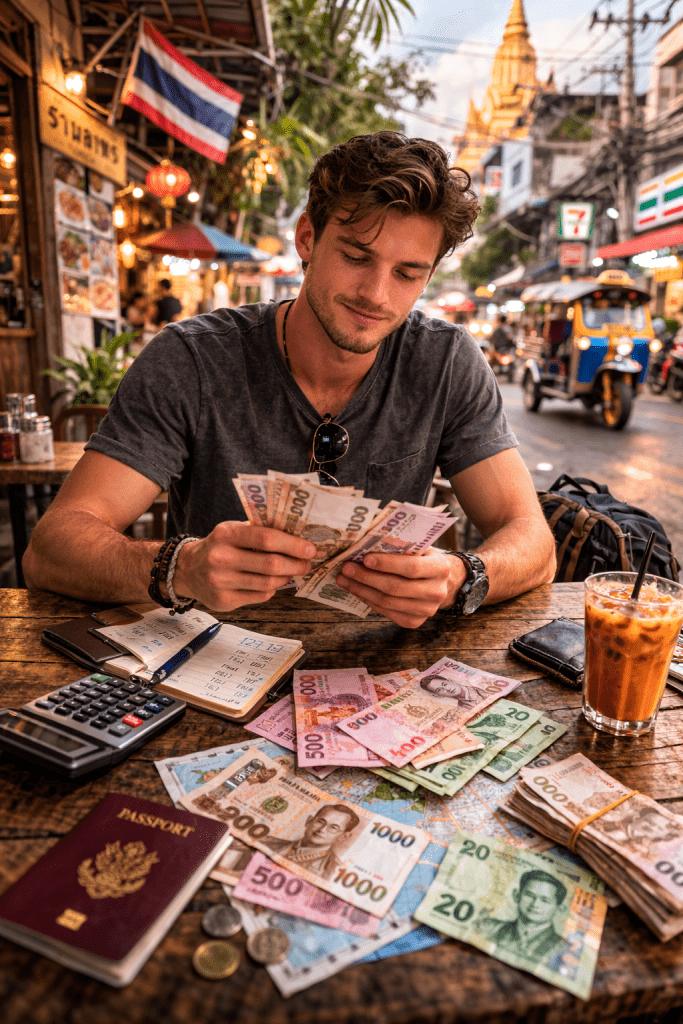
Let’s talk about money, because poor budgeting can be one of the biggest mistakes that prospective expats make. The romantic idea of living cheaply in Thailand still lures a lot of people in, and yes, things here can cost far less than in Western countries, but that depends entirely on how you choose to live.
The truth is Thailand has a bifurcated market. Living like a local can be very inexpensive, but trying to replicate a Western lifestyle on a long-term basis is much more costly. Whether you’re planning to retire, work remotely, or take a career break, your spending has to reflect your goals and lifestyle.
You can find small condos in cities like Bangkok or Pattaya for as little as $200, but these are often basic studios, and you may have to deal with thin walls and noise. Conversely, a larger or more modern condo will cost anywhere from $700 to $2,000+.
Food can be incredibly cheap if you eat locally, but Western restaurants and imported groceries will push your costs up very quickly. Optional expenses like nightlife and entertainment can blow any budget very quickly. Make sure your budget matches your goals in moving to Thailand.
If you’re a digital nomad looking to focus on building an online business while living on a minimal budget, you can live very inexpensively if you budget correctly. If you’re a retiree or looking to enjoy some comfort, you’ll also find excellent value, but just make sure to write up a realistic budget that includes all the conveniences and comforts, as these get costly. I’ve covered several different budgets in previous videos in detail the links are in the description.
You should also think about long-term financial sustainability. Currency fluctuations are a real concern for retirees living off foreign pensions. Make sure your finances can handle those shifts.
Health Care and Insurance
Let’s talk about health care. This is a critical consideration, and it’s one many people underestimate. Thailand is famous as a medical tourism hub and has excellent private hospitals, but they aren’t free. Medical bills can be steep, especially for accidents or surgeries, and basic travel insurance won’t cut it for long-term living.
Aside from insurance, think about how you’ll manage medications. Most generics are cheap and easily available over the counter, but opioid-based prescriptions are tightly regulated. You’ll need Thai FDA permission to import them and a local doctor to issue new prescriptions. It’s best to verify local availability and ensure that you can get a new prescription here in Thailand before you make the long-term move.

Choosing Where to Live
Another huge factor people overlook is where exactly they want to live in Thailand. Each region has its own rhythm, its own quirks, and its own cost structure. Some move straight to Bangkok for the excitement, only to be overwhelmed by the noise, traffic, and constant hustle. Others head to the islands expecting tranquility and find high tourist prices, limited infrastructure, and seasonal isolation.
Northern cities offer a slower pace and cooler climate, but can be challenging during the burning season when the air quality plummets. Rural regions are affordable but can feel isolating if you don’t speak Thai or need certain amenities. Where you choose to live will shape your entire experience of life here.
If possible, spend some time in different areas before committing long-term and try to envision how it would feel to live there on a more permanent basis. The truth is a fantastic holiday destination can be very different when it comes to day-to-day life.
Avoiding Isolation and Permanent Holiday Mode
Typically, there are two pitfalls that you want to avoid, and they are at opposite ends of the spectrum. Some people isolate themselves, maybe living in a condo, working remotely, and not interacting much outside. Often this occurs if an expat chooses a living area that is a little bit too far from the city center or expat-oriented neighborhoods. For newcomers, I generally recommend living in a relatively central and accessible location during the first year in order to avoid this outcome.
On the flip side, others fall into the trap of living in a never-ending vacation. This is the infamous permanent holiday mode, and they fail to establish any positive routines, habits, or purpose. This can be equally dangerous, as it’s normally unsustainable. It can be best to avoid staying in entertainment and nightlife areas, which will only increase the risk of falling into the holiday mode trap.
Try to create a balanced routine. Join a local gym or yoga class, volunteer locally, or take up a hobby like a Thai cooking class or Muay Thai or better yet, focus on learning the Thai language.

Housing and Leases
Speaking of commitment, let’s talk about housing. It’s tempting to jump on a long-term lease the moment you find a shiny condo with a view, but signing a long lease before you’ve lived in the neighborhood is risky. You don’t know what the area is like at night, what traffic is like during rush hour, or if you’ll encounter noise issues. It can be smarter to rent short-term at first and give yourself the flexibility to move once you determine what really matters to you.
One of the things that expats commonly underestimate is access to green space, like right here at Benjakitti Park, or the quality of sidewalks and walkability of a neighborhood. Spending time in a neighborhood will ensure that you choose the right area for you.

Banking and Money Management
Let’s move on to money. After all, you’ll need money to finance your new life in Thailand, and you’ll want to avoid unnecessary fees. You can use foreign bank cards at ATMs in Thailand, but they charge a 220 baht withdrawal fee it adds up. Instead, use travel-friendly cards that cover these fees, or at least some of them. Americans can use Chase or Charles Schwab. Canadians might go for Wealthsimple, and Brits can also opt for Chase. This will help you avoid excessive fees during your transition to life here in Thailand.
Eventually, you’ll want to open a Thai bank account, as this will make your life a lot easier here. However, opening a bank account can be complicated, and it can be best to make use of an agency to help you with the process. There are plenty of great agencies here in Thailand, but you need to be a little bit cautious, as scams are prevalent. Check Google reviews and Reddit forums for any information about the specific agency before you sign up.
In the meantime, set up a Wise account. Their borderless debit card offers great exchange rates, and once you set up a Thai bank account, Wise allows you to transfer money from your home account with ease.
Mindset and Cultural Adjustment
We’ve discussed mistakes related to physical environment and planning, but one of the biggest mistakes can come down to mindset and underestimating the cultural adjustments that you’ll face once you move here. Living in Thailand is very different from visiting on a holiday, and underestimating the cultural adjustment can lead to frustration, loneliness, or misunderstandings.
Thai society places a high value on respect, politeness, and the concept of face. The underlying goal is to maintain harmony within the community, but it can also lead to a lack of direct communication and inaction when it comes to addressing problems. This can differ sharply from Western values, which emphasize individualism, direct communication, and critical thinking.
The culture of face permeates pretty much every aspect of Thai society, and it can be paired with overly bureaucratic systems. Just mention Thai immigration to any long-term expat, and you’re likely to get a lengthy rant about all the unnecessary requirements. Whether it’s the immigration office, the bank, or any paperwork process, many new expats get frustrated by the excessive bureaucracy, which can be slow or filled with what feels like redundant paperwork. Patience is an important virtue when it comes to living in Thailand be prepared to test it.
It’s completely normal to experience culture shock. Typically it comes in stages. First, you have the honeymoon phase, when everything is exciting and wonderful. This is often followed by frustration, as differences become annoying and you start to compare irritants with how things are done in your home country. Many expats leave during this phase. Finally, for those who endure the frustration, there is a gradual adaptation and acceptance of the new environment, with a full awareness of the reality of your new home.

Staying Flexible and Testing the Move
Even with the best preparation, life is unpredictable, and that’s why it’s crucial to have a plan for when things don’t go as expected. Don’t overcommit to living in Thailand long-term too quickly. Over the years, I’ve encountered expats who quickly bought a condo and car almost immediately after moving here, only to pack up and leave within a year or two.
Buying property and vehicles in Thailand will only add to the bureaucratic annoyances that you’ll face in your first couple of years here, and it will limit your ability to test out what works for you. Stay flexible for at least the first few years of life here, and better yet, test out living in Thailand for six months before you make a full move.
The best strategy is to get a six-month multiple-entry visa and make sure to avoid going into a holiday mentality during your six-month stay. Try to take off those rose-colored glasses and get a feel for real day-to-day life. If the move feels right after your six-month trial, you can change to a longer-term resident visa.