Things I Wish I Knew BEFORE Visiting Chiang Mai
Chiang Mai is one of the most stunning cities in the world, but when I first visited, I found it boring and, frankly, a little sketchy. Ten years later, after visiting the city many times, I’ve learned how to really experience it.
These are the 16 things that I wish I knew sooner: the best things to see, do and eat, the one time a year when you absolutely should not visit, and the dark side of Chiang Mai tourism that you do not want to experience.
1. Getting from the Airport and Arriving in Chiang Mai
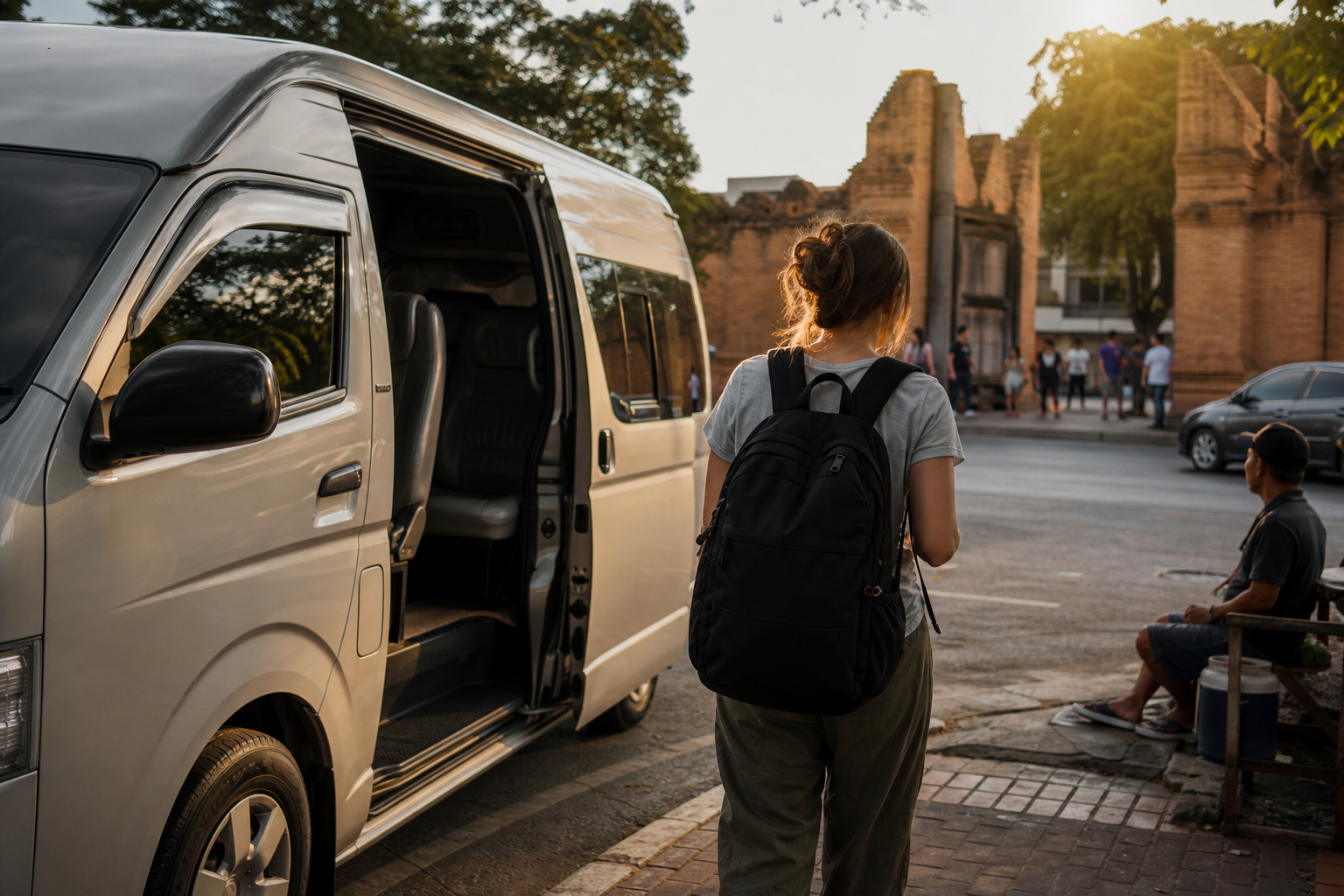
You want to know one of the worst parts about visiting Chiang Mai? As soon as you step off that plane and out the gate, you’re going to get hounded by people trying to get you in their taxis. They’re going to be in your face trying to get you in the back of a van, and you know what the weirdest part is? It’s actually not a scam. It feels like a scam, but it’s not a scam; it’s just the way they do things here, and it’s really annoying. These vans will take you to the Old Town for around 200 Thai Baht, and I have yet to be ripped off.
But there’s a far more interesting way to travel to Chiang Mai than by plane. This way will give you a more authentic experience, take you through the beautiful Thai countryside, and can be much cheaper, with tickets costing as low as 300 Thai Baht, or 8 US dollars. The overnight train is a fascinating way to see the country. It takes about 12 hours to complete the journey, and it might not be the most comfortable, but this would be an unforgettable experience.
2. Choosing the Right Place to Stay
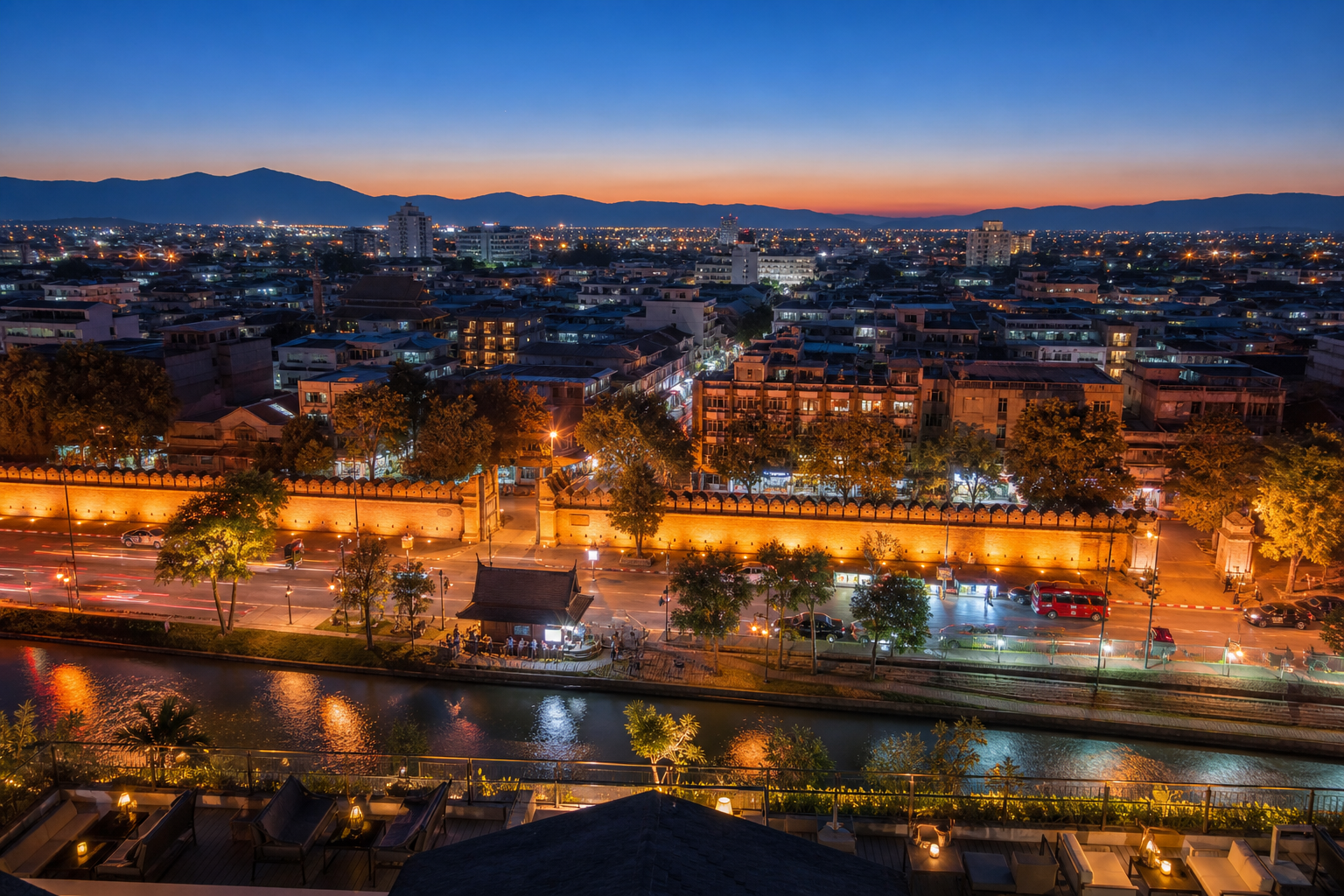
When I first visited Chiang Mai, I thought it was boring, and that’s because I followed one piece of travel advice that every blog and every vlogger gets wrong about the city: where to stay. If you look at advice online, almost all of it says to stay in the city’s Old Town, but this could leave you staying far away from the best bars, restaurants and night markets in the city. Basically, it’s only good if you’re in bed by 6 p.m. every night.
Don’t get me wrong: the Old Town is a fascinating place, and you should definitely spend time here when you’re visiting. But unless you want to live the life of a Buddhist monk, you have to be careful where you stay. During your stay in Chiang Mai, you are probably going to want to experience the night bazaar, the riverside restaurants and the city’s best bars, all of which are located to the east of the Old Town.
If you end up staying towards the centre or the western side of the Old Town, there’s not going to be much for you to do at night, not without a 20-minute walk anyway. A better place to stay is around Tha Phae Gate, which has easy access to both the nightlife spots and the Old Town.
3. Trying Chiang Mai’s Massage Traditions
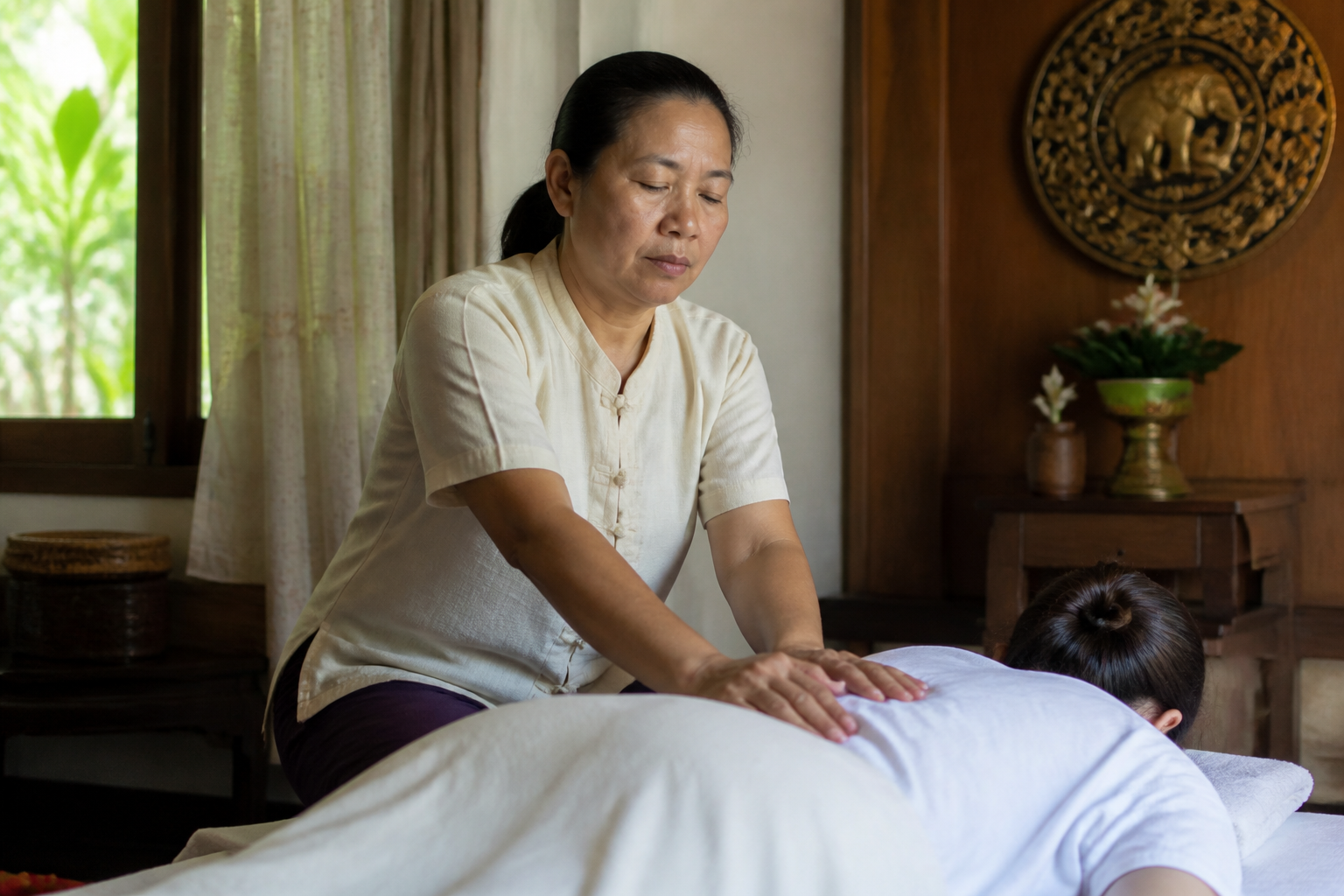
Chiang Mai’s massage parlors are some of the most fascinating in the world—not the naughty ones, though. Did you plan on getting a back massage from a drug dealer during your stay in Thailand? No? Well, maybe you should. Life can be tough in Northern Thailand, and one of the ways that people try to make a living is by getting involved in the heroin trade, because the area is perfect for growing opium. A lot of these women end up getting locked up and, as a form of rehabilitation, they’re now trained in the art of Thai massage. Now, in the city, there are whole massage parlors that are run by ex-cons.
Another type of massage that the area is known for is blind massage. Getting a massage from a blind masseuse has some big advantages because they have a heightened sense of touch, which means they’re better able to find the areas of stress within your body. There are numerous blind massage parlors set up around the city, and it’s a good way to support people with disabilities.
4. Eating the Best Food in Chiang Mai
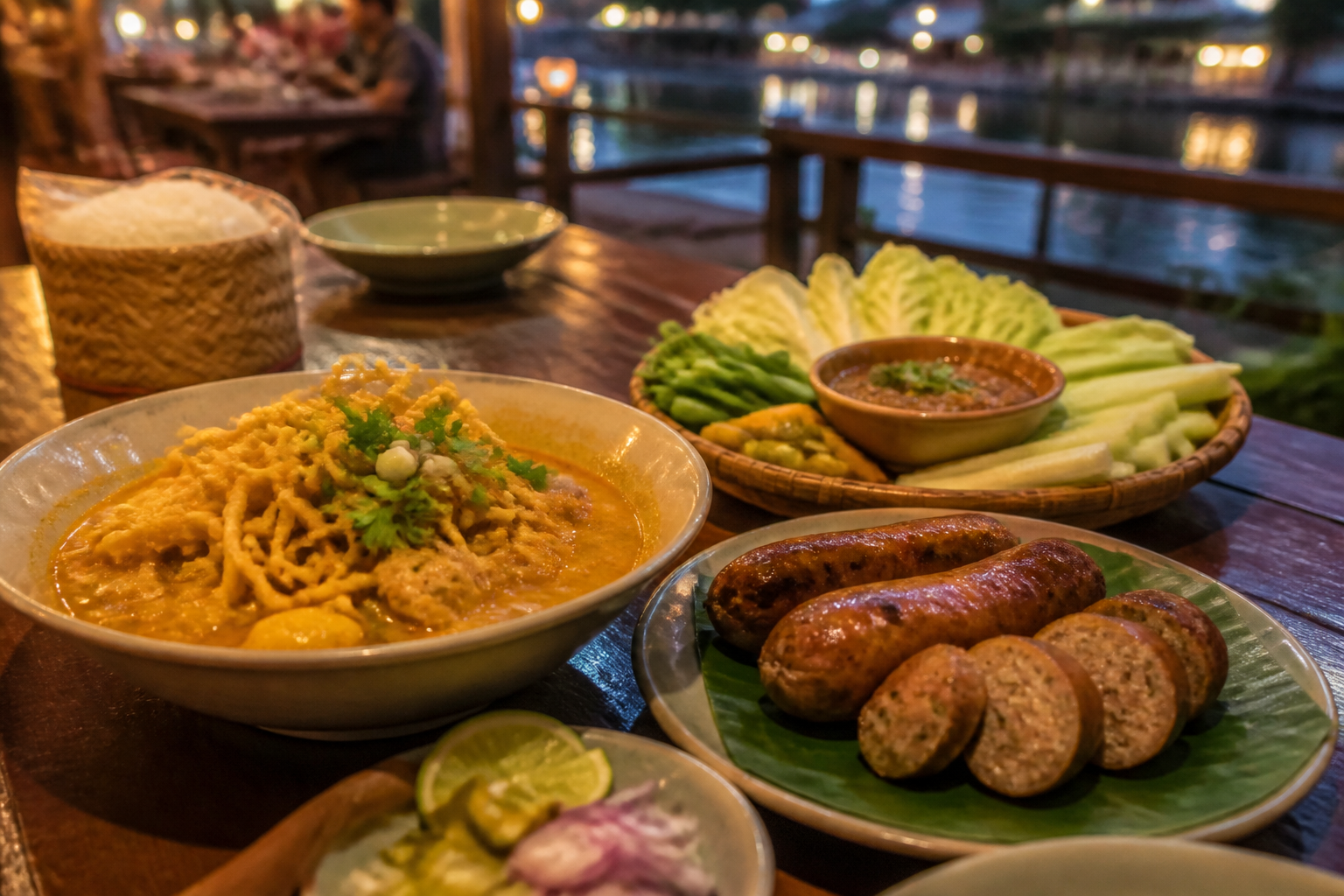
Khao soi is my favorite Thai dish in the whole country, and in fact, Thai food is quite different from a lot of dishes in the rest of the country, some of which might not be quite what you’d expect. For example, there’s nam prik, which is a spicy chili sauce made from shrimp paste, lime and, obviously, lots of chilies. It’s usually served with vegetables as a starter dish.
Walking around the city, you’ll see a lot of grilled sausages. They’re filled with delicious Thai herbs, and they’re known as sai ua. But the number one dish is Thai curry khao soi. It consists of coconut milk and red curry paste, uses egg noodles instead of rice, and is topped with crispy, crunchy, deep-fried noodles to add a bit of texture. It’s called khao soi, and it’s my absolute favorite dish in the whole of Thailand.
There are some famous restaurants to eat khao soi in Chiang Mai, but honestly, I’ve never gone wrong ordering this dish, and it’s a must-try while you’re here. The food in Chiang Mai is generally quite cheap, and most restaurants are pretty no-frills. If you feel like you want something a little fancier, the best and swankiest restaurants in the city are all based along the river.
5. Using Chiang Mai as a Base for Northern Thailand
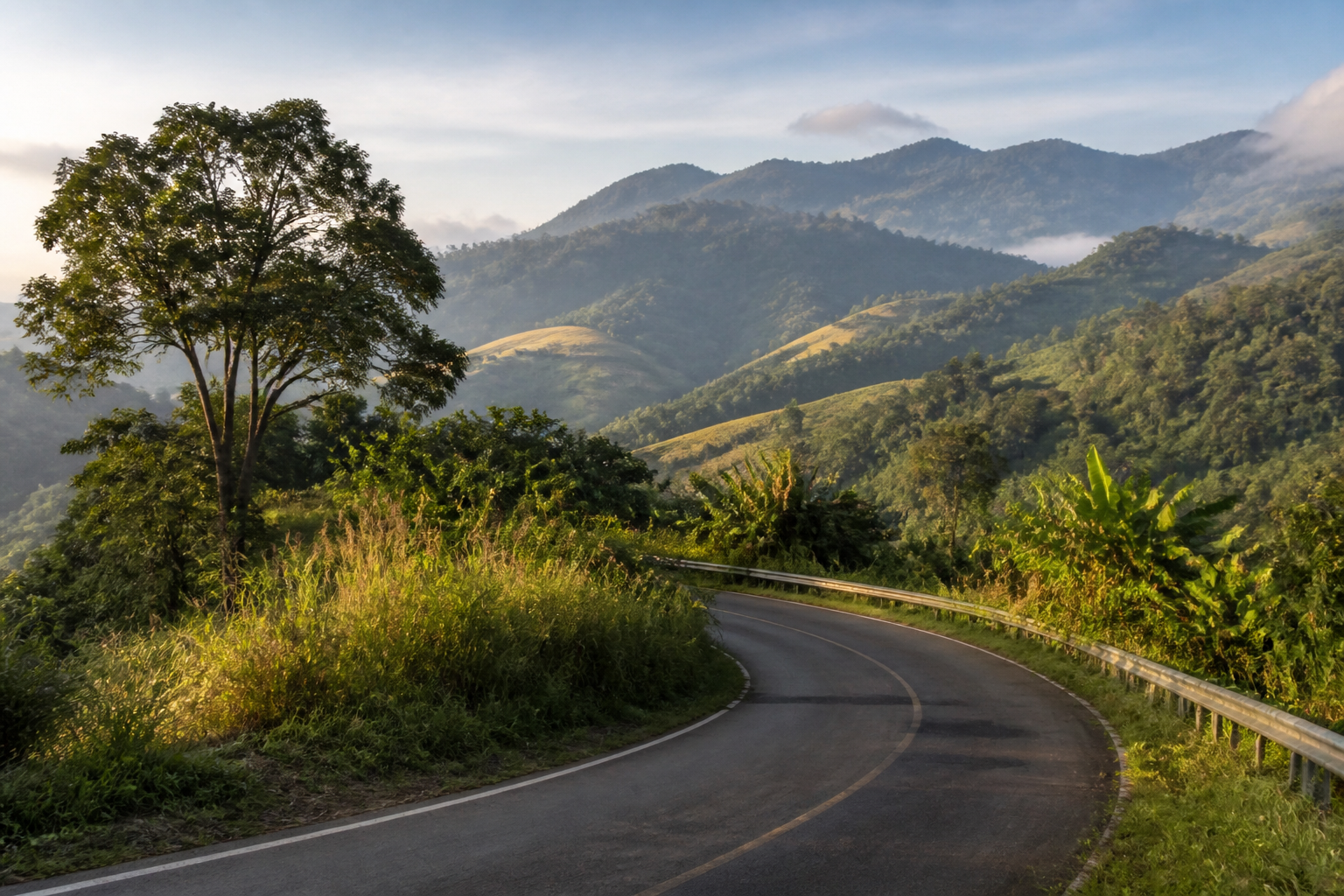
Some people come to Thailand and spend more time on the backs of buses than they do actually exploring the country. Don’t be one of these people. You do not need really complicated travel plans that require a move to a new hotel every other day. In fact, Chiang Mai is the perfect base to explore the rest of Northern Thailand from.
Once you’re done exploring the city, there are some of the best day trips in the country just an hour’s drive from the Old Town. If you’re looking for the best coffee in Thailand, there’s a town nestled up in the mountains, famous for growing tea and coffee. It’s a really quaint town to explore, and conveniently, it has some of the best modern cafes in the whole of Thailand. This town is called Mae Kampong, and it can be explored in half a day.
Do you want to explore powerful waterfalls, trek through the rainforest, explore fascinating hill tribe villages and reach the highest point in the whole of Thailand? Doi Inthanon National Park is home to the biggest mountain in the country. Are you interested in visiting an elephant cafe, enjoying natural hot springs, seeing the most underrated temple in the country and watching the sunset behind a stunning mountain? Check out the neighboring town of Chiang Dao. And even though it’s a little further, the city with four of the most fascinating temples in the country can be explored as a full-day trip from the city. This town is known as Chiang Rai.
Honestly, you could easily spend a week in Chiang Mai without ever having to change hotels by using it as a base to explore the rest of Northern Thailand.
6. Trekking, Motorbikes and Mountain Temples
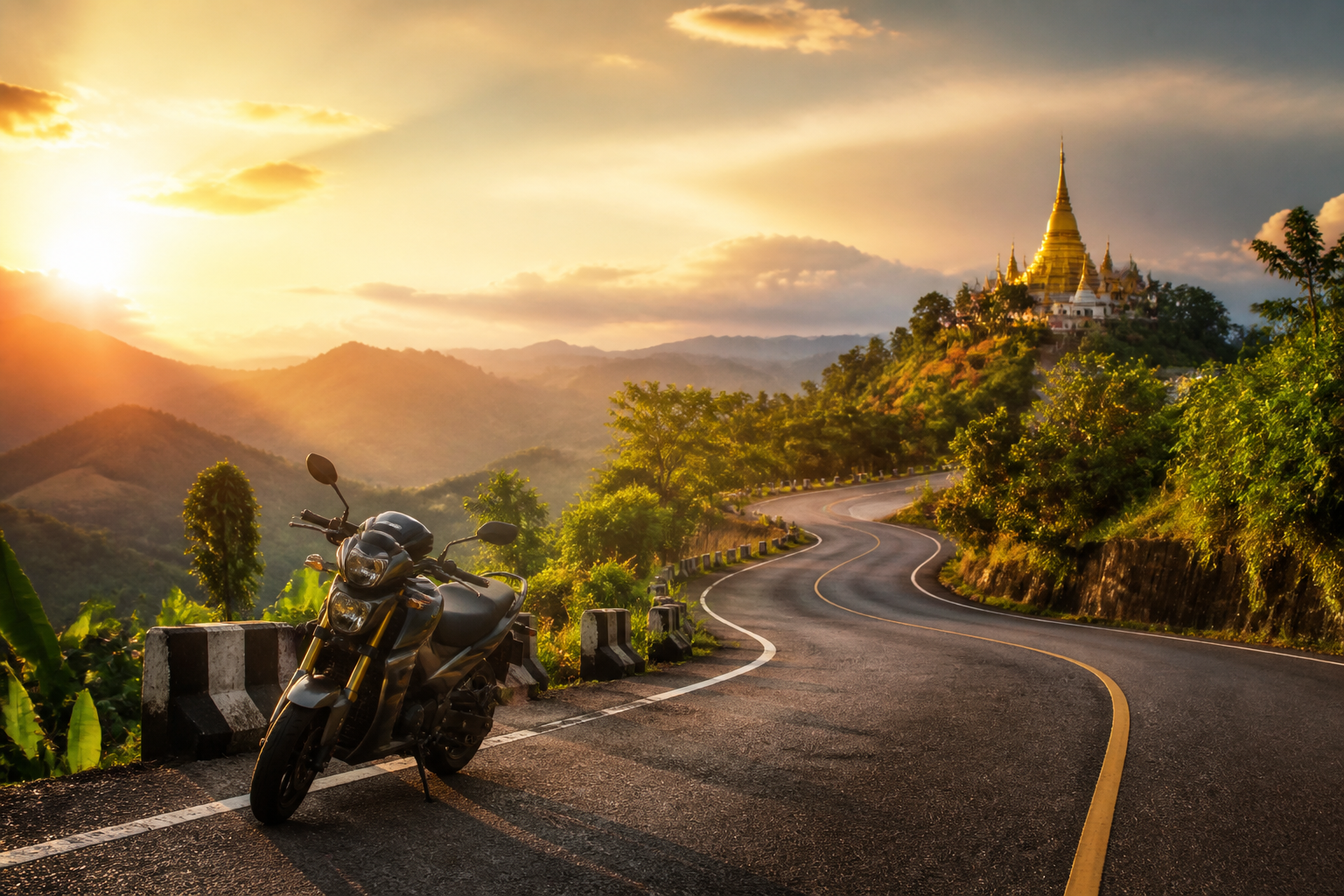
Chiang Mai is a hiking and trekking paradise, and one of the coolest things you can do here is take an overnight trek through the jungle. There are lots of different treks you can do depending on your level of fitness and hiking experience. Some of them are quite short, but there are also multiple-day treks for more experienced hikers. You’ll spend the night staying in a local village, sometimes in the middle of the jungle.
The trek will be led by someone from the area, so not only do you not have to worry about getting lost, but it’s also the best way to find out how the people of Northern Thailand really live, as well as to find out how they’ve maintained their cultures throughout the years. If you’re worried about the wildlife, the areas around Chiang Mai aren’t quite as wild as the national parks, so you don’t need to be quite so worried about snakes and spiders. But you might actually have the chance to see elephants out in the wild rather than in a sanctuary.
Another cool way to explore the area is by scooter or motorbike. The Samoeng Loop is a one-day bike trip that starts and ends in Chiang Mai, but one of the most famous bike routes in Thailand is a four-day trip that takes you to the towns of Mae Hong Son and Pai and winds through the mountains of Northern Thailand. This route is called the Mae Hong Son Loop. But be careful, though, because it’s also the most deadly place in the country to ride for foreigners. Last year, around 30 tourists died riding motorbikes around Chiang Mai.
Chiang Mai is the city that’s most famous for its stunning temples, but some of them are a complete waste of time. Here are the temples actually worth visiting. Probably the easiest place to explore the temples is the Old Town. The Old Town was founded in 1296 as the capital of the Lanna Kingdom and has kept its historical charm, with ancient city walls and moats still visible today. There are more than 30 temples still standing within the Old Town, including Wat Chedi Luang, which is one of the biggest and oldest. This temple was partially destroyed by an earthquake in the 1500s, but it’s still standing today.
What Chiang Mai does better than anywhere else in Thailand is mountain temples. To reach these, you have to travel a little further outside of the city, but it’s well worth the effort. There’s one temple that sits overlooking the city; its most famous monument is the golden chedi that sits at the centre of the temple. It’s called Doi Suthep, and it could easily be reached by taxi within about 20 minutes of the Old Town. There are two stunning pagodas dedicated to the former king and queen of Thailand that lie over 2,500 metres above sea level, and they’re called the Twin Pagodas at Doi Inthanon National Park. However, there’s one temple on the outskirts of the city that I believe to be the most underrated temple in all of Thailand.
Despite only being an hour’s drive away from Chiang Mai, this temple is rarely visited by foreign tourists, probably because it’s still not really in the guidebooks. In fact, most people travel hours from Chiang Mai to see the temples of Chiang Rai, but I think this temple is just as stunning and much closer. The temple has a stunning mountain background, magnificent Buddhist sculptures and a beautiful mix of traditional and modern Lanna architecture. The temple is called Wat Ban Den, and it’s my favorite temple in Chiang Mai.
7. Visiting Festivals, Markets and the Burning Season
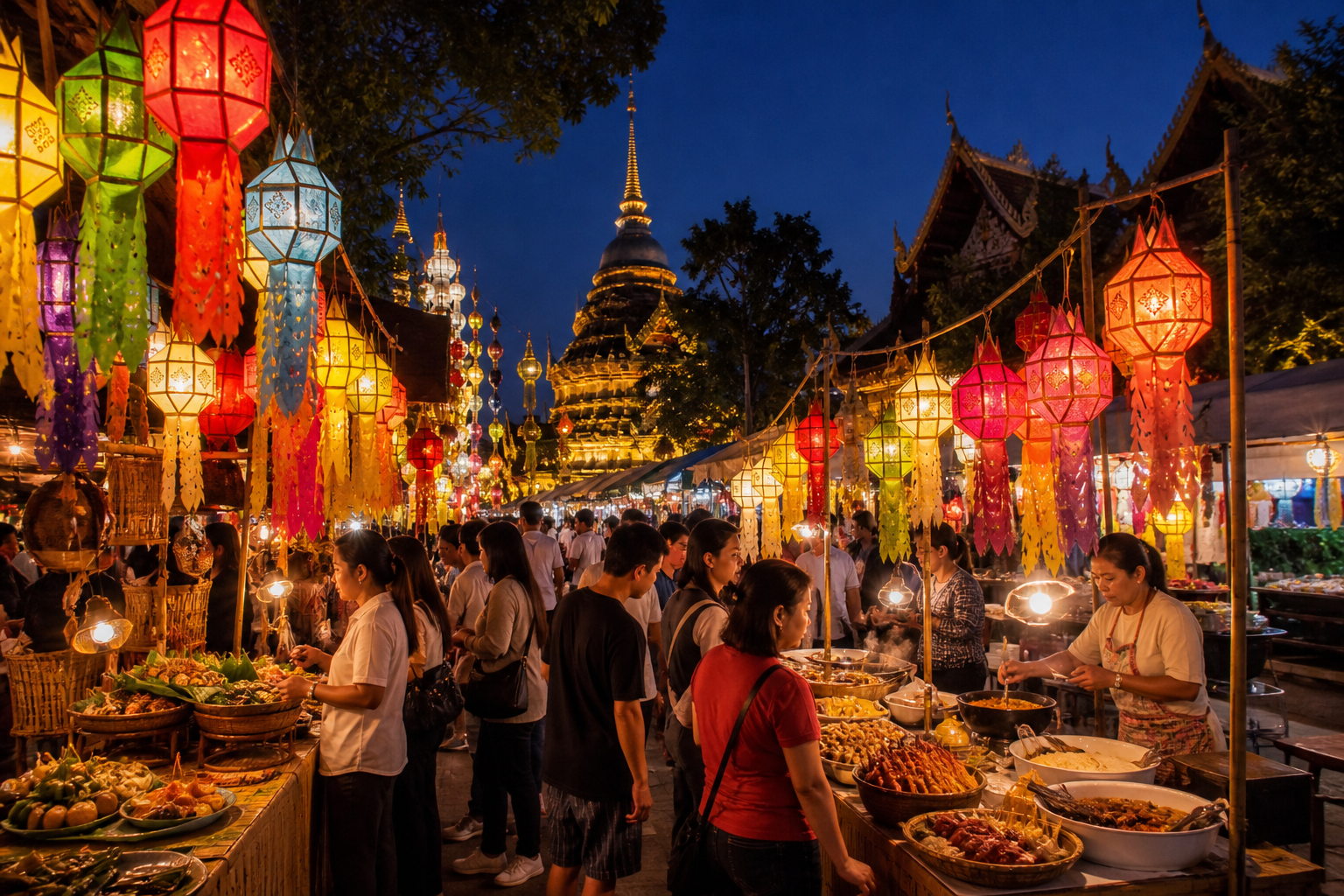
Chiang Mai is the best place in the country to experience Thailand’s national festivals. Every year, people flock to the city to experience Thailand’s unique traditions. One of the best times to visit is during Songkran. This is held in mid-April every year and involves a massive three-day water fight. But if you’re looking for something more serene, you should visit during Loy Krathong or Yi Peng in November. At Yi Peng, the Chiang Mai night sky will light up with beautiful lanterns, and Loy Krathong involves gathering around lakes, rivers and canals to pay respects to the goddess of water by releasing beautiful lotus-shaped offerings decorated with candles, incense and flowers into the water. Visiting during these times will be an unforgettable experience.
But there is one time you absolutely should not visit Chiang Mai. There are almost three months of the year when visiting the city is dangerous and can leave some long-lasting negative impacts on your health. So why is it so bad? Chiang Mai is still agricultural, so in order to fertilize the fields around the city, they burn the crops at the end of every year because it helps the soil to grow better crops for the next harvest. This burning takes over the entire city, and during February and March the city becomes one of the most polluted cities in the whole world. If you have any respiratory diseases, it can be quite dangerous, but even if you don’t, this is not going to be a fun time to visit.
Chiang Mai is home to some fascinating local markets, but finding where and when they run can actually be quite confusing. In fact, there have been multiple times when I’ve turned up expecting there to be a market and it just wasn’t there. One of Chiang Mai’s most famous markets runs every evening from about 5 p.m. It sells a lot of clothes and handicrafts as well as some street food. It’s on Chang Khlan Road, which is where a lot of bars and restaurants are, and it’s simply called the Night Bazaar. But some of the best night markets in the city run only once a week. The two best are the Saturday night market that lies on Wua Lai Road at the south of the Old Town and the Sunday market that runs through the centre of the Old Town from Tha Phae Gate.
8. The Dark Side of Chiang Mai Tourism
There is a darker side of Chiang Mai tourism, one that not only aims to rip you off but also exploits the local people. Some of the most vulnerable communities in the area are the tribal communities. I’ve already mentioned visiting some of these groups as part of a trek or a day trip, but it’s important to do a little research on these tours beforehand to make sure where the money is going and how it’s being used.
One of the most controversial issues among the hill tribe communities is the long-neck Karen community. The Karen are a community that have lived in the area for centuries, and one of their traditions is elongating the necks of their women by using golden rings that stretch their necks. The stretching of the neck can lead to health problems in later life as the muscles around the neck become weak. For the practice to work, you have to start it from a young age, and in some cases the women have been forced into the tradition so that they can make money for their communities as a tourist attraction. I’m not an expert on the traditions within the communities, so I should stress that I don’t know to what extent they are forced into it. But what I do know is that some of the communities that you can visit are, at best, tourist traps and, at worst, exploitative.
I visited one of these in the past, and it was one of the saddest experiences that I’ve had in Thailand. As soon as we entered, the women of the tribe started asking for money for food. They had a market stall with souvenirs, so we agreed to buy quite a few items from them. But this place kind of felt like a human zoo where the people weren’t very well looked after. Taxi drivers in Chiang Mai might offer to take you to some of these villages. It’s possible that they’re getting a kickback from taking you there, but it’s definitely an experience that you should avoid.
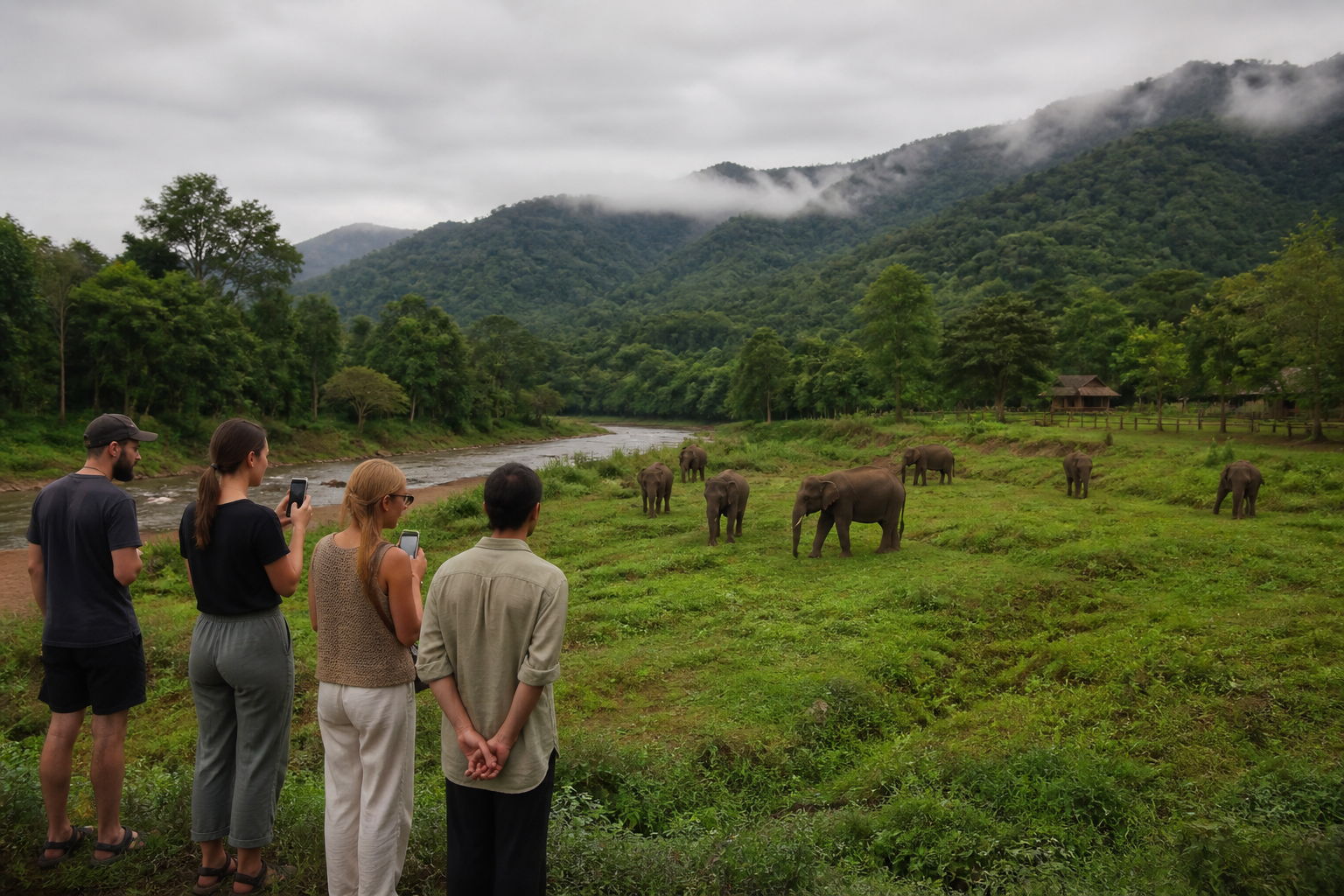
But there is one more trap that you need to avoid in Chiang Mai, and if you’re not careful of it, you can end up supporting animal cruelty. Elephant riding is a tradition in Thailand where a seat is placed on the back of an elephant to allow a person to ride the animal. This is a problem because, to get the elephants to do this, it requires harsh training methods that involve beating the animals. Over time, the act of riding the elephant damages the elephant’s spine, causing it a lot of pain. What’s worse is that some of the elephants will be kept in crowded, dirty conditions.
So it seems simple, right? Just don’t ride elephants and visit the places that don’t offer elephant rides. Well, unfortunately, things aren’t quite that simple. Unethical sanctuaries use different tricks to hide their animal abuse, and some will outright lie to customers. I remember when I first visited Chiang Mai, I did a guided trek that included bathing and feeding elephants, and it stressed that it was a no-riding experience. As soon as the elephants arrived, we realized something was a bit off: the keepers were quite aggressive with the elephants. As soon as we were done bathing them, the keepers took the elephants across the river, where the next group of tourists immediately got on their backs and began riding them.
One common trick that these companies use is frequently changing the name of their company so that they can avoid bad reviews online, or even using similar names to sanctuaries that are more reputable. But my biggest regret from traveling in Chiang Mai is staying in crappy hotels. What I didn’t realize is that Chiang Mai is actually home to some of the best and cheapest luxury resorts in the country.