Bangkok Airport Arrival Guide: Immigration, Baggage, SIMs, and Transport
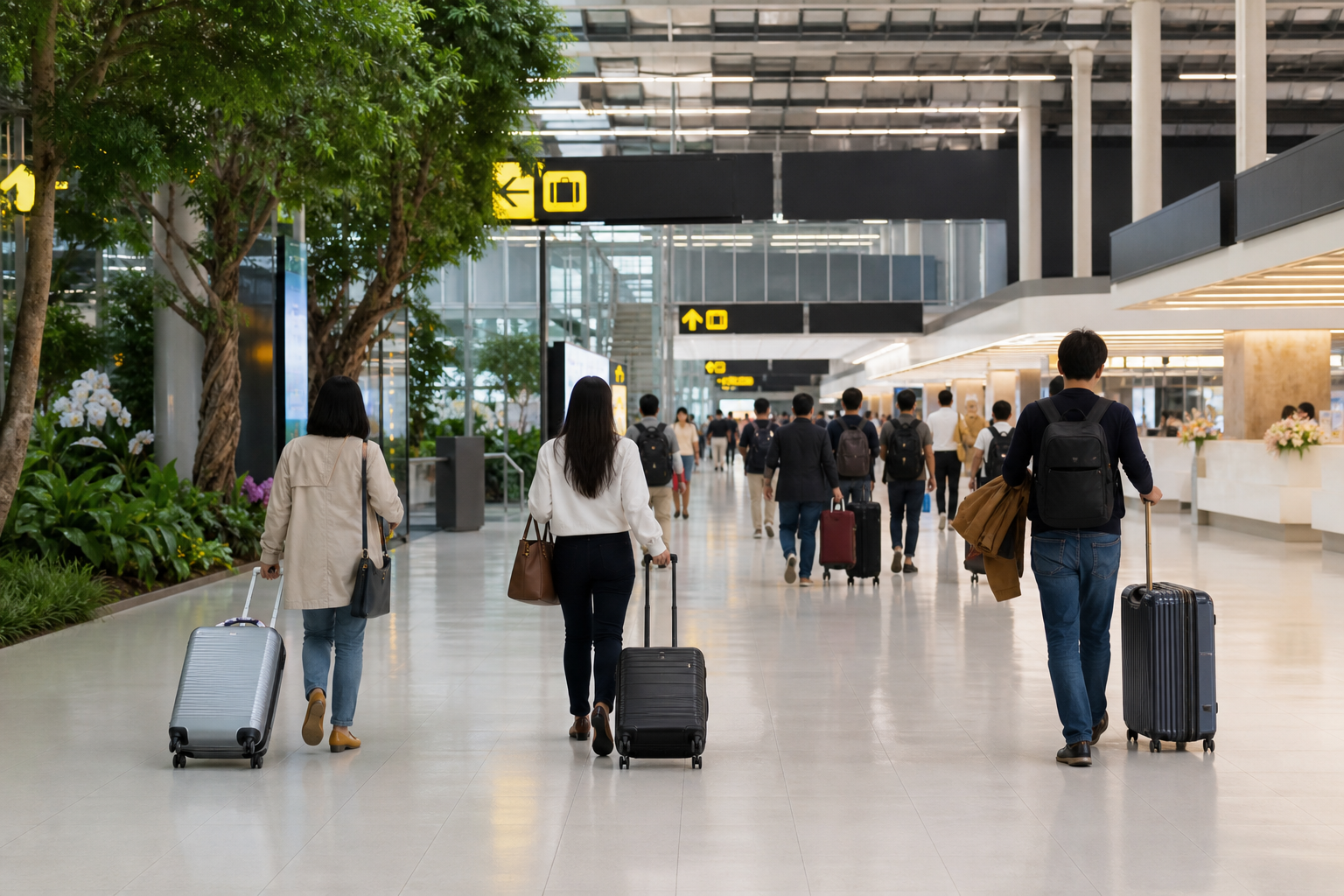
Suvarnabhumi Airport can feel large after a long flight, but the arrival route is straightforward when you follow the overhead signs. Keep your passport, arrival information, accommodation address, and any required travel documents easy to reach. Walk to immigration, join the correct queue, and allow extra time during busy arrival waves. After immigration, follow the screens to baggage reclaim and check the carousel number for your flight. If you have a connection, follow the transfer signs instead of leaving for the public arrivals hall. Once you are through the required checks, continue toward the public exit and ground-transport level.
Baggage, Customs, and What to Declare
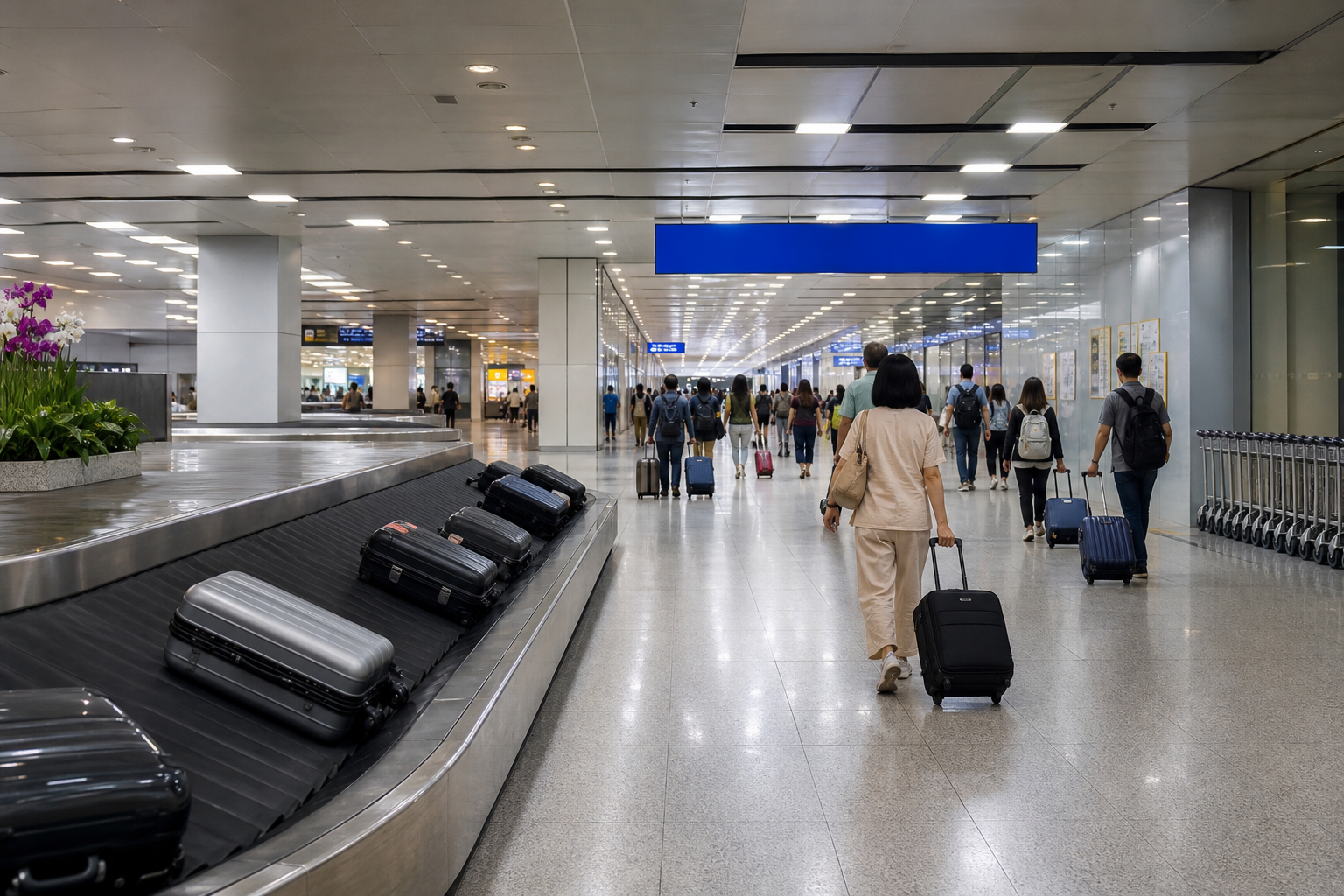
Before packing, check the current Thai Customs guidance for restricted goods, duty-free allowances, medication rules, and cash declarations. Allowances can change, and the correct answer depends on the item and your circumstances, so do not rely on an old video or a remembered number. Keep receipts for valuable purchases and declare anything that requires declaration rather than guessing at the airport. At baggage reclaim, photograph your suitcase if needed and report missing or damaged luggage to the airline desk before leaving the controlled area. Use the official customs and airline counters for help, and be cautious of anyone offering an unofficial shortcut through immigration, baggage, or customs.
SIM Cards, Wi-Fi, and Money Exchange
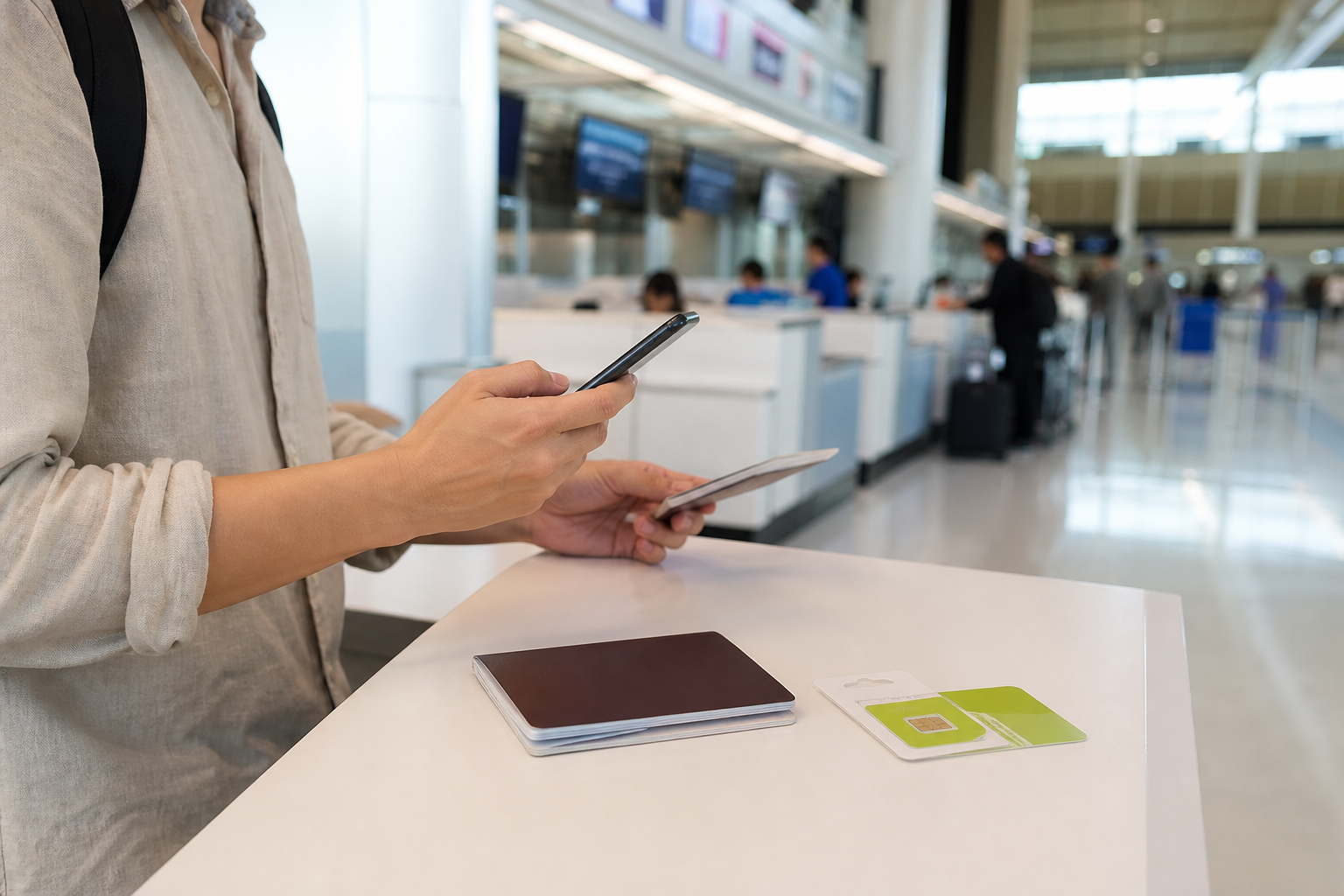
Free airport Wi-Fi can help you message your hotel and open a map while you decide on connectivity. If you buy a Thai SIM or eSIM, compare the data period, speed policy, hotspot rules, and identification requirements rather than choosing only by the largest headline allowance. Use an official carrier counter or a reputable retailer, and keep the receipt until the service works. ATMs are convenient, but check the displayed fee and choose to be charged in Thai baht when your card offers a currency choice. Airport exchange counters are useful for a small starting amount; for larger exchanges, compare the clearly posted rate and use an established counter in the city.
Getting to Bangkok by Taxi, Rail, or Ride-Hailing
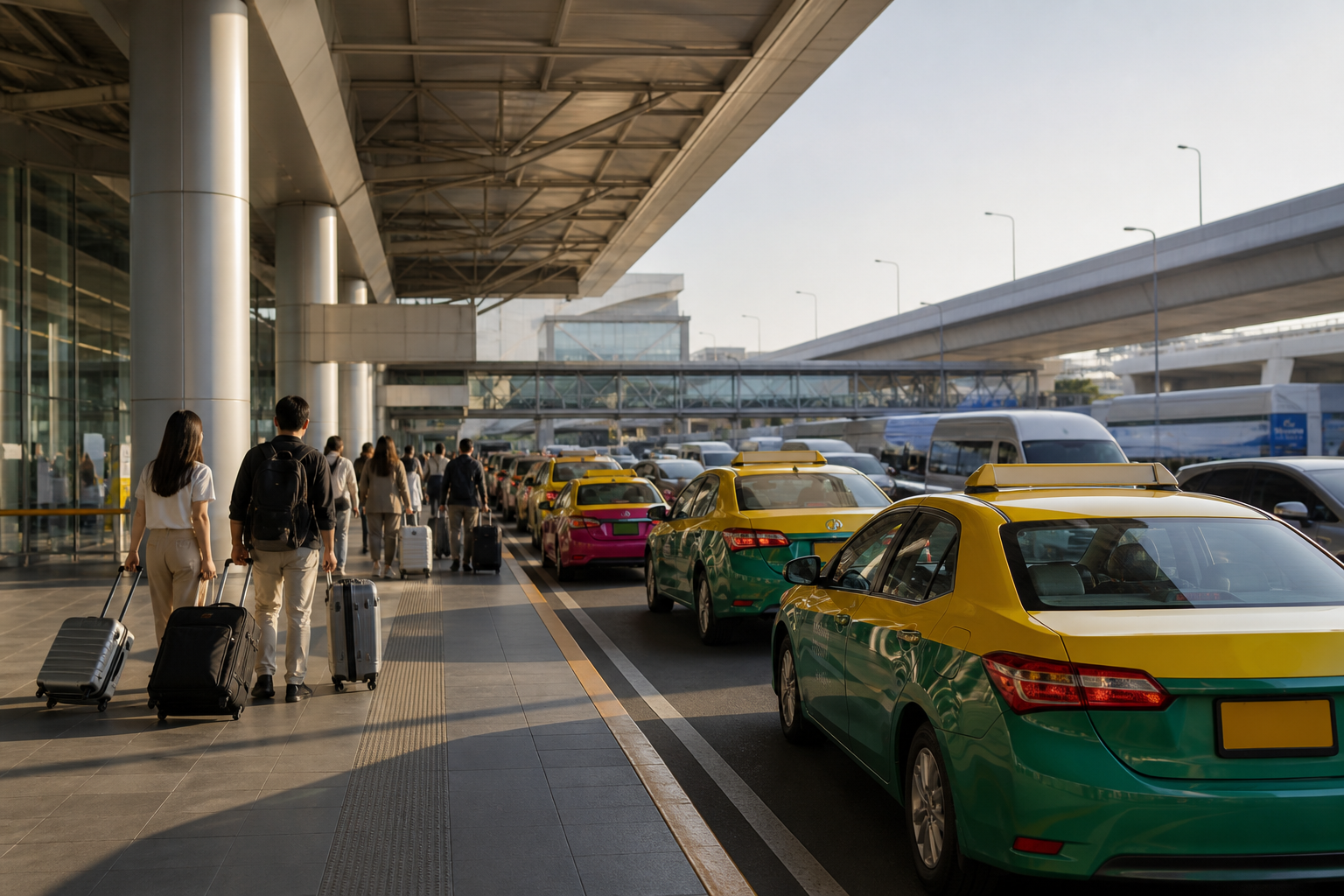
Suvarnabhumi gives you several reliable ways to reach Bangkok. The Airport Rail Link is useful for central connections when your accommodation is near the rail network and you are travelling with manageable luggage. The official airport taxi queue provides metered rides; take the queue ticket and confirm the destination before departure. Ride-hailing can work well when the pickup point is clearly identified in the app, while pre-booked transfers are useful for families or late arrivals. Avoid accepting unsolicited offers inside the terminal. Save the hotel address in Thai and English, check the route, and keep your phone charged before leaving the airport.
Rainy-Season Planning for Your First Day
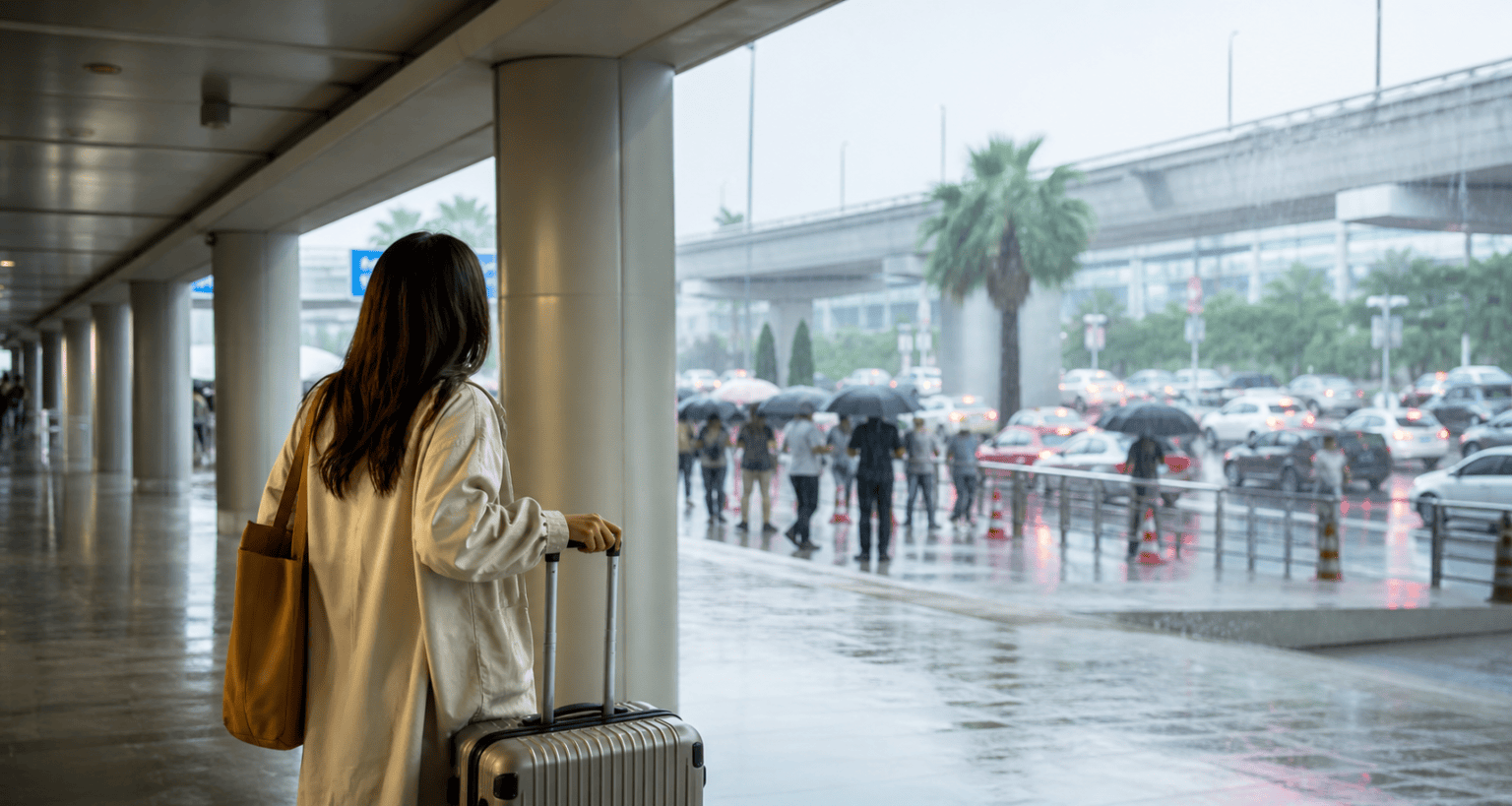
Bangkok weather can shift quickly, especially during the wetter months. Pack a light rain layer in your cabin bag, protect electronics, and avoid scheduling a long outdoor itinerary immediately after an overnight flight. A simple first day works best: reach the hotel, leave luggage securely, eat nearby, and choose one indoor or covered attraction before deciding whether you have energy for more. Keep a backup route if heavy rain slows traffic, and use the rail network where it is practical. Weather should influence the pace of your plans, not prevent the trip; Bangkok still offers malls, museums, cafés, markets, and restaurants when a shower arrives.
Walk Straight to Immigration After Landing
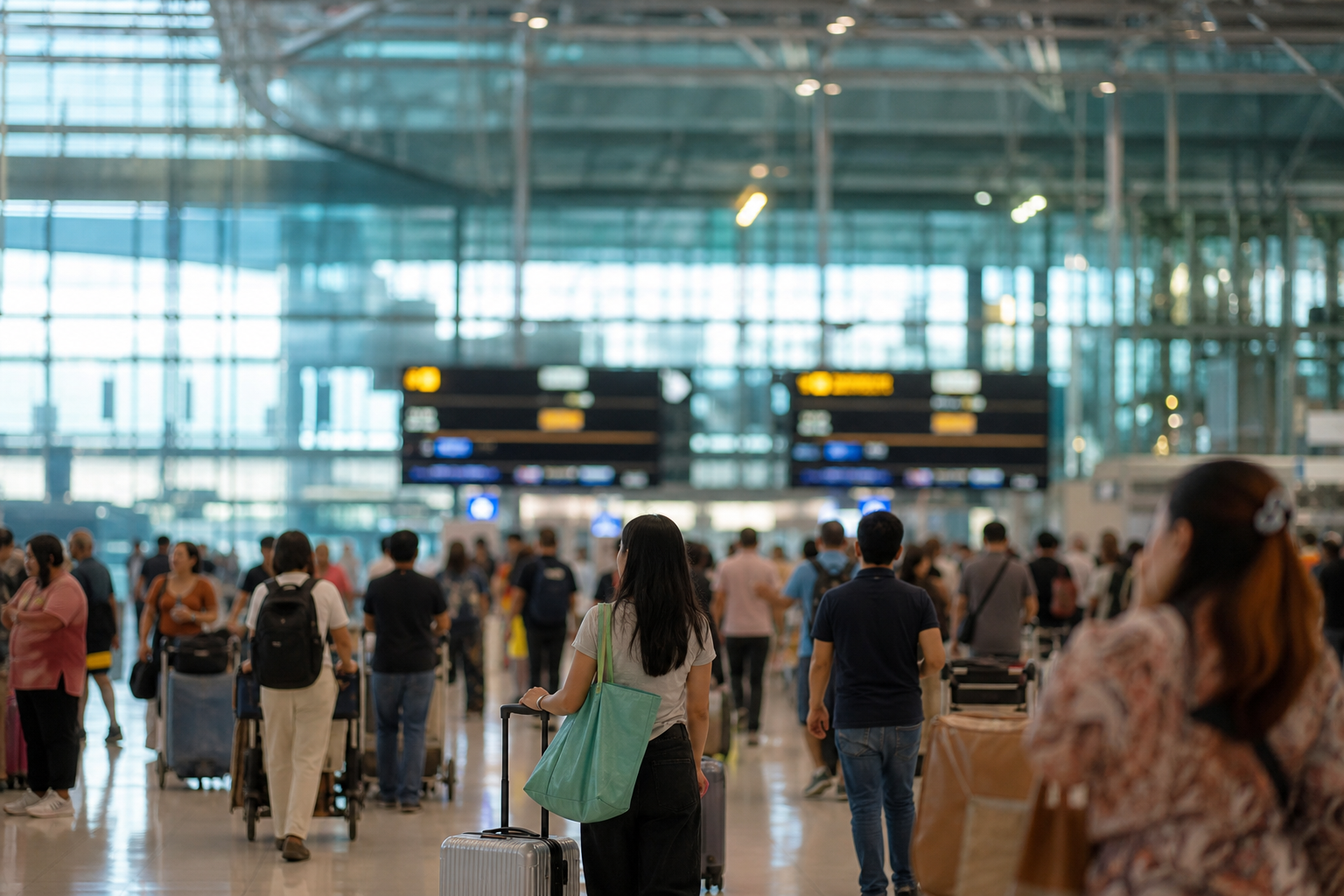
Suvarnabhumi arrivals can be crowded in high season. The walk from the gate to immigration depends on where the aircraft parks, so allow roughly several minutes and do not assume every route is the same.
If your priority is speed, keep moving toward immigration rather than stopping for a SIM, currency exchange, or other services before passport control. Follow the signs and official instructions for your arrival lane.
Collect Bags Before Buying a SIM or Currency
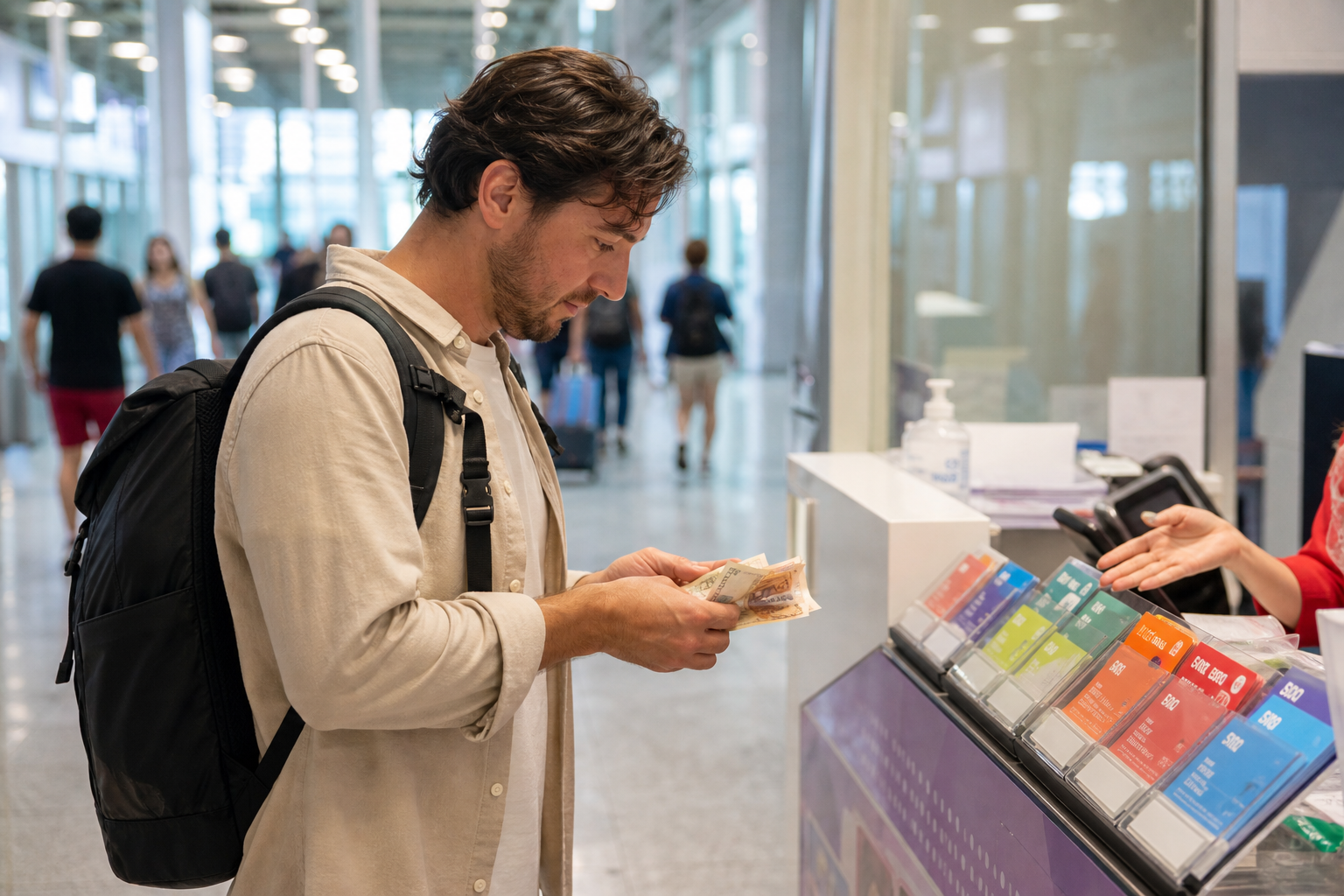
After immigration, collect your luggage and then compare SIM plans, exchange rates, and payment options. Airport services are convenient, but a short-stay visitor may prefer a smaller data plan while a longer stay may need more data or local calling.
Use official counters, check the plan’s validity and activation requirements, and keep your passport secure. Avoid exchanging more cash than you need until you understand your transport and accommodation arrangements.
Order Ride-Hailing at the Correct Pickup Area
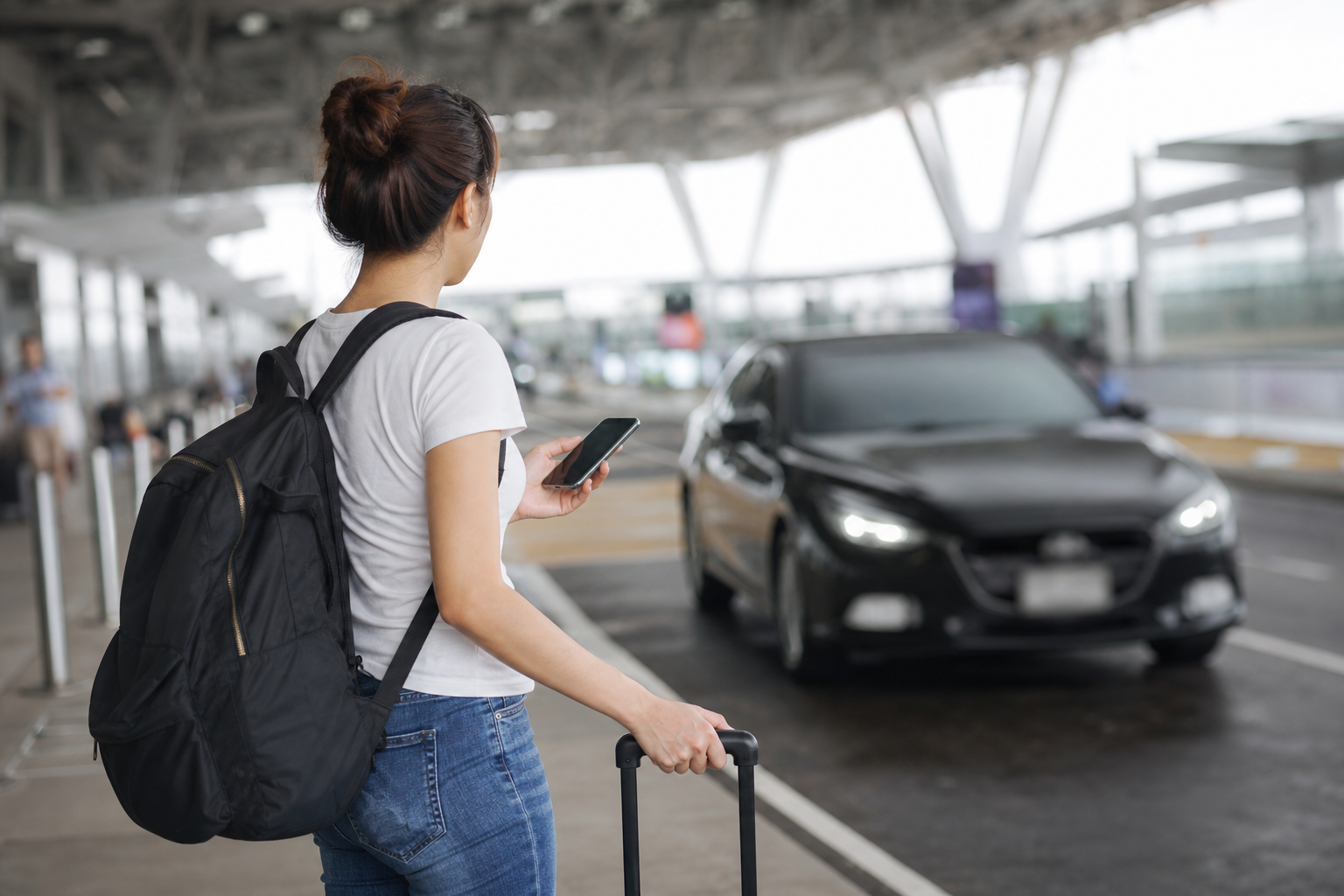
Ride-hailing can be useful, but airport pickups may take time because drivers must use a designated zone. Order through the official app after collecting your luggage, follow the pickup instructions, and match the car, plate, and driver before entering.
Do not accept unsolicited offers from people inside the terminal. If the pickup point is crowded or unclear, ask airport staff rather than following a stranger to a vehicle.
Use Metered Taxis and Check Extra Charges
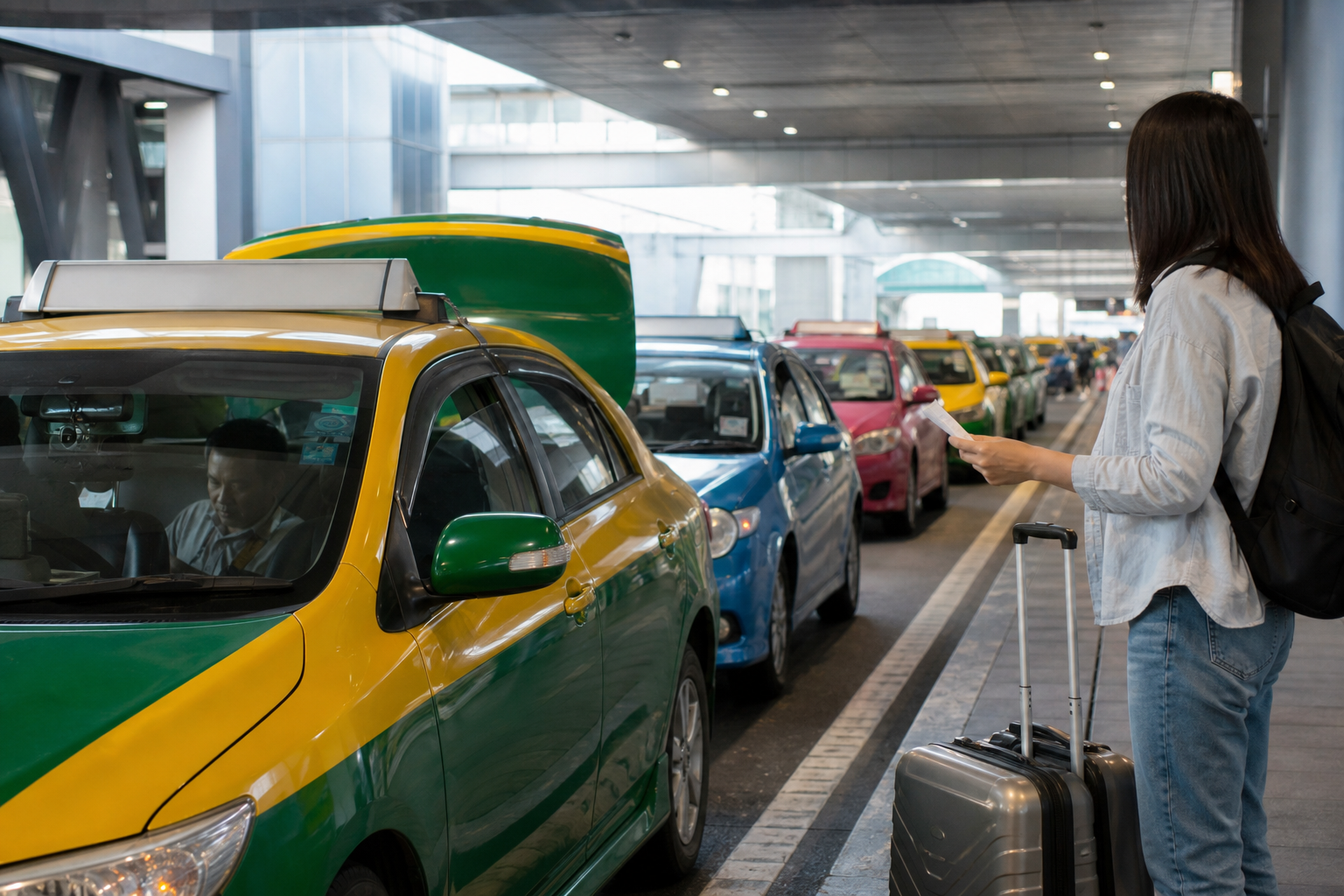
The official airport taxi queue is an alternative to ride-hailing. Confirm that the meter is used, keep the receipt or queue slip, and make sure the driver knows the destination before leaving.
Airport surcharges, tolls, luggage fees, and the final meter fare can all affect the total. Rules and amounts change, so use the current airport information rather than relying on an old vlog figure.
Take the Airport Rail Link into Bangkok
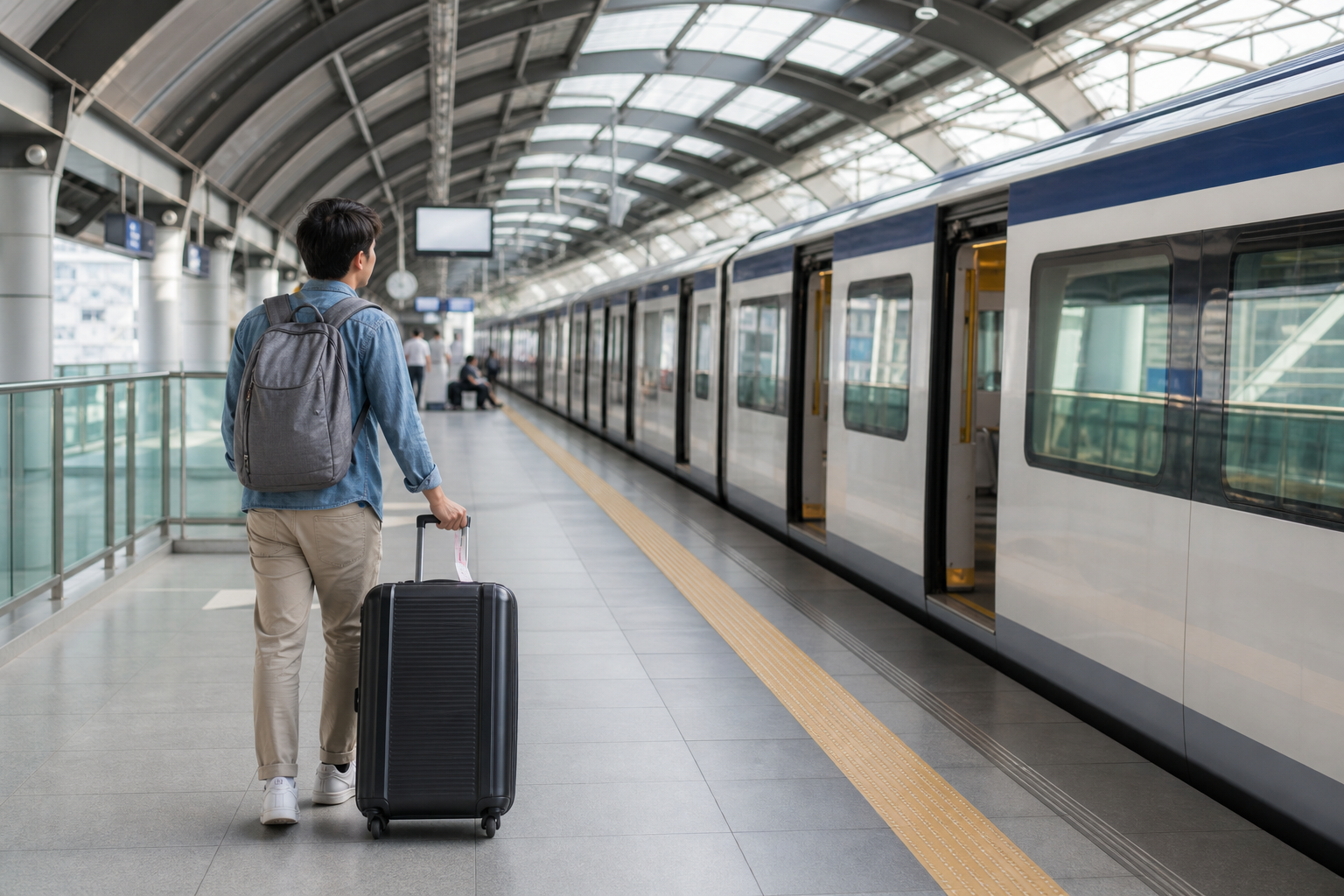
When you have manageable luggage and your hotel is near the rail network, the Airport Rail Link can be a predictable alternative to road traffic. Check the operating hours, fare, interchange station, and the walking route from the destination station.
At an interchange, follow signs carefully and allow time for elevators or stairs with luggage. For a late arrival or a hotel far from rail, compare the official taxi or verified ride-hailing option instead of forcing a complicated transfer.
Check Current Visa Rules Before Booking
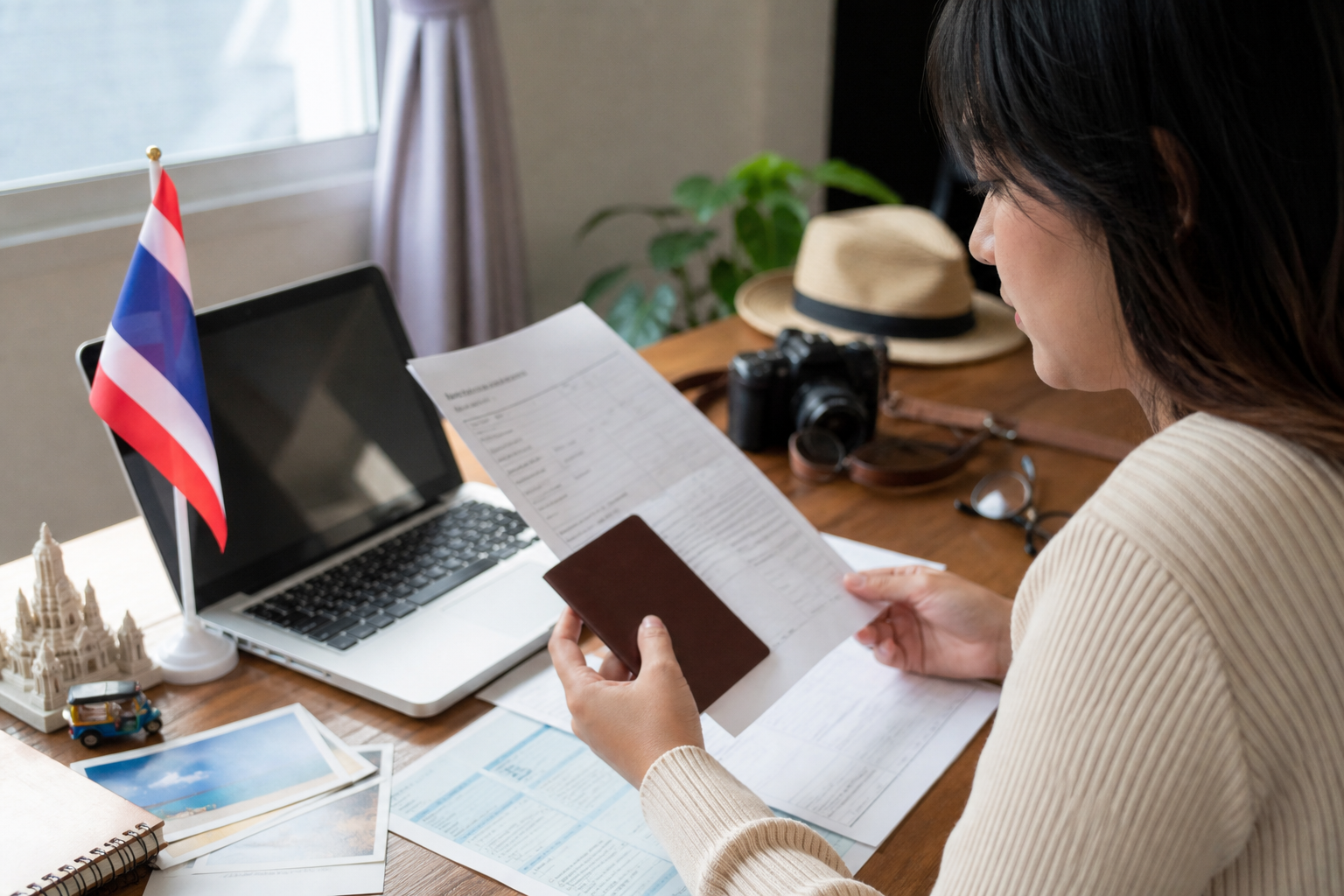
Thailand’s entry rules depend on nationality, passport, purpose, and the date of travel. Before booking, check the official Thai e-Visa website and the relevant Thai embassy or immigration guidance. Visa-exempt travelers may receive a permitted stay under the rules in force at entry, but an extension is not automatic; confirm the current conditions and apply through the proper channel if you need more time. Complete the Thailand Digital Arrival Card when required.
Plan Around Bangkok Airport and Baggage
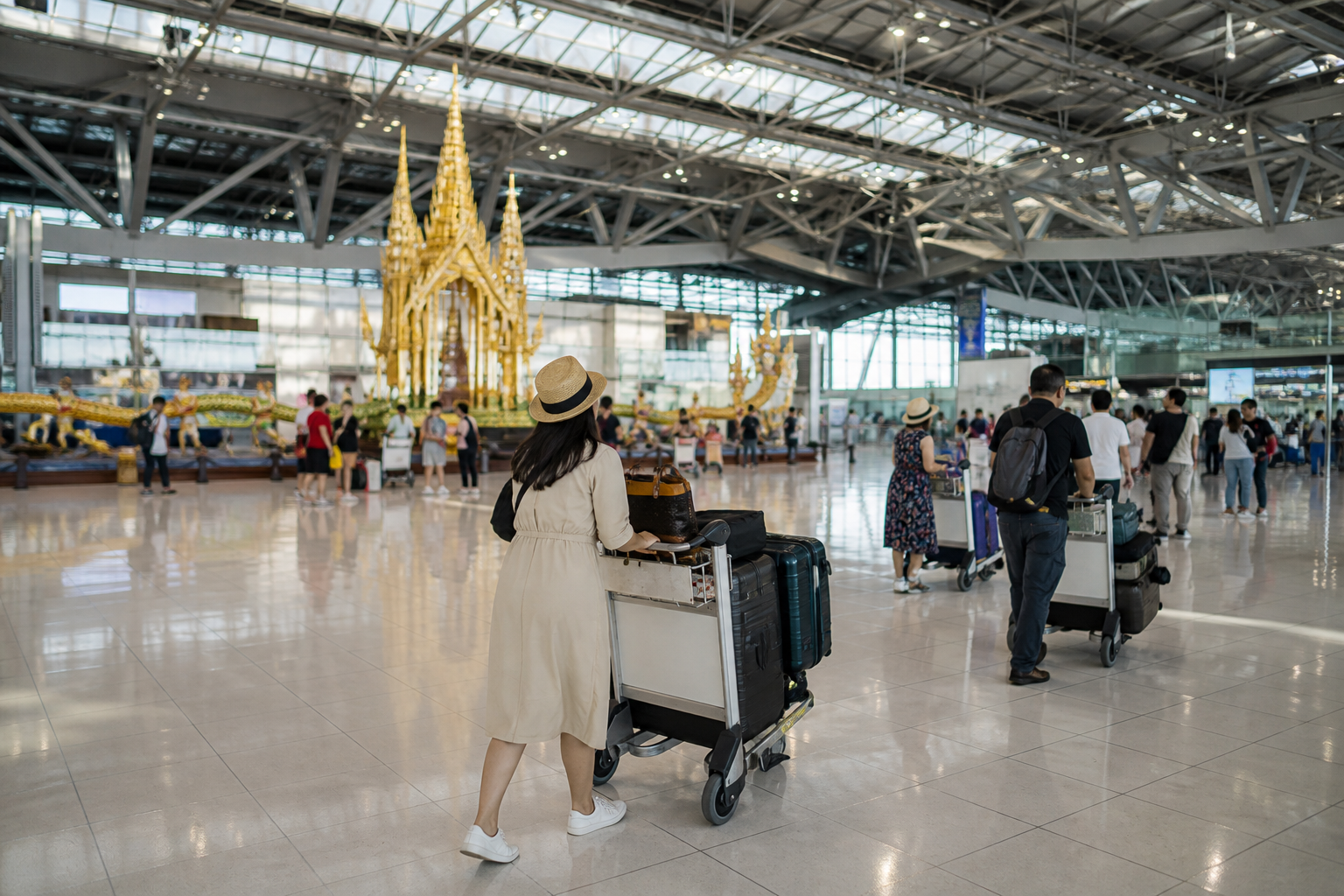
Weigh bags before leaving for the airport and check your airline’s current allowance rather than relying on an old travel memory. Keep passports, medication, chargers, and essential documents in your carry-on. For a connection, leave enough time for security, immigration, terminal changes, and unexpected queues.
Use Official SIM and Transport Channels
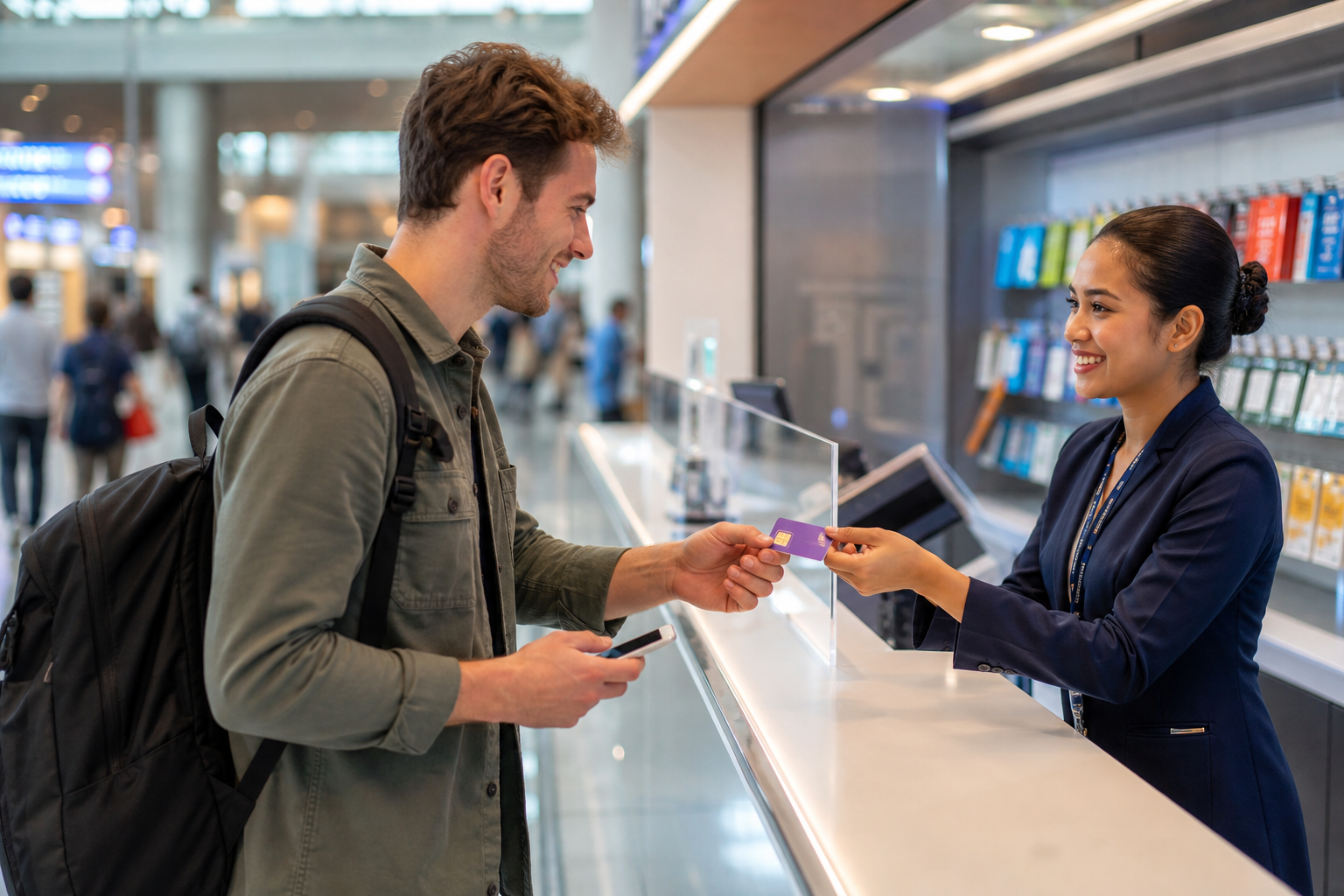
Buy a SIM or eSIM from an official airport operator, recognized telecom shop, or your existing provider. Confirm the plan, validity, identity requirements, and total price before activation. For transport, use the Airport Rail Link, official taxi queue, or a reputable ride service and verify the pickup point and vehicle details.
Allow Time for Food and Connections
Airport food and drink can cost more than neighborhood options, but a planned meal is useful during a long travel day. Keep water accessible, allow time for queues, and avoid cutting a connection close. If you are delayed, check your airline’s official updates before making a new booking.
Keep Airport Changes Flexible
Travel conditions, airline procedures, and entry requirements can change. Keep digital and paper copies of important details, allow a buffer for Bangkok traffic, and avoid relying on unofficial social-media claims. A flexible plan makes arrival easier without assuming that a previous trip’s process will be identical today.