Why Are Travelers Being Denied Entry to Thailand?
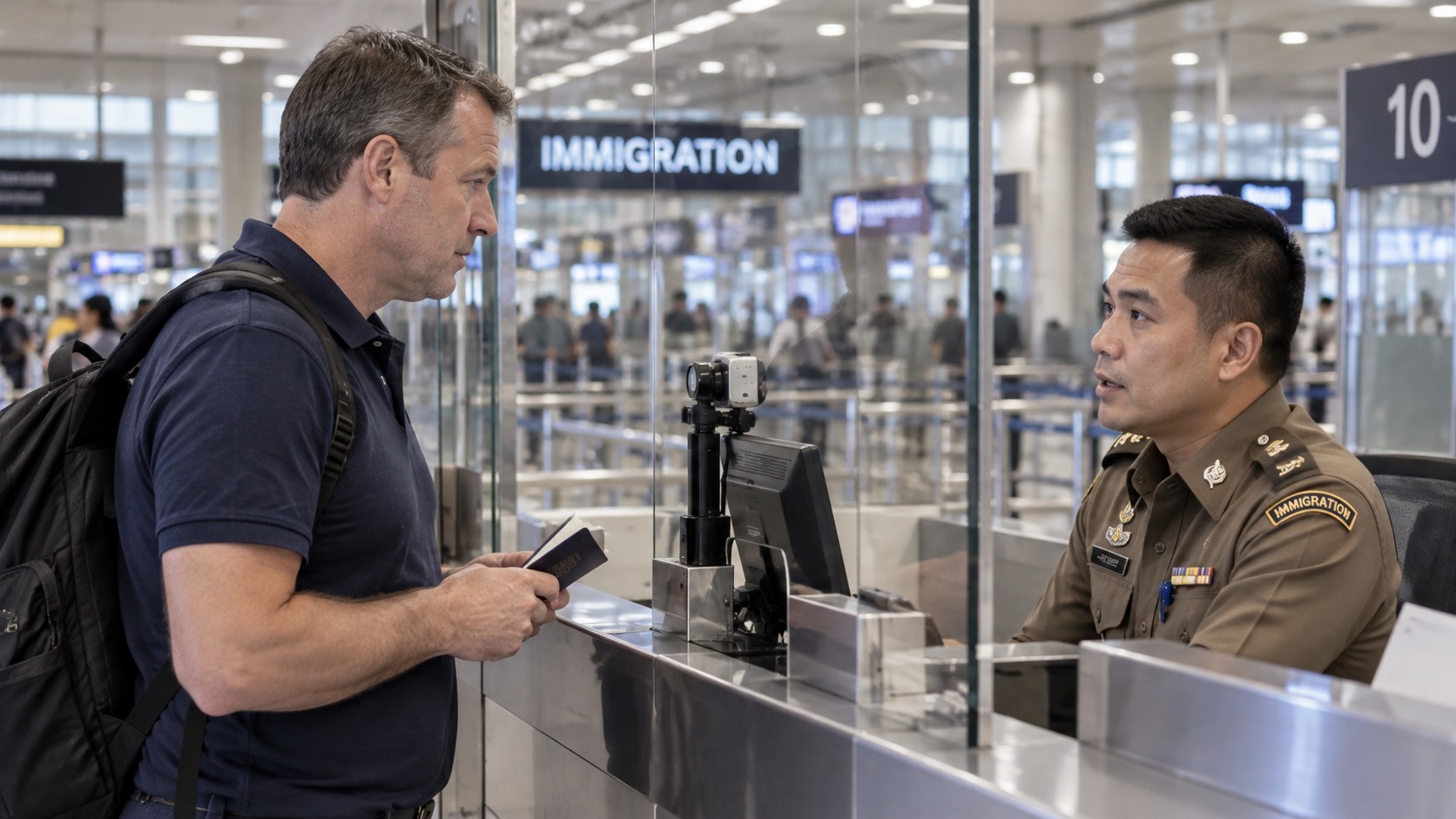
Immigration is increasingly viewing any stay that even comes remotely close to 6 months as residency in the country and that is grounds for denial of entry even if you hold a visa.
In recent weeks, there have been reports online of an increase in denials of entry for people on multiple-entry tourist visas in particular. I went and followed up a little bit to see what exactly was behind the uptick in reports.
This is something of a moving target. We’re talking about enforcement now, not strictly the policies. This is how the system is really functioning.
Visa Exemption and Single-Entry Tourist Visas
Anybody who’s visiting Thailand really has four options currently. Nationals of 60 countries, including most major tourism markets, can enter visa-exempt for up to 30 days.
Now, this one changed on September 15th. It used to be 60 days. That dropped down to 30 as the government is pursuing a tightening policy around entry and visas. That’s the big picture environment that we’re all operating in right now.
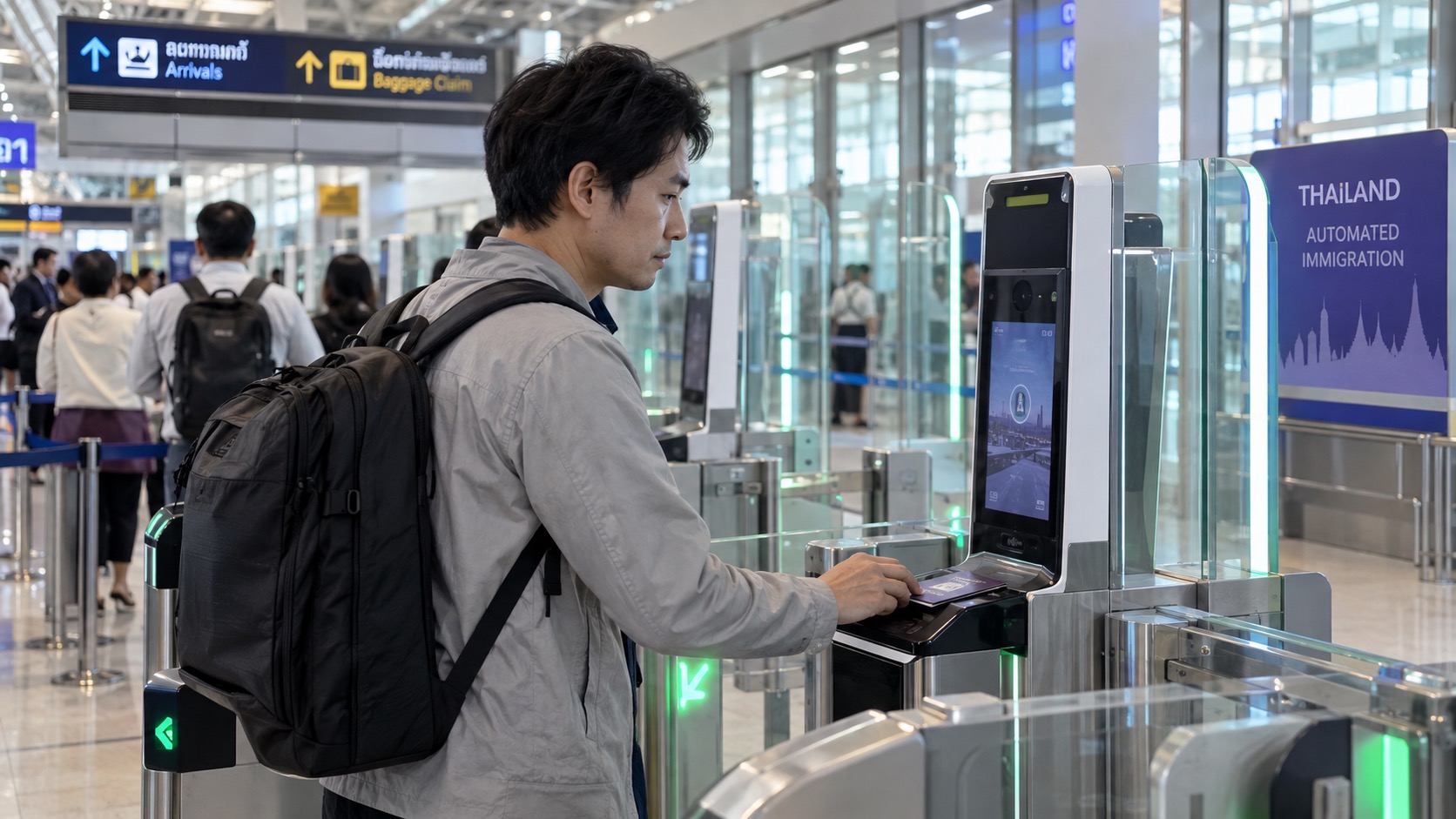
There is a reduction in the number of days, but if you’re coming for under 30 days, there are no issues. You’ll typically actually have a very straightforward entry process in part because a lot of countries have been added to the e-gate system. And so you’ll simply walk up to the e-gate. You won’t even see an immigration officer.
And this gets to a little bit of the underlying policy shift, a preference for tourists that are visiting the country as genuine tourists, which for the most part do stay for under 30 days. They’re streamlining that process. But anybody who’s staying longer is going to see more challenges and more risks of denial.
So, anybody who wants to stay longer than that 30-day visa-exempt period can extend for an additional 30 days inside Thailand at a local immigration office. So, 60 days is relatively straightforward.
Now, if you want to stay longer or you want a little bit more certainty, you can apply for a single-entry tourist visa using the government e-visa portal. That’s their official website. And it has a validity of 60 days, and that can be extended for an additional 30 at a local immigration office for a potential total of 90.
Now, keep in mind, you would have to present that visa to an actual immigration officer at the immigration desk. So, no autogates for you. Once you’re using a visa, you now need to actually go to a proper booth.
Multiple-Entry Tourist Visas and Immigration Checks
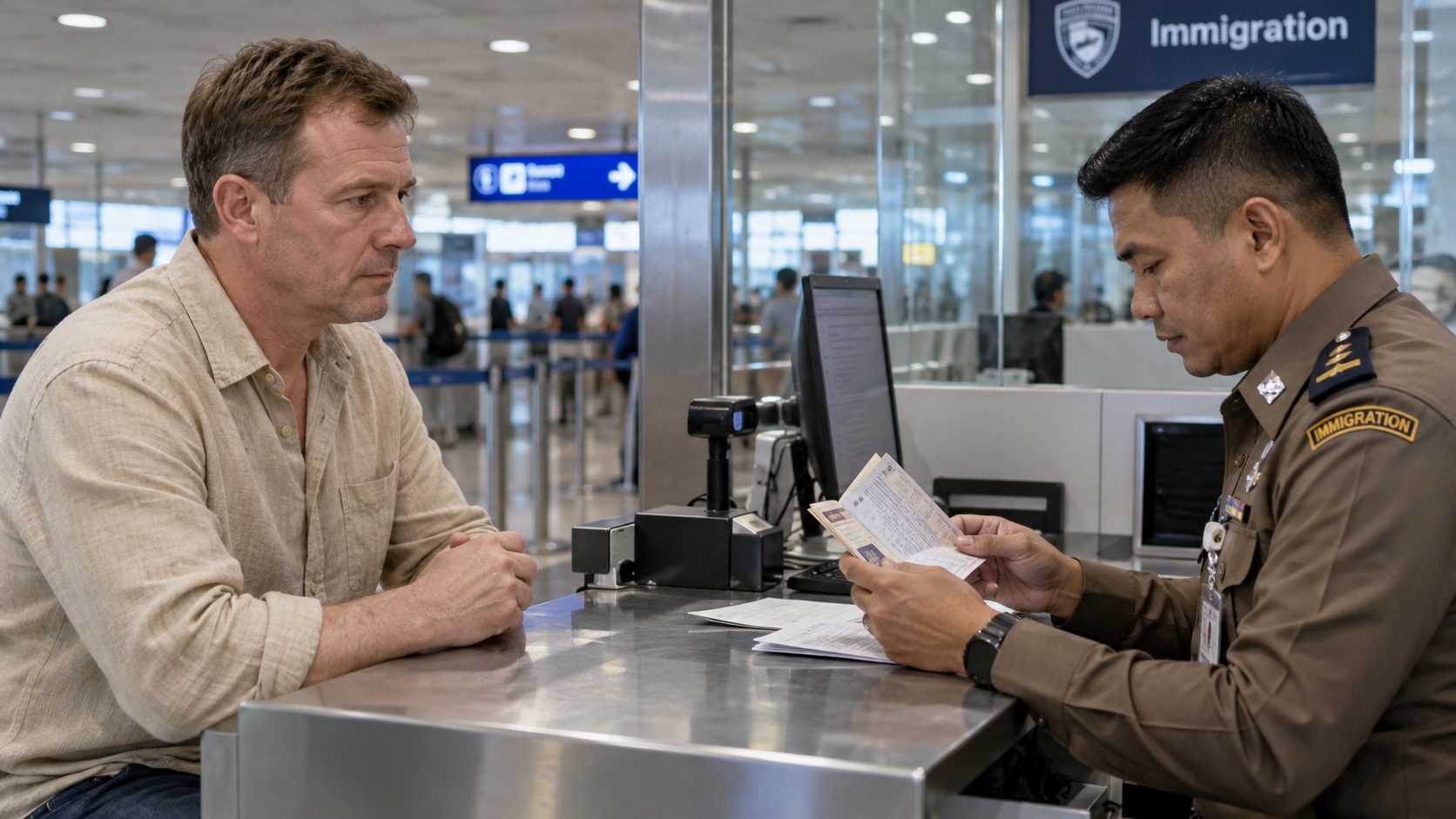
But what if you wanted to stay for longer than 90 days? Well, this is where we have a third option, and it’s actually where we’re seeing an uptick in refusals of entry and a lot of questioning. This is the multiple-entry tourist visa. It’s a six-month visa that is valid from the date of issuance. It’s a six-month multiple-entry tourist visa.
What does that really mean? A visa is not actually an admission into a country. A visa provides a reason for your stay. And so when you apply for a visa, you could apply for a tourism visa, a work visa, an education visa. There are lots of different visa categories and that’s the purpose of your stay in the country.
Then when you approach the actual port of entry, you enter the world of immigration or border control in some countries. This is not exclusive to Thailand. This is how every country around the world operates.
The immigration officer’s job is to assess you against your visa. And so they look at several different factors. Number one: national security. Number two: public safety and illegal work. And a big one: does your stay in the country align with the purpose of your visa?
I used to work in Canadian immigration. And we follow the same procedures. And so if somebody were approaching a Canadian immigration desk and they have a student visa, the immigration officer is actually looking to see if they’re working illegally in the country, if they’re likely to overstay their visa, and of course, national security and public safety.
The officer then determines whether to admit the person into the country. The visa is merely your purpose of stay. The immigration system is totally different, and that’s who lets you in or out.
If you actually look at who’s more important in this relationship when it comes to a visitor, it’s the people that let you into the country, not the people who issue the visas.
Border Runs and Long Tourist Stays in Thailand
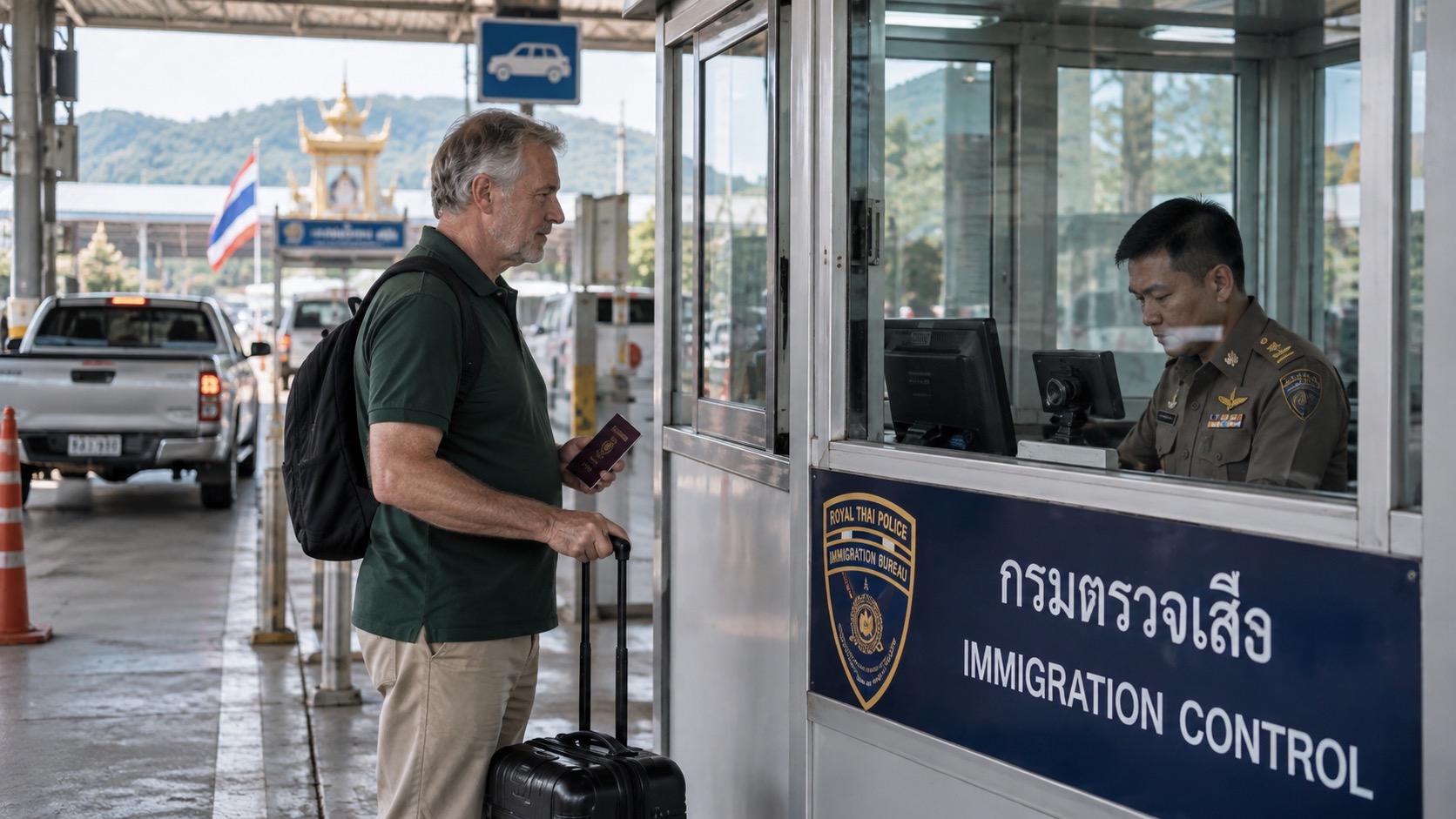
The multiple-entry tourist visa allows for six months within Thailand, but actually holders need to exit the country every 60 days or they could do that extension at a local immigration office and leave every 90 days.
So holders of the visa would need to leave the country at least once, often twice, in order to stay for that full six-month period.
But there was a loophole involved because each entry would give you a 60-day stay. And so if somebody were to leave Thailand and re-enter in the final days of the visa, they’d re-enter on that same multiple-entry tourist visa and get stamped in for a new 60 days. And so a lot of people were able to stay in the country for up to 8 months using the multiple-entry tourist visa using that little loophole.
And back in the 2010s when it was the more popular option, immigration didn’t bother too much about it as residency was not the issue that it is today.
And all of that changed last year when immigration launched a crackdown on visa and border runs. And that crackdown was focused on people who were essentially residing in Thailand using non-resident visas. This came with an unofficial cap on the number of days in Thailand before you would be considered a resident. And that was generally around 150 to 157 days, which is actually under 6 months.
And all of this set up a bit of a contradiction within the system because the multiple-entry tourist visa was giving an upfront six-month validity from issuance that could be manipulated via the loophole all the way up to 8. And that’s in direct contravention of this 150 to 157-day cap.
Now, none of this is officially published. Enforcement measures are not all officially published. There’s a giant immigration handbook, a high level of officer discretion. It differs. It is not what you think it is. Each officer can assess an entry.
Anybody who’s nearing that soft cap on the number of days in the country on any visa, whether it’s a multiple-entry tourist visa, a single-entry visa, or visa exemption, is going to encounter questioning. Immigration is going to want to know what you’re doing in the country, how long you’re planning to stay. They’re going to need a return flight and ideally within a period that’s actually under what’s classified as residency.
Now, if all of this sounds like a real headache, that’s totally a fair point, but it is what it is. And this is actually one that I was looking out for because last year when they announced that big crackdown on border runs and visa runs, I was wondering how it would play out with this multiple-entry tourist visa loophole that had been widely used prior to the pandemic and now is in direct contradiction to the new enforcement directives.
And that’s exactly what we’re seeing. These refusals, these denials of entry are that contradiction playing out. And the thing in Thailand that you need to remember is a lot of how things actually operate plays out at the enforcement level.
Thai Immigration and Embassy Visa Responsibilities
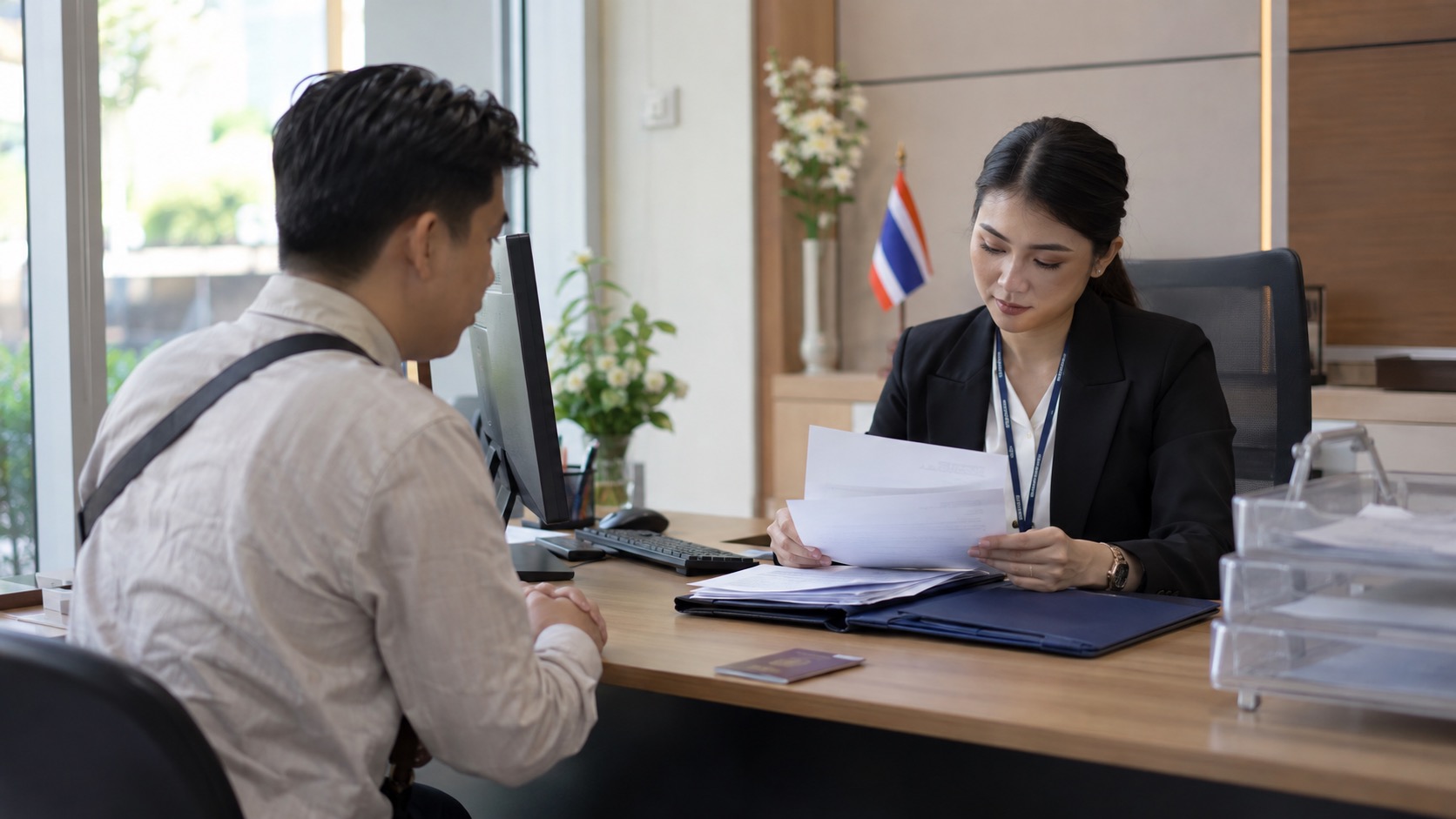
Immigration is a branch of the Royal Thai Police and their directive is national security, public safety, focusing on illegal work. This is a police organization, not a tourism organization. These are very, very different.
All of the contradictions that exist in the visa system are actually not from their system. That is part of the Ministry of Foreign Affairs. You have the Ministry of Foreign Affairs on one side, the Ministry of Interior on the other.
The Ministry of Foreign Affairs administers all the embassies and the visa system. Now, each embassy administers its own visa system separately. Now they go through that e-visa channel, and then every embassy has to actually process the visa separately, and so you do see some differences from embassy to embassy. But all of that falls under the Ministry of Foreign Affairs.
The Ministry of Interior is where immigration resides. The current prime minister of Thailand, Anutin Charnvirakul, is the minister of interior as well. He appointed himself to both portfolios, the prime minister and the minister of interior. You can see where his prerogatives lie. His focus is with the immigration and the enforcement wing.
And that’s where we’re seeing the most action, the most shifting going on because the refusals with the multiple-entry tourist visa point to a bigger structural framework that obviously may have already been in place, but is increasingly visible as the multiple-entry tourist visas become a little bit more popular again.
And that is that immigration views anything nearing 6 months within Thailand as residency with a high probability of refusal of entry.
Entry History and Immigration Officer Discretion
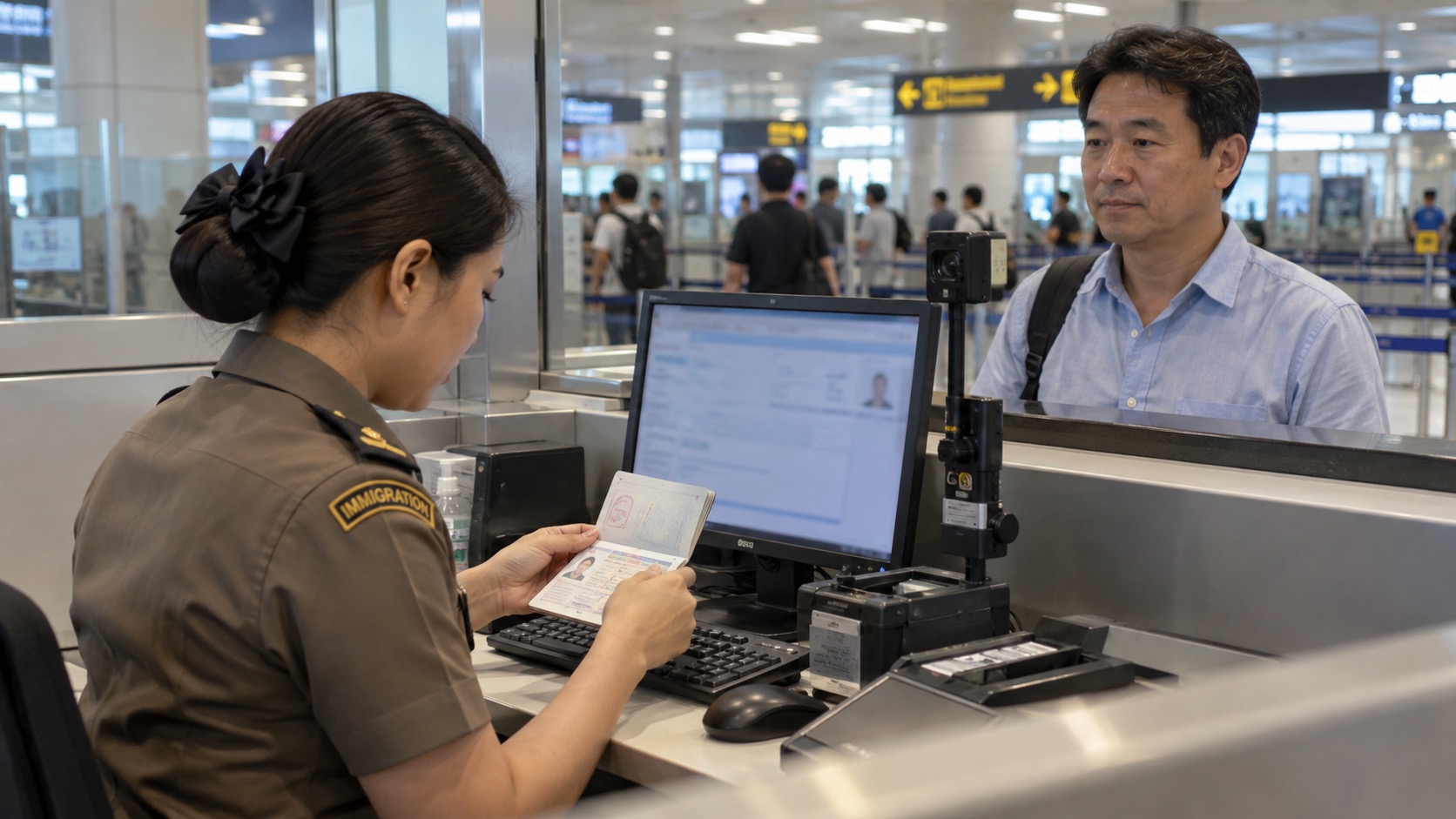
Now, at minimum, you’re likely to get questioned. So, if you’re thinking that you’re going to have a workaround or that you’re going to be able to finesse and get a single-entry visa here, maybe a multiple-entry visa, your full record pops up when you approach an immigration desk.
And keep in mind, those autogates won’t apply if you have a visa. So, the immigration officer will assess your pattern of entry and your pattern of stay.
And if your pattern of stay nears that 150-day period within a rolling year, not a calendar year, a rolling year, then it’s likely you’re going to get questioned and there is a risk of denial of entry.
And they also look back at all your prior years of entry and stay. And they look at long-term patterns here. So, people that were doing visa runs and border runs for years will already be flagged in the system. And if you’re entering on anything that even resembles a continuation of that pattern, you’re very likely flagged, with a high probability of refusal of entry.
And this whole system is still very much in motion. As the autogates come online to process more of the visa-exempt entries, those 30-day periods, that frees up a lot of immigration officers for more questioning. And this type of stuff isn’t widely publicized. You see it with on-the-ground enforcement.
Again, none of it is universal. That officer discretion is very high. You’ll have some people who get in with no issues whatsoever. Well, it turns out they probably went to the right officer on the right day. And you’ll have other circumstances where people are questioned and even denied entry for a very similar situation.
So, if you’re residing in Thailand or you’re staying in Thailand for half a year, that means that you are at risk of a denial of entry. And when we’re talking about this, it’s so that you don’t leave a condo full of your belongings that you’re going to have to return and collect later.
You do want to ensure that if you’re actually residing in Thailand, you’re using a proper long-term resident visa.
Now, in the past, I think there was a broad assumption by a lot of Western visitors in particular that you should simply be admitted into the country. They want your tourism dollars and so why wouldn’t they let you in? And you know, it’s a fair assumption. Tourism money is important to the Thai economy, 20% of the GDP.
And yet, Western immigration systems are operating very similarly to the Thai one currently where they’re pretty strict, actually. They don’t care that much about your money over there.
What Happens After a Thai Entry Refusal
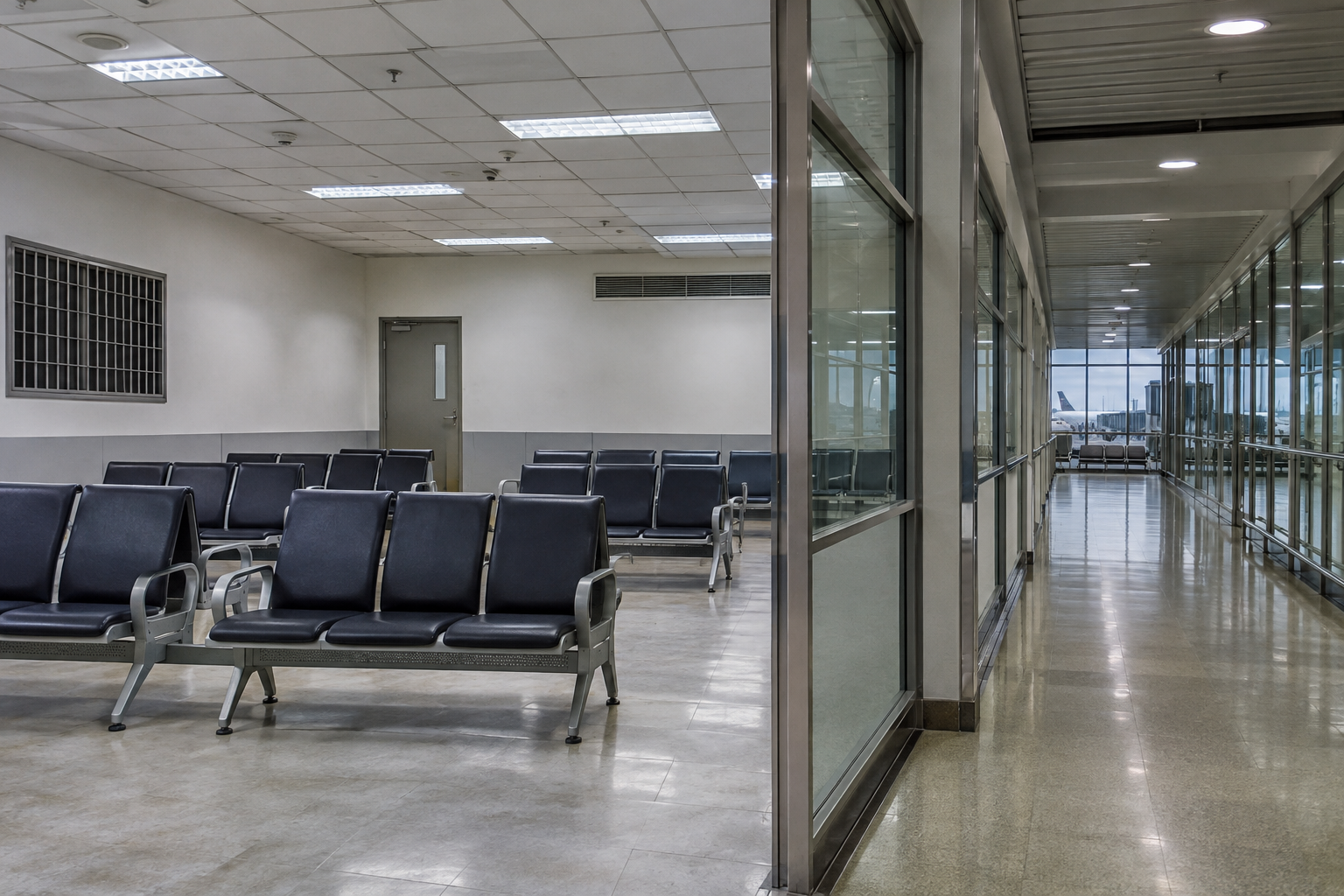
First, you go through the immigration process and the actual refusal. He was walked through a side door into an immigration office where he was processed with fingerprints and photos. Immigration retained his passport, and he was put into a hallway with about 10 other passengers from India, Nigeria, and all over the world.
Westerners actually make up a tiny fraction of the overall denials of entry.
He said that nobody could make a phone call, there was no internet there, and nobody knew how long they’d have to wait. And this is where the airline steps in. Because once immigration issues the refusal, the passenger becomes the responsibility of the airline that flew you in.
And if you’ve ever wondered why airlines are strict about holding a return flight when you check in, this is why. At this point, the denied passenger must book a flight out of the country, either to their home country or a different destination. Now some airlines can be more or less strict about this.
It’s really up to the airline because if you’re refused entry at the next destination, you’ll still be their responsibility. While you wait, you’re held in a holding room at the airport’s restricted area. At Suvarnabhumi, it’s a shared room with bunk beds and lights on all the time.
Phones are permitted, but the Wi-Fi only works in the main areas, not in the beds, and there’s no smoking, photos, or recording allowed. It doesn’t look like the most pleasant accommodations. And importantly, the room and board for each night in the holding room comes at the passenger’s own expense.
Passengers must also book their own flight out again at their own cost. And once they do so, they tell the airline. At this point, most of your communication will be with the airline as immigration has already handed you off.
It’s no longer their role. And how long you’re stuck in the immigration holding area depends on the availability of seats and your ability to book the flight. Some people are out within a night, while others may be stuck for 42 to 72 hours.
And one American earlier this year stayed inside Suvarnabhumi for 10 days because he couldn’t afford the fare. When the flight’s ready, the passenger will be escorted personally onto the aircraft, and the passport is held by the airline until you arrive at your final destination, where it will be handed over to the immigration officers at your destination country. During this time, movement is restricted and the passenger is accompanied by airline staff or security throughout the process.
The individual is essentially detained right up until arrival in the destination country. At that point, the airline crew hands over your passport and refusal paperwork to the receiving immigration authorities.
A Second Refusal in Australia
The airline can only fly you on one of its routes and if there’s a seat available. Now our example, our case study, he was an American citizen and that particular airline did not fly to the United States. So he opted to fly back to Australia.
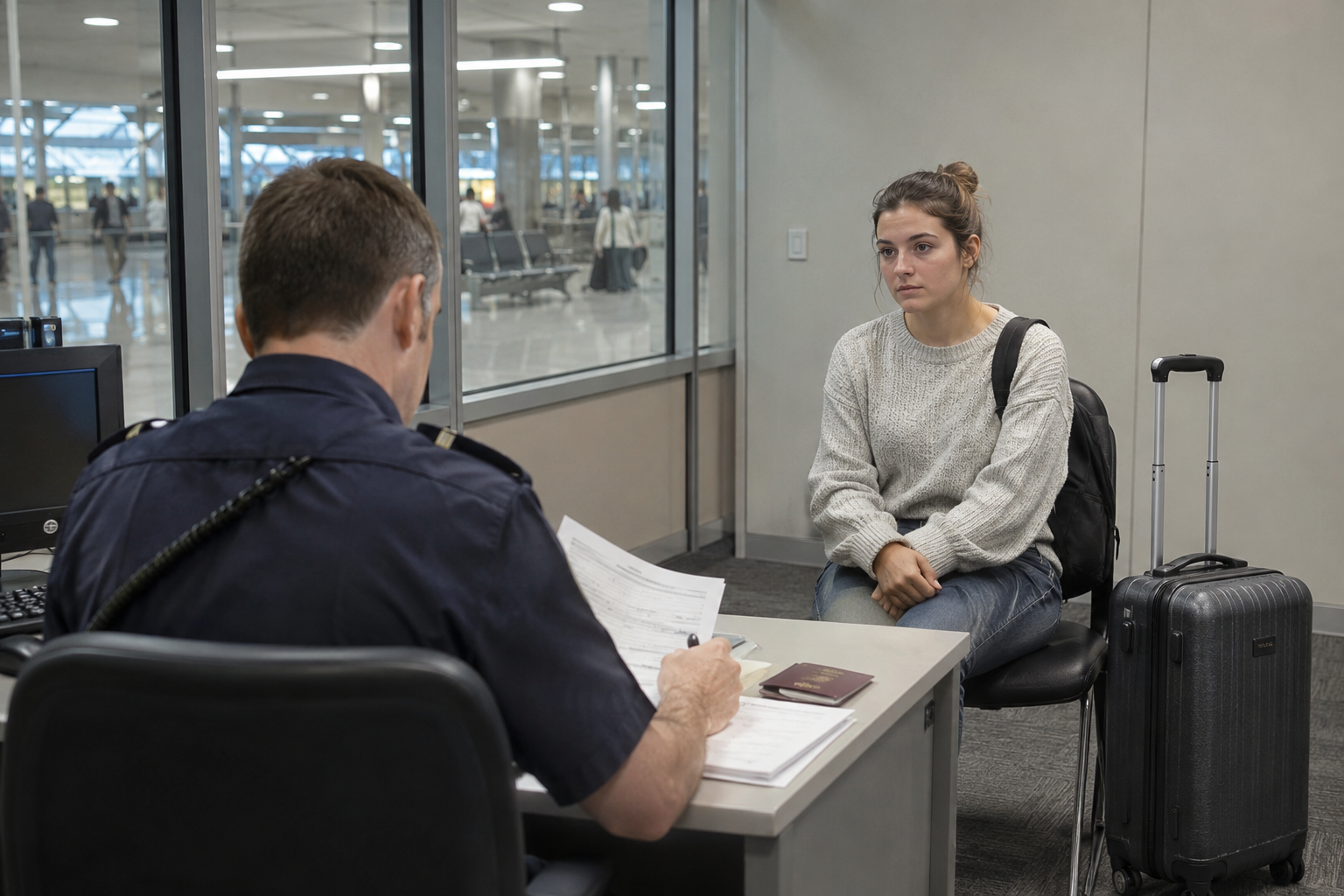
But as he lacked Australian citizenship, when he arrived in the country, he faced scrutiny from the Australian immigration authorities. The officers in the destination country can see that you’ve been denied entry into Thailand, but they don’t actually get given a reason why. And that will automatically flag you for extra screening if it’s not your home country.
So Australian immigration authorities went through all his bags and searched his phone, his chat messages. And he said that this led immigration to suspect that he may be planning to work in the country. And he was denied entry into Australia and detained once again.
That meant another 72 hours in detention, this time in Australia, and another ticket on the same airline. Now Australia wanted to send him home to the United States, but the airline didn’t fly any routes into the US. So he bought a ticket to Bali, planning to get a visa on arrival and expecting to be questioned again when he landed.
By his own count, that’s a week in detention across two countries and paying for room and board plus multiple flights. And as he put it, if he kept getting refused, he would actually run out of money caught in a loop of denials of entry. And this is a real risk when it comes to refusals as each step will encounter similar issues with the immigration authorities in every single country along the way.
And it goes back to my earlier point. None of these procedures or denial processes are unique to Thailand. You’ll face them in every country around the world.
And if an immigration officer is suspicious of your reason for entry or stay in a country, they always have the right to deny you.
DTV and Education Visa Enforcement Changes
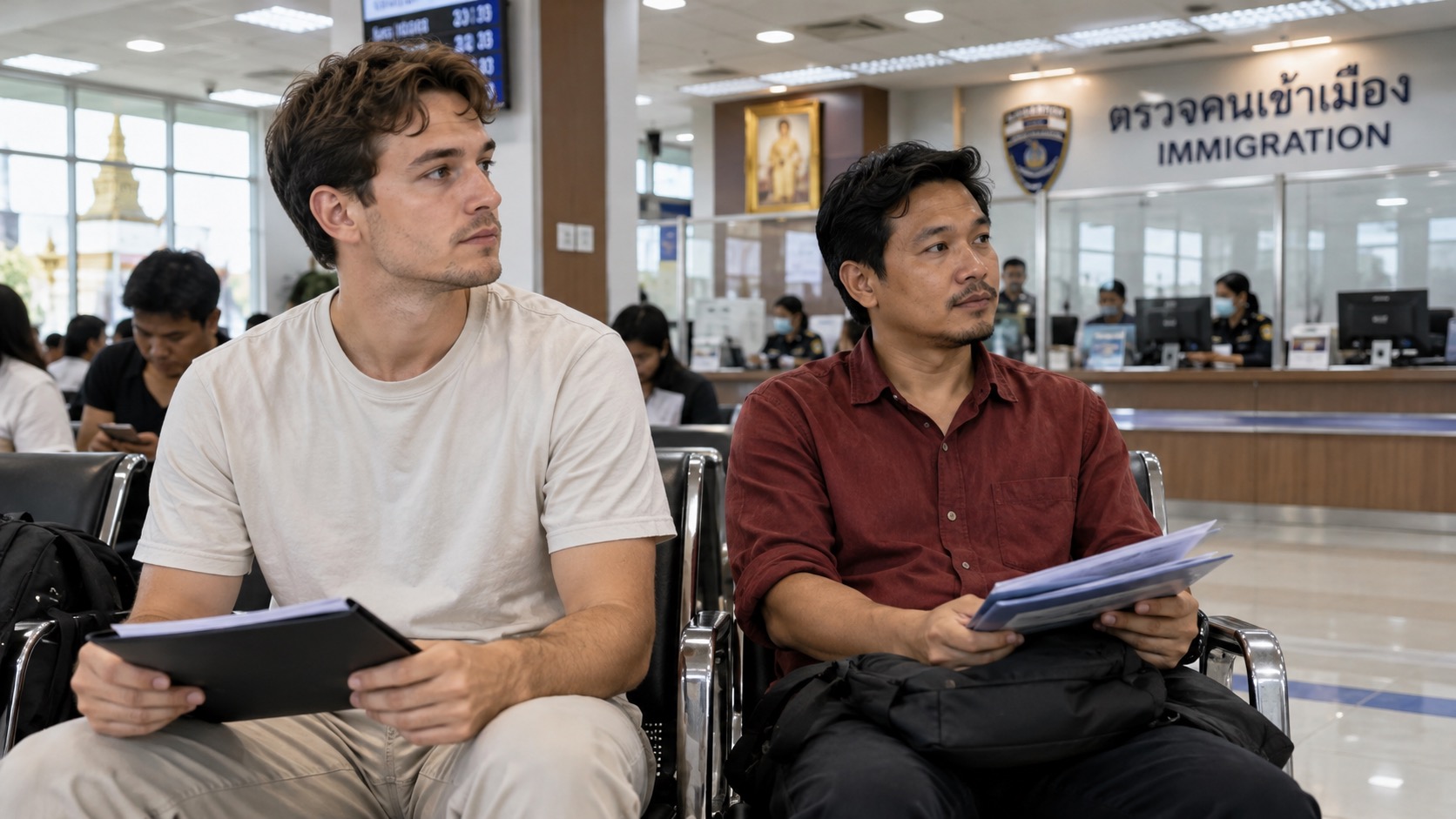
I definitely have some concerns and reservations about where the broader system may be heading on that one in part because there is a big difference between the current government and the government that enacted and loosened all the visa policies.
Now, the DTV, the 60-day exemption, these were all rolled out under the prior government, the Pheu Thai-led government, and that was in the aftermath of the pandemic in an effort to boost tourism.
Now, the current government has a very, very different set of priorities and it’s actually tightening the policies across the board. We’ve already seen it with the exemption and the DTV. They’ve made the application process more challenging. You have to do it from your home country, you have to provide a criminal record check, and we may see further shifts in visa policy.
Keep in mind also last year’s ED visas. Whenever we’re having this conversation, we’ve got to remember those ED visas because that was a major crackdown, and it started off with much the same type of shifts where there were increased questions by immigration upon re-entry.
You had a trickling of denials of entry and then suddenly a wave, and 10,000 ED visas were cancelled overnight. And so there is a lot of precedent behind some of these shifts.
Tourism and the Risk of Entry Refusal
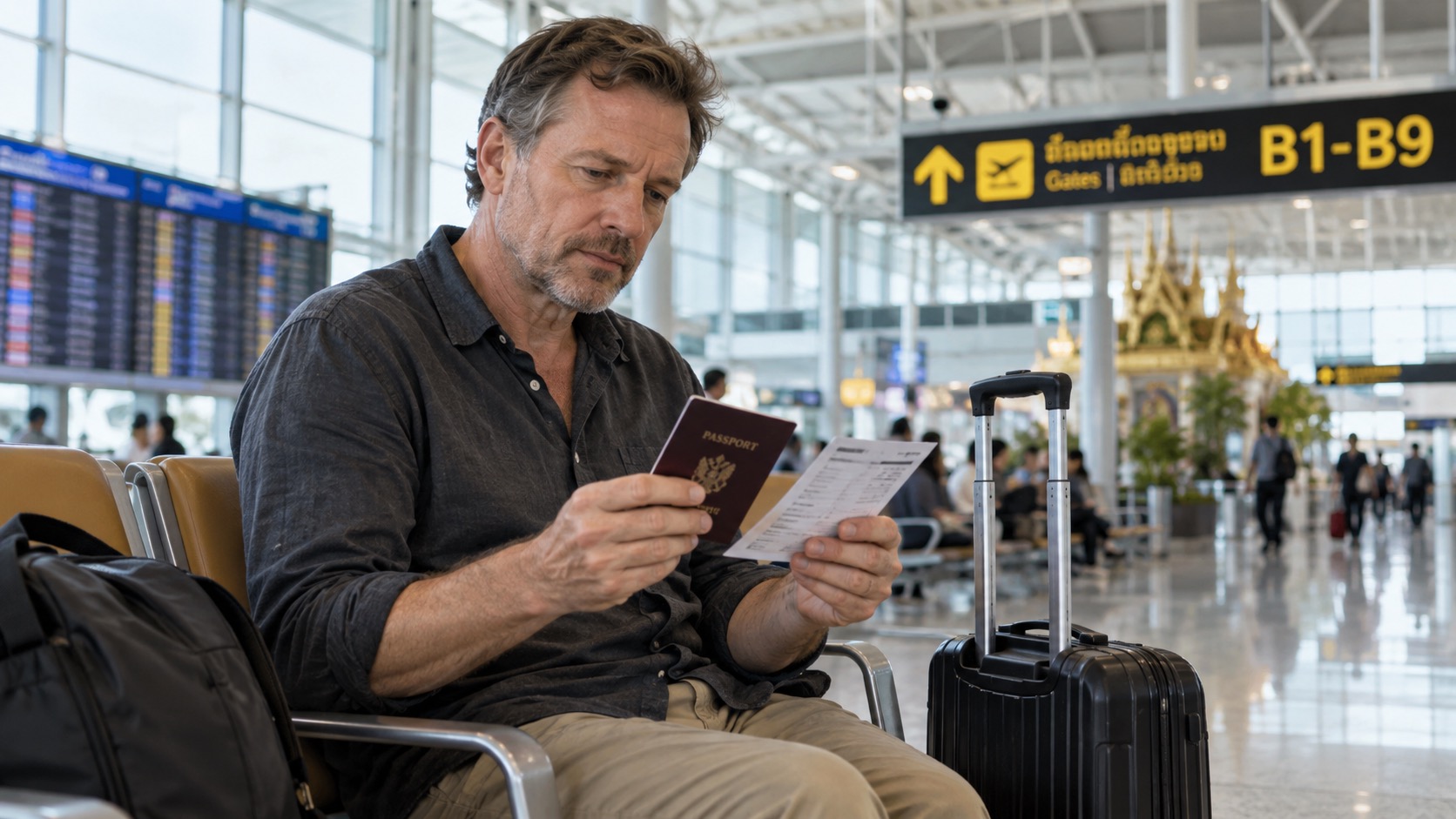
I don’t know if there’s enough consideration of the economic effects as tourism does constitute 20% of the economy and it’s going to be very hard to fill that gap if there’s a significant drop. That’s where you’re going to get a bit of a catch-22, I think, because all of these initiatives appear aimed at reducing tourism.
And yet, the Tourism Authority of Thailand will start publishing its numbers again as we enter the new year.
And if we see a drop in tourism, there may be a big scramble of, well, why aren’t we getting more tourists? Because this is what happens every year. And probably the policies are directed, or they are seemingly aimed, at having fewer tourists.
But the big takeaway: if you are trying to stay in Thailand for anything near a six-month period, even less, 5 months, 150 to 157 days within a rolling annual period, you are now at high risk for a denial of entry.
Regardless of what visa you’re entering the country with, immigration is looking at your pattern of entries, your pattern of stays, and assessing you solely based on that. And the embassies, they probably aren’t.
So, you could still get issued a visa and you may think that’s a ticket to entering and staying in the country long term, but immigration doesn’t have to abide by that.