Ways Tourists Waste Time in Thailand (And How to Get It Back)
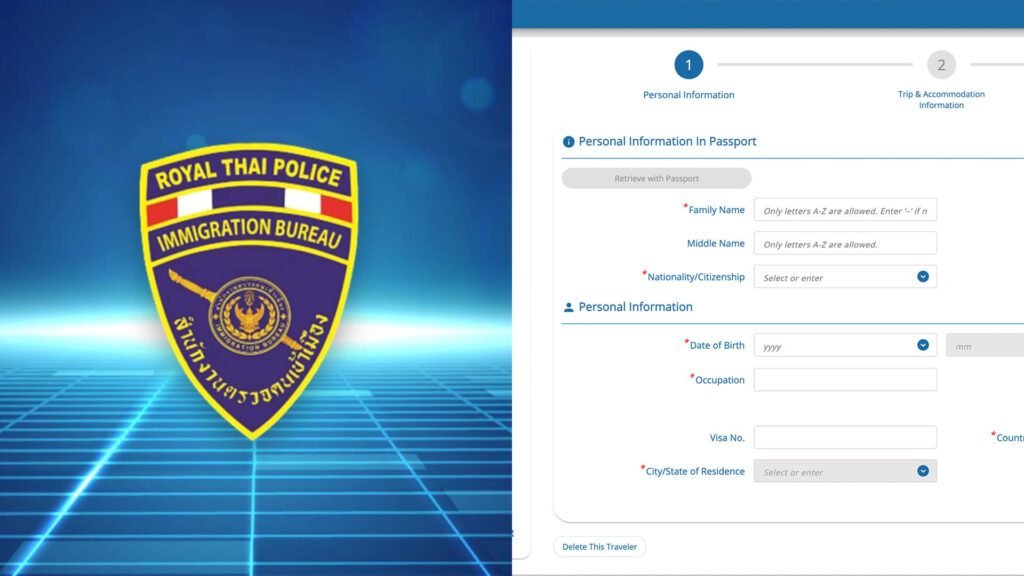
TDAC – Do It Before You Land
Let’s get started with a very common problem that can derail a trip before it even begins.
The Thailand Digital Arrival Card or TDAC is a requirement for entry into the country and it must be completed within a 72-hour window before arrival.
If you arrive at the immigration desk without having completed it, you’ll be pulled out of line, sent to the airport kiosks to fill it in, and very likely face another queue there, which is not an ideal way to start a trip after a long flight.
Do it in advance. Save the QR code on your phone and you’ll walk straight through.
Make sure you use the official site. The TDAC is free, but scam commercial sites often attempt to charge for it.
Booking Poorly Located Accommodation
The second mistake quietly shapes your entire experience, and that is booking poorly located accommodation.
Major cities in Thailand, especially Bangkok, deal with heavy traffic congestion, uneven sidewalks, and long travel times. A bad location will drain your time and energy every single day.
In Bangkok, always stay near public transportation, ideally close to a BTS or MRT station, and in a relatively central area with access to food, convenience stores, and basic amenities.
The less time you spend commuting, the more usable time you have each day.
This applies to smaller cities as well, where choosing a central location often means you can walk to cafes, temples, markets, and restaurants instead of constantly relying on transport.
A bad location doesn’t just inconvenience you once—it taxes you every single day.

Overthinking SIM Cards
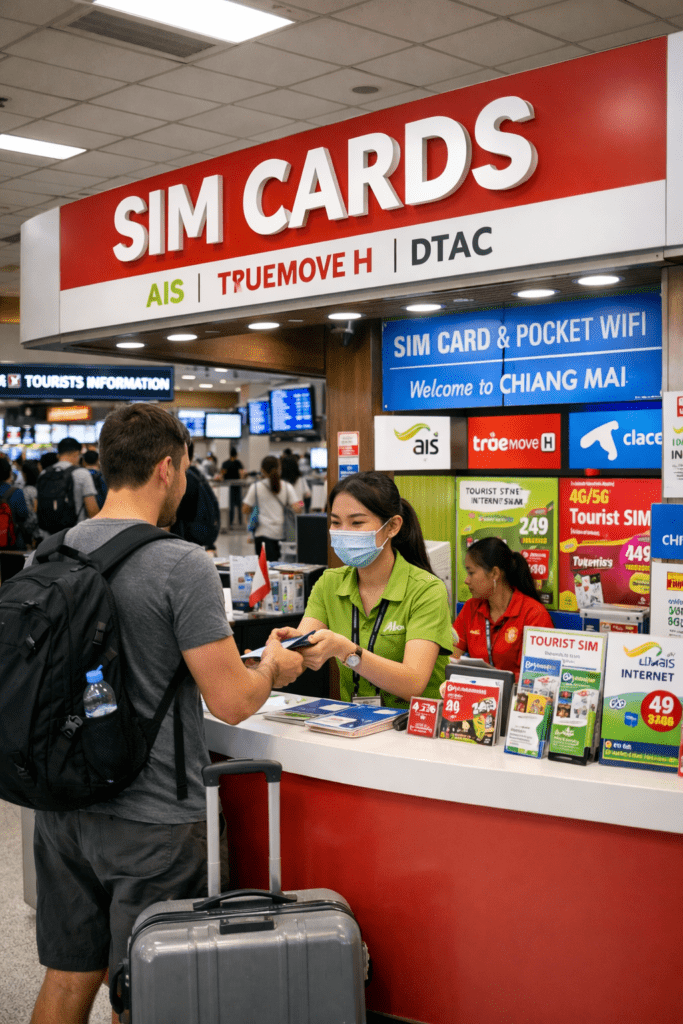
Next, we have overthinking SIM cards.
The difference between tourist sims, prepaid sims, and e-sims is normally only a few dollars. For short trips, it’s normally best to go with the simplest and most straightforward option.
Airport queues, shop visits, setup issues, and SIM swapping all add up to wasted time.
From a time efficiency perspective, an eSIM is the best option. The setup is simple. You choose a data package before your flight, install the eSIM, and it automatically activates once you arrive.
You keep your home number active for calls and texts while using data locally to avoid high roaming fees.
Regional plans are especially useful if you’re traveling to multiple countries because you don’t need to buy a new SIM card every time you cross a border, which saves both time and hassle.
Overcrowded Itineraries
One of the easiest ways to waste time is with an overcrowded itinerary.
When trips are built around must-see lists, people tend to spend a huge proportion of their holiday in traffic or commuting.
Thailand looks compact on a map, but travel time adds up fast. Many people end up sitting in traffic, rushing between attractions, and feeling exhausted instead of relaxed.
Trying to do too much is one of the most common ways tourists destroy their own schedule.

Long-Distance Trips for One Attraction
The next mistake is taking long-distance trips for a single attraction.
Some tourist destinations are located far from central areas, and visitors can easily burn an entire day with these kinds of excursions.
Instead, aim to group attractions together by area and avoid single-purpose journeys that quietly consume entire days.
Give yourself enough time to actually explore and enjoy them. You’ll see more while doing less.
Traveling During Rush Hour
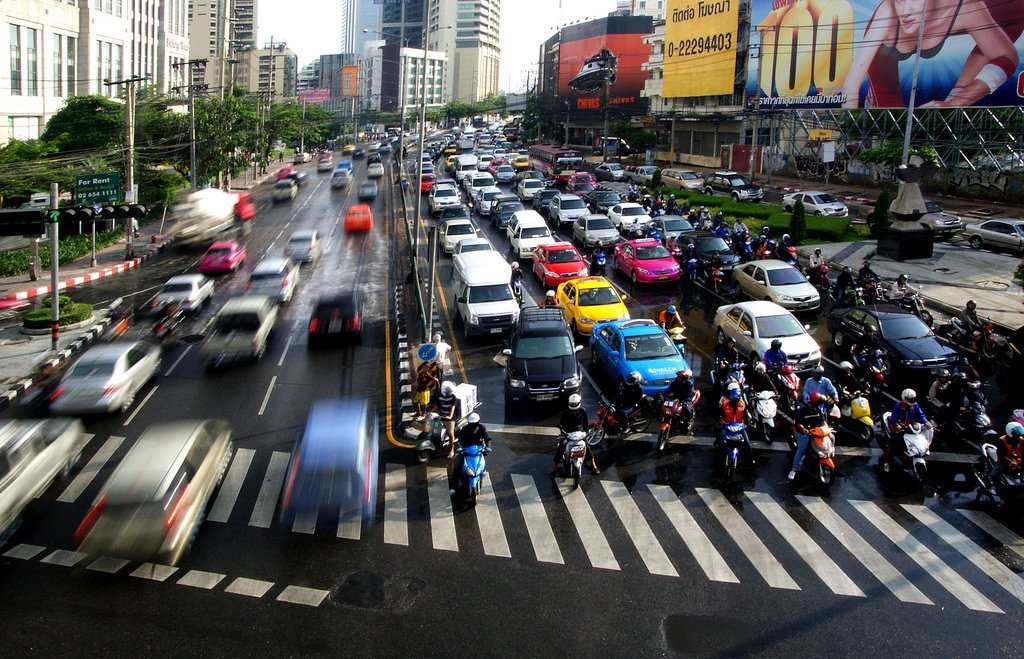
This leads directly to another time drain: traveling during rush hour.
In Bangkok between 7 and 9:00 a.m. and again from 5 to 7:00 p.m., traffic is gridlocked and train platforms are packed.
Plan your itinerary to avoid commuting during these windows whenever possible, especially when heading to airports, bus stations, or train terminals.
If you absolutely must travel during rush hour, stick to the rail networks. They may be crowded, but they’re still faster and more predictable than sitting in traffic.
Overnight Buses & Trains
Another common misconception is that overnight buses and trains save time. But in reality, they often do the opposite.
Travelers arrive tired, disoriented, and unproductive the following day.
A 10 to 12-hour bus or train journey can frequently be replaced with a 1-hour flight, often for a similar price if booked in advance.
Trains are excellent if you want a slow travel experience. But if your time in Thailand is limited, they’re rarely the most efficient option.
Talking to Scammers
Avoiding the next mistake will save you both time and money, and that is stopping to talk to people who approach you in busy tourist areas.
Scammers concentrate around dense tourist zones like the Grand Palace, Lower Sukhumvit, and Khaosan Road.
They’ll strike up conversations, tell you you’re lucky, ask where you’re from, or try to bring you on a private tour. They may be foreign or local.
Newcomers often feel compelled to reply out of politeness, but they shouldn’t.
These people aren’t being friendly. They’re running a script.
Even if you don’t lose money, stopping is always a waste of time. Ignore them completely and keep walking.

Excessive Haggling
Another common time waster is excessive haggling.
Markets in Thailand are commonly negotiable, but it’s often a waste of time.
For many travelers, time is far more valuable than marginal savings.
Saving a few baht on a 100 or 150 baht item usually isn’t worth the time or energy.
That said, items without listed prices or obvious fakes should always be negotiated.
This is a pick-your-battle situation.
Getting Sick from Food
Perhaps the single worst way to waste time on a trip is in a bathroom.
This is where selective eating becomes important.
Most street food in Thailand is excellent, but food that’s been sitting out too long is risky, especially in tropical heat where bacteria multiplies quickly.
An upset stomach means frequent bathroom trips. A serious bout of food poisoning can take you out for days.
You don’t need to avoid street food. Just be selective.
One bad meal can cost more time than almost anything else on this list.
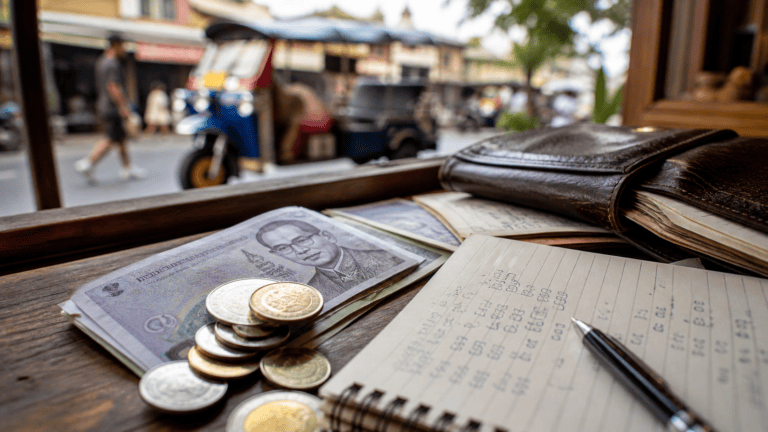
Bringing Only One ATM Card
Finally, one of the most disruptive mistakes of all is bringing only one ATM card.
It’s surprisingly common for visitors to forget their card in an ATM because the machines dispense cash first, pause, and then return the card.
Occasionally, an ATM will also retain a card, or a home bank will block withdrawals that are flagged as suspicious.
Even if the issue can be fixed with a phone call, losing access to funds will immediately wreck your schedule.
To avoid this entirely, always bring at least two ATM cards. Keep them separate and have backup payment methods.